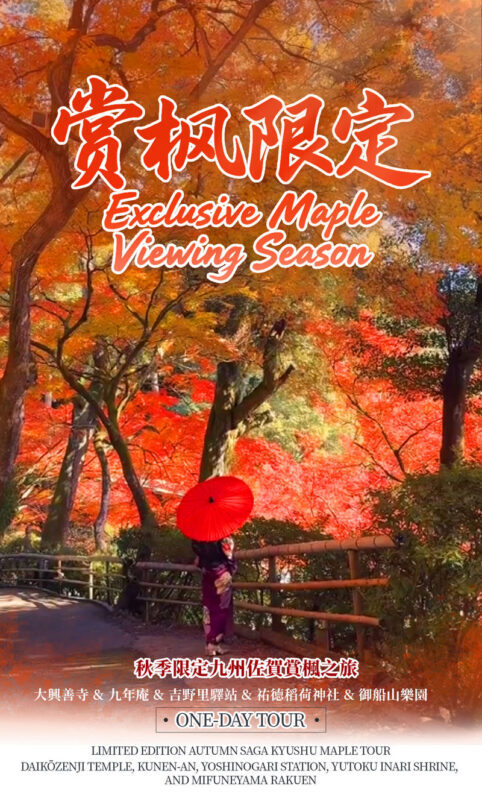
Dazaifu’s shrine approach by day and Kamado Shrine’s illuminated maples after dark make this a satisfying way to see two sides of autumn in northern Kyushu. You move from a historic shrine town to Saga’s mountain temple and garden sights, then return to Fukuoka in the evening.
I like two things about this route: it connects several seasonal sights without making you plan separate bus and train connections, and the stops give you time to walk around on your own. Dazaifu also has a kimono option, so you can add a traditional dress-up experience to the day rather than just admire it from the sidelines.
The main trade-off is the packed schedule. You have about 40 minutes at most of the Saga stops, and autumn color depends on weather, so the maples may not be at their best on your date. The ride also follows a fixed group route, not a private, stop-when-you-like plan.
- Key things to know before you book
- A full autumn day from Fukuoka
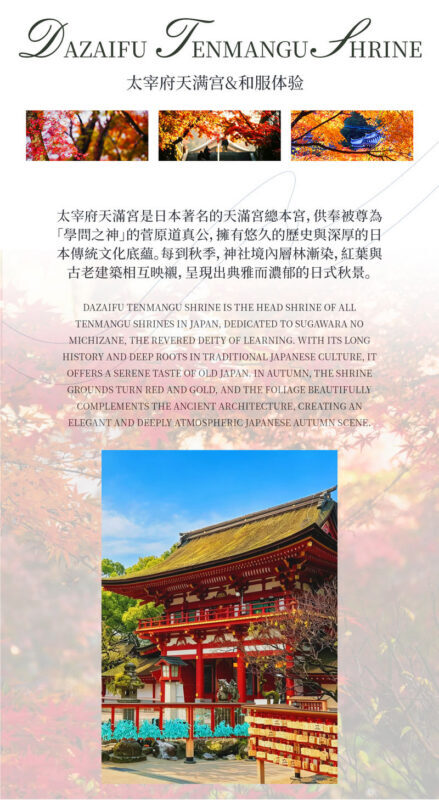
- Dazaifu Tenmangu: shrine, snacks and a kimono option
- Daikouzenji Temple: maples on the mountainside
- Kunenan: a short window for a garden visit
- Environmental Art Forest: a walk among trees and water
- Kamado Shrine after sunset
- What the price covers, and what it does not
- Who should book this day trip?
- Should you book it?
- FAQ
- Where does the tour depart from?
- Where does the tour return?
- Is the Dazaifu kimono experience included?
- How long is the visit to Dazaifu Tenmangu?
- When is Kunenan open?
- Are admission fees included?
- What languages are available?
- Can I bring luggage?
- Can children join the tour?
- What happens if the autumn leaves are not red?
- The Best Of Dazaifu!
- More Tours in Dazaifu
- More Tour Reviews in Dazaifu
Key things to know before you book
- Dazaifu gets the longest daytime visit: You have 1 hour 50 minutes for the shrine, shopping street, worship and a possible kimono stroll.
- Kunenan is seasonal in a very specific way: It normally opens from November 16 to 29, with dates confirmed each year. Outside its opening period, the stop may switch to Niiyama Shrine.
- Night viewing is the finale: Kamado Shrine’s maple illumination is a short, seasonal evening visit, not an all-night event.
- Most Saga stops are brief: Daikouzenji, Kunenan and the Environmental Art Forest each get around 40 minutes.
- Entry costs are extra: Shrine and garden admission, the kimono experience, food and drinks are not included.
- The guide language and vehicle can vary: Service is offered in Chinese, English or Japanese, and a smaller vehicle with the driver also serving as guide may be used.

👉 See our pick of the Which Dazaifu Tours To Choose? Our Best 9 Picks
A full autumn day from Fukuoka
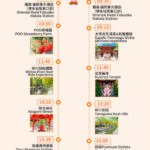
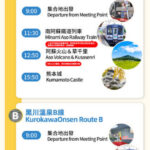
The tour leaves at 9:30 a.m. and returns to the Lawson Fukuoka Oriental Hotel near Hakata Station’s Chikushi entrance, with arrival estimated around 7:30 to 8 p.m. You spend the day in a shared vehicle, with tolls, parking and fuel covered. That makes the route convenient, especially if you would rather not work out how to connect several out-of-the-way seasonal sights by public transport.
This is a fixed group outing, though, and there are no unscheduled stops. Your time at each attraction is set, so the day works best if you are content to see a range of places at a brisk pace rather than linger over one garden or temple.
The guide provides commentary along the way, but the format can change with the number of people booked. A smaller vehicle may be assigned, with the driver also acting as guide. In that case, expect the driver to focus on the road and keep explanations shorter. On recent departures, guides named Miss Yang and Helen were praised for giving background on the sights and leaving time to explore independently. Those names are useful context, not a guarantee of who will lead your trip.
You can also read our reviews of more tours and experiences in Dazaifu.


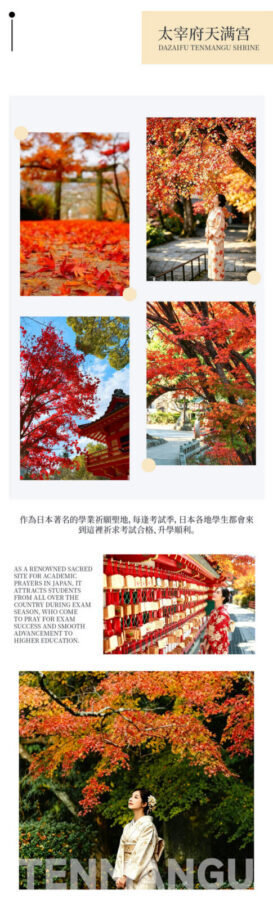
Dazaifu Tenmangu: shrine, snacks and a kimono option
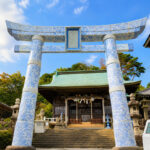
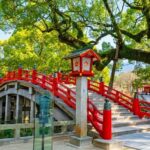
The first stop begins around 10:10 a.m. and lasts 1 hour 50 minutes. Dazaifu Tenmangu is the day’s most flexible visit. You can walk the traditional approach, visit the shrine, take photos and stop for Umegae Mochi, a local sweet associated with Dazaifu. Local specialty foods are also available around the approach.
That generous window matters. It gives you more than a quick photo stop and lets you set your own pace, though you will still need to keep an eye on the meeting time. If you choose the kimono package, you can stroll through Dazaifu in traditional dress and take photos. The kimono experience is not included in the no-kimono option, and the listed kimono package costs substantially more, so check the exact package and what it covers before booking.
Dazaifu is a good opening stop because it combines a place of worship with a walkable town visit. It also gives you a chance to pick up food before the later temple and garden stops. Meals and drinks are not part of the tour price, so budget for them separately.
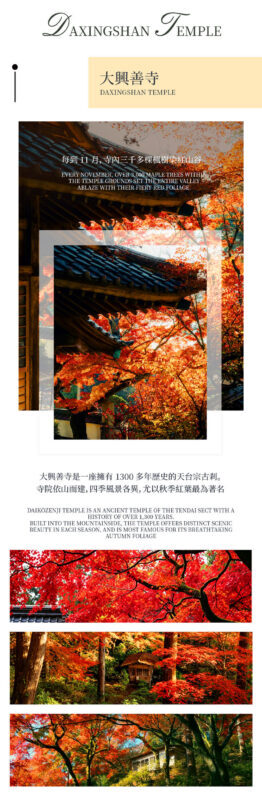
Daikouzenji Temple: maples on the mountainside
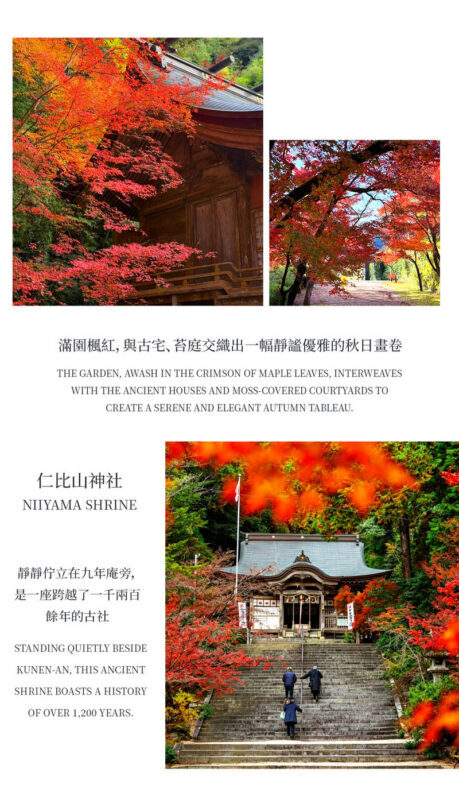
Around 12:40 p.m., the group reaches Daikouzenji Temple in Saga Prefecture for about 40 minutes. The temple is more than 1,300 years old and sits on a mountainside. Its maple season is a major draw, with red leaves set against old temple buildings and wooded slopes.
The setting gives this stop a different feel from Dazaifu’s shrine approach. Here, the appeal is the meeting of autumn color, temple architecture and a mountain setting. Forty minutes is enough for a focused visit and photographs, but it is not a long temple wander. Stone stairs can be slippery or uneven, so wear shoes with a firm grip and watch your footing when the grounds are busy.
A recent departure particularly enjoyed the maples here, which is encouraging, but it cannot predict the color on your date. Leaf timing shifts with the weather. Book for the overall route and the chance to see autumn sights, not on the assumption that every tree will be at peak red.
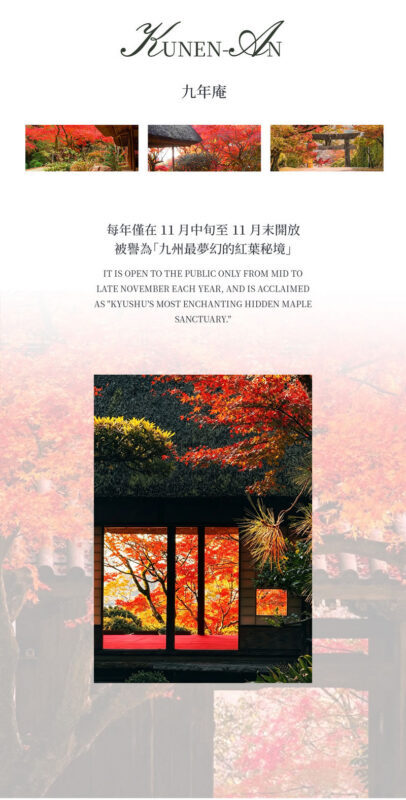
Kunenan: a short window for a garden visit
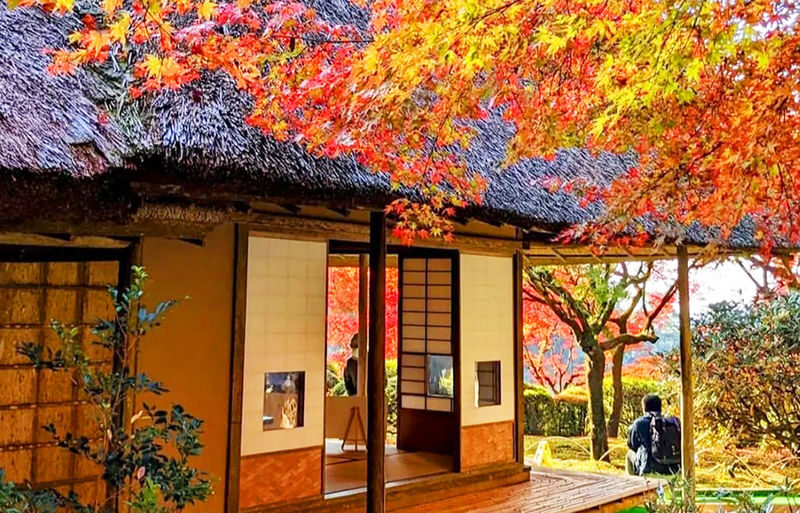
The next stop is Kunenan, usually around 2 p.m., with about 40 minutes on site. This Meiji-period private villa and strolling garden took nine years to build, which explains its name. Its autumn visit is especially popular, combining maple color with moss and traditional Japanese garden design.
The important detail is the opening window: Kunenan is normally open only from November 16 through 29, with the official dates subject to change each year. If it is closed, the tour may redirect to Niiyama Shrine or another autumn-viewing stop, depending on conditions. Confirm the season’s opening dates before choosing a departure.
The garden’s limited access makes it one of the most distinctive stops, but the short visit means you should move at a steady pace. If you are hoping to study garden details slowly or take many photographs, you may find the group schedule restrictive. It is a sampler, not a leisurely garden day.
Environmental Art Forest: a walk among trees and water
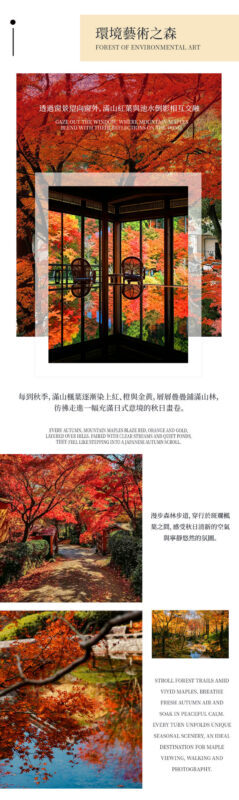
At about 3:40 p.m., you get roughly 40 minutes at the Environmental Art Forest. The visit centers on forest paths, autumn foliage and a pond. At Fengyou Villa, you can look through the windows toward the leaves and their reflection in the water, a useful option if you want a composed view for photographs.
The name suggests a formal gallery, but the practical attraction here is time outdoors among trees and water. Some paths are forest trails with slopes, so comfortable, non-slip shoes are sensible. If the ground is wet, take extra care.
This stop breaks up the day’s temple and shrine visits with a more natural setting. Still, 40 minutes is brief, and the forest paths may make the outing feel more active than a simple roadside photo stop. Keep enough time to return to the vehicle without rushing.

Kamado Shrine after sunset
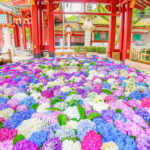
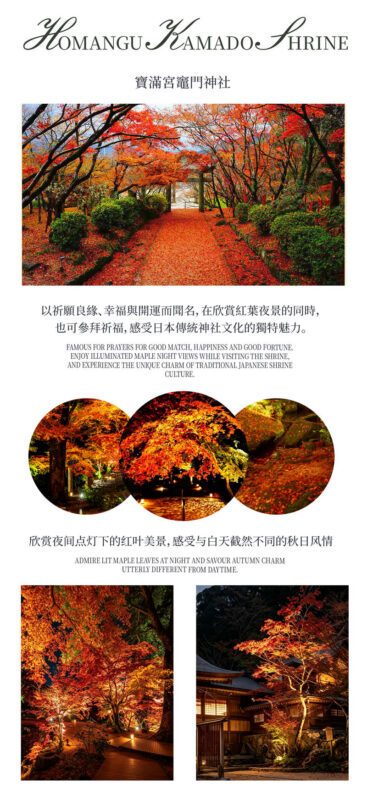
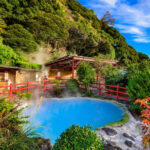
The final scheduled visit is Homan-gu Kamado Shrine, with around 50 minutes for the seasonal night illumination. The shrine’s vermilion buildings and red maple leaves are lit after dark, creating a markedly different scene from the daytime visits. You can walk around, take photographs and worship.
This is the route’s most distinctive finish: instead of heading straight back to Fukuoka after the gardens, you get a brief look at autumn after sunset. It also means the day is long. The illumination is seasonal, and crowds can gather, so expect a shared public visit rather than a quiet private viewing. Watch your footing and follow the shrine’s on-site rules.
The return journey begins around 6:30 p.m., with arrival near Hakata Station estimated from 7:30 to 8 p.m. Traffic and weather can shift the timing, and the return may be earlier if the route runs smoothly. Do not plan a tight evening connection or fixed activity after the tour.
What the price covers, and what it does not
The supplied price details show a starting figure of $44.19, while the named package options list the no-kimono tour from $63.09 and the kimono package from $162.15. Prices can vary, so check the date and final checkout total before you book. The kimono option is a sizable upgrade, best suited to you if wearing traditional dress and taking photos in Dazaifu are a central part of the day.
The tour price covers a Chinese-, English- or Japanese-speaking professional driver or guide, plus tolls, parking and fuel. It does not cover admission to the kimono experience, temple worship or seasonal entry fees, Kunenan’s ticket, the Environmental Art Forest ticket, meals, drinks or personal purchases. Because several admission costs sit outside the base price, compare the full expected spend rather than the headline fare alone.
For the money, the main value is transport between multiple autumn stops in one day. You are paying for the route and the convenience of not arranging each connection yourself. The trade-off is limited time at each place and extra charges once you arrive.
Who should book this day trip?
I’d consider this tour if you are staying in Fukuoka, want to see several autumn sights in both Fukuoka and Saga, and prefer a single transport plan over independent connections. It also suits visitors who enjoy a varied day: shrine-town strolling, a mountainside temple, a garden, forest paths and an evening illumination.
It is less suited to anyone who wants to spend half a day at one temple or garden, travel on a flexible schedule, or avoid a long day in a shared vehicle. Families should note that children aged 3 and older pay the adult rate, infants aged 0 to 2 ride free only if they do not need a separate seat, and child seats are not available. Each passenger can bring one piece of luggage free; additional pieces cost JPY 2,000 each and should be declared when booking.
Arrive 15 minutes early for the 9:30 departure. The guide and vehicle details are sent by email between 4 and 10 p.m. Japan time on the day before the tour, so check your inbox. Late arrivals and no-shows are not refunded. You can cancel for a full refund at least 24 hours before the activity date, subject to the stated terms; the tour may also be cancelled if fewer than four people join.
Should you book it?
Book it if your priority is seeing a broad range of Kyushu autumn sights in one day, with Dazaifu as a relaxed start and Kamado Shrine’s evening maples as the final highlight. The guide-led transport and planned stops offer clear value when you want to avoid coordinating a multi-stop route yourself.
Skip it if you need unhurried visits or depend on seeing peak-color foliage on a particular date. Autumn timing varies, and no refund is offered just because the leaves have not turned as expected. For most people weighing the choice, the best approach is to treat the tour as a convenient seasonal sampler, then choose the kimono add-on only if that experience is worth the extra cost to you.
Kyushu Fukuoka & Saga Autumn Leaves One-Day Tour | Dazaifu Optional Kimono & Kyu-An & Night Maple
“Participated in the one-day tour on December 27, 2025. The tour guide, Miss Yang, was very professional and enthusiastic. She introduced the backgr…”
FAQ
Where does the tour depart from?
It departs from Fukuoka at 9:30 a.m. The tour details ask you to arrive at the meeting point 15 minutes early.
Where does the tour return?
The return point is Lawson Fukuoka Oriental Hotel at Hakata Station’s Chikushi entrance. Arrival is estimated between 7:30 and 8 p.m., depending on road conditions.
Is the Dazaifu kimono experience included?
No, not in the package without kimono. A separate package includes the kimono experience, and the stated starting price is higher.
How long is the visit to Dazaifu Tenmangu?
The planned stop is 1 hour 50 minutes. You can worship, walk the approach, take photos and try Umegae Mochi or other local foods.
When is Kunenan open?
It is normally open from November 16 to 29, but the official dates can change each year. When it is closed, the stop may be changed to Niiyama Shrine or another autumn-viewing location.
Are admission fees included?
No. Admission or worship fees for the listed attractions, the kimono experience, meals, drinks and personal expenses are not included. Tolls, parking and fuel are included.
What languages are available?
The tour provides service in Chinese, English or Japanese. The specific vehicle arrangement and amount of commentary may vary with the number of participants.
Can I bring luggage?
Each passenger may bring one piece of luggage free. Additional pieces cost JPY 2,000 each, and you should note them when placing your order.
Can children join the tour?
There is no age limit. Children aged 0 to 2 can ride free if they do not occupy a separate seat, while children aged 3 and older pay the adult rate. Child seats are not available.
What happens if the autumn leaves are not red?
Maple timing depends on the weather, so the color may vary by date. The tour does not offer refunds or accept complaints on the grounds that the leaves are not red.