If you’re heading to Manaus and want a taste of Amazonian history combined with a splash of adventure, the Museu do Seringal Rubber offers a compact journey into Brazil’s rubber boom era. For $160 per person, you’ll spend about four hours exploring a historic rubber plantation, riding a speedboat into the lush rainforest, and gaining insights into the lives of those who shaped the region’s economic past.
The experience promises a mix of cultural education and natural beauty, which appeals to those interested in authentic Amazonian stories.
What we appreciate about this tour is the chance to see the magnificent Rubber Master House—a grand structure showcasing the wealth generated during the boom—and to walk along the short jungle trail to observe rubber trees firsthand.
The boat ride into the dense rainforest is another highlight, offering a chance to see the Amazon’s vibrant ecosystem up close. It’s a practical, well-rounded experience that connects history with nature.
However, not everything runs smoothly. Some reviews mention poor communication and scheduling issues, which can be frustrating if you’re hoping for a seamless trip. Plus, the tour’s focus on visiting a tribe may not meet everyone’s expectations, especially if cultural exchange is a key part of your Amazon adventure.
This experience is best suited for travelers who are curious about Brazil’s rubber industry history and don’t mind a slightly disorganized operation. It appeals to those who enjoy a mix of cultural storytelling, natural scenery, and small-group intimacy. Keep in mind, it’s not ideal if you have mobility issues or are pregnant, as some walking and boat activities are involved.
- Key Points
- Detailed Review
- The Itinerary: What to Expect and Why It Matters
- The Rainforest Ride: A Natural Contrast
- Cultural Interactions and Local Encounters
- The Guide and Logistics: The Heart of the Experience
- Is It Worth the Price?
- Who Should Consider This Tour?
- Final Thoughts: The Tour’s Value and Who It’s For
- FAQ
- More Museum Experiences in Manaus
- More Tour Reviews in Manaus
Key Points
 1 / 5
1 / 5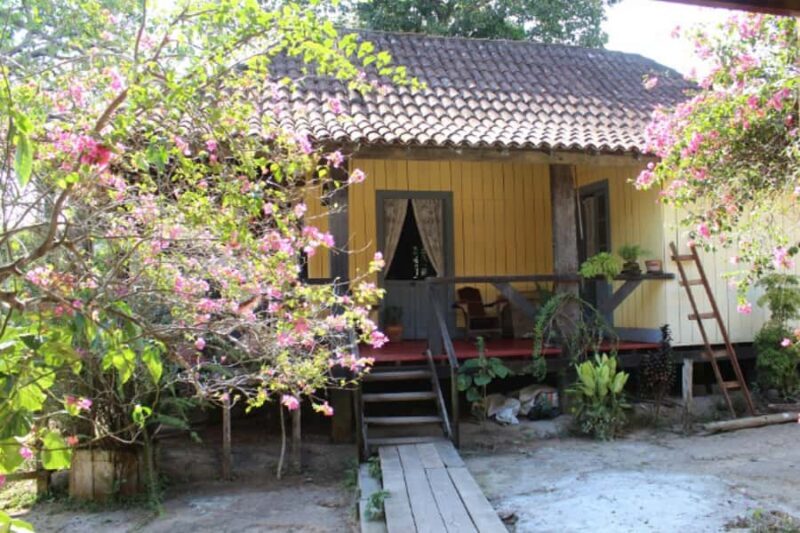 2 / 5
2 / 5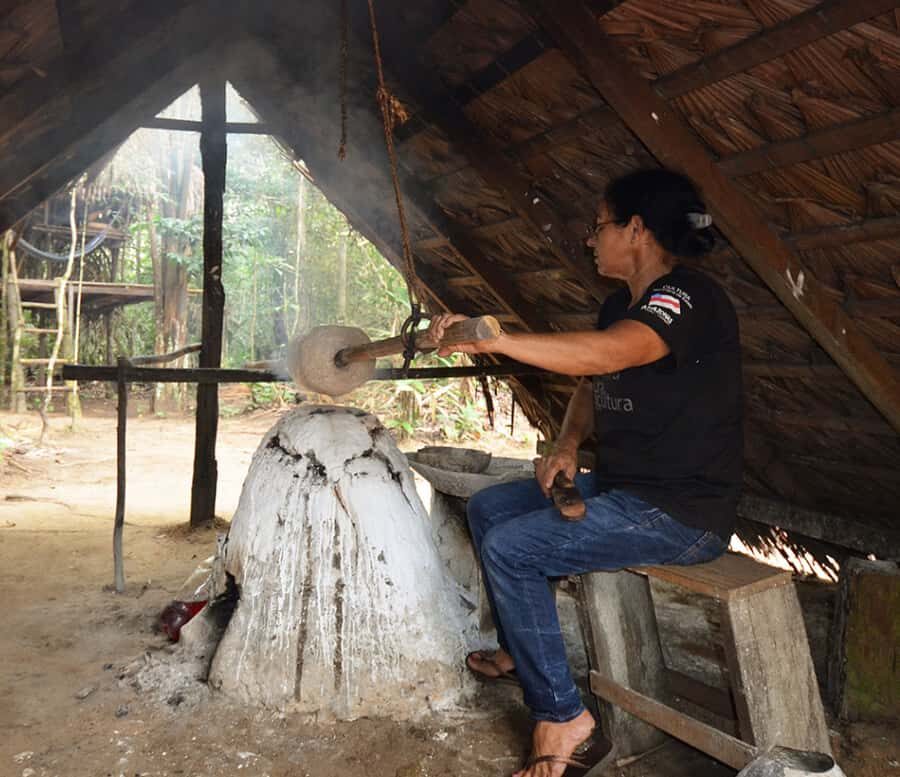 3 / 5
3 / 5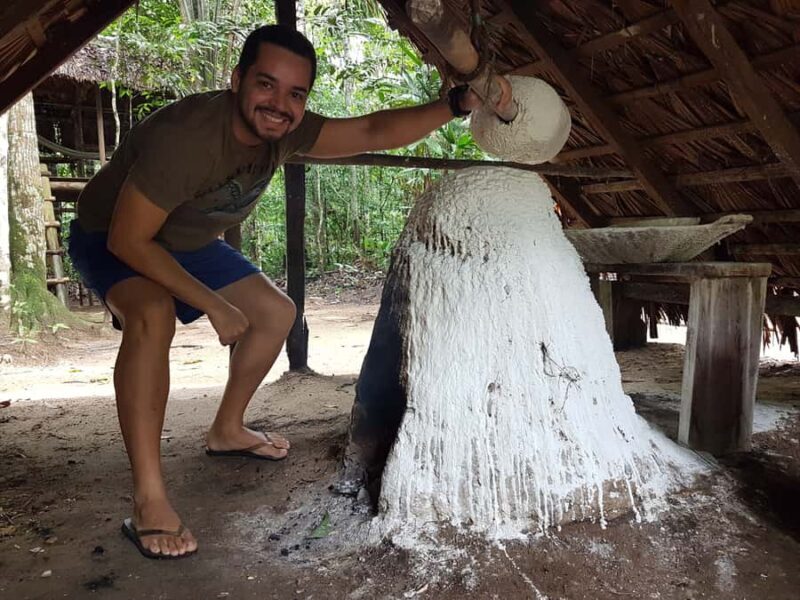 4 / 5
4 / 5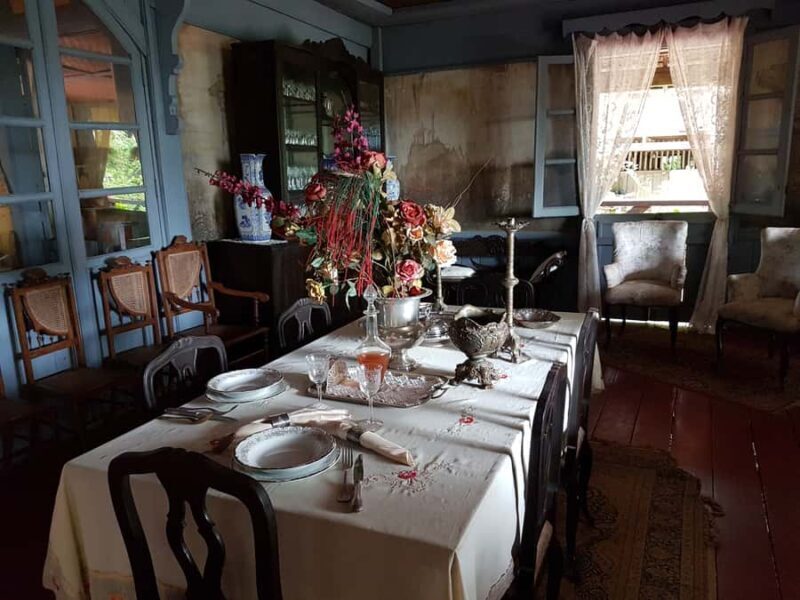 5 / 5
5 / 5- Historical significance: Provides a glimpse into the wealth and architecture of the rubber boom era.
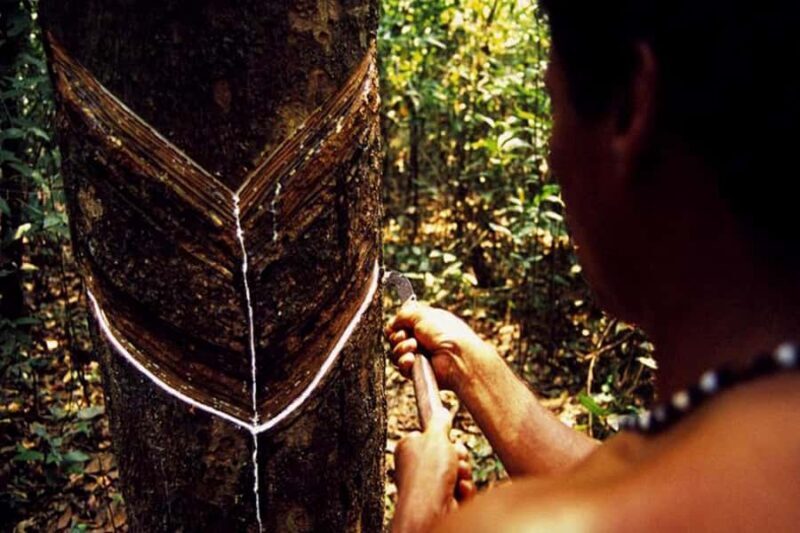
- Natural immersion: Short jungle trail walk offers a chance to see rubber trees and understand the extraction process.
- Cultural component: Visits to a local rubber worker’s house and tribal interactions add cultural depth.
- Small-group setting: Guides are knowledgeable, and groups are limited to 10, fostering a more personal experience.
- Logistics: Includes hotel pickup, entrance fees, and guided commentary, adding convenience.
- Mixed reviews: While some found the guide enthusiastic and well-informed, others experienced poor communication and logistical hiccups.
Detailed Review
You can also read our reviews of more museum experiences in Manaus



The Itinerary: What to Expect and Why It Matters
This tour kicks off with a pickup from your Manaus hotel, setting the stage for an exploration that combines history, culture, and nature. You’ll head towards Vila Paraíso, a location famous for its connection to the Amazon’s rubber boom—a period when Brazil’s economy and architecture flourished due to latex exports.
One of the key stops is at a waterfront warehouse where rubber boards are shipped globally. Here, you’ll get a snapshot of how rubber was stored and transported, which is a vital piece of the region’s economic history. Then, you’ll enter the Rubber Master House, a grand estate reflecting the wealth accumulated during the rubber industry’s heyday. The building’s majestic architecture alone makes it worth the visit, offering a glimpse into the opulence that once defined Manaus’s elite.
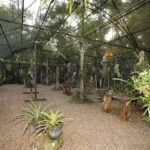
Inside, a large tent displays the tools once used for rubber production—an industrial relic that shows just how labor-intensive the process was. You’ll also see the chapel and flour warehouse, adding layers to the story of plantation life. These structures paint a picture of the varied aspects of the rubber plantation, from work to community life.
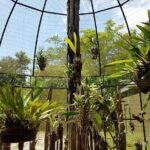
The tour then shifts outdoors with a short trail walk into the jungle. This is where you’ll see rubber trees in their natural environment and observe the process of latex collection. Guides often point out the specific trees used for rubber extraction, explaining the smoking process for rubber balls, which was critical in preserving the latex. You’ll learn how the resource was gathered and processed, providing a tangible connection to this once-booming industry.
The visit to the workers’ houses offers a humble but poignant look at the daily lives of rubber workers. These modest dwellings contrast sharply with the grandeur of the estate, highlighting social and economic disparities. One review notes that this part “portrays the life and habits of the old rubber extraction era,” giving visitors a human perspective on historical economic developments.
The Rainforest Ride: A Natural Contrast
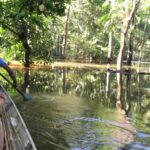
Perhaps the most visually stunning part of the tour is the speedboat ride into the Amazon rainforest. This part of the experience is often described as a highlight, offering panoramic views of dense foliage, river wildlife, and perhaps glimpses of the river’s vibrant ecosystem. The boat ride emphasizes the connection between the history you’ve learned and the living, breathing jungle surrounding it.
Cultural Interactions and Local Encounters
A less universally praised aspect involves visits to indigenous tribes or local communities. Some guests, like Stephan, found the interaction disappointing: “They were interested only in selling their stuff,” which can be a letdown if you’re expecting genuine cultural exchange. It’s important to keep expectations realistic; the visits tend to be more commercial than immersive.
More Great Tours NearbyThe Guide and Logistics: The Heart of the Experience
One of the best parts, according to reviews, is the guides’ knowledge and enthusiasm. Debapriyo mentions a guide who was “very knowledgeable and enthusiastic,” which can elevate the entire experience. However, this positive impression is sometimes marred by poor communication and logistical issues, like the trip being postponed or the pick-up time not being honored initially. This inconsistency can detract from what should be an enjoyable, hassle-free outing.
The tour includes hotel pickup and drop-off, which is convenient, especially for those staying in Manaus. Entrance fees and a small-group format make for a more intimate experience, though the group size cap of 10 can fill up quickly.


Is It Worth the Price?
At $160, this tour offers a well-rounded glimpse into Amazonian history and environment. For those with limited time and a keen interest in rubber-era architecture and jungle scenery, it provides good value. However, the mixed reviews about organization and authenticity suggest that some visitors may find it lacking in polish—particularly if they’re seeking a deeply cultural or seamless experience.
Who Should Consider This Tour?
This experience is best suited for history buffs, nature lovers, and those curious about the economic past of Manaus. If you’re content with a guided overview that combines historic architecture, a jungle walk, and a boat ride, you’ll find plenty to enjoy. Be aware, though, that communication issues and the visit to the tribal area may not meet everyone’s expectations, especially if cultural authenticity is your priority.
It’s not ideal for travelers with mobility challenges or those who prefer more structured or culturally immersive encounters. Also, those seeking a flawless operation might want to consider other options or prepare for some organizational hiccups.
Final Thoughts: The Tour’s Value and Who It’s For
This guided excursion to the Museu do Seringal Rubber in Manaus offers a compact and insightful look into Brazil’s rubber industry, set amidst the lush backdrop of the Amazon. You’ll love the impressive architecture of the estate and the chance to see rubber trees in their natural environment—two highlights that connect history with the natural world.
That said, travelers should approach with realistic expectations regarding organization and cultural encounters. If you’re willing to tolerate some logistical quirks, the guide’s enthusiasm and the scenic boat ride make it worthwhile.
For those wanting a quick, informative, and visually engaging experience, this tour provides a solid introduction. But if you’re seeking a more polished or culturally authentic immersion, it might be worth exploring other options or preparing for a less seamless outing.
Manaus: Museu do Seringal Rubber Museum
FAQ
Is hotel pickup included?
Yes, pickup and drop-off from Manaus hotels are included, making logistics easier for travelers.
How long does the tour last?
The entire experience takes about four hours, but check availability for specific start times.
What language are guides available in?
Guides speak both English and Portuguese, catering to international visitors.
Is there a minimum number of participants?
The tour is limited to a small group of 10 participants, offering more personal attention.
Are there any restrictions?
Yes, the tour isn’t suitable for pregnant women or people with mobility issues due to walking and boat activities.
What’s included in the price?
Entrance fees, a local guide, and hotel transportation are included.
What’s not included?
Food, beverages, and any additional costs are extra.
How is the cultural aspect of the tribal visits?
Reviews suggest that interactions may focus more on commerce than genuine cultural exchange, which might disappoint some travelers.
To sum it up, this tour is a decent choice if your main interest is understanding the history and architecture of the rubber boom and enjoying a scenic boat ride into the Amazon. While organization and cultural authenticity may vary, the knowledgeable guides, beautiful views, and the chance to walk through history make it a worthwhile addition to your Manaus itinerary—just keep your expectations in check and be ready for some minor bumps along the way.
You can check availability for your dates here: