
At Nasu Orgel Museum, the main event is not just looking at antique music boxes. It is hearing them play: staff demonstrate instruments about once an hour, including a huge cylinder model that can hold 200 songs. The collection spans music boxes made in the 19th and 20th centuries.
I like two things here: the hourly staff demonstration gives the displays a sound and story, and the optional music-box workshop lets you choose a tune from about 80 songs and decorate a box yourself. One consideration: this is a compact museum, and the background music may come through a visible CD player rather than an antique mechanism.
- Key points to know
- Hear the mechanisms, not just the melodies
- A compact museum with room to linger
- The music-box-making option
- Getting to Nasu Orgel Museum
- Admission price and what it covers
- Make the staff presentation your anchor
- Who will enjoy this stop most
- Should you book the Nasu Orgel Museum ticket?
- FAQ
- How long should I plan to spend at Nasu Orgel Museum?
- What does the admission ticket include?
- How often is the music-box performance held?
- Can I make my own music box?
- What are the museum’s opening hours?
- Do young children need a ticket?
- How do I get to the museum by public transport?
- How long is the voucher valid?
- More Tickets in Nasu
- More Tours in Nasu
- More Tour Reviews in Nasu
Key points to know
 1 / 8
 2 / 8
 3 / 8
 4 / 8
 5 / 8
 6 / 8
 7 / 8
 8 / 8
- About 100 music boxes from around the world make up the collection.
- A giant cylinder music box can play up to 200 songs.
- Staff demonstrations run about once an hour, so time your visit around one if you can.
- The museum is small enough for a slow visit, though it may not fill a full day.
- Admission includes an audio guide, but creating your own music box costs extra.
- Getting there takes planning: the bus ride from Nasushiobara Station is about 30 minutes, followed by a two-kilometer walk from the Hiroyachi stop.
Hear the mechanisms, not just the melodies
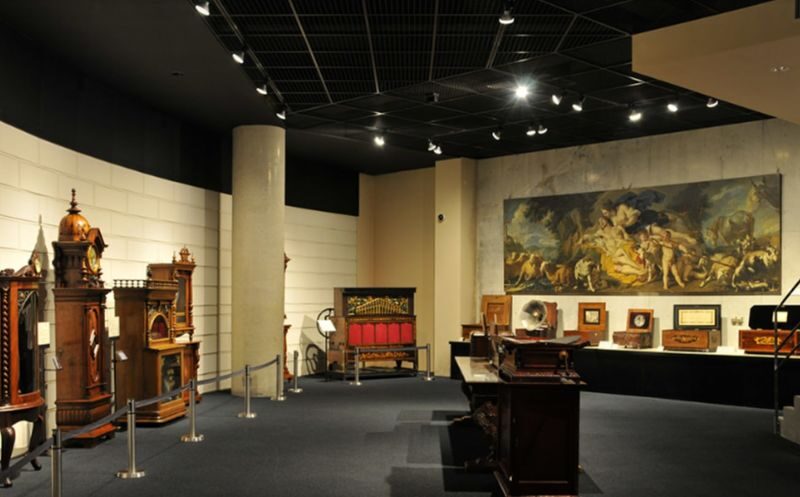
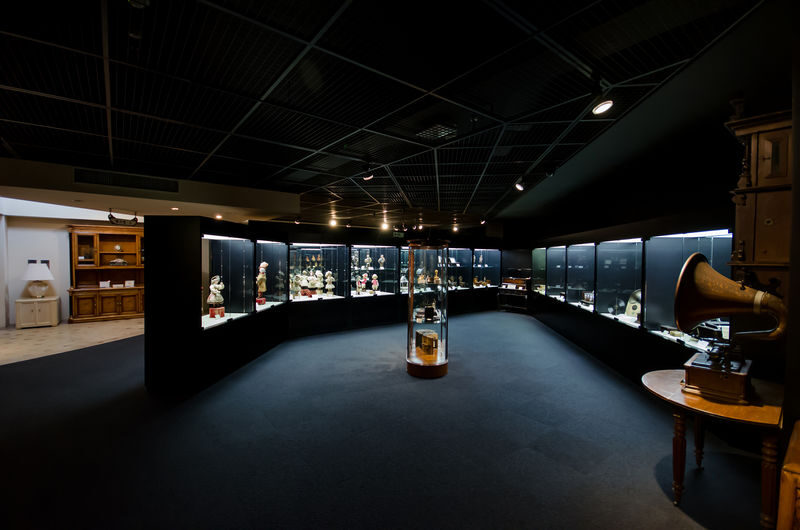
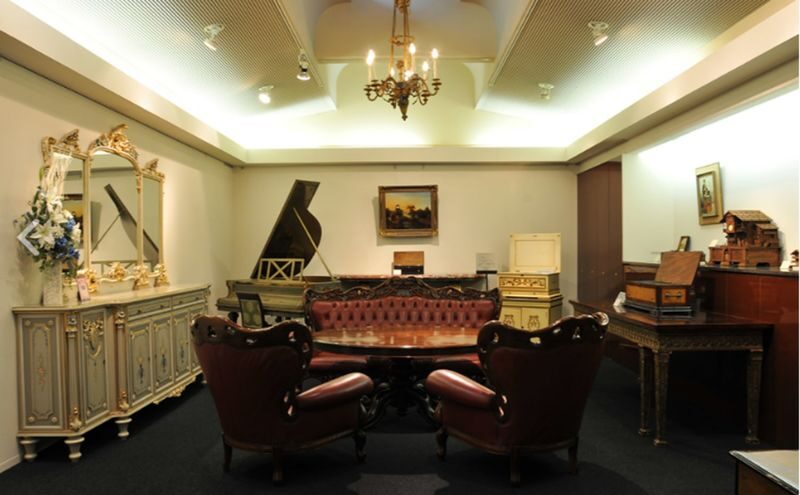
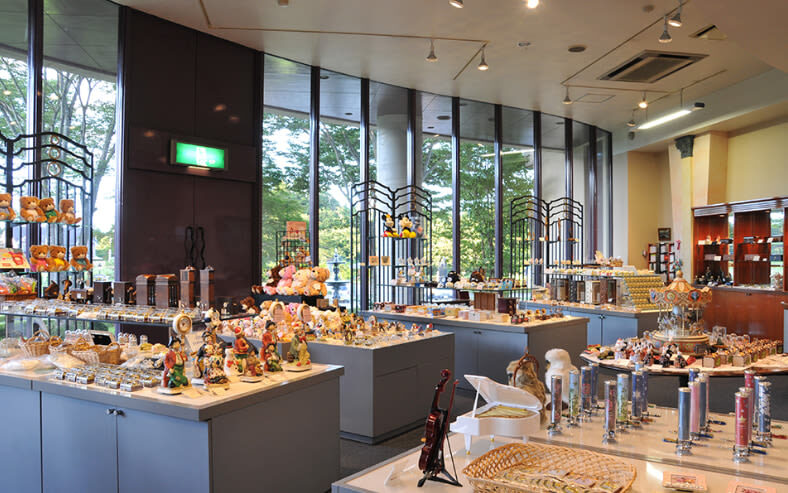
Music boxes can seem like small curiosities in a glass case. Here, the point is to hear how they work and how their sound changes from one instrument to another. The collection includes about 100 examples gathered from around the world, with pieces dating from the 19th and 20th centuries.
The hourly staff presentation is the best reason to plan your timing. You can hear instruments played while a staff member explains them, which makes the visit more engaging than simply moving from display to display. If you arrive just after a presentation, you may need to wait close to an hour for the next one. Since the museum visit generally takes one to two hours, that schedule can shape the whole outing.
The large cylinder-type music box is the headline piece. It is described as one of the world’s largest and can play 200 songs. That capacity gives you a sense of the mechanical ambition behind the instrument: this is not a tiny trinket meant to play one tune before being put away. If you enjoy mechanical objects, look closely during the demonstration and listen for the difference between the large instrument and smaller music boxes.
The displays are meant to be seen and heard. The timing of a performance matters because it turns the collection from a static exhibit into a short live program. If you prefer to move at your own pace, you can still take your time with the cases and use the included audio guide, but the staff presentation is the part I would try not to miss.
You can also read our reviews of more tours and experiences in Nasu


A compact museum with room to linger
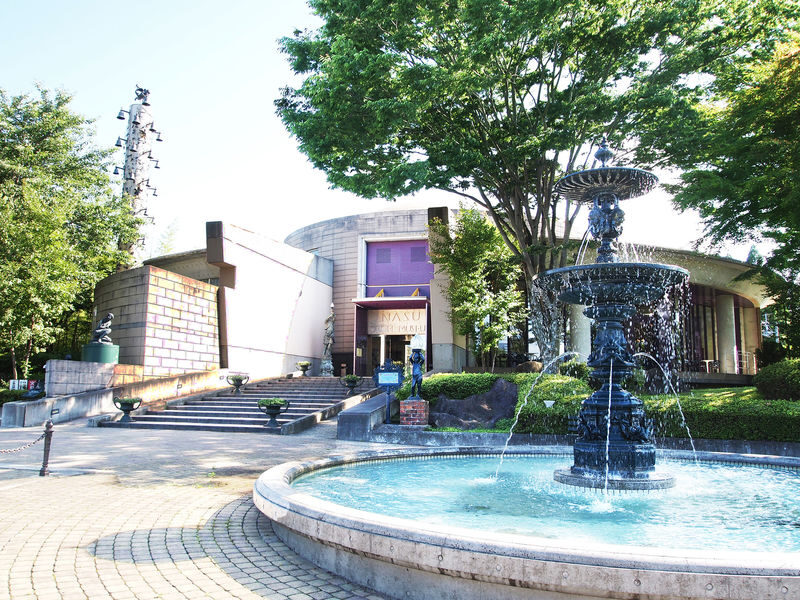
Nasu Orgel Museum is not a sprawling attraction. One visitor described the space as not very wide, but also noted being able to appreciate the exhibits at a relaxed pace with few people around. That is useful context: this is a focused stop, not a full-day museum, and its modest scale can make it feel calm rather than overwhelming.
Plan on roughly one to two hours. That gives you time to look around, listen to the audio guide, and catch a staff demonstration if the timing works. If you want to try the music-box-making activity too, allow extra time, though the exact length of that activity is not specified.
The scale also sets expectations. If you want room after room of instruments or an elaborate museum complex, this may feel brief. If you like a compact collection where a handful of unusual objects can hold your attention, the format is more appealing. A smaller space can also make the music easier to appreciate without the sense that you need to rush through a long route.
A practical note about the sound: the instruments are the attraction, but a visitor noticed a CD player visible in the hall after the staff presentation. That may slightly interrupt the old-fashioned mood. Go for the mechanisms and the live demonstration, rather than expecting every sound in the building to come from a historical music box.
The music-box-making option
For a more hands-on visit, you can make your own music box at the facility. You choose a song from about 80 options and decorate the box with small decorative parts. It is a pleasant way to turn a museum visit into a personal keepsake, especially if you are visiting with children or enjoy craft activities.
The workshop is not included in the admission ticket. You need to apply at the facility and pay an additional fee, which is not stated here. That means you should treat it as an optional add-on, not part of the cost of entry. Ask about availability and current pricing when you arrive, since the museum notes that activities can vary by season.
This also gives you a useful choice. If you only want to see and hear the collection, the standard ticket covers the museum admission and audio guide. If making something matters to you, leave room in your schedule and budget for the extra activity. The song selection is broad enough to offer choice, but it is not unlimited, so you may need to pick from the available list rather than bring a tune of your own.
Getting to Nasu Orgel Museum
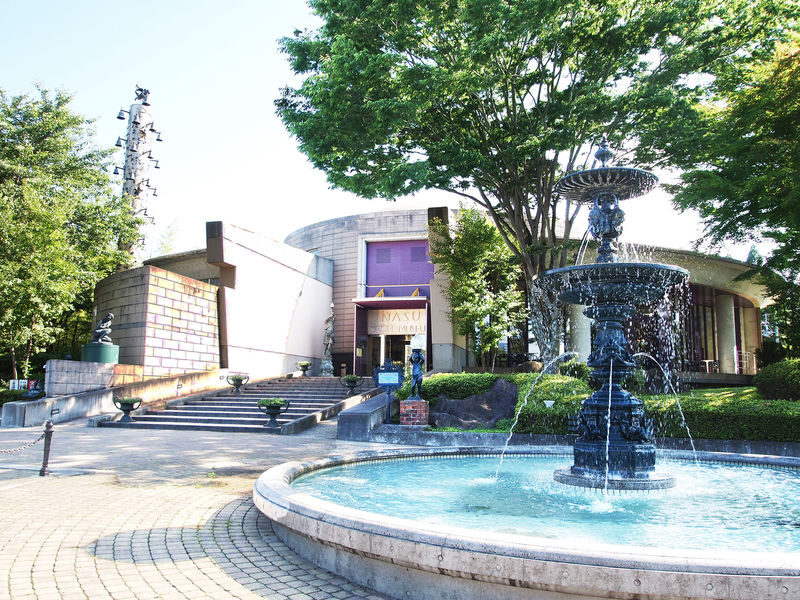
The museum is at 270 Takakuhei in Nasu, Tochigi Prefecture. From Nasushiobara Station on the JR Shinkansen Line, the bus ride takes about 30 minutes. The directions also note a two-kilometer walk from the Hiroyachi bus stop, so check the route before setting out and be prepared for that final stretch on foot.
Driving is more direct if you have a car. The museum is about 10 minutes from the Nasu Interchange on the Tohoku Expressway. For a visit built around a short museum stop, driving may make it easier to fit the museum into a wider Nasu day, but the supplied information does not specify parking arrangements.
There is a small address discrepancy in the supplied details: the main address is listed with postal code 325-0002, while the directions list 325-0302. The street address and town are the same. When navigating, search for Nasu Orgel Museum by name and confirm the map pin rather than relying on the postal code alone.
Admission price and what it covers
Tickets start at about $6.25 for one admission. That is a modest price for a visit with an audio guide and an hourly staff presentation, especially if you take time to listen rather than making a quick pass through the cases. The value is strongest for visitors who are curious about music boxes or want a low-cost indoor stop in Nasu.
The ticket does not include the music-box-making activity or personal expenses. If you are comparing the basic ticket with the full outing, remember that transport and any workshop fee are separate. The price is a better fit for a focused museum visit than for a long attraction with hours of activities.
Children aged 0 to 5 enter free. The listed ticket categories are children aged 6 to 12, students aged 13 to 18, and adults aged 19 and over. Bring valid proof of age when entering. The voucher is valid for 180 days from booking confirmation, but it does not provide fast entry. You still need to queue and follow staff instructions.
Opening hours are listed as daily from 9:30 a.m. to 5 p.m., with last admission at 4 p.m. Hours, closures, and some activities may change by season or weather, so check the museum’s official information before making a special trip. The venue does not have a fixed closure day, and its current schedule is announced through its official channels.

Make the staff presentation your anchor
A simple way to plan the visit is to start by finding out when the next staff presentation takes place. Then use the waiting time to look through the displays or listen with the audio guide, and return for the demonstration. Since performances happen about once an hour, arriving at the right point in the cycle can save you from either rushing or waiting longer than you planned.
After the presentation, take another look at the instruments that caught your ear. Hearing a music box first can make its physical details more meaningful: you can connect the sound with the mechanism and the size of the object. That approach suits a small museum better than trying to race through every case.
If you are interested in the craft activity, ask about it before settling into your visit. The workshop fee is extra and participation requires applying at the facility. Checking early lets you decide whether to fit it in without assuming it is available at any hour or included with admission.
Who will enjoy this stop most
This museum makes sense for music lovers, families looking for a short activity, and anyone curious about mechanical objects. Children may enjoy the contrast between the little boxes and the giant cylinder instrument, while adults can focus on the collection’s age, construction, and changing sound. The optional decorating activity adds a practical, hands-on element for those who want more than a museum visit.
It is also a good choice if you want a quieter attraction that does not demand a full day. The compact scale and one-to-two-hour visit make it easier to pair with other plans in Nasu. The trade-off is that the museum itself will not occupy a large part of your schedule, and the bus route includes a walk from the stop.
If you are deciding between this and another local attraction, ask yourself whether you enjoy listening closely and looking at small mechanical details. The visit rewards patience more than breadth. If music boxes do not interest you, the collection may feel narrow. If their delicate sound and workings do appeal, the staff demonstration gives the stop a clear purpose.
Should you book the Nasu Orgel Museum ticket?
Book it if you have an interest in music boxes, want a short cultural stop in Nasu, or like the idea of hearing a large antique instrument demonstrated. The low starting price, included audio guide, and optional workshop make it easy to tailor the visit to your interests.
Skip it if you expect a large museum or a long list of activities included in the ticket. The collection is compact, the craft activity costs extra, and getting there by bus includes a two-kilometer walk from the stated stop. For the best visit, check current hours, plan around the hourly presentation, and confirm the workshop details when you arrive.
FAQ
How long should I plan to spend at Nasu Orgel Museum?
Plan on about one to two hours. The time allows for the displays, audio guide, and a staff presentation, though the optional music-box-making activity may add time.
What does the admission ticket include?
The ticket includes one admission and an audio guide. The music-box creation activity and personal expenses are not included.
How often is the music-box performance held?
A staff presentation takes place about once an hour. The exact timing is not specified, so ask staff when you arrive.
Can I make my own music box?
Yes. You can choose a song from about 80 options and decorate a music box with decorative parts. The activity costs extra, and you need to apply at the facility.
What are the museum’s opening hours?
The listed hours are Monday through Sunday, 9:30 a.m. to 5 p.m., with last admission at 4 p.m. Hours and closures can change seasonally or due to weather, so check before visiting.
Do young children need a ticket?
Children aged 0 to 5 can enter free. The listed child category is ages 6 to 12, student is 13 to 18, and adult is 19 or older.
How do I get to the museum by public transport?
The museum is about 30 minutes by bus from Nasushiobara Station on the JR Shinkansen Line. The directions note a two-kilometer walk from the Hiroyachi bus stop.
How long is the voucher valid?
The voucher is valid for 180 days from the booking confirmation date and expires at 11:59 p.m. on the final day.