Cape Kamui is the big draw: a coastal walk above striking blue water, far from Otaru’s shops and canals. I like this tour for two practical reasons: you can reach remote Shakotan without renting a car, and a small group makes it easier to get help, adjust plans and keep transfers comfortable.
I also like the contrast between a day in Otaru and the open coast, followed by the chance to see Tenguyama at sunset or after dark. The trade-off is time: Otaru and the Cape Kamui walk can both feel short, and wind or rain may change what you can do.
- The short version
- Why this day works best by car
- Otaru: charm, food and a tight clock
- Shakotan and Shimamui Coast: beautiful, but choose your priorities
- Cape Kamui: the walk is worth planning for
- Tenguyama: a fitting end, if the weather cooperates
- What the guide and vehicle add
- Is .09 good value?
- Weather, timing and a few practical checks
- Who should book this tour?
- FAQ
- How much does the tour cost?
- Which places does the tour visit?
- Is transport included?
- How large is the group?
- Is the Cape Kamui walk long?
- Can strong wind affect the Cape Kamui visit?
- Does the tour always visit Tenguyama Observatory?
- What is the cancellation policy?
- The Best Of Otaru!
- More Full-Day in Otaru
- More Tours in Otaru
- More Tour Reviews in Otaru
The short version
 1 / 10
 2 / 10
 3 / 10
 4 / 10
 5 / 10
 6 / 10
 7 / 10
 8 / 10
 9 / 10
 10 / 10
- Cape Kamui is the main event: Expect sea views from the Shakotan Peninsula and a walk that can be limited by strong wind.
- A car solves the awkward part: The coast is not easy to reach by public transport, so having a driver makes this day practical without a rental car.
- Otaru gets a compact visit: You may have time for a quick look around, a stop at the Music Box Museum or something to eat, but not a leisurely day in town.
- Tenguyama can make a memorable finish: The observatory offers a chance to see the sunset and Otaru’s lights, weather and timing permitting.
- Guides can make a difference: Guides named David, Wei, Jun, Qian and Zhu have been noted for clear communication, careful driving and personal help.
- Check the weather and group terms: Cape Kamui’s walk is exposed to wind, and the operator may cancel if the six-person minimum is not met.

👉 See our pick of the Otaru’s 5 Best Walking Tours: Which To Choose?
Why this day works best by car
This tour links Otaru with Cape Kamui and the Shakotan coast, then includes Otaru’s Tenguyama Observatory. Those places make a satisfying day together, but they are spread out. Going by car saves you from trying to piece together a long coastal outing with public transport, and leaves you free to look out the window instead of tracking every connection.
The format is a small-group tour with a driver-guide, not a large bus excursion. That matters when plans need a quick adjustment. Guides have helped with pickup coordination, answered questions, taken photos and assisted people who needed extra support. Those small acts can make a long day feel much less like a transfer schedule.
The tour is not a deep visit to every stop. Think of it as a way to see several sides of the area in one outing: Otaru’s town character, the sea cliffs and coves of Shakotan, and a high view over Otaru at the end. You trade time to wander at length for the convenience of covering more ground.
You can also read our reviews of more tours and experiences in Otaru


Otaru: charm, food and a tight clock
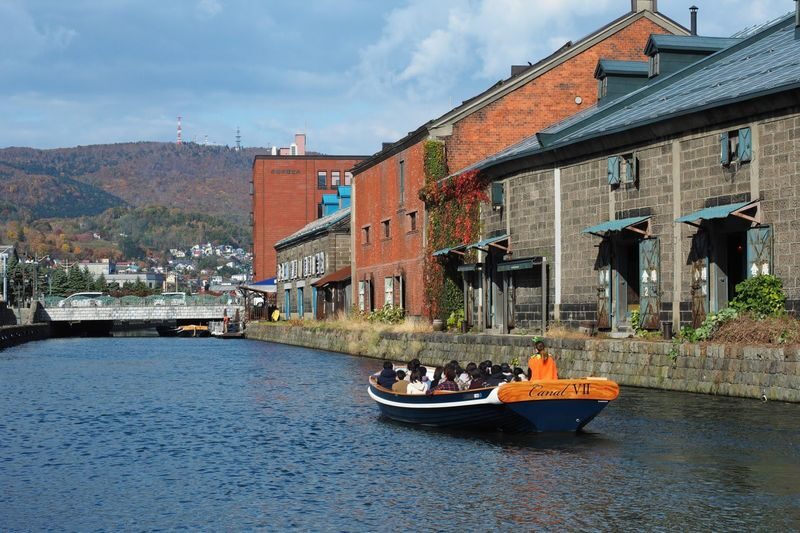
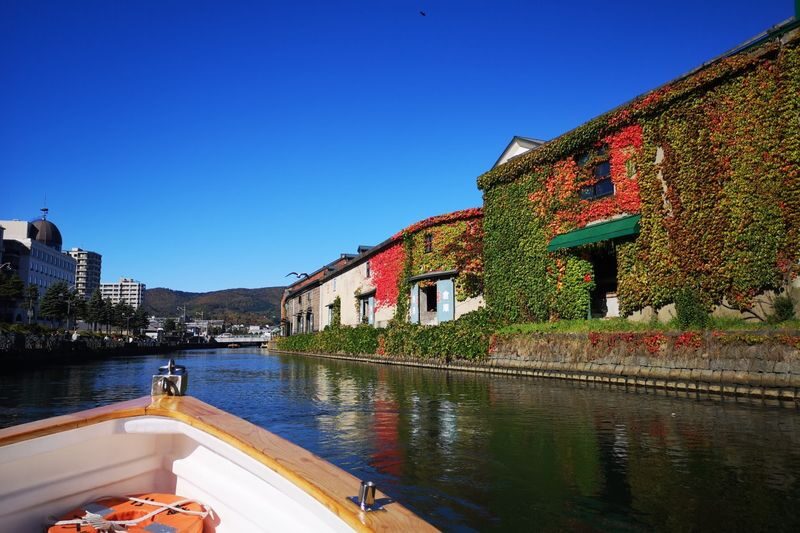
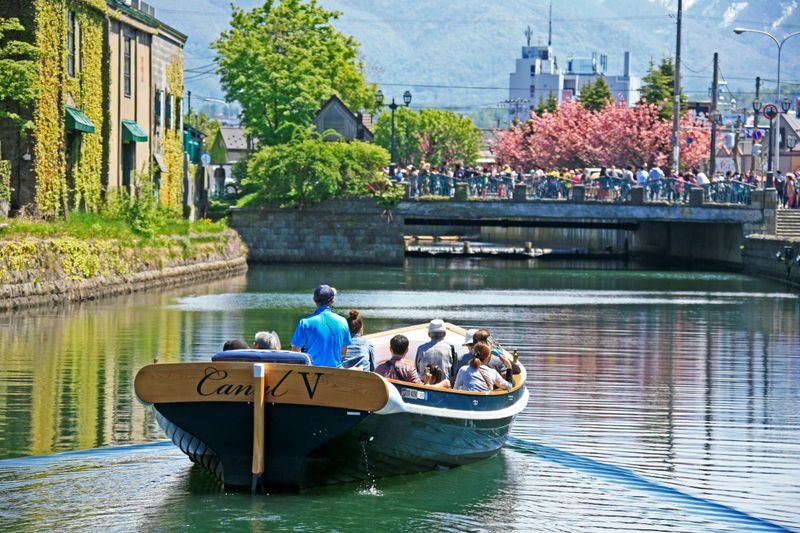
Otaru is a good place to start because it has an easygoing town feel that contrasts with the remote coast. Its canal area, shops and food make it tempting to linger. The Music Box Museum is one named stop that has appealed to people on this tour, and it may suit you if you enjoy browsing rather than simply taking a quick photo and moving on.
The catch is the clock. One tour participant wished for another half hour to an hour in Otaru, while finding the time at Shimamui Coast less essential. That is useful advice if you want to explore the town properly: treat this as an introduction, not a full Otaru visit. If cafés, shops or the museum matter to you, decide in advance what you most want to see.
There is a real choice here. Otaru provides character and a chance to eat, while the coast is the reason this tour reaches beyond town. The driver-guide handles the route, but you still need to use your free time deliberately. A slow lunch and every shop window may not fit.
Some trips include a pickup arrangement, while others describe meeting at a designated point. Confirm your pickup location and timing before the day. One group even had help locating members who had become separated in Otaru, but it is wiser to agree on a clear meeting spot than to rely on a rescue mission.
Shakotan and Shimamui Coast: beautiful, but choose your priorities
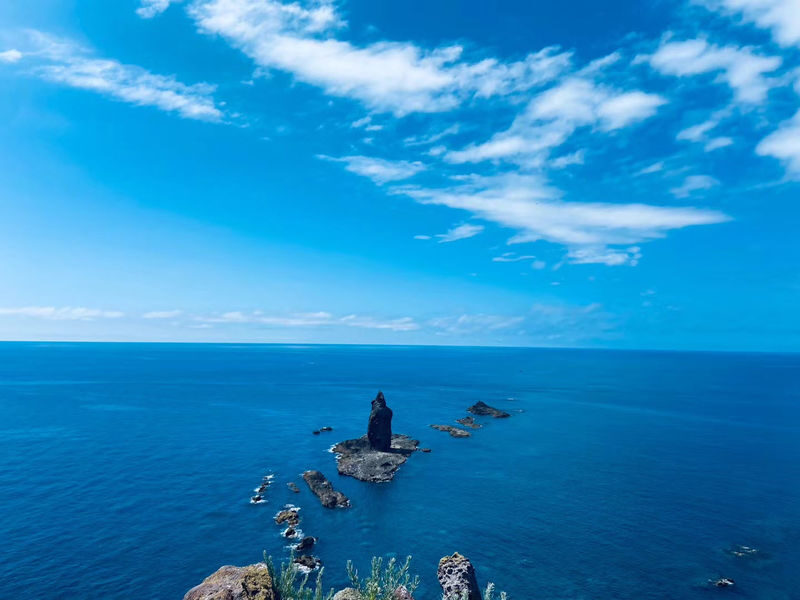
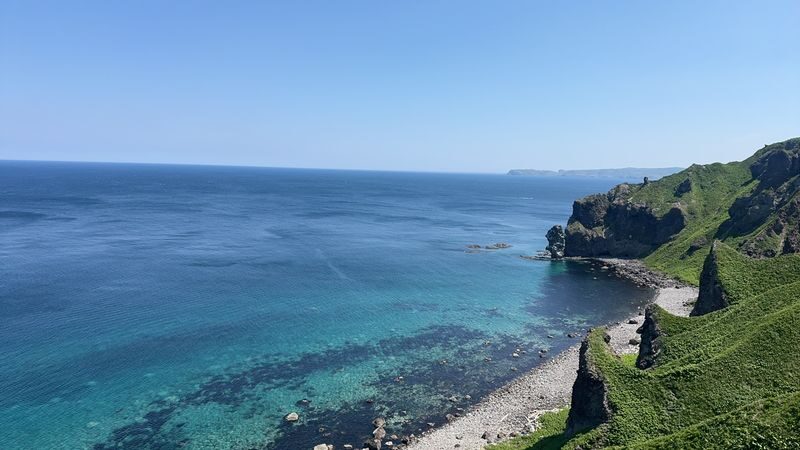
Shakotan is the scenic change of pace. The coastline is known here for its clear blue water and rugged edges, and on a good day the color is the sort that makes you stop talking for a moment. Even rain need not make the whole coast a lost cause: the scenery can still be worthwhile under cloudy skies, though you should expect less vivid color and less comfortable walking.
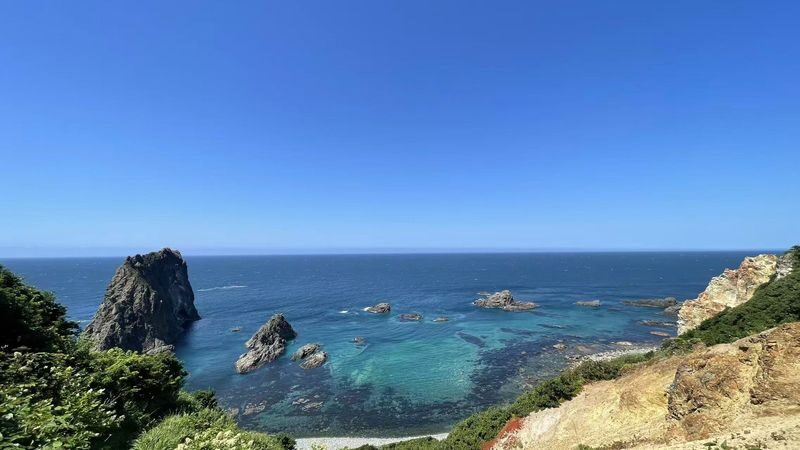
Shimamui Coast is another coastal stop included in some descriptions of the day. Its appeal is the same broad reward: sea views and a chance to take in the shore. But if time feels tight, Cape Kamui is the stronger priority for many people. One visitor felt Shimamui was more ordinary by comparison and would have preferred a shorter stop there in favor of Cape Kamui.
That does not make Shimamui a wasted visit. It adds another angle on the peninsula, and you may appreciate the change of viewpoint. Just keep your expectations in proportion. If you are choosing this tour mainly for the most dramatic coast, save your energy and photo time for Cape Kamui.
Cape Kamui: the walk is worth planning for
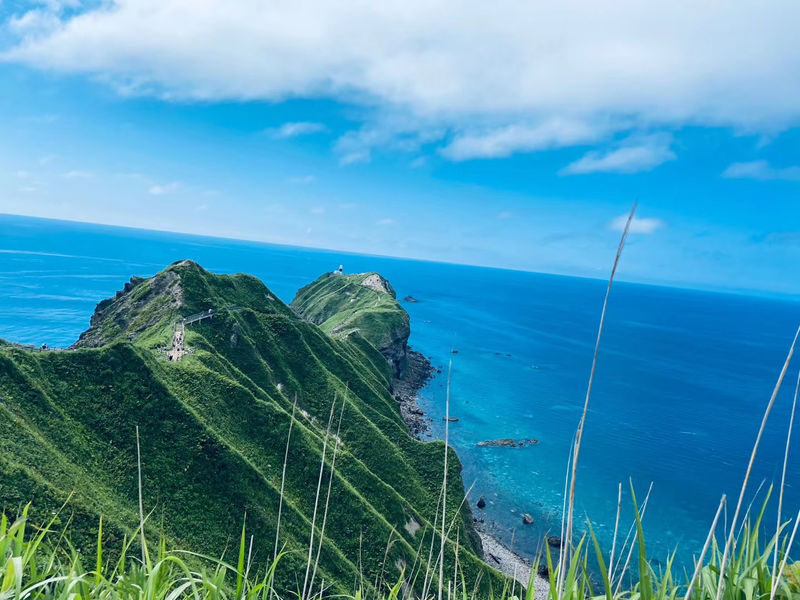
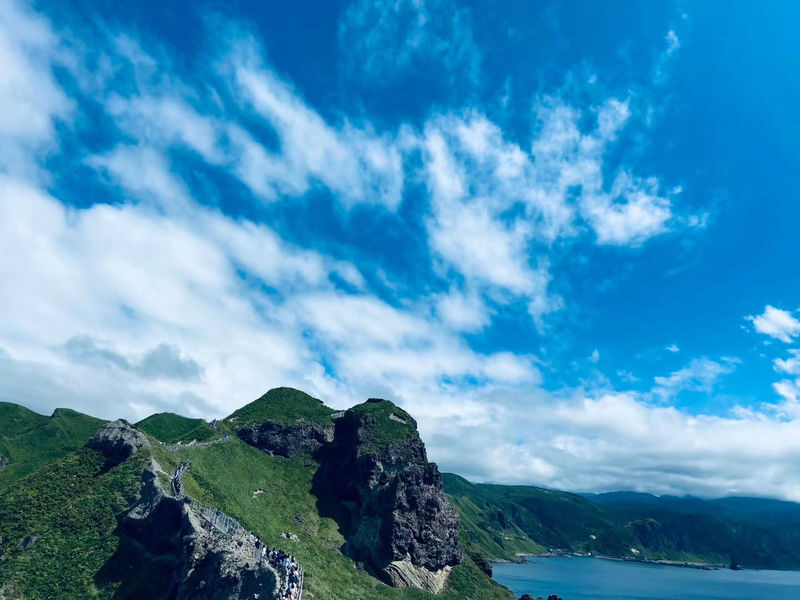
Cape Kamui is the day’s headline stop. Its coastal path takes you out above the sea, with views that reward the walk and make the drive feel worthwhile. The water’s shifting shades are a particular draw, and the route gives you a more direct encounter with the coast than a quick roadside viewpoint.
Allow for the fact that the walk takes effort and time. Some people have found the time at the cape too short, especially with children, and have wished for around two hours. That is not a promise of how long your stop will be. It is a reminder that a brief visit can feel rushed if you want to walk at an easy pace, take photos and pause at viewpoints.
Wind is a practical concern, not a minor footnote. Strong gusts have prevented people from walking all the way to the end, and weather can affect access or the day’s plan. Bring a layer that works in wind, wear shoes you can walk in, and be ready to turn back if conditions make the path uncomfortable. The sea views can still be worthwhile even if you cannot complete the full route.
If you have limited mobility, recent surgery or a family member who needs support, tell the operator beforehand and ask what the walk involves on your date. A guide has provided physical help and reassurance to a participant with mobility concerns, but that does not make the Cape Kamui path automatically easy or suitable for everyone. The small-group format can help with personal attention, while the terrain and weather still set the limits.
Tenguyama: a fitting end, if the weather cooperates
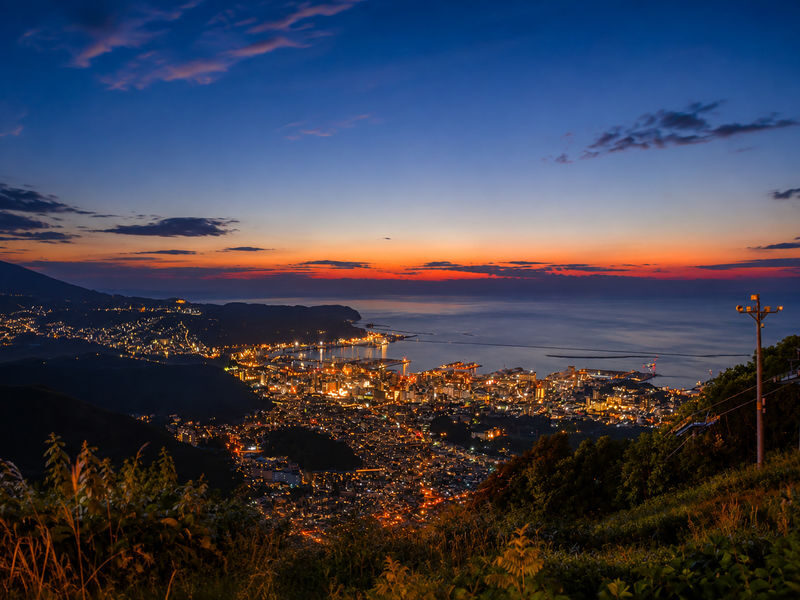
Otaru’s Tenguyama Observatory gives the day a different finish from the coast. The view shifts from open water to the town below, and the timing may let you see daylight fade, the sunset and the city lights come on. That gradual change can be the most memorable part of the schedule, especially after a day spent moving between town and shore.
The observatory is weather-sensitive. Heavy rain has led a guide to arrange an alternative attraction when the mountain could not be visited. That flexibility is helpful, but it means you should not treat the sunset or night view as guaranteed. In clear conditions, the evening stop is a strong reason to choose this particular combination rather than a coast-only excursion.
Timing is part of the appeal. The day can move from Otaru’s streets to the coast and finish above the town after dark, giving each stop a different mood. Still, an itinerary that saves Tenguyama for the end depends on weather and daylight, so keep your expectations flexible.


What the guide and vehicle add
The driver-guide is central to the value here. The route includes substantial time on the road, and you benefit from someone else managing the driving, pickup details and meeting times. Guides named David and Wei have been praised for being responsive and calm; Jun has been described as communicating in English and Chinese. Other guides, including Qian and Zhu, have also been noted for smooth driving and clear explanations.
You should not assume you will have a particular guide or language unless the operator confirms it. But the pattern of service described is useful: guides have helped with photos, answered questions, supported a participant with mobility issues and adjusted plans when weather closed off an option. That is the sort of practical care that can matter more than a long speech at every stop.
Group size has varied. Some outings have had just three or four people, and one solo departure was especially flexible. Smaller numbers make it easier to keep the vehicle comfortable and coordinate short stops. However, the operator’s terms state that the tour may be cancelled if the minimum of six participants is not met. Since small departures have also taken place, confirm the current minimum and what happens if numbers are low before you book.
Is $50.09 good value?
At a starting price of $50.09, the strongest value is transport. You are paying to reach a coastal area that is difficult to visit by public transport, while also linking it with Otaru and Tenguyama in one day. If you do not want to rent a car, manage a long route yourself or spend the day negotiating transfers, that convenience can justify the fare.
The tour also includes the value of a driver who knows the day’s timing and can respond when weather or a missed meeting point complicates things. It is not simply a ticket to a single attraction. The day covers several distinct stops, and the private-car-style transfer arrangement described by participants is a more personal alternative to a big coach.
The price is less compelling if you want lots of unhurried time in Otaru or a long coastal walk. You may find yourself choosing between lingering in town and making the most of Cape Kamui. Think of the fare as payment for access and coordination, not for unlimited time at every stop. Attraction fees and other inclusions are not specified here, so check the package details before you book.
Weather, timing and a few practical checks
Hokkaido weather can change the feel of this trip. Rain may dull the colors, strong wind may restrict the Cape Kamui walk, and bad conditions can prevent the Tenguyama stop. Guides have made alternative arrangements when weather interfered, but an alternate stop is not the same as the original view. Keep a flexible attitude and pack for wind and rain rather than counting on a perfect forecast.
Arrive on time. The terms say late arrivals, including being five minutes late or more, are not eligible for a refund, and no-shows are not refunded. Cancellation at least 24 hours before the activity date is eligible for a full refund, subject to the stated conditions. If the operator cancels because of extreme weather or the minimum group size, you can request a rescheduled time or refund. Check the current terms when booking, since amendments depend on availability.
Who should book this tour?
I would choose it if you are staying in or near Otaru or Sapporo and want to see Cape Kamui without driving yourself. It also suits a first visit when you want a sampler of town, coast and viewpoint in one day, and you are comfortable letting the guide set the pace between stops.
Families, solo visitors and small parties can all fit the format, but the day’s walking and limited time deserve thought. If you have children who need long breaks, a mobility concern, or a strong wish to walk Cape Kamui all the way to the end, ask about stop durations and path conditions before paying. If Otaru is your main interest, book more time in town instead. If the coast is your priority and you want easy transport, this is a sensible, good-value way to reach it.
Otaru Tenguyama & Cape Kamui Full-Day Small Group Tour
“The trip went smoothly, and the weather along the way to Cape Kamui was pleasant. The tour leader was a young man from Kochi who answered every que…”
FAQ
How much does the tour cost?
The listed starting price is $50.09. Check the booking details for the price that applies to your date and package.
Which places does the tour visit?
The tour is named for Otaru Tenguyama and Cape Kamui. The described day also includes Otaru and the Shakotan coast, with Shimamui Coast mentioned as a stop on some trips.
Is transport included?
The tour uses a driver and vehicle to connect the stops. Pickup arrangements have included hotel pickup or a designated meeting point, so confirm your exact location with the operator.
How large is the group?
It is a small-group tour, but no maximum group size is specified. Groups of three or four have taken part, and the operator’s terms say the activity may be cancelled if the minimum of six participants is not met.
Is the Cape Kamui walk long?
The information does not give a fixed walking time. Some people have felt that roughly an hour at the cape is short and would prefer around two hours, so ask about the planned stop length if you want time to walk at a relaxed pace.
Can strong wind affect the Cape Kamui visit?
Yes. Strong wind has prevented people from walking all the way to the end. Weather can also affect other stops, so the full visit may not be possible in poor conditions.
Does the tour always visit Tenguyama Observatory?
No. Heavy rain has led to an alternative attraction being arranged. The sunset and night view are possible highlights, but weather can change the plan.
What is the cancellation policy?
You can receive a full refund if you cancel at least 24 hours before the activity date, subject to the stated conditions. Late arrivals of five minutes or more and no-shows are not refunded. If the operator cancels because of extreme weather or the minimum group size, you may request a rescheduled time or a refund.