
The Otsuka Museum of Art gathers art from far-flung museums into one place in Naruto. Across five floors, you’ll see around 1,000 full-size reproductions on ceramic panels, from famous paintings to frescoes that recreate historic settings. It’s a kind of world art tour, without the airfare.
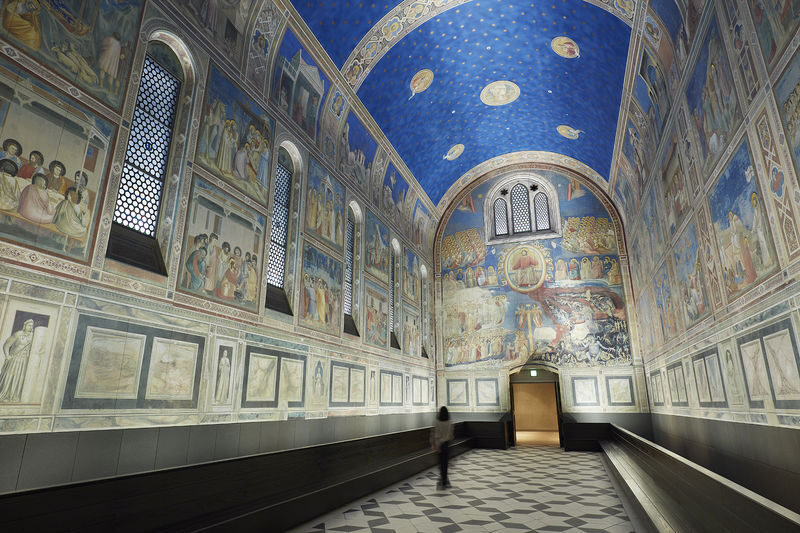
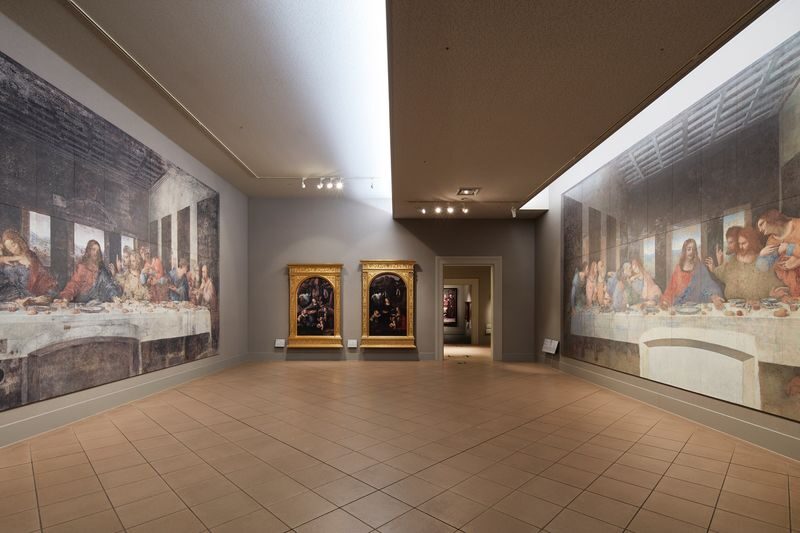
I like two things in particular: the sheer range of works, including Van Gogh’s Sunflowers and versions of The Last Supper, and the chance to see large-scale frescoes in carefully arranged settings. The trade-off is the size: the museum can take three to five hours, and the long walks may tire you before you’ve seen everything.
- At a glance
- A world art collection in Naruto
- Five floors, so give yourself room
- Famous paintings and recreated settings
- Free guided tours and time to look
- Cafés, gardens, and a welcome pause
- What the ticket covers, and what it costs
- Getting there and planning your day
- Small rules that make the visit smoother
- Should you book the Otsuka Museum of Art?
- FAQ
- How long should I allow for the museum?
- What does the ticket include?
- What are the admission prices at the counter?
- How do I enter with an e-ticket?
- When is the museum open?
- Which days is the museum closed?
- How do I get to the museum from Naruto Station?
- Can I visit by car?
- Can I leave and come back on the same day?
- Are guided tours available?
- More Tickets in Naruto
- More Tours in Naruto
- More Tour Reviews in Naruto
At a glance
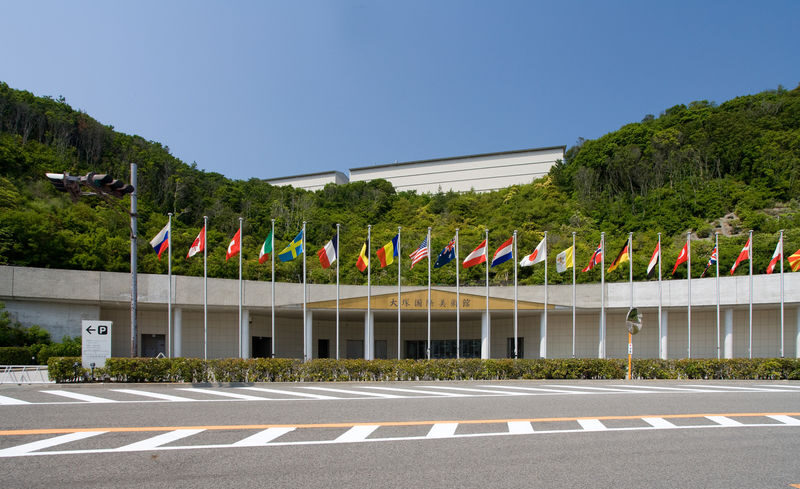
- Around 1,000 full-size reproductions: Western paintings and frescoes are reproduced on ceramic panels.
- A broad collection: The museum presents works connected with 190 museums in 26 countries.
- Five floors to explore: Three basement levels and two above-ground floors make this a substantial visit.
- Plan for several hours: Three hours is a useful minimum; a leisurely visit can take much longer.
- E-ticket entry: Present the voucher screen or a printout with the ticket type and QR code.
- Easy to pair with Naruto sights: The museum is about 15 minutes by local bus from Naruto Station, and the Naruto Whirlpools are nearby.
A world art collection in Naruto
The idea here is unusual and practical. Instead of moving between famous museums across Europe and beyond, you can see full-size ceramic reproductions of works associated with 190 museums in 26 countries under one roof. The museum describes roughly 1,000 works in its collection, with paintings and frescoes spanning different periods and settings.
These are reproductions, not original paintings. That distinction matters if you visit museums for the age, surface, and history of the actual object. Ceramic panels cannot offer the same connection to an artist’s hand or a painting’s journey through time.
But the scale and access have their own value. You can compare familiar works in one visit, look closely without worrying about traveling across several countries, and encounter wall paintings and frescoes that would otherwise be difficult to see. The museum recreates settings for some works, helping you imagine how art might appear beyond a conventional gallery wall.
For me, that makes this more than a checklist of famous paintings. It’s a chance to build a mental map of Western art and notice how styles and display settings change. Come expecting a thoughtfully arranged collection of reproductions, not a substitute for standing in front of the originals.
You can also read our reviews of more tours and experiences in Naruto

Five floors, so give yourself room
The museum has three basement floors and two above-ground floors. That arrangement and the large number of exhibits make the building feel more like a day’s outing than a quick stop. Even a fairly brisk visit can take two or three hours, while people who stop to study works or take breaks may want most of the day.
Think ahead about your pace. If you have only a couple of hours, pick the works or periods that matter most to you, and accept that you will pass some displays. With three to four hours, you’ll have more time to pause, explore the settings, and take a break. If the museum is a major reason for visiting Naruto, arriving in the morning gives you the most flexibility.
A practical tip from the museum’s layout: consider starting on the upper floors and working down. Famous Impressionist paintings are on the upper floors, so this route may help you see some of the best-known works while your energy is fresh. The collection is extensive, though, and your ideal route depends on what you most want to see.
There are places to sit throughout the museum, which matters in a building where the walking can add up. Wear comfortable shoes, leave time to rest, and resist the temptation to rush through each room just to cover more ground. Seeing fewer works attentively can make for a better visit than racing through every floor.
Famous paintings and recreated settings
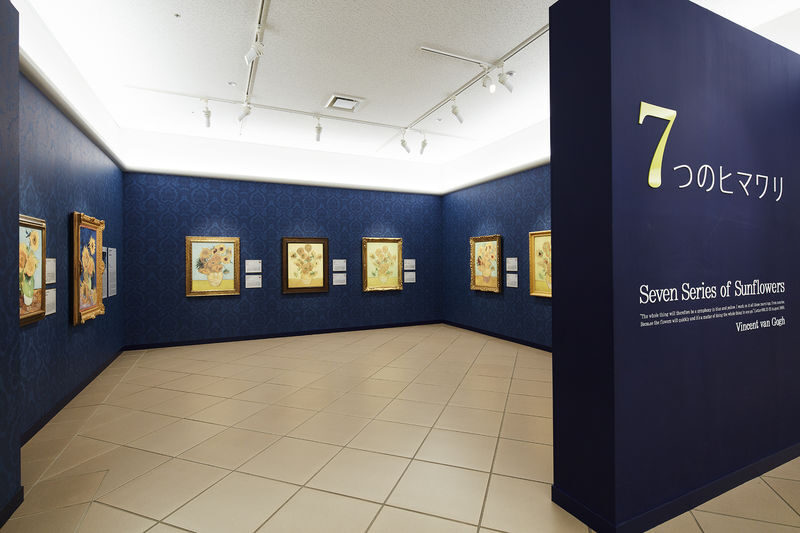
The collection’s appeal is its mix of well-known paintings and works that are harder to encounter in person. Van Gogh’s Sunflowers series is a highlight, and visitors can see multiple versions together. The museum also displays both pre-restoration and post-restoration versions of The Last Supper, a rare chance to compare how the famous mural has changed.
The reproductions also include frescoes linked with Pompeii and Cappadocia. These environmental displays offer a different experience from viewing a framed painting on a gallery wall. The surrounding setting helps you picture how wall art relates to a room, building, or historic site.
The collection is arranged by era, with different atmospheres across its spaces. That variety helps keep the visit from feeling like one long corridor of similar pictures. Still, the quantity is part of the challenge: the museum’s breadth can be exciting, but it can also feel like a lot to take in.
Try not to make the visit a race to identify every famous painting. Choose a few works you know, then give yourself time for something unfamiliar. If a reproduction sparks your interest in seeing the original, the museum has done useful work as a starting point, even if it cannot recreate the original’s material history.
Free guided tours and time to look
Free guided tours are offered several times a day, and an hour-long tour can provide structure in a very large museum. The commentary is described as clear and engaging, with a light touch. Check the schedule when you arrive if you’d like someone to help you choose what to focus on.
You can also explore independently. Explanatory notes are provided for the paintings, and some visitors find those enough without renting an audio guide. If you prefer detailed commentary, consider asking at the museum about available audio-guide options; the ticket itself includes admission only.
A useful balance is to take a guided tour early, then revisit a few works or rooms that caught your attention. That gives you context without turning the whole visit into a lecture. If you’re traveling with children or someone whose interest in art is still developing, the guide’s structure may also make the collection easier to approach.
Cafés, gardens, and a welcome pause
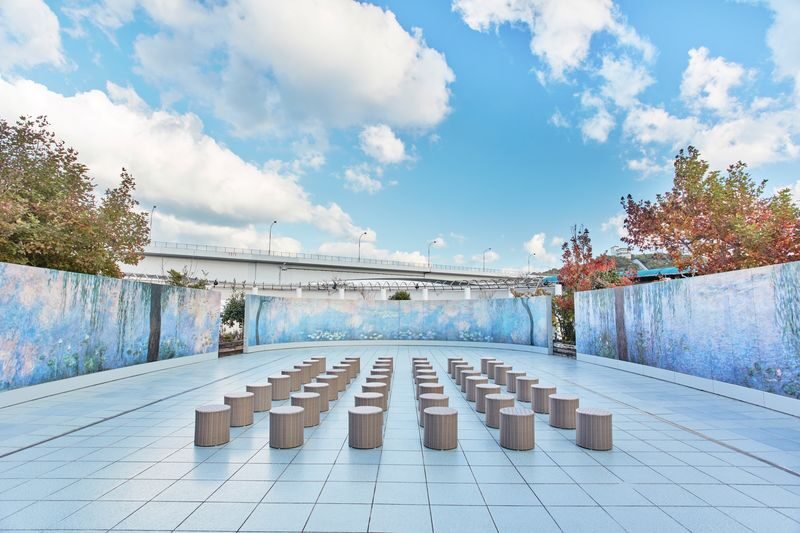
The museum visit is not all galleries. There are places to eat, and Café de Giverny on B2 is noted for its view. The museum also has outdoor facilities and garden areas, offering a change of scene when your feet or attention need a rest.
A café stop can be more than a convenience here. In a museum this large, taking a proper break helps you enjoy the second half rather than simply endure it. The ticket does not include food or drinks, so budget for those separately and use the designated eating and drinking areas.
If you’re visiting with a group, agree on a meeting point and a time to regroup. The museum’s scale makes it easy for people to move at different speeds, especially if some want to read every label while others prefer a quicker circuit.

What the ticket covers, and what it costs
The ticket package covers one admission ticket. It does not include meals, audio-guide rental, or other extras. At the counter, admission is JPY 3,300 for adults, JPY 2,200 for university students, and JPY 550 for elementary, junior high, and high school students.
The advertised starting price is from $3.35, but that is not the same as the adult counter price. Online ticket purchases have been reported as slightly cheaper than buying at the museum, but the exact saving depends on the price shown when you book. Compare the total in your currency before paying, rather than assuming the starting price applies to every ticket type.
For value, consider how long you plan to stay. The adult ticket is a more compelling spend if you’ll give the collection several hours, take a guided tour, and use the museum’s cafés or rest areas. If you only have time for a short visit, the admission may feel steep for a regional stop, even though the breadth of the collection is unusual.
The e-ticket is handy because you can enter with the voucher’s QR code instead of first buying a ticket at the counter. Have the voucher screen or a printed copy ready, and make sure it shows the correct ticket category. Voucher or reservation numbers alone are not accepted.
Getting there and planning your day
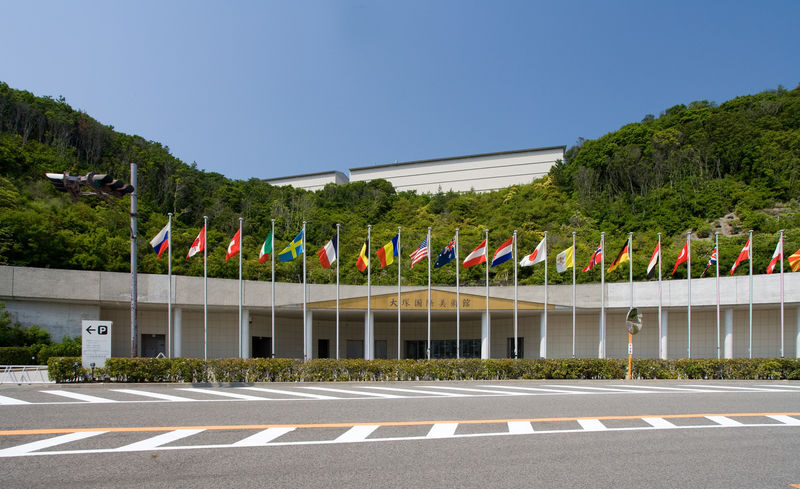
The museum is at Fukuike-65-1 Narutocho Tosadomariura, Naruto, Tokushima. From Naruto Station, the local bus takes about 15 minutes. By car, the listed route from Naruto Kita IC on the Kobe-Awaji-Naruto Expressway takes about three minutes toward Naruto Kaikyo.
If you’re driving, note that parking is described as separate from the museum, with a free shuttle bus running between the parking area and entrance. Follow signs and staff directions, and allow a little extra time for the transfer. The walk or shuttle details matter when planning a tight schedule, particularly if you’re also timing a visit to the whirlpools.
The museum is a natural pairing with Naruto’s other attractions. The Naruto Whirlpools and the Uzunomichi walkway are nearby, making it possible to plan an art visit around the tides and your preferred timing. Don’t squeeze the museum into a small gap in the day, though. Three hours is a sensible starting point, and seeing the collection at a relaxed pace can take longer.
Opening hours are 9:30 a.m. to 5 p.m., with admission tickets sold until 4 p.m. The museum is closed on Mondays, or the following day when Monday is a national holiday. It also closes on consecutive days in January and on some other special holidays, while remaining open in August. Check the schedule for your date before setting out.
Small rules that make the visit smoother
Photography is allowed under restrictions: do not use flash, strobe lights, tripods, or other camera fixtures, and commercial use is prohibited. Pets are not allowed. Eating and drinking are limited to designated areas, and smoking, including electronic and heated cigarettes, is prohibited throughout the grounds and parking lot.
Lockers are available at the main entrance and on B3. If you need a wheelchair or stroller, contact the B3 Information Desk about borrowing one. Re-entry is allowed on the same day, but ask at the entrance about the procedure before leaving.
The voucher has a stated validity date of March 31, 2027 at 4 p.m., while the admission ticket is described as having no expiration date and being usable from the day of purchase. Since those terms refer to different parts of the ticket process, check the voucher details for your booking and confirm any uncertainty before your visit. The ticket is non-refundable and cannot be cancelled.
Should you book the Otsuka Museum of Art?
Book it if you’re curious about famous Western art, enjoy seeing works in context, or want a substantial indoor stop near Naruto. The number of full-size reproductions, the fresco displays, and the free tours give you plenty to explore, while the café and rest areas help make a long visit manageable.
Think twice if you only want to see original art or have less than two hours to spare. This is a large museum, and the reproductions are the point, not a hidden detail. If that distinction works for you, allow at least half a day, wear comfortable shoes, and use the visit to discover which originals you’d like to see someday.
Otsuka Museum of Art Ticket
“The free guided tours, offered multiple times a day, were also excellent. I highly recommend them; the clear and engaging commentary makes an hour…”
FAQ
How long should I allow for the museum?
Plan for at least three hours if you want to see a good portion of the collection. A visit can take three to five hours, and the museum can fill most of a day if you explore slowly.
What does the ticket include?
The package includes one Otsuka Museum of Art admission ticket. Food, drinks, and other extras are not included.
What are the admission prices at the counter?
Adult admission is JPY 3,300, university student admission is JPY 2,200, and admission for elementary, junior high, and high school students is JPY 550.
How do I enter with an e-ticket?
Show the voucher screen or a printed voucher that displays the ticket type and QR code. Voucher numbers and reservation numbers alone are not accepted.
When is the museum open?
Opening hours are 9:30 a.m. to 5 p.m. Admission tickets are sold until 4 p.m.
Which days is the museum closed?
It is closed on Mondays, or on the following day if Monday is a national holiday. It also closes on consecutive days in January and on some other special holidays. It is open in August.
How do I get to the museum from Naruto Station?
Take a local bus. The trip from Naruto Station takes about 15 minutes.
Can I visit by car?
Yes. From Naruto Kita IC on the Kobe-Awaji-Naruto Expressway, the listed drive toward Naruto Kaikyo takes about three minutes. Parking is separate, and a free shuttle bus runs to the museum.
Can I leave and come back on the same day?
Same-day re-entry is allowed. Ask at the entrance about the procedure before you leave.
Are guided tours available?
Free guided tours are offered several times a day. Check the schedule when you arrive.