- Potosí: Guided tour of the Cerro Rico Mine
- Key Points
- In-Depth Review
- Location and Duration
- The Itinerary: What’s Included and What to Expect
- Inside the Mine: The Real Experience
- The Cultural and Historical Context
- Practical Aspects: Transportation, Group Size, and Equipment
- The Value for Money
- A Word of Caution Based on Reviews
- Who Should Take This Tour?
- Who Might Want to Skip It?
- Frequently Asked Questions
- Final Thoughts
- More Guided Tours in Cerro Rico De Potosi
- More Tours in Cerro Rico De Potosi
- More Tour Reviews in Cerro Rico De Potosi
Potosí: Guided tour of the Cerro Rico Mine
 1 / 6
1 / 6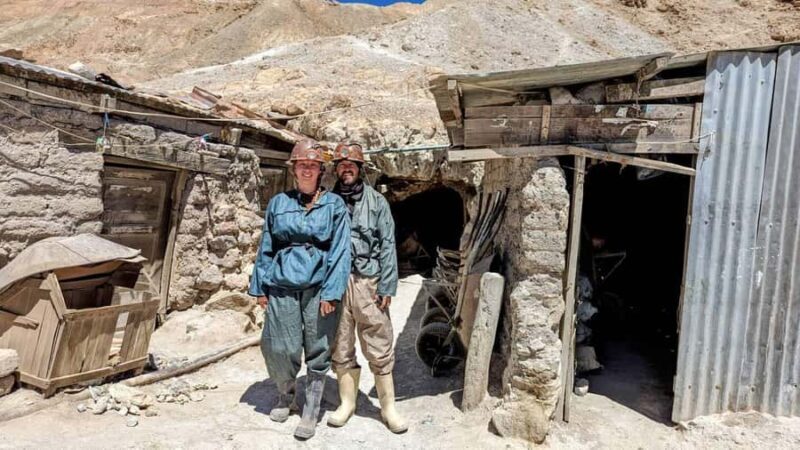 2 / 6
2 / 6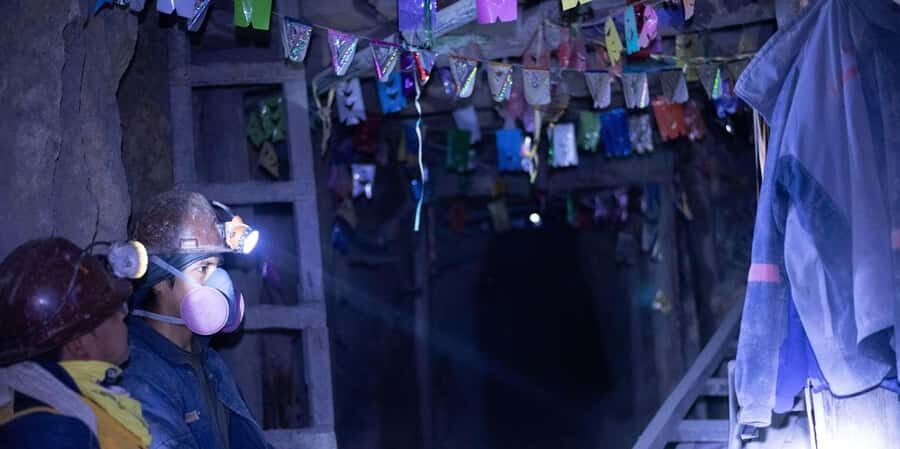 3 / 6
3 / 6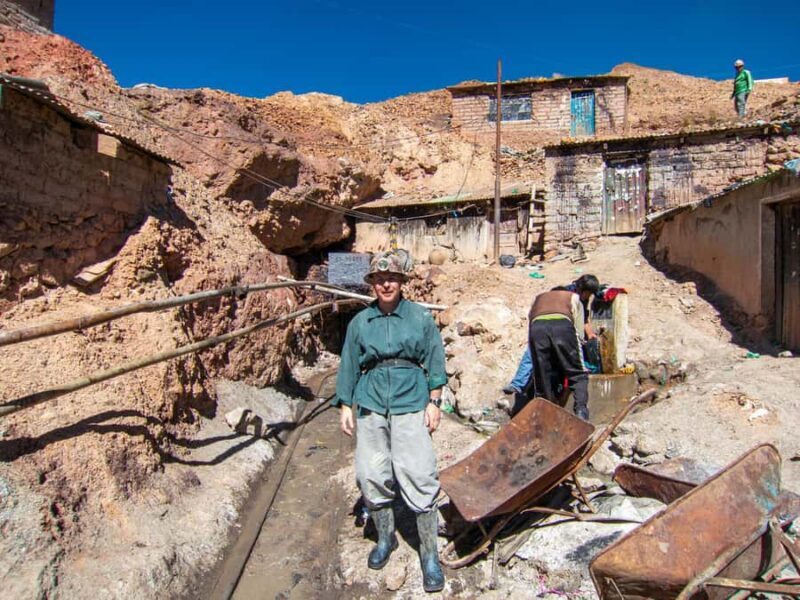 4 / 6
4 / 6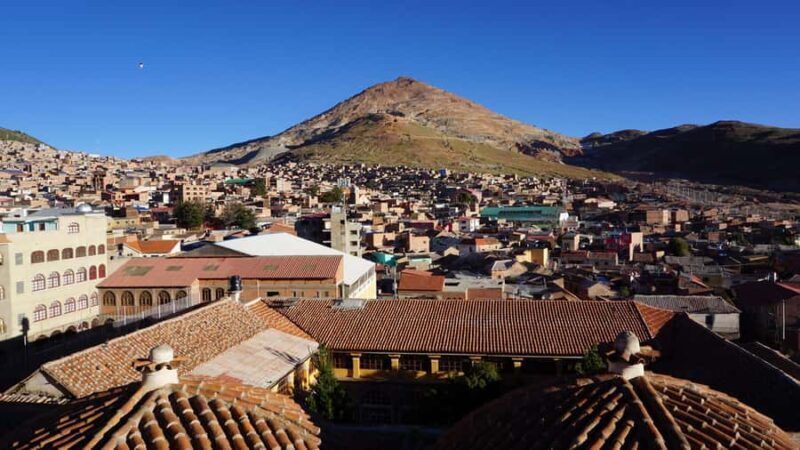 5 / 6
5 / 6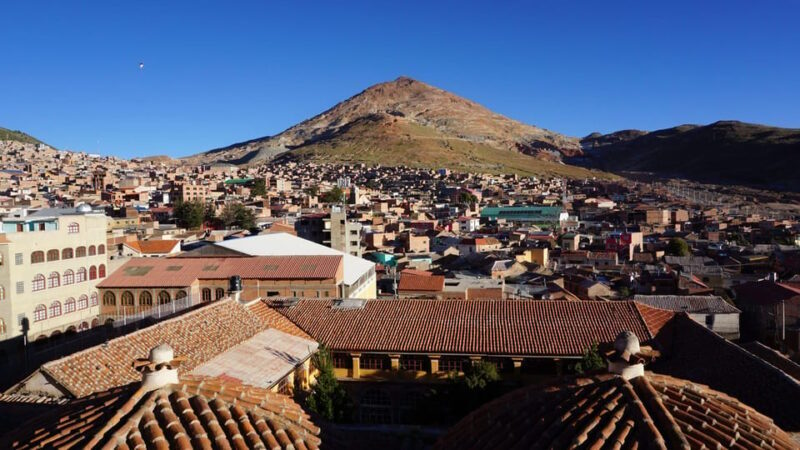 6 / 6
6 / 6Imagine walking into the shadowy tunnels of a centuries-old silver mine at the base of Cerro Rico in Potosí, Bolivia. For just $36 per person, you can join a three-hour guided tour that promises a close-up look at the working conditions of miners and the chance to see the religious statues and mineral veins that have made this site famous. Your guide will be bilingual, walking you through the history, culture, and reality of life beneath the mountain.
What we really like about this tour is how it balances educational storytelling with a visceral, hands-on experience. You’ll get to visit the Mining Market beforehand—where you can buy gifts like dynamite, alcohol, or coca leaves for the miners—adding a real-world connection to the visit. Plus, the inside of the mine itself offers some striking sights: statues of gods like El Tío de la Mina, mineral veins, and the complex network of galleries.
One possible downside to keep in mind is the accuracy of the meeting point, as some travelers have reported difficulties with the initial pickup location. This can be frustrating, especially if you’re short on time or unfamiliar with the area. Also, the physical nature of the tour—walking through tight, uneven galleries—means it’s not suited for everyone, especially those with mobility issues or claustrophobia. However, for those interested in authentic, gritty mining life and willing to wear the provided gear, this tour offers a compelling and eye-opening experience.
If you enjoy tours that combine history, culture, and a bit of adventure, and you’re curious about how the local population works and lives within this historic mine, then this experience should definitely be on your list. It’s especially suited for travelers who appreciate genuine encounters over polished tourist attractions.
You can check availability for your dates here:Key Points
- Authentic experience inside a working Bolivian mine with historical statues and mineral veins.
- Visit the Mining Market beforehand to buy gifts like dynamite or coca leaves for miners.
- Guided tour in both English and Spanish, with knowledgeable guides who provide context and safety.
- Physical demands include walking through narrow galleries, so be prepared for a bit of a workout.
- Cost offers good value for an immersive cultural and historical experience.
- Potential issue with the meeting point—check instructions carefully to avoid missing the tour.
You can also read our reviews of more guided tours in Cerro Rico De Potosi

In-Depth Review
Location and Duration
This tour is based in Potosí, a city renowned for its silver mines and colonial charm. The three-hour experience is designed to be a thorough yet manageable window into the life and work inside Cerro Rico—a mountain that has shaped the town’s history for centuries. The price point of $36 per person makes it quite reasonable, especially considering the inclusion of transportation, tickets, and safety equipment.
The Itinerary: What’s Included and What to Expect
Your day begins with a pickup at a designated spot in the city center, making it accessible and straightforward. The first stop is the Mining Market, which is not just a souvenir shop but a lively hub where miners and visitors alike gather. Here, you’ll have free time to purchase small gifts—think dynamite (yes, real dynamite, sold legally here for mining purposes), alcohol, or coca leaves. These are traditional offerings that have been part of the mining culture for generations, and bringing supplies for miners can be a meaningful gesture.
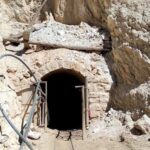
From there, you’ll head towards the base of Cerro Rico for your inside visit. The mine itself is a labyrinth of galleries and tunnels, many of which look unchanged from the days of Spanish exploitation. You’ll see statues of gods, including El Tío de la Mina, a devil figure believed to protect the miners or influence their luck—an intriguing blend of religious faith and superstition.
More Great Tours NearbyInside the Mine: The Real Experience
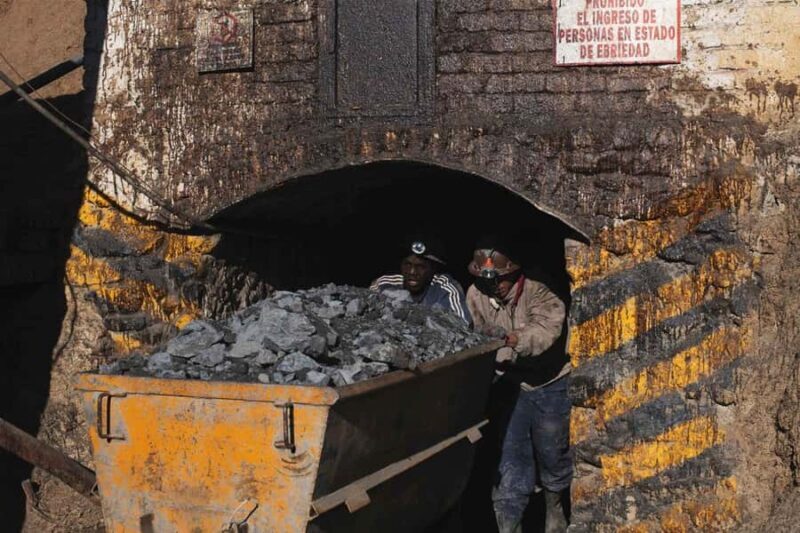
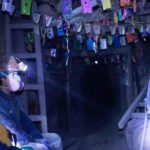
Once underground, your guide will help you navigate narrow, uneven passages while explaining the working methods miners use—many of which have remained consistent over hundreds of years. You’ll observe the different work techniques, see mineral veins, and witness the equipment that keeps miners safe (helmets, boots, lamps). The experience is both educational and visceral: walking through galleries that are barely wide enough for your shoulders, feeling the cool damp air, and seeing the imposing statues that sit amid the mineral veins.
Some visitors mention feeling a connection to the miners’ daily struggles. One traveler notes, “We loved the way the tour made us understand the physical and spiritual challenges miners face.” Others appreciate the opportunity to coexist with miners, exchanging greetings and understanding their routines.
The Cultural and Historical Context
This tour isn’t just about sightseeing; it’s about understanding a region shaped by centuries of mining. The statues and gods display the miners’ spiritual beliefs—they pray to El Tío for safety and luck. The mineral veins give you a tangible sense of what drives this industry, and the unchanged methods highlight the resilience of local traditions.
Practical Aspects: Transportation, Group Size, and Equipment
Transportation is included and generally runs smoothly. The guides are bilingual, so whether you speak English or Spanish, you’ll gain insights into the history, customs, and daily realities of mining life. The equipment—helmets, boots, lamps, and jackets—are provided, which is essential given the rough conditions underground. Wearing comfortable, durable clothing is advisable, as the galleries are dusty and damp.
The Value for Money
Compared to alternative tours, this experience offers a good balance of cost and depth. It’s an opportunity to go beyond typical sightseeing and witness working conditions firsthand. The inclusion of equipment and transportation makes it a hassle-free option, and the guided nature ensures you’re learning from someone with local knowledge.
A Word of Caution Based on Reviews
While most reviews praise the tour’s authenticity, a notable exception is a traveler who reported that “the meeting point was incorrect,” which prevented participation. Double-check your pickup instructions and timing to avoid missing out. Plus, the physical demands mean it’s not suitable for everyone—be prepared for narrow, low tunnels and uneven floors.
Who Should Take This Tour?
This experience is best suited for curious travelers eager to see a different side of Bolivia—one that involves hard work, faith, and resilience. If you’re interested in history, culture, and authentic daily life, this tour provides an invaluable window. It’s also worthwhile if you want to support local traditions and gain a deeper understanding of the miners’ world.
Who Might Want to Skip It?
If you’re claustrophobic, have mobility issues, or prefer light, relaxed sightseeing, this tour might be too intense. Also, if you’re sensitive to dust or damp environments, prepare accordingly or consider alternative experiences.
Frequently Asked Questions
Is transportation included?
Yes, transportation is part of the tour, making it easy to reach the mine without hassle.
What should I wear?
Dress in comfortable, durable clothing. The equipment provided includes helmets, boots, jackets, and lamps. Expect dusty and damp conditions underground.
How long is the tour?
The entire experience lasts around three hours, including pickup, visit to the market, and the mine tour.
Can I buy souvenirs or gifts?
Yes, at the Mining Market you can purchase items like dynamite, alcohol, and coca leaves—gifts often given to miners as part of local tradition.
What is the main highlight of the tour?
Most travelers say the inside of the mine, with its statues and mineral veins, and the opportunity to see miners at work, are unforgettable.
Are guides bilingual?
Guides are available in both English and Spanish, ensuring clear explanations regardless of your language preference.
What are the physical demands?
Walking through narrow galleries and uneven floors can be tiring; it’s best suited for those in good health and comfortable with confined spaces.
Are children allowed?
The tour’s physical requirements may make it unsuitable for very young children or those sensitive to tight spaces.
Potosí: Guided tour of the Cerro Rico Mine
Final Thoughts
Visiting the Cerro Rico Mine in Potosí isn’t just another stop on your Bolivian itinerary—it’s a vivid, tangible encounter with the realities of mining life that has shaped this region for centuries. For those willing to wear the provided gear and walk through dark, narrow tunnels, the experience offers an authentic look at local traditions, faith, and resilience.
While there are logistical challenges—like confirming your pickup point—the overall value lies in the raw honesty of the environment and the opportunity to connect with the hardworking community behind Bolivia’s metallic riches. If you’re interested in history, culture, and authentic encounters, this tour will give you a deeper appreciation for the region’s complex story.
This experience isn’t for everyone, but for travelers who seek a meaningful, eye-opening adventure that’s rooted in reality, it’s a choice that pays off. Just remember to double-check your meeting details and prepare for a physically engaging journey underground.
In summary, the Cerro Rico Mine tour in Potosí offers a rare glimpse into a storied industry that has defined the city’s identity. It combines cultural insights with a hands-on experience, making it perfect for curious, adventurous travelers eager to see the true face of mining life—beyond the tourist brochures.
You can check availability for your dates here: