
Hakuba’s private lessons put an instructor beside you on the snow, so your time is spent learning at your pace rather than trying to keep up with a class. You can choose a resort and, for some packages, Chinese or English instruction. I like the choice of lesson lengths, from a three-hour introduction to a six-hour session with a lunch break.
I also like the attention to children and mixed-ability groups. Instructors can work with students individually or group them by ability, and the lessons are open to adults, children, and teenagers. The catch: resort and language choices vary by package, and the advertised schedule can shift with weather or traffic.
At a glance
- Iwatake is a strong first choice for beginners. The resort is promoted as a newcomer-friendly option, and instructors may suggest changing resorts when another area better suits your level.
- You can book three or six hours. The longer session includes a one-hour lunch break, leaving more time for practice.
- Language depends on the package. Chinese lessons are offered, while the English three-hour option is limited to Hakuba Goryu and Iwatake.
- Private instruction is designed to fit your level. Adults, children, and teenagers can take part, with individual or ability-based guidance.
- Resort choice changes the day. Iwatake has a summit terrace and snow activities; Happo-One is known for its Olympic connection and long ski run; Tsugaike is promoted for beginner terrain and powder.
- The lesson is the main inclusion. Personal expenses are not included, so check what you need to arrange separately before setting off.
- At a glance
- What a private Hakuba lesson gives you
- Picking the right Hakuba resort
- The morning schedule and what to expect
- Choosing three hours or six
- Language, children, and instructor fit
- Price, preparation, and small print
- Should you book this Hakuba lesson?
- FAQ
- How long are the lessons?
- Which languages can I choose?
- Which Hakuba resorts are included?
- Is the three-hour English lesson available at every resort?
- Can children take the lesson?
- Is the lesson suitable for beginners?
- What time does the lesson start and end?
- What is included in the price?
- What does the six-hour course include?
- Can I change or cancel my booking?
- More Tours in Kitaadumi
- More Tour Reviews in Kitaadumi
What a private Hakuba lesson gives you
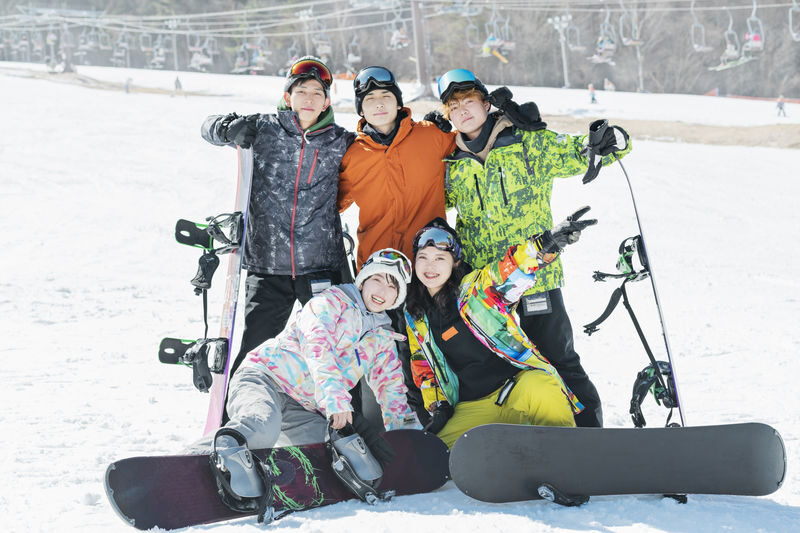 1 / 7
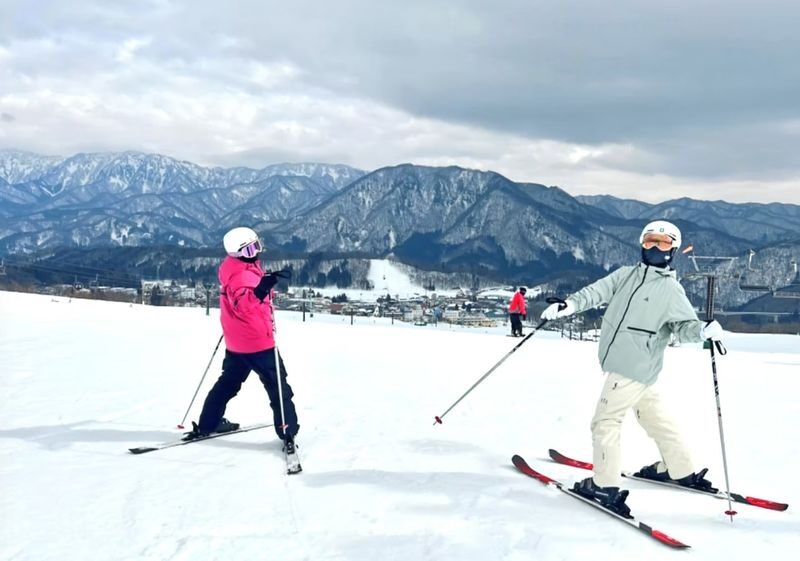 2 / 7
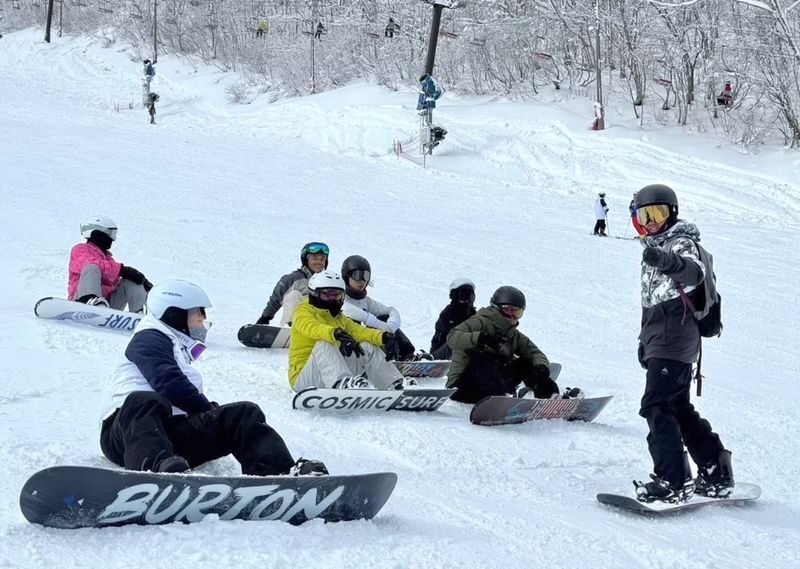 3 / 7
 4 / 7
 5 / 7
 6 / 7
 7 / 7
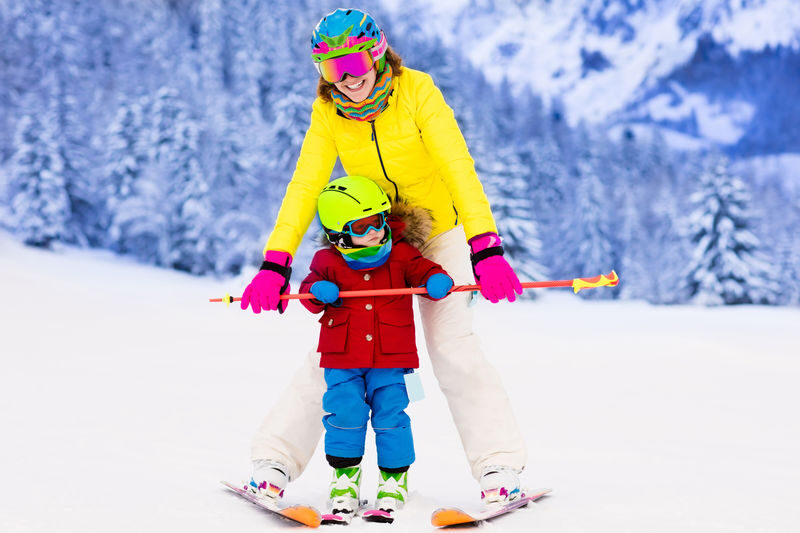
A private lesson is most valuable when you want a clear plan and direct feedback. Instead of guessing why a turn feels awkward, you can ask an instructor to watch and adjust the next step. That can help a beginner build basic control, or give an intermediate skier a focused session on turning and technique.
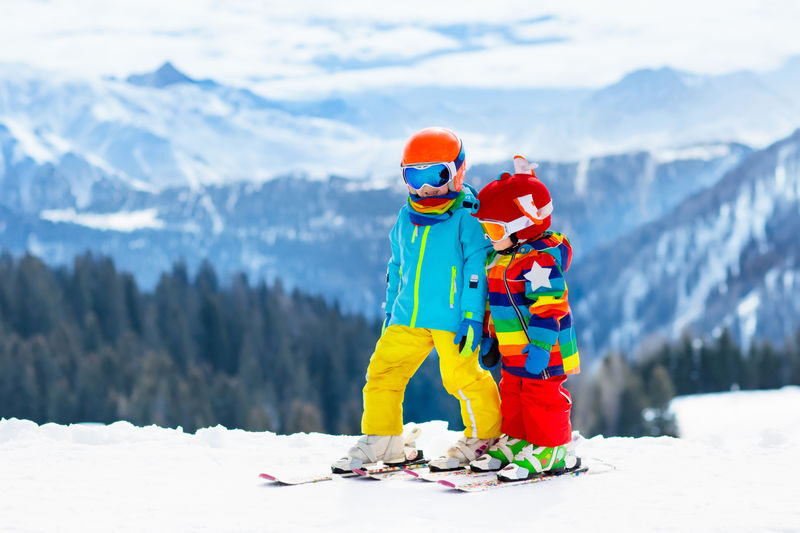
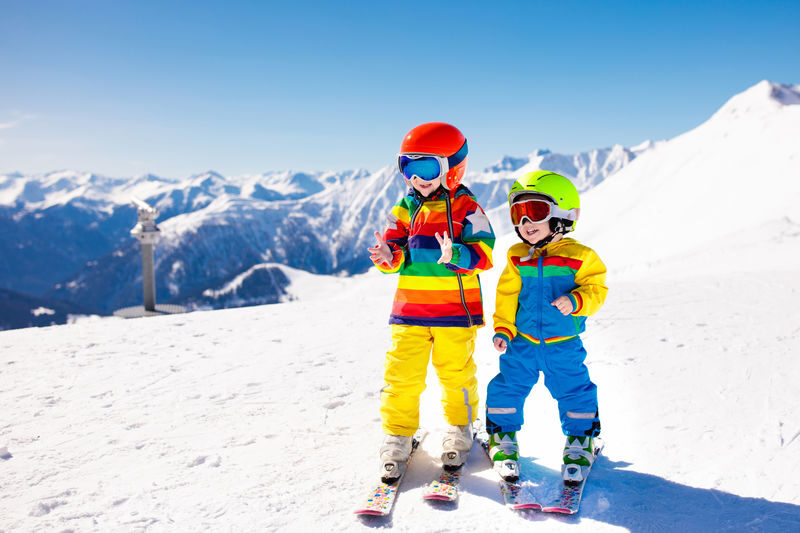
The course is described as suitable for beginners, intermediate skiers, and advanced skiers, as well as children and teenagers. The instructor can guide students individually or group them by ability, which matters when a family or party has different levels. It does not mean every person will progress at the same speed, but it gives the coach room to adapt the lesson.
The strongest evidence of the format’s value is the kind of progress students describe. In a six-hour session, one skier who had only skied once before worked from snowploughs toward parallel skiing and turns. Another beginner group learned front and back edge sliding, edge changes, and falling leaf, then tried straight running. These are examples, not guaranteed outcomes, but they show why a longer lesson can be useful: there is time to repeat movements and build confidence.
For children, a patient instructor can make the difference between a tense morning and a first lesson they want to repeat. Instructors with experience teaching children are specially selected, and parents have praised the calm, encouraging approach of coaches including Maria and Chelsea. Their names are useful reference points, not a promise that you will be assigned either one.
You can also read our reviews of more tours and experiences in Kitaadumi.
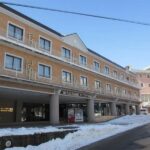
Picking the right Hakuba resort
The experience covers several Hakuba-area resorts, but the best match depends on your ability, chosen language, and package. The central itinerary describes a morning at Hakuba Iwatake Mountain Resort, while the choices also refer to Hakuba Goryu, Happo-One, and Tsugaike. Norikura Kogen is described among the resort highlights as well. Confirm the exact resort attached to your booking rather than assuming every package operates at every mountain.
Iwatake is the practical newcomer option. It is promoted for first-timers, with a summit terrace and cafe among its draws. Snow biking, dog sledding, and music events add options beyond skiing, though these are not part of the lesson inclusion. One family who had booked Tsugaike was advised to switch to Iwatake because they were complete beginners. The advice suited their level, and they found the terrain more manageable.
Happo-One has a bigger-mountain feel. It was a venue for the 1998 Nagano Winter Olympics and is known for an eight-kilometer ski run. The resort’s other listed attractions include snowshoe hiking and hot-air-balloon viewing. Those features may appeal to confident skiers or a party with non-ski plans, but a long run is not a reason for a beginner to choose it without checking that the lesson terrain fits.
Tsugaike is pitched at beginners and powder fans. It is described as Japan’s largest beginner park and a powder-snow destination, with snowmobiling and a snow lantern festival among its seasonal activities. The terrain and event details make it appealing for a broader day out, but the lesson itself should still be matched to your ability and package.
Norikura Kogen is presented as a relaxed, family-friendly choice. Its highland powder snow and nearby natural hot springs suggest a quieter rhythm, particularly for families and beginners. Since the exact availability of this resort is not clear across the packages, check before booking if Norikura is your priority.
A useful rule: pick the resort for the learner, not just for the most famous feature. A first-time skier may benefit more from approachable practice terrain than an Olympic connection or a long descent.
The morning schedule and what to expect
The listed three-hour itinerary starts with departure at 9:00, followed by the ski session at the selected resort, then a return at 12:00 to a hotel or personal address. The departure time is confirmed after booking, and the schedule may change with traffic or weather. Treat the times as a framework, not a guarantee that every minute will unfold exactly as planned.
The meeting information names Hakuba Goryu Snow Resort, while the activity description also points to Iwatake and other resorts. This makes it especially important to confirm the meeting place and resort for your selected package. Arriving with rental equipment ready will help protect your lesson time. One family arrived late while getting rental gear and began practice at 9:30 instead of 9:00, a reminder that equipment preparation can eat into a short session.
During the lesson, expect instructor guidance matched to the chosen length and language. A three-hour course is a compact block for learning or sharpening a few skills. A six-hour course includes a one-hour lunch break, making it a better fit if you want a fuller day of instruction and practice without treating lunch as lesson time.
Weather and conditions can change the day. One family’s lesson ended without a run down the slope because the children were frightened and the wind was strong. They still had fun, but the example is useful: an instructor can adapt the session, yet cannot make wind, fear, or snow conditions disappear. Set a goal that leaves room for the mountain to have a say.
Choosing three hours or six
A three-hour lesson suits a first taste, a refresher, or a skier who wants targeted help without committing to a full day. It is also a sensible choice for younger children who may tire or lose focus. With a fixed morning schedule, however, late equipment pickup or a slow start can take a noticeable bite out of the lesson.
The six-hour option is a stronger fit if you want time to practise several skills, work through nerves, or accommodate a family with different rates of progress. The one-hour lunch break divides the day and gives everyone a chance to rest. Several students have used the longer format to move from basic control toward turning and parallel skiing, though steady practice afterward remains important.
The package prices provided list three-hour Chinese and English lessons from US$315.30, with the English option limited to Goryu and Iwatake. Six-hour Chinese and English courses are listed from US$472.95, including the lunch break. The experience summary also gives a starting price of US$268, so prices may differ by option, date, or current offer. Check the final price for your selected package before paying.
To judge value, compare the lesson cost with what you need from an instructor. A private coach can tailor explanations, watch your technique closely, and adjust to children or mixed abilities. That may be worth more than a lower-cost group class if you have a short stay in Hakuba or want language support. But the lesson price alone does not tell you the full day’s cost: personal expenses are excluded, and the supplied details do not say that lift tickets or equipment are included. Check those separately.
Language, children, and instructor fit
Chinese instruction is available, and English instruction is offered in specific packages. The three-hour English lesson is limited to Hakuba Goryu and Iwatake; the six-hour English course is also listed. If instruction in a particular language is essential, confirm that the language and resort appear together in your chosen option rather than relying on the general promise of multilingual support.
Several instructors are named in past lessons, including Maria, Chelsea, Luchi, Nai Pi, Dawei, Wang Jiang, and Zicai. Students have described clear explanations, patience, punctuality, and a friendly manner. Maria helped one skier work toward parallel turns; Chelsea taught children aged seven and nine; and Nai Pi gave individual attention to four young skiers with differing abilities. These details give you a sense of the teaching style available, but instructor assignment is not guaranteed.
For families, the option to work one-on-one or in ability groups is especially useful. A quicker learner can keep moving while a more hesitant child gets extra help. Still, a private class does not remove the need to consider each child’s energy, confidence, and comfort in changing conditions. If you are booking for children, include infants and children in the passenger headcount, as required.
Price, preparation, and small print
The voucher is valid only for the specified date and time, so choose carefully. Changes are allowed until seven days before the activity, with exceptions for bookings made with Klook Pass, presales, freebies, certain cultural passes, or vouchers not yet issued. A full refund is available if you cancel at least seven days before the activity date, using local destination time.
Confirmation is normally provided within minutes. If it does not arrive, contact customer support. The listed inclusion is a three-hour ski lesson for the base package; personal expenses are excluded. Since the package details vary, read the selected option closely for its duration and language, then confirm any other costs you will need to cover.
The main practical step is simple: arrange your gear and meeting details before lesson day. An instructor can use the time well only if you are ready to start. In a three-hour session, that preparation is part of getting good value.
Should you book this Hakuba lesson?
I would consider booking if you want personal instruction, need Chinese or English teaching, or are bringing children who will benefit from a patient pace. Iwatake is a sensible place to start for many beginners, while Happo-One and Tsugaike may suit you better if their terrain and extra activities match your plans. Ask which resort is attached to your exact package.
Choose three hours for a focused introduction or a shorter session with children. Choose six hours if you want more time to repeat skills and build momentum, while accepting the added cost and a full day on snow. This is not an all-in ski package: check gear, lift access, and other personal expenses before booking. With those details settled, the private format offers a practical way to make instruction count during a Hakuba stay.
Private Ski Lessons in Hakuba GoryuHappo-oneIwatakeTsugaike
“Thanks to the coach's careful guidance, I made significant progress in this skiing lesson!”
FAQ
How long are the lessons?
You can choose a three-hour or six-hour lesson. The six-hour course includes a one-hour lunch break.
Which languages can I choose?
Chinese courses are offered. English lessons are available in selected packages, and the three-hour English option is limited to Hakuba Goryu and Iwatake.
Which Hakuba resorts are included?
The experience describes Hakuba Goryu, Iwatake, Happo-One, and Tsugaike, and also discusses Norikura Kogen. Resort availability may depend on the package, so confirm your selected location before booking.
Is the three-hour English lesson available at every resort?
No. The three-hour English lesson is listed as limited to Hakuba Goryu and Iwatake.
Can children take the lesson?
Yes. Children and teenagers can take part, and experienced instructors are selected for children. Infants and children must be included in the passenger headcount.
Is the lesson suitable for beginners?
Yes. The courses are described as suitable for beginners, intermediate skiers, and advanced skiers. Iwatake is specifically recommended as a newcomer-friendly choice.
What time does the lesson start and end?
The listed schedule is departure at 9:00 and return at 12:00 for the three-hour itinerary. The departure time is confirmed after booking, and weather or traffic may change the schedule.
What is included in the price?
The included item is a ski lesson for the duration of the selected package. Personal expenses are not included. The supplied details do not specify that equipment or lift tickets are included, so check the package before booking.
What does the six-hour course include?
It includes a six-hour Chinese or English course with a one-hour lunch break.
Can I change or cancel my booking?
Changes are allowed until seven days before the activity, subject to listed exceptions. You can receive a full refund if you cancel at least seven days before the activity date, using destination local time.