- Exploring Iwate’s Maritime Heritage: Sanriku Geopark Fishing Industry Field Trip
- Key Points
- Discovering Japan’s Fishing Heritage in Iwate
- Itinerary Breakdown: What You’ll See and Do
- Authentic Seafood & Cultural Insights
- Practical Details & Tips
- Final Thoughts: Who Should Consider This Tour?
- Frequently Asked Questions
- Wrapping It Up
- The Best Of Iwate Prefecture!
- More Fishing Tours in Iwate Prefecture
- More Tour Reviews in Iwate Prefecture
Exploring Iwate’s Maritime Heritage: Sanriku Geopark Fishing Industry Field Trip
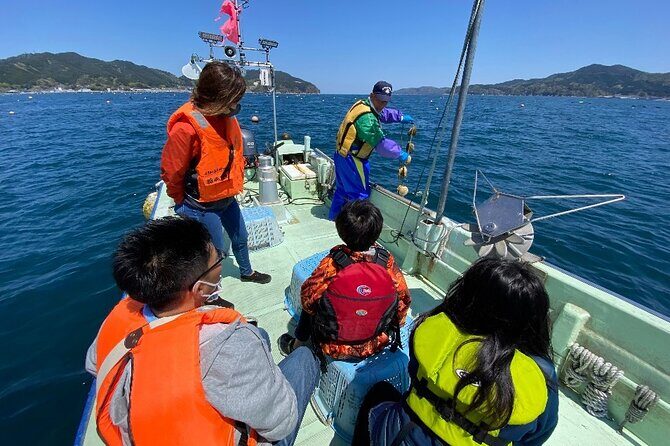
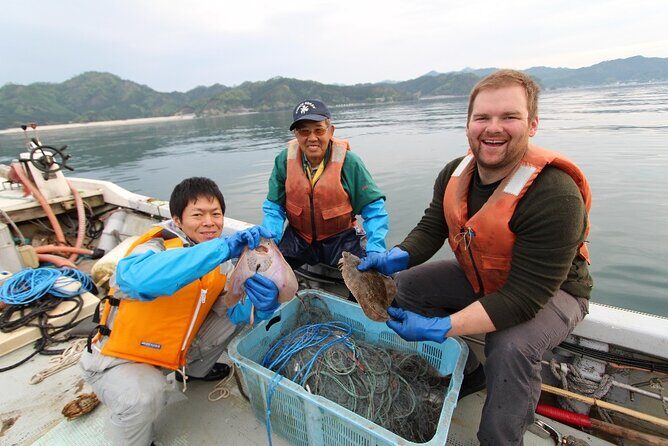
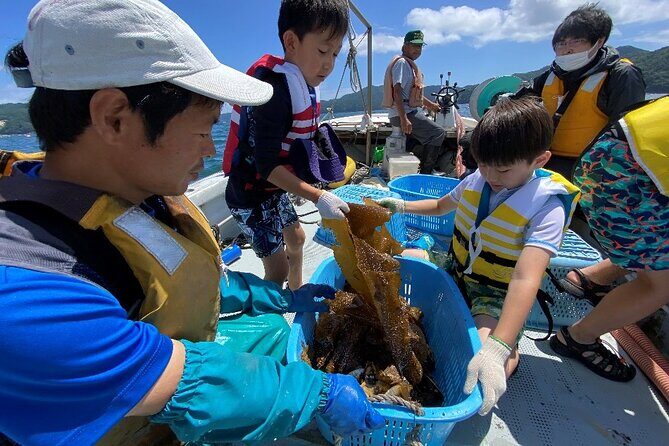
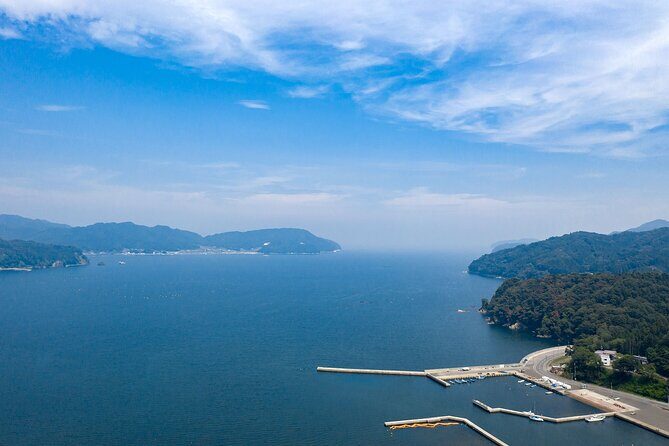
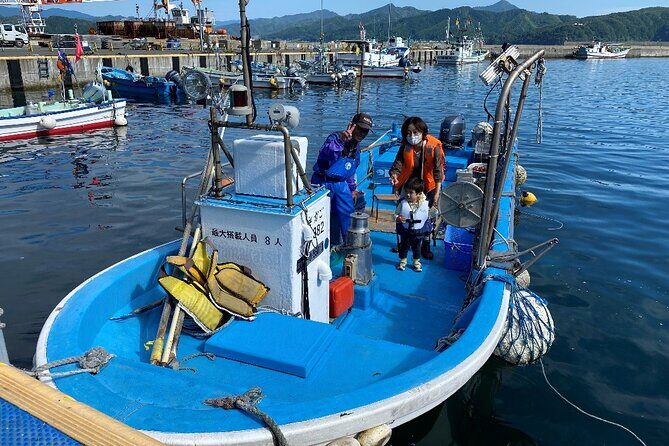
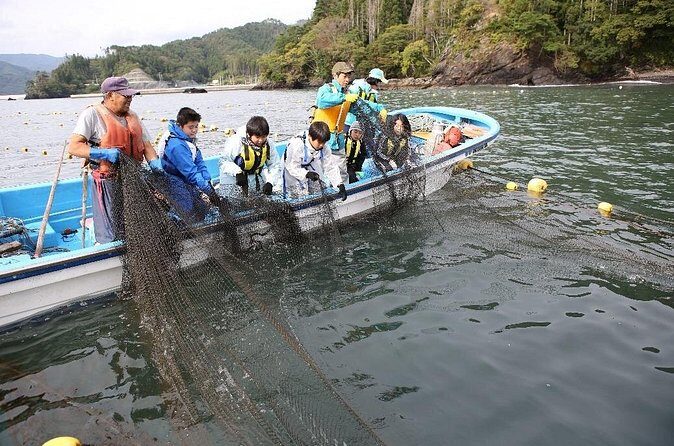
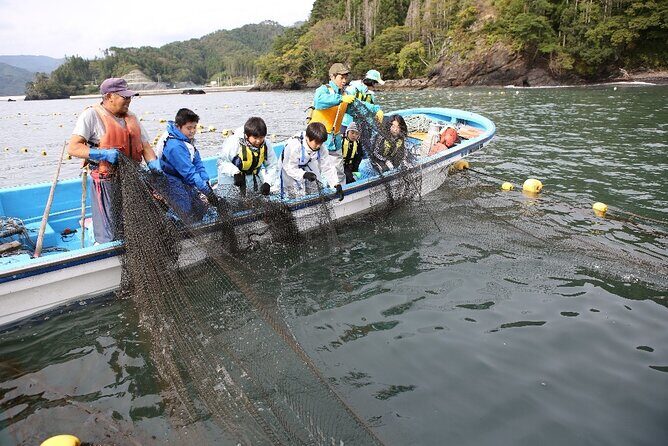
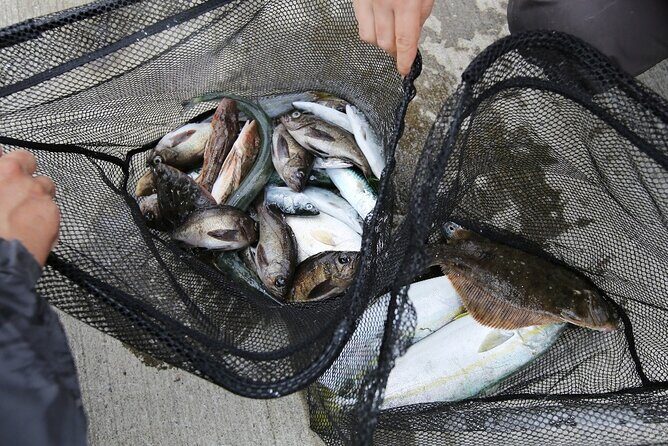
If you’re looking for a taste of authentic Japan beyond the bustling cities or famous temples, the Sanriku Geopark Fishing Industry Field Trip offers a captivating glimpse into the region’s seafood culture and fishing traditions. For around $223, you get about three hours of hands-on observation and storytelling from local guides, all set against the stunning backdrop of Otsuchi Bay in Iwate Prefecture.
What makes this experience special? First, it allows you to see traditional small set net fishing—a practice practiced in Japan for centuries—up close and personal. Second, you’ll discover the various creatures that change with each season, offering a different spectacle whenever you visit. The tour is designed to be engaging for both children and adults, making it a versatile outing for families, food lovers, or those simply curious about Japan’s fishing heritage.
A minor consideration? The tour’s seasonal focus means what you see varies—sometimes you’ll witness seaweed farming, other times shellfish or octopuses. Also, it’s not wheelchair accessible, which is worth noting if mobility is a concern.
This tour suits travelers who enjoy authentic local experiences, are interested in food culture, and want a hands-on view of Japan’s fishing industry. If you’re keen to learn how the seafood on your plate is cultivated—without the touristy gimmicks—this is a trip to consider.
👉 See our pick of the Iwate Prefecture’s 3 Best 3-Day Tours
Key Points
- Authentic experience with traditional set net fishing practices.
- Seasonal variety in sea creatures and seafood farming, making each visit unique.
- Guided tour with bilingual guides providing insights into Japanese food culture.
- Short but enriching at about 3 hours, suitable for a morning or afternoon outing.
- Ideal for families and foodies, though not wheelchair accessible.
- Weather dependent—best to check the forecast before booking.
You can also read our reviews of more tours and experiences in Iwate Prefecture
Discovering Japan’s Fishing Heritage in Iwate
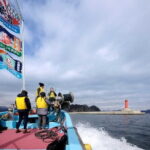
We loved the way this tour offers a genuine look into a traditional fishing method that’s been part of Japanese life for generations. The small set net fishing technique is fascinating to watch as it’s less commercialized than modern methods, giving you a real sense of how these fishermen have sustainably harvested seafood for centuries. It’s one thing to read about seafood farming, but seeing scallops and seaweed being cultivated in Otsuchi Bay adds a tangible connection to the food on your plate.
You’ll also appreciate the seasonal variety—what you observe depends on the time of year. For example, between December and March, you might see seaweed farming, while other seasons bring octopuses, oysters, or sea urchins. These creatures are farmed or caught through traditional fishing, giving you insight into both aquaculture and wild catch techniques.
The tour’s guides are bilingual, speaking both English and Japanese, which makes the experience accessible for international travelers while honoring local traditions. Their storytelling helps you understand why seafood is so cherished here and how it’s deeply intertwined with regional culture.
Itinerary Breakdown: What You’ll See and Do
The tour begins at a meeting point in Kamaishi at 9:30 am, where your guide will greet you and provide a brief overview of what’s to come. You’ll then head to Otsuchi Bay, a scenic spot facing the Pacific Ocean. Here, you’ll observe small set net fishing, a technique that uses nets stretched across the bay to catch fish with minimal environmental impact.
As you watch the fishermen at work, your guide will explain how ** scallops, seaweed, oysters, and sea urchins** are farmed or caught. The seasonal aspect means that depending on when you visit, your focus might shift. From December to March, you can expect to see seaweed cultivation—a vital part of the local diet and economy. From November through March, whelks are also part of the scene, caught through fishing rather than farming.
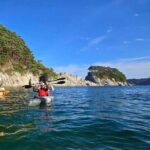
Throughout the experience, you’ll enjoy scenic views from the boat, watching the natural landscape and the lively bay ecosystem. The living creatures you observe are part of a dynamic environment that changes with the seasons, offering a different perspective on local fishing traditions each time.
While you cannot sample the seafood—since the focus is on observation—you’ll gain a deeper appreciation of how these foods are cultivated, harvested, and valued in regional cuisine.
Authentic Seafood & Cultural Insights
Many visitors appreciate the way the tour connects food to culture. As one traveler noted, “It’s a rare chance to understand how seafood that has been cherished for generations is cultivated, something you can’t grasp without going out on a boat.” Indeed, seeing the farming process firsthand helps demystify the seafood served in Japanese restaurants and homes.
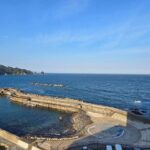
Another highlight is the scenery, which complements the activity beautifully. The views of the Pacific Ocean and the quiet charm of the fishing villages make this a calming yet educational experience. Some travelers mentioned that the guide’s explanations made the whole process clearer, and that the seasonal changes kept the tour fresh and engaging.
While the tour is relatively short, it’s packed with informative content and visual experiences. It’s especially prized by those interested in sustainable fishing practices and regional food traditions.
Practical Details & Tips
- The tour costs $223.42 per person, which might seem steep for just three hours, but the value lies in the authentic insight and direct observation you get.
- The tour includes all fees and taxes, so no hidden costs.
- It’s not suitable for wheelchair users, as the activity requires mobility and the ability to board boats independently.
- Rentable gear like raincoats, hats, and rubber boots are available, but bringing your own is advised for comfort.
- Start time is 9:30 am, so plan accordingly—early mornings are usually cooler and better for boat visibility.
- Cancellation policy is flexible—full refunds are available if canceled at least 24 hours in advance.
Final Thoughts: Who Should Consider This Tour?
This experience is ideal for travelers who want to see Japan’s fishing traditions firsthand and gain insight into regional food culture. It suits those interested in seafood, sustainable practices, or authentic cultural encounters. Families with children who can handle a boat ride will find it educational and fun, especially with the seasonal variety of creatures.
It’s less suitable for travelers needing wheelchair accessibility or those who prefer indoor activities. Also, be prepared for variable weather, and remember that what you see depends heavily on the season.
If you’re looking for a meaningful, hands-on experience that links the sea to your plate, this trip offers a rare window into Japan’s maritime life.
Frequently Asked Questions
Is the tour suitable for children?
Yes, children can enjoy the scenery and learn about fishing, but they must be able to board boats independently. The tour is enjoyable for families, but preschool children are not allowed.
What should I bring?
Bring portable drinks, and consider wearing weather-appropriate clothing. Raincoats, hats, and rubber boots are available for rent, but bringing your own ensures comfort.
Can I sample the seafood?
No, the tour is focused on observation and understanding the farming and fishing processes. Sampling isn’t included.
What if the weather is bad?
The experience requires good weather. If canceled due to bad weather, you’ll be offered a different date or a full refund.
How long does the tour last?
It lasts approximately 3 hours, starting at 9:30 am and ending back at the meeting point.
Is the tour bilingual?
Yes, guides speak both English and Japanese, making explanations accessible for international visitors.
Sanriku Geopark Fishing Industry Field Trip
Wrapping It Up
The Sanriku Geopark Fishing Industry Field Trip offers an enriching look at the seafood cultivation and fishing traditions that have shaped Iwate’s culture for generations. It’s less about sightseeing and more about learning through experience, making it a genuine way to connect with local life.
Travelers who enjoy authentic food experiences, are curious about fishing practices, or simply want an off-the-beaten-path adventure should find this tour both insightful and memorable. While it’s not for everyone—especially those needing accessibility—it’s a worthwhile addition to any trip focused on regional Japan and its seafood heritage.
If you’re eager to see how the sea’s bounty is harvested and how it continues to be a vital part of local life, this tour provides a meaningful and scenic glimpse into Japan’s maritime world.