

Exploring Buenos Aires’ Hidden Afro-Argentine Heritage: A Walk Through San Telmo
If you’re wandering through the historic streets of Buenos Aires and craving a deeper understanding of the city’s diverse roots, the Shared Afro-Argentine Heritage Walking Tour offers a compelling glimpse into a part of history often overlooked. Priced at $70 per person and lasting around 2 hours 30 minutes to 3 hours, this tour is a well-paced journey designed to uncover the African legacy woven into the very fabric of the Argentine capital.
What sets this tour apart is its connection to the local community—guided by members of the Afro-Argentine population themselves, which means you’re not just listening to a script but engaging with stories directly from those who carry this heritage. The tour covers influential neighborhoods like San Telmo, a vibrant district famous for its colonial architecture, bustling markets, and artistic vibe.
Two things we particularly love are the honesty and depth of the guides’ storytelling—they don’t shy away from discussing uncomfortable aspects of history like slavery and invisibilization, making the experience both educational and thought-provoking. Plus, the stops at iconic sites like Casa Minima and Parroquia de San Pedro González Telmo allow for a tangible connection with real historical landmarks.
A possible consideration is that the tour involves a fair amount of walking through crowded areas, which might not be ideal for travelers with mobility issues or those seeking a more relaxed pace. Still, it’s a compact experience that offers rich insights without feeling rushed.
This tour is perfect for history buffs, cultural travelers, or anyone interested in uncovering the stories of communities often left out of mainstream narratives. If you’re curious to learn how African heritage influences Argentine customs, music, and even slang, this journey will likely leave a lasting impression.
Key Points
- Authentic storytelling: Guides are community members, bringing personal insights and genuine passion.
- Historical sites: Visit significant landmarks like Casa Minima and San Telmo Church.
- Cultural insights: Learn about Africa’s influence on tango, food, and language.
- Activism focus: The tour highlights ongoing efforts to recognize Afro-Argentine contributions.
- Community support: Profits fund local initiatives including free tours for kids.
- Accessible and well-organized: Starts at Defensa & San Lorenzo, ends at Parque Lezama, with clear directions and a manageable group size.
Contents
- Key Points
- A Deep Dive into the Afro-Argentine Heritage Walking Tour
- The Highlights of the Itinerary
- What to Expect During the Tour
- The Value of the Experience
- Practical Details and Tips
- Who Will Enjoy This Tour?
- Frequently Asked Questions (FAQs)
- More Walking Tours in Buenos Aires
- More Tours in Buenos Aires
- More Tour Reviews in Buenos Aires
- More Buenos Aires experiences we've covered
A Deep Dive into the Afro-Argentine Heritage Walking Tour
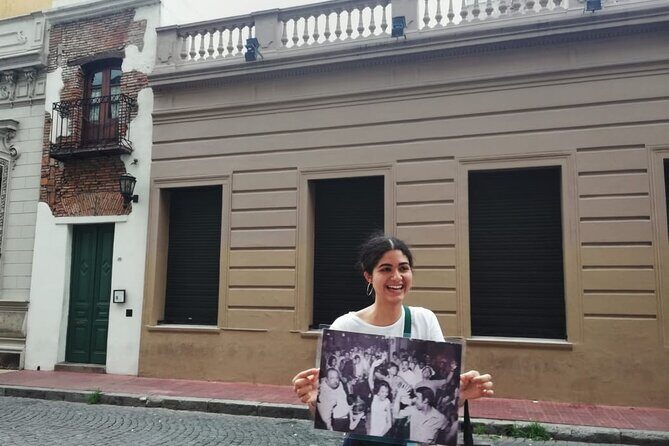
Stepping into Buenos Aires isn’t just about tango and steak; beneath the surface, there’s a vibrant African influence that many visitors are unaware of. This tour offers a masterclass in unearthing that side of the city’s history through a series of thoughtfully curated stops in San Telmo, one of the city’s oldest neighborhoods.
If you're drawn to exploring Buenos Aires on foot, we've looked into these other walking experiences
The Highlights of the Itinerary
Casa Minima is the starting point—claiming the title of the smallest house in Buenos Aires—which might surprise many with its size and history. Here, guides share stories about the Afro-Argentines’ path to freedom after slavery was abolished, giving you a personal sense of resilience and community organization. It’s a captivating way to start, especially as it’s a free stop, allowing you to absorb history without extra cost.
Next, you’ll stroll through Plaza Dorrego, famous for its Sunday antiques market, where locals and travelers alike gather. While simply a lively square today, it’s also a reminder of the city’s colonial past and its layered history involving African communities.
A brief stop in San Telmo offers a chance to sip a drink and reflect on Africa’s pre-colonization influence. Guides often discuss daily life for Afro-Argentines and how their culture has been subtly woven into Argentine identity. The Parroquia de San Pedro González Telmo, one of the oldest churches founded in 1735, reveals centuries of faith and community, housing artifacts over 200 years old, giving a tangible link to the past.
Galería del Viejo Hotel is a key stop for understanding European immigration, which, according to guides, contributed to erasing African roots from Argentine cultural expressions like tango, asado, and Lunfardo slang. Learning about this process helps contextualize why Afro-Argentine contributions are often invisible today.
Finally, at Parque Lezama, the tour’s guide explains the origins of African populations in the Rio de la Plata region and the slave trade that shaped the area. This site offers a contemplative end where history and activism meet.
What to Expect During the Tour
You should anticipate a lively, engaging walk through busy streets filled with historic and modern contrasts. Your guides are passionate, knowledgeable, and eager to dispel myths about Argentina’s racial history. They openly discuss the ongoing activism for recognition and anti-racist efforts, adding a contemporary relevance to the tour.
Since the tour is guided by local community members, expect authentic stories and personal anecdotes—these are what make the experience stand out. The tour is designed to be informative but accessible, so even those new to Argentine history will walk away with a clearer understanding of how African influences shape everything from tango to local slang.
The Value of the Experience
At $70, this tour offers a remarkable window into a seldom-discussed aspect of Buenos Aires. The focus on community-led storytelling means you’re gaining insights that are both authentic and empowering. The small group size (up to 15 people) ensures an intimate setting where questions are encouraged, and the experience feels personal.
Many reviewers highlight the guides’ enthusiasm and depth of knowledge. As one reviewer noted, “Karl was very engaging, and I learned a lot about both the history of Afro-Argentinians and their persistent struggle for recognition today,” which encapsulates the tour’s dual focus on history and activism.
Practical Details and Tips
- The tour starts at Defensa & San Lorenzo at 2:00 pm, making it an ideal afternoon activity.
- Most travelers can participate, and the tour is near public transportation, easing your logistical planning.
- Remember, tips are not included, and guides truly appreciate them for their effort.
- Since most bookings are made 18 days in advance, it’s wise to reserve early if this experience interests you.
Interested in history? Here are other past-focused experiences we've examined in Buenos Aires
- 100% History and architecture of Buenos Aires
- Buenos Aires Fairs: San Telmo & Mataderos Cultural Tour
- Recoleta Cemetery – Small Group Tour of History & Secrets
- Buenos Aires: La Boca Art and History Walking Tour
- Buenos Aires: Private City Tour discovering history and culture.
- Private Guided Walking Tour Plaza de Mayo & Historical Area
Who Will Enjoy This Tour?
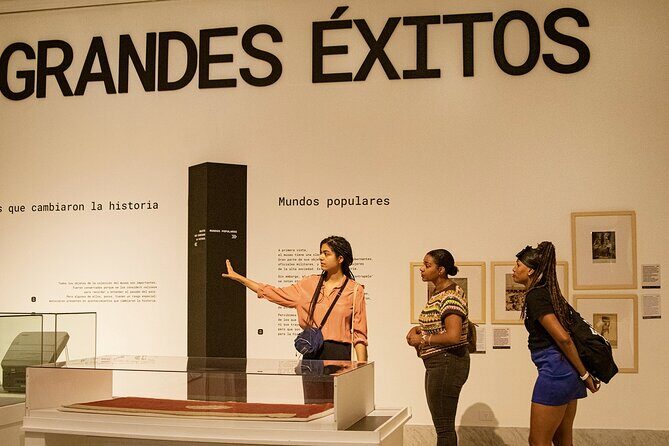
This walk is perfect for history lovers, cultural explorers, and activists alike. If you’re fascinated by how marginalized communities influence a city’s identity—or if you’re simply curious about stories beyond the typical tourist trail—this tour offers a meaningful perspective. It’s especially suitable for those wanting to support local communities and learn about ongoing struggles for recognition.
Travelers who appreciate authentic storytelling and are comfortable walking through lively neighborhoods will find this tour both educational and emotionally impactful. It’s a rare chance to see Buenos Aires through a different lens, one that highlights the resilience and contributions of Afro-Argentines.
Frequently Asked Questions (FAQs)
How long does the tour last?
The tour runs approximately 2 hours 30 minutes to 3 hours, giving you enough time to explore without feeling rushed.
What is the price of the tour?
It costs $70 per person, which many find to be a fair value considering the depth of stories and sites covered.
Are there any additional costs?
The tour price covers guiding services and entrance to stops like Casa Minima. Tips for guides are not included but appreciated.
Where does the tour start and end?
It begins at Defensa & San Lorenzo and concludes at Parque Lezama, near the Museo Histórico Nacional.
Is this tour suitable for children?
While the data doesn’t specify age restrictions, the engaging storytelling and walking pace make it suitable for families, especially those interested in cultural history.
What should I bring?
Comfortable walking shoes, a water bottle, and a camera are recommended. The tour is primarily outdoors, so dress appropriately for the weather.
Is the tour accessible for people with mobility issues?
The itinerary involves walking through historic streets, which might pose challenges for some. It’s best to check specific mobility needs before booking.
Do I have to book in advance?
Yes, most bookings are made about 18 days ahead, and early reservations ensure a spot, especially during peak seasons.
What is the focus of this tour?
The tour emphasizes African roots in Argentine culture, the history of Afro-Argentines, and current activism for recognition, providing a balanced mix of past and present.
In The Sum Up
This Shared Afro-Argentine Heritage Walking Tour provides a rare opportunity to explore a vital, often-hidden part of Buenos Aires’ identity. Led by passionate local guides, it combines historical landmarks, cultural insights, and activist narratives into a compact, engaging experience. If you’re eager to see beyond the usual sights and understand how African influences continue to shape Argentine culture—this tour is a valuable choice.
Ideal for intellectually curious travelers who enjoy storytelling, this walk reveals not only the city’s layered history but also its ongoing efforts toward recognition and equality. It’s a chance to connect with Buenos Aires on a deeper level—through stories, sites, and the voices of the community that keeps this heritage alive.
Whether you’re a solo traveler, part of a family, or a group of friends, this tour offers a meaningful, authentic glimpse into a side of Buenos Aires that is often invisible but undeniably present. Prepare to walk away with a new perspective—and perhaps a new appreciation for the resilience and richness of the city’s diverse roots.
More Walking Tours in Buenos Aires
- Full Day Buenos Aires Private Walking Tour – Your Own Personal BA 101
- Private Afro-Argentine Heritage Walking Tour in Buenos Aires
- Discover Buenos Aires: Walking Tour Through San Telmo & Center!
- Walking Tour San Telmo Neighborhood Small Group
- Private La Boca and San Telmo History Walk
- Buenos Aires Walking Tour Including Colon Theatre and MALBA Museum
More Tours in Buenos Aires
- Full Day Buenos Aires Private Walking Tour – Your Own Personal BA 101
- Tour to the North Zone of Buenos Aires and Navigation in Tigre
- Buenos Aires Private City Tour with Local Guide
- Buenos Aires Like a Local: Customized Private Tour
- Food Tour in Buenos Aires City in Small Groups
- Group City Tour of Buenos Aires (MISSABLE)
More Tour Reviews in Buenos Aires
- Cafe Los Angelitos Tango Show With Optional Dinner
- Dinner Tango Show in La Ventana including transfers
- Gaucho Experience: A Day Trip to Don Silvano Ranch
- Private Guided Experience and Ticket at La Bombonera Buenos Aires
- Full Day Buenos Aires Private Walking Tour – Your Own Personal BA 101
- Tour to the North Zone of Buenos Aires and Navigation in Tigre
More Buenos Aires experiences we've covered
- Cafe Los Angelitos Tango Show With Optional Dinner
- Dinner Tango Show in La Ventana including transfers
- Gaucho Experience: A Day Trip to Don Silvano Ranch
- Private Guided Experience and Ticket at La Bombonera Buenos Aires
- Full Day Buenos Aires Private Walking Tour – Your Own Personal BA 101
- Tour to the North Zone of Buenos Aires and Navigation in Tigre
- Buenos Aires Private City Tour with Local Guide
- Buenos Aires Like a Local: Customized Private Tour
- Food Tour in Buenos Aires City in Small Groups
- 2-Days and 1 Night visiting Colonia and Montevideo
- Group City Tour of Buenos Aires (MISSABLE)
- Private transfer to or from Jorge Newbery Airport “AEP”