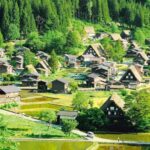
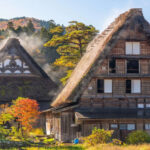
Shirakawa-go’s steep thatched roofs look especially striking from above, but the village itself is best appreciated on foot. This Nagoya day trip pairs that World Heritage setting with Takayama’s preserved merchant streets. I like the chance to see two very different sides of Gifu in one day, and the option to include the observatory makes it easier to get the classic village view.
I also like the practical help a guide can provide in a tight schedule. Guides such as Liu Mei have shared maps, food suggestions, and tips for finding photo spots, while other named guides, including Geng Juan and Zuo Sha, have helped explain local specialties and history. The trade-off is time: around two and a half hours in Takayama and an hour and a half in Shirakawa-go can feel short, especially if you want a long lunch or an unhurried village walk.
- Key points to know before you book
- Two Gifu highlights on a single day
- Takayama’s old streets: wooden houses and a short lunch window
- Shirakawa-go: farmhouses, mountain scenery, and the viewpoint choice
- What the guide adds to a fast-moving day
- The Nagoya departure and return: allow for a full day
- Price and value: pay for transport, not a leisurely pace
- Who should book this Nagoya day trip?
- FAQ
- Where does the tour depart from?
- What time should I arrive?
- Is the Shirakawa-go observatory included?
- Can I visit the observatory if I book the package without it?
- Are meals included?
- What languages are available for the guide?
- Can I join the tour by myself?
- Can I bring luggage?
- Are children allowed?
- Is the return time guaranteed?
- The Best Of Shirakawa!
- More 1-Day Tours in Shirakawa
- More Tours in Shirakawa
- More Tour Reviews in Shirakawa
Key points to know before you book
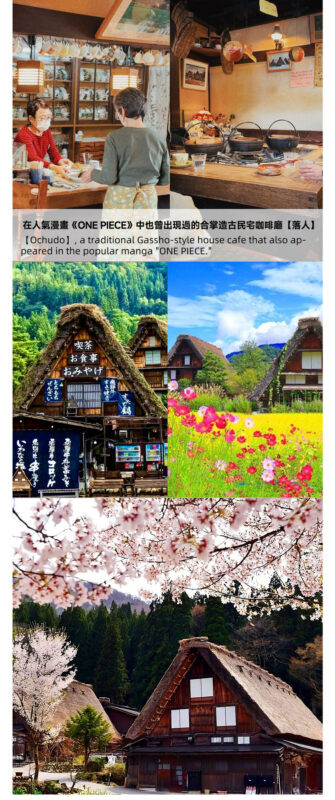
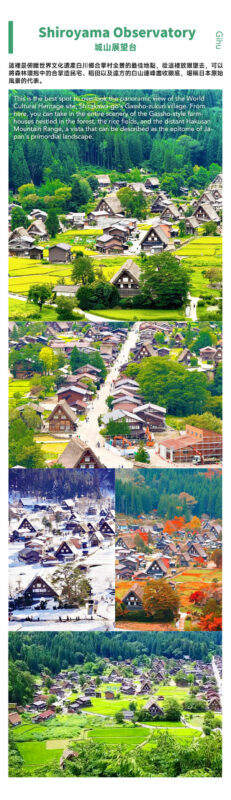
- Two destinations, one long day: Visit Takayama’s old town and Shirakawa-go from Nagoya without arranging separate transport.
- The observatory is an add-on: The 9:00 departure package does not include access. The listed observatory packages cost more and use earlier departures.
- Takayama is the longer stop: You get about two and a half hours to wander, shop, and find lunch.
- Shirakawa-go time is brief: Plan for roughly an hour and a half, including any walk or shuttle to the viewpoint.
- Food is at your own expense: Hida beef and miso dengaku are local specialties to look for, but meals are not included.
- Plan for a shared ride: The vehicle type depends on the group, and the guide may adjust the schedule for traffic or weather.

👉 See our pick of the 11 Top-Rated Shirakawa Tours
Two Gifu highlights on a single day
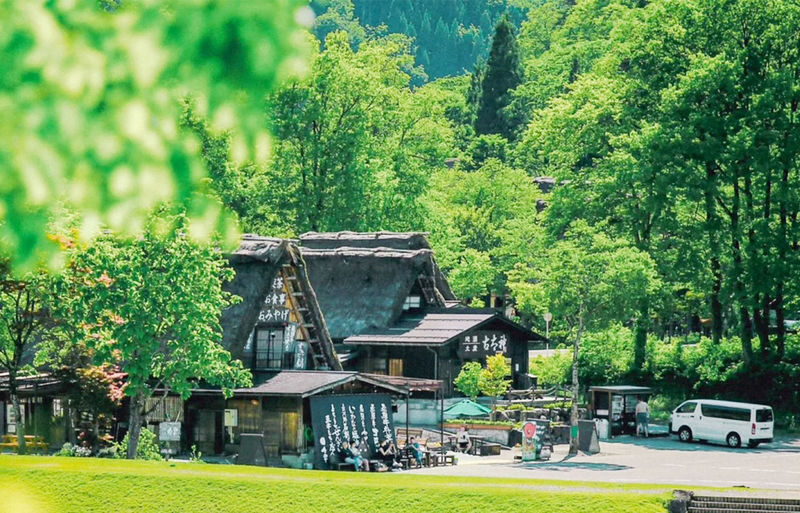
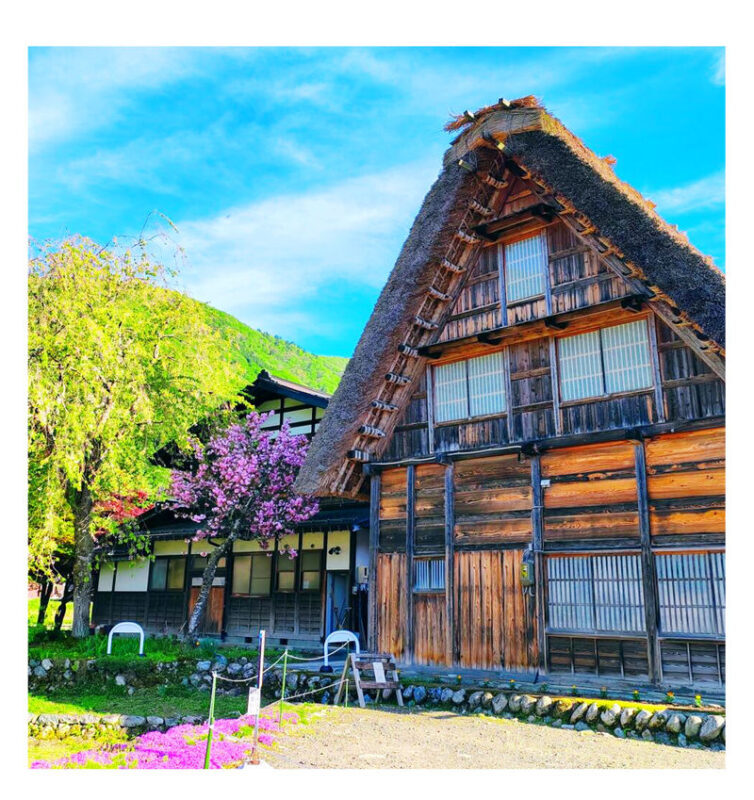
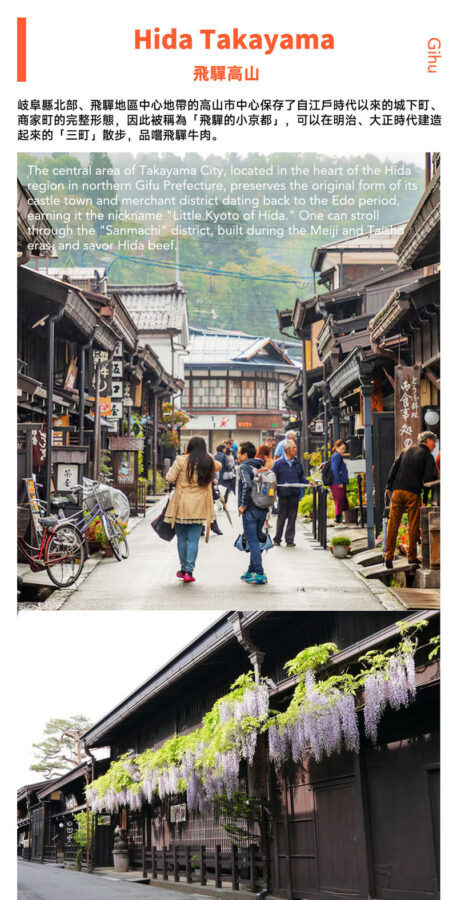
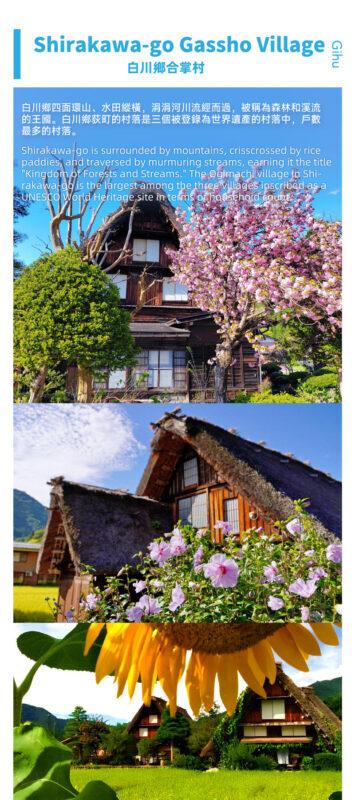
This tour connects Nagoya with two destinations that reward different kinds of attention. Takayama is a town to explore at street level, with wooden merchant houses and shops in its old center. Shirakawa-go is a rural village known for its distinctive gassho-zukuri farmhouses, their steep thatched roofs shaped to shed heavy snow.
The combination makes sense if you have limited time in central Japan. You avoid arranging the intercity transport yourself, and a guide can introduce local foods and points of interest along the way. But a day trip is a sampler, not a slow visit. If you want time to browse every shop, eat a leisurely meal, or linger in the village, you may prefer to stay overnight in the region.
The experience departs from Nagoya Station and returns there in the evening. It is a group outing, with guests who may speak different languages sharing the same vehicle. English, Chinese, and Japanese guides are listed, while one package specifies a Korean-speaking guide.
You can also read our reviews of more tours and experiences in Shirakawa

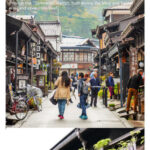

Takayama’s old streets: wooden houses and a short lunch window
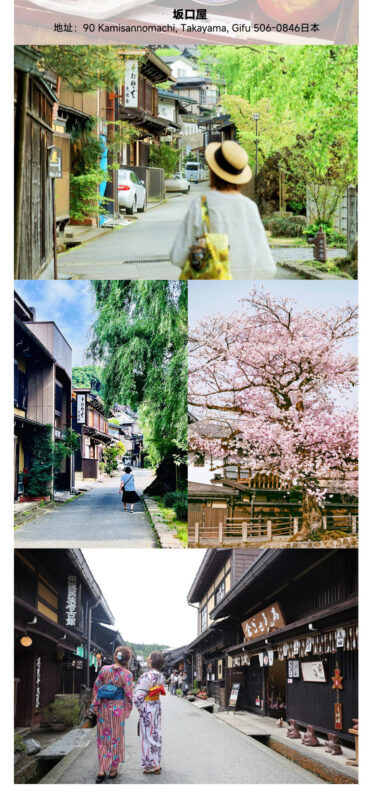
The day’s scheduled visit to Takayama begins around 11:30 and lasts about two and a half hours. The old town is known for its wooden merchant houses from the Edo period, some of which form a government-designated preservation district. Its compact streets are the main attraction: walk slowly, look at the house fronts, and make room for a stop in a craft shop, café, or traditional pub if one catches your eye.
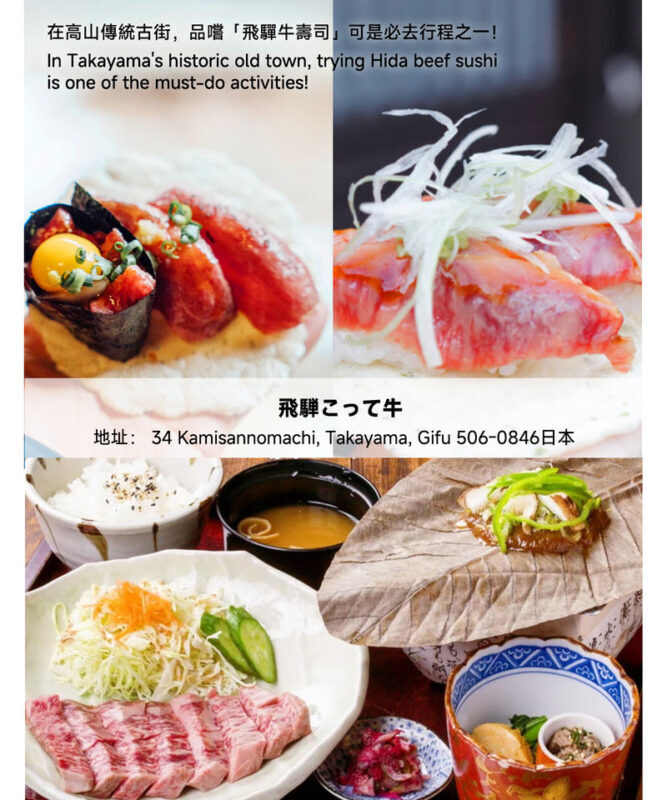
This is also the best opportunity to try local food. Hida beef is the area’s famous specialty, served in different forms, including steak, shabu-shabu, and beef sushi. Miso dengaku is another local bite to watch for. Since the tour does not include meals, you choose what to spend and how much time to give lunch. That freedom is useful, but the clock is real: a full sit-down meal may leave less time to explore.
Guides can help you make the most of the stop. Liu Mei, for example, has been praised for giving maps and pointing out local dishes and attractions, while Zuo Sha has introduced regional food options during the ride. Treat those suggestions as a useful starting point, then decide what suits your appetite and budget.
The main drawback is that two and a half hours can pass quickly. One visitor on a first trip to Takayama felt it was not enough, and that is easy to understand if you plan to shop, eat, and see the streets at leisure. I would pick one priority before arrival: a particular meal, a focused stroll through the old center, or time for browsing.
Shirakawa-go: farmhouses, mountain scenery, and the viewpoint choice
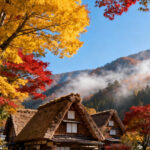
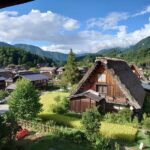
The tour reaches Shirakawa-go at about 15:00, with roughly an hour and a half to explore. The village sits in a mountain valley and is known for 113 traditional gassho-style buildings. Their steep thatched roofs give the settlement its distinctive profile, and the surrounding scenery changes sharply with the seasons: green in warmer months, autumn color, or snow-covered roofs in winter.
The village walk is the heart of the stop. You can see the houses up close and get a sense of how the old architecture sits within the rural setting. But the time allowance means you will need to keep an eye on the return meeting time, particularly if you also want the panoramic view from above.
The standard 9:00 departure package does not include access to the observatory. You can arrange the shuttle bus yourself, with a reference fare of 300 yen, but that trip takes time out of your village visit. If the overhead view is a priority, compare the packages that include the observatory before booking. Those options are listed with earlier 8:00 or 8:30 departures and a higher starting price.
There is a practical reason to consider the earlier package. Some visitors have reached the viewpoint early, when it was quieter and easier to stroll and take photos. The observatory frames the cluster of steep roofs and the valley in one view, while walking through the village gives you the close-up details. They are different experiences, and the add-on is most worthwhile if you would regret missing the panoramic shot.
Special winter light-up visits require a dedicated package. Do not assume the regular daytime tour includes an evening event; check that the specific date and package match your plans. The schedule can also change with weather and traffic, so no viewpoint option can guarantee a fixed amount of time on site.
What the guide adds to a fast-moving day
A guide matters most when the clock is tight. The listed guides speak English, Chinese, or Japanese, depending on the package. Guides named on this tour have included Liu Mei, Geng Juan, Zuo Sha, and Han. Their role is not just to get you from one stop to the next: they can explain local background, point out food options, and help you orient yourself with a map.
Specific touches can make a difference. Liu Mei has shared stop maps and suggestions for local Nagoya food and sights, while Zuo Sha has pointed out photo locations and local specialties. These details help you decide what to do before you step off the vehicle, rather than spending your short visit finding your bearings.
The experience can still vary by guide, language, vehicle, and day. The vehicle may be a business car, minibus, or bus, depending on the number of people, and seats are assigned on a first-come basis. You cannot select the vehicle type. The group may also include people from several countries, so expect a shared outing rather than a private tour.
The Nagoya departure and return: allow for a full day
The stated meeting point is the first floor of the CORE Meieki Building at 5-10 Tsubakicho, Nakamura-ku, near Nagoya Station’s Taikodori Exit. The 9:00 package asks you to arrive 10 minutes early. This is a shared ride, and the vehicle cannot wait for late arrivals; missing the departure means no refund.
The day is scheduled to return to the area in front of Nagoya Station at about 19:00. Another time reference describes a 16:30 departure from the final stop before the return to Nagoya, so treat the end time as an estimate rather than a promise. Traffic, weather, and road conditions can change the order of the stops or shorten time at an attraction.
That uncertainty matters if you are arranging plans after the tour. Avoid tight connections, performances, or appointments that evening. The operator may adjust the schedule for safety and driver-hour limits, and the tour does not permit you to leave the group early and rejoin later.
Price and value: pay for transport, not a leisurely pace
The supplied prices show the 9:00 package without the observatory from US$70.45, while packages with the observatory start from US$76.75. A general price reference also gives a lower figure, so check the price for your chosen date and package before you book. The observatory option costs more, but it can save the hassle of arranging the viewpoint shuttle yourself and makes the panoramic visit part of the plan.
The value is strongest if you want transport and a guided introduction to both places in one day. Round-trip transfers, tolls, parking, and fuel are included, and the daily departures make the tour workable even if you are travelling alone. You also avoid having to coordinate separate transport between Nagoya, Takayama, and Shirakawa-go.
It is less compelling if your priority is slow travel. Meals and drinks are extra, the main stops are brief, and the shared vehicle’s schedule is not flexible for individual plans. At the lower price, the observatory shuttle and lunch still need to be budgeted separately. Compare the total cost and schedule for the exact package, not just the headline starting price.
Who should book this Nagoya day trip?
I would consider this tour if you have one free day in Nagoya and want a straightforward way to see both Takayama and Shirakawa-go. It suits solo visitors, first-time visitors to the region, and anyone who prefers a guide and arranged transport to working out every connection independently.
Choose the observatory-included option if the panoramic view is one of your main reasons for going. Choose the lower-priced package if you are content to focus on the village streets and would rather decide on the shuttle yourself. Either way, arrive ready to move at a brisk pace, bring cash for food and personal purchases, and pick your priorities before the day starts.
I would look elsewhere if you want a long meal, an extensive shop-by-shop visit, or the freedom to set your own timetable. For a compact introduction to two memorable parts of Gifu, though, this is a practical day out, with the best value coming from the transport and local guidance rather than from hours of free time.
Shirakawa-go Gassho Village & Hida Takayama Day Trip with optional Shirakawa-go Observatory visit (Departure from Nagoya)
“Ms. Geng Juan provided thoughtful and professional assistance. Travel suggestion: An additional half hour at Shirakawa-go would be beneficial.”
FAQ
Where does the tour depart from?
The meeting point is on the first floor of the CORE Meieki Building at 5-10 Tsubakicho, Nakamura-ku, Nagoya, near the Nagoya Station Taikodori Exit.
What time should I arrive?
Arrive 10 minutes before the scheduled departure. The 9:00 package asks you to be at the meeting point by 8:50.
Is the Shirakawa-go observatory included?
Not in the 9:00 package without observatory access. Packages that include the observatory are available with earlier departures.
Can I visit the observatory if I book the package without it?
You can take the shuttle bus yourself. Its reference fare is 300 yen, and you should allow time for the trip within the stop.
Are meals included?
No. Lunch, other meals, and drinks are at your own expense. Takayama and the attractions have dining options, and you can also bring your own food.
What languages are available for the guide?
English, Chinese, and Japanese-speaking guides are listed. A separate package specifies a Korean-speaking guide.
Can I join the tour by myself?
Yes. The tour has fixed daily departures and can be booked by one person.
Can I bring luggage?
Each person may bring one standard piece of luggage free of charge. Note it in the special requests section when booking; luggage brought without prior notice may not be accepted if space is limited.
Are children allowed?
There is no age limit. Children aged 0 to 2 ride free if they do not need a separate seat. Children aged 3 and older pay the adult rate.
Is the return time guaranteed?
No. The stated return time is an estimate and may change because of traffic, weather, or other conditions. Avoid scheduling a tight appointment or connection for the same evening.