
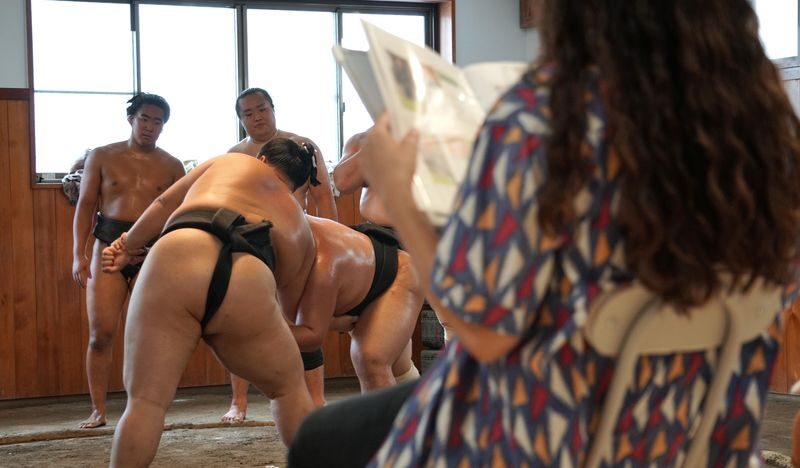
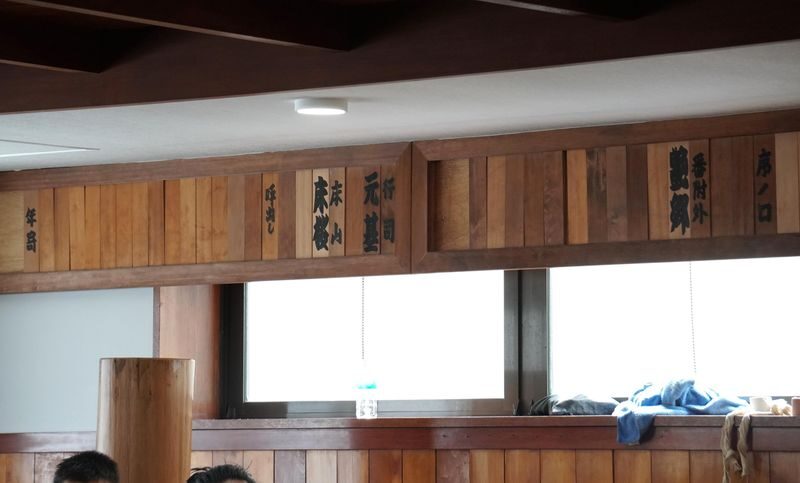
Sumo practice is not a staged show. At a stable in Warabi, you watch wrestlers work through their morning training at close range, with an expert guide to explain what you are seeing. The group is capped at 16 people, so this is a far more personal way to meet the sport than watching from the stands at a tournament.
I like two things in particular: the guide helps make the rituals and techniques legible, and the visit continues after practice with tea, conversation, photos, and chanko nabe, the hearty stew associated with sumo wrestlers. One consideration: the morning begins early, and transport to the meeting point is not included.
- At a glance
- What a morning at the stable feels like
- Watching the morning practice
- Tea, conversation, and chanko nabe
- Starting in Warabi and getting there
- Is the price worth it?
- Who should book this experience
- Should you book?
- FAQ
- How long is the Sumo Stable Morning Practice tour?
- Where does the tour meet?
- Is transportation included?
- What food is included?
- Can I take photos during the practice?
- Are children allowed?
- What happens if the tour does not reach its minimum group size?
At a glance
 1 / 8
 2 / 8
 3 / 8
 4 / 8
 5 / 8
 6 / 8
 7 / 8
 8 / 8
- A real stable, not a staged demonstration: Watch wrestlers train in their own practice space.
- Small group, up to 16: The size makes close viewing and questions easier.
- An English-speaking guide with headsets: Follow explanations of sumo customs, history, and technique.
- Tea and time with the wrestlers: The visit includes a chance to talk and take photos after practice.
- Chanko nabe lunch: Eat a sumo staple at the stable, with tea.
- Plan for an early start: The tour begins in the morning and returns around 12:15 to 12:30.
What a morning at the stable feels like
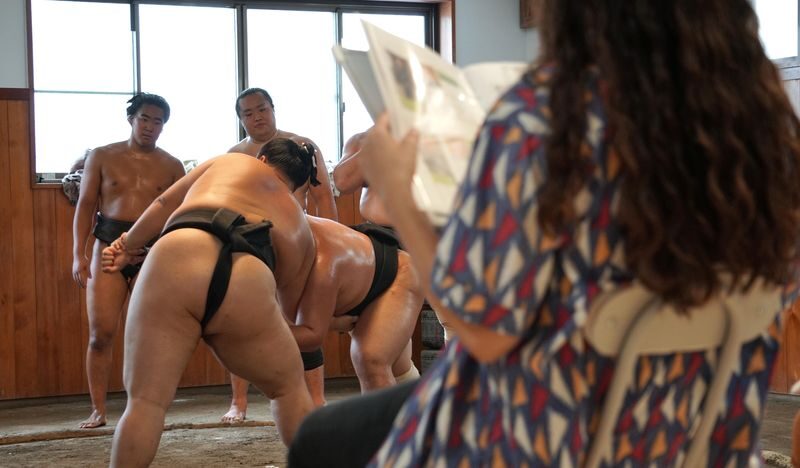
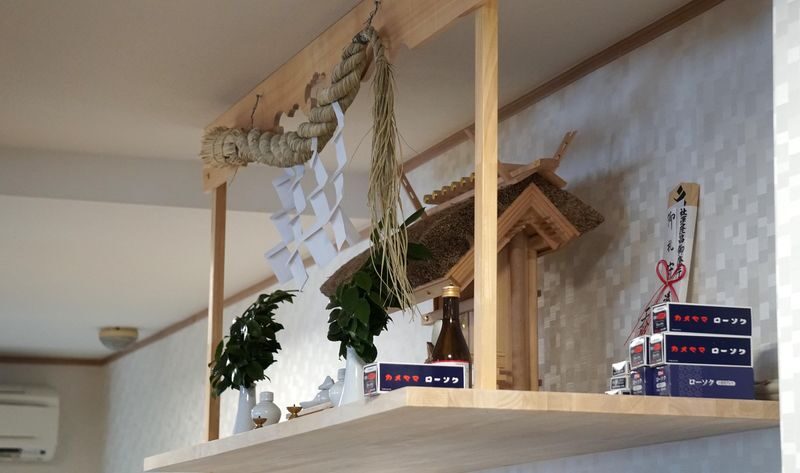
Sumo’s public image can be all ceremony and spectacle. A morning practice offers a different view: the daily work behind the sport. You sit close enough to watch the wrestlers train, and the guide explains the rituals and techniques that might otherwise pass by as a blur of movement.
This is a four-hour experience in Warabi, Saitama Prefecture. It is designed for a small group, with no more than 16 participants. That cap matters in a setting where you are watching rather than moving around freely. A smaller group should make it easier to hear the guide and keep the practice in view.
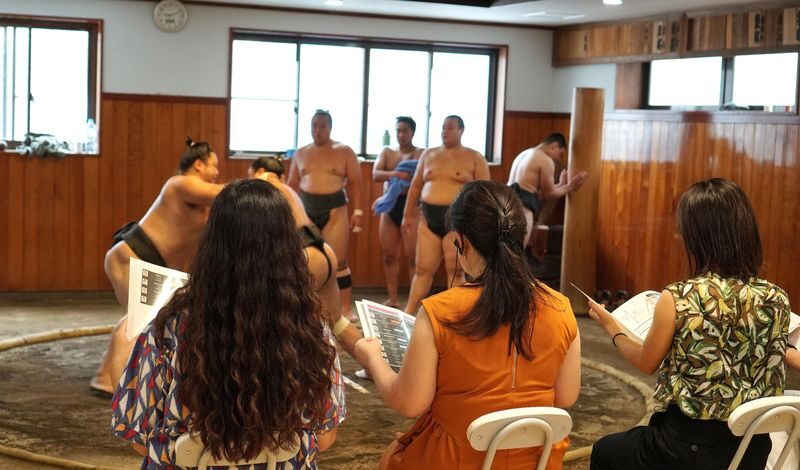
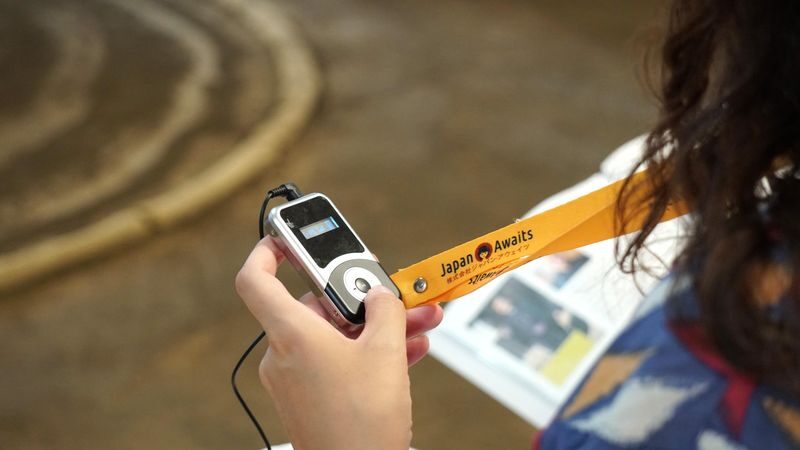
The tour is led by an English-speaking sumo guide, and audio headsets are provided. That is useful because the stable is a place to pay attention, not a place where you want to be straining to catch every explanation. You can focus on the wrestlers and still learn what the training means.
One guide, Shun, has been praised for taking time with a long list of questions. Guide assignments can vary, so do not book on the assumption that he will lead your session. Still, the experience is built around guided interpretation, not just a seat in the room.
Watching the morning practice
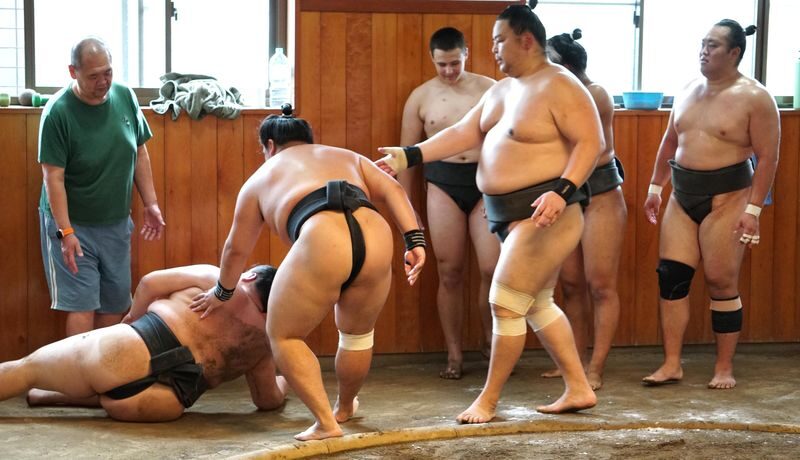
The main event is the wrestlers’ training. You see the athletes at work up close, with the guide providing context on sumo’s history, rituals, and techniques. The practice may occasionally finish earlier than scheduled, depending on how intense the training is that day. In other words, the stable’s routine comes first, and the tour follows it.
That is part of the appeal. You are visiting a working stable, not a performance venue, so the experience is shaped by the wrestlers’ actual morning. The trade-off is that the practice length is not entirely fixed. If you expect a tightly timed show, this format may feel less predictable. If you are curious about the sport as a daily discipline, the real routine is the point.
You will be watching from a seated position. Floor cushions are the default, and low chairs may be available if you request one in advance. They are limited, with priority for people who have mobility issues or other needs, so contact the operator before booking if floor seating will not work for you.
There is also a small but meaningful etiquette detail: sit however you are comfortable, but do not point the soles of your feet toward the ring. This is a simple way to show respect in the stable. Photography and video are allowed, but flash is not. Check your phone’s flash settings before you go in, then keep the camera use considerate so you do not distract from practice.
Tea, conversation, and chanko nabe
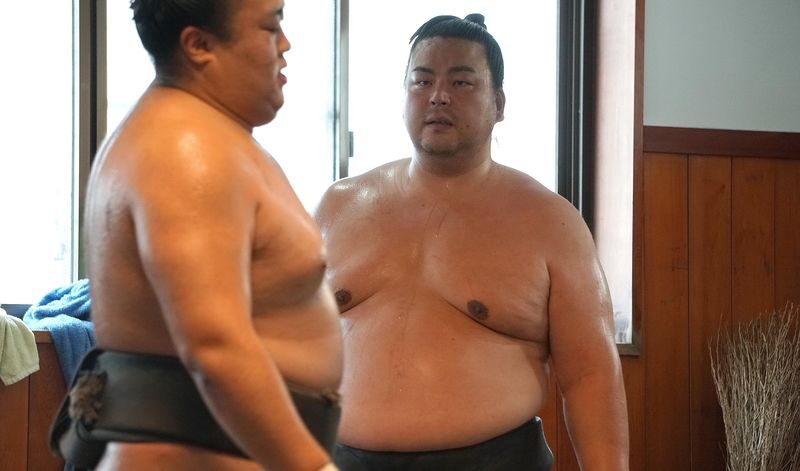
After practice, the experience shifts from watching to meeting. You have a chance to talk with the wrestlers over morning tea and take photos with them. For many people, this is what makes the visit feel personal rather than purely observational. You are not only learning about sumo as a sport; you are getting a brief chance to ask questions of the athletes who train in it.
The tone of those conversations will depend on the wrestlers and the group, so it is best not to expect a long private interview. But the chance to speak with them is included, and the guide can help you understand the setting and keep questions flowing.
Lunch is chanko nabe, a hearty stew closely tied to sumo wrestlers’ diet, served with tea at the stable. It gives the morning a satisfying finish and adds a food element that fits the subject rather than feeling like a generic tour meal. One participant specifically praised the food, and the tour details describe it as an authentic chanko lunch.
No outside food or drinks are allowed inside the stable. Bottled water or tea for personal use is permitted. If you have dietary needs, the available information does not specify menu adjustments, so ask the operator before you book rather than assuming they can be arranged.
Starting in Warabi and getting there
The meeting point is in Warabi, at 1-chome-23-1 Chuo, Saitama 335-0004, Japan. Warabi Station is listed as the location, and the tour ends at the sumo stable, with return details pointing to Warabi Station. The exact meeting instructions are sent by email after booking, and the departure time is confirmed then.
The experience is described as starting at 8:00 AM, with the guided stable visit listed for 8:30. Because the exact meeting time is confirmed after booking, use the emailed instructions as your final word and arrive 10 minutes early. The tour returns around 12:15 to 12:30, though traffic or weather can affect the schedule.
Transport and hotel pickup are not included. You will need to arrange your own way to the meeting point and account for that in the cost and morning plan. The tour is not a door-to-door outing, which is worth noting if you are staying outside the area or traveling with a tight schedule.
Is the price worth it?
The join-in experience starts at US$146.75. That is a meaningful spend for a four-hour activity, but it includes stable admission, an English-speaking guide, audio headsets, tea and discussion with wrestlers, photo opportunities, and chanko nabe lunch. The price pays for access to a setting that is not simply a public attraction, plus the explanations that help you understand what you are watching.
The value is strongest if you are genuinely interested in sumo or Japanese sporting culture. Without the guide, you might see impressive training but miss why particular rituals or techniques matter. With the small group and time after practice, the visit has more substance than a quick look through a doorway.
It is less compelling if you mainly want a tournament bout or a guaranteed-length performance. This is morning practice, and its duration can change with the training. The price also does not cover transportation, so include your journey to Warabi when comparing it with other activities.
The tour requires at least 10 participants. If that minimum is not met, the activity may be rescheduled, or you can request a refund. That minimum is important for a small-group tour: the group can be intimate but still needs enough bookings to run.
Who should book this experience
I would put this high on the list for sumo fans, sports-minded travelers, and anyone who wants a close look at a Japanese tradition in its working setting. It is also a strong choice if you like asking questions and appreciate a guide who can connect what you see to the sport’s customs and history.
Families can attend with children aged six and older, but children pay the adult rate. The quiet, seated format and the early start are worth considering before bringing younger children. Anyone using a wheelchair or mobility equipment must be accompanied, and those who need a low chair should request one ahead of time.
This is not the best fit if you need a flexible start, included transport, or guaranteed access to a particular named guide. Nor is it a substitute for seeing a tournament. Think of it as a close-up look at training, followed by a meal and a short opportunity to meet the wrestlers.
Should you book?
Book it if you want to understand sumo beyond the ring and are comfortable getting to Warabi early. The combination of real practice, guided explanation, tea, wrestler conversation, and chanko nabe gives the morning a clear purpose and a satisfying finish.
Skip it if the early timing, floor seating, or independent transport will make the morning stressful, or if you only want to watch a match. For the right visitor, this is an unusually direct way to see the discipline behind sumo, with the small-group format and lunch adding genuine value.
Sumo Stable Intimate Morning Practice with Expert Guide & Lunch
“It was a pleasure! Our Guide Shun was very motivated and answered all the questions We Had (and We Had a lot!). The Morning Practice was interestin…”
FAQ
How long is the Sumo Stable Morning Practice tour?
The experience is described as four hours. The return is scheduled for around 12:15 to 12:30, though timing can change with traffic, weather, or the length of practice.
Where does the tour meet?
The meeting point is at 1-chome-23-1 Chuo, Warabi, Saitama 335-0004, Japan. More detailed instructions and the confirmed departure time are sent after booking.
Is transportation included?
No. Hotel pickup, drop-off, and transport are not included. You need to arrange your own travel to the meeting point.
What food is included?
The tour includes an authentic chanko nabe lunch with tea at the sumo stable. Outside food and drinks are not allowed, though you may bring bottled water or tea for personal use.
Can I take photos during the practice?
Photography and video are permitted, but flash is not. Check your phone settings before entering the stable.
Are children allowed?
Yes. Participants must be at least six years old, and children aged six and older are charged the same rate as adults.
What happens if the tour does not reach its minimum group size?
The activity requires at least 10 participants. If the minimum is not met, it may be rescheduled, or you can request a full refund.