Miyoshi Mononoke Museum turns Japan’s supernatural folklore into something you can see, read, and play with. Its collection of more than 5,500 yokai-related objects ranges from illustrated scrolls to toys, while interactive screens and teamLab★Yokai Park give the old stories a lively modern turn.
I like two things in particular: the chance to see the rare Ino Mononoke Roku, an Edo-period scroll tied to a local tale, and the mix of serious historical material with hands-on displays. One consideration: Miyoshi is outside Hiroshima City, so the museum makes most sense if you are already exploring the area or can allow time for the trip.
- What to Know Before You Go
- The Stories Behind Miyoshi’s Yokai
- Start With the Collection
- Use the Digital Collection Wall to Follow Your Curiosity
- Look Closely at Ino Mononoke Roku
- Draw a Yokai at teamLab★Yokai Park
- See How Yokai Change in Special Exhibitions
- What the Ticket Costs and What You Get
- Getting to the Museum in Miyoshi
- Practical Details for a Smooth Visit
- Should You Book Miyoshi Mononoke Museum?
- FAQ
- How long should I plan for the museum?
- What is included with admission?
- When is the museum open?
- How do I get to the museum from JR Miya Station?
- How much does admission cost for children and students?
- Is the museum wheelchair-accessible?
- Can admission fees change?
- The Best Of Miyoshi!
- More Tours in Miyoshi
- More Tour Reviews in Miyoshi
What to Know Before You Go
 1 / 10
 2 / 10
 3 / 10
 4 / 10
 5 / 10
 6 / 10
 7 / 10
 8 / 10
 9 / 10
 10 / 10
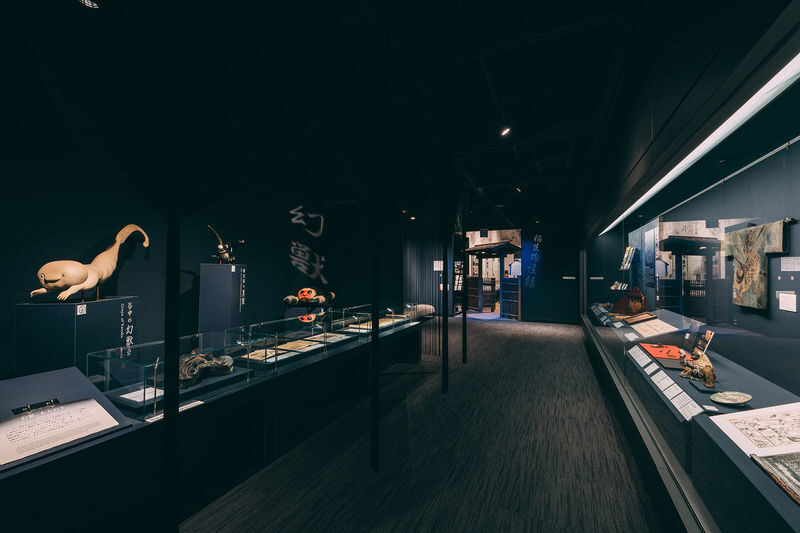
- More than 5,500 yokai objects: See picture scrolls, colored woodblock prints, pottery, toys, and other artifacts from folklorist Koichi Yumoto’s collection.
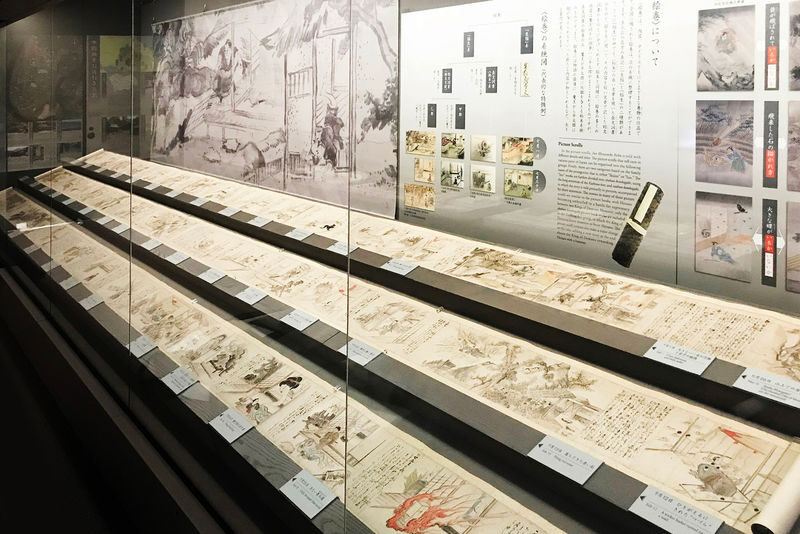
- A local tale on an old scroll: Ino Mononoke Roku recounts the strange 30 days experienced by young samurai Heitaro Ino in 1749.
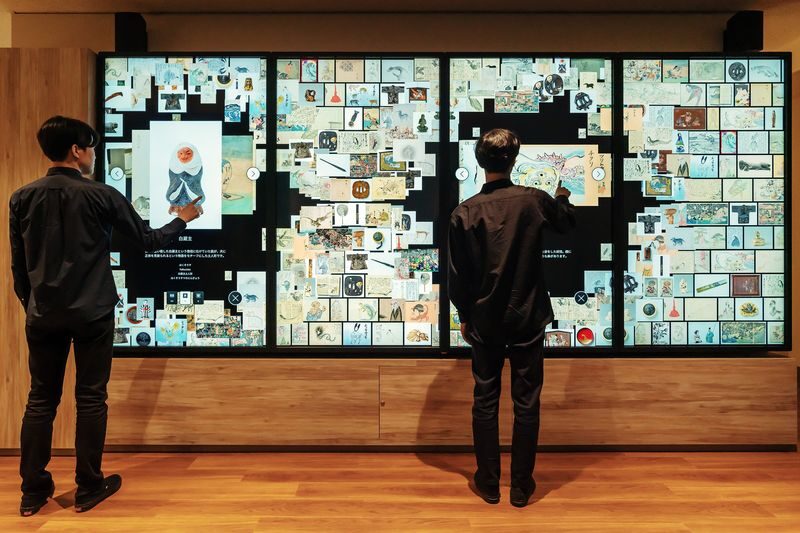
- Touch-screen folklore: The digital collection wall lets you tap images to uncover information and stories about the yokai.
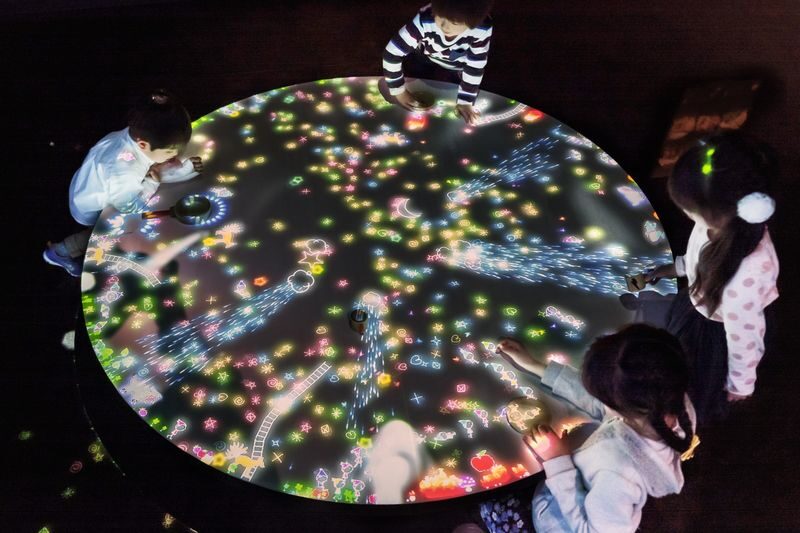
- Draw a creature at teamLab★Yokai Park: Your drawn yokai comes to life and moves around the exhibit.
- Allow 1 to 2 hours: That gives you time for the collection and interactive areas without rushing.
- Check the schedule and fee: The museum closes Wednesdays, and admission can change during special exhibitions.

👉 See our pick of the Miyoshi’s 6 Best Tours: Which To Choose?
The Stories Behind Miyoshi’s Yokai
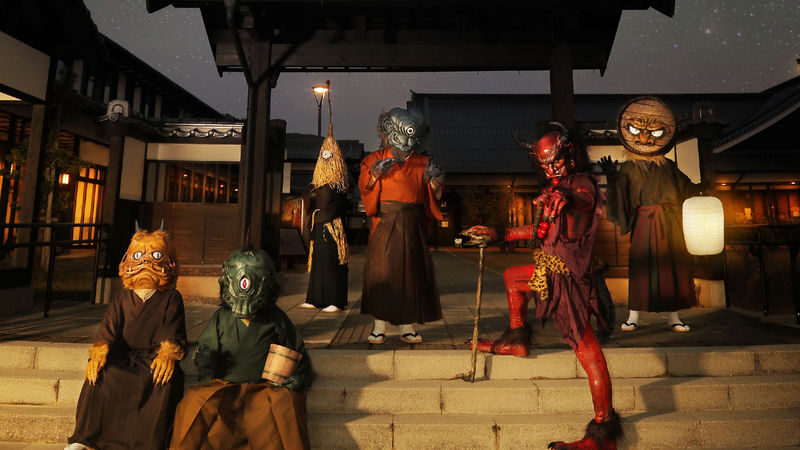
Yokai are supernatural beings from Japanese folklore, often linked to fears of nature, strange events, and the unfamiliar. At this museum, they are not treated as a single category of spooky characters. Art, objects, and storytelling show how these beings have changed over time and become part of everyday culture.
The museum is named for Koichi Yumoto, a folklorist and yokai researcher who donated the collection. More than 5,500 pieces make this a substantial place to explore the subject, with illustrated scrolls and prints sharing space with pottery and toys. That range matters: you can see yokai not only as figures in old stories, but also as images people made, collected, and carried into ordinary life.
I like that the museum is in Miyoshi, where the Ino Mononoke Roku tale is set. The local connection gives the story a stronger sense of place than a display of folklore detached from its setting. It also offers a reason to visit Miyoshi beyond simply checking off a museum.
You can also read our reviews of more tours and experiences in Miyoshi.



Start With the Collection
Give yourself time to look across the collection rather than racing from one striking image to the next. The displays include picture scrolls, colored woodblock prints, pottery, and toys, so the objects offer different ways of understanding how yokai have appeared in Japanese culture.
The subject can be unsettling, comic, or charming, sometimes all at once. That variety is part of the appeal. A supernatural creature might have begun as a way to explain a fear of nature, then become a familiar character in art or an object of amusement. The museum’s permanent and special exhibitions explore this shift, presenting yokai as figures shaped by people’s concerns and imagination.
Some visitors will come for the art and historical material; others will be drawn to the playful side. You do not need to be an expert in folklore to follow the central idea. If a particular image catches your eye, the digital collection wall gives you another way to find out more.
Use the Digital Collection Wall to Follow Your Curiosity
The digital collection wall is one of the most practical features for visitors who want more than a quick look at the objects. Tap images on the large screens to bring up details and stories. You can move at your own pace, following the creatures or themes that interest you instead of having to absorb everything in a set order.
That freedom helps make a large collection easier to approach. Five thousand-plus items is a lot to take in, especially if you have only an hour or two. The screens offer a way to focus your visit, and they can help younger visitors stay engaged with material that might otherwise feel like a long sequence of old images.
The touch-screen format is also a useful bridge between past and present. It connects individual objects to their stories, while the museum’s wider displays show how yokai changed from figures tied to fear and mystery into recognizable cultural characters. For the best visit, take time with the physical collection first, then use the screens to explore the images you want to know better.
Look Closely at Ino Mononoke Roku
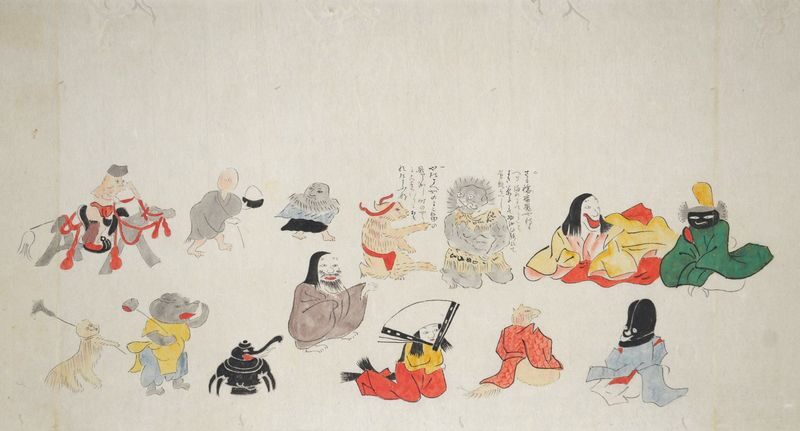
The museum’s most distinctive historical feature is Ino Mononoke Roku, a rare picture scroll from the Edo period. It tells the story of Heitaro Ino, a young samurai whose mysterious experiences unfold over 30 days in 1749. The tale is set in Miyoshi, linking the museum’s subject to the town outside its doors.
A scroll is not quite like a modern illustrated book. It presents a story through images and text, and its age gives the account a different texture from a contemporary retelling. The central premise is unusual enough to draw in visitors who might not otherwise seek out folklore: a young samurai faces a month of mysterious encounters, recorded in a work from the period.
Exhibits can change, and the museum periodically updates or replaces material. Check the current calendar before you travel if seeing this particular scroll is a priority. The same advice applies to any special exhibition: the displays on view may vary by season and preparation schedule.
Draw a Yokai at teamLab★Yokai Park
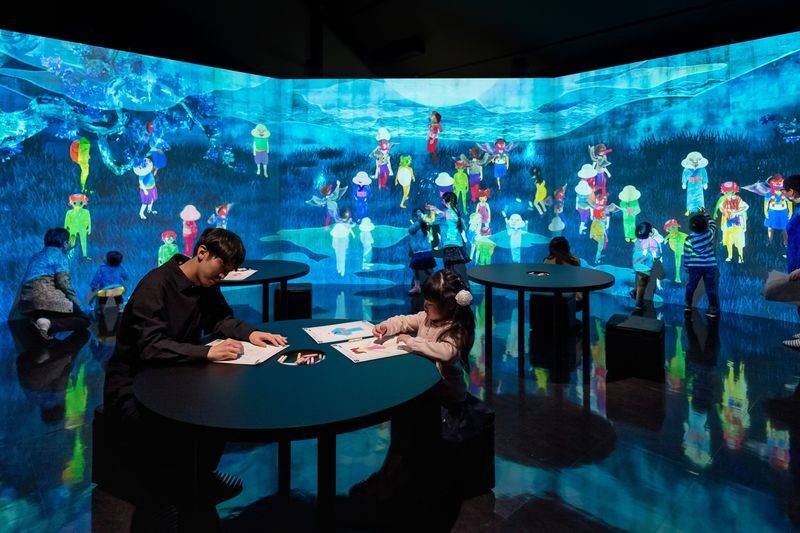
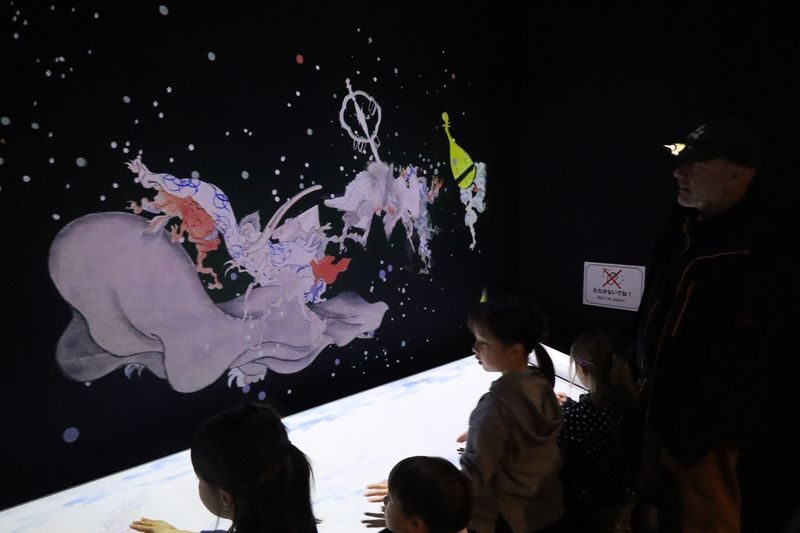
After the scrolls and artifacts, teamLab★Yokai Park adds a playful change of pace. You can draw a yokai and watch it come to life, walking around the interactive space. It turns the visitor from observer into participant, which can be especially appealing for children and anyone who likes learning by doing.
The activity also makes a useful contrast with the older works. The museum can show how people depicted yokai in historical art, then invite you to make a creature of your own. It is a simple idea, but it connects the subject’s long life in stories and images to present-day creativity.
This section is a strong reason to bring children, though it is not only for families. If you prefer traditional displays, the interactive feature is optional; you can spend more time with the collection instead. Just keep in mind that the overall visit is relatively short, around 1 to 2 hours, so this is a compact museum outing rather than a full-day attraction.


See How Yokai Change in Special Exhibitions
The museum holds permanent and rotating exhibitions, including themes such as The Yokai of Japan and Ino Mononoke Roku. Special displays can put a fresh focus on the collection and show how the same supernatural figures have been reinterpreted across different periods and kinds of media.
One seasonal exhibition focuses on tsukumogami, household tools said to become yokai after being abandoned and filled with resentment. In older picture scrolls, these transformed tools caused chaos; by the Edo period, they had become more playful characters. The idea carries a practical message too: take care of your belongings.
That theme gives the exhibition a modern angle without losing its roots in folklore. A story about discarded tools can prompt a thought about waste and a more sustainable way of living. If this exhibition is on during your visit, it adds a focused thread to the museum’s broader look at yokai. Admission fees may rise during special exhibitions, so check the current price before setting out.
What the Ticket Costs and What You Get
Admission starts at $6.30, and the ticket includes entry to the museum and a pocket curator. The pocket curator is included as part of the admission package, giving you an extra aid for exploring the displays. For a visit of 1 to 2 hours, the starting price is reasonable if you are interested in Japanese folklore, traditional art, or interactive museum exhibits.
The value depends on what you want from a museum. If you are looking for a full day of activities, this is not it. But the mix of a large collection, a rare local scroll, touch-screen interpretation, and a hands-on digital space makes the admission more than a quick stop to view a few cases.
Children aged 0 to 6 enter free. Elementary and junior high school students pay 300 yen, and high school and university students pay 600 yen. University students should bring student identification. Preschool children, visitors with qualifying disability certificates and one accompanying caregiver, and elementary or junior high school students visiting as part of an approved school activity can also enter free under the stated conditions. Fees can change during special exhibition periods.
Getting to the Museum in Miyoshi
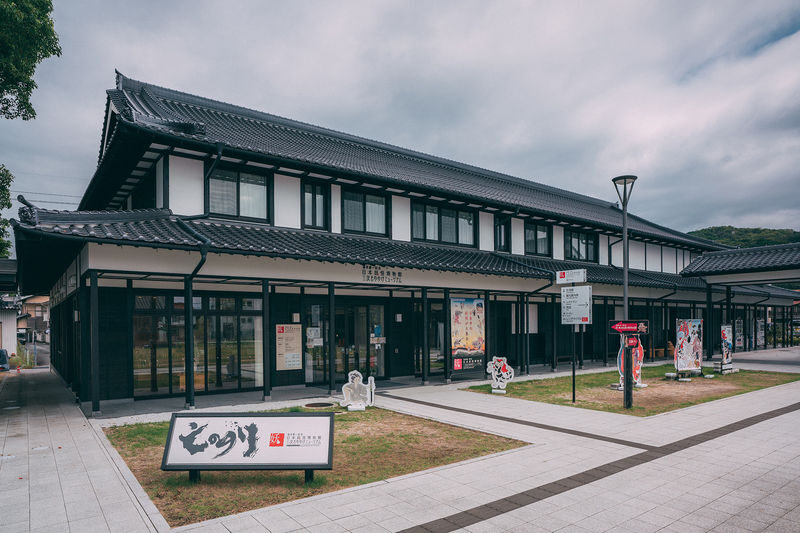
The address is 1691-4 Miyoshimachi, Miyoshi, Hiroshima 728-0021. Directions give a 10-minute bus ride from JR Miya Station to the Miya Yokai Museum, or a 20-minute walk. If you are planning around a train connection, check the current local transport details before you go.
Miyoshi is not in Hiroshima City, so account for the journey when building your day. The museum is best suited to a visit that already includes time in Miyoshi or a dedicated excursion, rather than a quick detour between city sights. Once there, the museum’s modest visit length makes it easy to plan around other local stops.
A useful nearby addition is the Miyoshi City Tourism Association next door. It has Miyoshi grape souvenirs made from local specialties, so you can pair the museum with a browse for regional treats after your visit. The grape products are a particularly fitting reminder that Miyoshi has its own local identity beyond the yokai story.
Practical Details for a Smooth Visit
The museum is open Monday, Tuesday, and Thursday through Sunday, from 9:30 a.m. to 5 p.m. Last admission is at 4:30 p.m. It is closed on Wednesdays, and the stated year-end closure runs from December 27 through January 1. Hours and closure dates can change, so check the official calendar before leaving, especially if your schedule is tight.
The museum is wheelchair- and stroller-accessible. Wheelchairs, a stroller, and a walking cane are available free at reception, though the listed quantities are limited. Outside food and drinks are not allowed, pets are not permitted except service animals with valid identification, and flash photography is prohibited. Smoking and drinking are not allowed inside.
If you book an admission voucher, it is valid only for the selected date, and you exchange it for a physical ticket at the museum. Free cancellation is available with at least 24 hours’ notice, and booking changes are generally allowed up to 24 hours before the activity, subject to stated exceptions.
Should You Book Miyoshi Mononoke Museum?
I would put this museum on your plan if yokai folklore interests you, or if you want a cultural stop that balances historical objects with hands-on activities. The Ino Mononoke Roku scroll gives the visit a strong local anchor, while the digital wall and teamLab★Yokai Park keep it from feeling like a display-only museum.
It is also a good fit for families, art-minded visitors, and anyone curious about how supernatural stories become part of popular culture. The main drawback is practical, not thematic: you need to make the trip out to Miyoshi, and the museum itself takes only 1 to 2 hours. If that travel time fits your plans, the modest starting price and variety of exhibits make it a worthwhile stop. Check the exhibition calendar and current admission fee first, then leave a little time for the tourism association next door.
Yumoto Koichi Memorial JAPAN YOKAI MUSEUM (Miyoshi Mononoke Museum) in Hiroshima
“The museum boasts a rich collection of yokai (supernatural beings) artifacts and illustrated scrolls, and its interactive exhibits are incredibly e…”
FAQ
How long should I plan for the museum?
Plan for about 1 to 2 hours. Your exact visit length depends on how much time you spend with the collection, digital displays, and teamLab★Yokai Park.
What is included with admission?
Admission includes entry to Yumoto Koichi Memorial JAPAN YOKAI MUSEUM and a pocket curator.
When is the museum open?
It is open Monday, Tuesday, and Thursday through Sunday from 9:30 a.m. to 5 p.m. Last admission is at 4:30 p.m. The museum is closed Wednesdays.
How do I get to the museum from JR Miya Station?
The directions give a 10-minute bus ride from JR Miya Station to the Miya Yokai Museum, or a 20-minute walk.
How much does admission cost for children and students?
Children aged 0 to 6 enter free. Elementary and junior high school students pay 300 yen, while high school and university students pay 600 yen. University students should bring student identification.
Is the museum wheelchair-accessible?
Yes. The museum is wheelchair- and stroller-accessible. Wheelchairs, a stroller, and a walking cane are available free at reception.
Can admission fees change?
Yes. Admission fees may be adjusted during special exhibition periods, so check the current fee before visiting.