
The real draw is the chance to reach three far-flung corners of Tokushima in one day without building your trip around sparse bus connections. You travel from Takamatsu by road to Iya Valley, Oboke Gorge and the Naruto Strait, with mountain scenery along the way and a chance to see the famous whirlpools.
I like two things in particular: the route joins distinctly different scenery, from a vine bridge in the mountains to the rock walls of Oboke and the currents at Naruto; and the guide and driver take care of the tricky transport, including narrow mountain roads and tide-sensitive timing.
The trade-off is a long, tightly scheduled day, and the whirlpools are never guaranteed. The tour is often conducted in Chinese, so check the language before booking if you want to follow the guide’s explanations.
- What to know before you go
- One bus connects three far-flung sights
- Iya Kazurabashi: a vine bridge in the mountains
- Oboke Gorge: rock walls and an optional boat ride
- Naruto Strait: schedule the whirlpools around the tide
- Guides, language and the rhythm of the day
- Bus comfort and the real cost of convenience
- Weather, pace and who should book
- Should you book this Takamatsu day tour?
- FAQ
- How much does the tour cost?
- Can I book the tour for today?
- What places does the tour visit?
- Is the tour conducted in English?
- Are the boat rides included?
- Will I definitely see the Naruto whirlpools?
- Is this tour useful if I do not have a car?
- How long is the tour?
- Can I cancel for a refund?
- The Best Of Miyoshi!
- More Tours in Miyoshi
- More Tour Reviews in Miyoshi
What to know before you go
- Three remote stops in one day: The route combines Iya Valley, Oboke Gorge and the Naruto Strait, a difficult combination to manage by public transport.
- The vine bridge is a hands-on stop: Iya Kazurabashi is a suspension bridge made from vines. Take care on the crossing and keep an eye on the meeting point.
- Oboke’s rocks are the main event: The gorge’s steep rock formations are striking from the road, and an optional boat ride gives you a closer view from the river.
- Naruto depends on the tide: The whirlpools can be impressive, but the best viewing window changes with the tide. Bad weather can also spoil visibility or cancel boat trips.
- Expect a full day on the bus: The drives are part of the bargain, especially on narrow mountain roads. A full bus may feel cramped.
- Check the language and extra costs: The tour is often conducted in Chinese. The starting price is $43.19, but boat rides may be optional purchases.

👉 See our pick of the Miyoshi’s 6 Best Tours: Which To Choose?
One bus connects three far-flung sights
This tour is built around a simple fact: the sights are spread out, and reaching them all in one day without a car is difficult. Public transport can involve long waits and connections, so a bus tour offers a practical shortcut. You trade some freedom to linger for the ability to cover a large stretch of Tokushima without planning every transfer yourself.
The route is usually described in three stages: Iya Valley first, Oboke Gorge next, then the Naruto Strait. That order takes you from forested mountain country toward the coast, with the whirlpool stop coming later in the day. Timing matters at Naruto, where the tidal current shapes what you can see.
It is a packed day, but that does not mean every stop is a sprint. People have found time for meals and photos, and the schedule is often praised for keeping the group moving. Still, you should expect to watch the clock, particularly at lunch and at Iya Kazurabashi, where the paths and meeting point can be confusing.
You can also read our reviews of more tours and experiences in Miyoshi.


Iya Kazurabashi: a vine bridge in the mountains
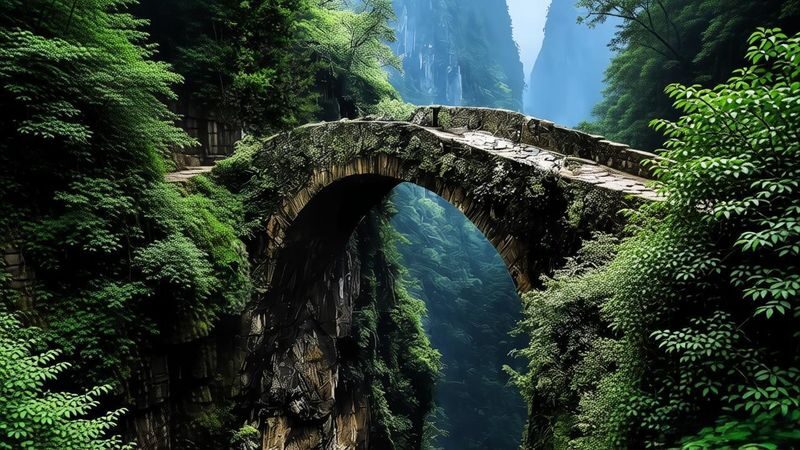
Iya Valley’s most memorable stop is Kazurabashi, a suspension bridge made from woven vines. It gives the first part of the day a very different feel from the coastal Naruto stop: here, you are up among mountain forests and steep valley scenery. The bridge itself is the draw, and it can be a thrilling crossing if you are comfortable with heights and a little movement underfoot.
The valley is remote, which is exactly why the bus is useful. Driving there yourself means handling narrow mountain roads, and the tour’s driver does that work while you watch the scenery unfold. The roads are not a minor detail: the ride to the first stops can be high in the mountains and tight in places.
Give yourself a moment to note where the group meets again. The area around the bridge can be easy to navigate incorrectly, and at least one group found the meeting point less than obvious. If the guide’s instructions are not clear, ask before setting off rather than trying to guess after you have crossed.
The admission for the first part of the route has been described as included, though you should confirm the current package details when booking. The bridge can also close for maintenance; one account noted that the vines are replaced periodically. If this is a must-see for you, check current access information close to your travel date.
Iya Valley may not be the most dramatic stop for every visitor. Japan has many celebrated mountain views, and some people find the valley less striking than its reputation suggests. I would treat the bridge and the journey through the remote valley as the point, rather than expecting a long list of separate attractions.
Oboke Gorge: rock walls and an optional boat ride
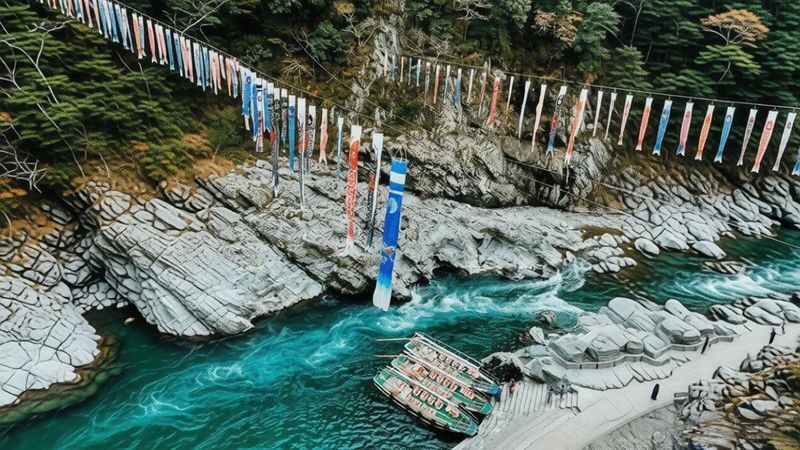
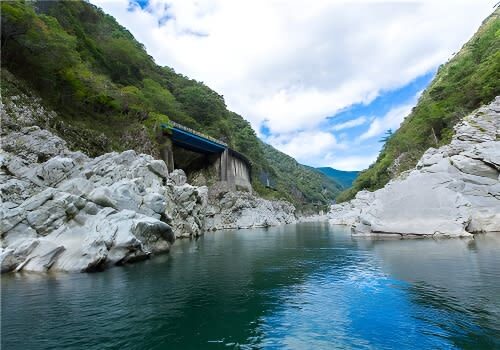
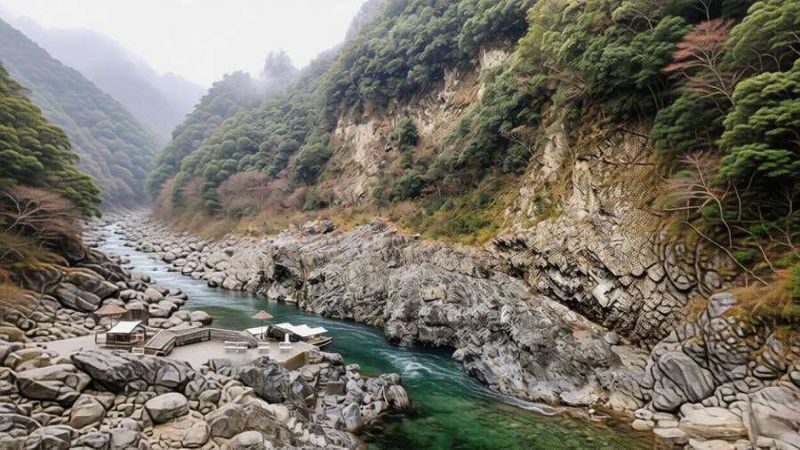
Oboke and Koboke are known for their dramatic rock formations along the river. From the gorge, the scenery shifts from the forested valley to layers of steep stone, with the river cutting through the narrow passage. Even if you have seen plenty of mountain scenery elsewhere in Japan, this stretch gives the day a distinct change of pace.
A boat ride is a popular way to see the gorge from below, where the rock faces rise close to the water. It is not safe to assume that every boat trip is included in the tour price: the boat rides may be optional purchases made on site. Check the package details and be ready for the possibility that weather will affect whether a boat can run.
The gorge stop also has a practical limit: time. You may have enough for a ride and photos, but this is not a long independent visit with hours to wander. Waiting lines can occur, so keep the guide’s return time in mind.
The ride between stops is part of the experience, not dead time. You are crossing a large area, and the guide may use the drive to explain local customs, history, food and geography. Guides including Xiaohua have been noted for sharing this kind of context and offering suggestions for places to eat in Takamatsu.
Naruto Strait: schedule the whirlpools around the tide
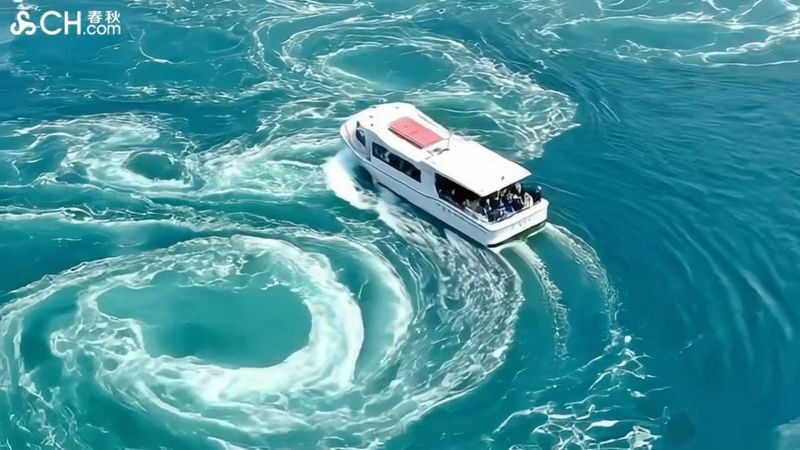
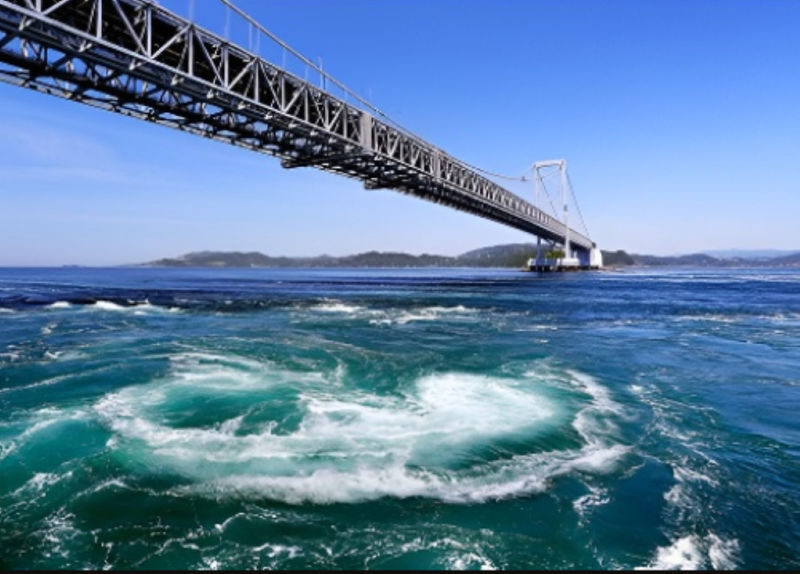
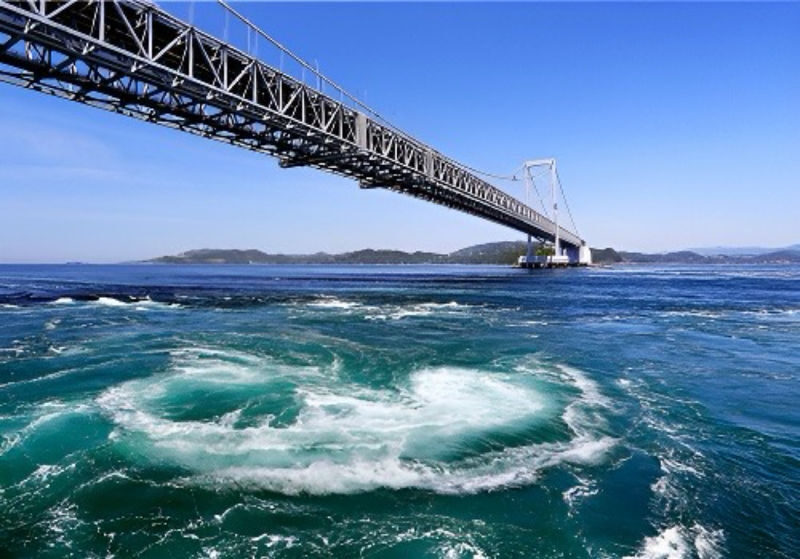
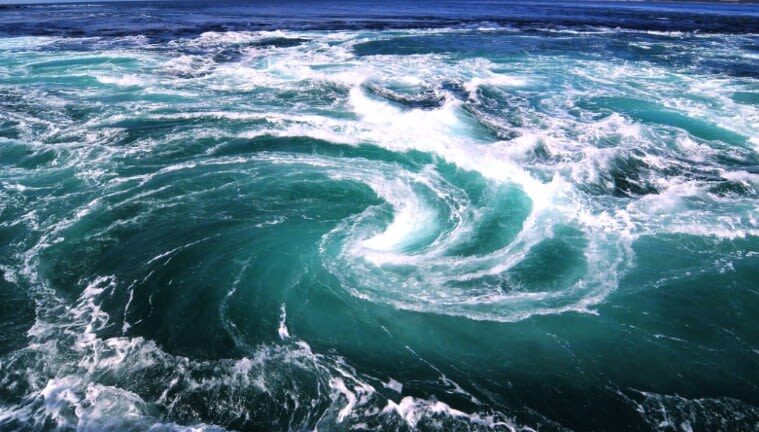
The Naruto whirlpools are the day’s most unpredictable attraction. They form as water moves through the strait, and their size and visibility depend on the tide. A tour can manage the timing, but it cannot promise a spectacular display. Some days the current is subdued; heavy rain and poor weather can make the view disappointing or lead to canceled boat trips.
If conditions and timing line up, the whirlpools are a striking finish to the day. The Onaruto Bridge is another reason to stop in this area, even if the water does not perform. One account also noted views toward the Akashi Kaikyo Bridge across the way, adding a broader sense of the strait’s scale.
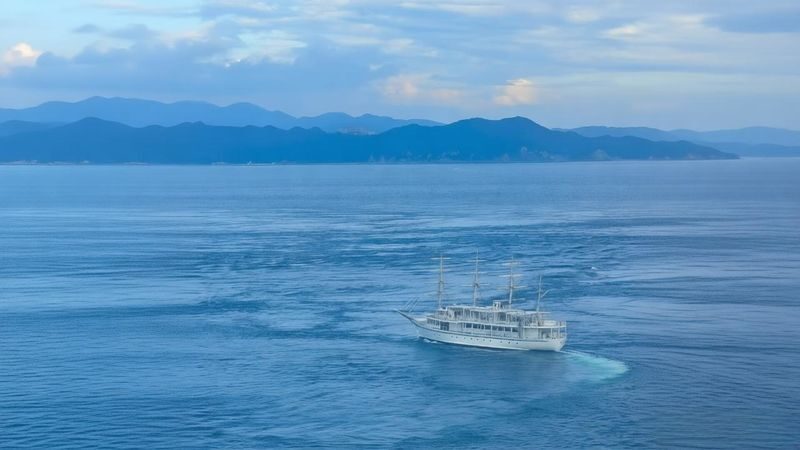
A boat sailing may offer a close look at the current, but whether you can catch the right departure depends on the day’s schedule. In some cases, a guide and driver may be able to adjust the return timing to allow for a later sailing, but do not count on that flexibility. It can mean a later return to Takamatsu, and the group’s schedule has to work as a whole.
Check the tide chart if seeing whirlpools is your main reason for booking. Even with careful timing, the result is not guaranteed. If you would still value the bridge, the strait and the other two stops, the tour makes more sense than if you are booking solely for the whirlpools.
Guides, language and the rhythm of the day
Guides named Xiaohua, Liu Xiaohua and Xiao Hua are frequently associated with this route, and other guide names appear as well. The guide can make a real difference on a long day: useful reminders, help with group tickets, local food suggestions and clear meeting instructions all save time and friction. Some guides also help with practical problems, such as contacting a restaurant about a lost camera.
Language is the key question to settle before booking. The tour is often conducted in Chinese, and some non-Chinese speakers have found that they could not follow the explanations. A few guides have tried to help international participants feel included, but you should not assume that every tour will provide full explanations in English.
A good plan is to confirm the tour language directly before you book. If you are comfortable navigating with basic instructions and mainly want transport between the sights, language may matter less. If local explanations are central to your enjoyment, choose only after checking what language is available for your date.
The guide also has to balance commentary with group management. At a busy stop, listen for the meeting time and location, and ask for clarification if either is vague. At lunch, make sure you know when to regroup and what comes next. That small bit of effort can prevent a rushed meal or a last-minute search for the bus.


Bus comfort and the real cost of convenience
The starting price is $43.19, which can be good value if it saves you from arranging several long transfers and lets you visit all three areas in one day. The tour’s value lies less in any single stop than in the transport linking them. If you would otherwise rent a car or spend a day coordinating buses, the price may look sensible.
Do not assume that the starting price covers every activity. The first section of the route has been described as including admission, while boat trips may be purchased separately on site. Check what is included for your chosen date, and set aside some extra money if you hope to take a boat.
The bus itself can vary in comfort. Some groups have had a comfortable ride, while others have found a small bus crowded, especially when nearly full. One account described a 25-seat bus carrying about 20 people, with limited room for luggage. This is a day tour, not a luggage transfer service, so avoid bringing large bags if you can.
The driver’s skill matters on the mountain sections. The roads can be narrow, but the driving has been praised, including on routes where the bus has to negotiate tight turns. If you are prone to motion sickness, prepare for a winding ride rather than expecting a straight highway journey.
Weather, pace and who should book
Rain can change the day. The whirlpools may be hard to see, and boat trips can be canceled, even if the land-based scenery remains worthwhile. In hot weather, long stretches outside can also feel tiring, although the bus gives you a place to cool off between stops.
This tour suits you if you are staying in or near Takamatsu, do not plan to drive, and want to fit several Tokushima sights into a single day. It can also work well if you are traveling independently but prefer to leave mountain roads, transfers and tide timing to someone else.
It is less suitable if you want a slow visit, need plenty of time at each place, or expect a detailed English-language guiding experience without confirming that option. The route is efficient, not leisurely. Crowds during holiday periods can add waiting, and the bus may feel close when full.
Booking is available for the same day with instant confirmation, and cancellation is free with at least 48 hours’ notice, based on local destination time. Check the current package terms before paying, especially for included admissions, boat costs and the language offered on your date.
Should you book this Takamatsu day tour?
Book it if your priority is seeing Iya Valley, Oboke Gorge and Naruto without driving or piecing together remote bus connections. The route makes a demanding day possible, and the best guides add useful local context while keeping the group on schedule.
Skip it if you want a relaxed pace, guaranteed whirlpools or English explanations that have not been confirmed. The strongest reason to go is the combination of remote sights and transport in one day. Treat Naruto as a tide-dependent bonus, not a promise, and the value is easier to judge.
Takamatsu: Iya Valley, Oboke Gorge & Naruto Whirlpools Adventure
“An amazing tour! Being able to efficiently reach these hard-to-reach areas on your own in just one day was fantastic. All three spots and experienc…”
FAQ
How much does the tour cost?
The listed starting price is $43.19. Optional boat rides may cost extra, so check the package details for your date before booking.
Can I book the tour for today?
Yes. Same-day booking is offered, with instant confirmation.
What places does the tour visit?
The route links Iya Valley, Oboke Gorge and the Naruto Strait, including the Naruto whirlpools as a tide-dependent sight.
Is the tour conducted in English?
The tour is often conducted in Chinese. Confirm the language available for your date before booking, especially if you want to follow the guide’s explanations.
Are the boat rides included?
Boat rides may be optional purchases made on site. Check the package details to confirm what is included.
Will I definitely see the Naruto whirlpools?
No. Their visibility depends on the tide and weather, and boat trips can be canceled in poor conditions.
Is this tour useful if I do not have a car?
Yes. The route connects remote places that can be difficult to reach by public transport in one day.
How long is the tour?
It is a one-day tour that visits all three main areas. The route includes substantial bus travel between the stops.
Can I cancel for a refund?
You can get a full refund if you cancel at least 48 hours before the activity date, using destination local time.

