- Discover Nara’s Imperial Past in Four Hours
- Key Points
- Exploring Nara’s Imperial Heart: An In-Depth Review
- Starting Point: The Fukugen Kentoshi Ship
- The Heijokyu Izanaikan Museum
- Walking Through History: Suzakumon Gate
- Archaeology and Reconstruction: The Reconstruction Project Museum and Palace Sites
- The Palace Site Museum and Its Artifacts
- The Tranquil East Garden
- Practical Details and What to Expect
- Who Would Enjoy This Tour?
- Final Thoughts: Is This Tour Right for You?
- FAQ
- The Best Of Nara!
- More Guided Tours in Nara
- More Tours in Nara
- More Tour Reviews in Nara
Discover Nara’s Imperial Past in Four Hours
If you’re visiting Nara and want a thorough yet manageable introduction to its imperial past, this 4-hour private guided tour is a solid choice. For $156.50 per person, you’ll follow a carefully curated path through some of the most significant sites linked to Japan’s 8th-century capital. Led by knowledgeable guides, you’ll step back in time as you walk through reconstructed palaces, explore ancient gates, and enjoy tranquil gardens—all without feeling rushed.
We particularly like how this tour covers a broad spectrum of history—from the replica of the Fukugen Kentoshi boat, which reveals early diplomatic ties with China, to the East Garden, a peaceful spot perfect for unwinding after a day of discovery. The focus on museum visits adds depth, giving context to the archaeological and architectural remnants you’ll see.
One consideration is that the tour involves a fair amount of walking and standing—so it’s best suited for travelers with moderate physical fitness. It’s ideal for history enthusiasts looking to understand Nara beyond the typical sightseeing spots, and those who value detailed explanations of Japan’s imperial legacy.

👉 See our pick of the 9 Of The Best Workshops & Classes In Nara
Key Points
- Comprehensive coverage of Nara’s imperial history in just four hours.
- Private tour means personalized attention and a flexible pace.
- Educational stops include museums, reconstructed halls, and archaeological sites.
- Cultural immersion through authentic architecture and traditional Japanese gardens.
- Ideal for history buffs and those interested in Japan’s early international relations.
- Moderate physical activity required, with plenty of walking and standing.
You can also read our reviews of more guided tours in Nara

Exploring Nara’s Imperial Heart: An In-Depth Review
When you decide to spend four hours with a private guide exploring Nara’s imperial sites, you’re signing up for a journey through Japan’s ancient political and cultural landscape. What sets this tour apart is its well-structured itinerary, ensuring you get a complete picture without the feeling of being rushed or overwhelmed.
Starting Point: The Fukugen Kentoshi Ship
Your journey begins at the Fukugen Kentoshi Ship, a full-scale replica of the vessel used during Japan’s 702 Chinese expedition. This is more than just a photo opportunity; it’s an entry point into understanding Japan’s early international relations. The ship symbolizes Japan’s first significant diplomatic outreach to China, and the guide will likely share stories about the diplomatic missions that shaped Nara’s history.
Travelers often appreciate this first stop because it’s a tangible reminder of Japan’s ancient foreign contacts. It also sets a tone of exploration—moving from maritime diplomacy to the grandeur of the imperial court.
The Heijokyu Izanaikan Museum
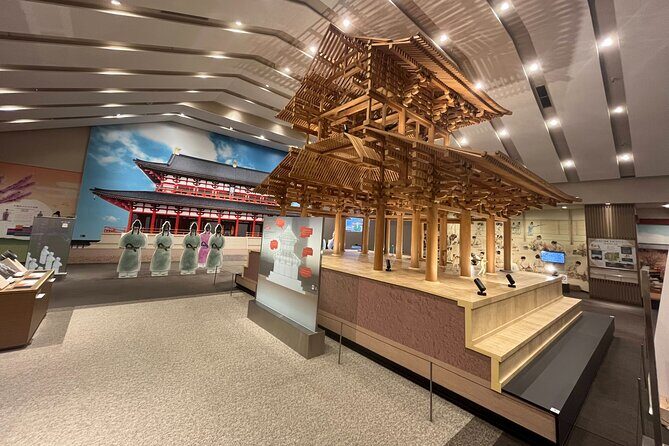
Next, you’ll visit the Heijokyu Izanaikan Museum. Here, the focus shifts to cultural development in the Nara era. The museum offers insights into how Japan absorbed and adapted influences from abroad, shaping its identity during the 8th century. From artifacts to exhibits explaining the evolution of Japanese culture, this stop complements the maritime history with a broader look at societal progress.
Reviews highlight that visitors enjoy learning about how international influences blended into Japanese traditions, giving context to the monuments and buildings you’ll see later.
Walking Through History: Suzakumon Gate
Crossing the Suzakumon Gate transports you directly into the heart of the imperial complex. This gate, which once served as the main entrance to Nara’s Imperial Palace, is a striking visual cue of status and authority. Walking through it, you’ll feel the weight of centuries, imagining thousands of courtiers and officials passing through.
The significance of this gate is not just its architecture but its role as a symbol of imperial authority. Travelers often comment on the experience of stepping into history, as if walking through a portal into the 8th century.
You can also read our reviews of more private tours in Nara

Archaeology and Reconstruction: The Reconstruction Project Museum and Palace Sites
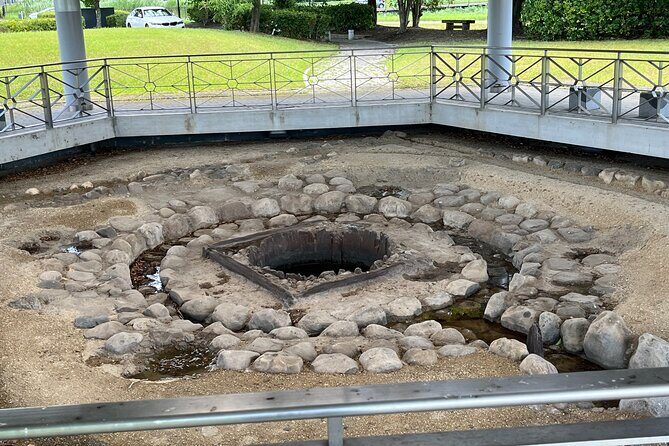
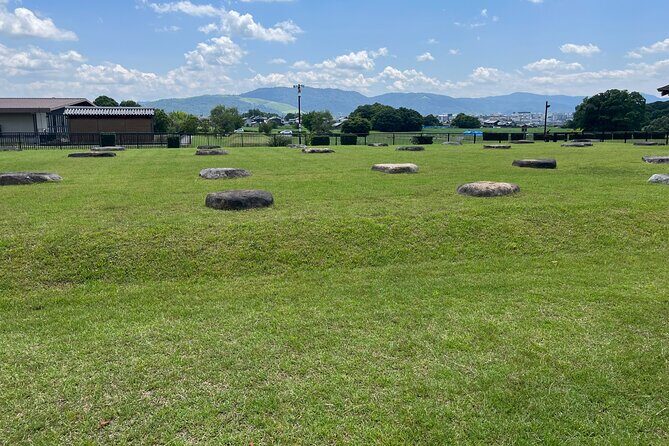
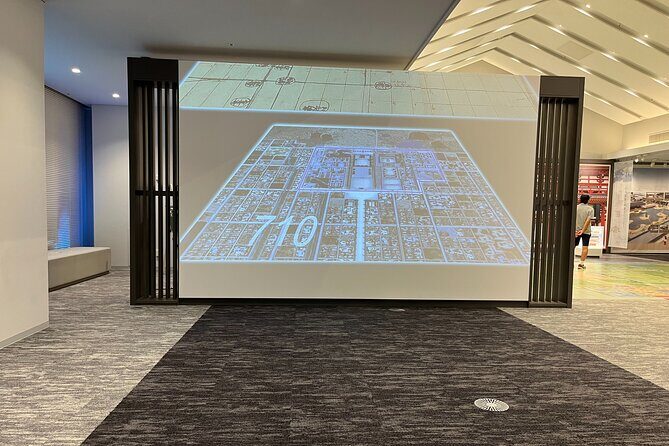
The tour then shifts toward archaeological insights with stops at the Information Center for the Reconstruction Project and the Heijo Palace Museum. These explain ongoing excavations and the efforts to piece together the imperial palace. You’ll learn about how modern archaeologists uncover ancient foundations and artifacts, making the history of the Nara period tangible.
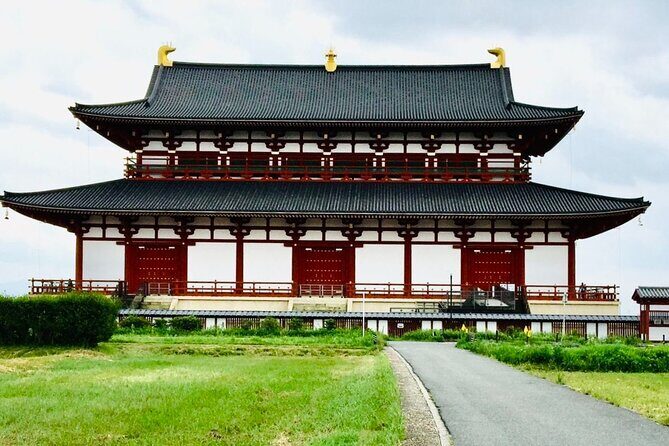
The reconstruction of the Former Imperial Audience Hall is a highlight—here, you can see a meticulous recreation of the imperial throne room, offering a glimpse of what imperial ceremonies might have looked like. Visitors appreciate these reconstructions for the way they bring history to life, rather than just describing it.
The Palace Site Museum and Its Artifacts
The Nara Palace Site Museum showcases excavations from the palace’s surrounding area, illustrating daily life, architecture, and governance in 8th-century Japan. Expect displays of pottery, tools, and architectural fragments, along with explanations on how these pieces fit into the larger puzzle of imperial Japan.
According to reviews, this museum offers a vivid picture of life in ancient Nara, making it especially helpful for visitors curious about the everyday experiences of the court and common people alike.
The Tranquil East Garden
The tour wraps up with a visit to the East Palace Garden, a peaceful Japanese garden within the palace grounds. It’s a perfect spot to relax, reflect on what you’ve seen, and enjoy the natural beauty that has been appreciated for centuries. The garden’s design embodies traditional Japanese aesthetics, with carefully placed trees, pathways, and water features creating a meditative atmosphere.
Many travelers find this final stop a welcome contrast to the more structured museum visits, offering a moment of serenity before leaving Nara’s imperial precinct.
Practical Details and What to Expect
The tour lasts approximately four hours, making it a manageable way to get an authentic overview of Nara’s royal past. Your guide will provide a detailed narrative at each site, enriching your understanding of the historical significance. Since it’s a private experience, you’ll have the flexibility to ask questions and focus on the aspects that interest you most.
The itinerary is packed with stops that are both visually impressive and educational, but be prepared for some walking and standing—moderate physical fitness is recommended. All attractions are accessible via public transportation, and since the tour is private, your group will have undivided attention.
The price of $156.50 is quite reasonable considering the depth of insight and personalized service. When compared to individual entry fees for museums and the cost of arranging multiple visits independently, this tour offers good value.
Who Would Enjoy This Tour?
This experience suits history lovers, architecture enthusiasts, and cultural explorers who want a detailed, well-rounded understanding of Nara’s imperial history. It’s particularly appealing to those who prefer guided narratives over self-guided wandering, and who appreciate the contextual storytelling that makes history more relatable.
Final Thoughts: Is This Tour Right for You?
This private guided tour offers a rich, balanced look at Nara’s imperial sites, blending reconstructed architecture with archaeological findings and cultural explanations. It’s especially valuable if you want to deepen your understanding of Japan’s early political development and see the sites that shaped its history.
If you’re someone who enjoys detailed storytelling, authentic cultural experiences, and a flexible paced tour, this experience will serve you well. It’s perfect for those who value educational insight and want to avoid the hassle of organizing visits to multiple museums and sites independently.
However, if you’re on a very tight schedule or prefer more active, outdoor adventures, you might find the museum visits and walking between sites somewhat leisurely. Still, for a comprehensive yet manageable introduction to Nara’s imperial legacy, this tour hits the right note.
4-Hour Private Guided Tour to Nara Imperial Palace
FAQ
Is this tour suitable for children?
Since it involves walking and standing for extended periods, it’s best for children who can handle moderate physical activity. The detailed explanations and historical context can be engaging for older kids with an interest in history.
Can I cancel this tour if my plans change?
Yes, cancellation is free if done at least 24 hours in advance. This flexibility makes it easier to adapt if your plans shift unexpectedly.
Are the museums included in the tour free?
Yes, all the stops listed, including the museums and reconstructed halls, are part of the tour and do not require extra admission fees.
Will I need transportation between sites?
No, the tour is designed to be walkable within Nara’s historic center. Your guide will coordinate the flow, but most sites are easily accessible on foot.
What should I bring?
Comfortable shoes, water, sun protection, and possibly a camera. Since the tour is mostly outdoors and on foot, dress appropriately for the weather.
Is this tour suitable for travelers with limited mobility?
While most sites are accessible, some walking and standing are involved. Moderately fit travelers will have no trouble, but those with mobility concerns should check with the provider.
Navigating Nara’s imperial past in just four hours with a private guide offers an enriching experience that combines education, culture, and tranquility. Whether you’re a history aficionado or just curious about Japan’s early days as a nation, this tour promises a meaningful glimpse into the grandeur of Nara’s royal era.