If you’re looking to understand Japan’s recent history through the lens of resilience and renewal, the Fukushima Hope Tour offers a profound experience. This private, 8-hour journey takes you through the complex aftermath of the 2011 Great East Japan Earthquake, visiting key sites from evacuation zones to revitalization efforts, all led by a knowledgeable licensed guide.
For $929.50 per group (up to three people), you’ll enjoy a carefully curated day that combines education, reflection, and hope.
What we love about this tour is how it balances somber history with signs of recovery. The decommissioning archive center provides clear insight into ongoing nuclear clean-up efforts, while stops like Michinoeki Namie reveal how local communities are rebuilding with daily life and commerce in mind. Plus, the tour’s donation aspect makes it feel more meaningful—your money directly supports the areas you visit.
However, one thing to consider is the tightly scheduled itinerary—some reviews hint that the timing can feel a bit rushed, which might limit your ability to fully absorb each site’s story. This tour is best for those genuinely interested in the real impact of natural disasters and nuclear accidents on communities, and who want a guided, respectful glimpse into Fukushima’s ongoing journey.
If you’re curious about Japan’s recent history or want to see tangible signs of recovery, this tour could be a meaningful addition to your itinerary. It’s especially suited for travelers who prefer guided experiences that are deeply informative and support local efforts.
This experience made our article of The 8 Best Tours In Fukushima Prefecture.
Key Points
 1 / 5
1 / 5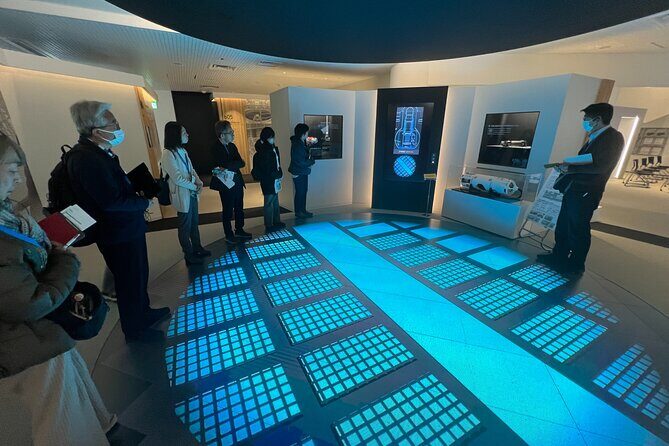 2 / 5
2 / 5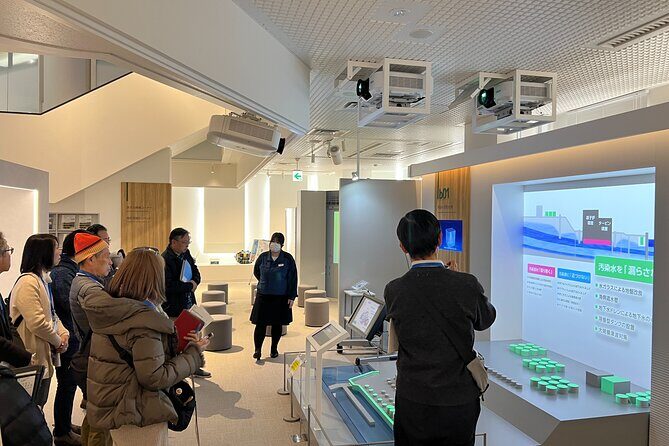 3 / 5
3 / 5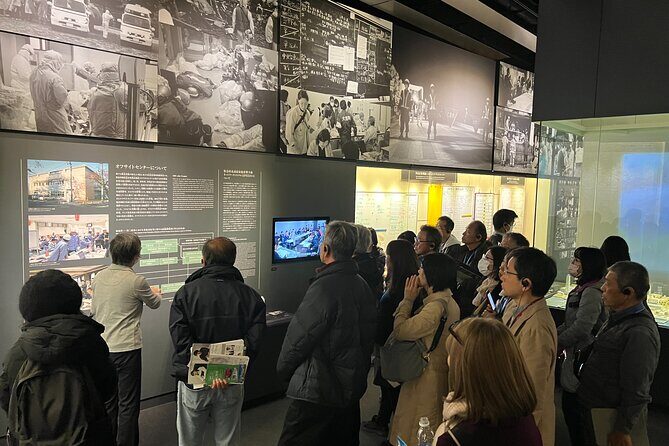 4 / 5
4 / 5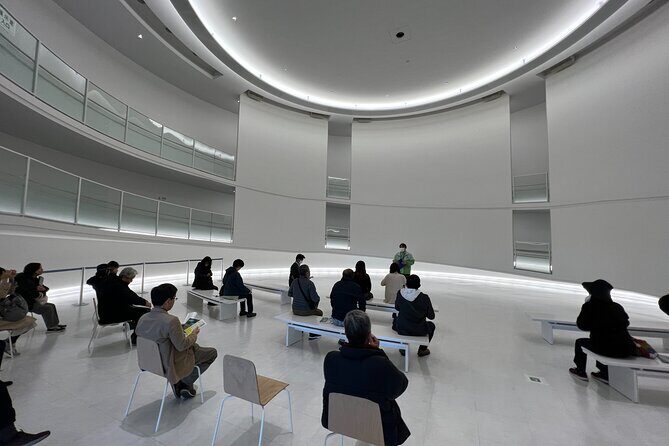 5 / 5
5 / 5- Balanced Insight: Offers a respectful look at both disaster aftermath and revitalization.
- Educational Focus: Managed by a licensed guide, with detailed explanations at each stop.
- Support for Recovery: Tour sales directly fund local relief and rebuilding efforts.
- Limited Entry: You won’t visit Fukushima Daiichi Nuclear Power Station, but you’re kept safe with radiation levels under 0.05 mSv/hr.
- Time Management: The schedule is packed, so expect a full day with some tight transitions.
- Meaningful Experience: Perfect for history buffs and those interested in disaster recovery and community resilience.

👉 See our pick of the The 8 Best Tours In Fukushima Prefecture
The Itinerary in Detail: What to Expect
Start at Iwaki Station
The adventure begins with pickup at Iwaki Station or nearby, making it convenient for travelers arriving by train from Tokyo or other regions. The approximately one-hour drive sets the tone for a day filled with poignant sights and stories. From the start, you’ll notice the mix of natural scenery and signs of human effort to heal.
National Route 6 – Evacuation and Decontamination
Your first stop takes you along National Route 6, where you’ll observe landscapes of untouched buildings in areas once designated as Difficult-to-Return Zones. Here, some evacuation orders have been lifted, and decontamination efforts are evident. The scene is striking—empty streets and abandoned homes now stand as silent witnesses to the disaster. You’re likely to appreciate the clarity of the landscape, having been told that radiation levels do not exceed 0.05 mSv/hr, ensuring safety during your visit.
TEPCO Decommissioning Archive Center
Next, you’ll visit a facility managed by TEPCO, crucial for understanding the ongoing process of nuclear plant decommissioning. The center uses videos and dioramas to explain complex operations, making this a highlight for those wanting a clear picture of the cleanup efforts. The free entry emphasizes how transparency and education are central to Japan’s approach.
Michinoeki Namie
Then, you’ll stop at Michinoeki Namie, a roadside station symbolizing local revival. It’s a lively spot where residents and visitors shop for vegetables and seafood, and enjoy local cuisine. It’s a cheerful contrast to the previous sites, showcasing how daily life persists amid ongoing challenges.
Namie-machi Cemetery
A sobering stop follows at Ohirayama Cemetery, perched on high ground about 2 km from the coast. From here, you get panoramic views of the Ukedo district and the Pacific Ocean, visually illustrating the vast area affected by the tsunami. The cemetery’s location underscores the scale of the disaster’s impact.
Ukedo Elementary School Ruins
About 200 meters from the coast, the Ukedo Elementary School remains a poignant site. Partially destroyed by the tsunami, the school stands as a reminder of the quick thinking that prevented loss of life. The review notes that this site is not included in the admission fee, but the story it tells is invaluable for understanding community resilience.
The Memorial Museum
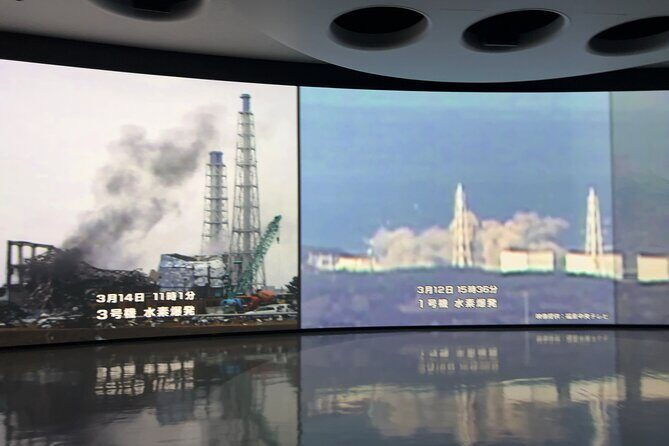
The Great East Japan Earthquake and Nuclear Disaster Memorial Museum functions as the tour’s core. It’s a comprehensive space with images, exhibits, and personal stories, helping visitors grasp the depth of the event and the community’s ongoing recovery. The museum’s role is to foster understanding and hope, making it a fitting centerpiece.
Futaba-machi and JR Futaba Station
Your journey continues into the former restricted zones of Futaba, where the hope for lifting evacuation orders is palpable. The Special Zones for Reconstruction highlight official efforts to revive local economies and communities. This stop is free, emphasizing the positive outlook and ongoing rebuilding.
Return to Iwaki
In the late afternoon, your guide and driver will bring you back to Iwaki Station, completing a day that balances heavy history with inspiring stories of recovery.
You can also read our reviews of more tours and experiences in Fukushima Prefecture.


What Makes This Tour Valuable?
The primary strength of this experience lies in its expert guidance. Your licensed guide isn’t just narrating facts; they’re sharing local insights, making the experience more impactful. The small group size (up to three people) ensures you get personalized attention, and the private vehicle makes transitions smooth and comfortable, especially considering the spread-out nature of the sites.
The focus on donations adds a layer of purpose—your participation directly supports local recovery efforts. This is a rare opportunity to explore Fukushima’s scars and successes firsthand, without entering the Fukushima Daiichi Nuclear Power Station—the level of radiation at visited sites remains safe, under 0.05 mSv/hr.
While the itinerary is comprehensive, some travelers, especially those eager to spend more time at each site, might find the schedule a bit too tight. As one reviewer noted, “times were a bit too tight that did not allow us to fully deepen the various stages.” Planning to keep pace with the schedule is recommended.
Who Should Consider This Tour?
This tour is best suited for history enthusiasts, those interested in disaster response, or travelers with a strong desire to witness community resilience firsthand. It’s perfect if you want a guided, respectful, and educational experience rather than a casual sightseeing trip. The focus on meaningful storytelling and supporting local efforts makes it ideal for those who value depth over leisure.
If you’re looking for an emotional yet hopeful journey into Japan’s recent past, this tour offers a respectful and insightful way to do so. It’s also well-suited for travelers who appreciate well-organized, knowledgeable guides and are comfortable with a packed schedule.
FAQ
Is the Fukushima Hope Tour suitable for children?
Most travelers can participate, but keep in mind the length and the potentially somber nature of some sites. Children should be supervised, especially around outdoor and memorial sites.
What is included in the price?
Your tour covers the guide, private vehicle, and the donation fee, which supports the recovery efforts. Entrance fees for specific sites are not included unless specified.
Can I join this tour if I’m arriving from Tokyo?
Yes, you can take the Hitachi limited Express Train to Iwaki, from where the tour starts. The guide will meet you at Iwaki Station or a nearby location.
Are there any age restrictions or special considerations?
Most travelers can join, but note that the tour involves some walking and outdoor exposure at different sites. Contact the provider if you need special car seats or booster seats.
Is the tour accessible for people with mobility challenges?
The tour uses a private vehicle and involves outdoor sites; some stops involve walking on uneven ground. Accessibility accommodations aren’t detailed, so check with the provider beforehand.
How safe is the radiation exposure on this tour?
All visited sites have radiation levels below 0.05 mSv/hr, well within safe limits. You will not enter Fukushima Daiichi Nuclear Power Station.
How much time is spent at each stop?
Most sites allow around an hour, with some shorter or longer depending on the location. The schedule is tight, so be prepared for a full day.
Can I extend the tour?
Yes, extensions are possible with an additional fee paid directly to the driver—about 6,600 to 9,800 JPY per hour, depending on the vehicle.
What’s the best way to book?
Booking well in advance is recommended (62 days on average), especially if you want a specific date. The tour is private, so it cannot be combined with others.
Fukushima Hope Tour with Licensed Guide & Vehicle from Iwaki

Final Thoughts
This Fukushima Hope Tour offers a rare chance to see the aftermath of one of Japan’s most significant recent events through the eyes of those working to rebuild. It balances respectful remembrance with hopeful stories of revitalization, making it a thoughtful choice for travelers seeking depth and purpose.
The guided nature ensures you won’t miss important details, and the donation component makes it a trip with positive impact. While the schedule might feel rushed for some, the value of authentic insights and community stories makes it worthwhile.
If your interest lies in understanding Japan’s resilience, or if you want a meaningful experience that supports ongoing recovery efforts, this tour provides a well-organized, sincere, and deeply human perspective on Fukushima’s journey forward.
Remember: This isn’t just sightseeing — it’s a chance to connect with the stories of real communities, understanding both the pain and the hope that define Fukushima today.