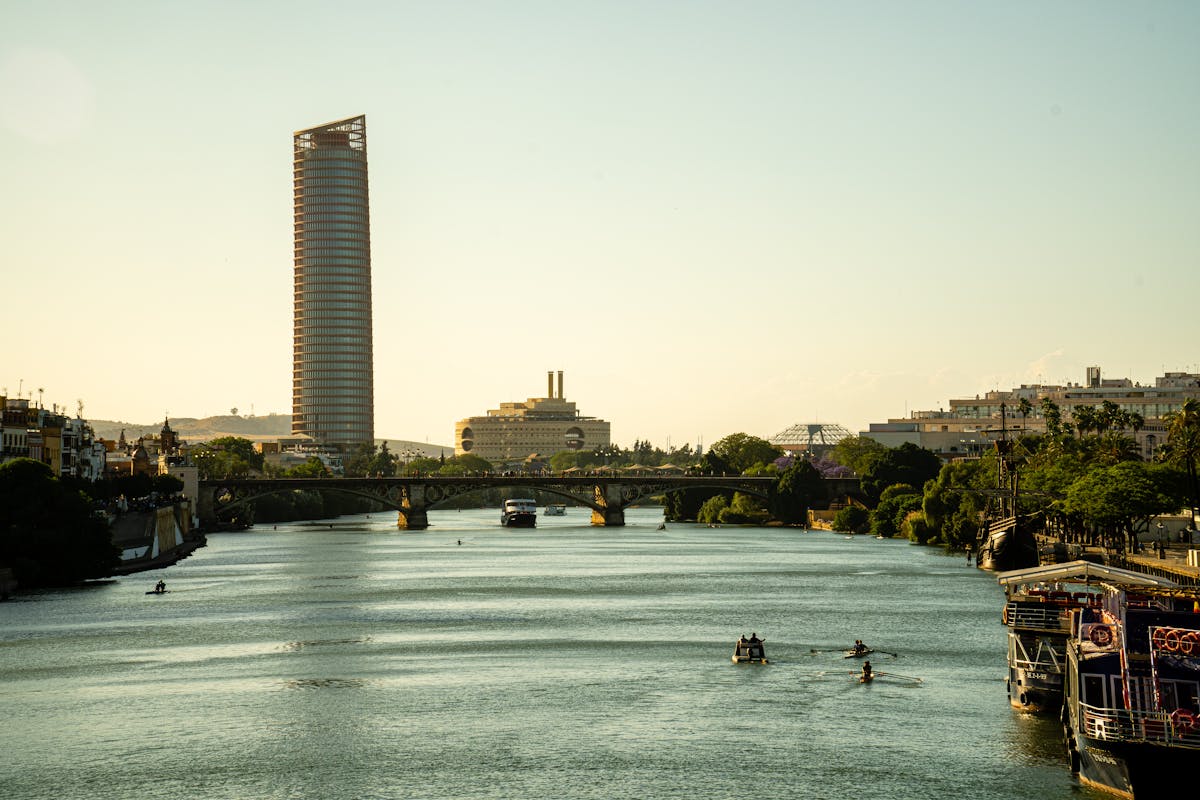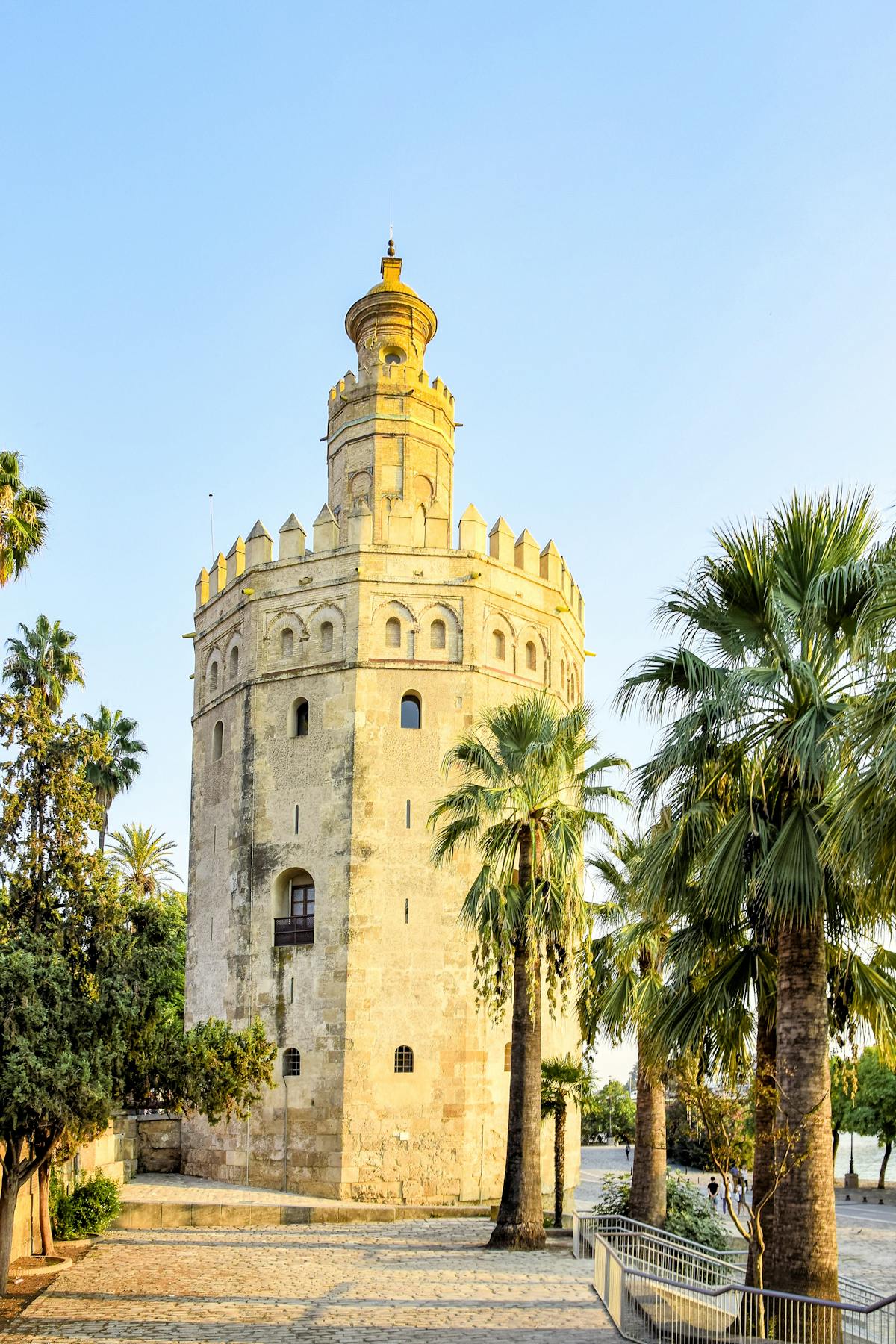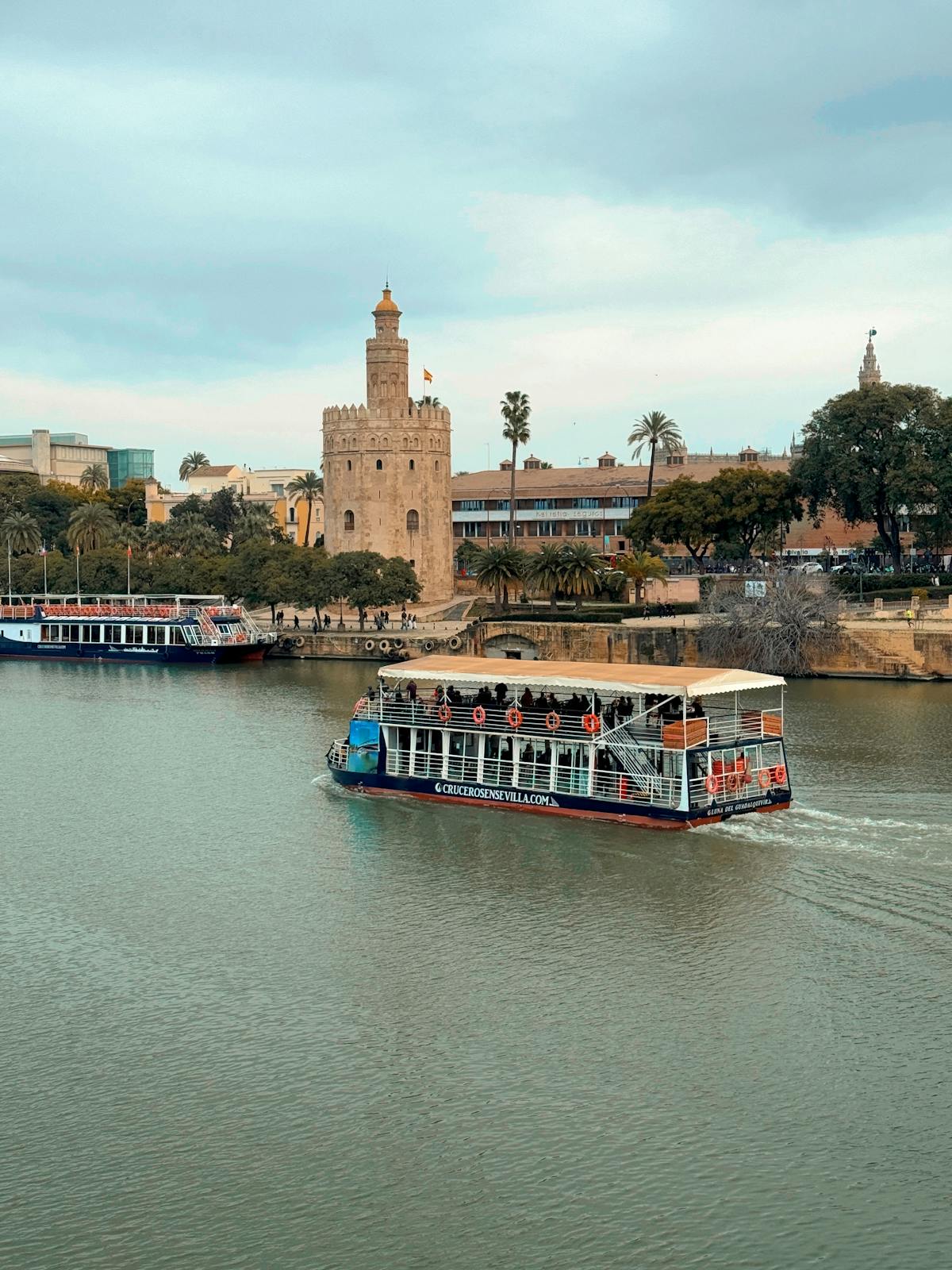
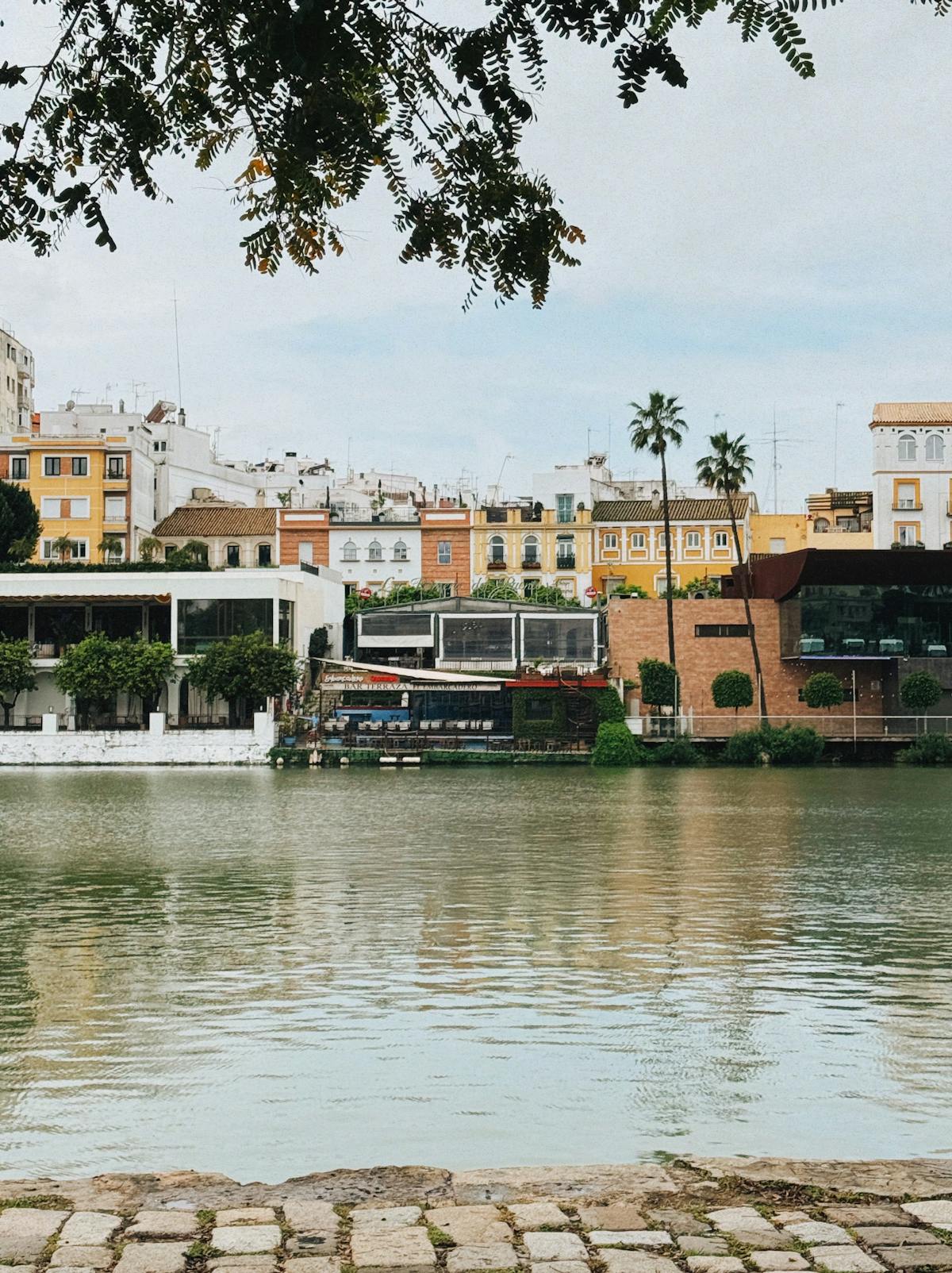
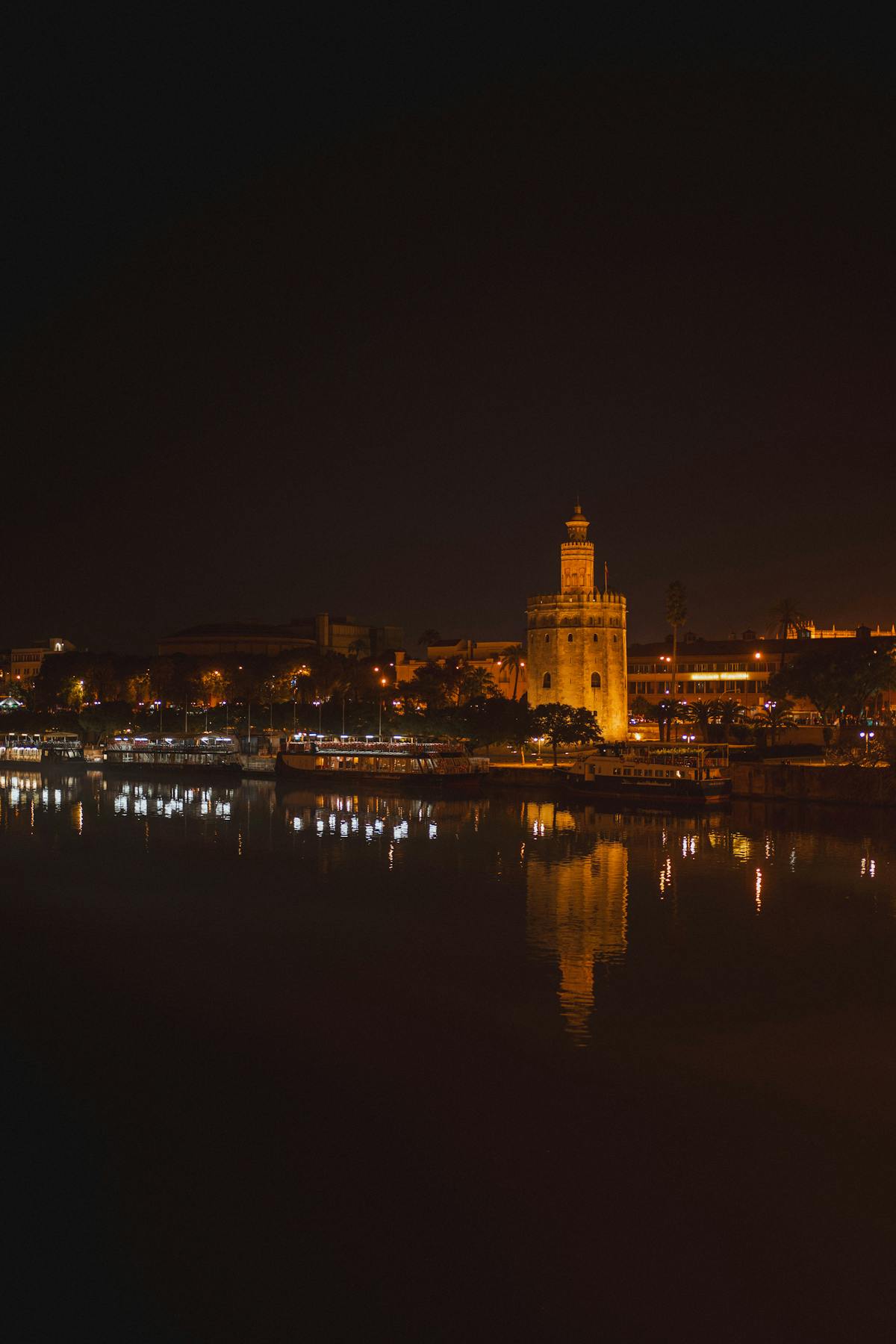
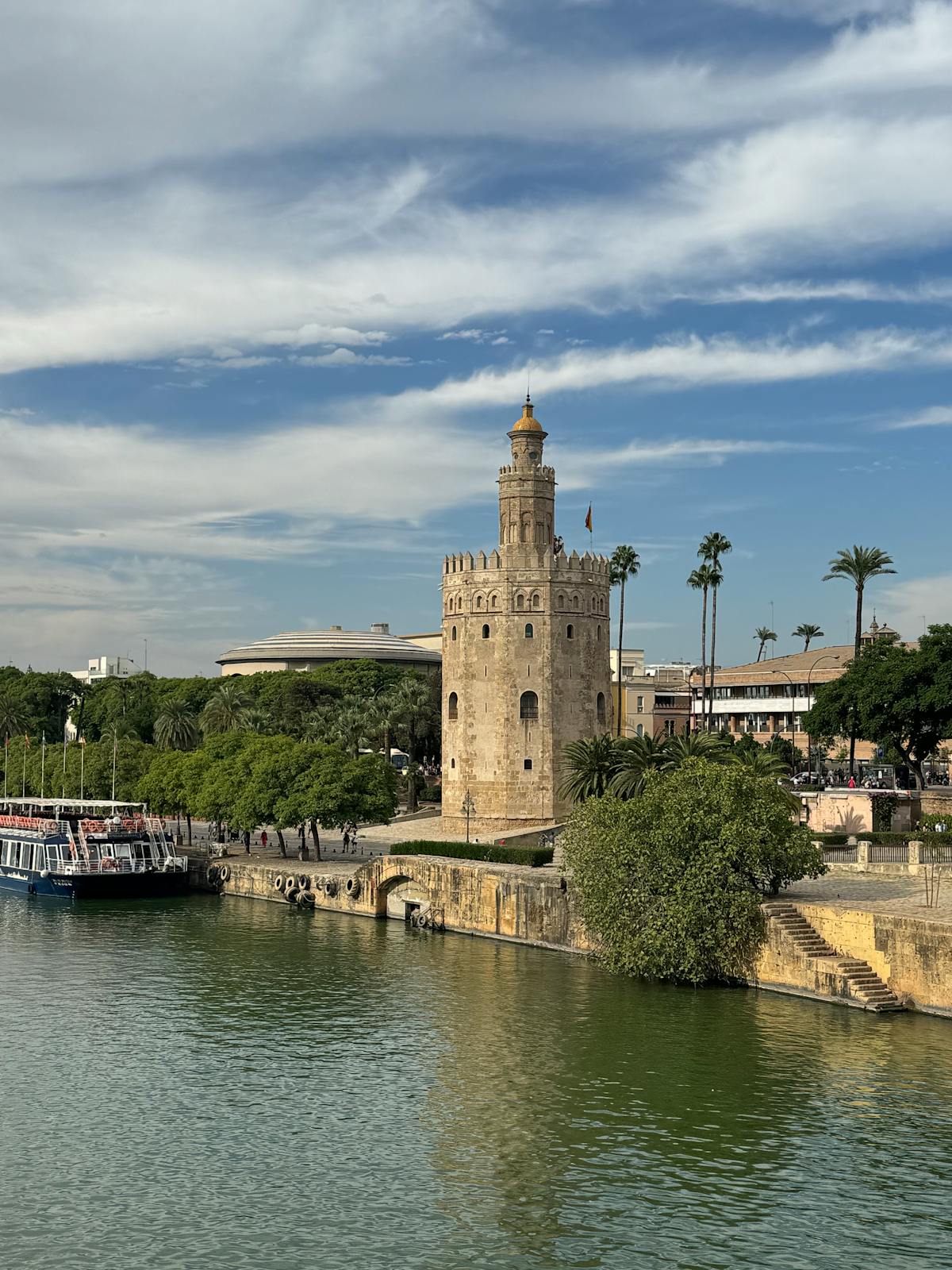
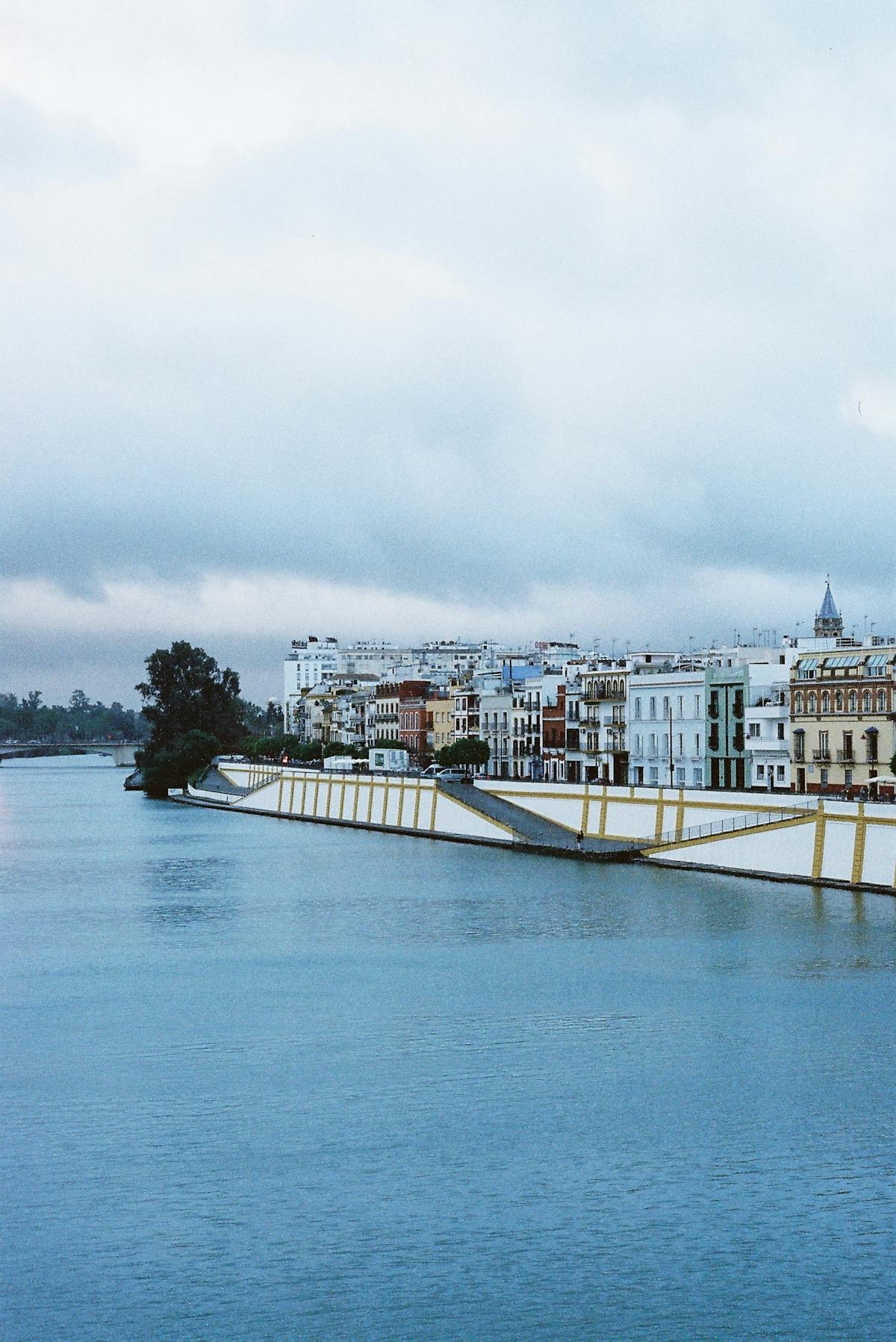
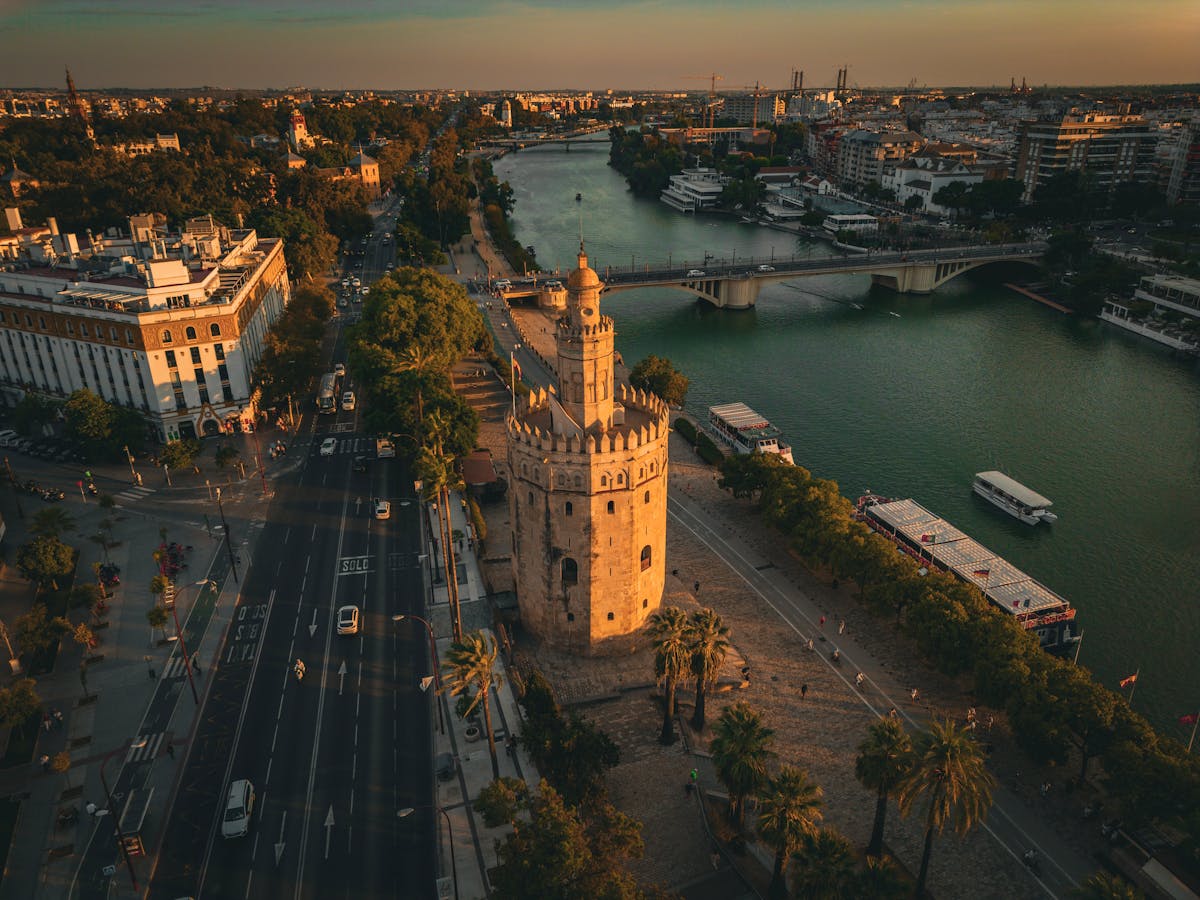
The Guadalquivir is the only navigable river in Spain, and for about five centuries it was the reason Seville existed. Every ounce of gold and silver hauled from the Americas came up this river. The galleons docked where the tour boats now idle. The Torre del Oro — that twelve-sided tower you see in every Seville postcard — was built to control a chain stretched across the water to block enemy ships. Now it watches over kayakers and sightseeing cruises instead.
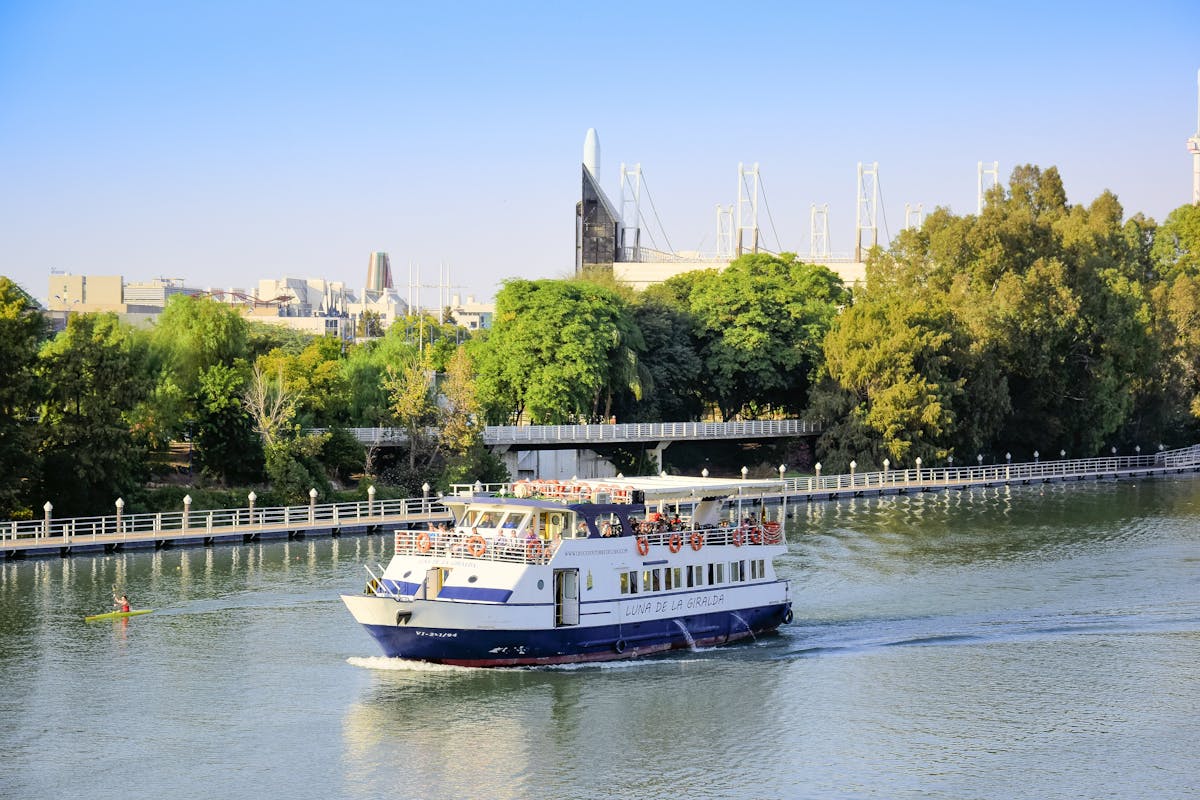
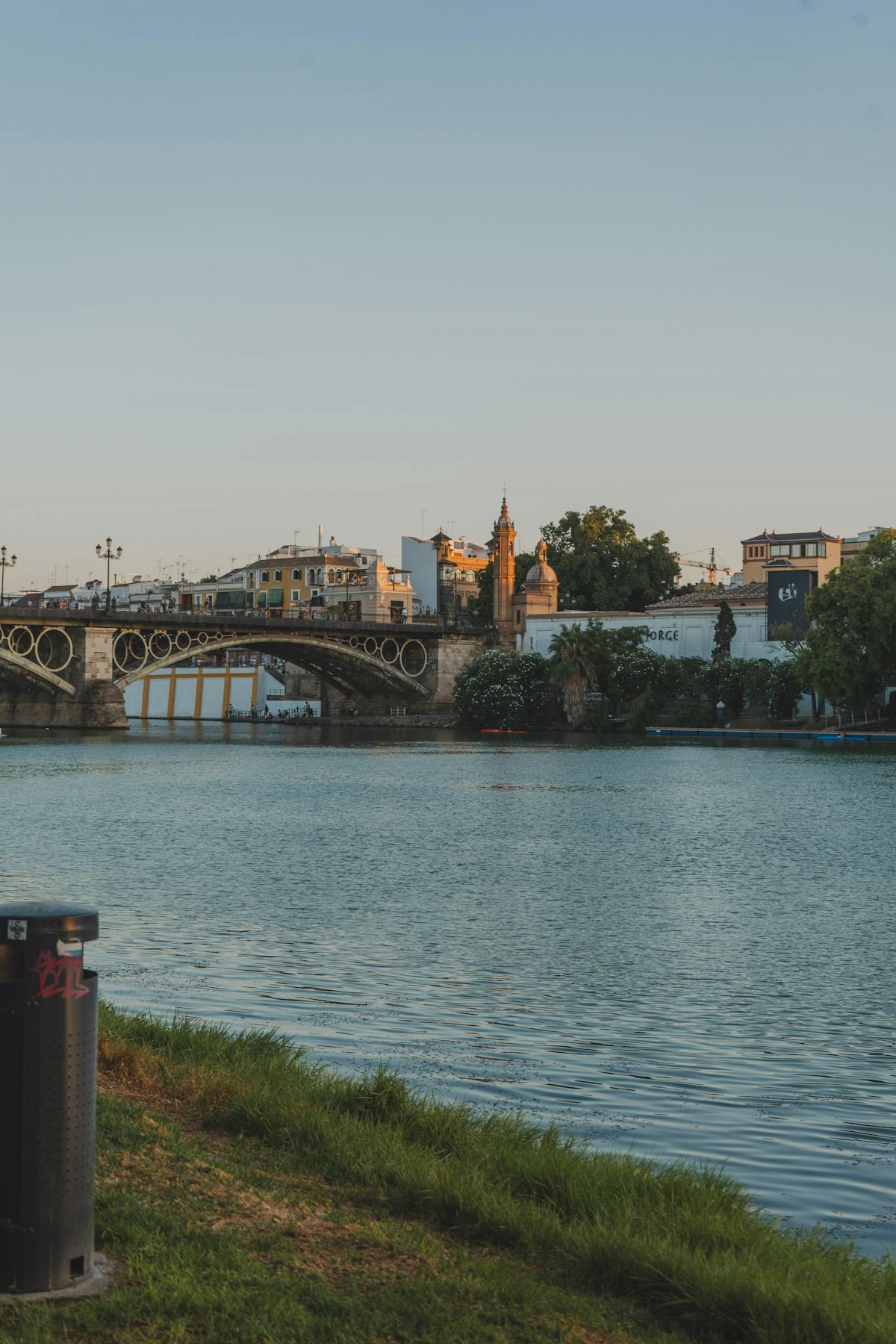
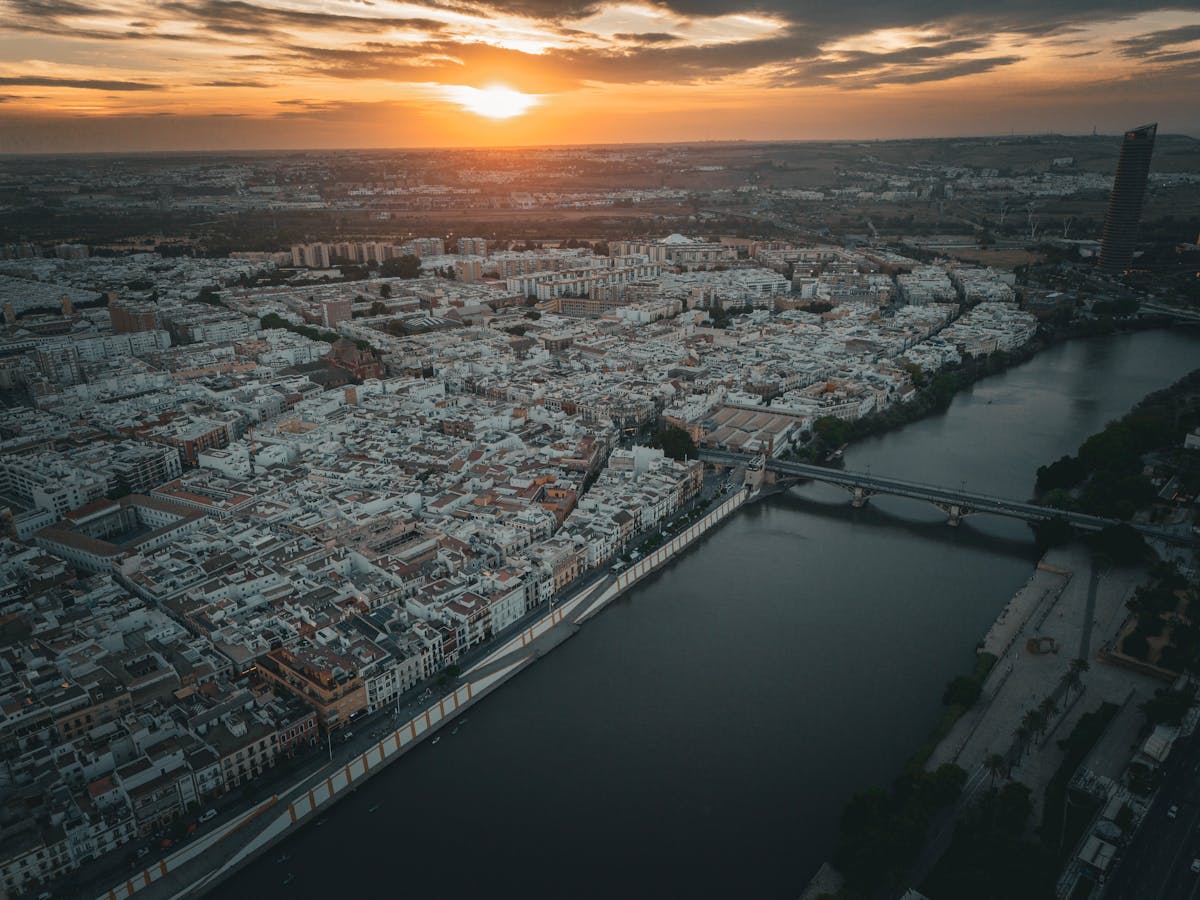
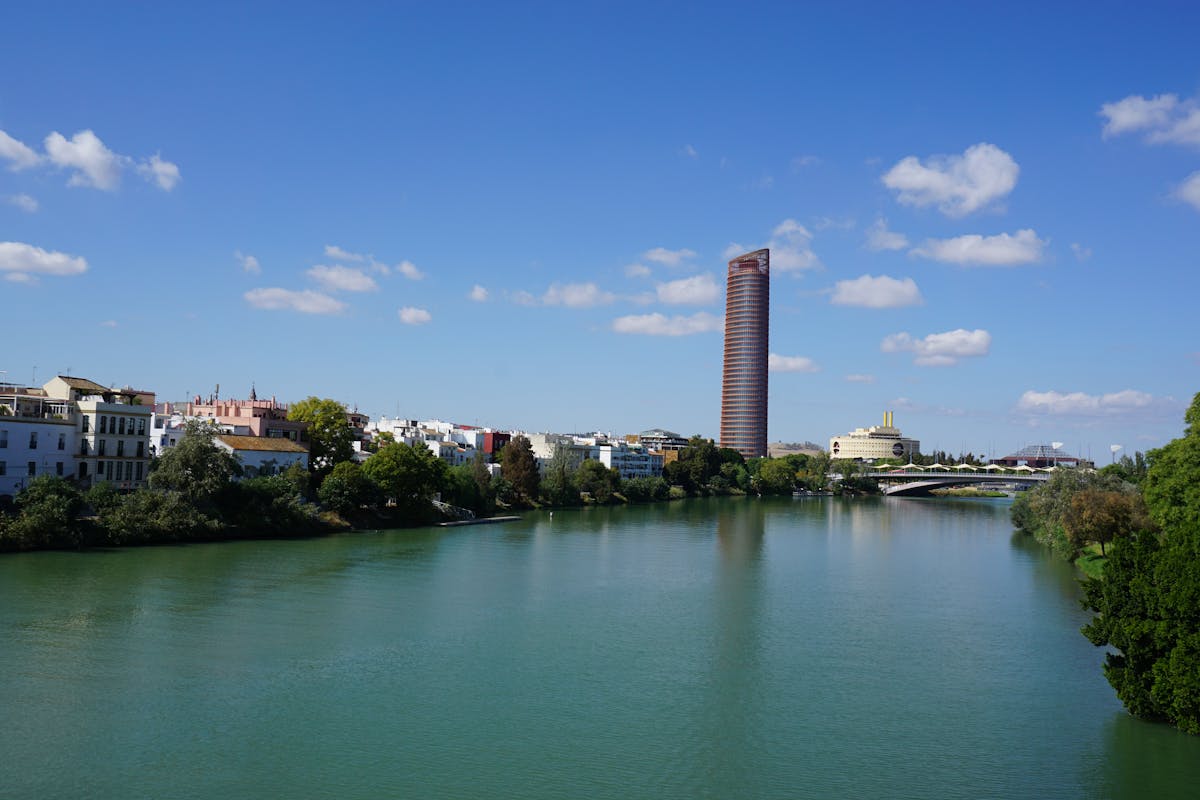
A river cruise here is not the Danube or the Rhine. It is short — one hour, maybe ninety minutes — and the stretch of river you cover is compact, roughly from the Triana Bridge down past the Plaza de Toros and back. But what you see in that hour is the condensed version of why Seville feels different from every other Spanish city. The old tobacco factory (now the university), the 1929 Expo pavilions, the bullring, the Triana waterfront with its ceramic workshops, and that tower. Always that tower, getting closer, then farther, then closer again.
This guide breaks down the different cruise options, compares the best ones available on GetYourGuide and Viator, and covers when to go, what to expect on board, and the honest downsides nobody mentions in the brochures.
In a Hurry? My Top Picks
- Best value cruise: 1-Hour Guadalquivir River Sightseeing Eco Cruise — $19 per person. One hour, open-air top deck, audio commentary in multiple languages. The default choice for most visitors and cheap enough that you will not regret it even if the weather turns. Book this cruise
- Best with food: Guadalquivir Boat Tour with Optional Lunch/Dinner — from $29 per person. Up to 2.5 hours with a meal on board. Turns a sightseeing cruise into an actual experience rather than just a ticket to tick off. Book this cruise
- Best tapas cruise: Exclusive River Boat Tour with Tapas — $41 per person. One hour with tapas and a drink included. Smaller group, more atmosphere, and the food is Sevillano-style rather than generic tourist fare. Book this cruise
- In a Hurry? My Top Picks
- What the Cruise Actually Includes
- Standard Cruise vs. Sunset vs. Dinner Cruise
- Best Guadalquivir River Cruises
- 1. 1-Hour Guadalquivir River Sightseeing Eco Cruise —
- 2. Guadalquivir River Boat Tour —
- 3. Guadalquivir Boat Tour with Optional Lunch/Dinner — +
- 4. Exclusive River Boat Tour with Tapas —
- When to Go
- Things Worth Knowing Before You Board
- More Seville Guides
What the Cruise Actually Includes
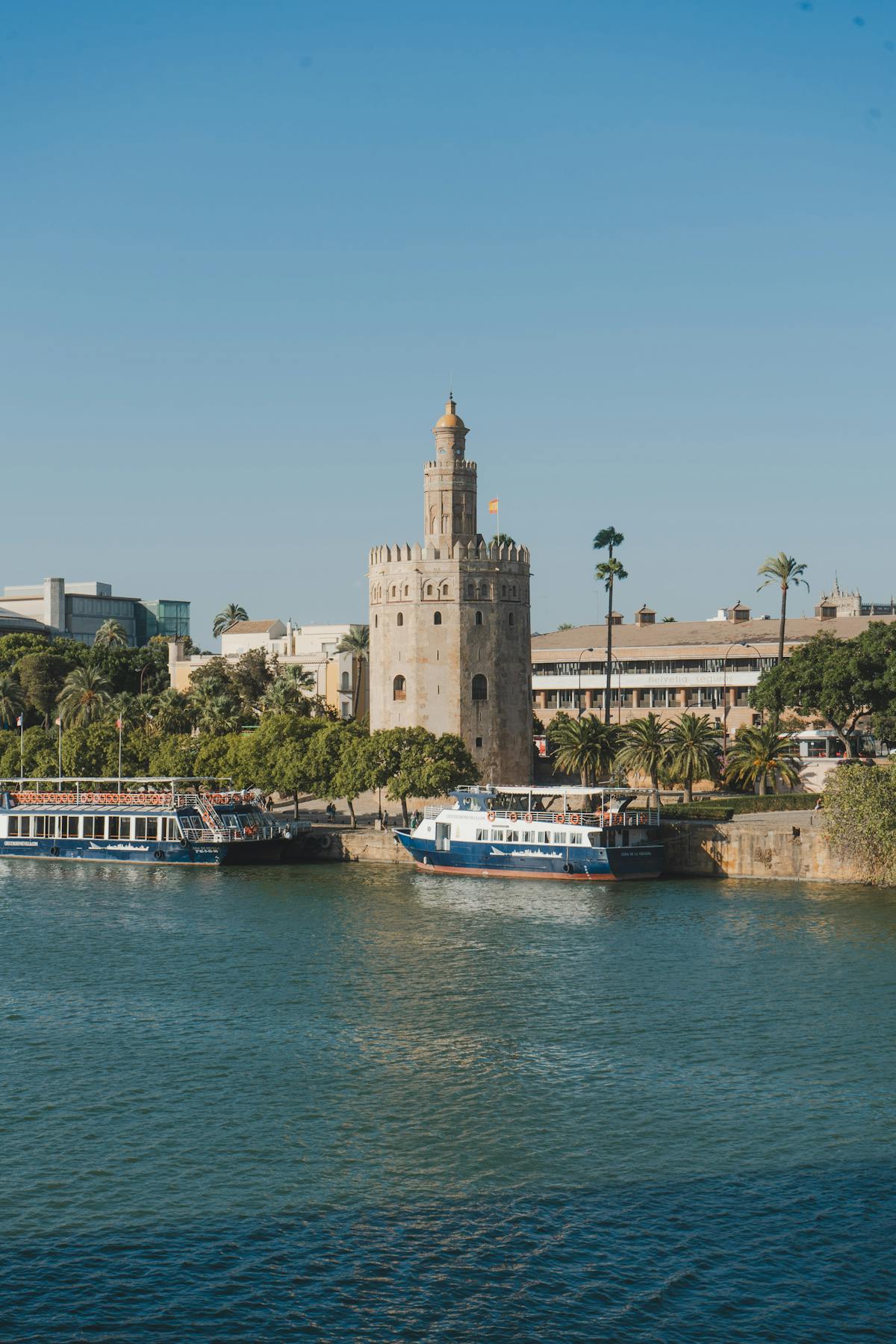
The standard Guadalquivir river cruise follows a set route. You board near the Torre del Oro, head south toward the San Telmo Bridge, loop past the 1929 Ibero-American Exposition grounds, then turn north through the heart of the city. The Triana Bridge marks the turnaround point before you head back to the dock. Total distance is roughly 8 to 10 kilometers.
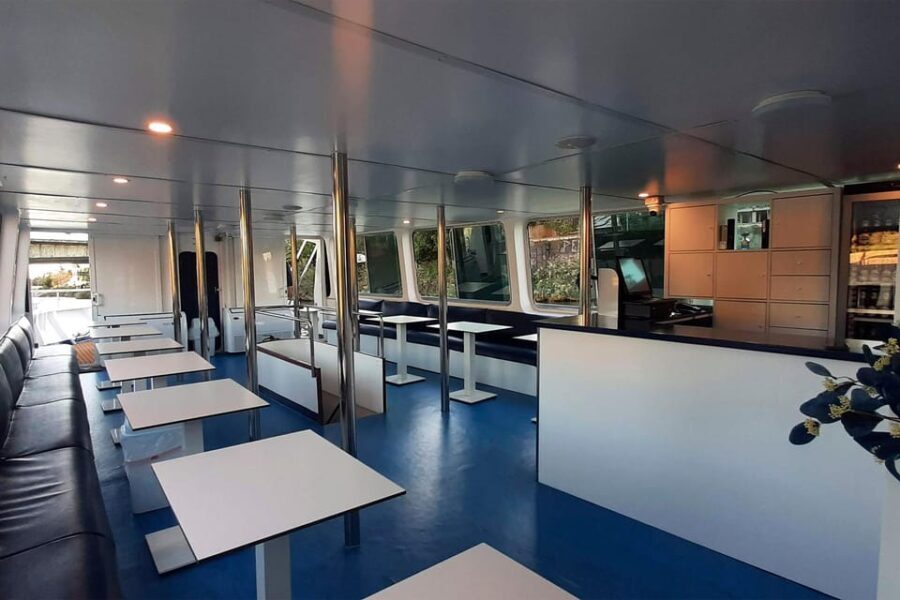
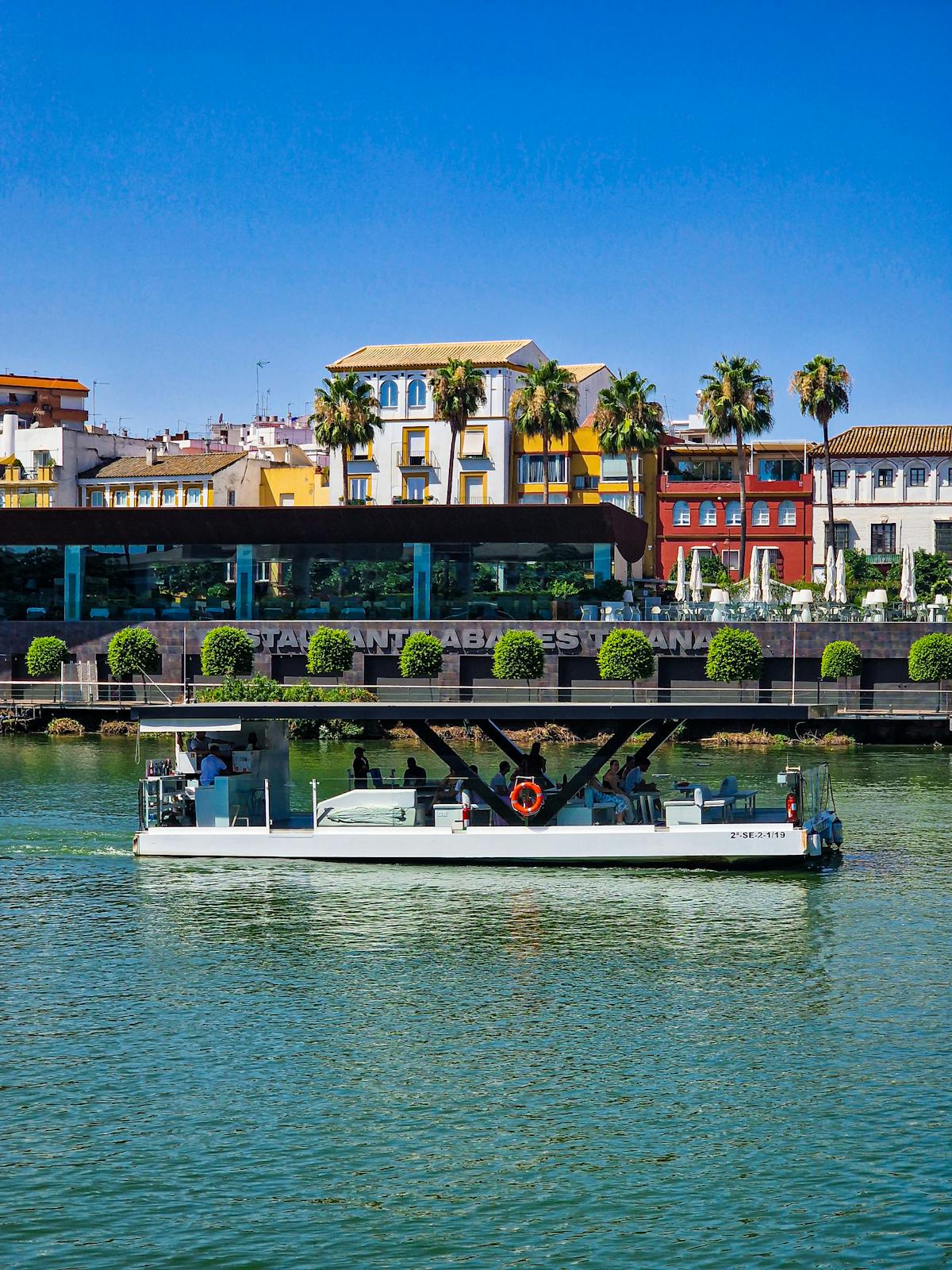
Every boat has two levels. The lower deck is air-conditioned and enclosed — glass windows on both sides, rows of seating. The upper deck is open-air with bench seating and shade canopies. Take the upper deck unless it is raining or the sun is genuinely dangerous (which in July and August, it is). The views are not even comparable between the two levels.
Audio commentary comes through speakers or personal headsets depending on the operator. Most offer six to ten languages. The commentary covers the major landmarks: Torre del Oro and its chain-across-the-river history, the Real Maestranza bullring, the old shipyard district, the Triana ceramic workshops visible from the water, the former tobacco factory that Carmen (yes, the opera) is set in, and the Expo 92 site further south.
What the cruise does NOT include: a guide standing in front of you pointing things out. These are not guided tours in the traditional sense. You sit, you listen to the audio, you look at the buildings sliding past. Some of the fancier options include food or drinks, but the basic format is the same across operators.
One thing worth knowing: the Guadalquivir is not a narrow canal. It is a proper river, wide enough that the far bank feels distant. Sitting on the wrong side of a lower-deck seat means you might be staring at water for half the trip while the interesting buildings are on the other side. Upper deck solves this problem entirely.
Standard Cruise vs. Sunset vs. Dinner Cruise
Three distinct experiences, and the right one depends more on what you want from the hour than on your budget.
Standard daytime cruise ($19-29): The pure sightseeing option. Best for photography because the light is clean and the landmarks are sharp against the sky. Morning departures tend to be quieter — fewer people, calmer water. The downside is that in summer, midday departures can be brutal on the upper deck. Even with the canopy, 40-degree heat plus river reflection equals sunburn. Spring and autumn mornings are the sweet spot.
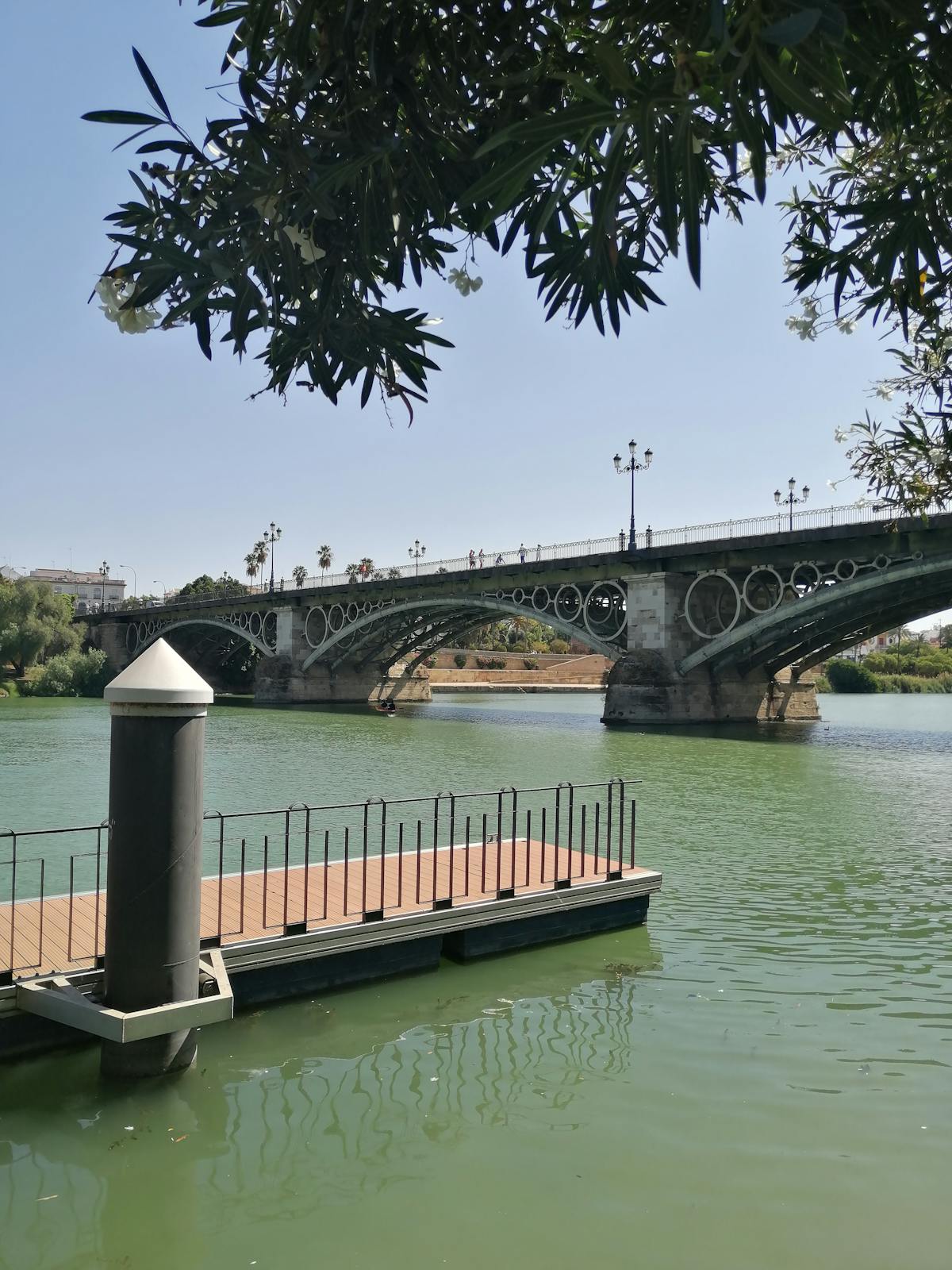
Sunset cruise ($19-29, same boats, different timing): Most operators run the same boats and routes but schedule specific departure times to catch the sunset. The experience is noticeably different. The Torre del Oro turns from limestone-pale to actual gold. The river reflects the sky. Triana’s waterfront bars light up as you pass. If you are only doing one cruise, this is the one I would pick, especially from September through November when the sunset timing aligns with early evening rather than 10 PM.
Dinner/tapas cruise ($29-41+): Adds food and often drinks to the standard route. The quality varies. The lunch/dinner option on the longer cruises tends to be a set menu — acceptable but not why you came to Seville. The tapas cruises are better because the portions are smaller, more varied, and feel more local. You are not sitting down to a plated meal; you are picking at jamón, cheese, olives, and croquetas while the city slides past. More atmospheric, less formal.
The price jump from standard to tapas cruise is about $12-22 per person. For that, you get food worth maybe $8-10 at a riverside bar plus the convenience of having it on the boat. It is not a bargain, but it is not a rip-off either. The real value is in making the hour feel like an event rather than a bus tour on water.
Best Guadalquivir River Cruises
Four cruises from the database covering the main categories: a budget standard option, a mid-range alternative, a food-inclusive upgrade, and a tapas-focused experience.
1. 1-Hour Guadalquivir River Sightseeing Eco Cruise — $19
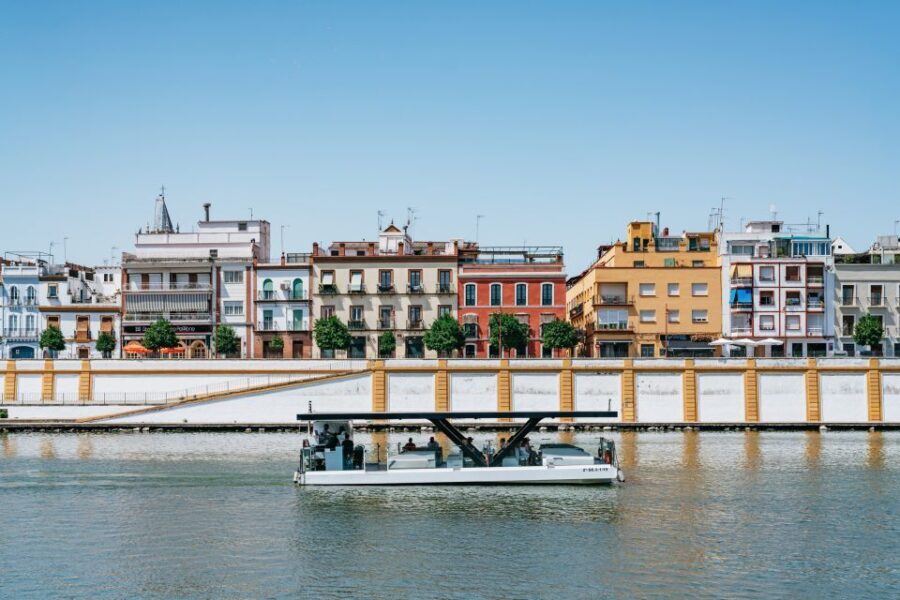
Duration: 1 hour | Price: $19 per person | Type: Standard sightseeing cruise with audio guide
The default option and the one with the highest volume of bookings for a reason. At $19, it is the cheapest way to get on the river, and the one-hour format covers the full route without feeling rushed or padded.
The “eco” in the name refers to the electric motors — quieter than diesel, and you notice the difference when the audio commentary pauses and you can actually hear the river and the city. The boat has an open upper deck and an enclosed lower deck. Go upstairs.
Audio commentary runs in about ten languages and covers the history of every building you pass. It is reasonably well-produced, not the tinny recording you might expect at this price point. The Torre del Oro section is the highlight — the story about the golden chain across the river to block Viking ships is the kind of detail that sticks.
The trade-off for the low price: no food, no drinks (there is a small bar on board where you can buy them), and groups can be large. On busy spring afternoons, the upper deck gets crowded and the good seats along the railing go fast. Board early if your booking allows it.
For most visitors doing a quick Guadalquivir cruise as one item on a packed Seville itinerary, this is the right choice. Save your food budget for a proper Triana tapas bar afterward.
2. Guadalquivir River Boat Tour — $29
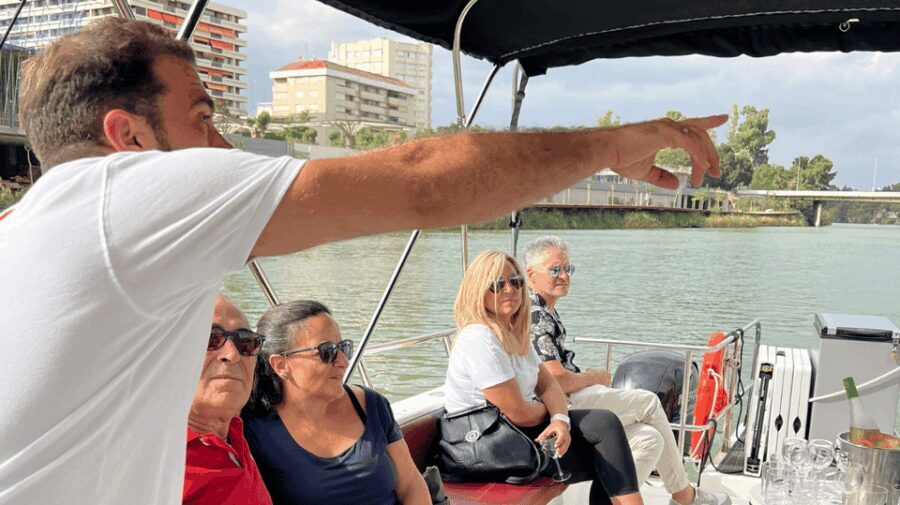
Duration: 1 – 1.5 hours | Price: $29 per person | Type: Sightseeing boat tour
Think of this as the mid-range upgrade. Same river, same route, but the boats tend to be newer, the group sizes somewhat smaller, and the duration extends up to 90 minutes rather than a strict 60.
The longer format means the commentary has room to breathe. Instead of rapid-fire facts about each building, there are pauses where you just watch the city go by. Those quiet stretches are when the cruise actually feels like a cruise rather than a moving lecture.
The boats on this tour are well-maintained and the upper deck seating is more comfortable than the budget option — actual cushioned benches rather than plastic seats. A small bar on board serves drinks at reasonable prices (for a tourist boat, anyway — expect to pay about 3-4 euros for a beer).
At $29, you are paying $10 more than the eco cruise for a somewhat better boat and a slightly longer ride. Whether that is worth it depends on how much you value comfort over value. If the Guadalquivir cruise is a box to check, save the $10. If you want to actually enjoy the hour on the water, this is where the experience starts feeling less transactional.
3. Guadalquivir Boat Tour with Optional Lunch/Dinner — $29+
Duration: 1.5 – 2.5 hours | Price: from $29 per person | Type: Cruise with optional meal
The base price of $29 gets you the cruise without food — essentially the same as the standard boat tour above. The meal options add to the cost depending on what you choose: a light lunch, a full dinner, or drinks only. The booking page lets you pick your tier.
The dinner cruise at sunset is the version worth paying for. You eat while the light changes over the river, the Torre del Oro goes from daytime limestone to golden-hour amber, and the Triana waterfront starts to glow. The food is a set Spanish menu — nothing that will make you forget the tapas bars in Santa Cruz, but decent enough that you are not distracted by disappointment.
The lunch option is less compelling, honestly. Midday light on the Guadalquivir is flat, the heat in summer makes sitting on an upper deck with food unappealing, and you are eating a meal during what should be prime sightseeing hours in Seville. If you want to eat on the water, do it at sunset.
The 2.5-hour duration of the dinner cruise is the longest of any option here, and that extra time changes the pace. You are not being hustled through audio commentary points. You eat, you look, you eat some more. The river feels slower.
4. Exclusive River Boat Tour with Tapas — $41
Duration: 1 hour | Price: $41 per person | Type: Small group cruise with tapas and drink
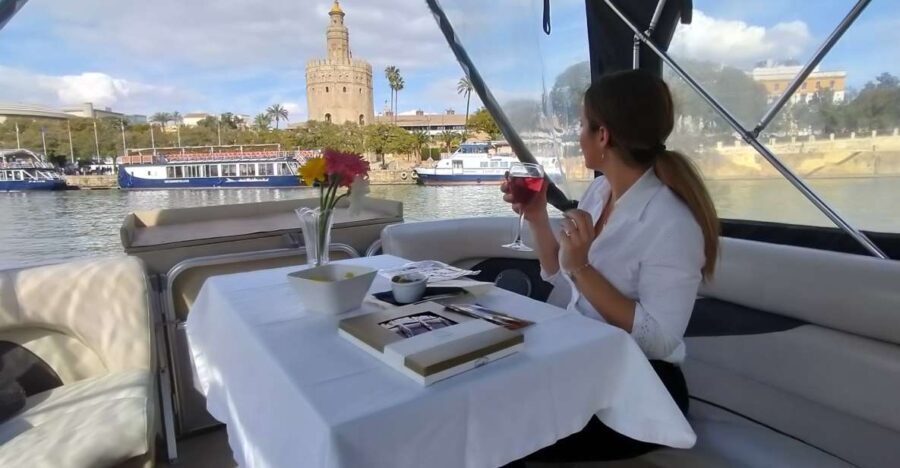
This one shifts the emphasis from sightseeing to atmosphere. The boat is the same stretch of river, the same landmarks pass by, but you are eating Andalusian tapas with a drink in hand and the group is small enough that it feels social rather than anonymous.
The tapas spread typically includes jamón ibérico, local cheese, olives, bread with tomato, and one or two hot items like croquetas or montaditos. A glass of wine, beer, or soft drink is included. The food quality is a clear step above what you get on the dinner cruise option — smaller portions, but more carefully selected and more authentically Sevillano.
Group sizes are capped lower than the standard cruises, which means the deck does not feel packed and you can actually move around. The atmosphere on the evening departures is the best of any option on this list — closer to a floating bar with views than a tour bus on water.
At $41, you are paying $22 more than the basic eco cruise. About $10-12 of that covers food and drink that is genuinely worth consuming. The rest pays for a better boat, smaller crowd, and an experience that you might actually tell someone about over dinner. For couples or groups of friends who want the river cruise to be a highlight of the evening rather than a quick sightseeing stop, this is the one.
The downside: one hour feels short when you are enjoying yourself. The longer dinner cruise gives you more time on the water, even if the food is less interesting. If lingering matters more than food quality, go with option 3 instead.
When to Go
Seville’s climate is one of the hottest in Europe, and it absolutely affects which cruise you should book and when.
Best months: March, April, October, November. Air temperatures sit around 20-28 degrees, the sun is warm without being punishing, and the light on the water is incredible in both spring and autumn. These months also have the best sunset timing for evening cruises — golden hour falls between 7 and 8 PM, early enough that you are not waiting around until 10 PM for the light to change. Book ahead for Semana Santa (Holy Week, usually late March or April) when Seville fills beyond capacity and everything sells out.
Summer (June to August): Seville regularly hits 40-45 degrees Celsius. The upper deck of a river cruise at 2 PM in July is not sightseeing — it is endurance. If you are visiting in summer, book either the first morning departure or a sunset cruise. The evening departures work well because the temperature drops to something tolerable by 8 PM and the river breeze helps. Avoid anything between noon and 5 PM unless you actively enjoy heat stroke.
Winter (December to February): Mild by European standards — daytime temperatures around 12-17 degrees. The cruise is perfectly comfortable with a jacket, and the shorter days mean sunset cruises happen at a civilized 6-7 PM. Crowds are thin. The downside is that some operators reduce their schedule in winter, running fewer departures per day or skipping weekdays entirely. Check availability before assuming your preferred time slot exists.
Time of day: Sunset, every time. The Guadalquivir faces roughly west to southwest along the main cruise route, meaning the sun drops directly over the river as you sail. Morning cruises are fine for photography — clean light, fewer people — but they lack the drama. If you are picking one departure, sunset with a glass of wine on the upper deck is the answer.
Things Worth Knowing Before You Board
The dock is next to the Torre del Oro. Most cruises depart from the Muelle de la Sal or the embankment immediately south of the Torre del Oro on the eastern bank. The walk from the Cathedral takes about 10 minutes. If your map shows you a location on the Triana side, double-check your booking — some kayak tours leave from Triana, but the sightseeing cruises almost all depart from the old city side.
Arrive 15 minutes early, not 5. The boats leave on schedule and they will not wait. The boarding process involves checking your confirmation (phone screen is fine), picking a seat, and figuring out the stairs to the upper deck. Fifteen minutes gives you time to grab a railing seat on the top deck. Five minutes means you get whatever is left.
Sunscreen and a hat in summer. Seriously. The upper deck canopy provides shade for the center seats, but the edges are exposed. An hour of direct Seville sun in July without protection will leave a mark. Sunglasses are essential — the river glare is intense.
The lower deck has air conditioning but worse views. If the heat is unbearable, the enclosed lower deck is comfortable. But you are watching the city through glass windows that are not always clean, and the experience loses most of its charm. The upper deck is the reason to do this cruise. If the weather forces you below, you might want to reschedule.
Bring a light jacket for evening cruises in spring and autumn. Once the sun dips, the river breeze picks up, and it gets cool fast. The shift from warm afternoon to chilly evening happens quickly on the water, especially in October and November.
Audio commentary is fine, not great. Expect a competent overview, not an engaging storytelling experience. The historical facts are accurate and well-organized, but the delivery is recorded and functional rather than captivating. If you have already read about Seville’s history, you might find yourself tuning out the audio and just watching the city go by. Which, honestly, is not a bad way to spend an hour.
Seasickness is not an issue. The Guadalquivir is a river, not the open ocean. The water is calm, the boats are wide and flat-bottomed, and the speed is slow. Even people who struggle on ferries should be fine here.
Combine the cruise with a Triana walk. After disembarking, cross the Triana Bridge on foot and explore the Triana market (Mercado de Triana) and the ceramic shops along Calle San Jacinto. The market has good food stalls and the ceramics are made in workshops you just saw from the water. It turns a one-hour cruise into a half-day experience.