
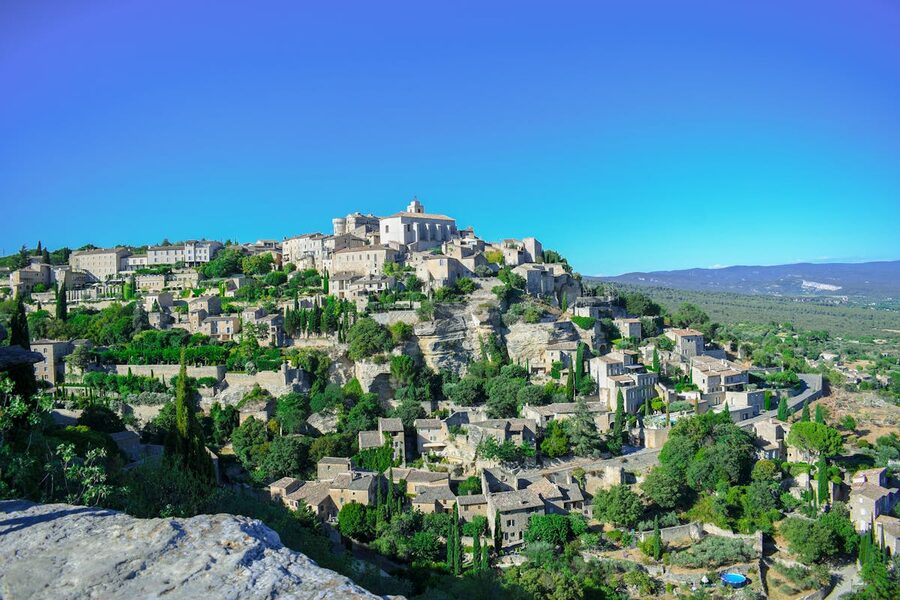
The first thing that hits you in Grasse isn’t the view, though the view from Place du Cours across the valley to the distant Mediterranean is genuinely impressive. It’s the smell. Not one smell, exactly, but a shifting mix of rose absolute, jasmine, and something green and sharp that changes every time you turn a corner. This is a town that has been making perfume since the 16th century, and you can feel it in the air.
I’d booked a workshop at Molinard before the trip, expecting something touristy and basic. Ninety minutes later I was standing over a small tray of 90 essence strips, genuinely struggling to build a middle note I was happy with. It was harder than I expected, more absorbing than I expected, and the little bottle I took home smelled better than most things I’d bought in a department store.
Grasse is the undisputed capital of the perfume world. Catherine de Medici arrived in the 16th century with a taste for perfumed gloves, and the town’s leather tanners pivoted to making fragrances. By the 19th century, Grasse was supplying the raw materials for nearly every major perfume house in France. Chanel No. 5? The jasmine and rose come from fields just outside town. Patrick Suskind set his dark novel Perfume partly here for good reason.
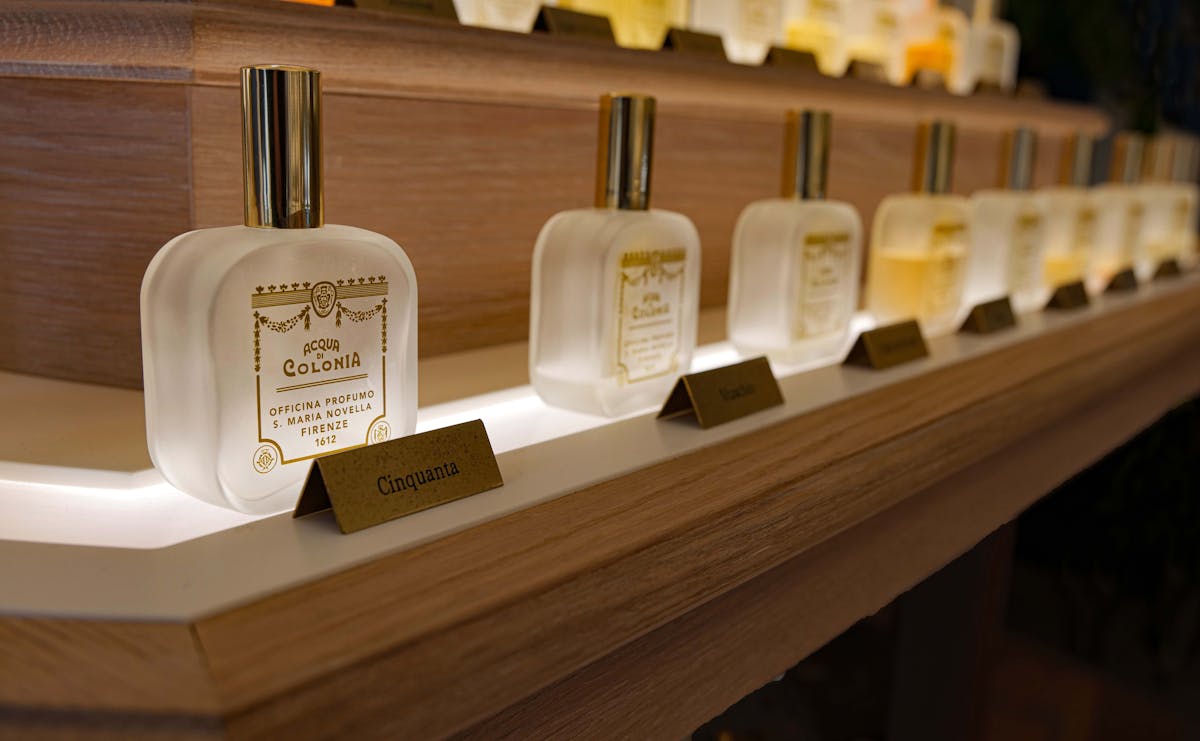
Three historic perfume houses still operate in Grasse: Galimard (1747), Molinard (1849), and Fragonard (1926). Each runs workshops where you can create your own scent under the guidance of a trained perfumer. Here’s how to book one, what the differences are, and which one is actually worth your time.
Best overall: Molinard Classic Workshop in Grasse — $98. The most immersive option. One full hour with 90 essences and expert guidance. Worth the splurge.
Best budget: Fragonard Perfume Workshop in Eze — $36. Great value with a factory tour and Mediterranean views. Done in 45 minutes.
Best factory experience: Fragonard Factory Tour + Workshop in Grasse — $36. Behind-the-scenes access in the perfume capital itself.
- How Perfume Workshops in Grasse Actually Work
- Booking Directly vs Through a Tour Platform
- The Best Perfume Workshops to Book
- 1. Molinard Classic Perfume Workshop in Grasse —
- 2. Fragonard Perfume Workshop in Eze —
- 3. Fragonard Factory Tour + Workshop in Grasse —
- When to Visit
- How to Get to Grasse
- Tips That Will Save You Time and Money
- What You’ll Actually Learn
- More Guides for the French Riviera
How Perfume Workshops in Grasse Actually Work
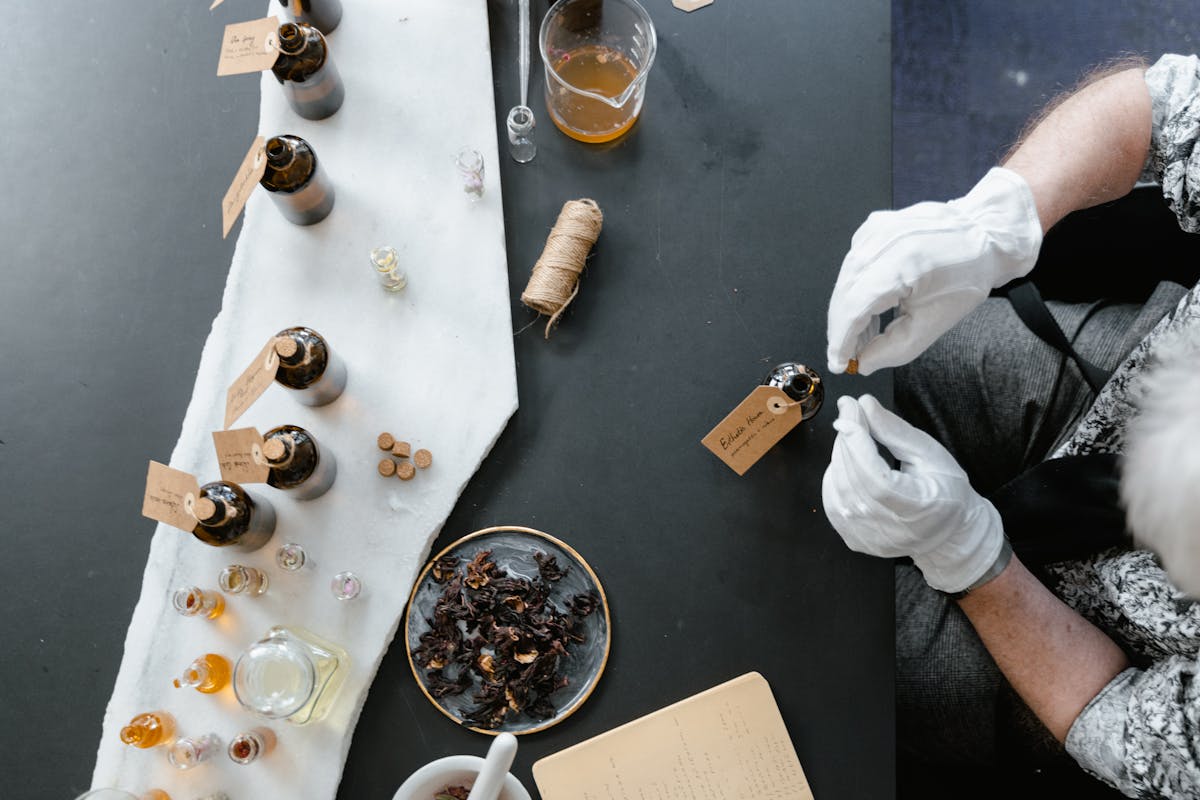
Every workshop follows roughly the same format, but the details vary by house. You arrive, sit at a worktable with a tray of numbered essence strips, and a perfumer walks you through the basics of fragrance composition. Top notes are what you smell first (citrus, herbs, light florals). Heart notes form the character of the perfume (rose, jasmine, iris). Base notes anchor everything (sandalwood, vanilla, musk).
Then you start building. You dip blotter strips into different essences, smell them individually, then start layering combinations. The perfumer circulates, offering suggestions and steering you away from combinations that won’t age well. Some essences smell incredible on a strip but develop into something unpleasant after twenty minutes on skin. That’s why having an expert in the room matters.
At the end, your formula is recorded. Most houses will let you reorder the exact same blend later, which is surprisingly useful if your creation turns out to be something you actually want to wear. The whole process takes 45 minutes to an hour depending on the workshop, and you walk out with a personalised fragrance and a new appreciation for why a small bottle of perfume can cost what it does.
Booking Directly vs Through a Tour Platform
You can book workshops directly through each perfume house’s own website, or through tour platforms like GetYourGuide. Here’s the honest breakdown.
Booking directly sometimes gives you more flexibility on time slots, and Galimard in particular runs extended 2-hour sessions that don’t appear on third-party platforms. But the English-language booking process on the perfume house websites can be clunky, and cancellation policies are less forgiving.
Booking through GetYourGuide gives you free cancellation up to 24 hours before (on most listings), instant confirmation, and a single interface if you’re also booking other activities in the area. The prices are the same or within a few euros. For most visitors, I’d go with GetYourGuide unless you want one of the specialist sessions that only the houses themselves sell.
One thing to know: workshops in Grasse proper tend to run smaller groups than the Eze or Nice branches. If you can get to Grasse (it’s about 40 minutes by car from Nice, or there’s a bus), the experience is usually more intimate. But the Paris perfume workshops and the Eze outposts are genuinely good too, just busier.
The Best Perfume Workshops to Book
1. Molinard Classic Perfume Workshop in Grasse — $98
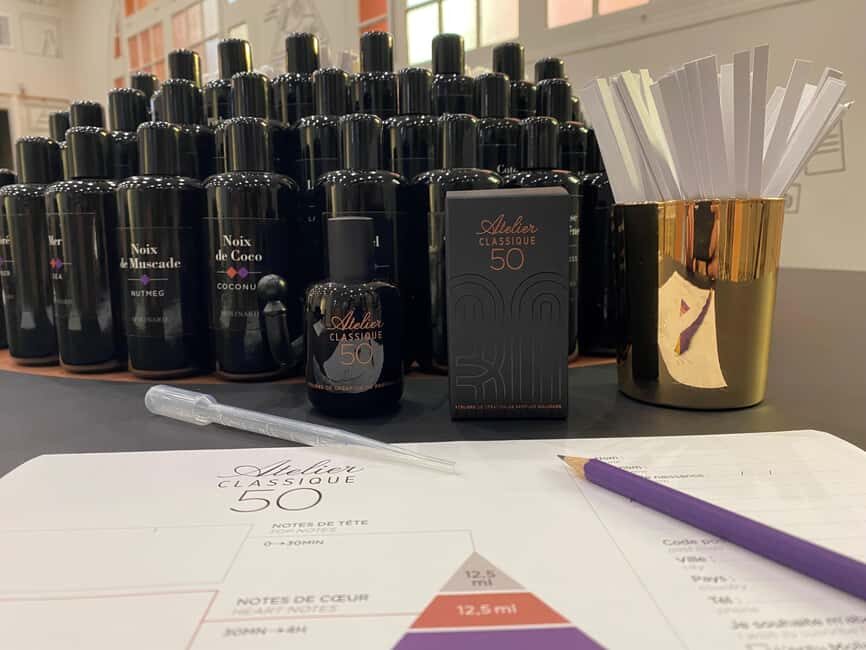
This is the one I keep coming back to. Molinard’s classic workshop gives you a full hour with 90 essences, which is significantly more than most competitors offer. The perfumers here don’t rush you. They explain the history of each family of scents, let you work at your own pace, and are genuinely good at helping you find combinations you wouldn’t have tried alone.
At $98 it’s the priciest option on this list, but the difference is noticeable. The building is the original Molinard headquarters, dating to 1849, and the atmosphere adds something that the more modern workshop spaces can’t match. You’re creating a perfume in the same house where generations of perfumers worked, and the collection of available essences reflects that heritage.
One minor complaint: parking in central Grasse is a headache. Come by bus or leave extra time to find a spot. But once you’re inside, it’s the best workshop experience I’ve found on the Riviera.
2. Fragonard Perfume Workshop in Eze — $36
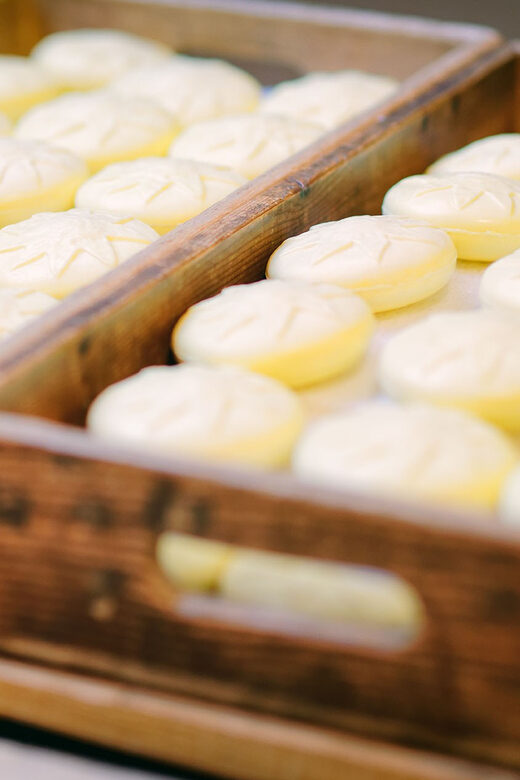
If you’re staying in Nice and don’t want to drive all the way to Grasse, the Fragonard workshop in Eze is a smart alternative. At $36 it’s less than half the price of Molinard, and you still get a hands-on perfume creation experience plus a guided tour of the factory.
The 45-minute format moves briskly but doesn’t feel rushed. You’ll work with a smaller palette of essences than at Molinard, but the guidance is solid and the factory tour adds genuine interest. You’ll see the extraction equipment, learn how enfleurage works (the traditional method for capturing jasmine and tuberose), and understand why Grasse’s location matters for the industry.
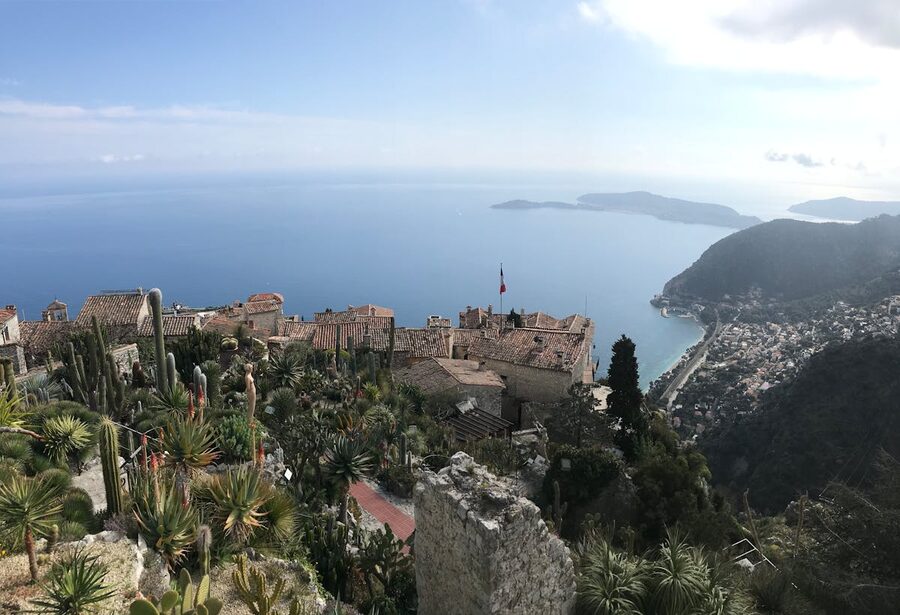
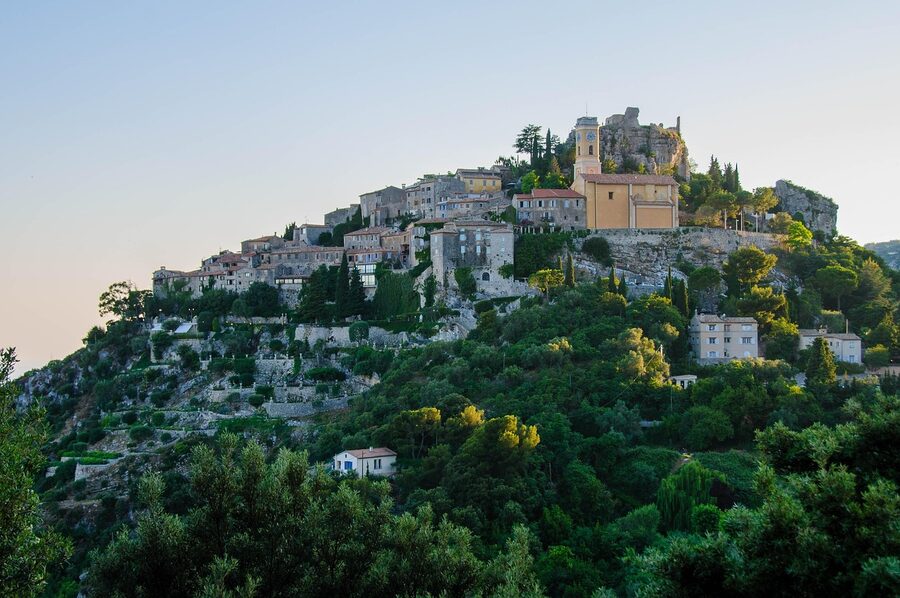
The real bonus is the location. Eze is gorgeous, perched on a cliff above the Mediterranean, and you can easily spend a couple of hours exploring the medieval village before or after your workshop. The views from the top are legitimately spectacular. Combine it with a Monaco day trip since Eze is right on the route between Nice and Monte Carlo.
3. Fragonard Factory Tour + Workshop in Grasse — $36
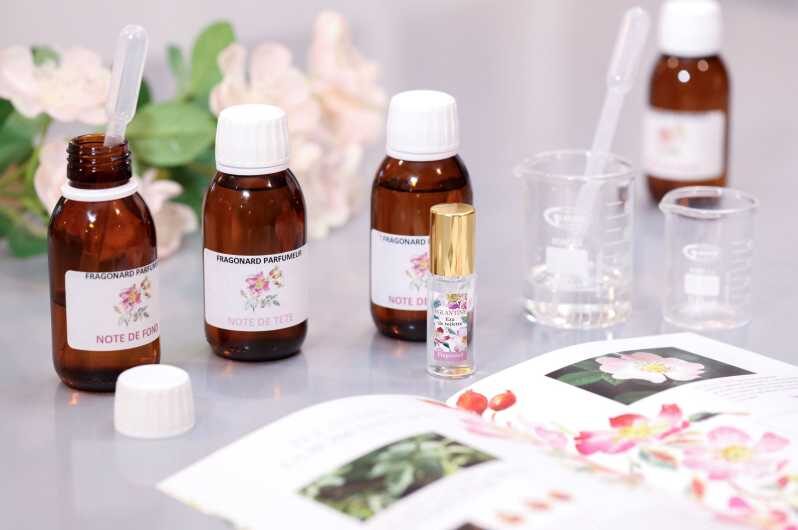
Same brand, same price, different experience. The Fragonard workshop in Grasse trades the dramatic cliff-top setting of Eze for something more authentic: the actual production facility where Fragonard makes its fragrances. If you care more about the craft than the scenery, this is the better Fragonard option.
The factory tour here goes deeper than the Eze version. You’ll see industrial-scale extraction equipment, vats of aging absolutes, and the quality control process. It’s the kind of behind-the-scenes access that turns a 45-minute activity into something you’ll actually remember and talk about at dinner. At $36 for both the tour and the workshop, the value is hard to beat.
Grasse itself is worth exploring beyond the perfumeries. It’s a proper Provencal town with good restaurants, a 12th-century cathedral, and narrow streets that are quieter and more relaxed than anything on the coast. Several visitors have noted it makes a welcome change from the pace of Nice and Cannes.
When to Visit
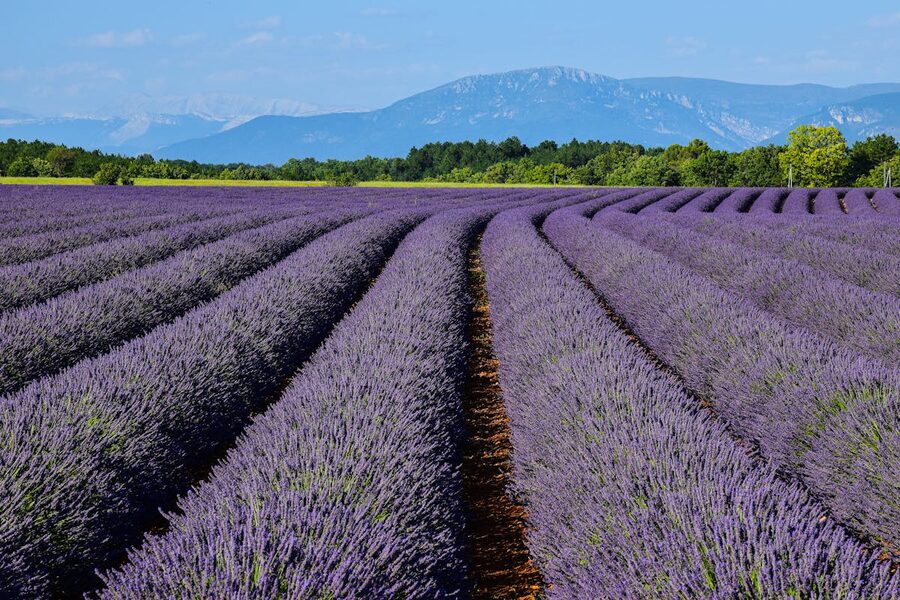
Workshops run year-round, but the experience changes with the seasons.
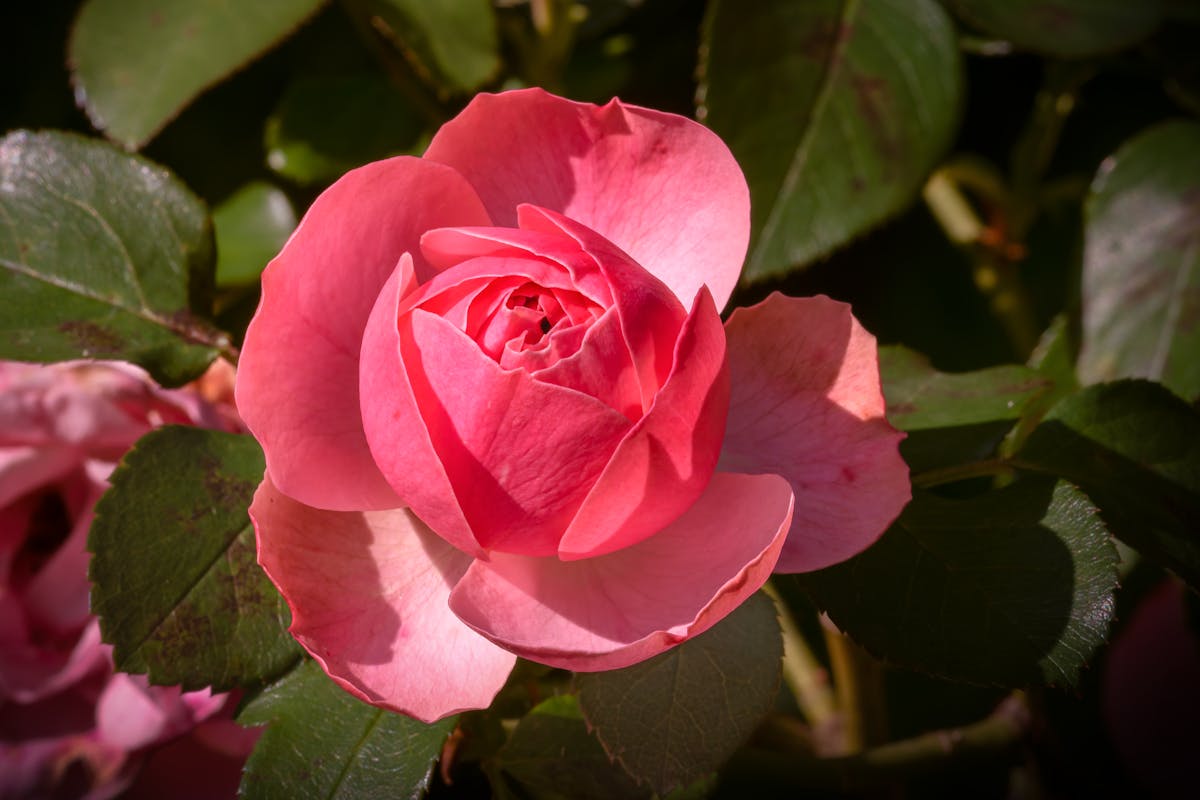
May is rose harvest season. The centifolia roses that supply Chanel and other major houses bloom in the fields around Grasse, and some workshops offer extended sessions that include a field visit. If you can time your trip for the last two weeks of May, do it.
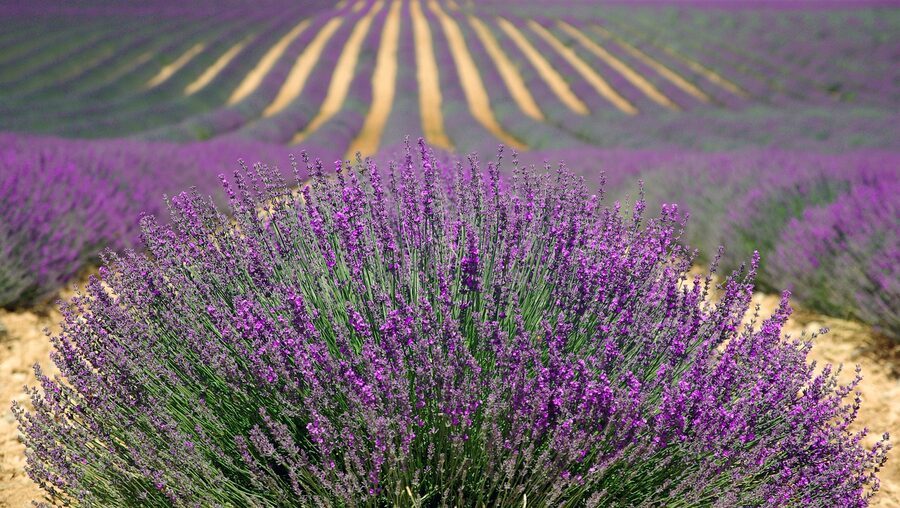
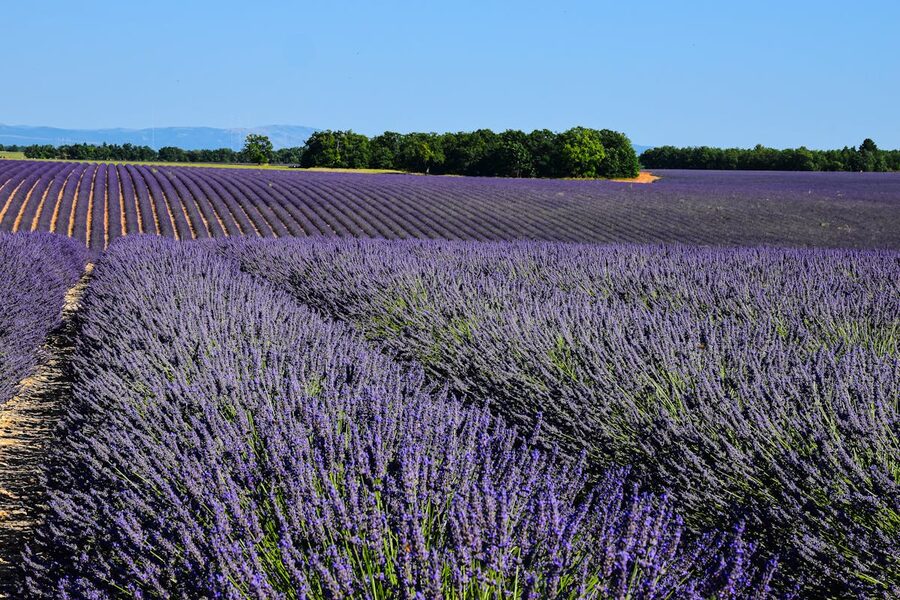
June to August is lavender season. The fields between Grasse and Valensole turn purple and the whole region smells incredible. This is also peak tourist season, so book workshops at least a week in advance. Summer temperatures push 30 degrees Celsius, and the workshop rooms can get warm.
September and October bring the jasmine harvest. Grasse jasmine (Jasminum grandiflorum) is considered the finest in the world, and the annual Jasminades festival in early August celebrates the first blooms. But the real harvest continues into autumn.
November to April is quieter, and workshops run with smaller groups. Prices are the same, but you’ll have more attention from the perfumer and the town is less crowded. The downside is you won’t see or smell the raw flowers in the fields.
Most workshops start at 10:00 or 14:00. Morning slots are generally quieter and your nose is fresher. After lunch, heat and fatigue can dull your sense of smell. If you have the choice, go in the morning.
How to Get to Grasse
From Nice: Grasse is about 40 minutes by car via the A8 motorway. Parking in central Grasse is limited. There’s a paid car park on Place du Cours, but it fills early in summer. The bus (Ligne 600, operated by Zou!) runs from Nice Vauban station to Grasse and takes about 75 minutes. It costs under three euros and drops you in the centre of town.
From Cannes: Grasse is 20 minutes north by car. The Ligne 600 bus also connects Cannes and Grasse in about 30 minutes. There’s a direct train from Cannes to Grasse as well, taking about 25 minutes, though the station is a 15-minute walk from the old town.
From Monaco or Eze: If you’re combining with the Eze workshop, drive or take the bus from Nice. The 82 bus runs from Nice to Eze village (about 25 minutes). For Grasse from Monaco, it’s roughly an hour by car via the A8.
Day trip logistics: The most efficient approach is to combine Grasse with a Provence countryside tour from Nice, which often includes a stop at a Grasse perfumery. Several of these tours pass through the lavender fields on the Valensole plateau as well, making for a full day. Or pair a morning workshop in Eze with an afternoon in Saint-Paul-de-Vence, which is only 20 minutes further along the coast road.
Tips That Will Save You Time and Money
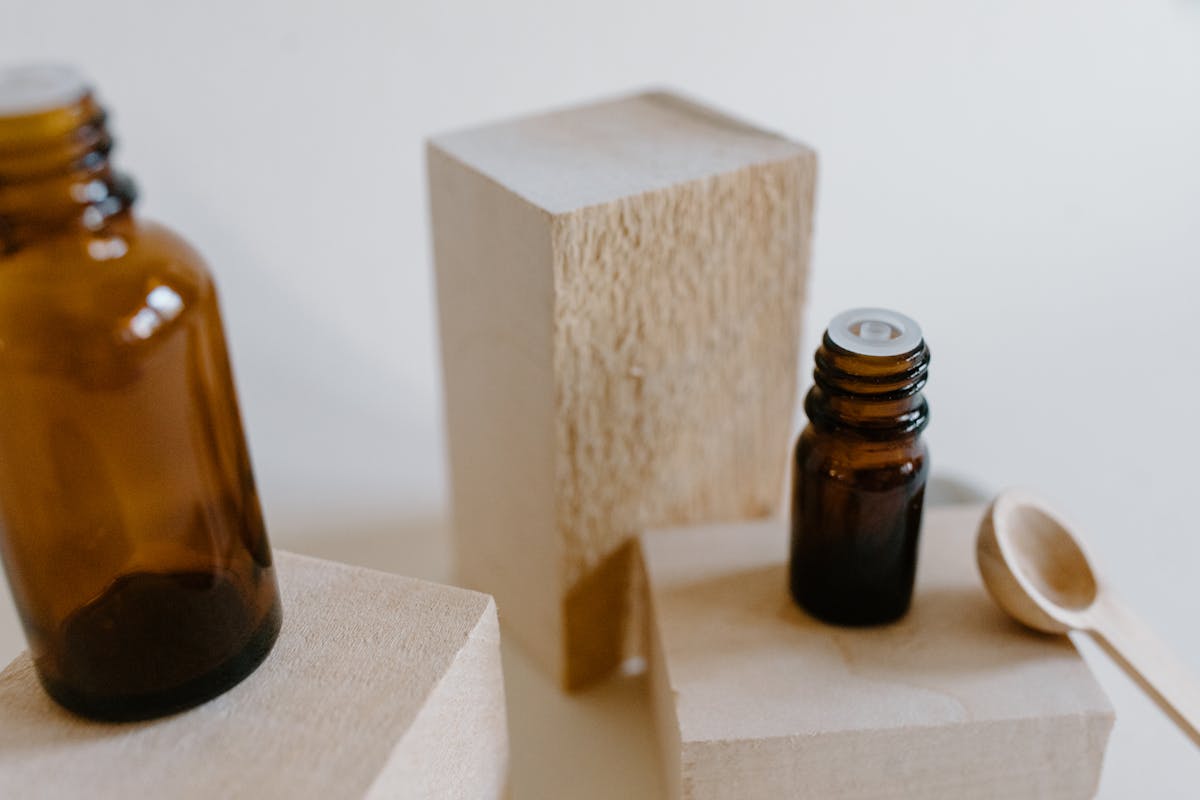
Don’t wear perfume to your workshop. This sounds obvious, but at least two people in my group had sprayed something on that morning. Your nose needs to be clean to work with essences properly. Skip scented deodorant too if you can manage it.
Eat beforehand, but not too heavily. Hunger sharpens your sense of smell, but a growling stomach is distracting. A light breakfast or lunch is ideal. Coffee right before the workshop is fine, contrary to what some guides say. It doesn’t actually damage your sense of smell.
Book the morning slot. Your olfactory receptors fatigue throughout the day. By mid-afternoon you’re working with maybe 70% of the sensitivity you had at 10am. Professional perfumers do their most delicate work first thing in the morning for exactly this reason.
The gift shop is not optional. Every workshop routes you through a retail area afterward. Budget for it. Fragonard in particular has good soaps and body lotions at reasonable prices (around 8-15 euros), and they make better souvenirs than another fridge magnet. But the marked-up “exclusive” perfumes are no better than what you’ll find at their online shop.
Bring a zip-lock bag. Your essence strips from the workshop are worth keeping. Label them while your memory is fresh. They’re useful reference points if you want to recreate elements of your blend at home.
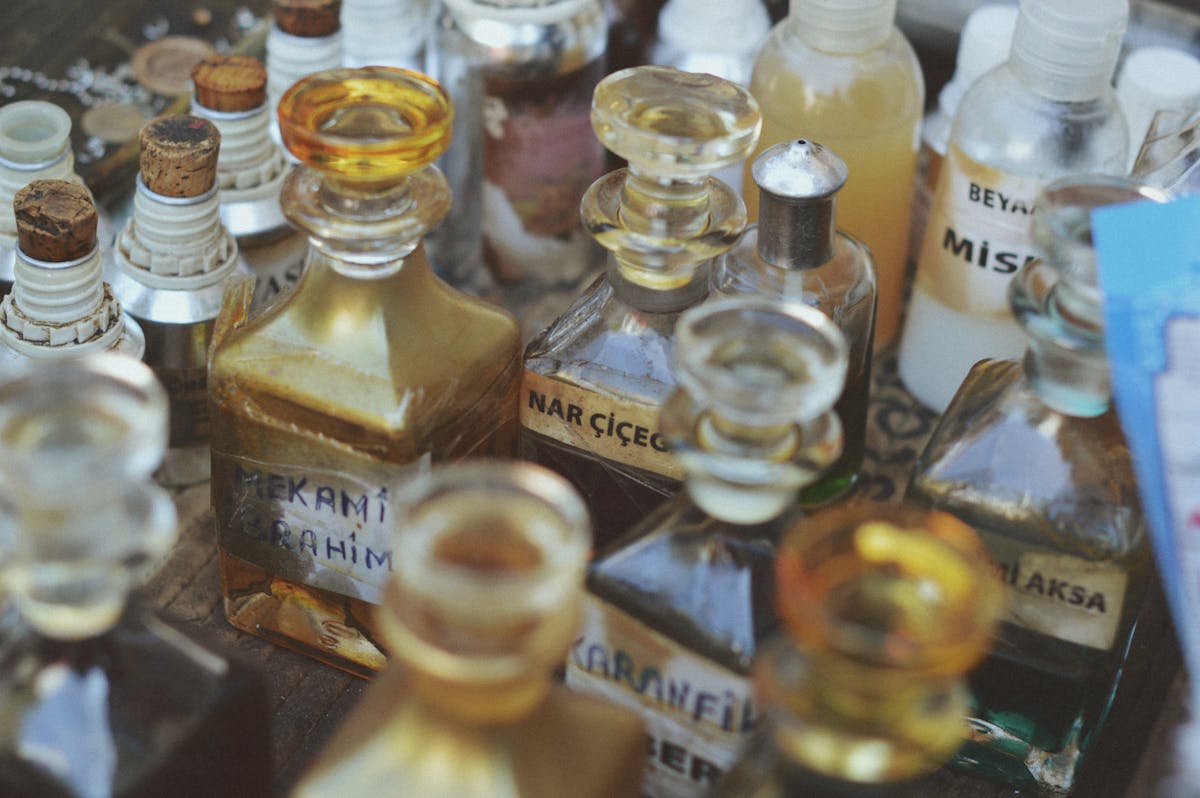
Galimard is the wild card. It’s not in my top three because GetYourGuide availability is limited, but Galimard is the oldest house in Grasse (founded 1747) and their 2-hour “Perfumer for a Day” session is the most in-depth workshop available. You need to book directly through their website, and slots fill up weeks in advance during summer.
What You’ll Actually Learn
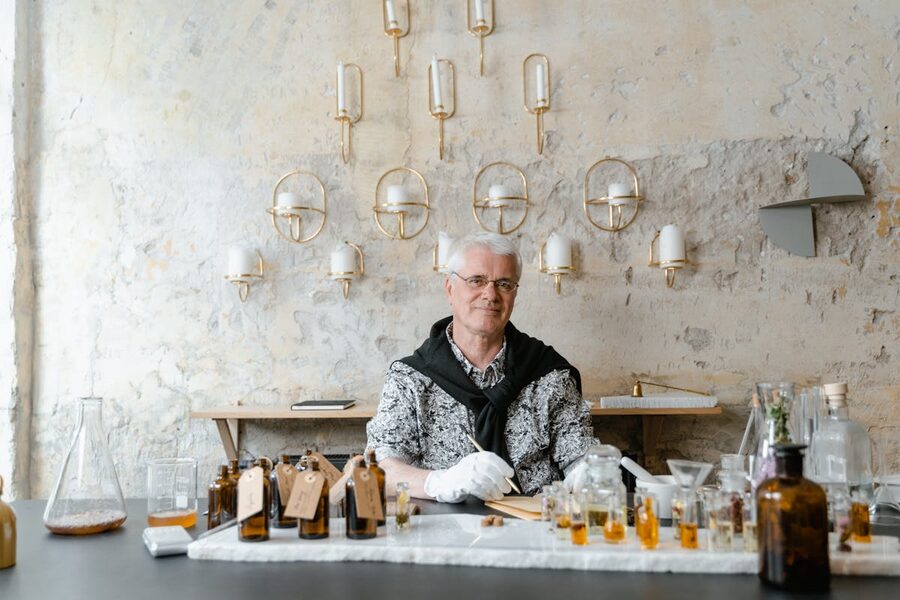
Don’t expect to walk out as a trained “nose” (the French term for a master perfumer is nez, and they train for 5-10 years). But you will learn things that change how you think about fragrance.
The biggest revelation for most visitors is how few ingredients make up a commercial perfume. Most contain between 30 and 80 ingredients, but the structure is usually built around just 5 or 6 key accords. Your workshop blend will probably use 8-12 essences, and that’s enough to create something complex and wearable.
You’ll also learn why “natural” doesn’t always mean “better” in perfumery. Some of the most beautiful fragrance molecules are synthetic, and responsible perfumers use both. The musk in almost every modern perfume is synthetic because natural musk came from killing animals. The jasmine, however, is still best when it comes from Grasse fields.
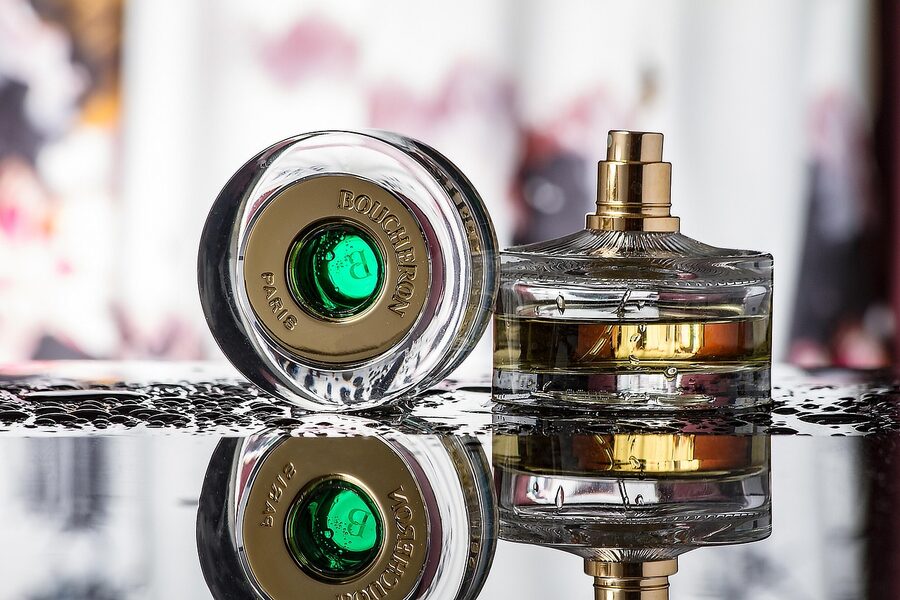
And you’ll understand the difference between eau de toilette, eau de parfum, and perfume extract. It’s not just a marketing distinction. The concentration of aromatic compounds changes the longevity, projection, and character of a fragrance. Most workshops produce an eau de toilette (5-15% concentration), which is lighter and more daytime-appropriate than a full parfum.
More Guides for the French Riviera
If you’re spending time on the Cote d’Azur, a perfume workshop pairs well with other day trips from Nice. The Provence countryside tour from Nice often loops through Grasse and the lavender fields in a single day, and it’s the easiest way to see the region if you don’t have a car. The Saint-Paul-de-Vence and Antibes tour covers two of the prettiest towns on the coast and works well as a next-day add-on. For something completely different, the Nice food tour is the best introduction to Nicoise cooking, and the French Riviera tour from Nice hits the highlights if you’re short on time. Or if you’re heading back through Paris, the Paris perfume workshop guide covers the best options in the capital, though they’re a different experience from Grasse entirely.
This article contains affiliate links to tours and activities. If you book through these links, we earn a small commission at no extra cost to you. This helps us keep writing detailed guides like this one.