
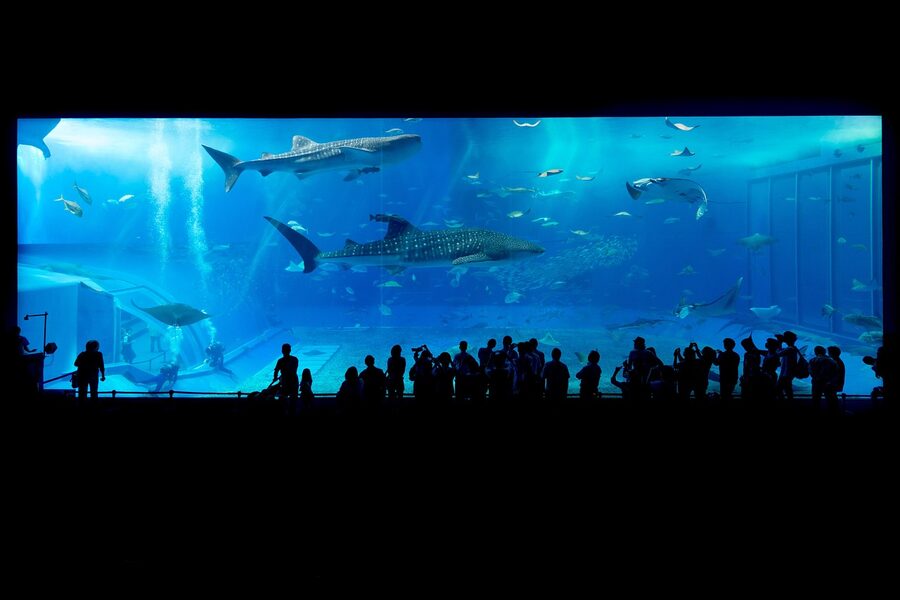
The curved glass wall is 36 metres wide. That’s roughly the length of a bowling lane. And behind it, a hammerhead shark glides past so close you can count the pores on its snout.
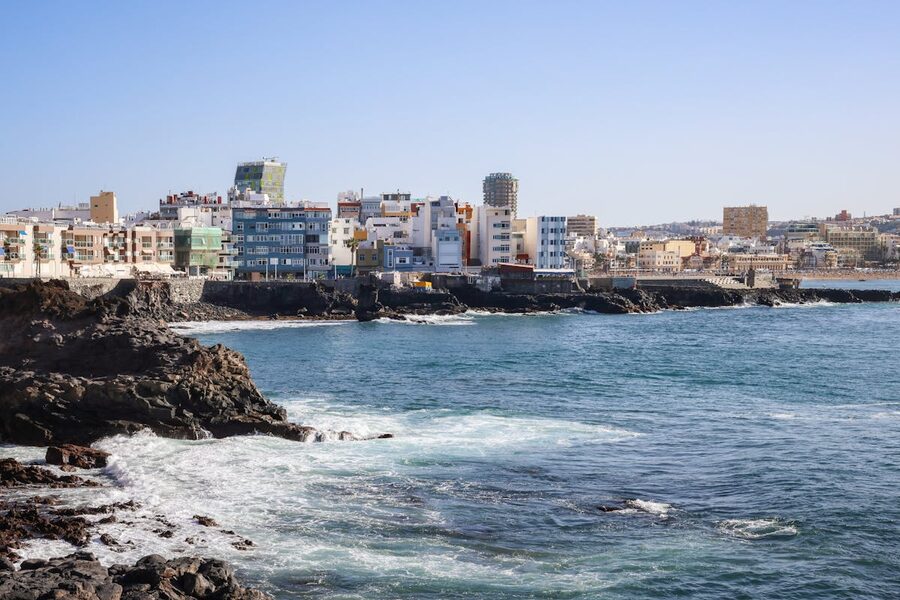
Poema del Mar isn’t one of those aquariums you walk through in twenty minutes and wonder why you bothered. It was designed by architect Jesús Llamazares, and it opened in 2018 as a genuine attempt to do something different. Three distinct ecosystems — Jungle, Deep Sea, and Reef — spread across a building that feels more like an art installation than a zoo. The name itself comes from a poem by Tomás Morales, Gran Canaria’s most celebrated poet, which tells you something about the ambition here.
If you’re planning a visit, here’s the short version of what you need to know about tickets and the best way to book.
- In a Hurry? Here Are the Top Picks
- How Tickets Work at Poema del Mar
- Online vs. Door Tickets — What’s Actually Different
- What You’ll Actually See Inside
- The Jungle
- The Reef
- The Deep Sea
- The Best Tours to Book
- 1. Poema del Mar Skip-the-Line Ticket —
- 2. Dolphin & Whale Watching Cruise —
- 3. Las Canteras Beach Snorkeling Trip —
- Poema del Mar with Kids
- Practical Tips for Visiting Poema del Mar
- When to Go
- Getting There
- What to Know Before You Go
- A Poem Becomes an Aquarium — The Story Behind the Name
- Combining Poema del Mar with Other Las Palmas Attractions
- Is Poema del Mar Worth It?
- More Water Adventures in the Canary Islands
In a Hurry? Here Are the Top Picks
Best overall: Poema del Mar Skip-the-Line Ticket — $32 per person. Walk past the queue and straight into the Jungle zone. The only ticket you really need.
Best add-on: Dolphin & Whale Watching Cruise — $41 per person. Pair the aquarium with a morning on the Atlantic. Dolphins almost guaranteed.
Best for divers: Las Canteras Beach Snorkeling Trip — $46 per person. See the same species in the wild, right at Las Palmas beach.
How Tickets Work at Poema del Mar
The ticketing system at Poema del Mar is straightforward, which is refreshing for a popular attraction. You’ve got two options: buy at the door, or book a skip-the-line ticket online ahead of time.

Buying at the door costs roughly the same as online — around €29-32. But here’s the catch. Gran Canaria gets a lot of cruise ship traffic, and Poema del Mar sits right at the port. When a ship docks, the queue can stretch for 45 minutes or more. I’ve seen people give up and walk away. The skip-the-line ticket costs the same as the standard entry but lets you bypass that entirely.
Online tickets are timed-entry, so you pick a slot when you book. Morning slots (before 11am) tend to be quieter. The aquarium gets noticeably busier after lunch, especially on weekends and during school holidays.
Children under 4 get in free. There are discounts for kids (4-11) and seniors, but these aren’t always available on third-party platforms. If you’re bringing young kids and want the discount, check the official site alongside the GYG listing.
One thing that catches people out: you can’t re-enter once you leave. The ticket is single-use. So don’t pop out for lunch thinking you’ll come back — eat inside or eat before.
Online vs. Door Tickets — What’s Actually Different
Let me be blunt here because this confuses a lot of people. The skip-the-line ticket from GetYourGuide and the ticket you buy at the Poema del Mar box office give you access to the exact same thing. Same zones, same exhibits, same aquarium. The difference is the queue.
At the door, you join a general admission queue. On a quiet Tuesday in February, that queue might be five minutes. On a Saturday in July with two cruise ships docked, it can be 40-50 minutes. The skip-the-line ticket lets you walk to a separate entrance and go straight through.
The price difference is negligible — sometimes the online ticket is actually a euro or two cheaper depending on exchange rates. But the real value is the timed entry. When you book online, you choose a time slot. Show up at your slot, scan your phone, walk in. No guessing, no waiting.
My advice: If you’re visiting between November and March and going on a weekday, you can probably risk buying at the door. Any other time, book online. The risk-reward just isn’t worth it when the skip-the-line ticket costs the same.
One more thing — the online ticket has free cancellation up to 24 hours before. So there’s genuinely no downside to booking ahead.
What You’ll Actually See Inside
The aquarium is split into three zones, and they’re meant to be experienced in order.
The Jungle
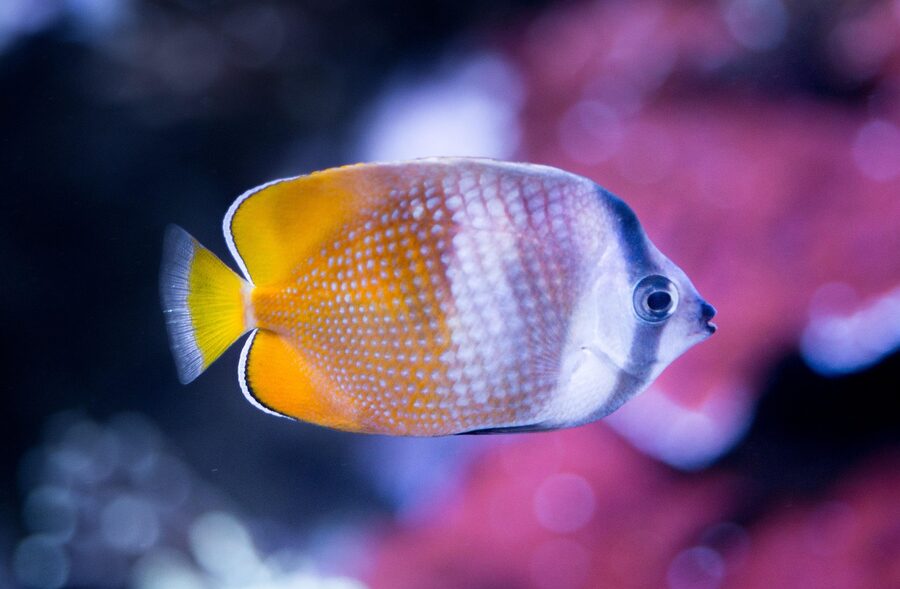
You start in a simulated tropical forest. It’s humid, there’s a bridge over a crocodile enclosure, and piranhas circle in a tank below your feet. The anaconda display is smaller than you’d expect but still draws a crowd. Most people spend 20-30 minutes here.
The Reef
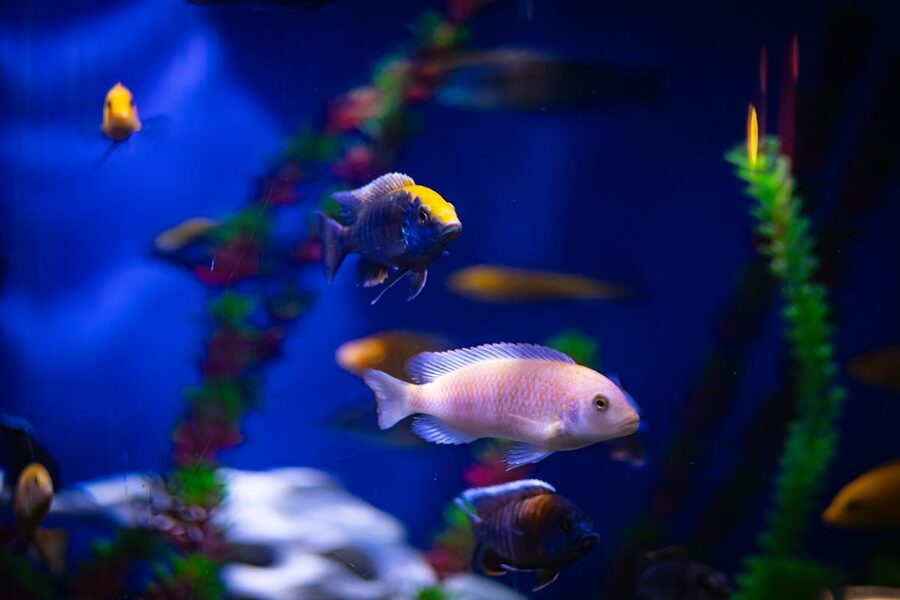
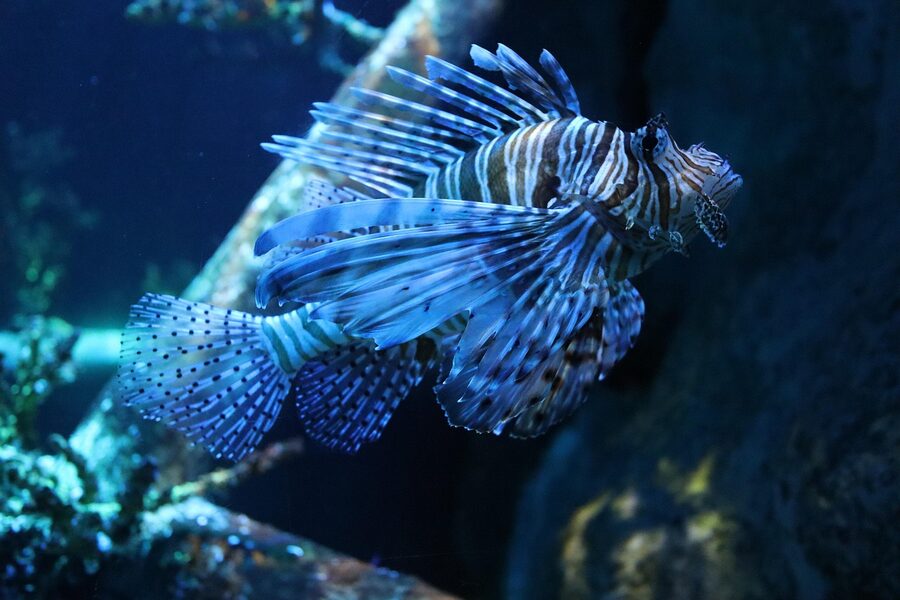
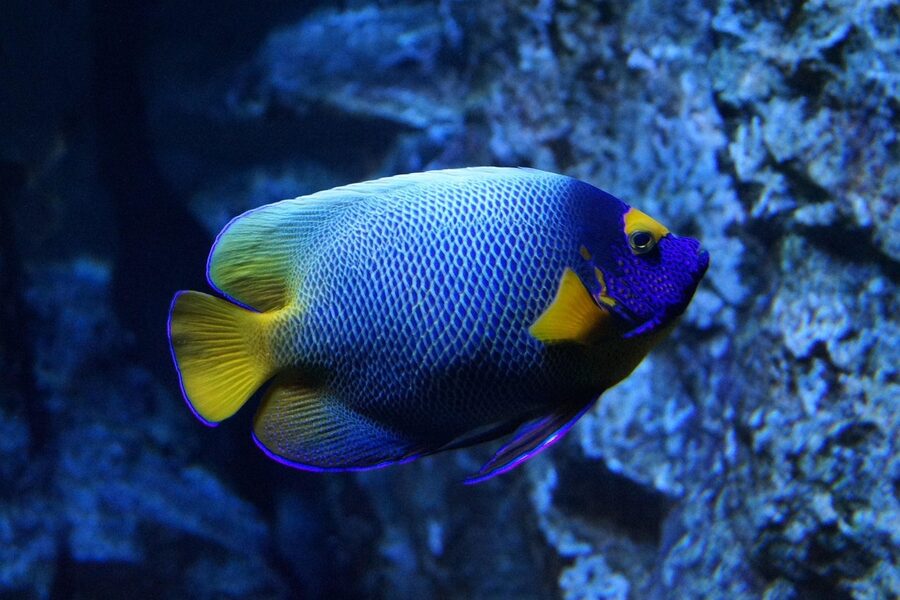
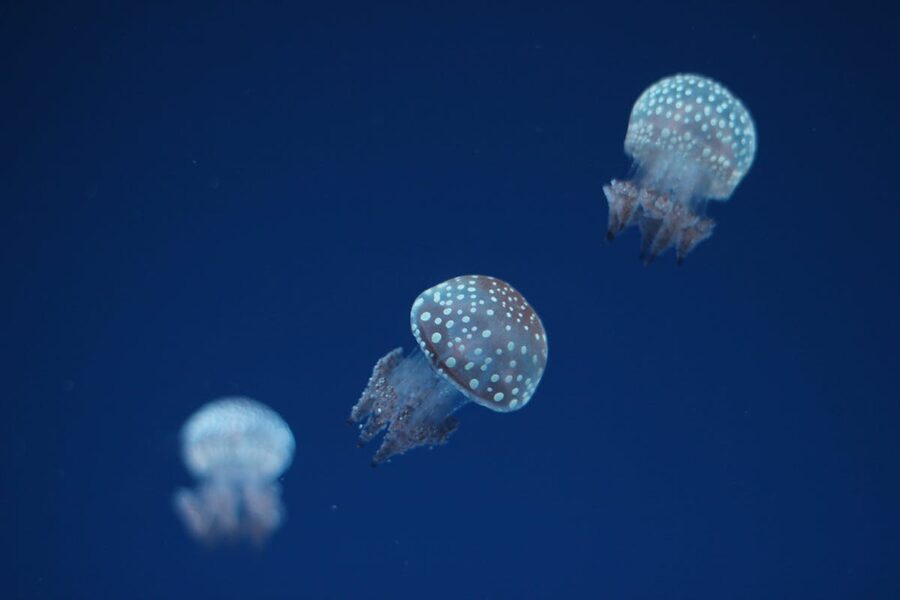
This is the colourful middle section. Dozens of smaller tanks with every reef species you’d expect — clownfish, lionfish, seahorses, moray eels. The coral displays are well-maintained and the lighting makes everything pop. Kids tend to love this section the most.
The Deep Sea
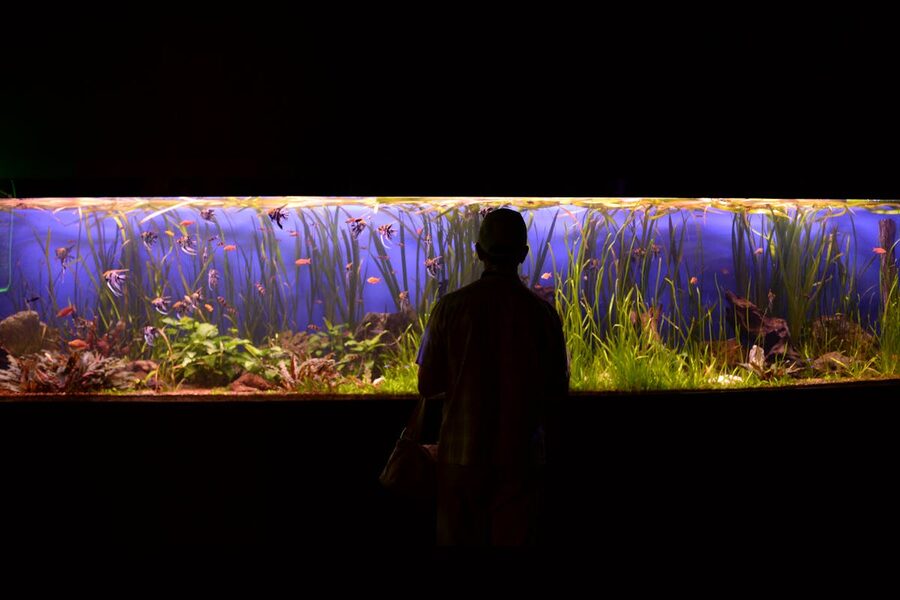
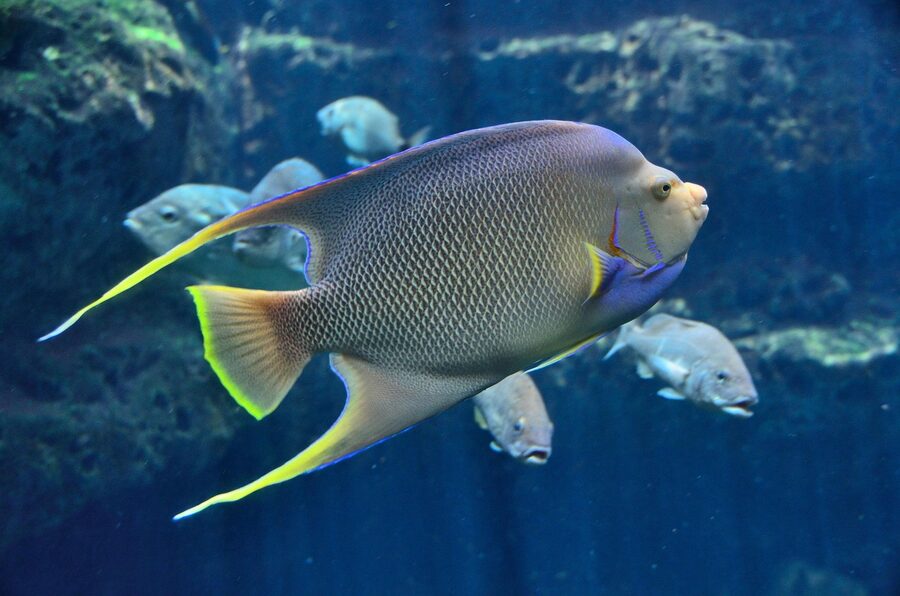
This is why you came. The final room opens into a 36-metre curved glass wall — one of the largest in the world — with sharks, rays, and massive groupers drifting through deep blue water. There are benches along the wall where you can just sit and watch. It’s genuinely calming. Some people stay here for an hour.
The whole visit takes 1.5 to 2 hours if you don’t rush. Families with small children should budget closer to 2.5 hours — there’s a lot of stopping and pointing.
The Best Tours to Book
1. Poema del Mar Skip-the-Line Ticket — $32
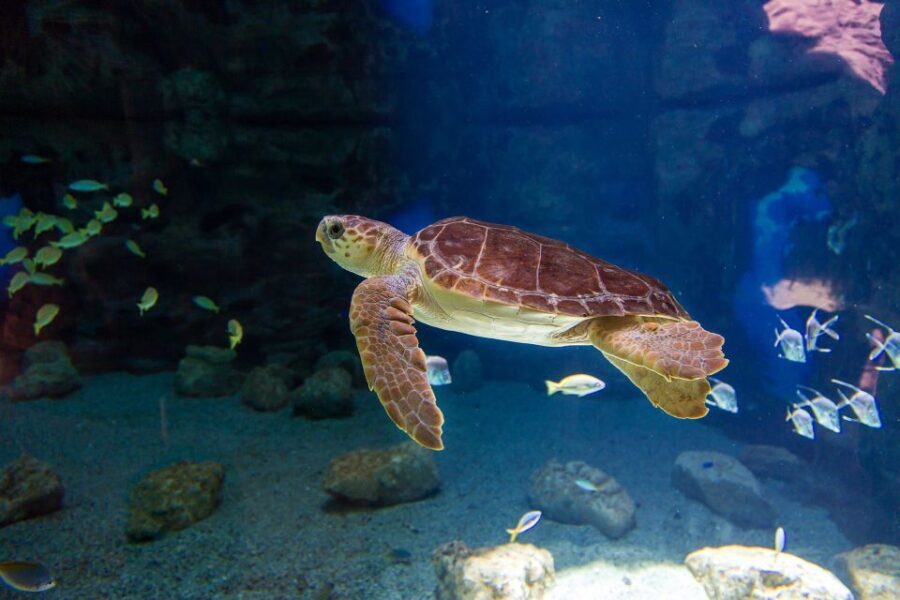
This is the one to get. Same price as the box office, but you skip the queue entirely and walk straight in with a timed entry slot. The ticket covers all three zones (Jungle, Reef, Deep Sea) and there’s no time limit once you’re inside. Our full review breaks down exactly what’s included and what visitors thought of each zone. For $32, it’s one of the better-value attractions on the island.
2. Dolphin & Whale Watching Cruise — $41
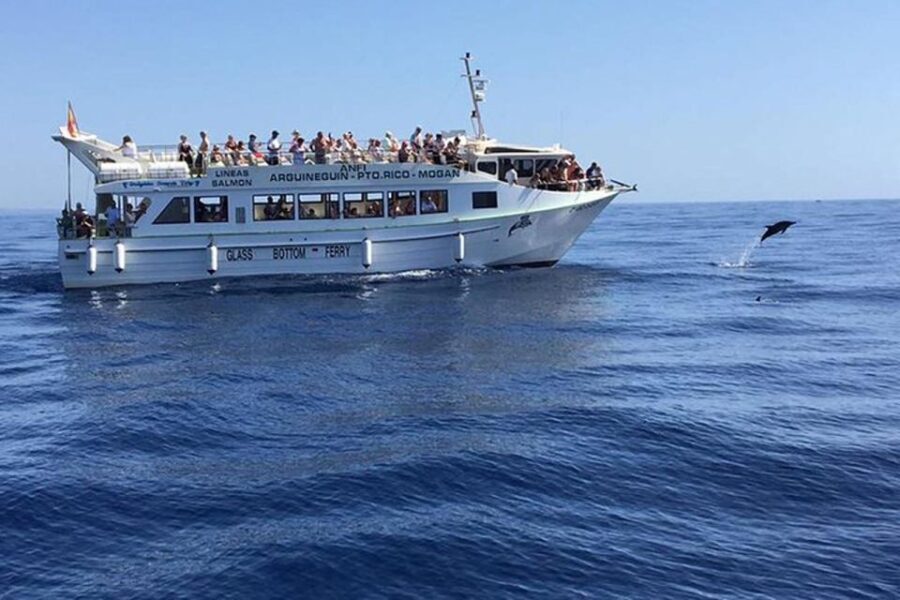
If you’re doing Poema del Mar in the afternoon, pair it with a morning dolphin cruise from Puerto Rico harbour. The 2.5-hour trip takes you out to waters where bottlenose dolphins and pilot whales are regular visitors — sightings happen on around 90% of trips. We’ve covered what the experience is really like in our review, including the bus pickup logistics that trip some people up.
3. Las Canteras Beach Snorkeling Trip — $46
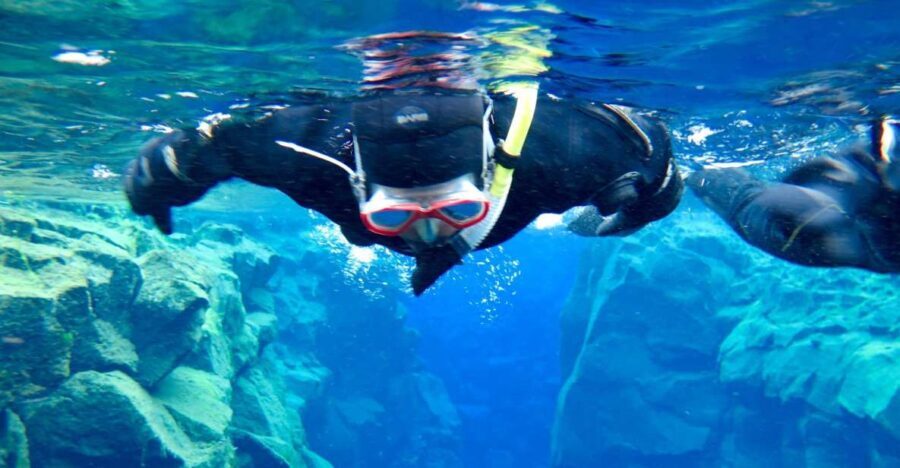
For anyone who wants to see marine life without glass between them and the fish, this snorkeling trip at Las Canteras Beach is excellent. The guides take small groups out to the reef bar — a natural rock formation that shelters a whole ecosystem of parrotfish, octopus, and angel sharks. All equipment is included and no experience is needed. Our detailed review covers what species you’ll actually see and how to prepare.
Poema del Mar with Kids
I should mention this separately because about half the visitors here are families, and the experience is quite different depending on your kids’ ages.
Under-4s get in free, which is a nice touch. The Jungle zone is great for toddlers — the crocodiles and piranhas are visible at kid-height, and the bridge over the enclosure has solid glass sides so there’s no anxiety about small climbers. The Reef section hits that sweet spot where the colours keep young eyes engaged without anything being scary.
The Deep Sea room is where it gets interesting with kids. Some love it. The darkness, the sharks, the scale of the glass wall — it’s basically an underwater IMAX. But others find it overwhelming. The room is dimmer than the rest of the aquarium and the sharks are, well, big. If your child is easily spooked, give them a heads-up about what’s coming.
There are baby-changing facilities near the entrance and again near the cafe. Pushchairs are allowed but the corridors get tight during peak hours. If you can manage without one, do.
Practical Tips for Visiting Poema del Mar
When to Go
The aquarium is open daily from 9am to 5:30pm (last entry at 4:30pm). Aim for first thing in the morning or late afternoon for the smallest crowds. Tuesdays and Wednesdays tend to be quieter than weekends. Avoid days when large cruise ships are in port — you can check the Las Palmas cruise ship schedule online.

Getting There
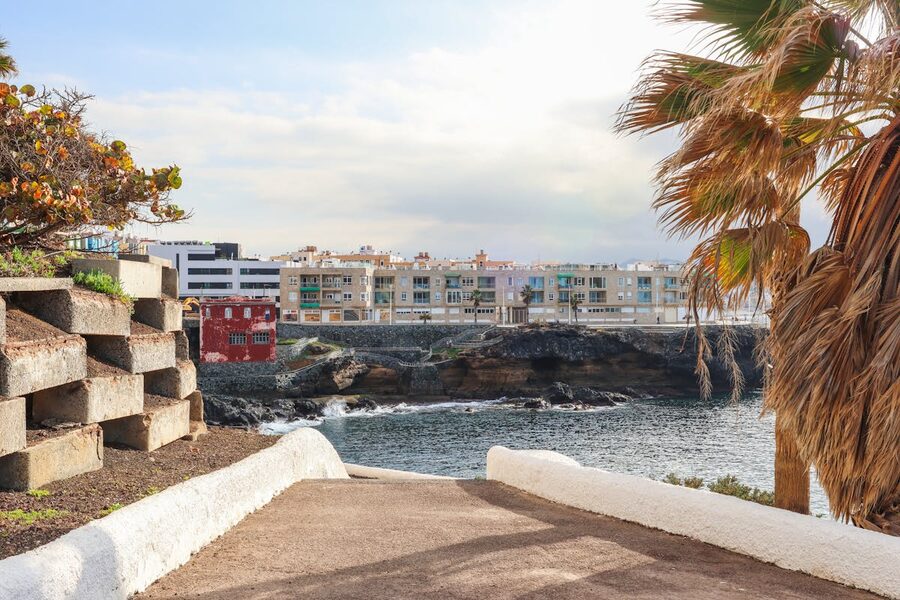
Poema del Mar is in the Santa Catalina district of Las Palmas, right at the old commercial port (Muelle de Santa Catalina). If you’re staying in Las Palmas, it’s walkable from most central hotels. From the south of the island (Maspalomas, Playa del Inglés), it’s about a 30-minute drive or you can take the Global bus line 30.
Parking is available at the port, but it fills up fast. The Centro Comercial El Muelle shopping centre next door has a car park that usually has space.
What to Know Before You Go
The cafe inside the aquarium is overpriced and underwhelming. Eat before or after. There are decent restaurants in the Santa Catalina area within a five-minute walk.
The gift shop is at the exit. It’s fine for stuffed animals and fridge magnets, nothing special. Budget €10-15 if you have kids who can’t leave without something.
Photography is allowed everywhere, but no flash. The Deep Sea room is dim, so your phone camera might struggle — pro tip: switch to video mode for better results in low light.

A Poem Becomes an Aquarium — The Story Behind the Name
The name “Poema del Mar” (Poem of the Sea) comes from the masterwork of Tomás Morales, a poet born in Moya, a small town in the north of Gran Canaria, in 1884. Morales spent his short life — he died at 37 — writing about the Atlantic Ocean with a kind of obsession that went beyond romantic. He saw the sea as a living character, not a backdrop.
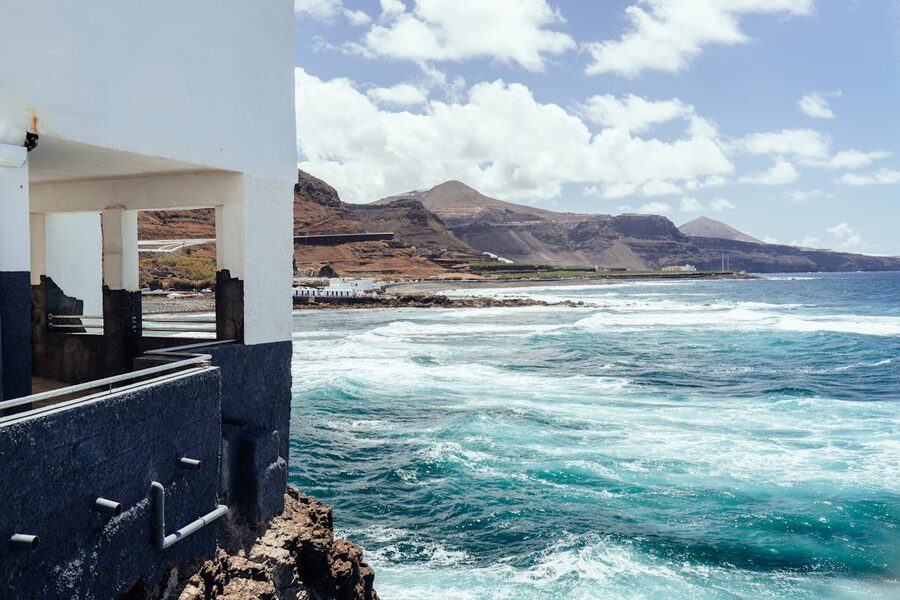
His poem “Las Rosas de Hércules” became the defining literary work of the Canary Islands. When the aquarium was being planned, naming it after Morales wasn’t just marketing — it was a genuine tribute to someone who understood the island’s relationship with the ocean better than anyone.
The building itself sits on land that has been a port since the 15th century. Columbus stopped in Las Palmas in 1492 to repair the Pinta before continuing to the Americas. The old commercial port had fallen into disuse by the 2000s, and redeveloping it into a cultural attraction was controversial at first — locals argued about the loss of port heritage. But the aquarium has mostly won people over.

Architect Jesús Llamazares designed the building to echo the shape of a wave, though honestly you can’t really tell from ground level. What you can tell is that the interior spaces flow naturally — there are no awkward dead ends or bottleneck corridors. The 36-metre curved glass wall in the Deep Sea zone was an engineering challenge that required custom-fabricated acrylic panels shipped from Japan. Each panel weighs several tonnes. The installation alone took months, and there’s a time-lapse video of the process on the aquarium’s website that’s worth watching if you’re into engineering.
Combining Poema del Mar with Other Las Palmas Attractions
The aquarium sits in one of the most walkable parts of Las Palmas, so you’ve got options for building a full day around it.
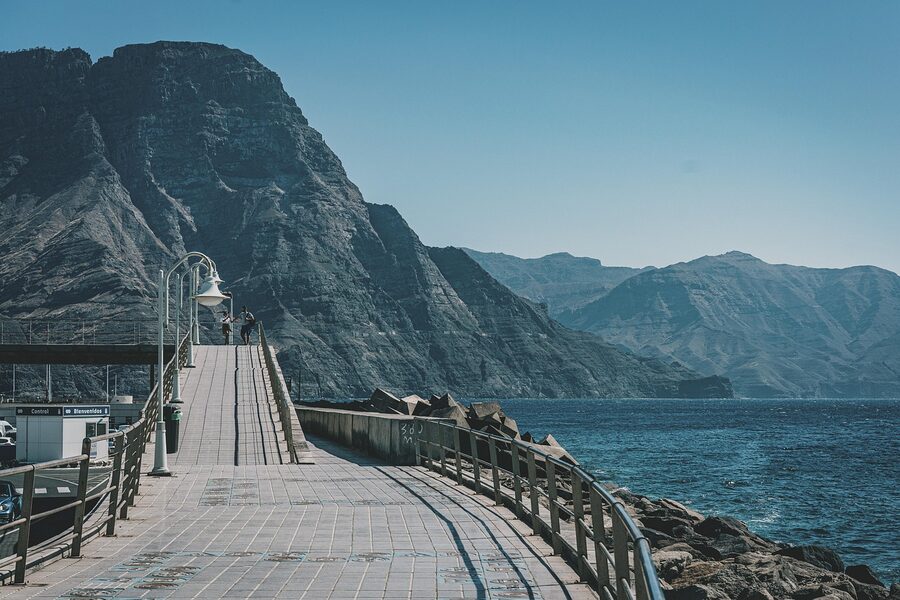
The most natural combo is Poema del Mar in the morning, then lunch in the Santa Catalina neighbourhood (try La Marinera for fresh fish if it’s open), then walk to Las Canteras Beach for the afternoon. The beach is about a 15-minute walk from the aquarium along the waterfront. Las Canteras has its own natural reef — La Barra — that you can snorkel at independently if you bring a mask.
If you want culture instead of beach, head south from the aquarium to Vegueta, the old town. It’s a 20-minute walk or a short bus ride. The Casa de Colón (Columbus’s house) is worth a look, and the San Juan Bautista Cathedral has a rooftop terrace with views across the old quarter.
For a marine-themed full day, do the dolphin watching cruise in the morning (departures usually at 9:30-10am from Puerto Rico), get back to Las Palmas by early afternoon, then hit the aquarium. You’ll be in the water in the morning and behind glass in the afternoon — different perspectives on the same Atlantic ecosystem.
Is Poema del Mar Worth It?
At $32, yes. Honestly, I was sceptical going in — I’ve been to enough aquariums that they blur together. But the Deep Sea room genuinely surprised me. The scale of that glass wall changes your perspective on what an aquarium can be. It’s not the Georgia Aquarium or the Churaumi in Okinawa, but for Europe, it punches well above its weight.

The main criticism? It’s not huge. If you’re expecting a full-day attraction, you’ll be disappointed. Budget 2 hours and then head to Las Canteras Beach or the Vegueta old town. Combining it with a dolphin watching cruise makes for a solid marine-themed day.
For families, it’s close to a perfect half-day activity. The pacing is right — not so big that kids get exhausted, not so small that adults get bored. The Deep Sea benches are a gift to tired parents, and the Jungle section keeps kids entertained without being overwhelming. Just skip the cafe.
More Water Adventures in the Canary Islands
If Poema del Mar gets you hooked on marine life (and it probably will), the Canary Islands have plenty more to offer. The dolphin watching cruises in Gran Canaria are a natural next step — you’ll spot the same species you just saw behind glass, this time in open water. Over in Tenerife, the whale watching trips focus on pilot whales and are genuinely world-class. For something completely different, the submarine tours in Gran Canaria take you 20 metres down without getting wet — a decent alternative if snorkeling isn’t your thing. And if you want to explore the islands beyond the coast, the Gran Canaria buggy tours take you through volcanic canyons that look like they belong on another planet. Across the water, Fuerteventura boat tours offer a quieter, less touristy version of the same Atlantic experience.

This article contains affiliate links. If you book through our links, we earn a small commission at no extra cost to you. This helps us keep producing detailed travel guides.