
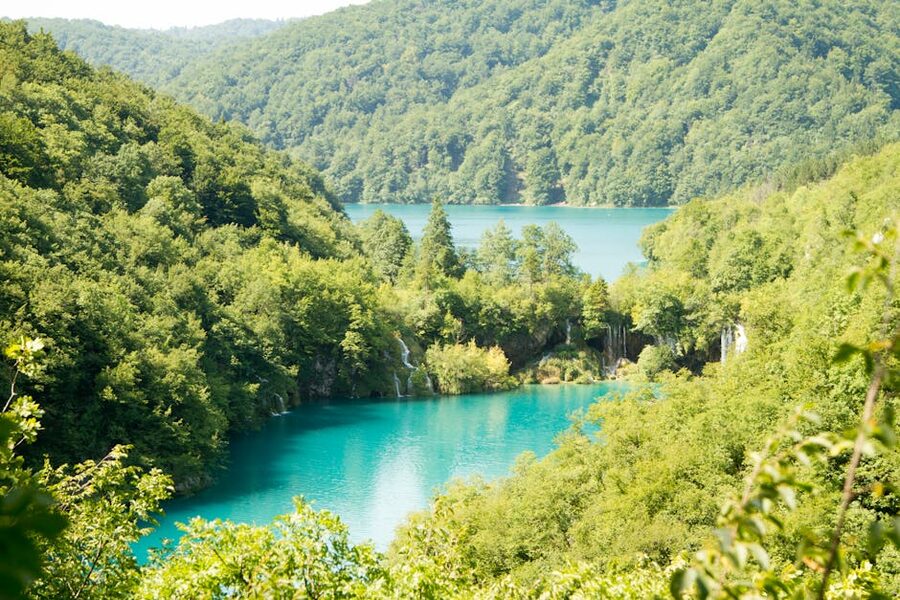
The water at Plitvice is supposed to be blue. Sometimes it’s green. Occasionally, after heavy rain, it turns milk-white. The colour you see depends on what time of day you arrive, the season, and what’s suspended in the water that week — algae, calcium carbonate, reflected sky, all of it.
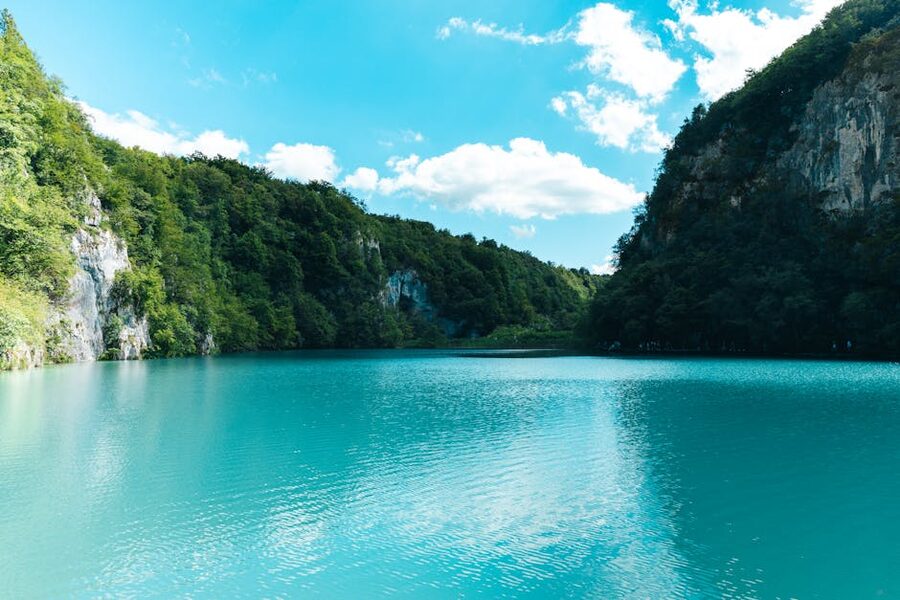
That’s the first thing to know about Plitvice: it’s a living limestone system where the chemistry and geology change faster than the park’s marketing admits. The second thing is that you can get there from Zagreb in two hours and be back by evening — which is why the day trips from the capital are the most-booked Plitvice experience in the country. If you want the deeper walk-through of the park itself — the trail routes, the timing tricks, the quieter corners — our Plitvice-without-the-crowds piece is the companion read.
This guide covers which Zagreb-based day tour to book, what the ten-hour day actually looks like, and why most tours now include Rastoke as a second stop.
- In a Hurry? Here Are the Top Picks
- Why Zagreb Is a Good Base for Plitvice
- What the Day Actually Looks Like
- The Park Itself: What You’ll Walk
- The Lower Lakes
- The Upper Lakes
- Veliki Slap — The Great Waterfall
- The Best Tours to Book
- 1. From Zagreb: Plitvice & Rastoke Guided Day Trip —
- 2. Zagreb: Rastoke & Plitvice Lakes Guided Tour —
- 3. Plitvice Lakes & Rastoke Day Trip with Entry Ticket — .60
- Rastoke: The Underrated Second Stop
- When to Visit
- What to Wear and Bring
- Solo Visit vs Guided Tour
- Worth Knowing Before You Book
- Is a Day Enough?
- Pairing This with Your Croatia Route
- More Croatia Guides
In a Hurry? Here Are the Top Picks
Best overall: From Zagreb: Plitvice & Rastoke Guided Day Trip — $61 per person. Ten hours, entry ticket included, Rastoke stop included. The most-booked option.
Best value: Zagreb: Rastoke & Plitvice Lakes Guided Tour — $57 per person. Nearly identical to the top pick for $4 less. Slightly smaller operator but same quality.
Best premium option: Plitvice Lakes & Rastoke Day Trip with Entry Ticket — $78.60 per person. Smaller group size, premium minivan, slightly more time at Rastoke.
Why Zagreb Is a Good Base for Plitvice
Plitvice sits 140 km south of Zagreb on the main highway between the capital and the Dalmatian coast. It’s a two-hour drive each way — long enough to be a full day, short enough that it’s doable.
If you’re basing in Split or Dubrovnik, Plitvice from Zagreb is not the tour for you. Split-based Plitvice tours exist (and we’ve covered the Split to Plitvice guide separately); they’re longer days — around 12 hours — but make sense if you’re Split-based and not going to Zagreb.
If you are in Zagreb, this is the single most-booked day trip out of the capital, and for good reason. A Zagreb stay typically involves 2-3 nights in the city for architecture, cafés, and museums (our Zagreb things-to-do guide argues it deserves more than the usual quick overnight), plus one day trip for the main attraction of central Croatia. Plitvice is the main attraction.
What the Day Actually Looks Like
Most Zagreb tours follow a similar structure:
Pickup at 7-8am from a central Zagreb meeting point. Usually a hotel or the main square; premium tours do door-to-door hotel pickup.
Two-hour drive south. Brief stop halfway for a coffee or a bathroom break.
Arrival at Plitvice around 10am. Ticket queue (skipped on guided tours because they’ve booked ahead), entry, and straight into the park.
Four to five hours inside Plitvice. Most tours walk the “Route C” — the standard 4-hour loop that covers the main waterfalls, the big fall (Veliki Slap), and both the Upper and Lower Lakes. You do this with the guide for the first half and often have a free hour for photos and lunch.

Drive 30 minutes north to Rastoke for a second stop. 45-60 minutes in the village for photos and ice cream.
Drive back to Zagreb. Arrival around 6-7pm.
Ten hours total. Five of it is driving and buffer time. Five is actual sightseeing.
The Park Itself: What You’ll Walk
Plitvice is split into two halves — the Lower Lakes (the easier, more photographed half) and the Upper Lakes (wilder, quieter, longer). A 4-hour visit covers both. A 6-hour visit covers both properly.
The Lower Lakes
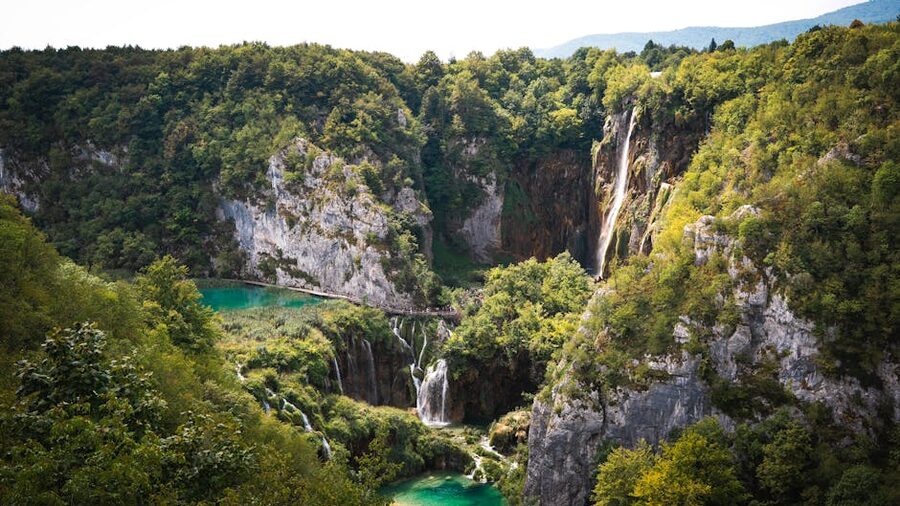
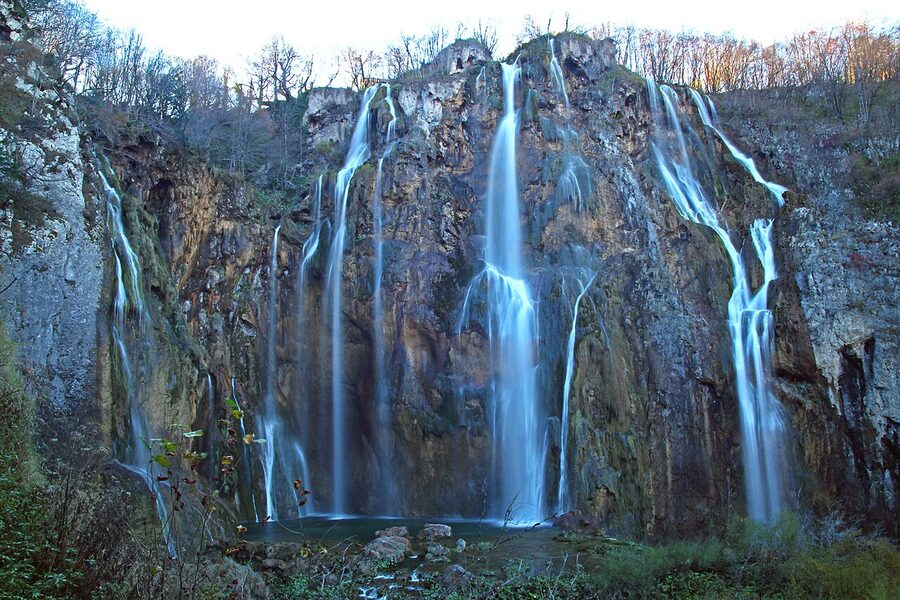
You start at Entrance 1 and walk downhill for about 30 minutes before reaching the first big viewpoint over Veliki Slap. The boardwalks here run along a cliff face and past the most-photographed angles of the park. Expect crowds — this is the section everyone comes to see.
At the bottom, a free electric boat shuttles you across Lake Kozjak — the biggest of the 16 lakes — to the start of the Upper Lakes trail. Boats run every 15 minutes and take about 20 minutes to cross. Worth lingering on deck; the boat ride is one of the quietest stretches of the whole visit.
The Upper Lakes
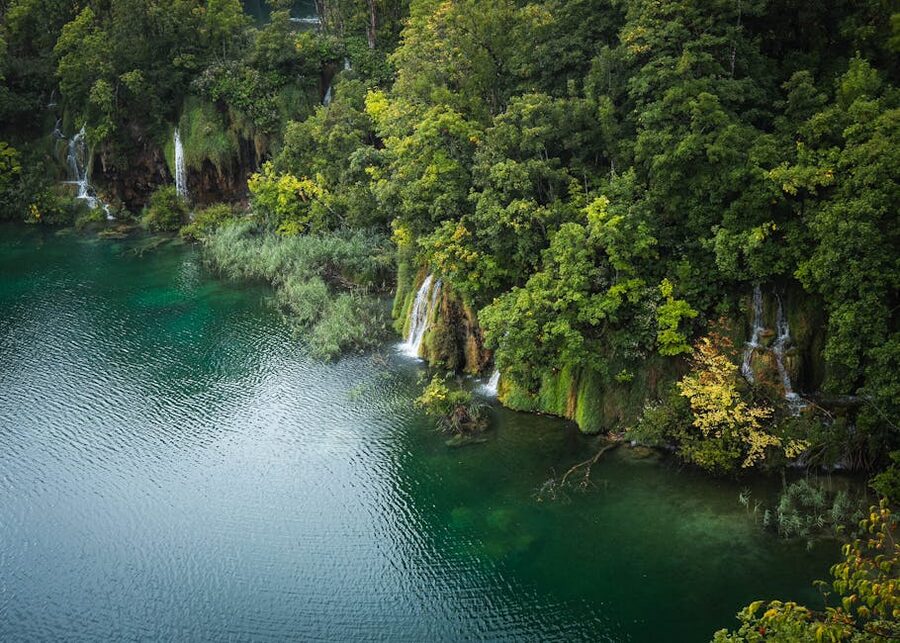
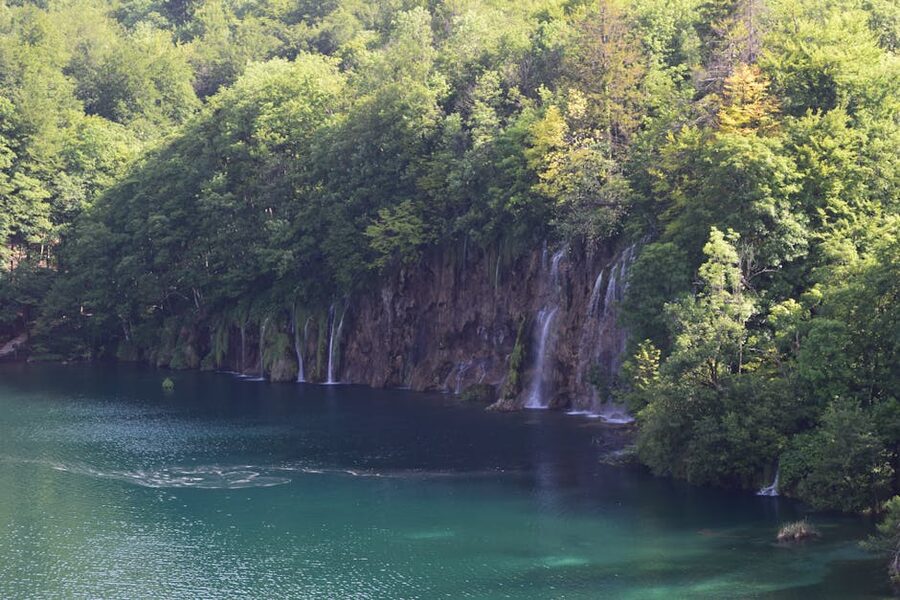
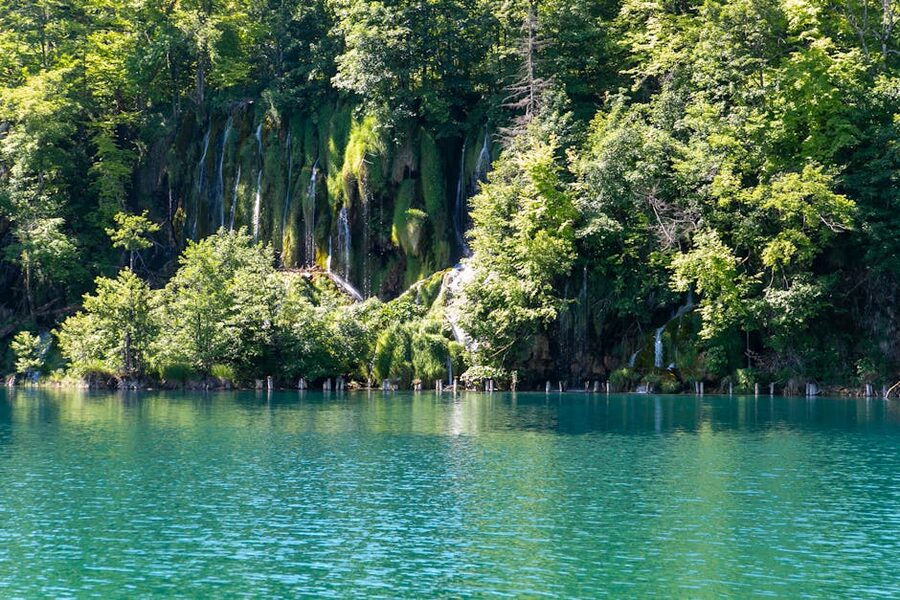
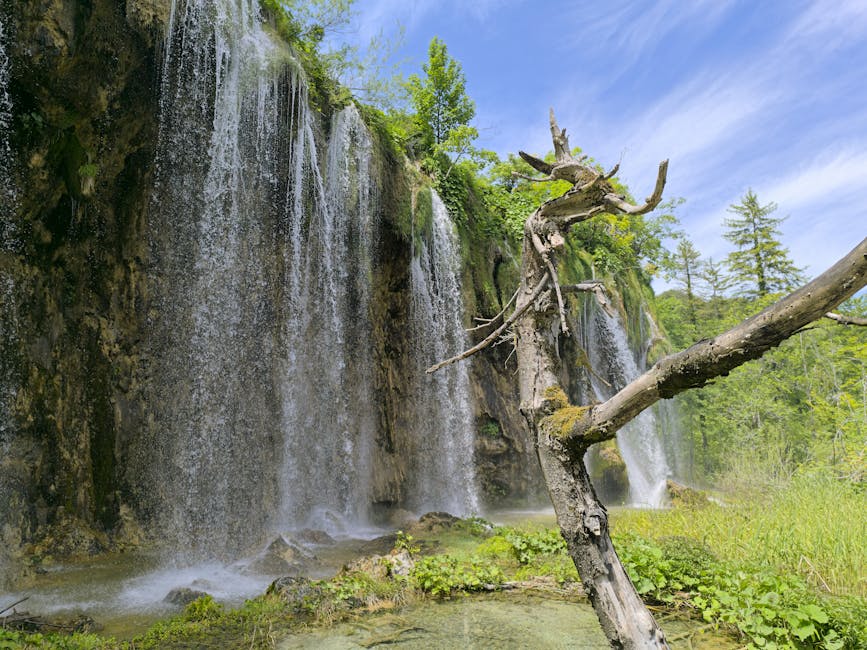
The Upper Lakes are less dramatic but more beautiful overall. Smaller waterfalls, greener water, more cascades, fewer people. You walk upward past a chain of small falls for about an hour and a half before catching a shuttle bus back down to the entrance.
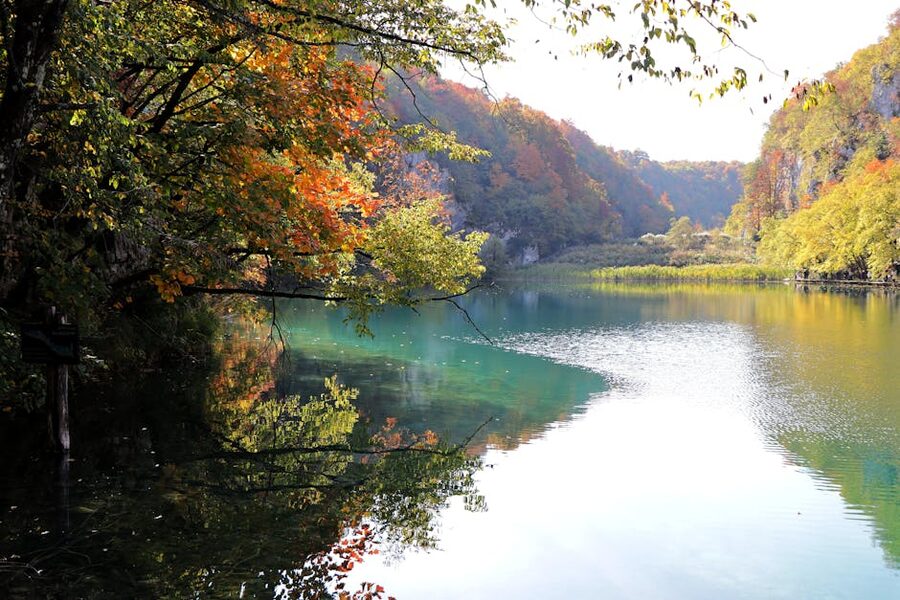
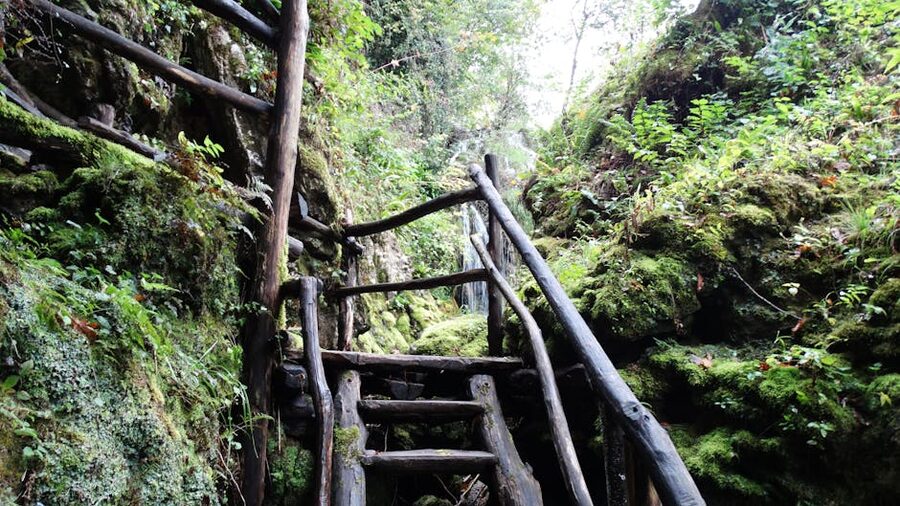
The Upper Lakes are where you realise Plitvice is a forest more than a waterfall park. Oak and beech, sometimes spruce, and the occasional clearing with a view that looks like an 18th-century landscape painting. If forests like this draw you, Croatia has seven other national parks that most visitors never set foot in — our Croatia national parks overview covers what each one is actually known for.
Veliki Slap — The Great Waterfall
The 78-metre Veliki Slap is the highlight, and the photo stop. Three viewpoints give you three different angles: the top, the base, and the middle walkway. The base is the best for scale; the top is the best for composition with the lake behind.
If you’re an early riser and have a full day, do the base first, skip the crowds, then hike to the top later when the groups have cleared.
The Best Tours to Book
1. From Zagreb: Plitvice & Rastoke Guided Day Trip — $61
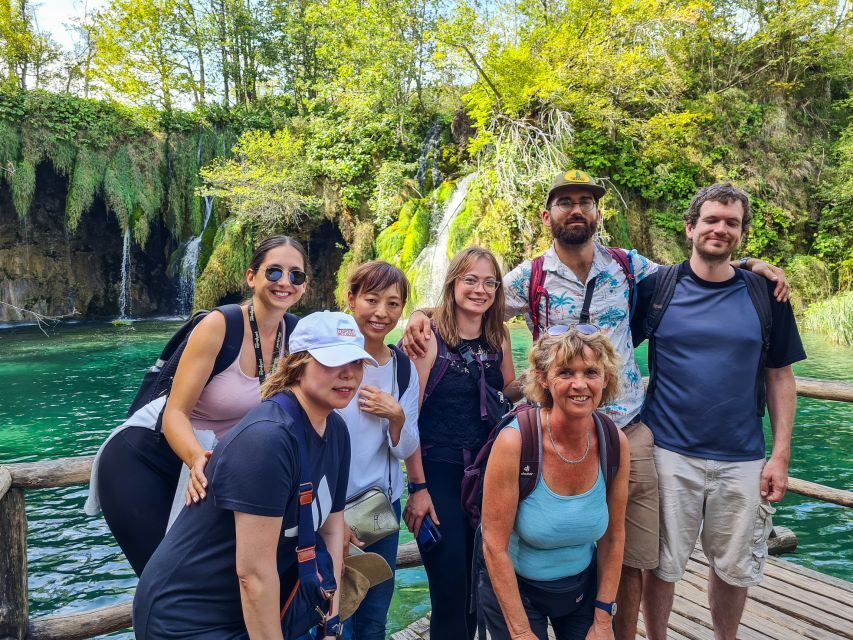
The classic day trip. Ten hours, park entry ticket included, Rastoke stop for 45 minutes on the way back, and most importantly — small group size capped at around 16. Guides know the park well and consistently get praised for being flexible on the route depending on weather and crowd levels. Our review covers exactly what “entry ticket included” means (pre-booking saves you the queue) and how much free time you get. One past visitor noted visiting in February snow made the park more magical — worth considering if you’re travelling in winter.
2. Zagreb: Rastoke & Plitvice Lakes Guided Tour — $57
Essentially the same product as the top pick at a slightly lower price. Similar itinerary — Zagreb pickup, Rastoke stop, Plitvice 4-hour hike, drive back — with guides from the same local pool. Past travellers consistently call out the guide quality as excellent. Our review compares this head-to-head with the main tour. If budget is a factor, book this one; if group size and a slightly nicer bus matter, pay the $4 extra for the other one.
3. Plitvice Lakes & Rastoke Day Trip with Entry Ticket — $78.60
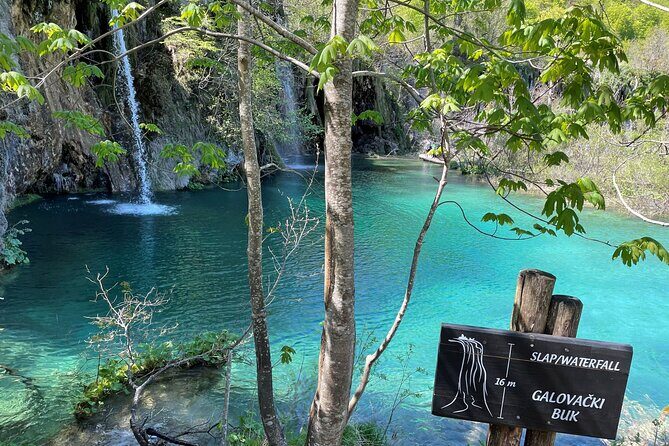
The premium version. Same itinerary as the GYG options but with smaller group sizes (usually 10-12 people max), newer minivans with Wi-Fi, and slightly longer free time at both Plitvice and Rastoke. If you prefer the feel of a small, private-feeling tour to a 16-person minibus, the extra $17 is worth it. Our review details what the premium pricing gets you. Guides are consistently praised for being informative without being preachy.
Rastoke: The Underrated Second Stop
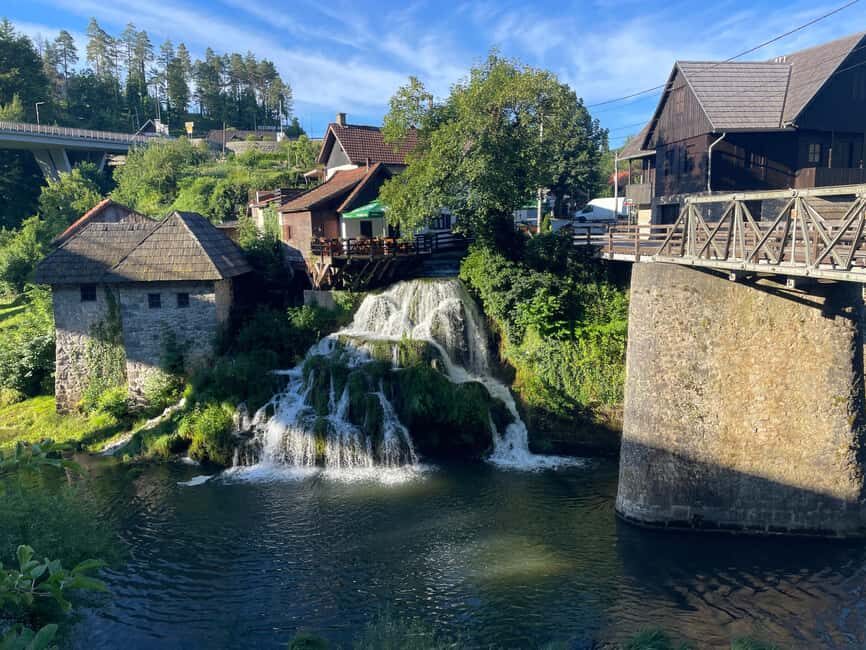
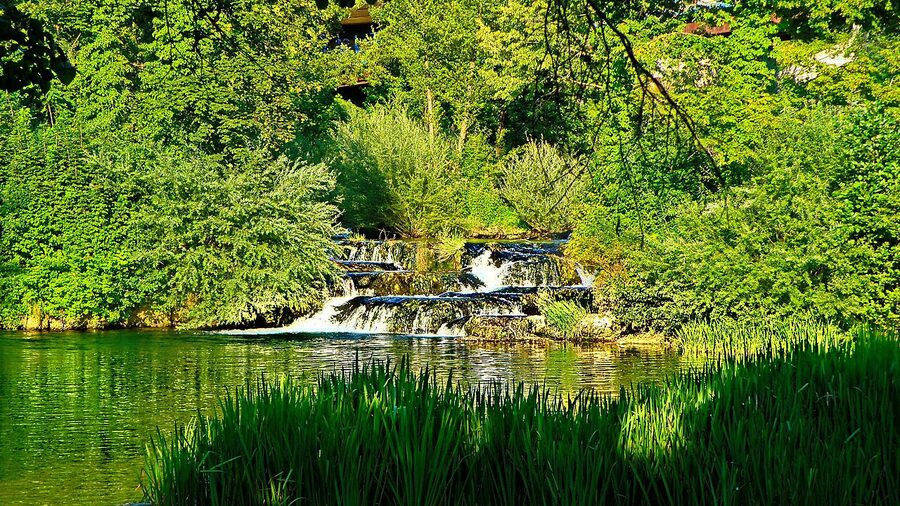
Rastoke is a small 17th-century watermill village on the Slunjčica river, 30 km north of Plitvice. It used to be a flour-grinding centre — about 20 mills at its peak, water-powered by the river’s cascades. Today 9 still turn, most of them part of family-owned restaurants or guesthouses.
.jpg)
Rastoke is essentially Plitvice in miniature with houses built on top. The tufa geology is the same, and the waterfalls are similarly photogenic — but you can walk between houses with small falls running under their foundations. It’s quieter than Plitvice and takes 45-60 minutes to see. Most Zagreb tours now include it as a stop, which adds 90 minutes to the round trip but is worth it.
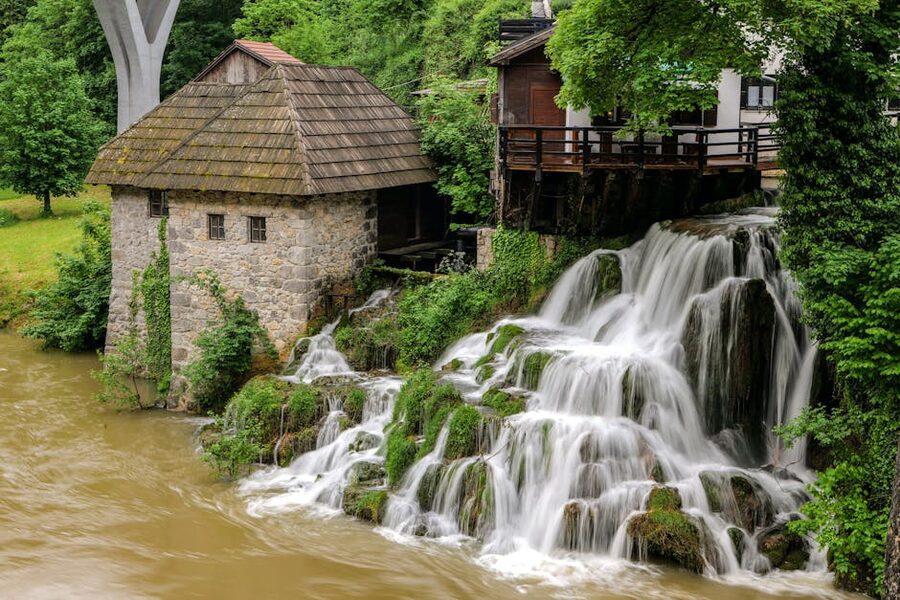
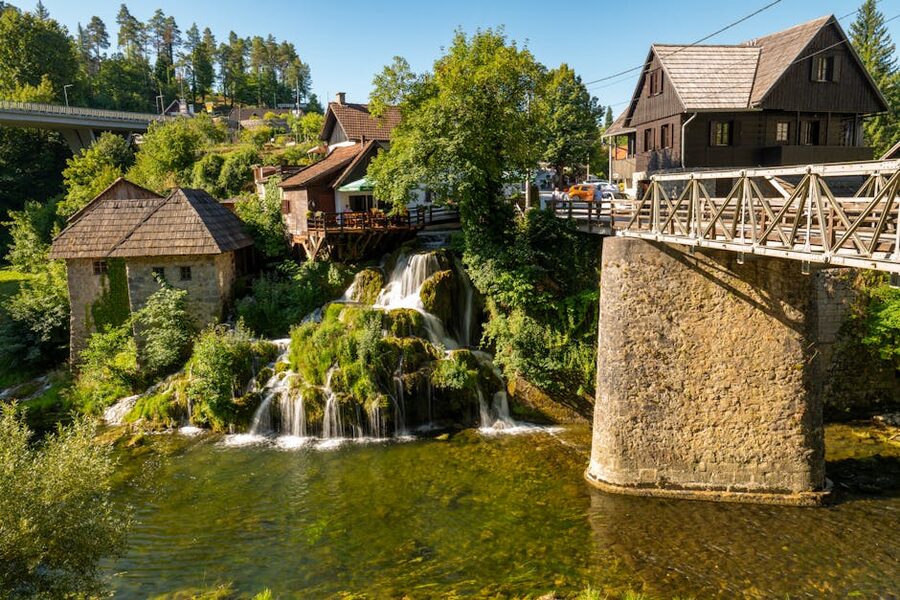
If you’re in Rastoke, the traditional food to eat is freshwater trout — the rivers here are cold and oxygenated enough that the trout is excellent. Expect €15-20 for a whole grilled fish with potatoes.
When to Visit
Plitvice is open year-round but it changes dramatically by season.
Spring (April-May): Green, wet, the falls are at their loudest. May is the best single month — wildflowers are out, crowds are still thin, water is full from snowmelt. My favourite time. For a wider perspective, our best-time-to-visit Croatia guide weighs each month’s trade-offs across the whole country, not just the park.
Summer (June-August): Peak season. Crowds are thick, especially on weekends and in mid-August. Water levels drop and some minor waterfalls stop flowing. Boardwalks near the main viewpoints bottleneck badly.
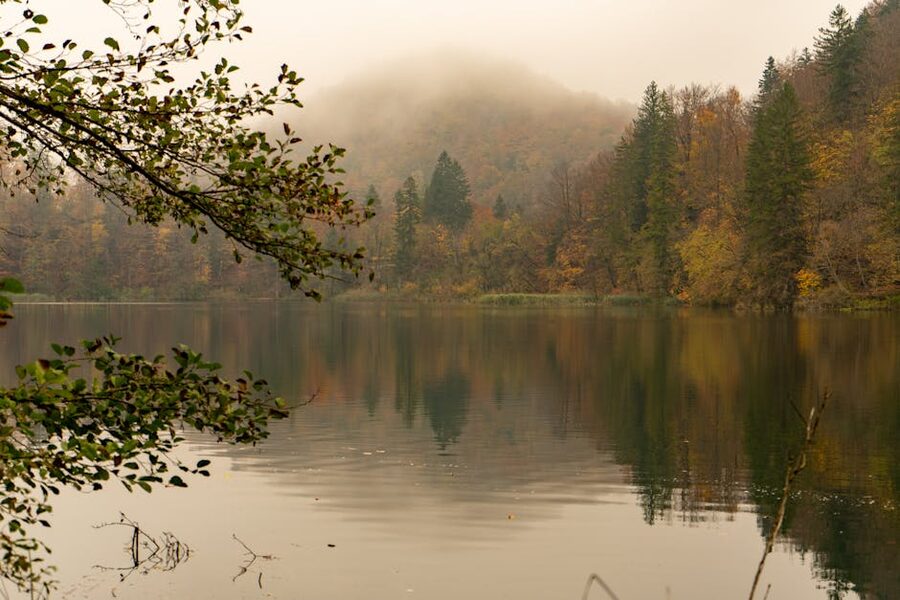
Autumn (September-October): The photographer’s season. Fewer crowds, gold leaves, cool water. October in particular is magical — the Upper Lakes trail feels almost empty on weekdays.
Winter (November-March): A different park. Waterfalls partially frozen, snow on the boardwalks, very few other visitors. Tours still run but days are short and some trails close. If you’re going in winter, book one of the tours that are used to it and bring proper boots — the boardwalks get icy.
What to Wear and Bring
Comfortable walking shoes with grip. The boardwalks are wet, often slippery, occasionally under running water. Hiking shoes are overkill but stable trainers are essential.
Layers. Plitvice sits at 500m altitude and is always cooler than Zagreb by a few degrees. Even in July, mornings can be 12-15°C.
Water bottle. The park has limited drinking fountains — fill up at the entrance and drink as you go.
Light rain jacket or poncho, always. Even forecast-clear days get occasional spray-mist from the falls, and the weather changes fast.
Phone or camera. Plitvice photographs well in almost any conditions — overcast light is actually better for the waterfalls than bright sun.
Snack. Lunch options inside the park are limited and expensive (€15+ for a basic burger). Bring a sandwich from Zagreb if you can.
Solo Visit vs Guided Tour
Some travellers prefer to rent a car and do Plitvice independently. It’s doable — the park is 90 minutes south of Zagreb by highway, entry is €25-40 (depending on season), and parking is straightforward.
But here’s the math on solo vs guided:
Solo: Car rental €40-60, fuel €25, entry €25-40, lunch €15, parking €7 = €115-150 per person (couple-up and share and it’s €60-80 each).
Guided: €60-80 per person, all in, no planning.
Guided wins unless you’re a party of 3+ sharing a car, or you want the freedom to stay longer at any one spot. The main advantage of a guided tour is the pre-booked entry ticket — in July and August, the park sometimes closes to new arrivals at 10am due to capacity. Tours bypass this with reserved timeslots.
Worth Knowing Before You Book
Things past travellers have flagged repeatedly:
Park capacity limits exist and get enforced in summer. Check whether your tour has a guaranteed entry — the good ones do.
The Route C is 4 hours of walking on mostly flat but uneven boardwalks. If you have mobility issues, the Route A (Lower Lakes only, 2.5 hours, no Upper section) is gentler. Ask before booking.
The “ticket included” language varies. Some tours include it; others charge you at the gate. Read the inclusions list, and if in doubt, message the operator before booking.
Rain changes everything. If it rains for 24+ hours before your visit, waterfall flow goes up and the park can look dramatically different. Not bad — just different.
Weekends are peak. Monday-Thursday tours are noticeably less crowded than Friday-Sunday ones.
Lunch stops at tour operator-recommended restaurants are usually fine but marked up. If you want a proper Croatian meal, eat at Rastoke instead (trout, potatoes, homemade bread) — €15-20 versus €25 in the tourist village near the park.
Some tours advertise a “2-day Plitvice extension” — useful if you want the time to do both the Upper and Lower Lakes properly. The standard 4-hour day only gives you most of the park, not all of it.
The boat across Kozjak Lake is included in your ticket; you don’t pay extra. Some booking sites make it sound like an upgrade. It isn’t.
Is a Day Enough?
For most travellers, yes. Four hours inside the park covers the main highlights and gets you the photos you came for. A two-day visit is better if you want the quieter trails around the Upper Lakes or if you’re a photography enthusiast willing to be there for sunrise.
If you’re doing the day trip from Zagreb, book for the first or second day of your Zagreb stay. Weather cancellations happen occasionally — leaving your last day for Plitvice means no buffer if your tour gets rescheduled.
Pairing This with Your Croatia Route
Most travellers split Croatia into two zones: Zagreb and the north for a few days, the Dalmatian coast for the rest. Plitvice is the bridge between them, best visited from Zagreb as an inland day trip before heading south.
If your route goes Zagreb → Split → Dubrovnik, consider doing Plitvice from Zagreb (this tour) rather than from Split. The Zagreb version is shorter overall and the park entry fee is usually included; Split versions tend to be 12+ hours with longer driving.
For Dalmatian counterpoint, the Blue Lagoon cruise from Split and the Cetina rafting tour are the water-based equivalents of a Plitvice nature day. And if you’re ending in Dubrovnik, the Montenegro day trip is the natural final excursion.
For something Zagreb-specific while you’re based there, most travellers pair Plitvice with a Zagreb walking tour and either Istria or Slovenia. Pula’s Roman Arena is a good second day trip from Zagreb — 3 hours each way by car, Roman history balancing the natural beauty of Plitvice.
More Croatia Guides
A full Croatia itinerary usually includes Plitvice, at least one Dalmatian day trip, and at least one cultural walking tour. The Diocletian’s Palace walking tour guide is the one for Split. The Blue Lagoon cruise guide and the Cetina rafting guide cover the water-based Dalmatian options. For Dubrovnik, read the Dubrovnik city walls guide and the Montenegro day trip guide. And if you’re ending up in Istria, the Pula Arena guide is the Roman-history counterpoint to the natural-beauty focus of Plitvice.
Affiliate disclosure: We may earn a small commission from bookings made through the links on this page. It doesn’t change the price you pay and helps keep the site running.