
Kew Gardens has the world’s largest collection of living plants. 50,000 species in 326 acres. 7 million preserved specimens in the herbarium. It’s also a working scientific institution — about 300 scientists do daily research here on plant conservation, evolution, and DNA sequencing. You can walk past all of that as a regular tourist and not notice.

Kew sits in west London, 20 minutes by Overground from Waterloo. The gardens cover a full day if you want them to — three major glasshouses, a treetop walkway, two small palaces (Kew Palace and Queen Charlotte’s Cottage), and enough path network that you can walk 10 km without retracing your steps.

This guide covers what’s actually worth seeing, how the ticket works, and whether the Thames cruise back to central London is worth the extra time. If you’re combining with other London attractions, see our Kensington Palace guide (similar neighbourhood) and Thames cruise guide.
- In a Hurry? Here Are the Top Picks
- What to Actually See
- The Palm House
- The Temperate House
- The Princess of Wales Conservatory
- The Treetop Walkway
- Kew Palace and Queen Charlotte’s Cottage
- The Hive
- The Great Broad Walk and Borders
- The Best Tickets to Book
- 1. London: Kew Gardens Admission Ticket —
- 2. London: Kew to Westminster River Thames Cruise — .25
- 3. London Zoo Entry Ticket —
- A Short History of Kew
- How to Get to Kew
- When to Visit
- What to Bring
- Worth Knowing Before You Book
- Pairing with Other London Activities
- Worth the Ticket or Skippable?
- More UK Guides
In a Hurry? Here Are the Top Picks
The essential: London: Kew Gardens Admission Ticket — $32 per person. Full-day entry including all glasshouses and the Treetop Walkway.
Best combo: London: Kew to Westminster River Thames Cruise — $24.25 per person. Take the train out, cruise back to central London by boat.
Best family option: London Zoo Entry Ticket — $41 per person. Not Kew — but a complementary outdoor day with a completely different character.
What to Actually See
Kew is too big for a 2-hour visit. Here’s the priority order for a 4-5 hour stay.
The Palm House
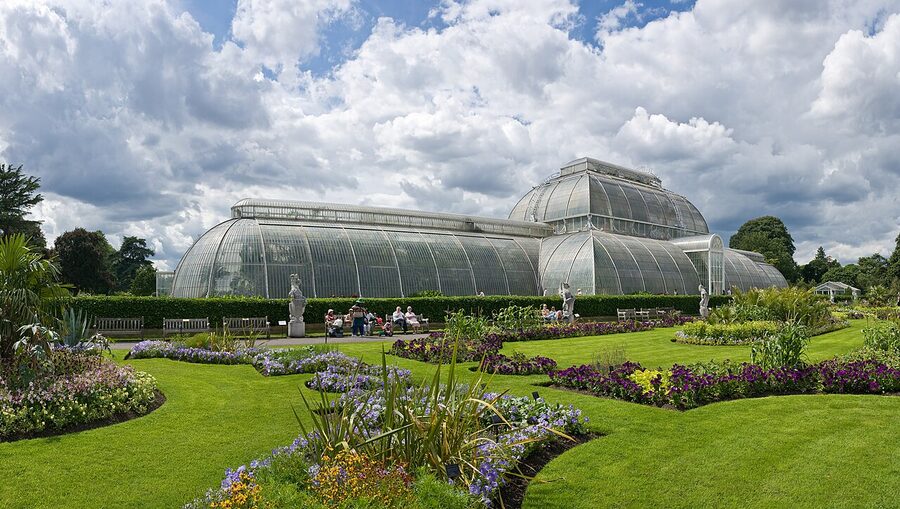
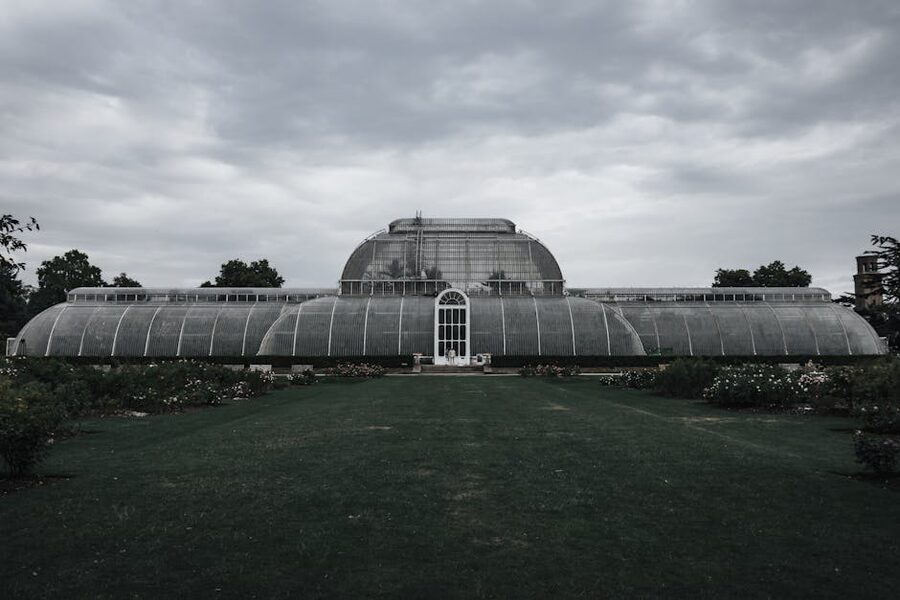
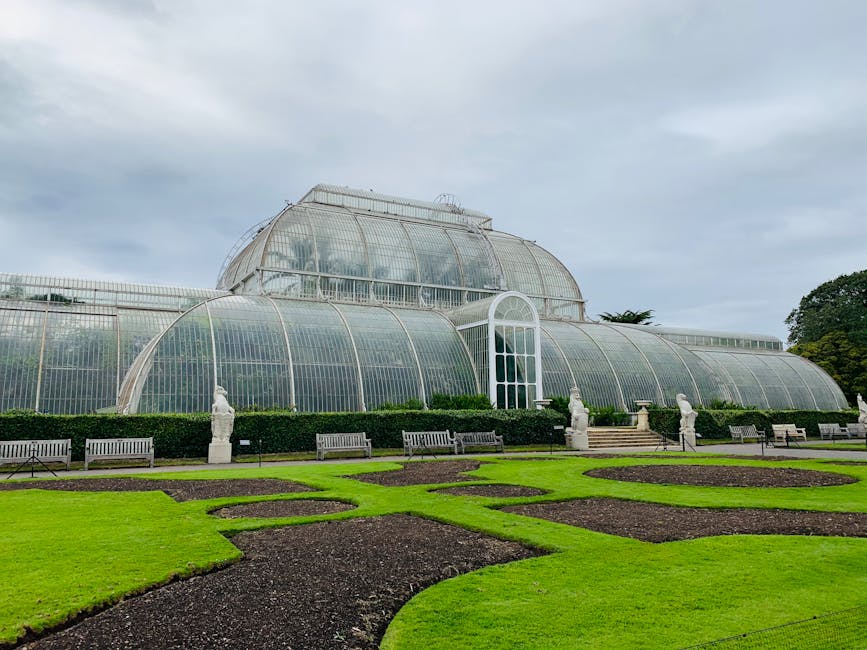
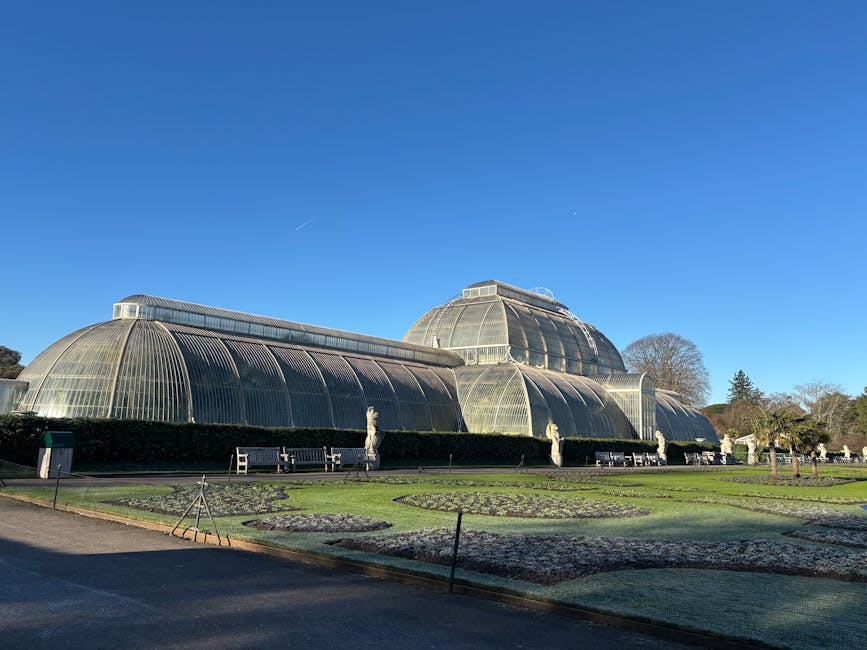
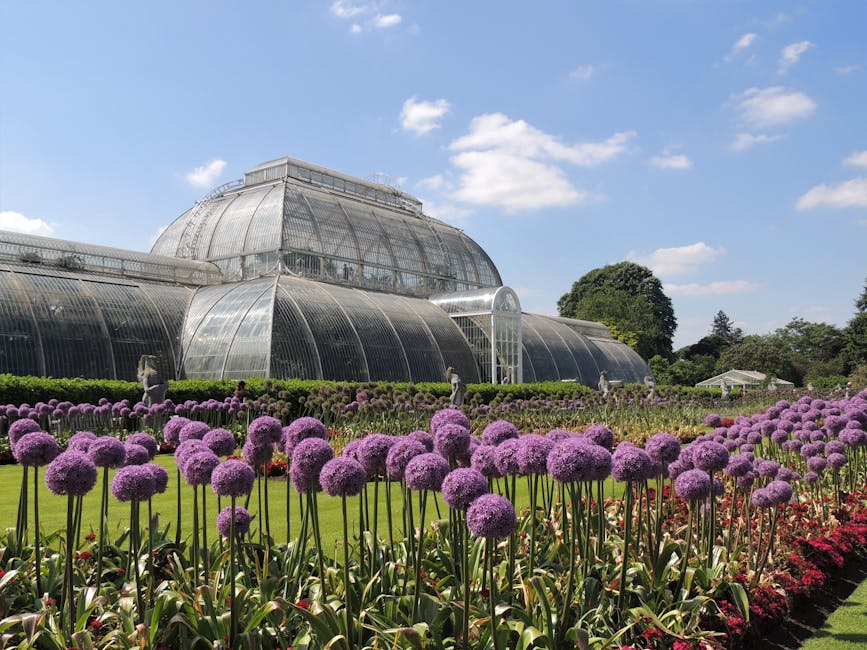
Start here. Built 1848 by Decimus Burton and Richard Turner, it’s the most important piece of Victorian glasshouse architecture anywhere. The curved glass roof was a technical achievement when built (the first curved glass in any public building) and is still distinctive today.
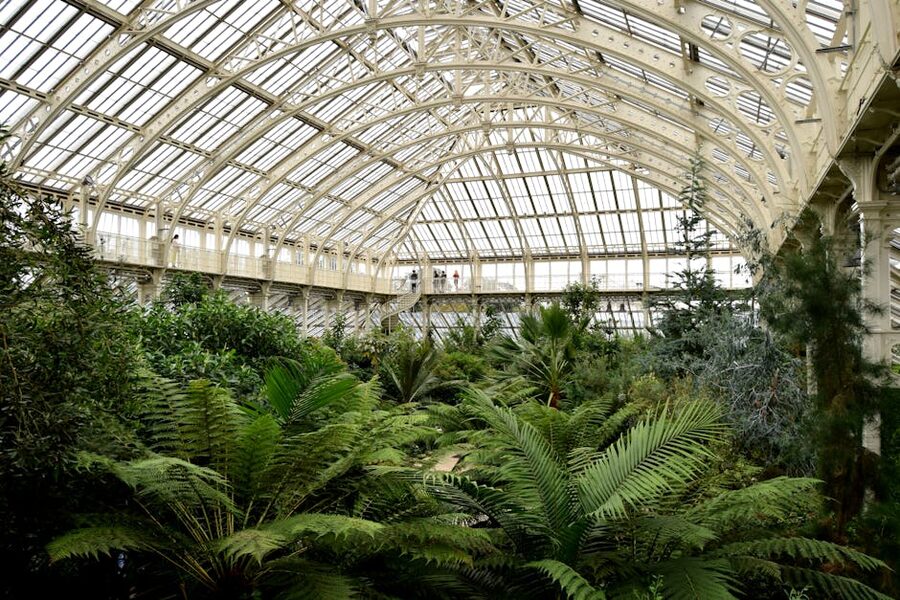
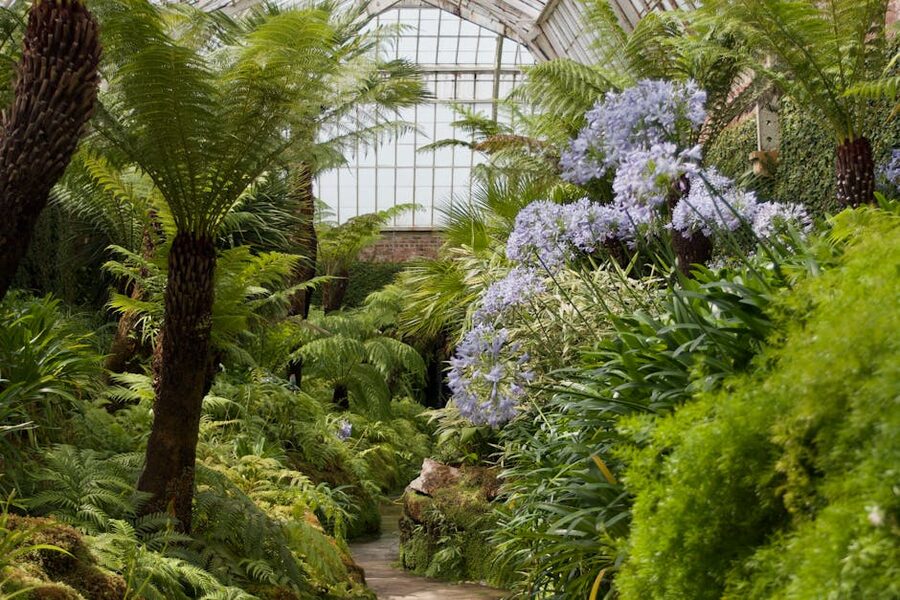
Inside, you’ll find a tropical rainforest climate recreation. Some of the palms are over 150 years old — a few date from the original 1848 opening. The spiral metal staircase to the upper walkway gives you a canopy-level view of plants you can usually only look at from below.
The Temperate House
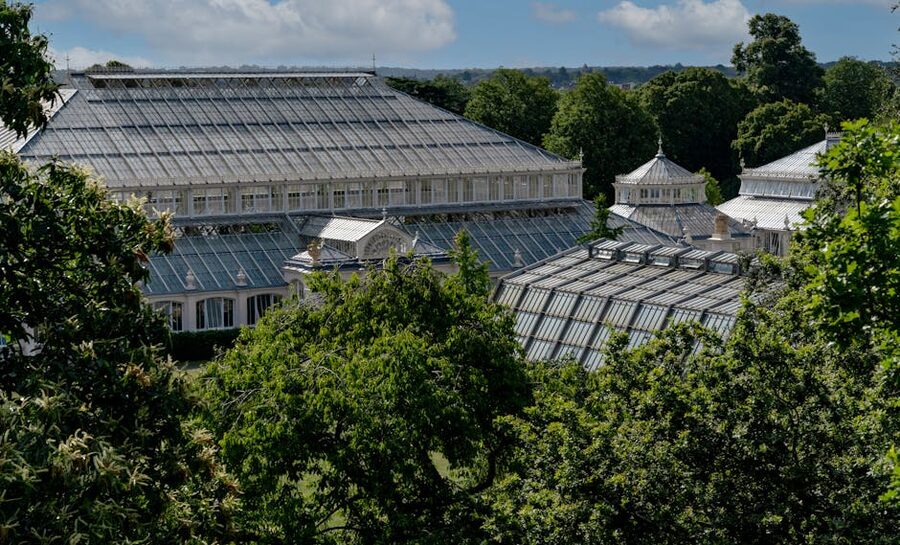
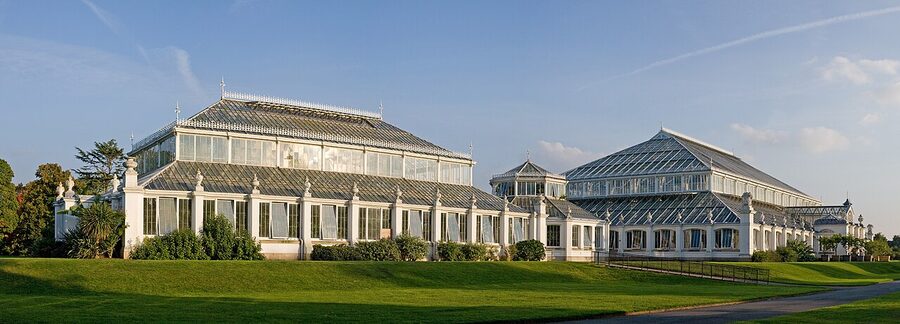
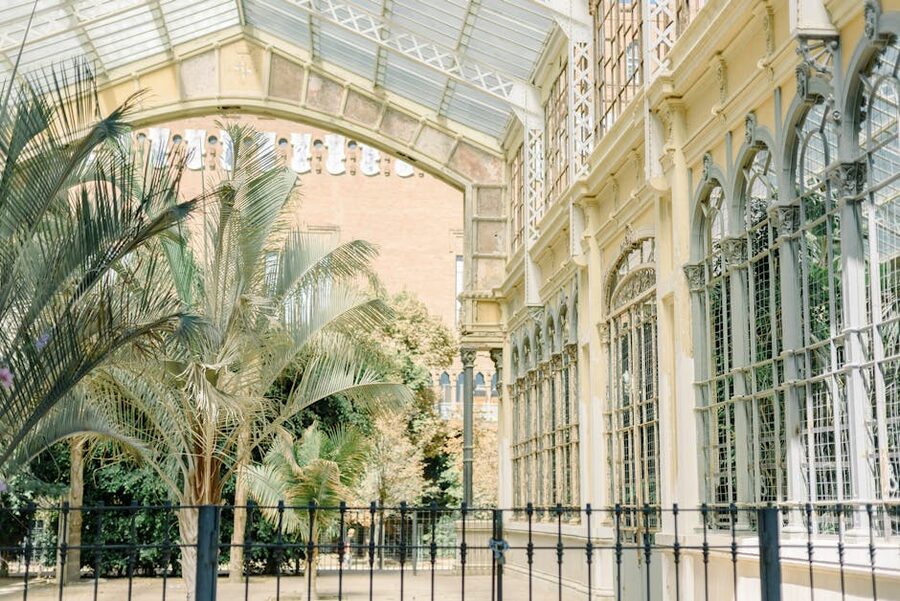
Twice as big. Opened 1863, closed for restoration 2013-2018, reopened to the public with a £41 million facelift. This is where the Mediterranean, Californian, Asian, and Australian climate zones live.
The Princess of Wales Conservatory
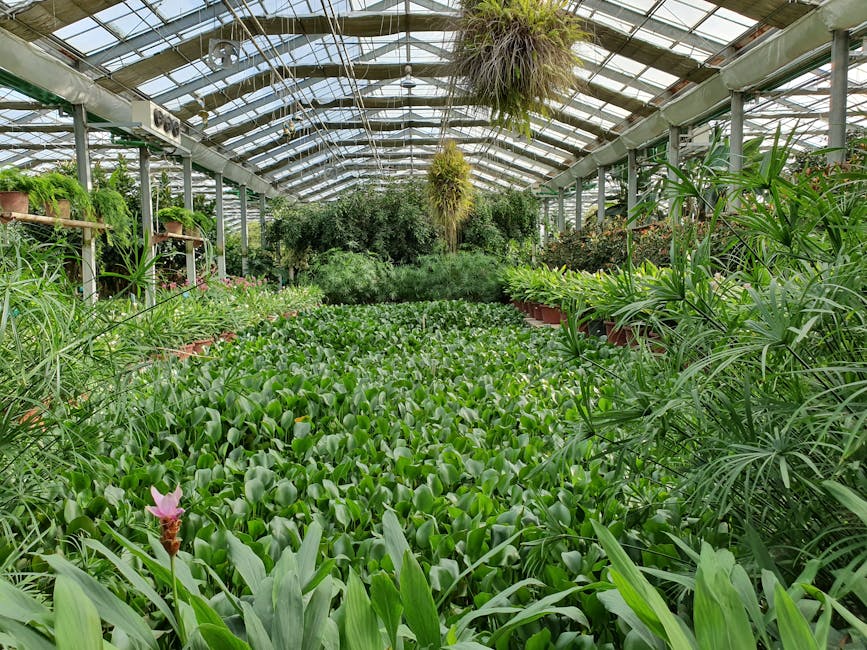
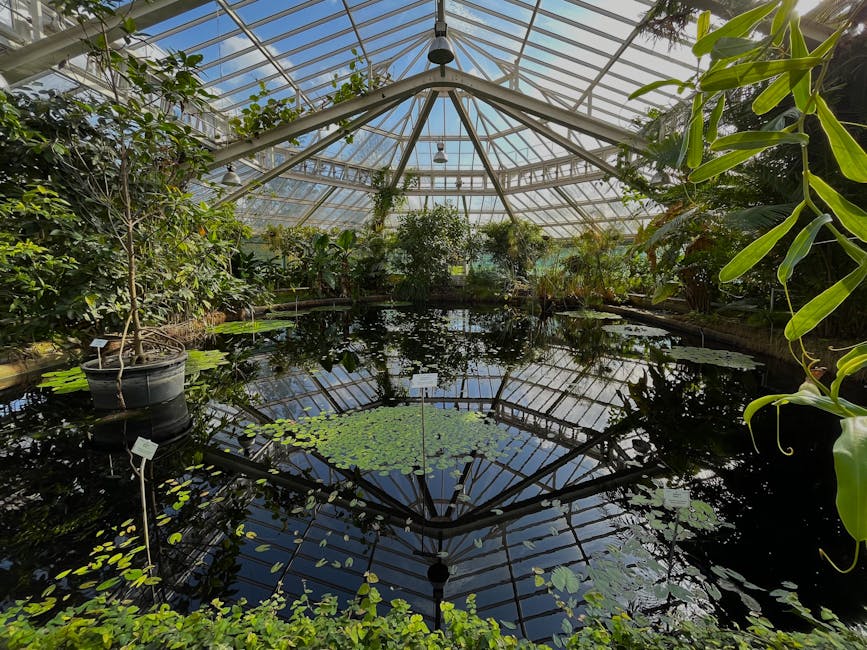
The 1987 modern glasshouse — named after Princess Augusta, not Princess Diana — contains ten different climate zones under one roof. Desert, tropical rainforest, carnivorous plants, orchids, and a small pool of water lilies. Smaller than the Palm House but more biologically diverse.
The Treetop Walkway
An 18-metre-high walkway through the canopy of sweetgum and oak trees. Opened 2008, 200 metres long, gives you a squirrel-eye view of the gardens. Accessible by lift or stairs.
Kew Palace and Queen Charlotte’s Cottage
Two small royal properties inside the gardens. Kew Palace is the smallest royal palace in the UK — a 4-floor Dutch brick house where George III’s family lived in the early 1800s. Free entry with Kew Gardens ticket, though only open April-September.
Queen Charlotte’s Cottage is a thatched summerhouse Charlotte used for picnics. Open to the public only on weekends in summer.
The Hive
A contemporary sculpture by artist Wolfgang Buttress. 17 metres tall, made from 170,000 aluminium pieces. LED lights inside respond to real-time activity of a live beehive nearby — you stand inside the sculpture and watch the lights pulse with the bees’ work. Weird, memorable, free with entry.
The Great Broad Walk and Borders
Main pedestrian axis running north-south through the gardens. Flowering borders run on both sides — April-September is peak bloom. The scale is enormous; each border is 320 metres long.
The Best Tickets to Book
1. London: Kew Gardens Admission Ticket — $32
The main ticket. $32 gets you full-day access including all glasshouses, the Treetop Walkway, Kew Palace (April-Sept), and any seasonal exhibitions. Entry is timed in 15-minute slots during busy periods but exit and re-entry are flexible. Our review covers exactly what’s included and what costs extra (the Great Pagoda is £7 on top, not in the standard ticket). At $32 it’s expensive as London attractions go but you’re paying for 326 acres of world-class gardens — the value is in how much time you can fill.
2. London: Kew to Westminster River Thames Cruise — $24.25
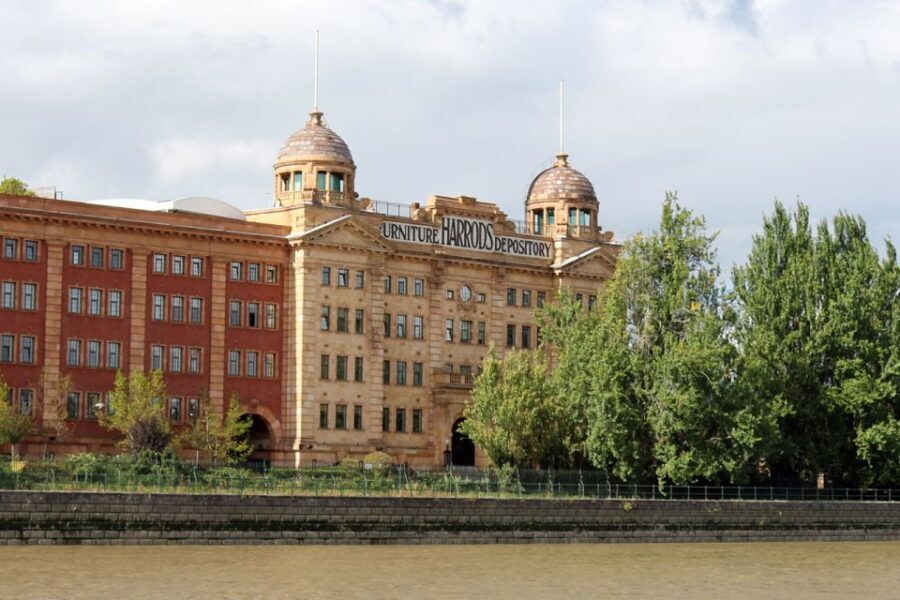
The best way to experience Kew’s location. Most visitors take the train both directions; this tour returns you to central London via a slow boat along the Thames. You pass Hammersmith, Putney, Fulham, Chelsea, and arrive at Westminster — a two-hour river journey with London gradually getting bigger and more urban around you. Our review covers the cruise specifics — seating, commentary, timings. Book Kew entry separately if you want this; this tour is transport only.
3. London Zoo Entry Ticket — $41
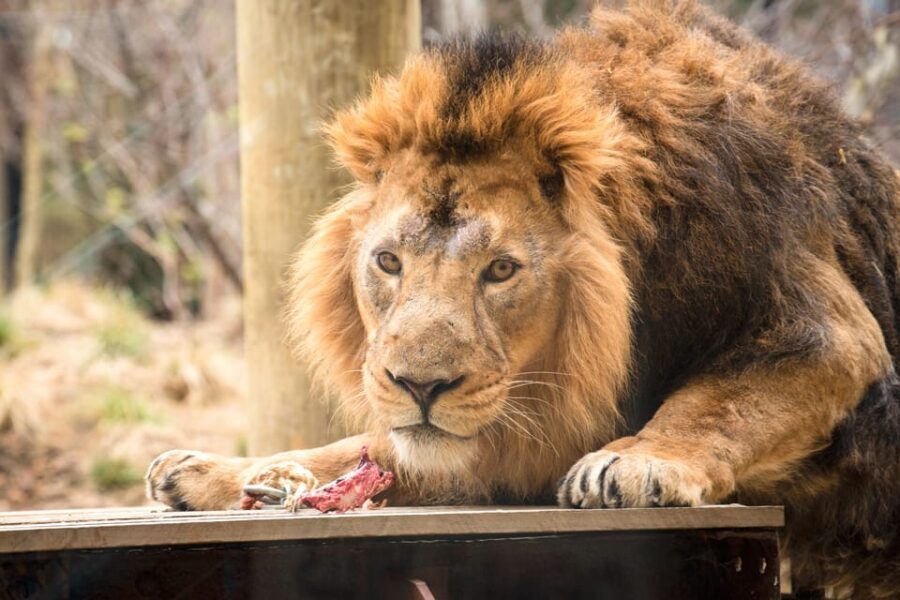
The complementary outdoor day. London Zoo is the world’s oldest scientific zoo (opened 1828) and sits in Regent’s Park north of central London. Not botanical like Kew, but pairs well as a two-day “London outdoors” itinerary with kids. Our review covers what’s actually worth the time. Different animals from the standard zoo list — the penguins, the Asian lions, and Gorilla Kingdom are the highlights.
A Short History of Kew
Kew Gardens started in 1759 as a 9-acre private botanical garden for Augusta, Princess of Wales (George III’s mother). Her son, George III, expanded it substantially from the 1770s, adding plants from his father’s royal collections and commissioning the original orangery.
The Victorian expansion was driven by Queen Victoria’s love of botany and by explorers returning from South America, South Africa, and Southeast Asia with rare specimens. The Palm House was built to house plants from the tropical British colonies. Kew became the administrative centre of botanical knowledge across the Empire — specimens from every colony were collected here for identification and classification.
The gardens opened to the public in 1840. Today they’re run by the Royal Botanic Gardens, Kew (RBG Kew) — a Department for Environment-linked public body. UNESCO World Heritage status was granted in 2003, recognising Kew as “a unique landscape of historic gardens and architectural landmarks whose value has been enhanced by continuous scientific research.”
How to Get to Kew
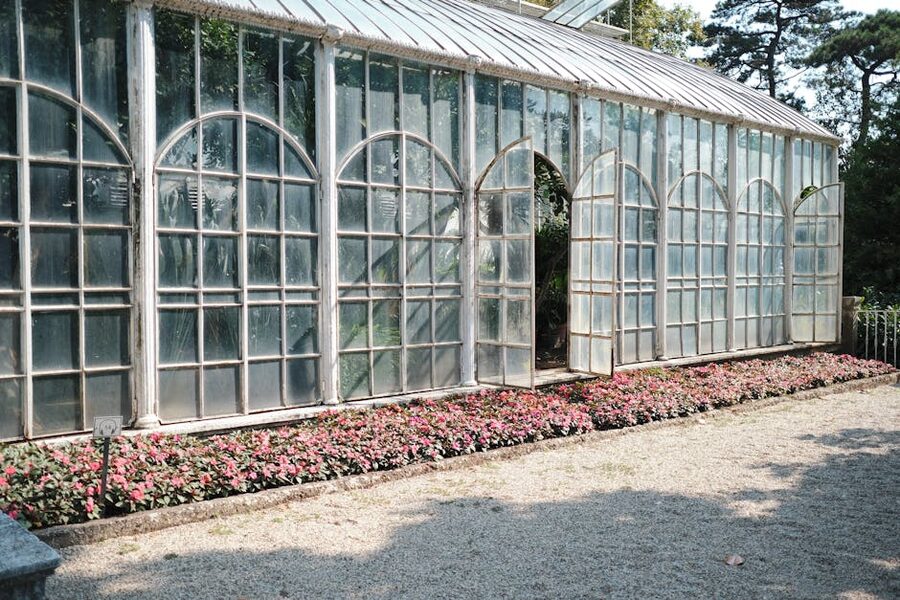
Train/Tube: Kew Gardens station (District Line or London Overground) is 5 minutes’ walk from the Victoria Gate. Kew Bridge station (Southwest Trains from Waterloo) is 10 minutes. Use whichever is closer to your base.
Boat: Summer-only ferry service from Westminster, Richmond, and Hampton Court. Takes 90 minutes from Westminster but gives you the scenic route.
Bike: The Thames Path runs past Kew. Hire a Santander bike from central London; about 45-60 minutes’ ride.
Car: 30 minutes from central London. Kew has £5 per day on-site parking at the Brentford Gate, which is cheaper than most London parking.
When to Visit
Kew is open year-round. Each season has a distinct character.
Spring (March-May): Snowdrops, crocuses, daffodils, tulips, and cherry blossom. The best season for outdoor visitors.
Summer (June-August): Peak crowds but the gardens are at their showiest. Long days let you explore after work.
Autumn (September-November): Japanese acers, chestnuts, and oaks turn gold and red. The tree collection is one of the best in the UK for autumn colour.
Winter (December-February): The heated glasshouses come into their own. Kew is arguably at its best in mid-winter — minimal crowds, heated tropical interiors, and low winter light through the glass.
The annual Christmas at Kew (late November to early January) is a after-dark light show along the paths; separate ticket, about £25-35. Books out months ahead.
What to Bring
Comfortable walking shoes. 326 acres means you’ll walk a lot — 8-10 km is typical for a full day.
Layers. Outdoor gardens are cold; tropical glasshouses are 30°C and 90% humidity. You’ll want a removable layer for entering each.
Water bottle. The cafés are expensive and the water fountains are functional.
Picnic. Kew allows and encourages picnicking on the lawns. Summer is picnic weather.
Camera or phone. Photography is allowed in all areas. Tripods need permission (ask at the entry gate).
Sunscreen. Even in English weather, long walks in exposed areas like the Great Broad Walk can give you a burn.
Worth Knowing Before You Book
The standard ticket covers almost everything. A few exceptions: the Great Pagoda (£7 extra), the annual Christmas at Kew (separate event), and the Marianne North Gallery’s special exhibitions occasionally charge.
Members pay nothing. Friends of Kew membership is £79 per year and includes unlimited visits, events, magazines, and discounts on the café. If you’re going to Kew twice in a year, the membership pays for itself.
The gardens are genuinely too big for one day. If you want the full experience, plan on two visits. Your paper ticket is valid for one day, so second visits require a new ticket — or Friends membership.
Children under 4 are free. Ages 4-16 are substantially discounted. Family tickets (2 adults + 3 children) are about 30% cheaper than buying separately.
Dogs are not allowed except assistance dogs. Guide dogs have full access.
Wheelchair accessibility is excellent — about 85% of paths are hard-surfaced. Mobility scooters can be hired at the gates.
The Great Pagoda (£7 extra) has 253 steps and isn’t included in the base ticket. It’s a 10-storey Chinese-style pavilion built in 1762, recently restored with 80 hand-carved dragons on the roofs. View from the top is impressive but the climb is limiting.
Pairing with Other London Activities
Kew is a half-to-full-day activity in itself, and west London has several good pairing options.
Morning Kew + afternoon Richmond: Richmond (the town, 10 min from Kew) has Richmond Park, the main royal park in south-west London, and the riverside walks. 2-hour walk from Kew to Richmond along the Thames.
Kew + Hampton Court: Hampton Court Palace is another 30 minutes up the river. Combined day trip is long but doable — one boat tour can combine both.
Kew + Thames return: Train to Kew in the morning, walk the gardens, return by river cruise. This is the ideal day-trip structure.
Kew + Kensington: Similar neighbourhood feel. Our Kensington Palace guide covers the royal-residence counterpart.
For a contrast, the British Museum is the indoor version of a cultural full-day activity — ideal rainy-day backup if Kew weather is unsuitable.
Worth the Ticket or Skippable?
Worth the ticket if: you’re interested in plants, botany, or Victorian architecture; you’re travelling with kids who like the Treetop Walkway; or you need a break from central London’s density.
Skippable if: you’re on a tight 2-3 day London trip and have other outdoor options — Hyde Park, Hampstead Heath, or Kensington Gardens are all free alternatives.
For most London visitors with 4+ days, Kew is worth the half-day. It’s genuinely world-class in a way most tourists don’t recognise, and the Palm House alone is worth the entry fee for anyone who likes Victorian engineering.
More UK Guides
Kew pairs naturally with other London attractions. The Kensington Palace guide covers the royal residence nearby; the Thames River Cruise guide covers the river-return option; and the British Museum guide is the rainy-day alternative. For a full London week, add the St Paul’s Cathedral guide and The Shard guide for classic indoor/outdoor views. If you’re extending into the countryside, the Cambridge punting guide and Bath day trip guide are the natural further reads.
Affiliate disclosure: We may earn a small commission from bookings made through the links on this page. It doesn’t change the price you pay and helps keep the site running.