
Bartholomew I, the spiritual leader of roughly 300 million Eastern Orthodox Christians, lives and works in a small walled complex in Fener. It sits two blocks from Balat’s rainbow-painted Instagram streets, and most of the tourists posing for photos have no idea he’s a hundred metres away. No named must-sees, no museum queues — just a 2-3 hour walk through the longest-continuously-inhabited Jewish and Greek quarters in Istanbul, with coffee stops.
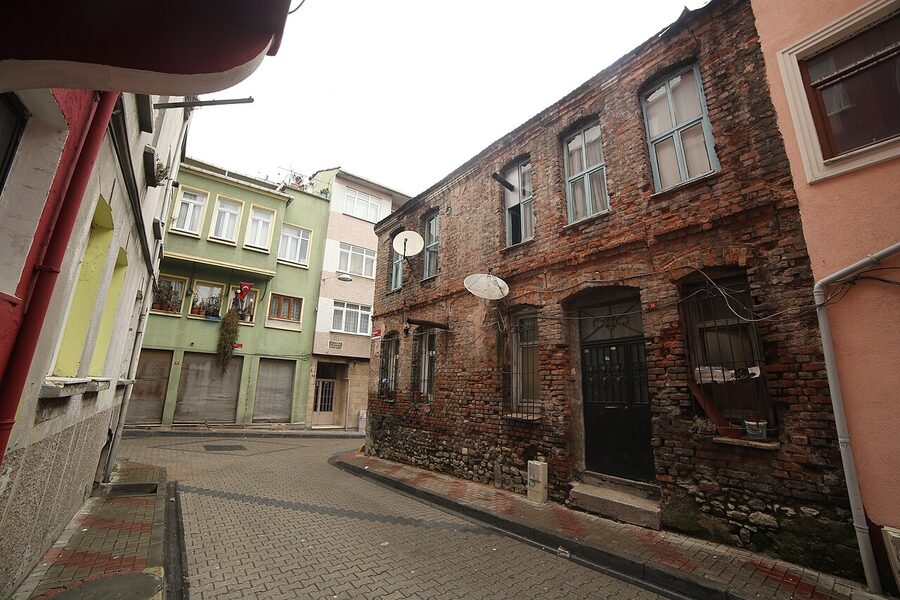

Guided walking tours run €25-90 depending on format (group vs private, 2 hours vs 4 hours). The neighbourhood is free to explore on your own — you don’t need a guide — but you’ll miss roughly 80% of what the streets mean without someone explaining them. A proper guide takes you past houses where specific families have lived for 200 years, into a synagogue that’s been in continuous use since the 1400s, and up the hill to a school that was central to 19th-century Greek Orthodox education.



In a Hurry?
- Best overall: Istanbul: Fener Balat Half-Day Walking Tour — €30, 3-4 hours, small group, licensed guide. The standard format.
- Best short version: Colorful Fener & Balat Walking Tour w/ Expert Guide — €25, 2 hours, more focused on the photogenic streets.
- Best private: Private Fener-Balat Walking Tour — €70-90, customisable pace and route, the best version for travellers who want depth.
- In a Hurry?
- What You Actually Walk Through
- Which Walking Tour to Book
- 1. Istanbul: Fener Balat Half-Day Walking Tour — from €30
- 2. Colorful Fener & Balat Walking Tour w/ Expert Guide — from €25
- 3. Rainbow Fener & Balat Walking Tour with Local Guide — from €35
- 4. Private Fener-Balat Walking Tour (Viator) — from €70
- A Short History of the Neighbourhoods
- What Makes It Worth Visiting
- The Photograph That Made Balat Famous
- Walking the Neighbourhoods on Your Own
- When to Go
- Combining With Your Istanbul Trip
- Food and Drink in Fener Balat
- Getting There
- Accessibility
- Common Mistakes
- What the Guides Can’t Tell You
- The Short Version
What You Actually Walk Through
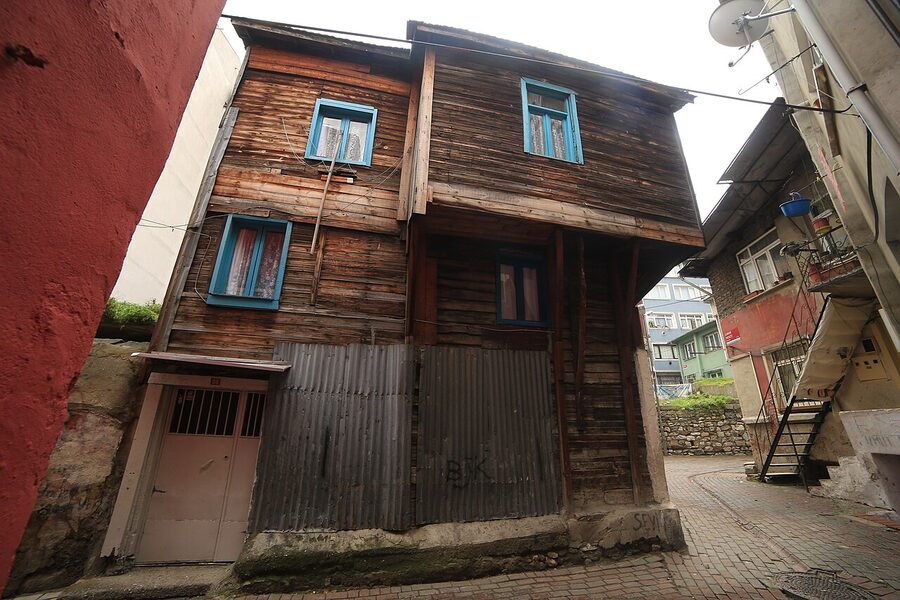

Standard route stops (2-4 hours):
Ahrida Synagogue. Istanbul’s oldest continuously working synagogue, built around 1430 by the Sephardic Jewish community who’d just arrived from Spain and Portugal. The interior is small — maybe 20 rows of seats — but it has been in use for 600 years. Visit requires advance permission; some walking tours include it, some skip it.
Fethiye Mosque / Church of Pammakaristos. A 12th-century Byzantine church converted to a mosque in 1591, now partially a museum. The 14th-century mosaics inside are among Istanbul’s most beautiful — direct predecessors to the Chora Museum mosaics (our Hagia Sophia guide covers the related Byzantine art context).
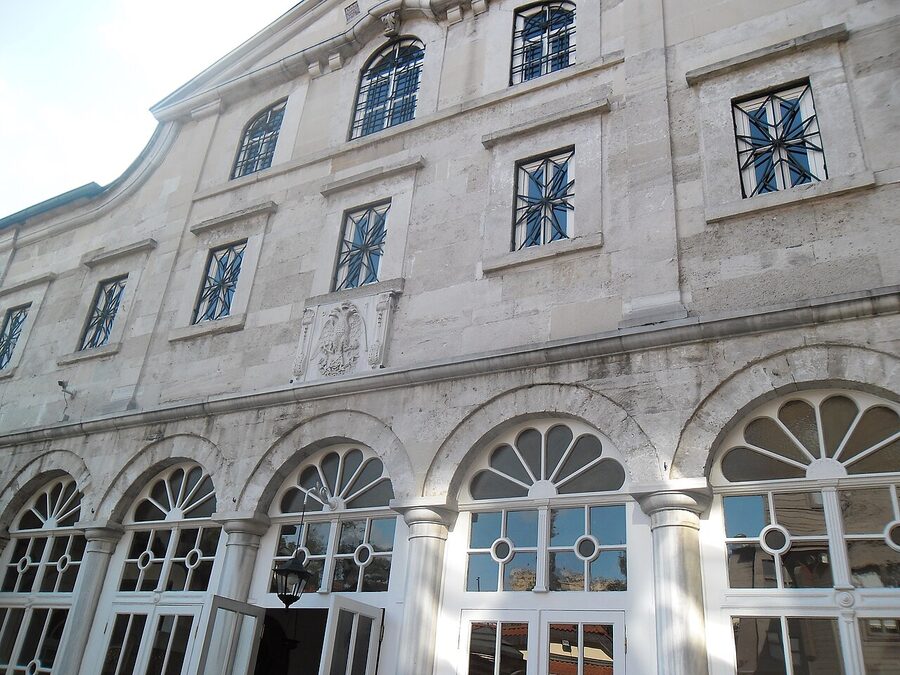
Ecumenical Patriarchate of Constantinople (St. George’s Cathedral). The historic seat of the Eastern Orthodox Church worldwide, still in Fener since the 6th century. Today it’s functionally ceremonial — the Ecumenical Patriarch lives here and conducts global Orthodox affairs from this small building on the Golden Horn. Free to visit during services.
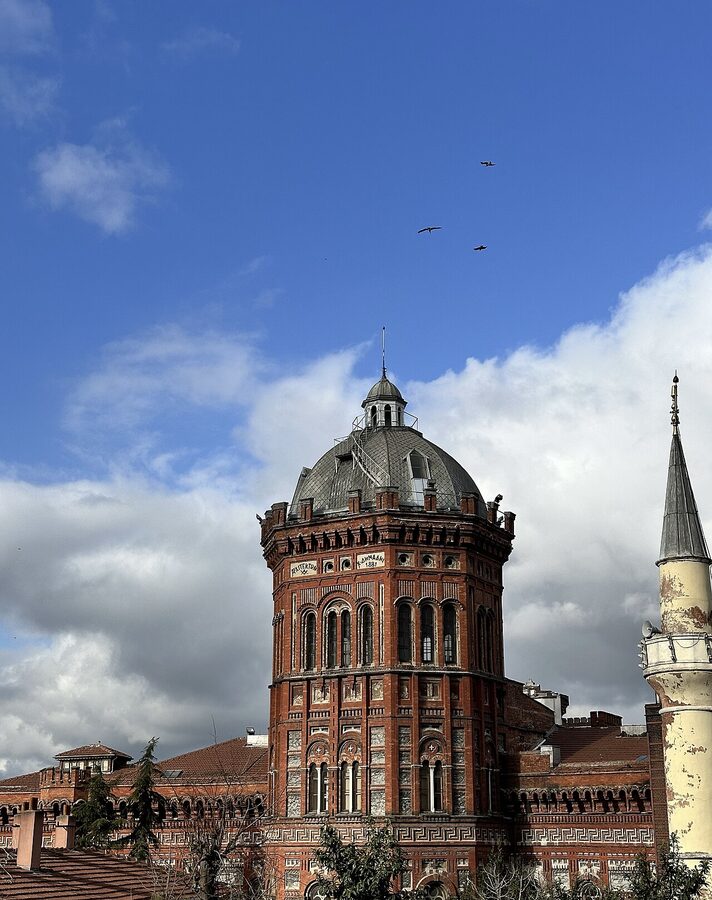
Phanar Greek Orthodox College (“Red School”). The hilltop red-brick building visible from across the Golden Horn. It was the most prestigious Greek Orthodox school in the Ottoman Empire from the 16th to 20th centuries, producing generations of Ottoman diplomats, scholars, and religious leaders. Still operating, though enrolment has dropped dramatically since the 1960s.
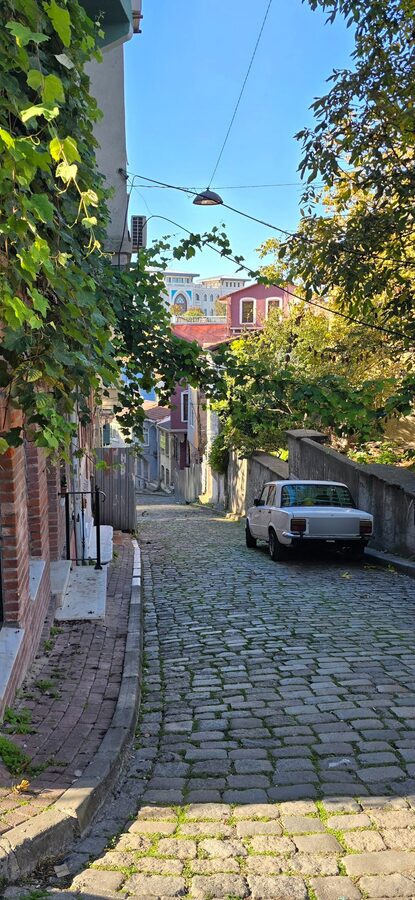
Balat wooden houses. The rainbow-painted streets. Walking between them takes 30-45 minutes. The specific “Insta-famous” streets are Kiremit Caddesi, Vodina Caddesi, and Merdivenli Yokuş. Some are genuinely photogenic; others are pretty in a way that feels staged for the camera.
Coffee and tea stops. The neighbourhood has a few dozen cafés, some quite good. Forno Balat, Cooklife Balat, and Dibek Kahve are all recommended by local guides.
Antique shops. Dozens of them, mostly in Balat’s lower streets near the Golden Horn. Ottoman-era items, Turkish coffee paraphernalia, vintage Turkish jewellery, occasional genuine antiques.
Which Walking Tour to Book
1. Istanbul: Fener Balat Half-Day Walking Tour — from €30
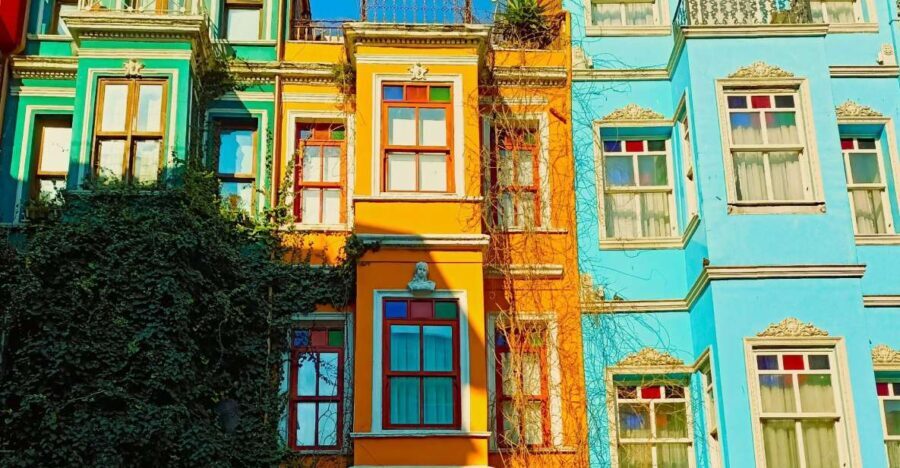
The default walking tour. 3-4 hours with a licensed guide. Small group (typically 8-14 people). Covers all the main stops: Ecumenical Patriarchate, Phanar Greek Orthodox College view, rainbow streets in Balat, coffee stop. Full review.
2. Colorful Fener & Balat Walking Tour w/ Expert Guide — from €25
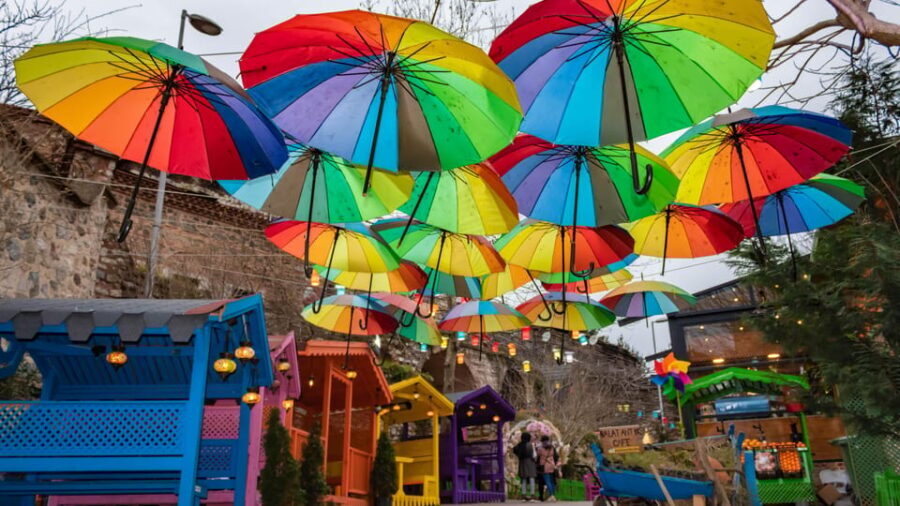
For visitors who want the walk but not the deep history. 2 hours, focused on the most photogenic streets, some context from the guide. Good choice if you’re short on time or specifically interested in the visual experience rather than the social-historical one.
3. Rainbow Fener & Balat Walking Tour with Local Guide — from €35
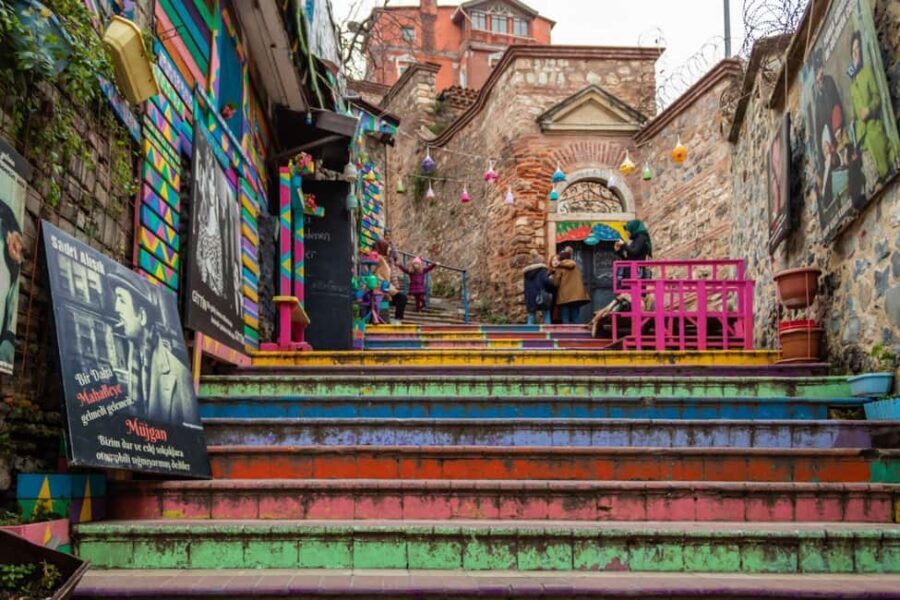
For travellers who want the local’s-take format instead of the standard licensed-guide script. Covers similar ground at similar pace, but the guide’s freedom to answer off-script questions is the differentiator.
4. Private Fener-Balat Walking Tour (Viator) — from €70
The depth option. Private guide adapts the route and pace to your interests — want more Jewish history? Greek Orthodox? Wooden architecture? The guide builds the tour around your questions. Best for history-curious travellers and second-time Istanbul visitors.
A Short History of the Neighbourhoods
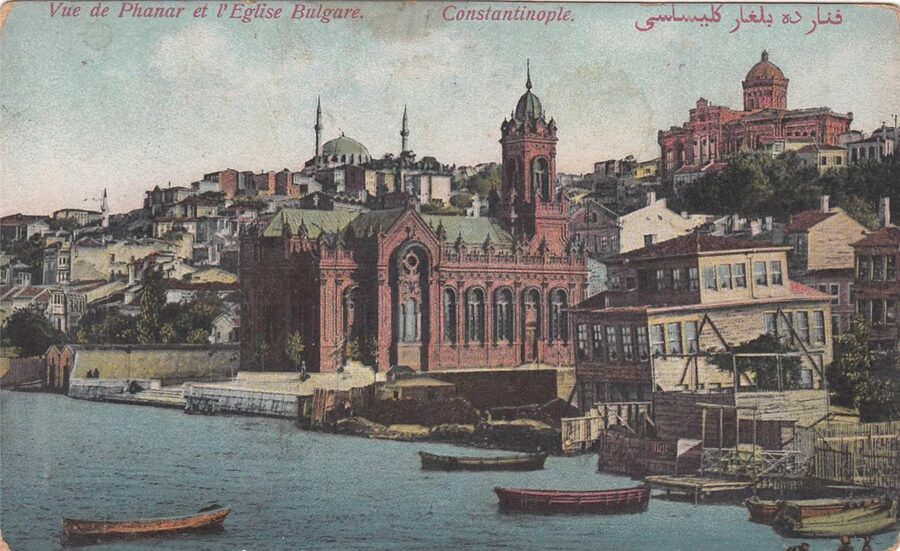

Byzantine origins (5th-15th centuries). Fener and Balat were coastal villages on the Golden Horn, primarily Greek Christian. “Fener” derives from the Greek “phanar” meaning lantern — likely referring to harbour lights used for navigation. The neighbourhoods had Byzantine churches, wealthy Greek families, and a small Jewish community.
1453 and after. Mehmed II’s conquest of Constantinople didn’t empty these neighbourhoods. In fact, the opposite. Mehmed granted the Orthodox Church continued authority over Christian populations (the “millet system”) and the Ecumenical Patriarchate moved from its original location to Fener in 1599 — where it’s stayed ever since.
Sephardic Jewish arrival (1492-1500s). When Spain expelled its Jewish population in 1492, Sultan Bayezid II welcomed them to Istanbul. Most settled in Balat, creating one of Europe’s largest Sephardic Jewish communities. By 1600 the neighbourhood had 15+ synagogues. The Ahrida Synagogue (1430) had been there before the Sephardic wave and remains the oldest working one.
Ottoman Greek era (1600s-1900s). Greek families in Fener — the “Phanariotes” — became the Ottoman Empire’s diplomatic and administrative class. They staffed foreign ministries, governed Danubian principalities, taught at the Phanar Greek Orthodox College. By 1850 the neighbourhood was one of the most educated districts in the empire.
20th-century decline. The 1923 Greek-Turkish population exchange removed most of Istanbul’s Greek Orthodox population (they were allowed to stay, but many left under social pressure). The 1942 wealth tax heavily targeted minorities, forcing many Jewish and Greek families to emigrate. The 1955 Istanbul pogrom destroyed dozens of Greek and Armenian properties. The combined pressure reduced Fener-Balat’s Greek and Jewish populations from roughly 40,000 in 1914 to under 3,000 by 2000.
Gentrification and restoration (2010s-2020s). The neighbourhood stayed poor and semi-abandoned for most of the late 20th century. Starting around 2012, restoration projects began — the rainbow-painted houses are largely from this period. Instagram attention from 2017 accelerated the process; by 2022 many streets had been restored, rents had increased, and the demographic shifted from working-class to tourist-facing café culture.
Today: the neighbourhoods are genuinely mixed — some still-resident Greek and Jewish families, a growing tourist-café economy, and a working-class Turkish Muslim majority that has lived here for generations. The tension between preservation, gentrification, and resident needs is ongoing and visible in every street.
What Makes It Worth Visiting
Strong yes: history-interested visitors (the neighbourhood encodes 600 years of Istanbul’s minority experience), architecture fans (wooden konak houses are rare globally), photographers (the painted streets are genuinely photogenic), visitors on their second or third Istanbul trip.
Maybe: first-time Istanbul visitors. The Sultanahmet heavy-hitters (Hagia Sophia, Blue Mosque, Basilica Cistern, Topkapi) should take priority on a 3-day trip. On 4+ days, add Fener Balat.
No: visitors looking for traditional sightseeing with famous named monuments. The neighbourhood’s value is in the street-level walking and history, not in “must-see” buildings.
The Photograph That Made Balat Famous
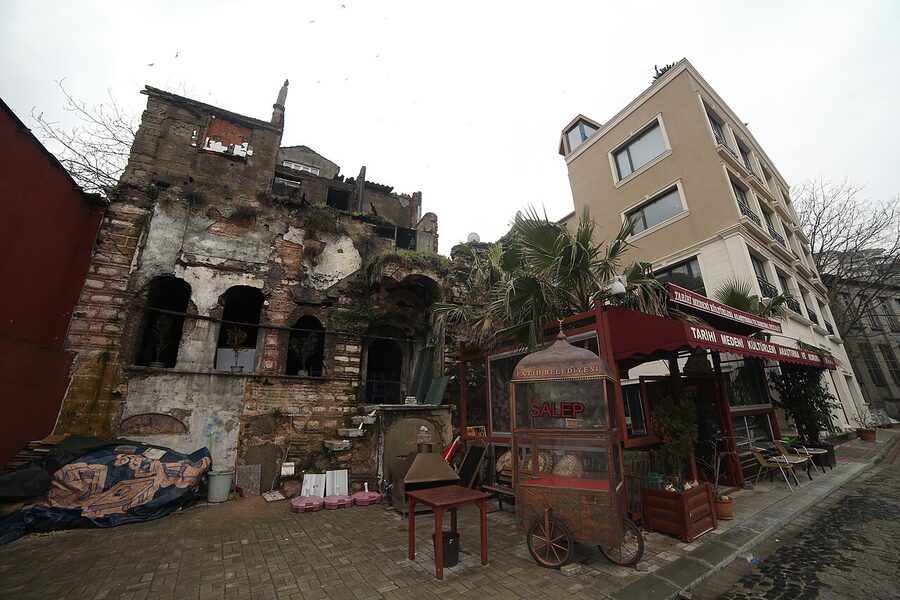

The “rainbow streets” photo that went viral around 2017-2018 is specifically Kiremit Caddesi in Balat — a short stretch of pastel-painted wooden houses along a cobblestoned incline. When you get there, it’s maybe 200 metres long. The pavement is narrow. Local residents pass through constantly.
Etiquette:
– Don’t pose for long periods in front of specific houses (these are homes; residents need to pass).
– Don’t block pavement access.
– Don’t photograph through open windows or doors.
– Don’t hire a rickshaw or phaeton — the street is too narrow.
– Respect the “no photography” signs that some resident groups post.
Best photography time: early morning (7-9am) before tour groups arrive, or late afternoon (5-7pm) after they’ve left. Midday is the worst — crowded and flatter light.
Similar streets to photograph:
– Vodina Caddesi (longer stretch of painted houses)
– Merdivenli Yokuş (the famous “staircase street” with steps)
– Nakkaş Haydar Sokak (pictured in the archival shot above)
Walking the Neighbourhoods on Your Own
If you prefer self-guided:
Start at Eminönü (tram T1 or ferry terminal). Take ferry or walk along the Golden Horn waterfront.
Stop 1: Ahrida Synagogue (Tel: request permission via Istanbul Jewish Community; only possible during services or pre-arranged visits).
Stop 2: Fethiye Mosque/Museum. Walk 10 minutes inland. €3 entry. 20 minutes inside. The mosaics are genuine Byzantine masterpieces.
Stop 3: Ecumenical Patriarchate. Short walk south. Free entry during service times. 15 minutes.
Stop 4: Walk uphill to Phanar Greek Orthodox College. Not open to visitors, but visible from multiple streets. Photography of the exterior is fine.
Stop 5: Balat rainbow streets. Walk back downhill, wander the painted streets. Coffee break at Forno Balat or similar. 45-60 minutes.
Stop 6: Antique shops at Vodina Caddesi. 30-45 minutes browsing.
Return: ferry from Fener terminal back to Eminönü or Karaköy.
Total time self-guided: 3-4 hours at a relaxed pace.
Maps: Google Maps works fine. The streets are signed. You won’t get lost.
What you’ll miss without a guide: the human stories — which family lived in which house, why the painted houses are specifically those colours, what the Greek inscription on that building means. The buildings are visible; the context is not.
When to Go
Best time of year: April-May and September-October. Mild weather for walking, neighbourhood businesses all open, good light for photography.
Summer: June-August works but hot on the uphill sections. Carry water.
Winter: December-February. Many smaller businesses close; some streets look bare without café life. Still walkable.
Best day of week: Tuesday-Saturday. Sunday is quieter (many shops closed); Monday is locally considered bad luck for openings so some places run reduced hours.
Best time of day: 10am-2pm for the main walking period. Early morning (8-9am) for photography before crowds. After 5pm for evening atmosphere.
Avoid: Ramadan midday periods (many cafés closed); public holidays (crowded with domestic tourists).
Combining With Your Istanbul Trip
Fener Balat is a half-day activity. Good combinations:
Morning: Fener Balat walking tour (10am-2pm). Afternoon: ferry along the Golden Horn, or relax in Sultanahmet.
Morning: Hagia Sophia + Blue Mosque. Afternoon: Fener Balat walking tour. Most ambitious day — sightseeing + walking neighbourhood.
Day after Princes Islands. Work out some legs after the boat day.
With a food tour. Many food tours cover Fener Balat’s Greek and Jewish food traditions — pick this tour if that’s your main interest.
Before a Bosphorus cruise. Morning walk, afternoon cruise. Water-and-walking day.
On day 4+ of a longer Istanbul visit. First 3 days for the famous sites; day 4 for Fener Balat as a neighbourhood-texture day.
Food and Drink in Fener Balat
The neighbourhoods have become one of Istanbul’s most concentrated café districts in the last decade. Recommended stops:
Forno Balat: Italian-influenced café on Vodina Caddesi. €4-8 for coffee and pastry; €12-18 for a proper lunch.
Cooklife Balat: Modern European café with decent breakfast. Instagram favourite, so expect a queue on weekends.
Dibek Kahve: Traditional Turkish coffee in a historic setting. €3-4 for Turkish coffee and Turkish delight.
Agora Meyhanesi: Greek meyhane (mezze tavern). One of the few remaining traditional Greek restaurants in Istanbul. €25-40 per person for dinner with raki.
Köfteci Arnavut: Albanian köfte (meatballs). €8-15 for a proper meal. Local institution.
Street food: simit, poğaça (Turkish stuffed pastry), stuffed mussels from street vendors.
Authentic Sephardic Jewish food: rare and mostly private. Some Jewish community organisations run occasional events; ask at the synagogue during scheduled visits.
Getting There
By ferry (best): from Eminönü or Karaköy. Golden Horn ferry to Fener or Balat terminals. 15-20 minutes. €2-3 per ride with Istanbulkart.
By bus: 99A, 33 from Eminönü. 30 minutes in traffic. €1-2.
By tram: no direct tram. Use T1 to Eminönü or Karaköy, then ferry or bus.
By taxi/Uber: 20-30 minutes from Sultanahmet depending on traffic. €5-10.
On foot: 45-60 minutes from Sultanahmet through Old City. Interesting walk if you’ve got the time and temperature tolerance.
Accessibility
The neighbourhoods are hilly, cobblestoned, and sometimes steep. Not ideal for wheelchair users or visitors with significant mobility challenges.
Specific barriers:
– Cobblestoned streets throughout
– Narrow pavements (many too narrow for wheelchairs)
– Stairs on several streets (Merdivenli Yokuş is literally a staircase street)
– Hills — Fener’s hilltop is 50m above the Golden Horn waterfront
For wheelchair users: the waterfront Golden Horn promenade is flat and accessible. The Fener-Balat interior is not. Consider the waterfront walk as an alternative.
For mobility-limited but walking-capable visitors: pace yourself on the uphills. Café stops help. Skip Merdivenli Yokuş specifically (it’s not worth the stairs if you’re struggling).
Common Mistakes
Treating it as a sightseeing circuit. There’s no “main attraction” you must see. The value is the walking itself. Don’t optimise; wander.
Going without a guide on your first visit. You’ll miss most of the history. €30 for a 3-hour tour is the best value in Istanbul tourism.
Photographing residents. These are homes; residents are not performers. Photograph the buildings, not the people inside.
Expecting the Insta-famous streets to look like the photos. They look like the photos — but they’re also narrower, more crowded, and shorter than they appear online. Manage expectations.
Visiting on Ramadan afternoon. Most cafés close; the neighbourhood feels empty. Check Ramadan dates when planning.
Not budgeting time for coffee breaks. The cafés are part of the experience. A walking tour without a 45-minute café stop is rushed.
Going after dark. The neighbourhoods are safer than you’d think during the day but less active at night. Return to Sultanahmet for dinner.
What the Guides Can’t Tell You
The rainbow colours are controversial. Many Balat residents think the colour scheme was imposed by restoration projects without their input. Some feel it turned their neighbourhood into a tourist backdrop. You don’t have to take sides; just be aware.
Residents still live there. The houses that look most photogenic are often still private homes. Respect closed curtains and “no photography” signs.
The Jewish community is small. Istanbul’s Jewish population dropped from about 80,000 in 1948 to about 15,000 today. The Ahrida Synagogue is functional but services are small. It’s an active community but a fragile one.
The Ecumenical Patriarch is a significant figure. Bartholomew I, the current Ecumenical Patriarch, oversees 300+ million Orthodox Christians worldwide. He lives in the building in Fener. You might see him on the street on rare occasions.
The red school isn’t the whole of Greek heritage. Fener has multiple Greek buildings — churches, the Patriarchate, schools. The Phanar Greek Orthodox College is just the most visible.
The Karaköy-Fener ferry was historic. The water route between Karaköy and Fener has been used for 1,500+ years. Byzantine emperors commuted to summer palaces on boats from this same stretch of the Golden Horn.
The Short Version
Book a €30 half-day walking tour for day 4+ of your Istanbul trip. 3-4 hours of slow walking through streets that contain 600 years of Istanbul’s minority and multicultural history. The visible neighborhood is photogenic; the real value is what a guide can tell you about the people who’ve lived there.
If you prefer to go on your own, you can — the streets are free, Google Maps works, and you won’t get lost. You’ll just miss most of what makes the neighbourhood different from any other pretty old-city district.
Pair with a coffee stop at Forno Balat, a Golden Horn ferry back to Eminönü, and dinner at a lokanta in Sultanahmet. A solid, self-contained Istanbul afternoon that doesn’t overlap with the headline sites.
Affiliate disclosure: Some links in this article are affiliate links. If you book through them we may earn a small commission at no cost to you. All recommendations are based on my own visit.