
A friend of mine went to Iceland for five days and only did Reykjavik and the Golden Circle. When she got back she said the country was “fine.” I asked if she had been to Snaefellsnes. She had not. That, I told her, is what the country actually looks like — a peninsula 90 km long with a glacier, a lava tube, a black pebble beach, basalt sea cliffs, and the most photographed mountain in Iceland, all close enough together to do in one day.
This guide covers how to book a Snaefellsnes day trip from Reykjavik: which tour to choose, what the 11-hour itinerary actually includes, when to go, and whether the Vatnshellir lava cave add-on is worth the extra cost.
A Snaefellsnes day trip is the second-most-booked organised day trip from Reykjavik after the Golden Circle, and roughly two-thirds shorter than a Jokulsarlon trip in driving time. Most departures leave Reykjavik between 8am and 9am and return by 8pm. The tours run year-round and take in roughly the same six or seven main stops regardless of operator. The thing you actually pick between is group size, whether the Vatnshellir lava cave is bundled in, and whether you get a real meal mid-day.
In a Hurry? The Three Day Trips Worth Booking
- Most reviewed pick: Snaefellsnes Peninsula Full-Day Tour from Reykjavik — around $143 per person, 11 hours, hits all the classic stops including Kirkjufell.
- Best with the lava cave: Snaefellsnes Day Trip with Vatnshellir Lava Cave — around $219 per person, includes the underground cave (a real highlight if you have not been in a lava tube before).
- Best small group: Snaefellsnes and Mt. Kirkjufell Minibus Tour — around $159 per person, smaller groups, more flexible stops.
- In a Hurry? The Three Day Trips Worth Booking
- Which Day Trip to Book
- 1. Snaefellsnes Peninsula Full-Day Tour from Reykjavik — from 3
- 2. Snaefellsnes Day Trip with Vatnshellir Lava Cave — from 9
- 3. Snaefellsnes and Mt. Kirkjufell Guided Minibus Tour — from 9
- Why Snaefellsnes is Called “Iceland in Miniature”
- The Standard Stop List, in Order
- Búðakirkja
- Arnarstapi to Hellnar Coastal Walk
- Lóndrangar Sea Stacks
- Djúpalónssandur
- Snæfellsjökull Viewpoints
- Vatnshellir Lava Cave (optional, separate ticket)
- Kirkjufell and Kirkjufellsfoss
- Lunch and Other Stops
- When to Go
- What to Bring
- Snaefellsnes vs Other Iceland Day Trips
- What Else to Add to Your Iceland Trip
Which Day Trip to Book
Three tours stand out from the crowded operator field. They cover the same itinerary in slightly different ways, and the right pick depends on whether you want a coach with a meal, a small minibus, or the full lava cave experience.
1. Snaefellsnes Peninsula Full-Day Tour from Reykjavik — from $143
The default and the cheapest of the three. You get the full peninsula loop with stops at Búðir, Arnarstapi, Lóndrangar, Djúpalónssandur, Kirkjufell, and a lunch break in a small fishing village. Coach group of around 40 people. Our full review covers the actual stop times and what to expect from the guide commentary.
2. Snaefellsnes Day Trip with Vatnshellir Lava Cave — from $219
The standard tour adds the 45-minute Vatnshellir lava tube descent. You climb 35 metres down a spiral staircase into an 8,000-year-old volcanic tunnel. The lava cave is the highlight of the day if you have never been underground in volcanic rock. Our full review covers the cave logistics and whether the upgrade is worth the extra spend.
3. Snaefellsnes and Mt. Kirkjufell Guided Minibus Tour — from $159
If you cannot face a 40-seat coach, the minibus version is the next best thing. Group sizes of 12 to 16, more freedom on stop length, and access to a few smaller pull-overs that big buses cannot use. The trade-off is a $16 premium over the cheapest option. Our full review goes into the small group dynamics and how it changes the day.
Why Snaefellsnes is Called “Iceland in Miniature”
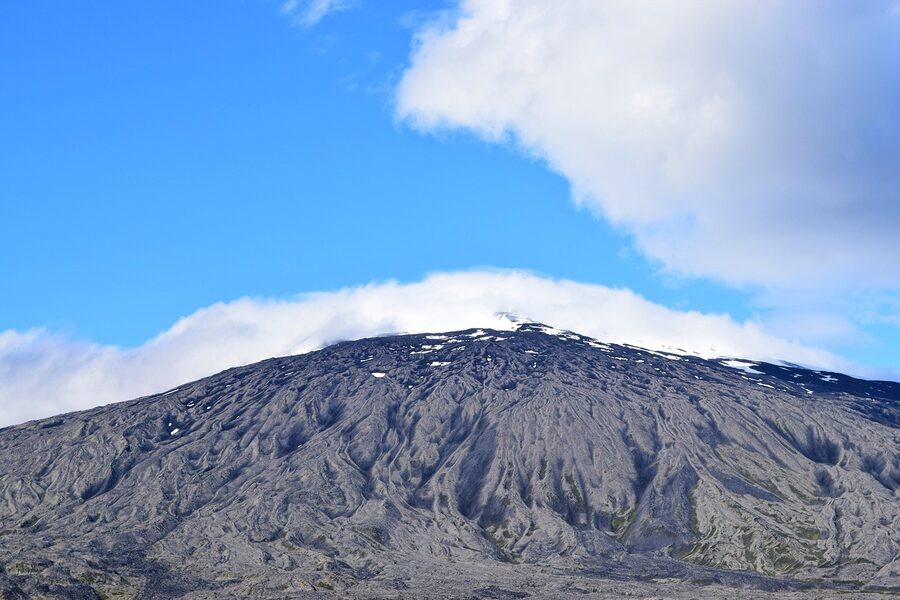
The “Iceland in miniature” phrase is on every Snaefellsnes brochure and it is more or less true. Within 90 km of peninsula coast you have a glacier-capped active volcano, lava fields, several waterfalls, basalt sea cliffs, a black pebble beach, an active fishing harbour, and a few of those tiny black-tarred churches that look like they were drawn for a children’s book. None of these are spectacular individually compared to their counterparts elsewhere in Iceland — the glacier is smaller than Vatnajökull, the waterfalls are smaller than Skogafoss — but the density of different things in a small area is genuinely unusual.
The peninsula sits about 175 km northwest of Reykjavik. Tour buses leave the city around 8am, drive about two hours up the west coast, then spend roughly six hours looping around the western tip of the peninsula before driving back. Total day length is 11 hours door-to-door for the standard tour, 12 hours if you add Vatnshellir.
The Standard Stop List, in Order
Almost every operator runs the same loop, in roughly the same order. Some go clockwise, some counterclockwise. Either way you hit these stops.
Búðakirkja
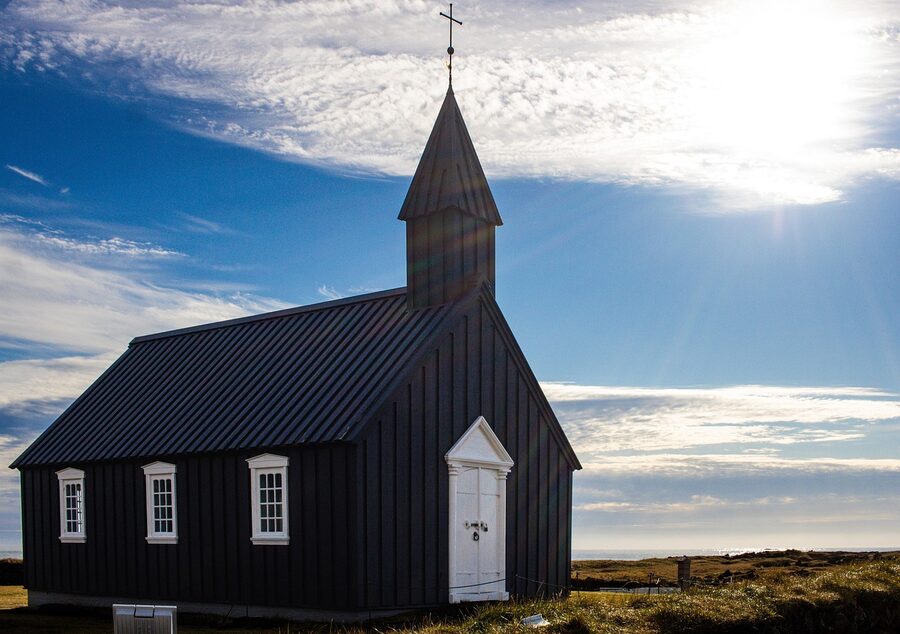
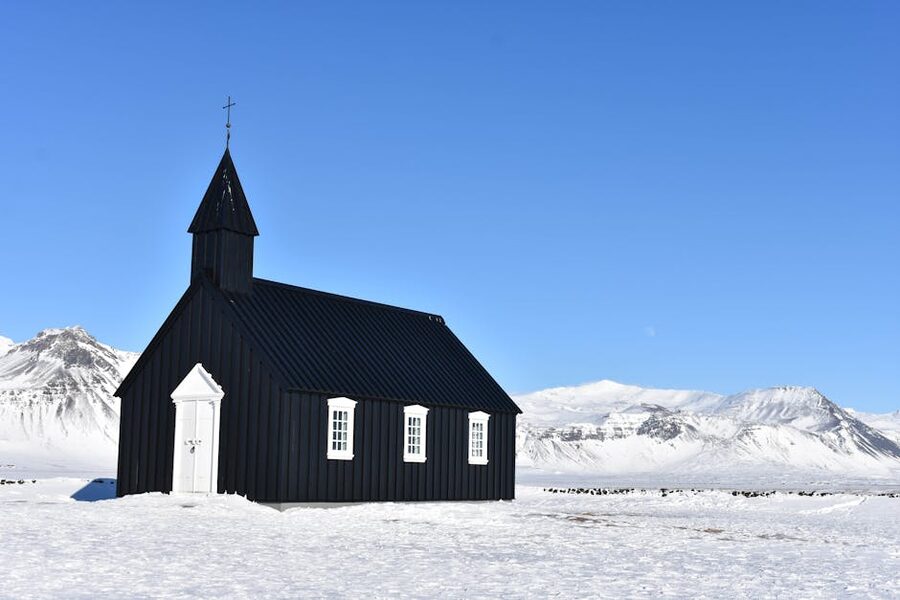
The black church at Búðir is the first proper photo stop, usually around 10.30am. It sits alone in a lava field with the ocean behind it, and there is nothing else around for several kilometres. Tours give you 15 to 20 minutes here. The shot from the road is the iconic one. There is a small graveyard around the church that is worth a look — old wooden crosses, mostly leaning at angles after the wind.
Arnarstapi to Hellnar Coastal Walk
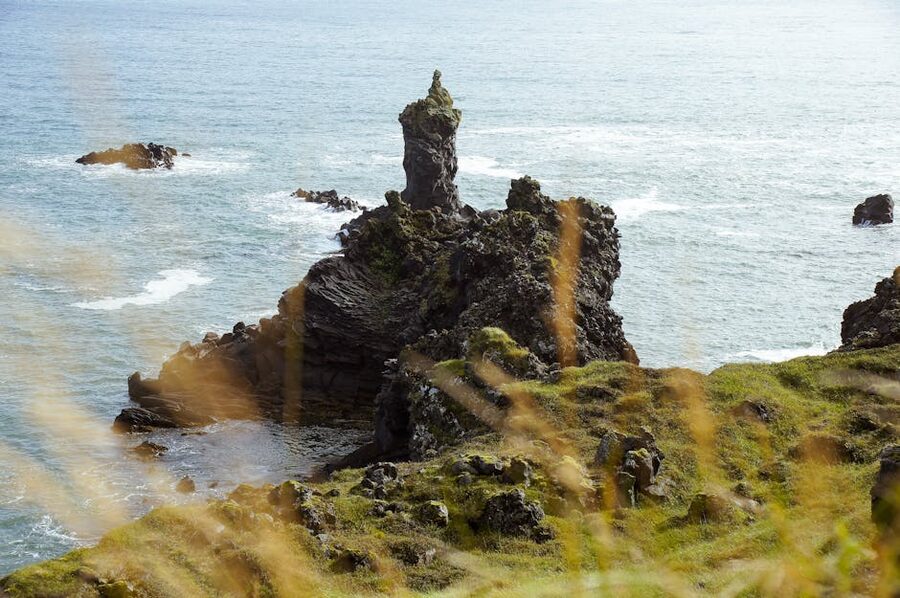
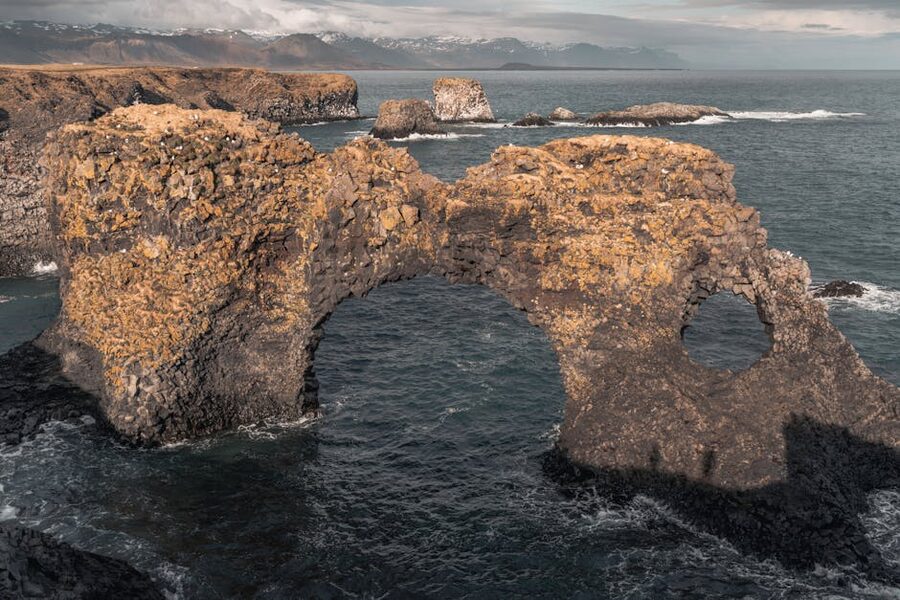
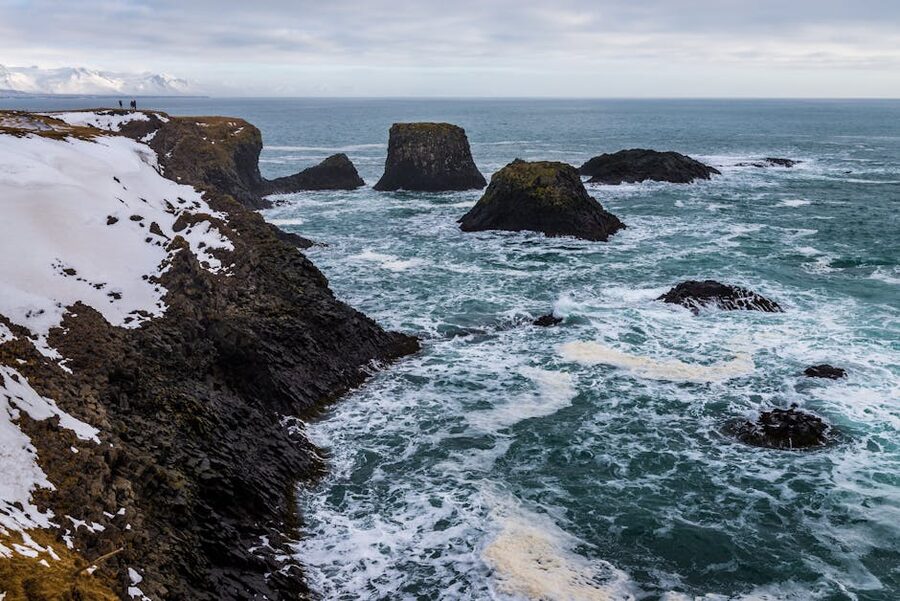
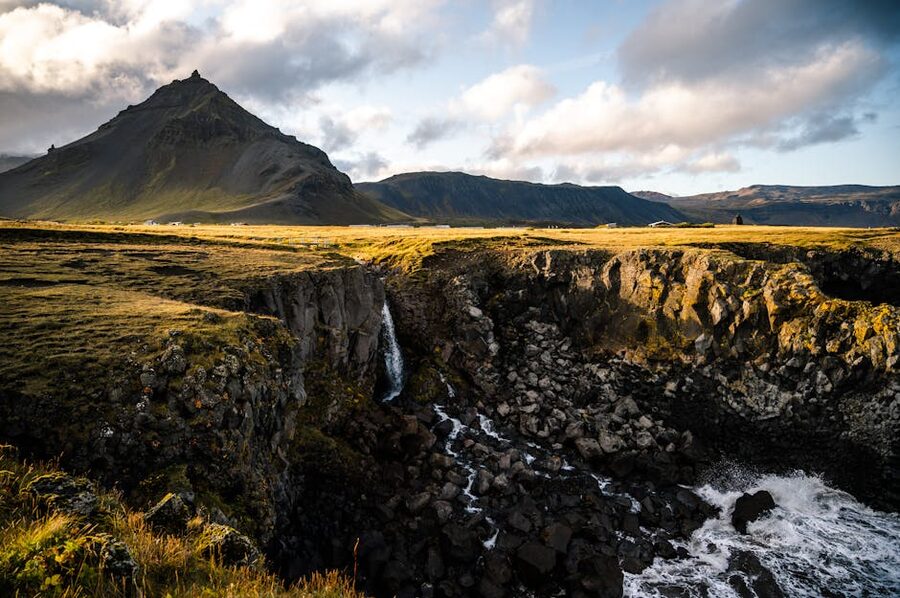
This is the longest stop on the day, usually 60 to 90 minutes. Arnarstapi is a tiny village on the south coast with a parking area near the giant Bárður Snæfellsás stone sculpture. From there a 2.5 km coastal path runs west along the cliff edge to the even tinier hamlet of Hellnar. The path is flat and easy. The cliffs are full of nesting kittiwakes in summer, and the basalt has eroded into arches, sea stacks, and blowholes. The most photographed feature is the Gatklettur arch — you will see it in every Snaefellsnes brochure ever printed.
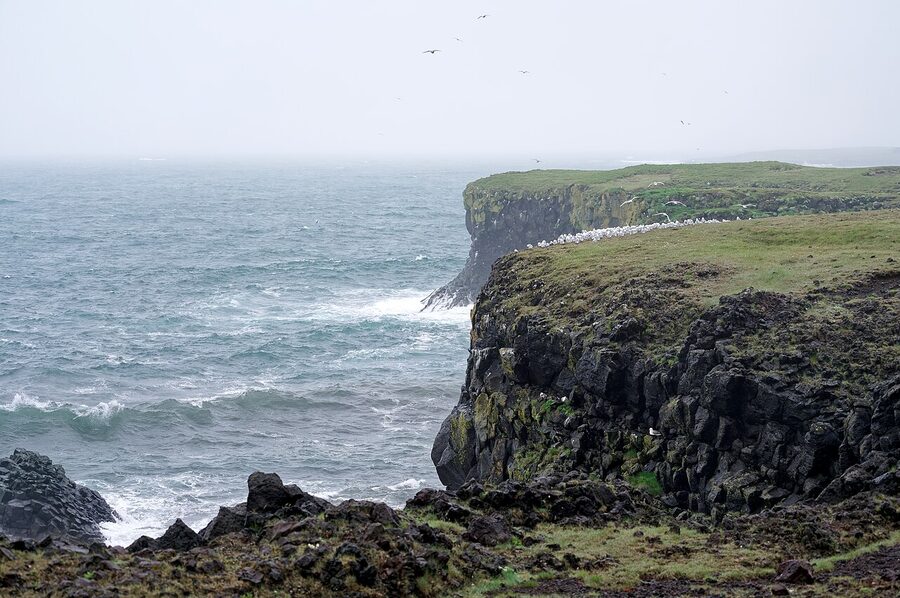

Most tours drop you at Arnarstapi and pick you up at Hellnar (or vice versa) so you do not have to backtrack. If you have time after the walk, the small café at Hellnar (Fjöruhúsið) does a good fish soup and homemade cakes — a useful warm-up if the weather is bad.
Lóndrangar Sea Stacks
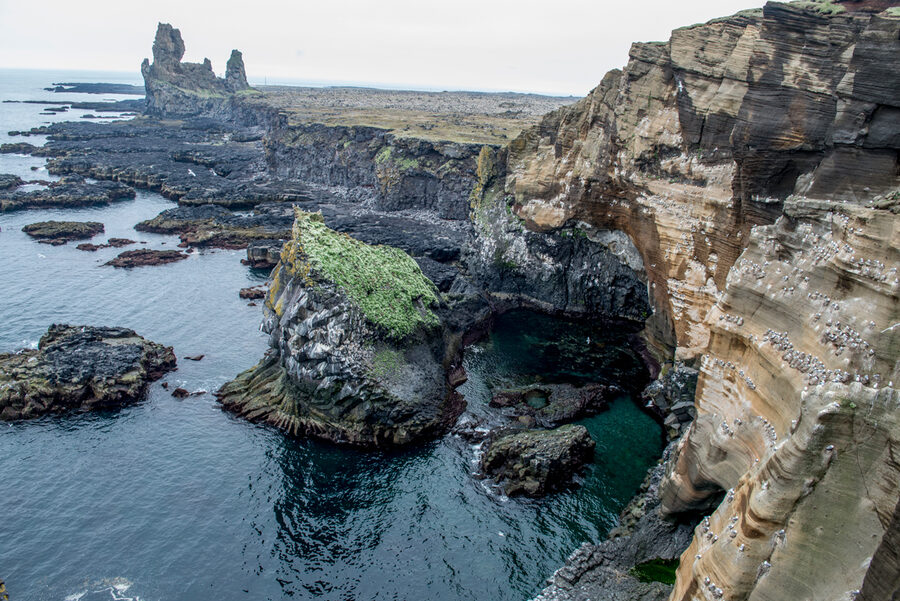

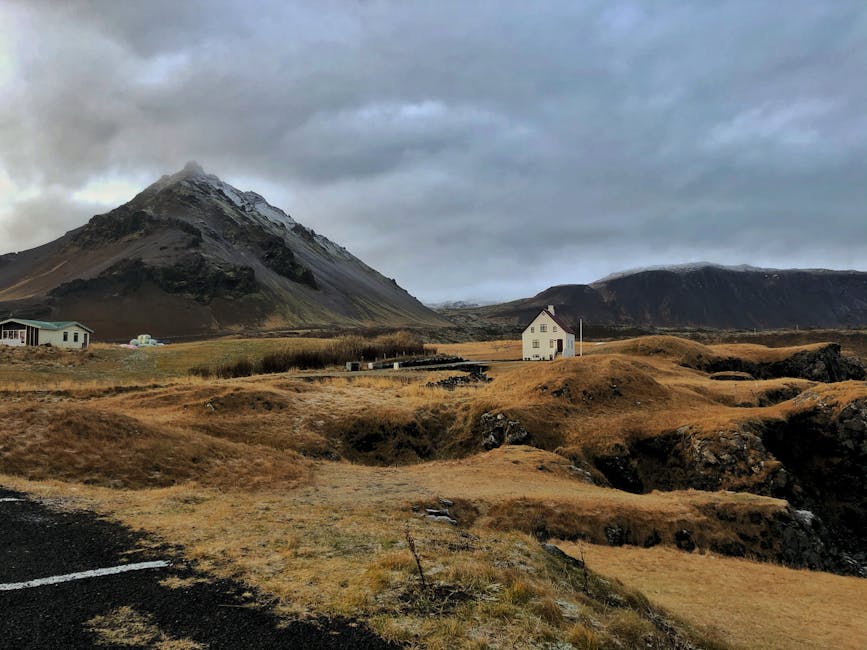
A short stop, usually 15 minutes. Two basalt sea stacks rising 75 and 61 metres out of the sea, the leftover plugs of an extinct volcano. The viewing platform is a five-minute walk from the car park. Worth the stop, but quick.
Djúpalónssandur
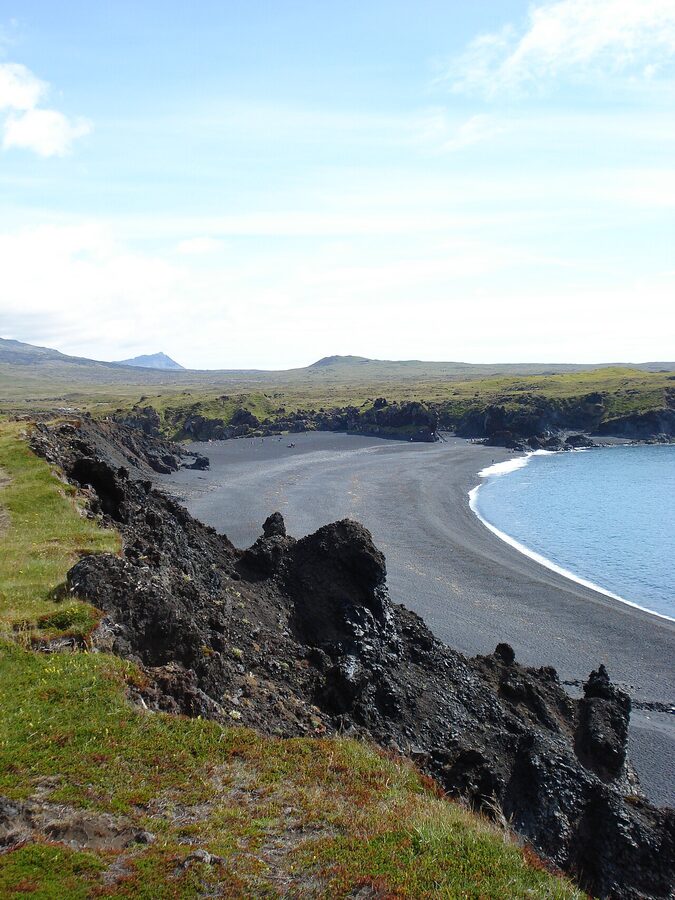
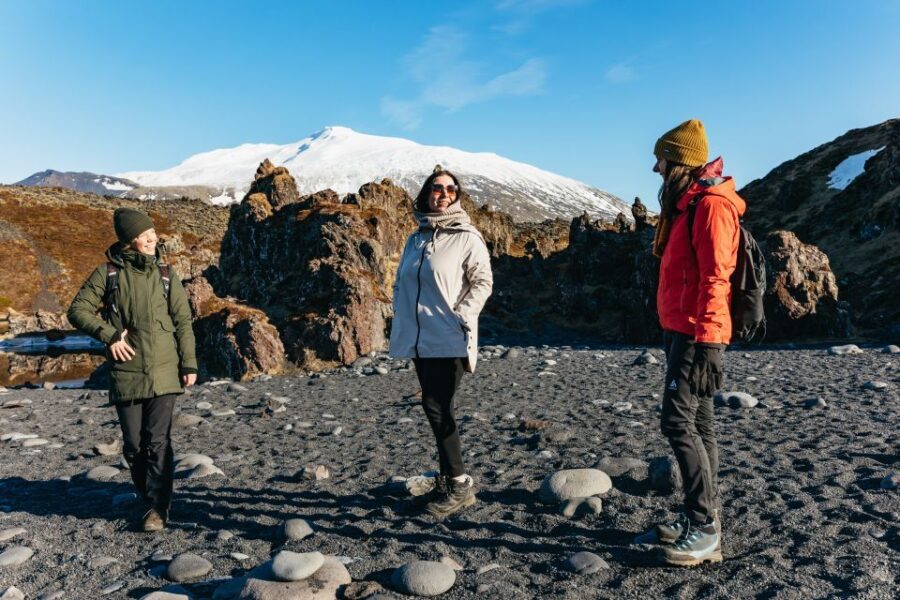
The black pebble beach. A short walk down from the car park brings you onto a curved bay of perfectly rounded black pebbles, with the rusted wreckage of the British trawler Epine GY7 (lost 1948, all hands save five) scattered across the upper beach. There are also four “lifting stones” set out near the path — historically used by local fishermen to test their strength for crew selection. The smallest is 23 kg, the largest 154 kg. You can try them. Most people manage the first two.
This stop is usually 30 to 45 minutes. The path down has loose rock, so good shoes matter.
Snæfellsjökull Viewpoints
The glacier-capped volcano sits at the western end of the peninsula. There is no single dedicated stop — you see the glacier from various points along the road as you loop the western tip. On a clear day it is constantly visible. On a typical Iceland day (which means cloudy) it ducks in and out of the cloud. Operators will pull over for a photo if visibility is good.
Vatnshellir Lava Cave (optional, separate ticket)
.jpg)
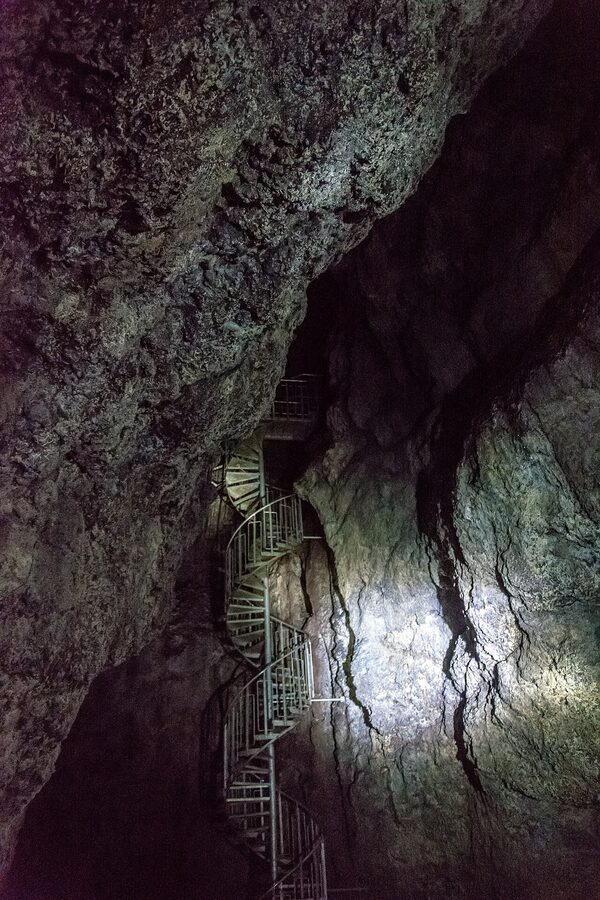
A 45-minute guided descent into an 8,000-year-old lava tube. You climb 35 metres down a spiral staircase, then walk through about 200 metres of tube. Hard hats and headlamps provided. The cave is small but visually weird in a way that surface scenery cannot match — the walls are still rope-textured from where the lava flowed. Tickets are roughly $45 if you book separately, or you can pay one of the tours that bundles it in (option 2 above).
Skip it if you have done a different lava tube before, like Raufarholshellir near Reykjavik. Take it if this is your first time underground.
Kirkjufell and Kirkjufellsfoss
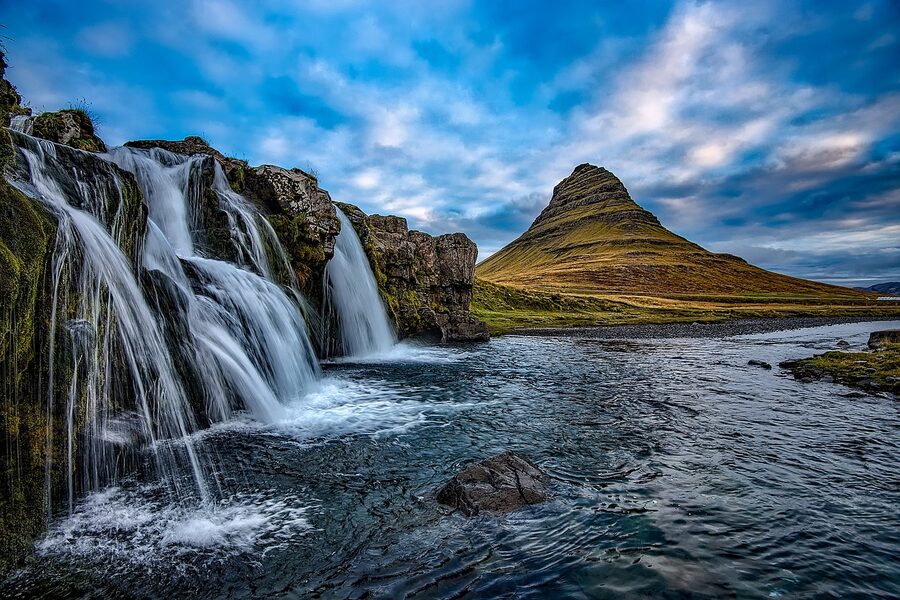
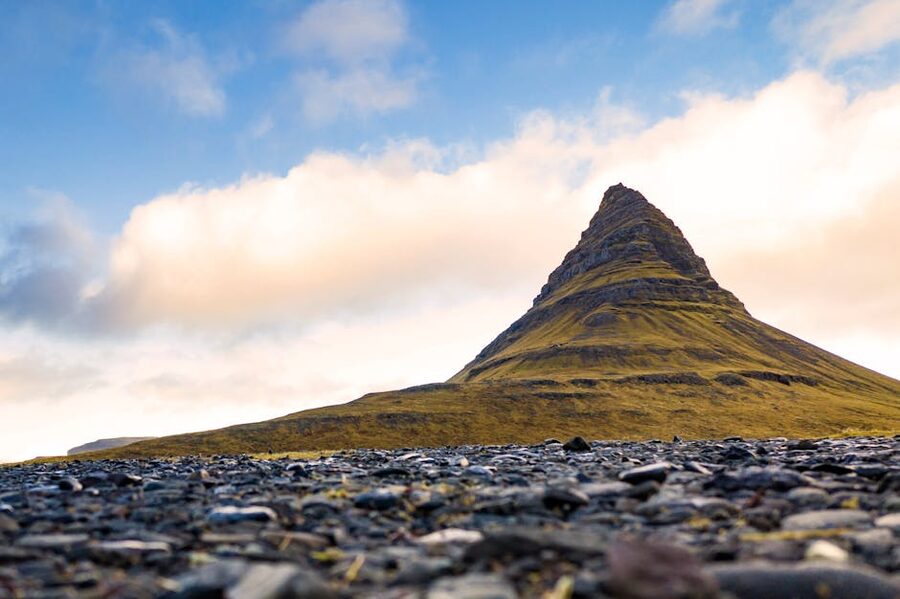
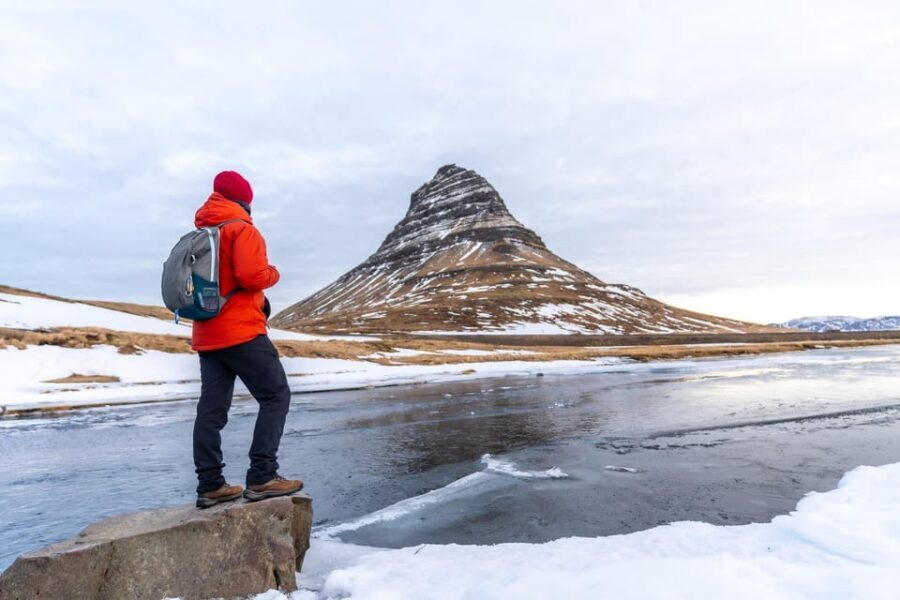
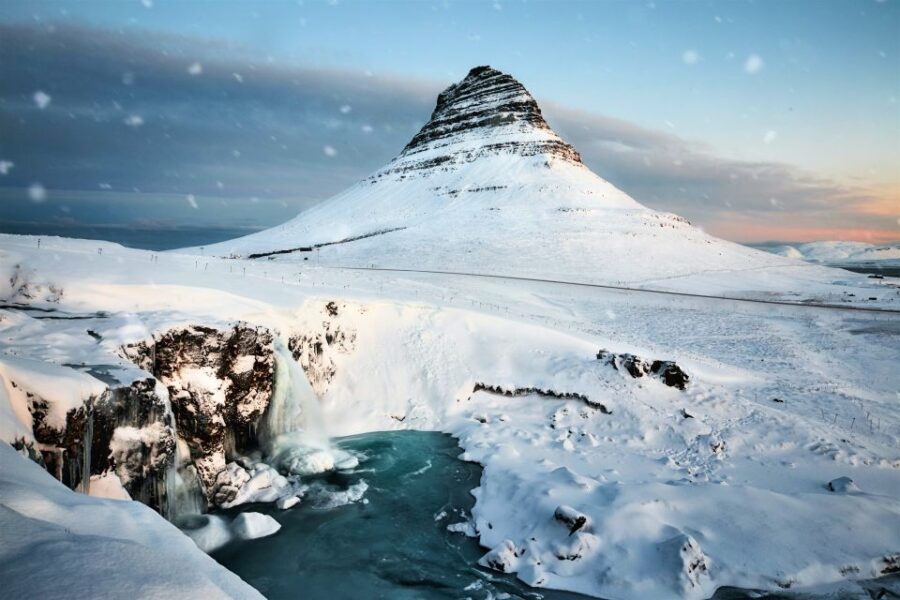
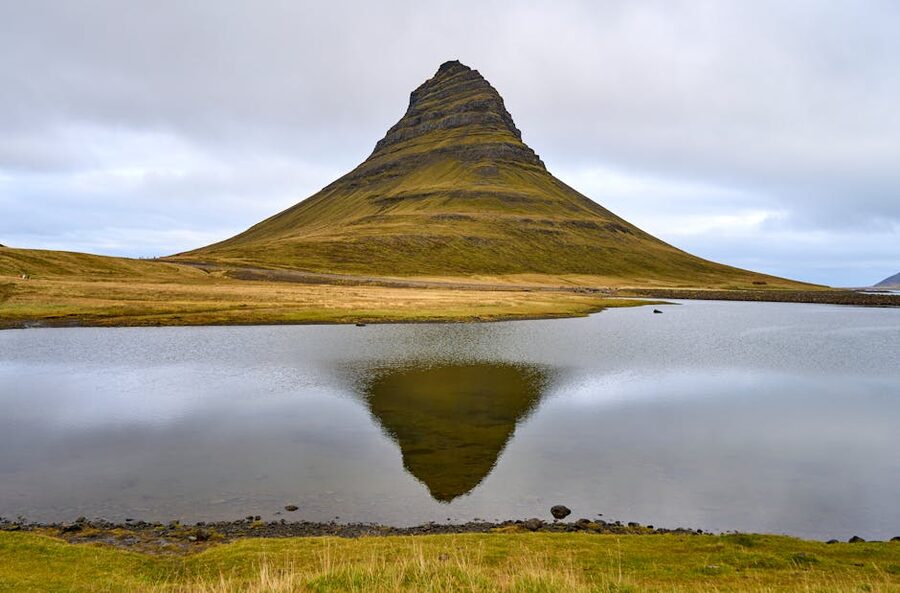
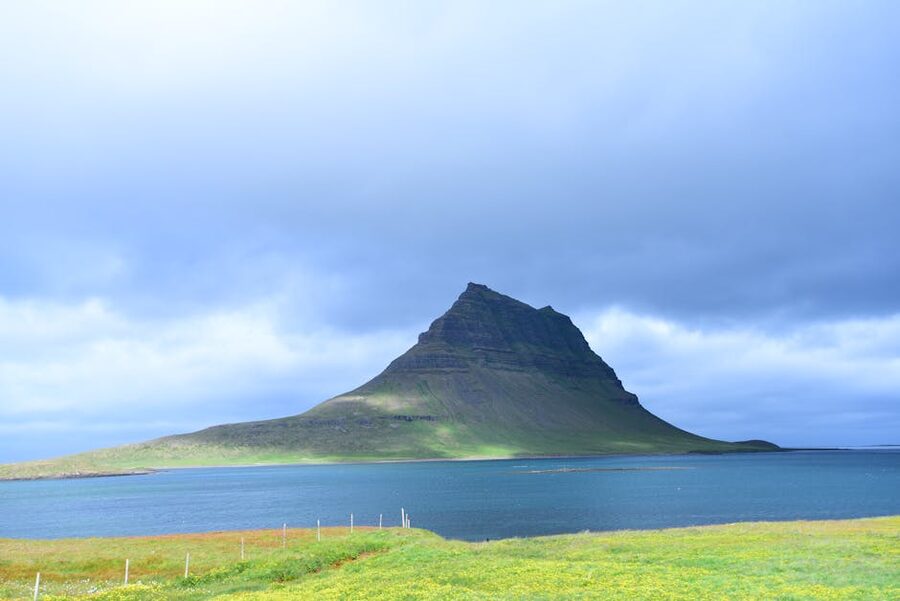
The headline stop, usually saved for late afternoon. Kirkjufell is a 463-metre former nunatak — a mountain that used to poke up through a much bigger glacier and was sculpted by the ice on the way past. It is the most photographed mountain in Iceland because of its unusual symmetric shape and because Game of Thrones featured it in seasons 6 and 7 as the “arrowhead mountain” north of the Wall.
The car park is across the road from Kirkjufellsfoss. Walk across, find the river, and the iconic shot composes itself — waterfall in front, mountain behind. Tours give you 30 to 45 minutes. Crowds at the photo spot peak between 3pm and 5pm in summer, when every Snaefellsnes day trip arrives at roughly the same time. If you can step away from the main angle and walk five minutes left toward the river, the same composition is available without the queue.
Lunch and Other Stops
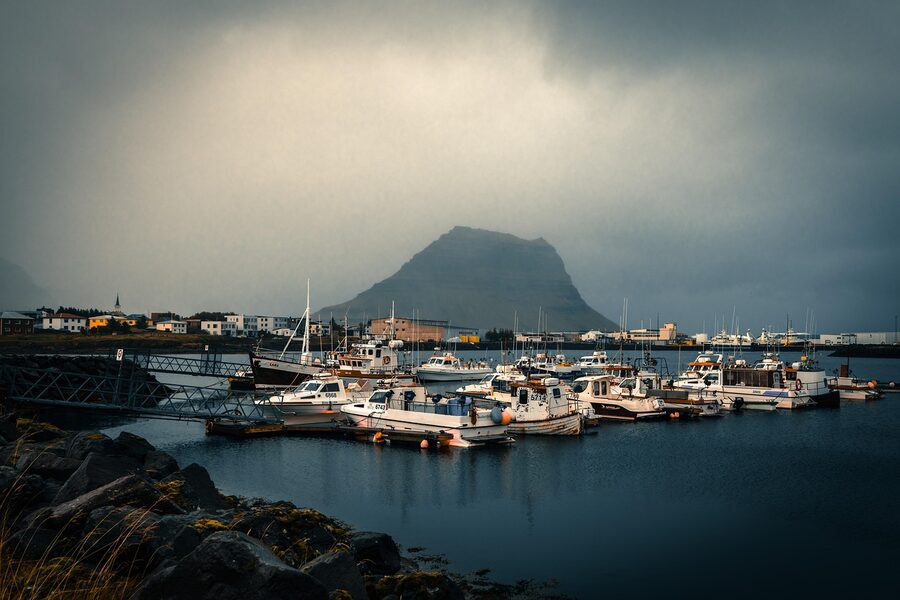
Most tours stop in either Arnarstapi, Hellnar, or Grundarfjörður for a 30-45 minute lunch. Options are limited and prices are tourist-trap inflated — expect $15-25 for a bowl of fish soup and bread. If you are on a budget, pack a sandwich. Some tours include lunch in the price (the higher-priced “homemade meal” versions).
Other stops that some operators add depending on time and weather: Saxhóll crater (a 5-minute climb to a crater rim view), Svöðufoss waterfall, Ytri Tunga seal colony (best in summer), and the small geothermal pool at Lýsuhólslaug.
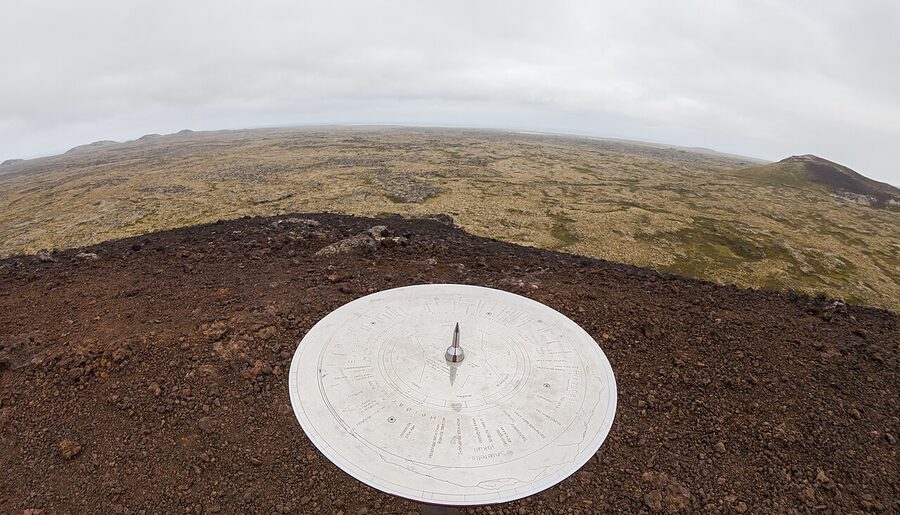

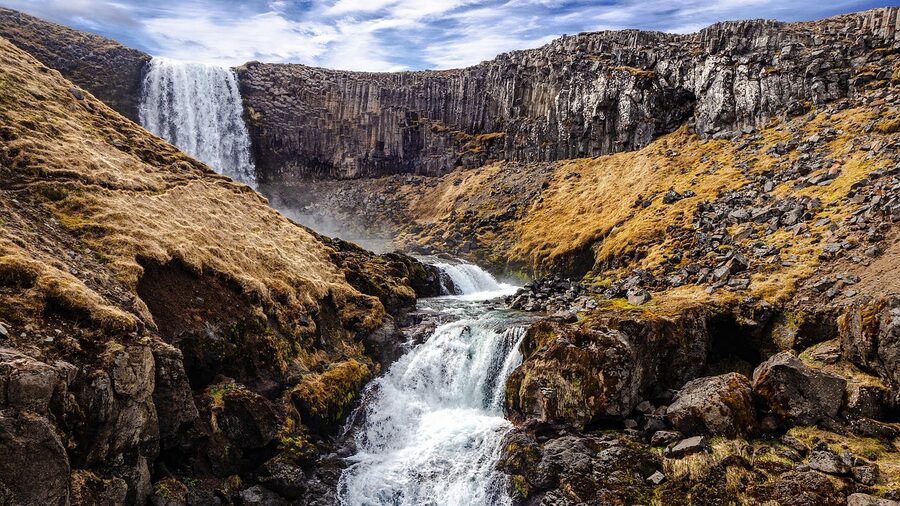
When to Go
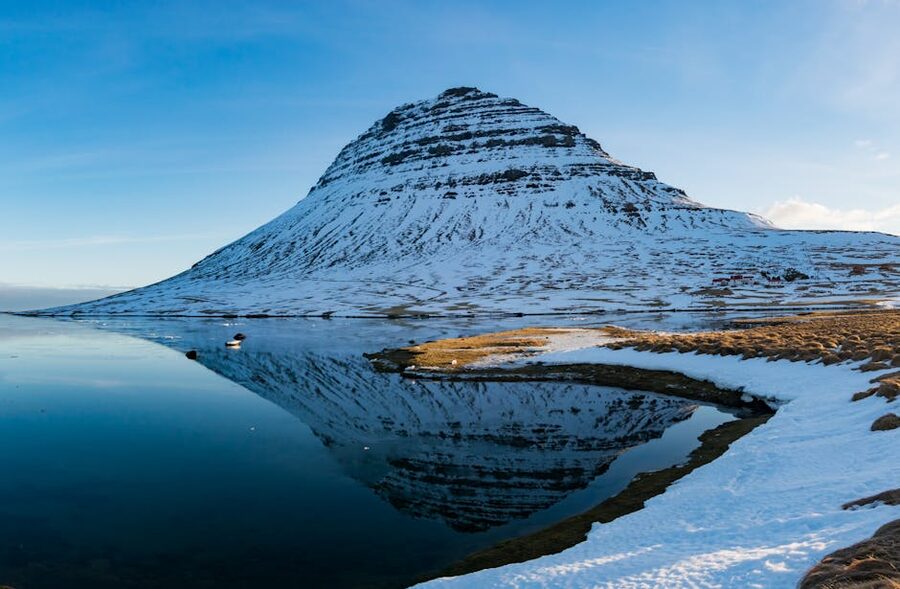
Snaefellsnes is one of the most weather-tolerant Iceland day trips. The road is paved the whole way around the peninsula, the loop is short enough to do in winter daylight, and most stops are roadside or short walks. Tours run year-round.
June to August (peak summer): Daylight runs effectively all day. Kittiwakes and puffins are nesting on the cliffs. Coastal walks are at their easiest. The trade-off is crowds at Kirkjufell — every coach in the country arrives there between 3pm and 5pm.
September and October (shoulder): Cooler, fewer crowds, the slopes start turning rust-coloured. Northern lights become possible from late September. Probably the best window if you can pick.
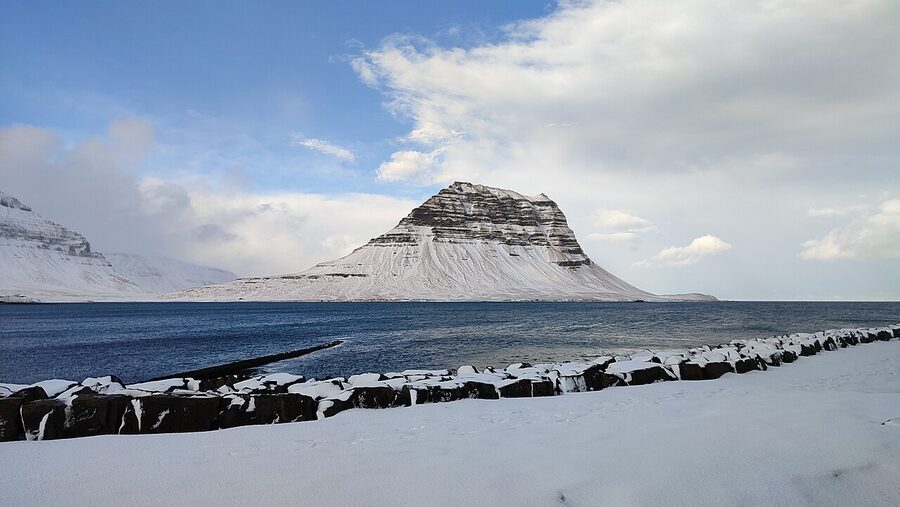
November to March (winter): The day is short — sunrise around 10am, sunset around 4pm in December. Tours leave a bit later (around 9am) and your light at Kirkjufell is dimming by the time you get there. The trade-off is the snow on the mountain, which is genuinely beautiful, and the fact that the peninsula clears out almost entirely. If you have a flexible date and can pick a clear cold day, winter Snaefellsnes is one of the best photographs in Iceland.
April and May (spring): Slowly thawing, days lengthening. Kittiwakes return to the cliffs from late April. Crowds still light. Good value window.
What to Bring
The weather can change by the hour. Plan for any of three or four conditions in a single day.
- Waterproof jacket. The wind picks up the surf spray at Arnarstapi and the cliffs are exposed.
- Sturdy shoes with grip. The path down to Djúpalónssandur is loose volcanic gravel.
- Warm mid-layer. Even in summer, Kirkjufell at 5pm gets cold when the wind comes off the fjord.
- A water bottle — Iceland tap water is excellent, fill anywhere.
- A snack or light lunch if you do not want to spend $20+ at the lunch stop.
- Camera. Phone is fine for most shots but Kirkjufell at golden hour rewards a real lens.
- For the lava cave (if booked): warm layer, since the cave stays at 5°C year-round.
Snaefellsnes vs Other Iceland Day Trips
If you are choosing between Iceland day trips and only have time for one, here is the honest comparison.
Snaefellsnes vs Golden Circle: The Golden Circle is shorter (7 hours), more famous, and easier. It hits Þingvellir (continental rift), Geysir (geothermal area), and Gullfoss (the massive waterfall). Snaefellsnes is more varied scenery but requires more driving. If this is your first Iceland day trip, do the Golden Circle. If you have already done it and want something different, do Snaefellsnes.
Snaefellsnes vs Jokulsarlon: Jokulsarlon is one extraordinary location plus a long drive. Snaefellsnes is a peninsula full of varied stops and a manageable drive. If you want one iconic photograph (icebergs on a black beach), do Jokulsarlon. If you want a peninsula’s worth of different scenery, do Snaefellsnes.
Snaefellsnes vs South Coast Tour: The south coast is mostly waterfalls and one black sand beach. Snaefellsnes is mostly cliffs, volcanic rock, and one mountain. The two are complementary, not interchangeable. Most people who spend a week in Iceland do both.
What Else to Add to Your Iceland Trip
If Snaefellsnes is one day in a longer Iceland trip, the natural pairings are different from Jokulsarlon. The peninsula is in the west, so it pairs well with Reykjavik days more than the south coast. A four-day pattern might be Snaefellsnes plus the Golden Circle plus one Reykjavik day with a walking tour and the Lava Show, plus an evening at Sky Lagoon or Blue Lagoon.
If you have a fifth day to play with, add either whale watching from Reykjavik in summer or a northern lights tour in winter. People who get six or more days in Iceland often add the south coast or the longer Jokulsarlon trip, in which case Snaefellsnes is the lighter day in the mix — a relief between the two longer south coast days.
One last note. The peninsula is also the easiest day trip to self-drive if you have rental car experience and reasonable confidence in Iceland conditions. The road is paved, the route is obvious, and you control your own stop times. The downside is no guide commentary — and a lot of what makes Snaefellsnes interesting is the small stories about the lifting stones, the church history, and the trawler wreck, all of which a guide will tell you and which are not signposted. Worth it for the freedom, but you lose context.
This article contains affiliate links. If you book through our links, we may earn a small commission at no extra cost to you. This helps us keep producing detailed travel guides.