
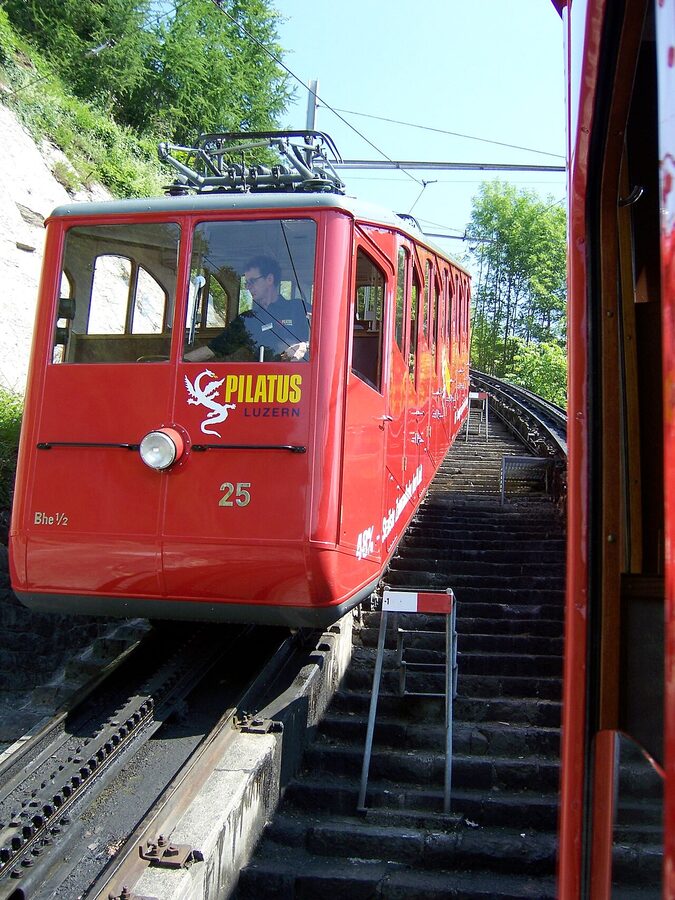
About halfway up the cogwheel railway from Alpnachstad, the carriage tilts so far back that your phone slides off the seat next to you and you find yourself bracing your feet against the rail in front. The pinion under the floor is still grinding into the toothed track at the steepest gradient any railway in the world holds, and the engineer is not slowing down because there is essentially nowhere to slow down to. This is the headline experience of Mount Pilatus — and if your knees do not love steep stairs, the cable car on the other side of the mountain is the right alternative.

This guide covers how to book a Mount Pilatus trip from Lucerne: the famous Golden Round Trip (boat-cogwheel-cable car-bus), the cheaper Silver alternative, when to do it from Zurich instead, and the choice between the cogwheel and the cable car for travellers who hate steep things.
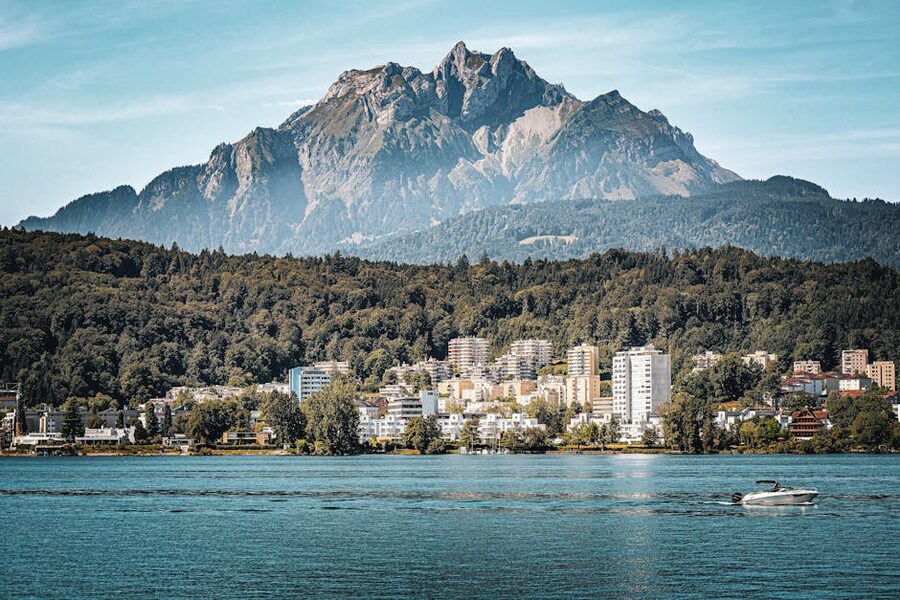
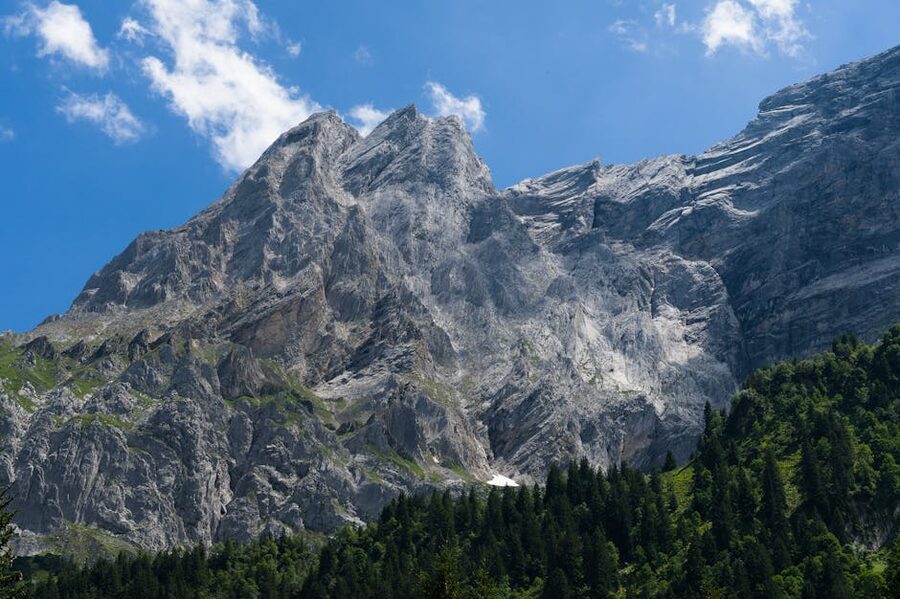
Mount Pilatus rises directly above Lucerne, and from most of the city you cannot avoid looking at it. The mountain has been a tourist destination since the 1880s, when the cogwheel railway was first built, and the infrastructure has been continually upgraded since. The summit holds two hotels, several restaurants, multiple viewing terraces, a dragon-themed walking trail, and the upper stations of both the railway and the cable car. There is a lot here for what is fundamentally a single mountain peak.
In a Hurry? The Three Tours Worth Booking
- The Golden Round Trip: Mt Pilatus Cable Car, Cogwheel Train and Lake Cruise — around $212 from Lucerne, 5.5 hours, the classic four-way loop.
- The Silver alternative: Pilatus Gondola, Cable Car, and Boat Trip — around $141 from Lucerne, no cogwheel, cheaper option.
- From Zurich: Lucerne and Mount Pilatus Day Tour from Zurich — around $238, 10 hours, includes round-trip coach from Zurich.
- In a Hurry? The Three Tours Worth Booking
- Which Trip to Book
- 1. Mt Pilatus Cable Car, Cogwheel Train and Lake Cruise — from 2
- 2. From Lucerne: Mt Pilatus Gondola, Cable Car, and Boat Trip — from 1
- 3. From Zurich: Lucerne & Mount Pilatus Day Tour — from 8
- The Cogwheel — Why People Book It
- The Cable Car Side — A Different Experience
- What You Actually Do at the Summit
- The Pilate Legend and the Dragons
- When to Go
- Pilatus vs Mount Titlis vs Jungfrau
- The Boat Leg — Often Underrated
- What to Wear and Bring
- Pairing With the Rest of Your Switzerland Trip
Which Trip to Book
If you are based in Lucerne, take the Golden Round Trip — the cogwheel railway is the genuinely unique part of the experience and the price difference over the cable-car-only version is worth it. If you are based in Zurich, you have to add three hours of coach time on top of the mountain itself, which makes the day brutal but doable. If you have any back, knee, or vertigo problems, take the cable-car-only version both ways.
1. Mt Pilatus Cable Car, Cogwheel Train and Lake Cruise — from $212

The full Golden Round Trip and the most-booked Pilatus experience by review count. You take the boat from Lucerne to Alpnachstad (1 hour), the cogwheel railway to the summit (40 min), the cable car down to Kriens (40 min including the gondola transfer at Fräkmüntegg), and the city bus back to Lucerne (15 min). About 90 minutes of free time at the summit. Our full review walks through the timing and what each leg looks like.
2. From Lucerne: Mt Pilatus Gondola, Cable Car, and Boat Trip — from $141
The cheaper alternative. Same summit experience, no cogwheel railway. You travel both ways via the cable car and gondola from Kriens. Significant savings on the ticket and a less physically demanding day. Worth choosing if you have already done a steep mountain railway elsewhere or prefer the cable car ride. Our full review covers the differences and whether the saving is worth giving up the cogwheel.
3. From Zurich: Lucerne & Mount Pilatus Day Tour — from $238
The Zurich-based version of the Golden Round Trip. Coach picks you up in Zurich at 8am, drives 90 minutes to Lucerne, runs the boat-cogwheel-cable car loop, includes a 60-minute Lucerne stop on the way back, returns to Zurich by 6pm. The premium covers the Zurich pickup and the Lucerne guide. Worth it if you only have one day from Zurich and Pilatus is the priority. Our full review covers the day timing and how it differs from the Lucerne-based version.
The Cogwheel — Why People Book It
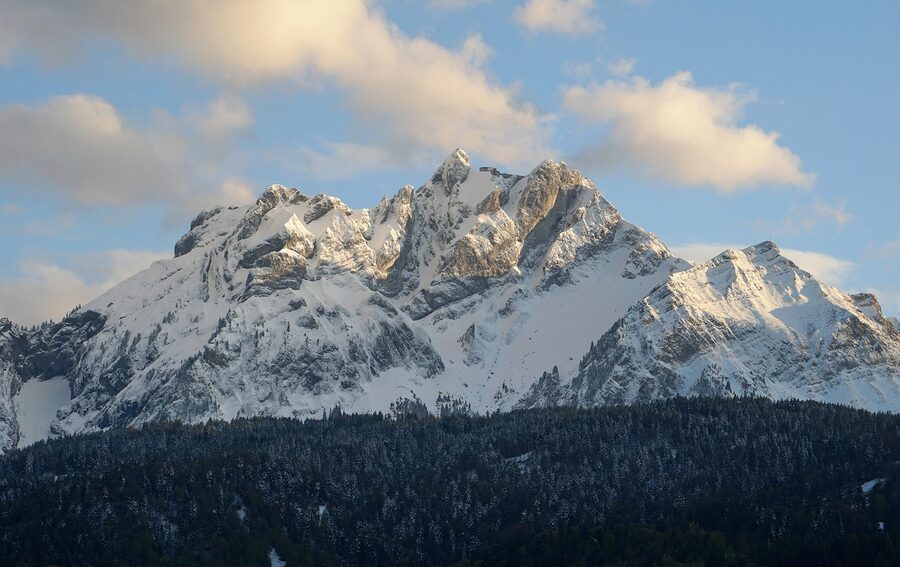
The Pilatus cogwheel railway opened in 1889 and is still the steepest cogwheel railway in the world — a record it has held for 137 years. The maximum gradient is 48%, which means for every two metres the train moves forward, it climbs almost one metre vertically. Most cogwheel railways top out at around 25%. The Pilatus track was designed by a Swiss engineer who invented a horizontal-pin rack-and-pinion system specifically to handle this slope; no other railway in the world uses it.
What this feels like in practice: the cars are stepped, with each row of seats raised behind the one in front so that the floor is closer to horizontal than the actual track. Even with that compensation, the floor sits at maybe a 30% slope when the train is on the steepest section. You feel like you should be sliding back even though you are not. People with mild vertigo find this part more uncomfortable than the cable car descent. People who like trains find it the highlight of any Switzerland trip.
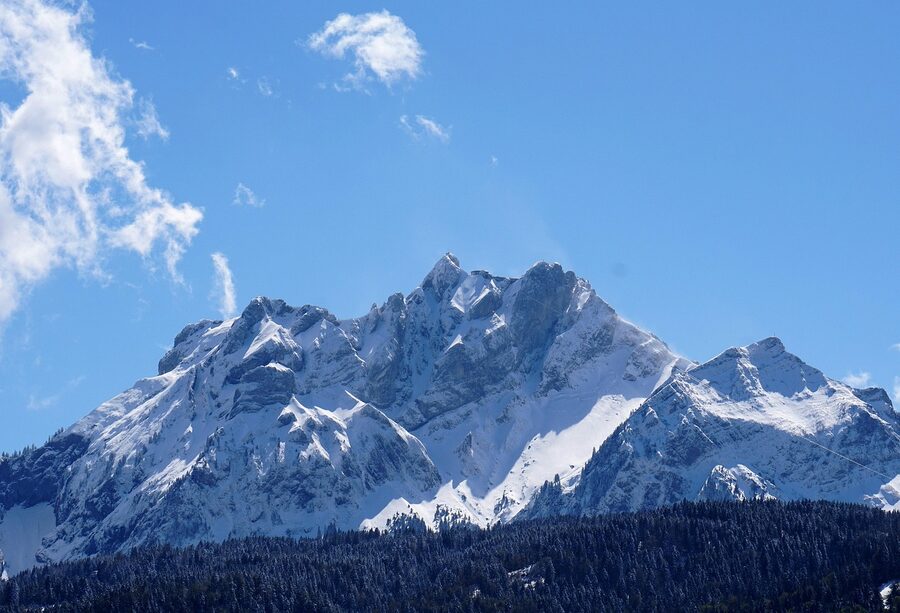
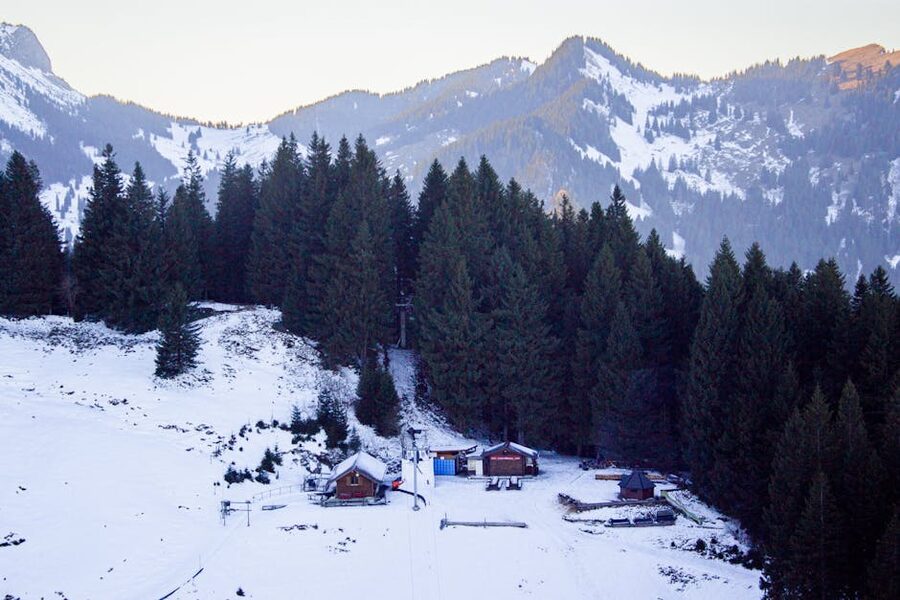
The railway runs May through November only. In winter the whole route shuts down for snow operations and the cable car becomes the only way up. If your trip is December through April, you cannot do the Golden Round Trip — the Silver Round Trip cable-car version is your only option, and the round trip itself is rebadged as the Silver Round Trip during winter.
The Cable Car Side — A Different Experience
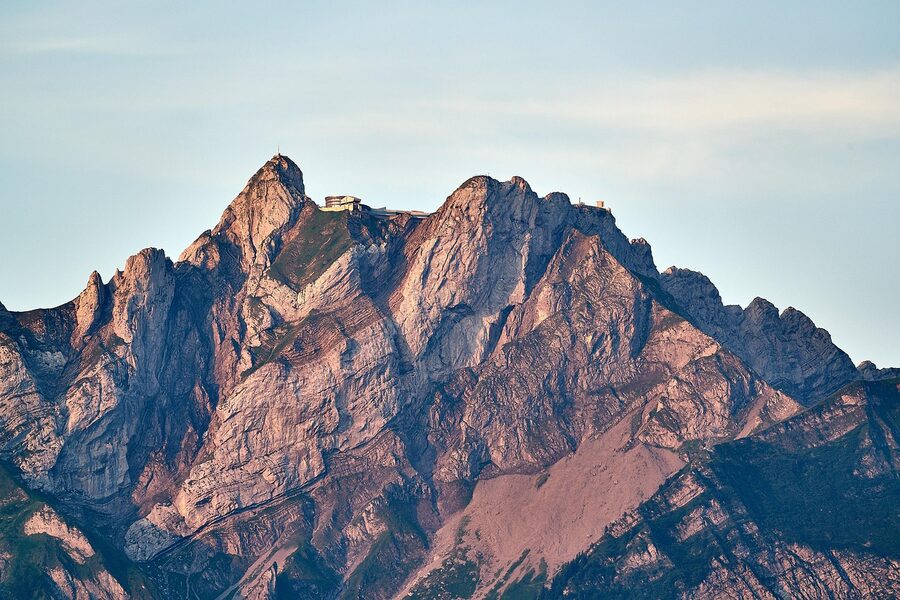
The cable car route from Kriens is a different way up the same mountain. You take a small four-person gondola from Kriens (a Lucerne suburb, reachable by city bus) up to the mid-station at Fräkmüntegg in about 30 minutes. From Fräkmüntegg you transfer to the Dragon Ride aerial cable car — a much larger, panoramic-windowed cabin that holds about 50 people — for the final section to the summit at 2,128 metres.
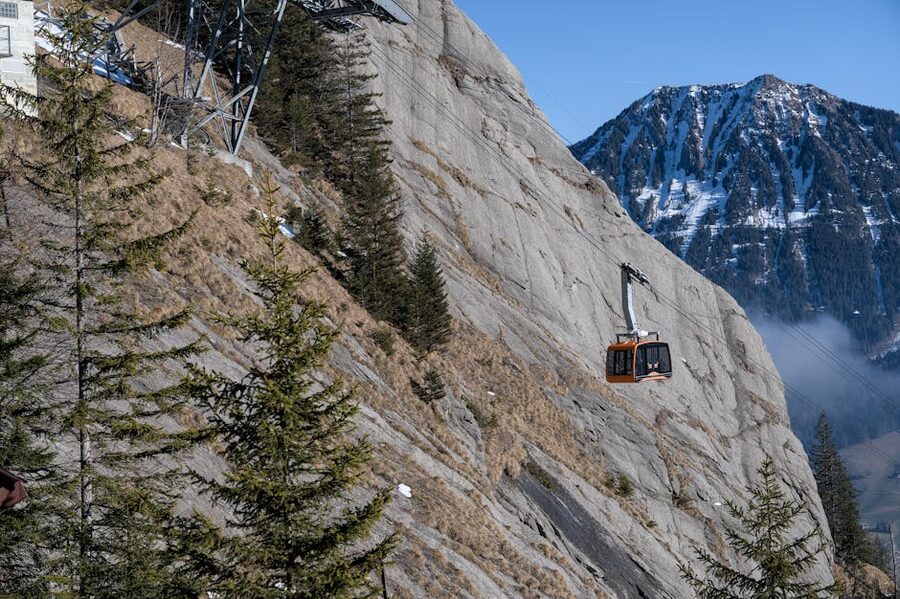
The cable car is the better experience for views — the panoramic windows on the Dragon Ride give you a clearer look at the rock faces and the lake below than you get from the cogwheel. The cogwheel is the better experience for the engineering novelty. People who do the Golden Round Trip get both: cogwheel up, cable car down. The order matters because going down by cable car at sunset (around 5-6pm in summer) gives you the best light on the descent.
What You Actually Do at the Summit
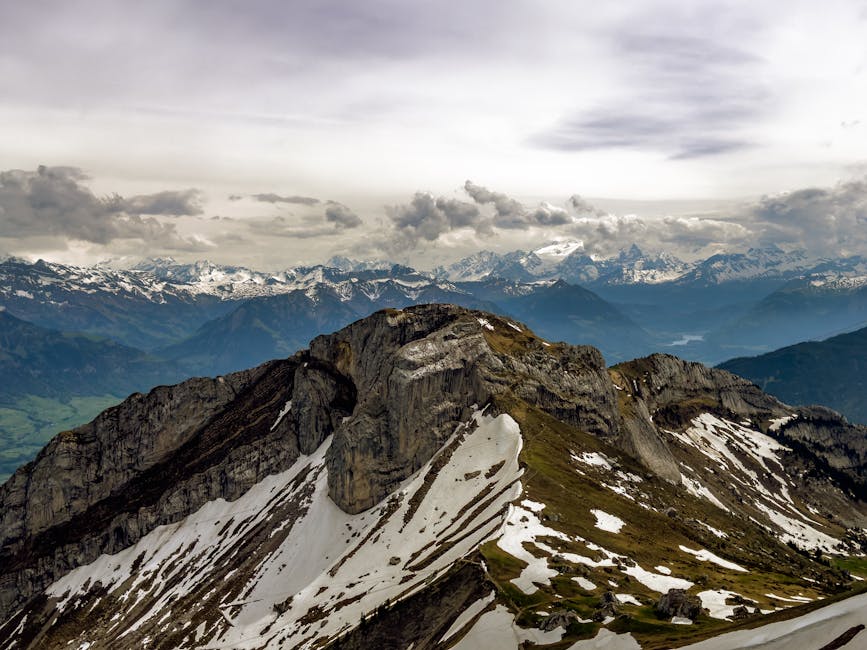
You arrive at the summit station about 90 minutes before your return time. The summit complex is a multi-storey building containing the two hotels (Pilatus-Kulm and Bellevue), three restaurants, a souvenir shop, and the doors out to the various viewing terraces and walking paths. Everything is on the south face of the summit, so the views are toward the Bernese Alps rather than back toward Lucerne — a slight letdown for some travellers who expect to see the city below them.
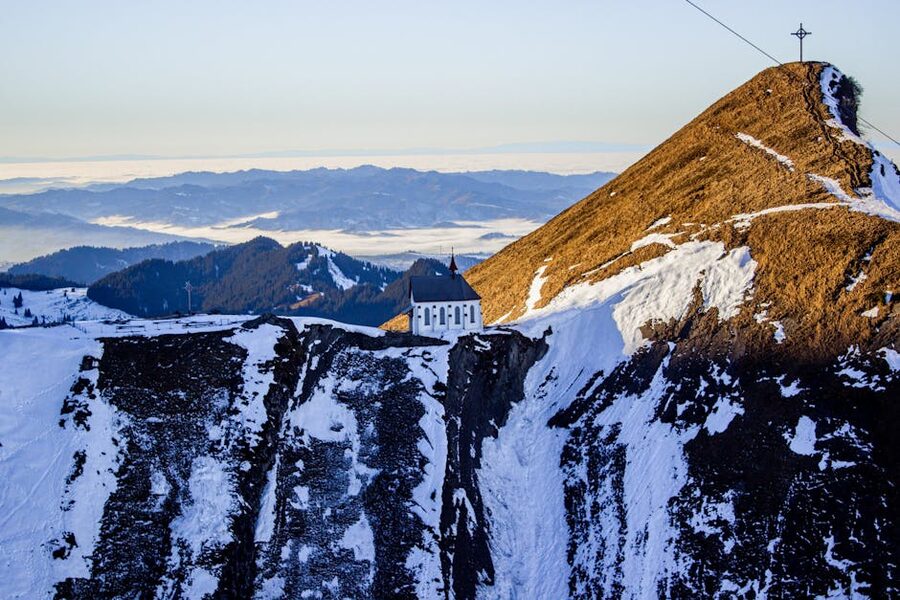
The headline walks at the summit are the Dragon Trail (a short, easy 25-minute paved path that loops around the Esel peak with informational panels about the medieval Pilatus dragon legends), and the Tomlishorn walk (a longer 60-minute return walk to a separate peak that gets you away from the crowds at the main station). Both are doable in standard footwear and clothing. The Tomlishorn walk in particular is where you escape the day-tour groups and get the quiet alpine version of Pilatus.
If you are travelling with kids, the rope park (open May-October) at Fräkmüntegg on the cable car route is genuinely fun — high-ropes courses through the trees with the cable car passing overhead. Allow an extra hour if you stop for it. Tickets are bought separately from the main Pilatus ticket.
The Pilate Legend and the Dragons
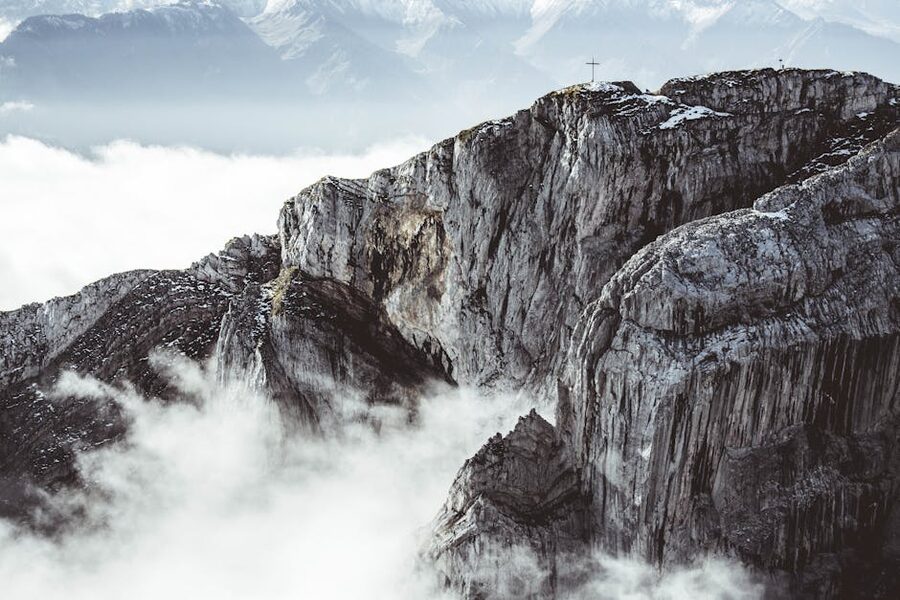
The mountain’s name has nothing to do with Pontius Pilate, despite a persistent medieval legend that his body was thrown into a small lake on the summit and that disturbing the water would cause storms across central Switzerland. The actual etymology is from the Latin “pileatus” — capped — referring to the cloud that often sits on the peak. The Pilate story was attached later, possibly because the names sounded similar in Swiss German.
The dragon legends are even better. Medieval Lucerne residents genuinely believed that dragons lived inside Pilatus. The town’s mayor banned anyone from climbing the mountain for several centuries on the basis that disturbing them would bring disaster. Several apothecaries claimed to sell ointments made from “dragon stones” recovered from caves on the mountain. The Dragon Trail at the summit covers all of this with surprisingly serious panels about the historical context — it is not just a tourist gimmick.
When to Go
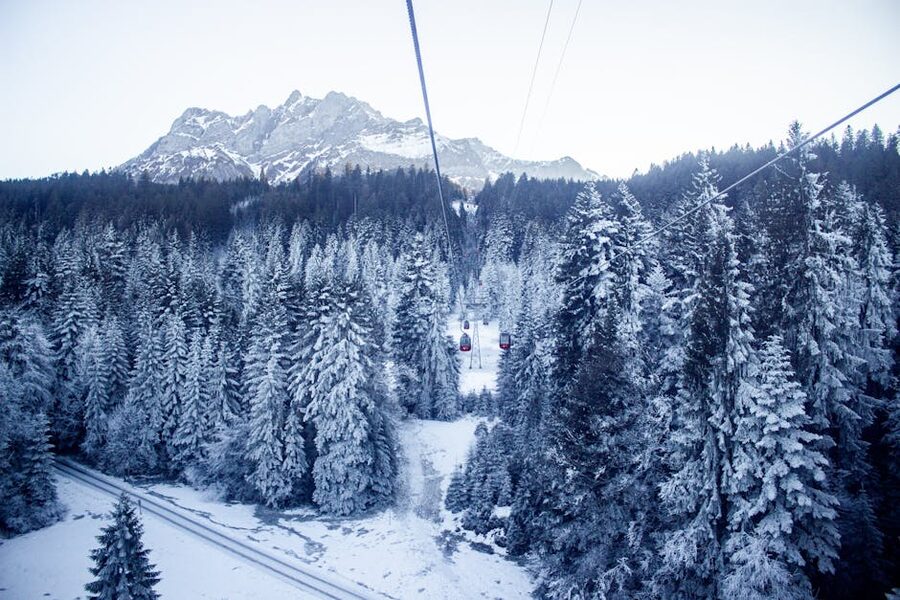
Pilatus runs cable cars year-round, cogwheel from May to November. The mountain works in any season but each has trade-offs. Summer (June-August) is the most popular and the warmest — both railways running, all walking trails open, summit hotels at full operation. The downside is crowds and queues, especially at the Fräkmüntegg cable car transfer in mid-afternoon.
Autumn (September-October) is my honest pick. Cogwheel still running, fewer people, the slopes turning red and gold. The light at the summit through October is excellent for photographs. November is the awkward shoulder month when the cogwheel shuts down for winter prep.
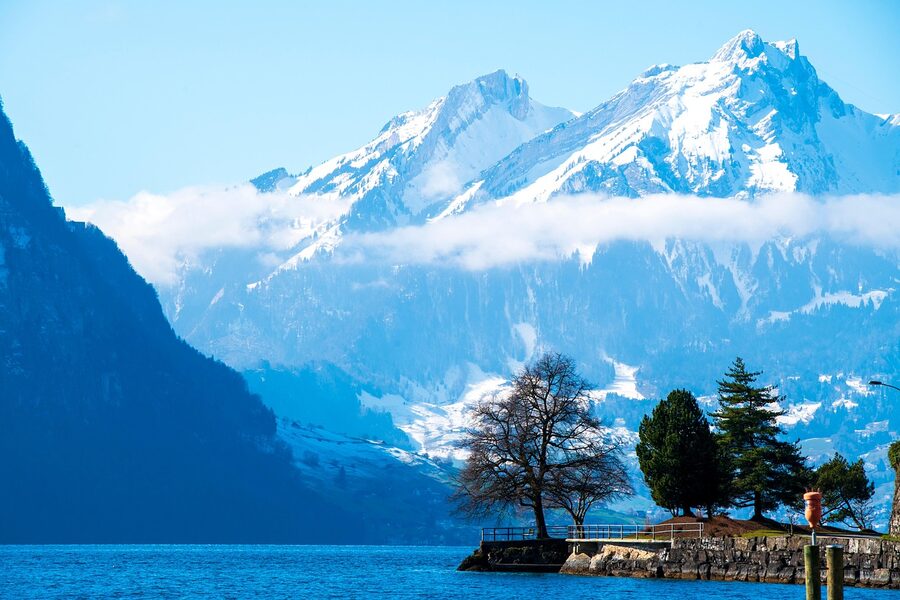
Winter (December-March) is for the cable car only. The summit is fully accessible, the hotels are open, the views are sharper without summer haze, and the crowds are minimal. Pack proper winter gear — the summit can drop to -15°C even when Lucerne is at +5°C below.
Spring (April-May) is shoulder season with reopening dates that vary by year. The cogwheel typically restarts in early-to-mid May; check before booking for those dates.
Pilatus vs Mount Titlis vs Jungfrau
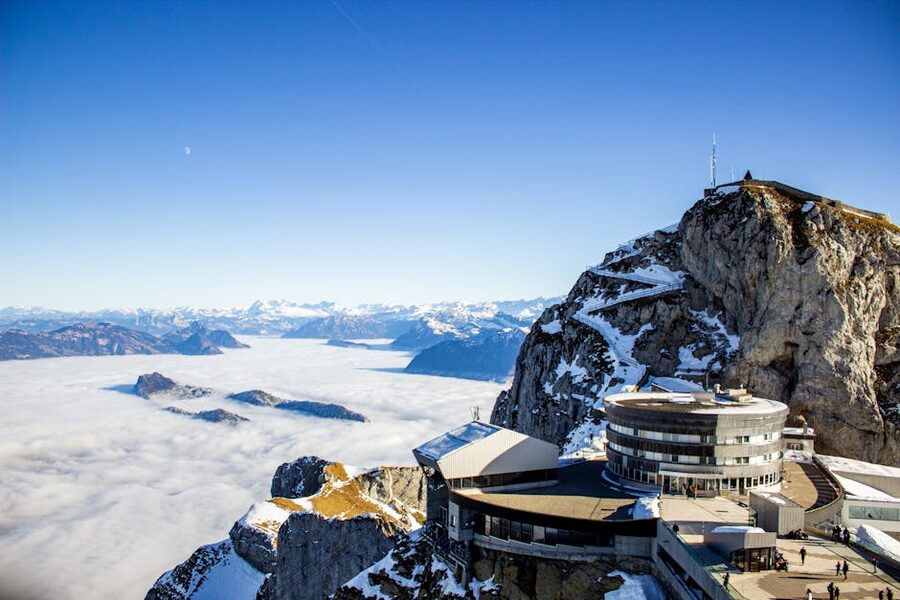
The three “high mountain by mechanical assistance” experiences in central Switzerland often get compared. Mount Titlis is the highest accessible by cable car (3,028m), has the rotating Rotair cabin, and the Cliff Walk suspension bridge. Mount Pilatus (this article) is shorter (2,128m) but has the cogwheel railway and the Lucerne pairing. Jungfraujoch “Top of Europe” is the highest accessible point (3,454m) but requires a long train journey from Interlaken.
If you only do one and you are in Lucerne, do Pilatus. If you only do one and you are in Zurich, Titlis. If you only do one and you are in Interlaken, Jungfraujoch. If you do two, do Pilatus plus Titlis — they are different enough mechanically that the experience is not repetitive. Avoid doing all three on a Switzerland trip; the third one will feel like the second one.
The Boat Leg — Often Underrated
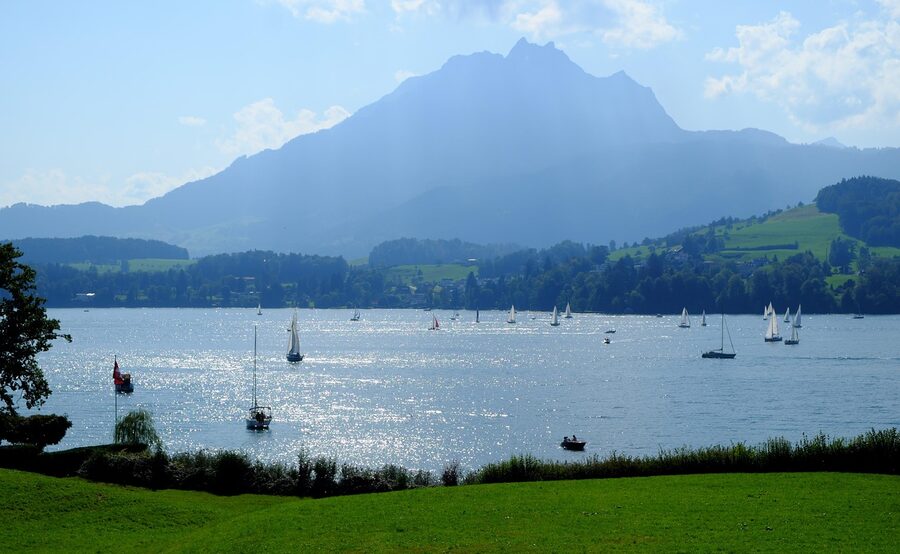
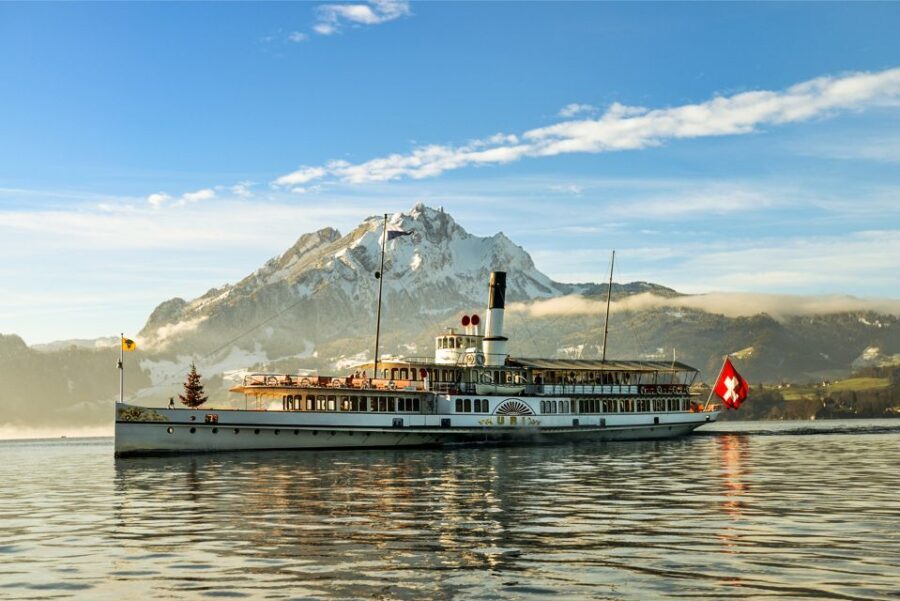
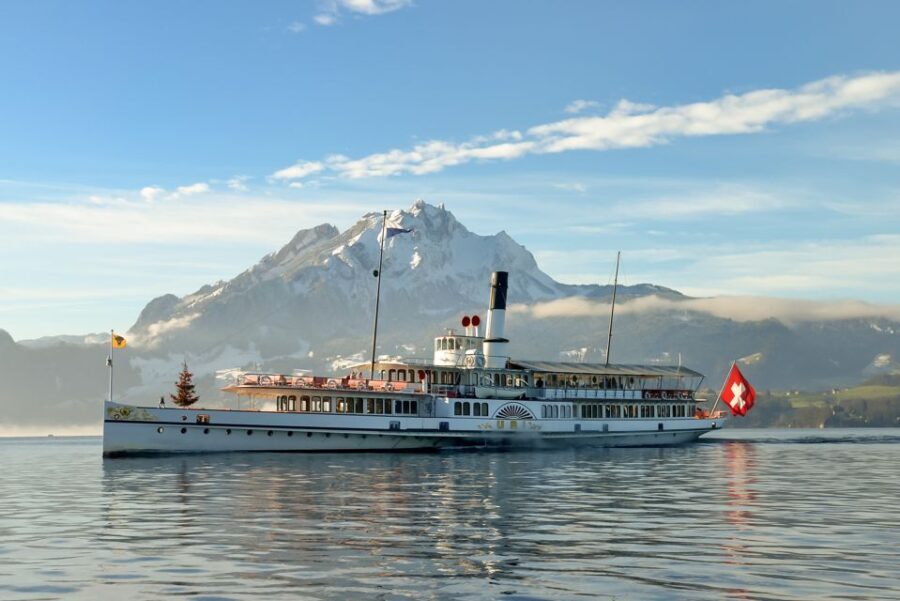
The boat from Lucerne to Alpnachstad takes about an hour and is part of the Golden Round Trip ticket. Most travellers treat it as transport. It is actually one of the better lake cruises in Switzerland — the route passes Bürgenstock (the cliff resort hotel where Audrey Hepburn used to spend summers), Stansstad, and the wooded sections of the southern Lucerne shore that the road does not access. The boats themselves are part of the same CGN-style heritage fleet that runs Lake Geneva and Lake Lucerne; many of them are pre-war paddle steamers.
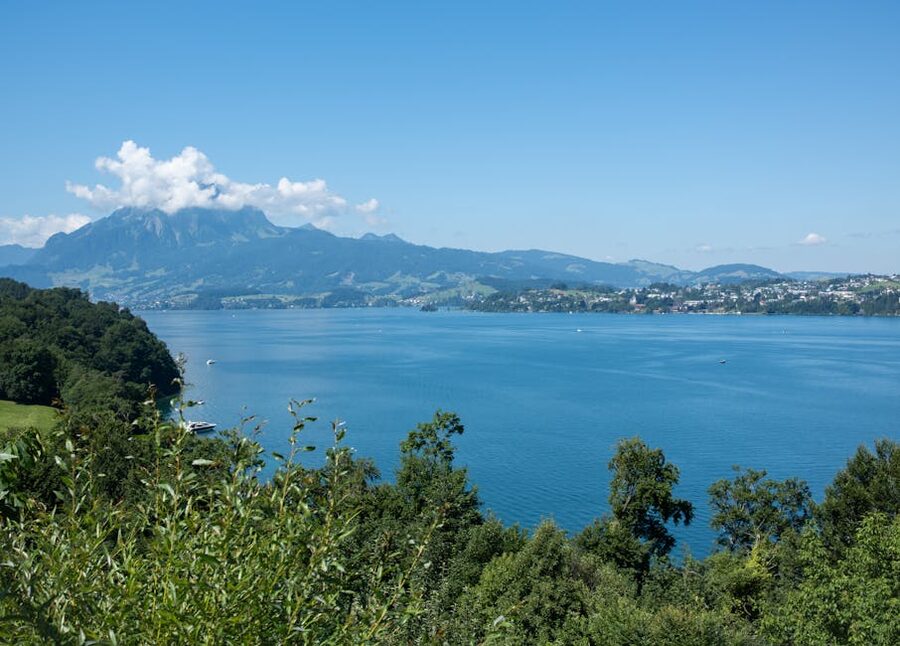
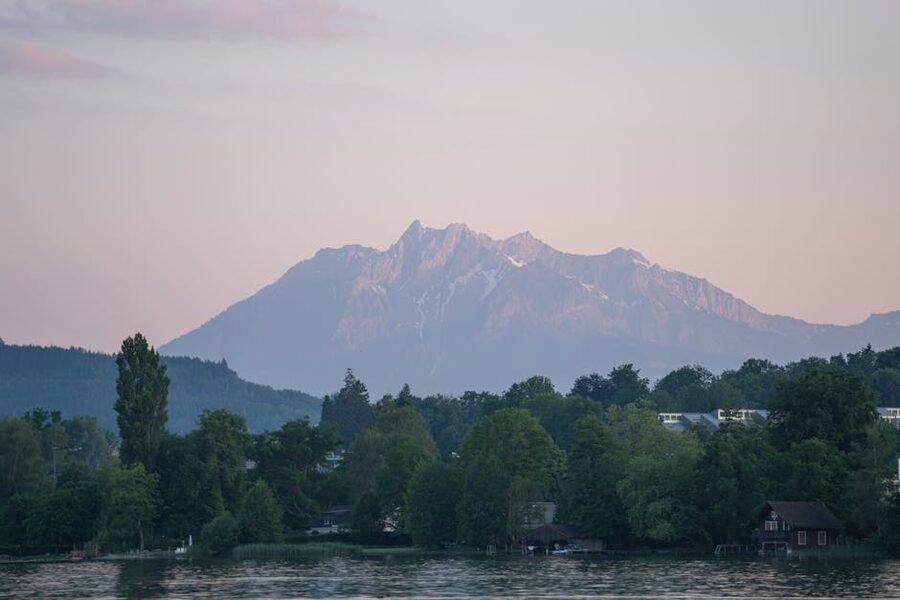
Sit on the right (port) side of the boat for the best views during the outbound leg — Pilatus rises directly off the right shore as you approach Alpnachstad, and you watch the mountain you are about to climb get bigger for the entire ride. On the return cable car descent and bus back to Lucerne, you do not get this view at all, so the boat is the only chance to see the mountain from the lake.
What to Wear and Bring
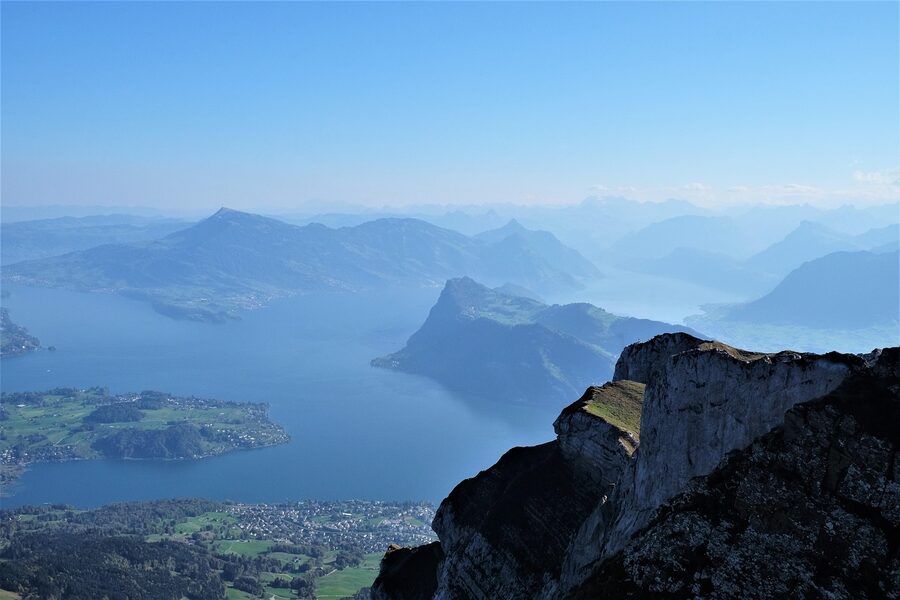
The classic mistake: dressing for Lucerne (warm, sunny) and being cold at the summit (windy, much higher). The summit sits 2,000 metres above the city, which translates to roughly 12-15°C colder than the lake on any given day. In summer, layer with a fleece and a windproof shell over a t-shirt. In winter, full alpine gear including hat and gloves. Closed shoes with grip for the walking trails — even paved paths can be slippery in damp conditions.
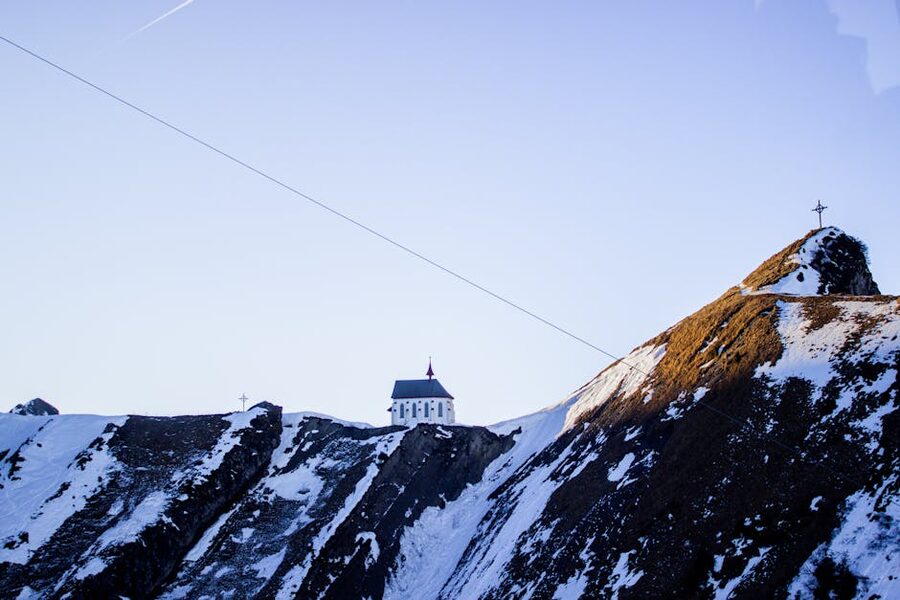
Other practical bring-along items: a water bottle (the summit restaurants sell water at $5+ per bottle), sunglasses (snow glare at the summit is significant in any season), and sunscreen on clear days. The Pilatus card-holder pricing means lunch at the summit costs $25-35 for a basic plate — bring a sandwich if you want to keep the spend down.
Pairing With the Rest of Your Switzerland Trip
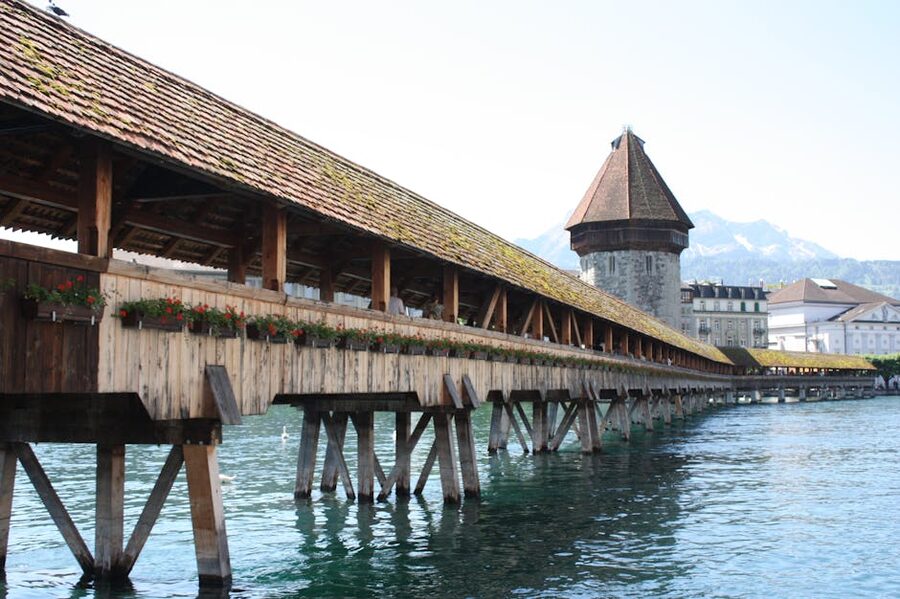
If you are based in Lucerne for two or three days, the Pilatus day pairs naturally with a day on the Lucerne lake itself (using the CGN-style ferries) or with the Lindt Chocolate Museum in Zurich on a transition day. A Lucerne base of two nights gets you Pilatus on day one, lake or chocolate on day two.
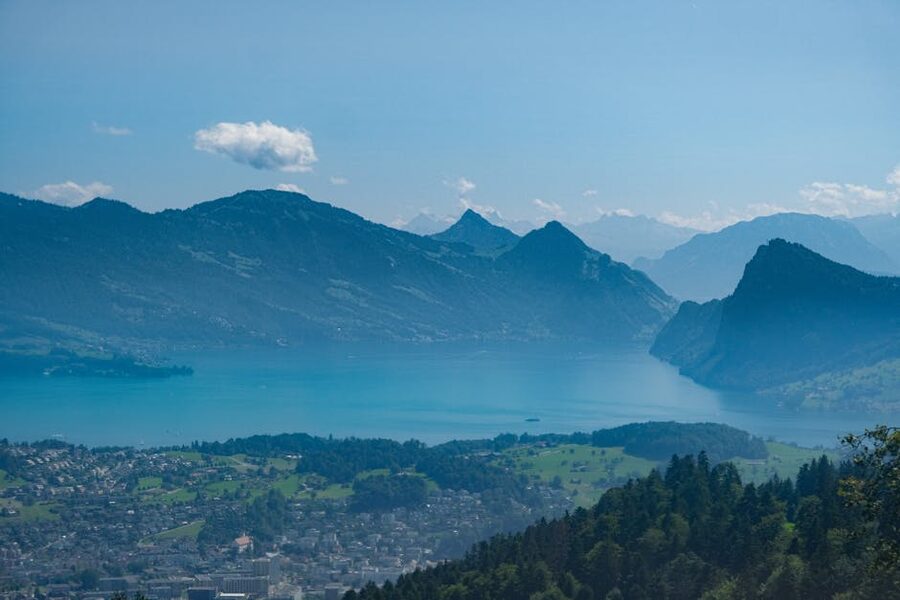
If your trip includes both Pilatus and Mount Titlis, do them on consecutive days but in different cities. Sleep in Lucerne for the Pilatus day, then transfer to Engelberg or back to Zurich for the Titlis day — both are easy train connections from Lucerne. Doing both from a Zurich base means you spend more time on coaches than you do on mountains.
For travellers doing the bigger Switzerland loop — Geneva to Zurich via Interlaken and Lucerne — Pilatus slots in as the central-Switzerland highlight. After a Geneva cruise opener, train to Lucerne for two nights with Pilatus on day one and a lake or city day on day two, then on to Interlaken for Jungfraujoch and the Bernese Oberland mountains. Finish in Zurich for a wind-down day or fly out from there.
One last note. The Dragon Ride cable car has been known to close for high winds — the threshold is 70 km/h sustained — which is more common in late autumn and winter than summer. If you arrive in Kriens to find the cable car closed, switch to the cogwheel side via local bus to Alpnachstad. The cogwheel handles weather better and the train rarely cancels for wind alone. Check the official Pilatus operator website on the morning of your visit for any service notes.
This article contains affiliate links. If you book through our links, we may earn a small commission at no extra cost to you. This helps us keep producing detailed travel guides.