
The Swiss Travel Pass is too expensive for half the people who buy it and a steal for the other half. The trick is figuring out which half you are in before you spend the money. Most travellers default to buying it because Switzerland is famously expensive and it sounds like savings on principle. About half of those people then spend the rest of the trip not actually using it enough to break even, which is the version of the trip you do not want.
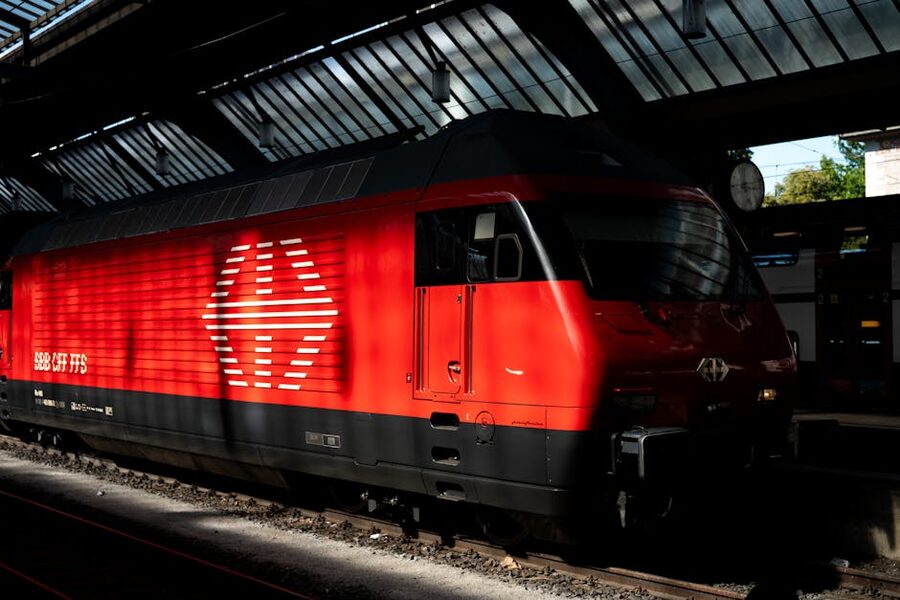
This guide covers how to actually decide whether to buy the Swiss Travel Pass: how the math works, when the regional pass alternatives are smarter, and the small print most reviewers do not mention.
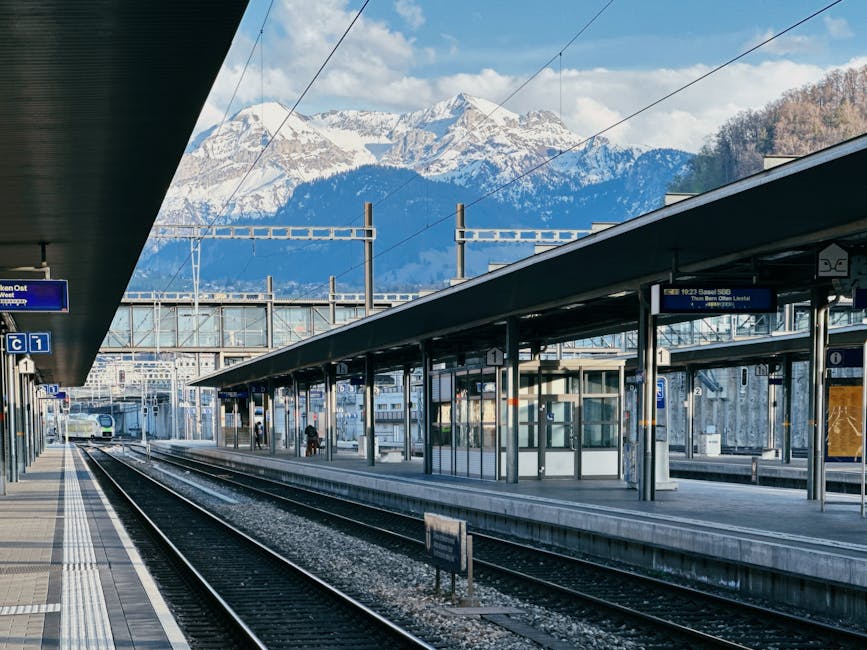
The Swiss Travel Pass is essentially a hop-on-hop-off ticket for Switzerland’s entire public transport network. You buy a 3, 4, 6, 8, or 15-day pass, activate it on your first day, and ride trains, buses, boats, and most cable cars for free during the validity period. You also get free entry to over 500 museums and discounts on most private mountain railways. It is a single product sold by Swiss Federal Railways through various international resellers.
In a Hurry? The Three Pass Options Worth Knowing
- Standard Swiss Travel Pass: Swiss Travel Pass — Unlimited Travel — from $327, consecutive days, the headline product.
- Flexible alternative: Swiss Travel Pass Flex — from $373, non-consecutive days within a month, useful for trips with rest days built in.
- Regional alternative: Jungfrau Travel Pass — from $271, only valid in the Bernese Oberland region but covers the famously expensive Jungfraujoch trains at full discount.
- In a Hurry? The Three Pass Options Worth Knowing
- Which Pass to Book
- 1. Swiss Travel Pass — Unlimited Travel — from 7
- 2. Switzerland: Train, Bus, Boat Travel Pass Flex — from 3
- 3. Jungfrau Travel Pass — from 1
- The Math — When the Pass Pays Off
- What the Pass Actually Includes
- The First-Class Decision
- Where the Pass Falls Short
- The Pass vs Pay-As-You-Go
- How to Buy and Activate
- Common Mistakes to Avoid
- Should You Even Buy It
- Pairing With the Rest of Your Switzerland Trip
Which Pass to Book
The standard pass works for travellers spending all their days actively exploring Switzerland. The Flex pass works for travellers planning rest days, day trips that do not require trains, or extended stays in one city. The regional Jungfrau pass works for travellers who are mostly going to be in the Bernese Oberland and would otherwise pay the brutal Jungfraujoch surcharges.
1. Swiss Travel Pass — Unlimited Travel — from $327
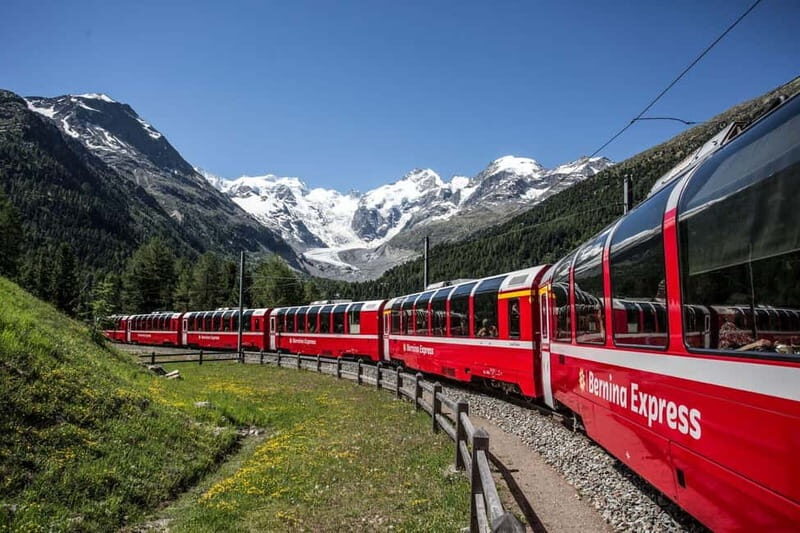
The standard product. Sold in 3, 4, 6, 8, and 15-day options for consecutive days. The pricing scales — a 3-day pass works out at $109 per day, a 15-day works out closer to $50 per day. Includes free travel on trains, postbuses, lake boats, city public transport in 90+ Swiss cities, and free entry to over 500 museums. Our full review walks through the actual coverage and the math of when it pays off.
2. Switzerland: Train, Bus, Boat Travel Pass Flex — from $373
The Flex version. Same all-in coverage but you choose 3, 4, 6, 8, or 15 non-consecutive travel days within one month from activation. About 14% more expensive than the standard pass. Worth the premium if you are planning a 2-week trip with several non-travel days (city stays, hotel rest days), or if your itinerary has a non-Switzerland detour in the middle. Our full review covers the activation mechanics and how the calendar works.
3. Jungfrau Travel Pass — from $271
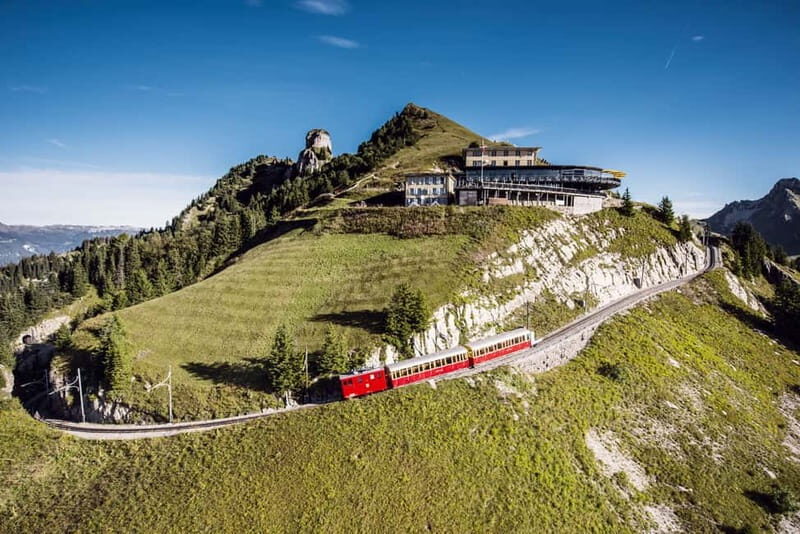
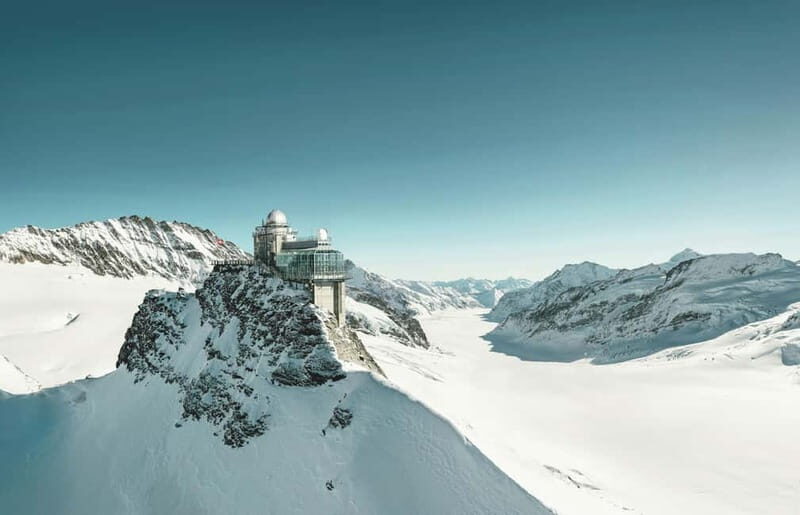
The regional alternative for travellers focused on the Bernese Oberland. Covers all the local trains, the Jungfraujoch route (which costs around $200+ separately), and most regional cable cars. Cheaper than the Swiss Travel Pass and a much better value if your trip is mostly Interlaken/Grindelwald/Lauterbrunnen-based. The catch: it does not work outside the Bernese Oberland, so if you also want to visit Lucerne or Zurich, you need a separate ticket. Our full review covers what is included and the math versus the full Swiss pass.
The Math — When the Pass Pays Off
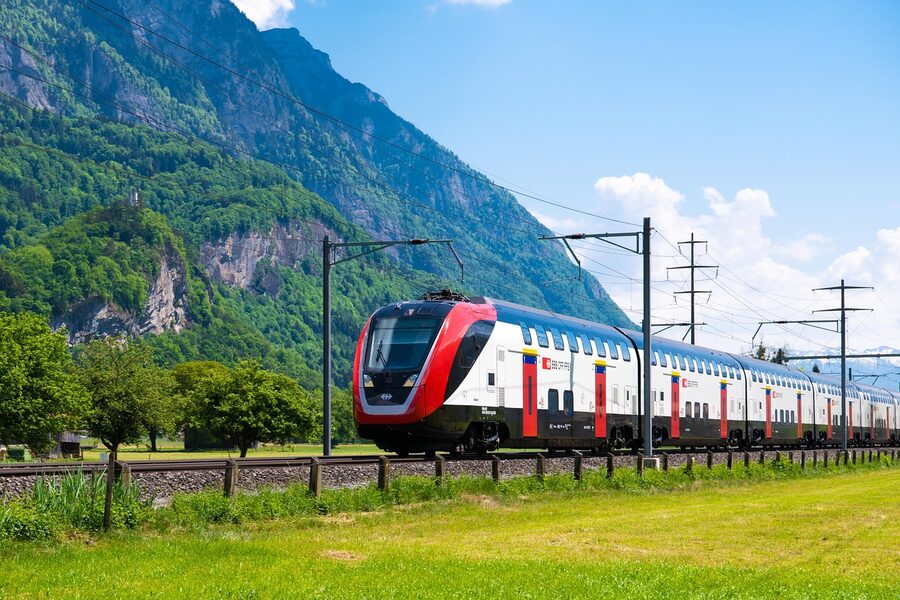
The pass costs around $327 for 3 days of consecutive travel. To break even on a 3-day pass, you need roughly $110 per day in transport spending. That sounds easy until you actually price out a typical day. A Zurich-to-Lucerne return is about $50. A Lucerne-to-Mt-Pilatus Golden Round Trip (without the pass) is roughly $90. A day in central Zurich using just the city tram costs you maybe $9 if you are not the kind of traveller who walks.
So the typical “break-even” day looks like: one intercity round-trip plus one mountain excursion plus city transit. If you are doing this every day, the pass pays for itself easily. If you are doing one of those things some days and walking around a city on others, you will spend less than $110 on most days and the pass will be net negative.
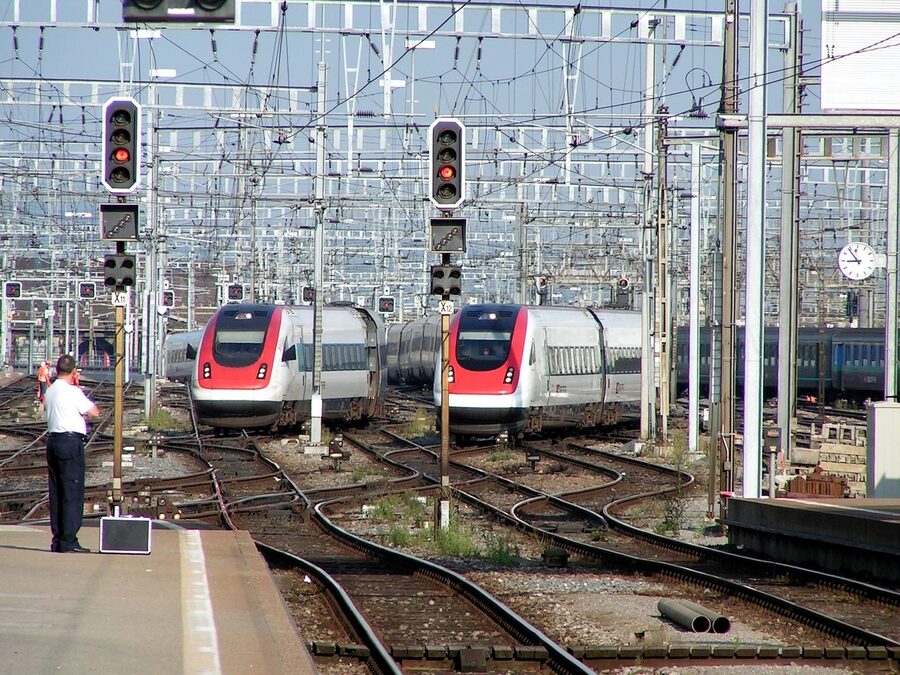
The break-even calculation that actually matters: are you doing at least one $50+ train journey AND one $50+ mountain or museum activity per day for the days you have the pass? If yes, buy the pass. If you are doing one or the other but not both, look at the alternatives instead.
What the Pass Actually Includes
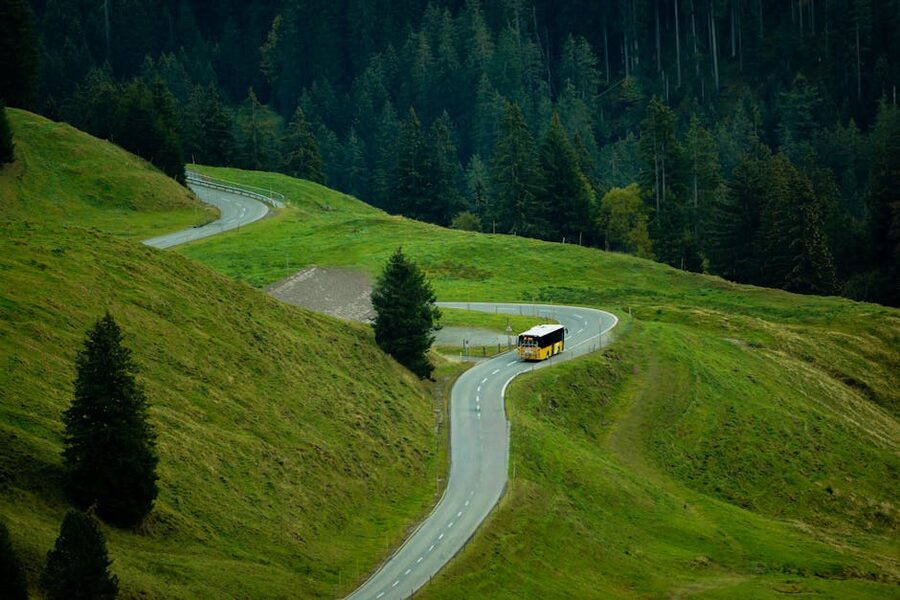
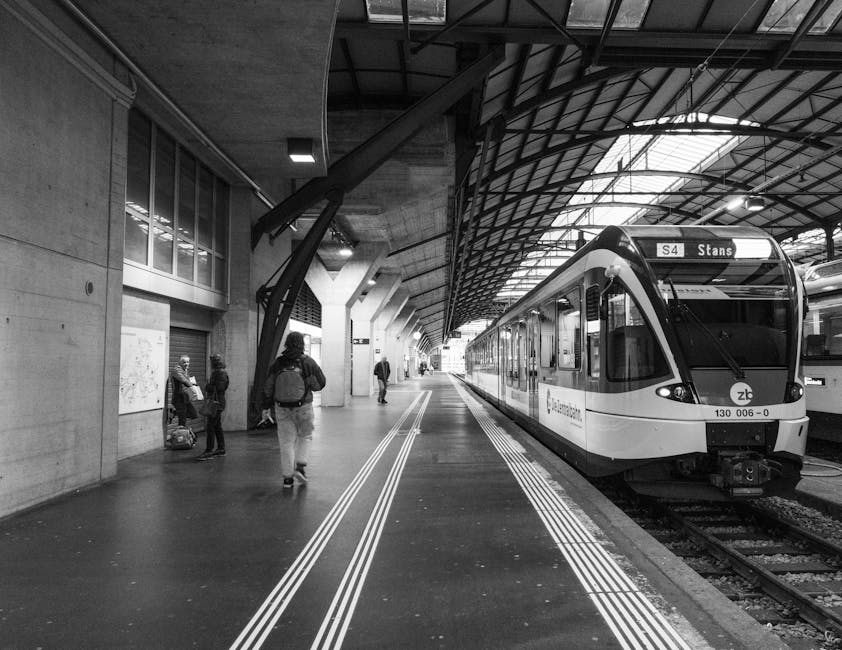
The “free” inclusions on the pass are extensive and worth knowing about. Trains — every SBB national train, all regional railways, plus most private operators including Rhätische Bahn (the Bernina Express) and BLS. Postbuses — the entire yellow PostAuto network across rural Switzerland. Lake boats — most CGN-style heritage steamers and modern lake ferries on Lake Geneva, Lake Lucerne, Lake Constance, and others. City public transport — trams, buses, and city trains in 90+ Swiss cities and towns.
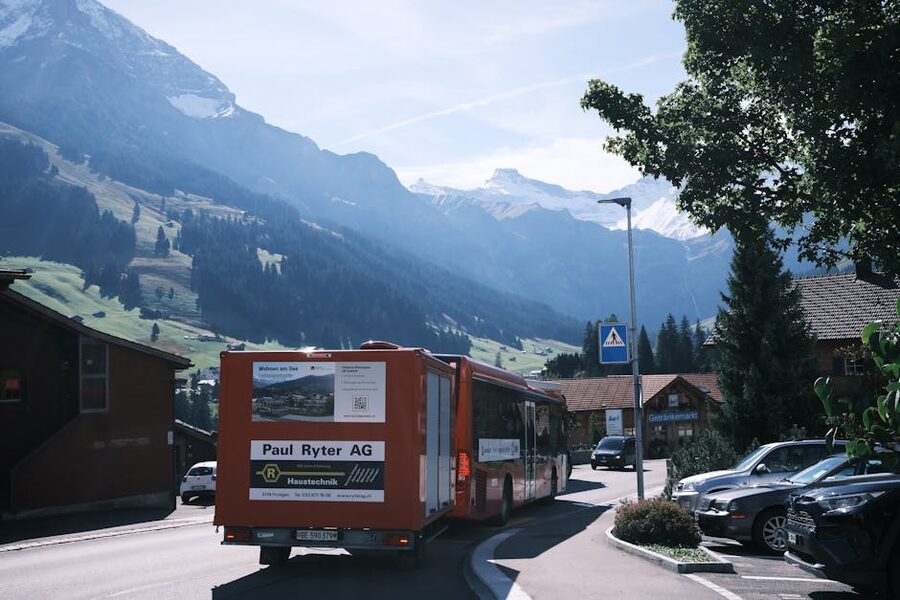
Museums — over 500 museums offer free entry to pass holders, including most major art museums, the Lindt Chocolate Museum, the Olympic Museum in Lausanne, the FIFA Museum in Zurich, the Verkehrshaus (Swiss Museum of Transport) in Lucerne, and the Patek Philippe Museum in Geneva. This is the most underrated part of the pass — the museum value alone often justifies the cost for travellers who plan to visit several.
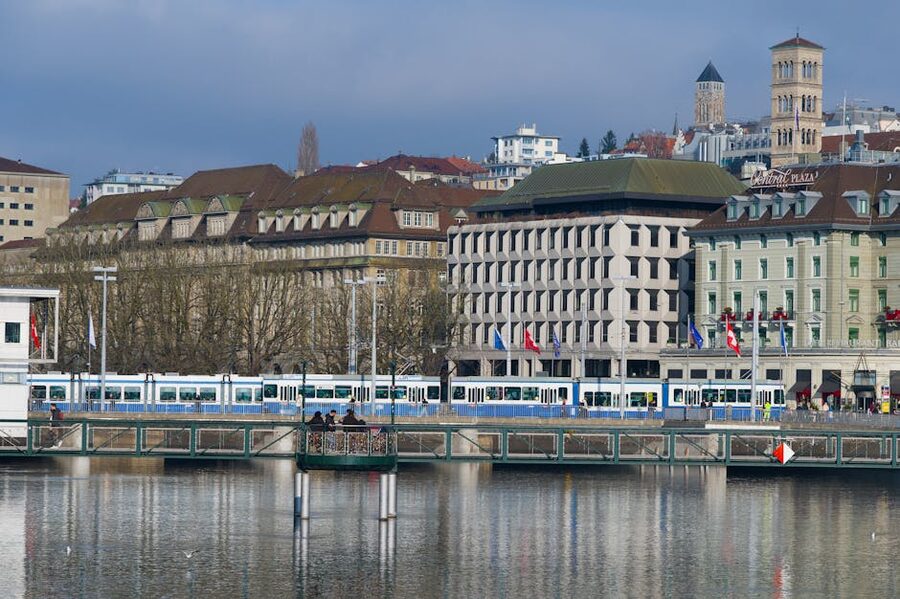
The “discounted” inclusions: most private mountain railways and cable cars at 50% off. This includes the Jungfraujoch (about $100 saved), the Mount Pilatus cogwheel (about $50 saved), and most other major peaks. The exception is the Glacier Express seat reservation ($35 surcharge that the pass does not cover) and the panoramic carriage upgrades on scenic trains.
The First-Class Decision
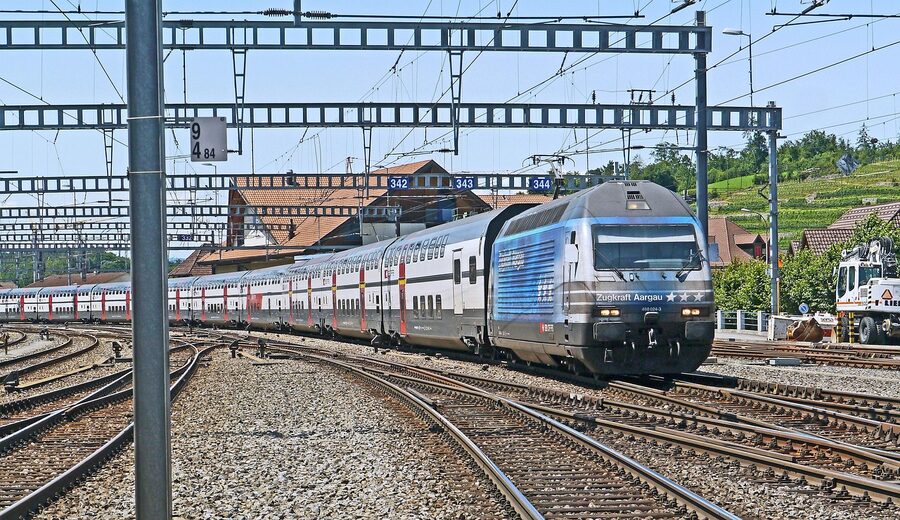
The standard pass is second-class. First-class is available at about 60% premium ($520 versus $327 for a 3-day pass). The differences: first-class carriages have more legroom, fewer people, leather seats instead of fabric, free wifi (sometimes), and access to first-class lounges at major stations. Second class on Swiss trains is genuinely good — better than most countries’ first class — so the upgrade is not strictly necessary.
Worth the upgrade if: you are travelling in summer when trains can be near-capacity (first class has spare seats), you are travelling with luggage you cannot easily store (more space), or you specifically want the lounge access at major stations (Zurich and Geneva have decent first-class lounges with snacks). Skip the upgrade if: you are travelling in shoulder season when even second class has spare seats, you are mostly doing day trips with light bags, or you are travelling on a budget where the $200 saving funds two extra activities.
Where the Pass Falls Short
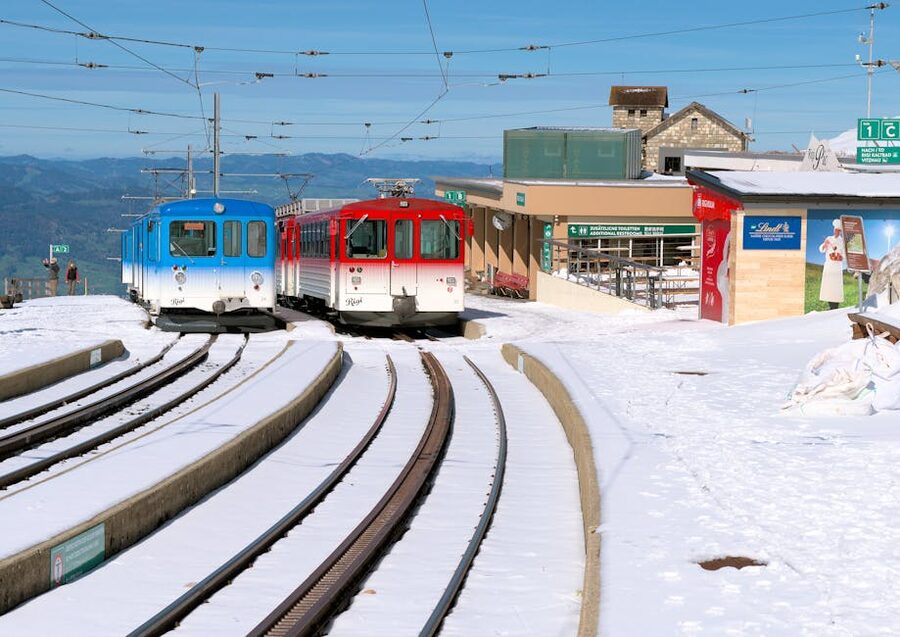
The pass does not include everything. The exceptions matter because they are the routes most travellers actually want. Glacier Express — the train ride is included but the mandatory seat reservation costs $35 extra each way. Bernina Express — same situation, train included, reservation extra. Jungfraujoch — pass gets you to Wengen and Grindelwald free, then 25-50% off the final climb to the summit (still costs around $100 with the pass). Mount Pilatus cogwheel — 50% off, not free. Most private cable cars — 50% off.
So the calculation is not “buy the pass and ride everything free.” It is “buy the pass and pay reduced prices on the premium things.” For most travellers this is still a significant saving versus the no-pass scenario, but the savings are smaller than the marketing suggests.
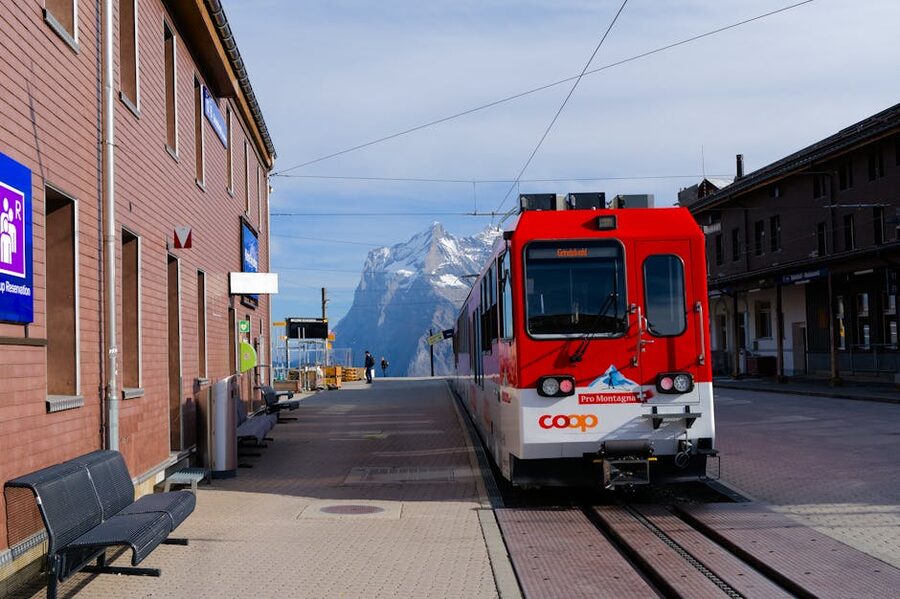
The Pass vs Pay-As-You-Go
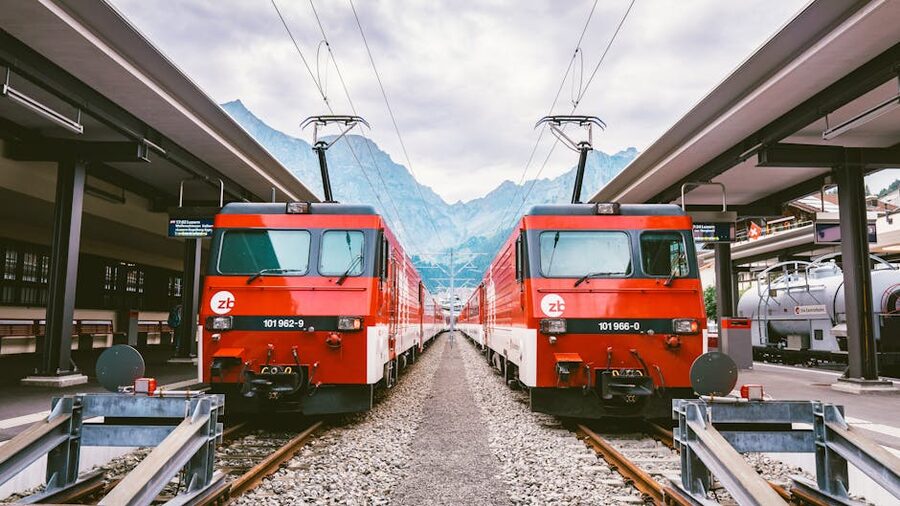
The Swiss alternative to the pass is the Half Fare Card ($120 for one month). With this card, all train tickets cost half price. For travellers doing 4-5 days in Switzerland with moderate transport needs, the Half Fare Card almost always beats the Swiss Travel Pass on price. You pay half on every train, half on most cable cars, and half on lake boats — without the all-in commitment of the pass.
The math: a 4-day trip with two intercity day trips ($50 each, full price) plus city transport plus one mountain railway ($60 full price) totals about $260 in transport. With the Half Fare Card ($120), the same trip costs $250 + $120 = $370… actually slightly worse than full-price, in this specific scenario. But add a Glacier Express ride or two more cable cars, and the Half Fare Card pulls ahead. The Swiss Travel Pass for the same days would be $370 itself.
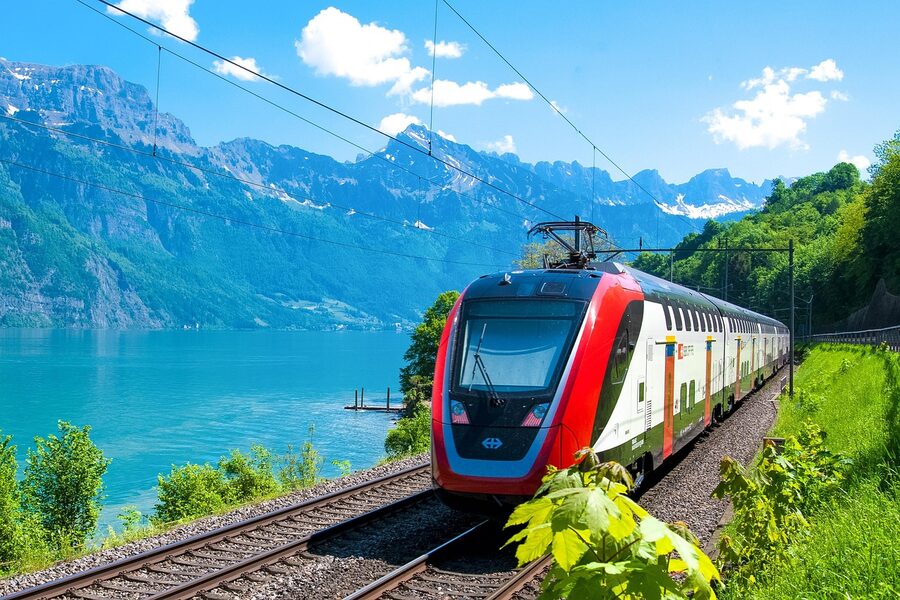
Honest pick by trip length: 1-2 days in Switzerland — pay-as-you-go, no card. 3-4 days with light transport — Half Fare Card. 3-4 days with heavy transport (2+ excursions per day) — Swiss Travel Pass. 5+ days with mixed itinerary — Swiss Travel Pass Flex. Full week in the Bernese Oberland — Jungfrau Travel Pass.
How to Buy and Activate
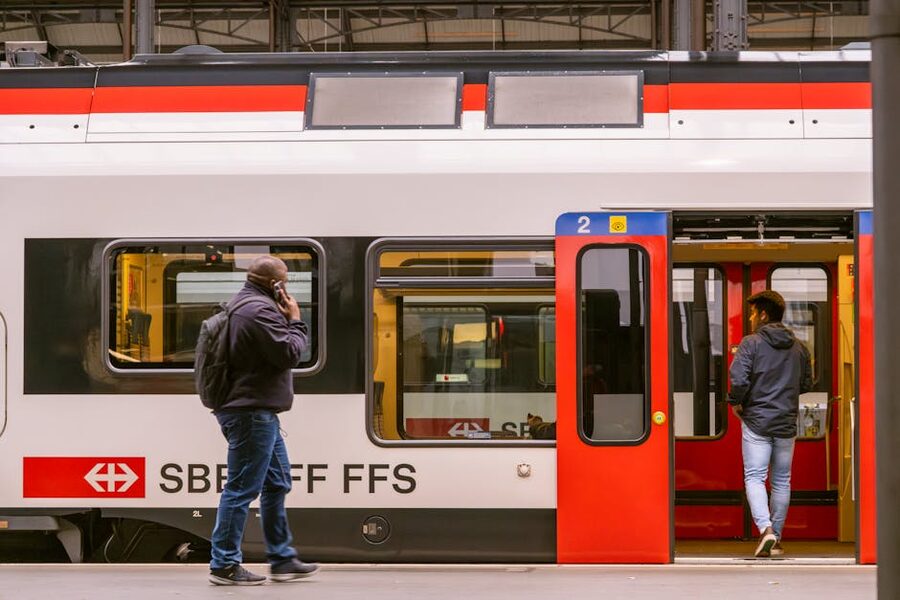
Buy online before your trip. The various resellers (GetYourGuide, Viator, the official SBB website) sell exactly the same product at very similar prices — pick whichever has a better refund policy or fits your other booking platform. The pass is delivered as a digital QR code that you save on your phone or print out.
Activation: the pass starts on the date you nominate at purchase. You cannot change the start date once activated, but you can pick any date within 6 months of purchase. The pass is checked by conductors on trains, by drivers on postbuses, and at boat boarding gates — they scan the QR code with handheld devices.
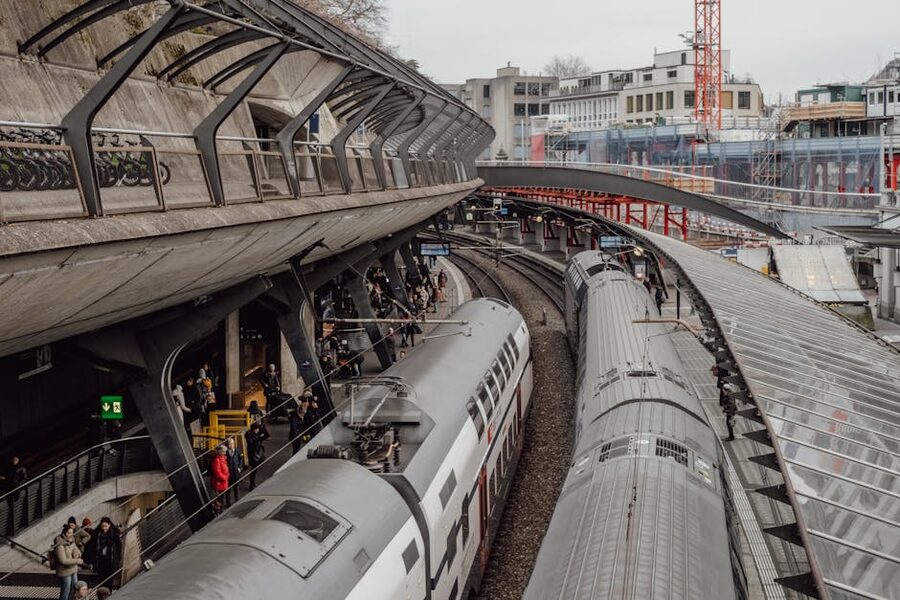
One important note: the pass is per-person and non-transferable. Family discounts apply (children under 16 travel free with a paying adult on the Swiss Family Card, which is also free). Travellers under 25 get a discounted Swiss Travel Pass Youth at about 30% off.
Common Mistakes to Avoid
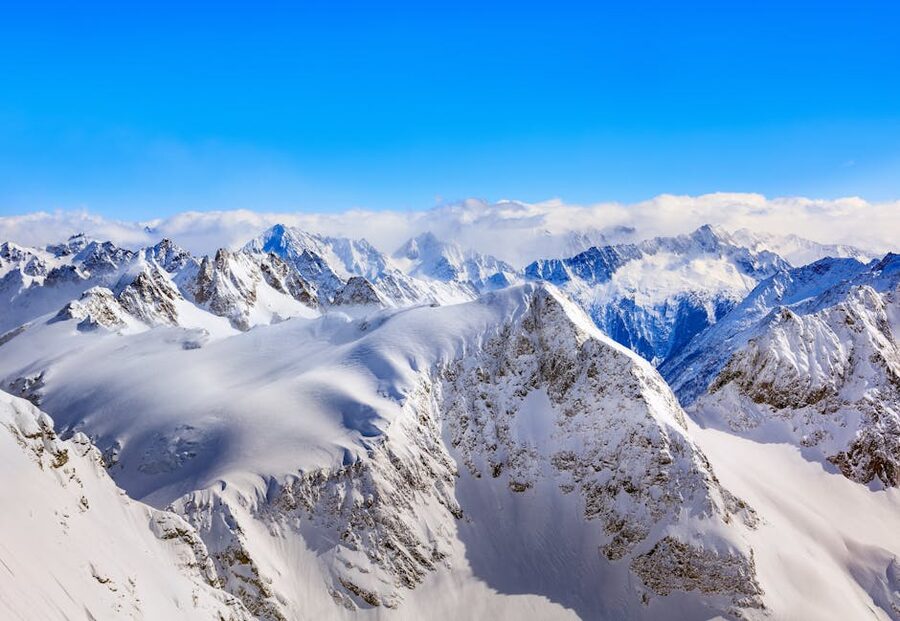
The most common pass mistake: buying it expecting that all the famous Swiss attractions are included for free. The Jungfraujoch is the textbook example — travellers see “Top of Europe” on every Switzerland highlight reel, buy the pass, then discover at the Wengen ticket window that the final climb still costs $100 with the pass. The pass got them most of the way there, but the headline attraction is the discount, not the free part.
Second common mistake: buying the consecutive-day pass when the Flex would work better. If your trip has any rest days, city days, or a non-Switzerland detour in the middle (Lake Como from Lucerne, for instance), the consecutive pass burns days you do not actually use. The Flex pass is 14% more expensive but it covers the actual days you travel.
Third common mistake: assuming the pass works on the Glacier Express or Bernina Express without a reservation. The pass covers the train fare on both routes, but a separate seat reservation is required and not included. The reservation costs $35-50 each way and sells out weeks ahead in summer. Book the seats when you book the pass.
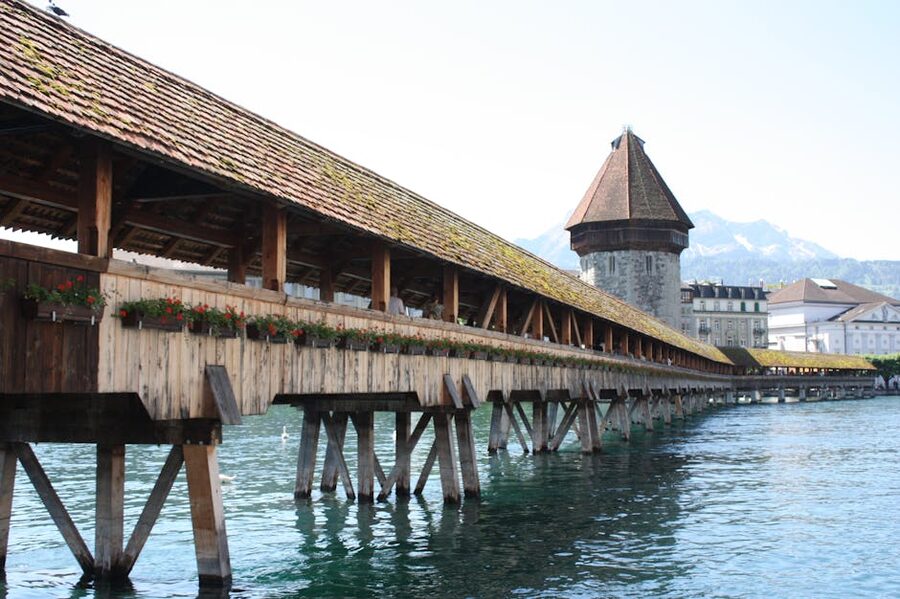
Should You Even Buy It
Honest answer for typical traveller types. 3-day Swiss city break (Zurich + Lucerne) — pay-as-you-go is cheaper. Week-long Switzerland tour with 4+ destinations — buy the pass, the math always works. Two-week trip with one Switzerland city base and day trips — Half Fare Card. Anything centred on the Bernese Oberland — Jungfrau Travel Pass beats the Swiss Travel Pass on price. Family with kids — buy one pass for the adult, kids ride free with the Family Card.
The Swiss Travel Pass works best when you have decided in advance to maximise the breadth of your Switzerland trip rather than depth in one area. If your trip is “see as much as possible”, the pass is the right tool. If your trip is “spend a real week getting to know one alpine town”, the pass is overspending.
Pairing With the Rest of Your Switzerland Trip
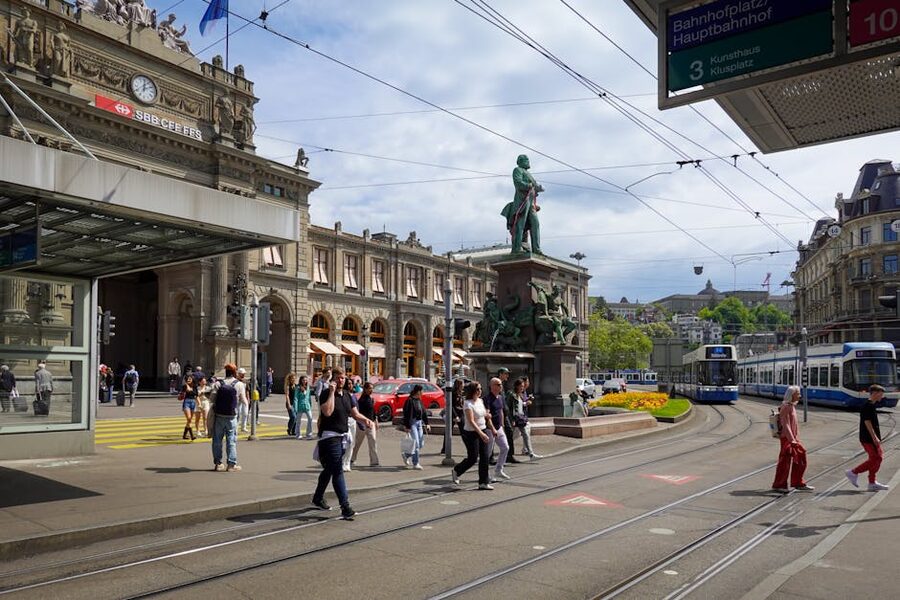
The Swiss Travel Pass is at its best when paired with a Switzerland trip that genuinely uses the train network — multiple cities, multiple mountain excursions, museum visits in between. A typical winning Pass week looks like: arrive Geneva, train to Lucerne with a stop for the Mount Pilatus Golden Round Trip, train to Interlaken for Jungfraujoch, train to Zurich via the Mount Titlis day trip from Engelberg, fly out from Zurich.
For a more focused trip the pass is overkill. If you are doing 3 days in Lucerne plus a day to Rhine Falls, the pay-as-you-go fares add up to less than the pass cost. If you are doing the Bernina Express from Milan as a single day trip, you do not need the pass at all — that day uses Italian transport and a separately-booked Swiss train.
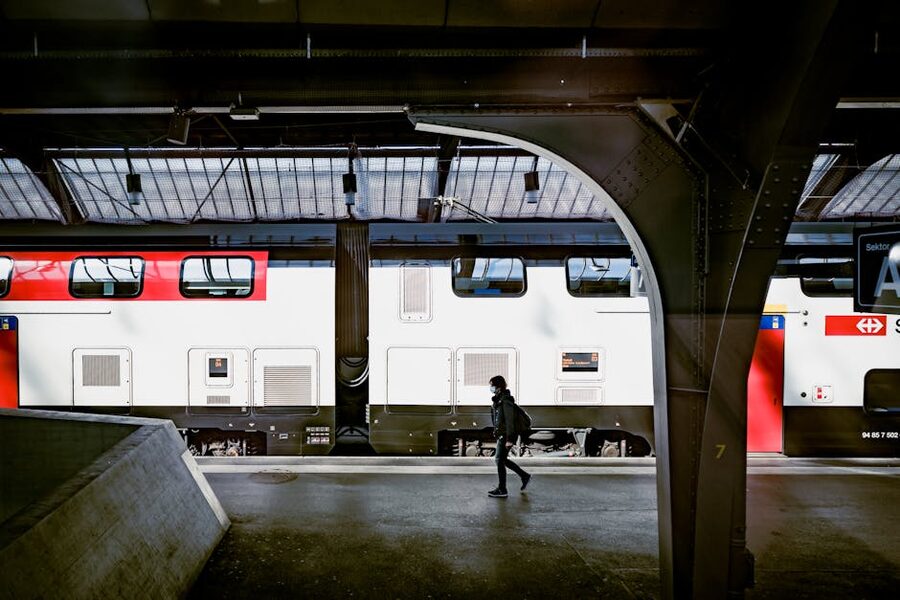
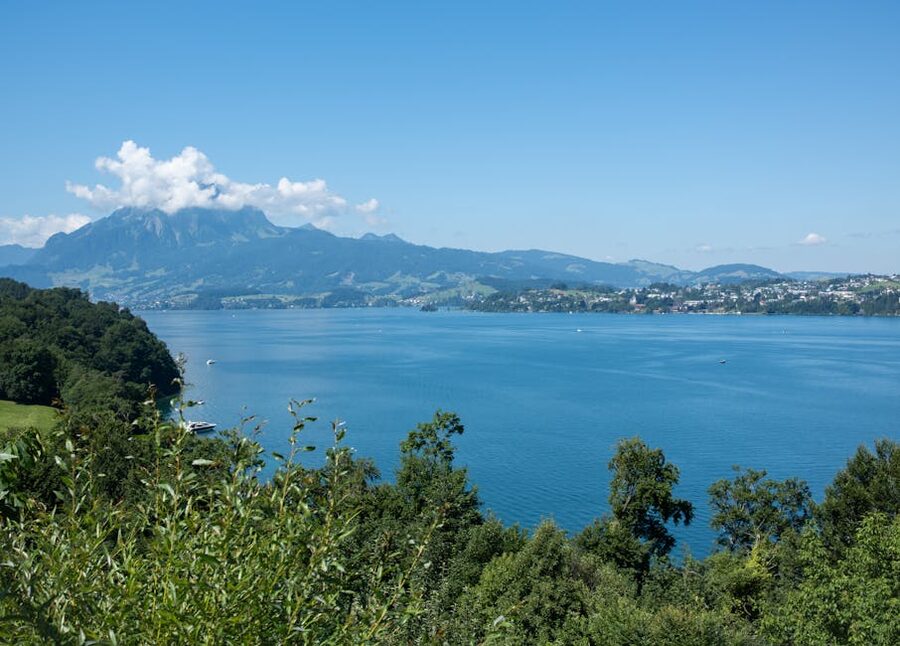
One last note. The single best feature of the Swiss Travel Pass is not the dollar saving — it is the friction removal. You stop checking ticket prices, stop standing at machines, stop thinking about whether each individual train is worth the fare. You just board the train. For some travellers that is worth more than the actual savings; for others the math is everything. Decide which kind of traveller you are before you spend the money.
This article contains affiliate links. If you book through our links, we may earn a small commission at no extra cost to you. This helps us keep producing detailed travel guides.