
The guide stopped me at a small brass thermometer bolted to the wall of the Astronomical Tower and said Prague had been taking its temperature, every day, at this exact instrument, since 1775. The longest continuous weather record in Europe. I was there for the library; that thermometer is what I remembered afterwards.
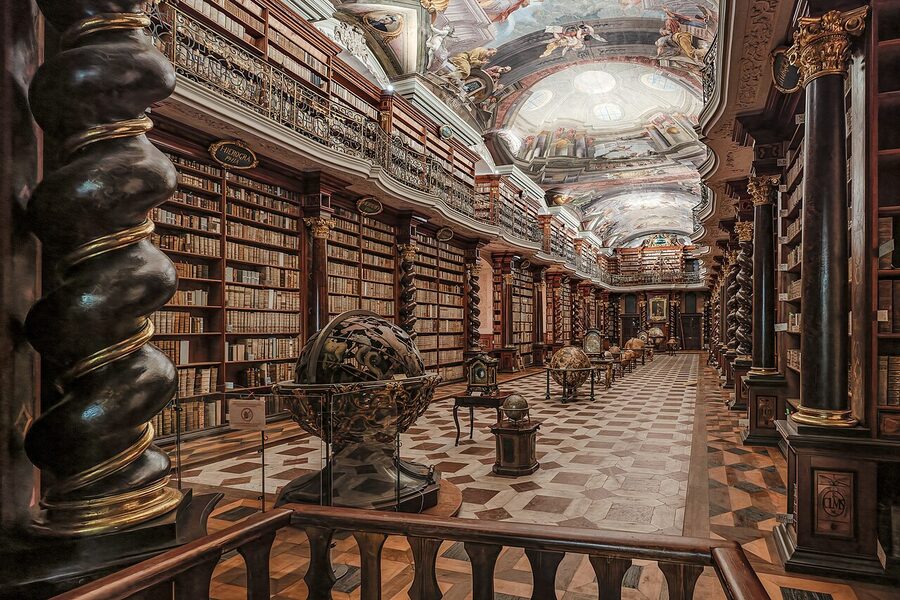

This guide covers how to book the Klementinum tour: the 45-minute guided visit that’s the only way to see inside Prague’s most photographed library, the climb up the Astronomical Tower, and a few practical details most people don’t realise until they’re there.
In a Hurry? The Three Ways to See It
- The main tour (do this one): Klementinum Library & Astronomical Tower Guided Tour — around $18, 45 minutes, includes the library view and the tower climb.
- Evening concert in the Mirror Chapel: Mirror Chapel Classical Music Concert — around $31, 1 hour, only way to see inside the Mirror Chapel without a private event booking.
- Bigger library day: Strahov Monastery Library Tour — around $161, 3 hours, a different Prague library (and a beautiful one) up in the castle district.

- In a Hurry? The Three Ways to See It
- What the Klementinum Is
- The Baroque Library Hall
- The Three Best Ways to Experience the Klementinum
- 1. Klementinum Library & Astronomical Tower Guided Tour —
- 2. Mirror Chapel Classical Concert —
- 3. Strahov Monastery Library Tour — around 1
- The Astronomical Tower
- The Meridian Hall
- Mozart and the Mirror Chapel
- Meteorological Records Since 1775
- Getting There
- Combining with Other Visits
- When to Go
- Practical Details
- Other Prague Guides You Might Want
What the Klementinum Is
The Klementinum is a 2-hectare former Jesuit college complex on the river side of Prague’s Old Town, about 100 metres from Charles Bridge. Founded in 1556, it’s the second-largest historic building in Prague after the castle. For most of its life it was a teaching institution — Jesuit, then state-run, then a national library. Today it still houses the Czech National Library (60,000 books rotate through its main reading room every year), but the historic rooms — the Baroque Library Hall, the Mirror Chapel, the Astronomical Tower — are preserved as museum pieces, accessible only via the guided tour.
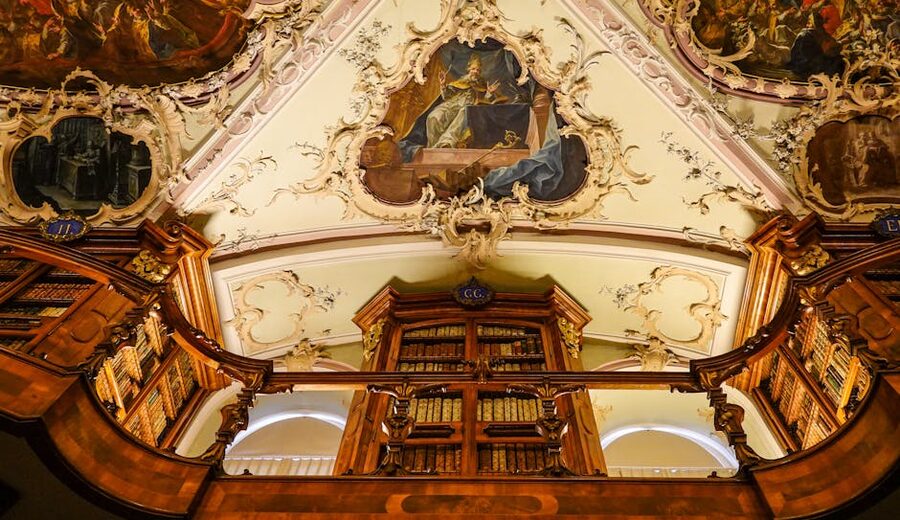
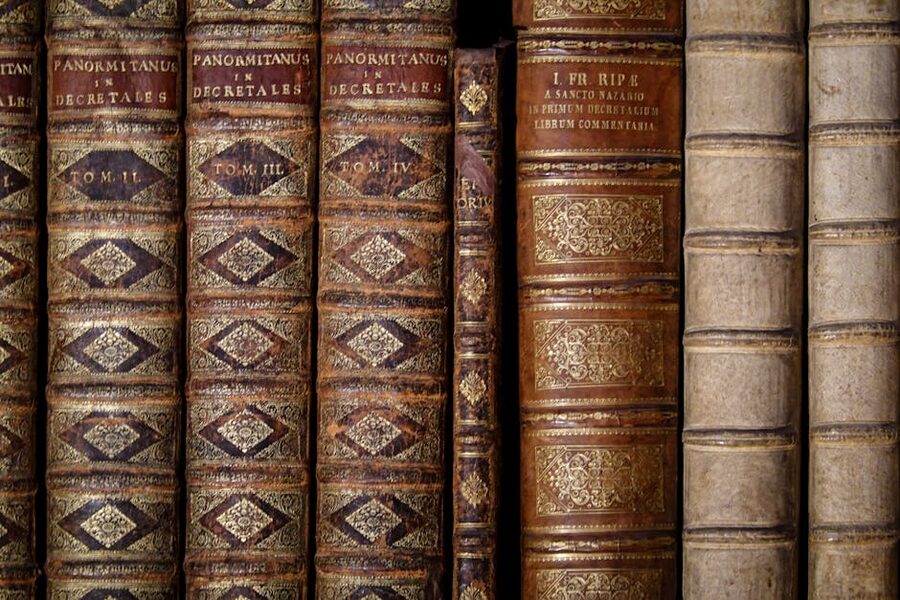
The reason you can’t just walk in is that the books on the shelves are 300-400 years old, the paintings are original, and the floors are made of materials that don’t like thousands of footfall a day. A guide unlocks the library door, keeps you behind a rope, narrates for 8 minutes, and locks up again. You view from the threshold. You don’t touch anything. You smell the place — there’s a very particular smell that 20,000 old books give off — and then you move on.
The Baroque Library Hall
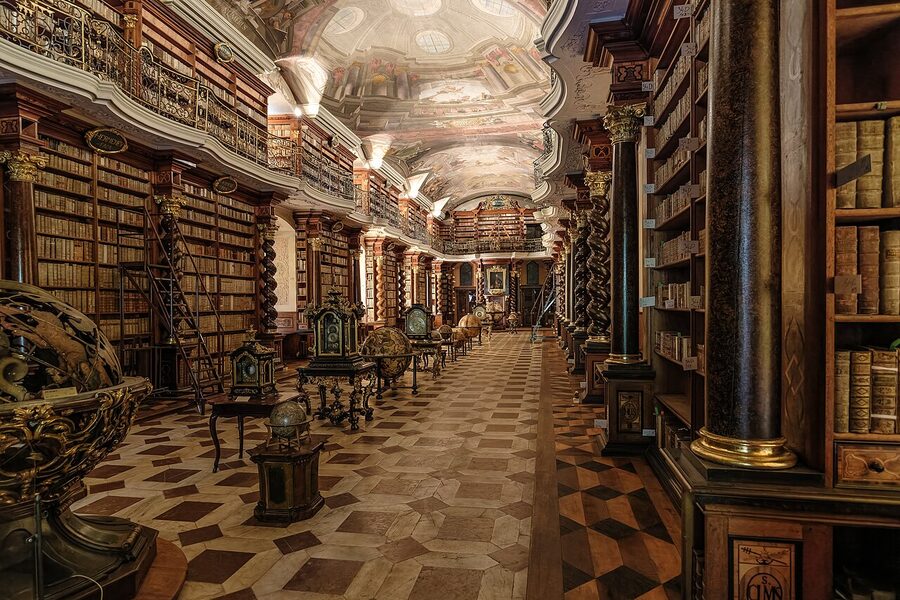
The highlight for most visitors. Built 1722, surviving intact through the suppression of the Jesuit order (1773), two world wars, and communist-era occupation. Roughly 30 metres long, two storeys high, with a ceiling fresco that only really makes sense when you step back to the middle of the room — the perspective was designed for that spot.
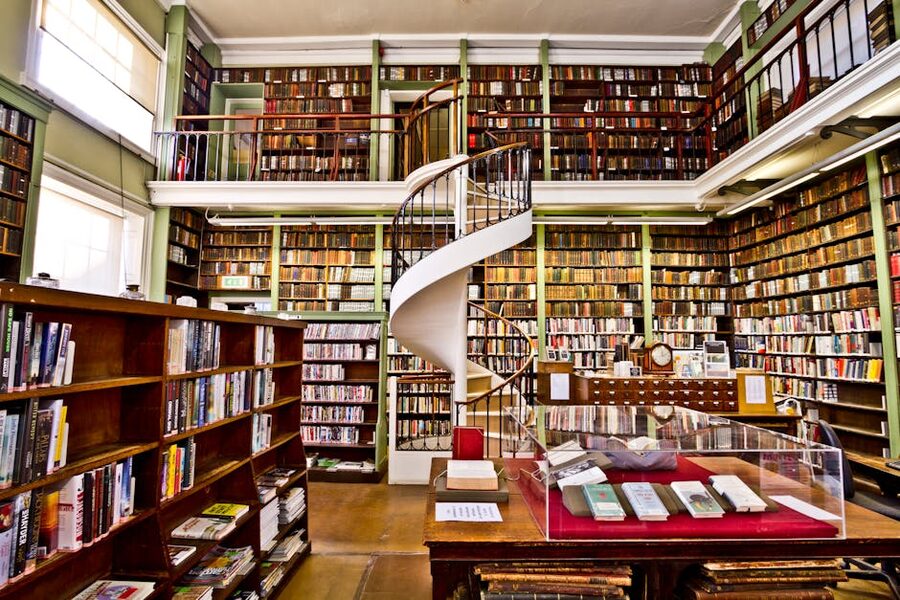
You won’t be allowed inside the library itself. The rope runs across the doorway. You get maybe 2 metres of depth to stand in, about 3 metres wide. This is deliberately restrictive — it’s been this way since 1992, when a UNESCO conservation report warned about deterioration from visitor traffic. The view from the doorway, though, is the classic framing everyone photographs: symmetrical rows of bookcases receding toward a painted ceiling. It’s arguably the single most photographed library interior in central Europe.
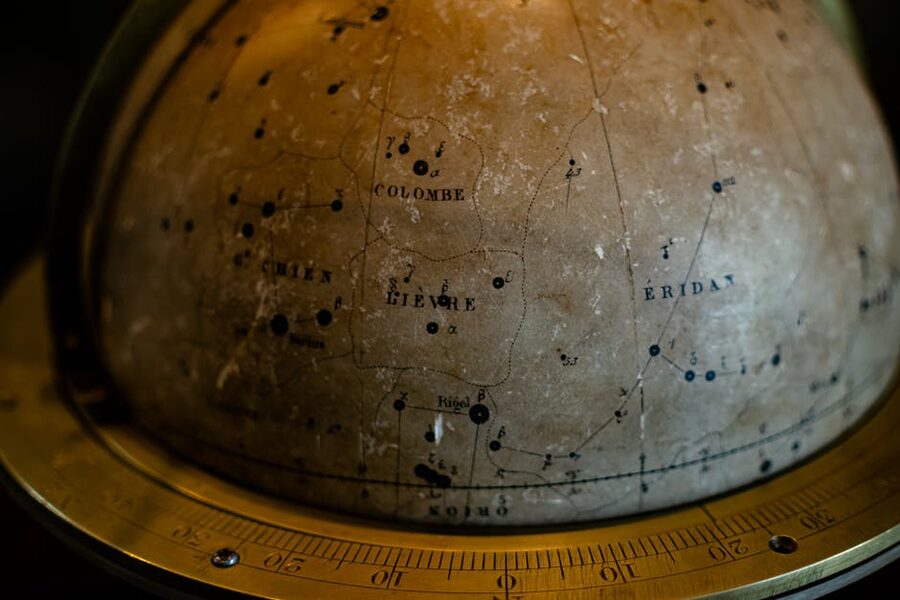
A specific detail worth looking for: the globes. There are four of them on stands in the library — celestial and terrestrial, from the late 17th century, each made by the same Dutch workshop. One of the globes has a visibly worn patch where centuries of visiting Jesuits apparently touched the same point as a study ritual. The guide will point it out if they’re good. Ask if they don’t.
The Three Best Ways to Experience the Klementinum
There are only really three tours that matter — the main guided visit, which almost everyone should book, and two more specialised alternatives.
1. Klementinum Library & Astronomical Tower Guided Tour — $18
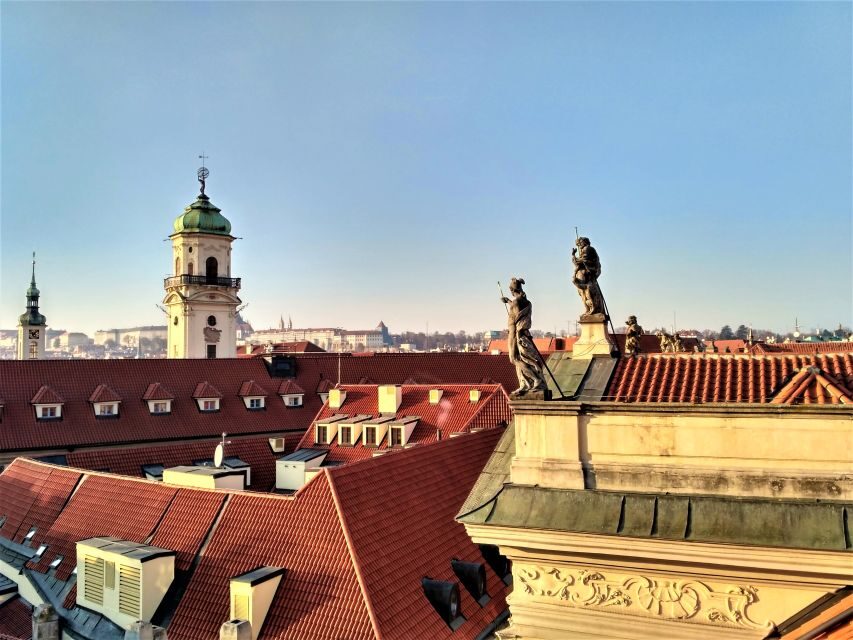
This is the tour you should book. It’s the only way to see inside the Klementinum complex and it’s genuinely worth the 45 minutes. The price is modest — $18 is about the cheapest guided tour of a significant Prague interior you can find. Small groups of 10-15, guides rotate through English, German, French, and Italian slots during the day. Our full review covers what each room actually feels like — the tour is short but every room counts.
2. Mirror Chapel Classical Concert — $31
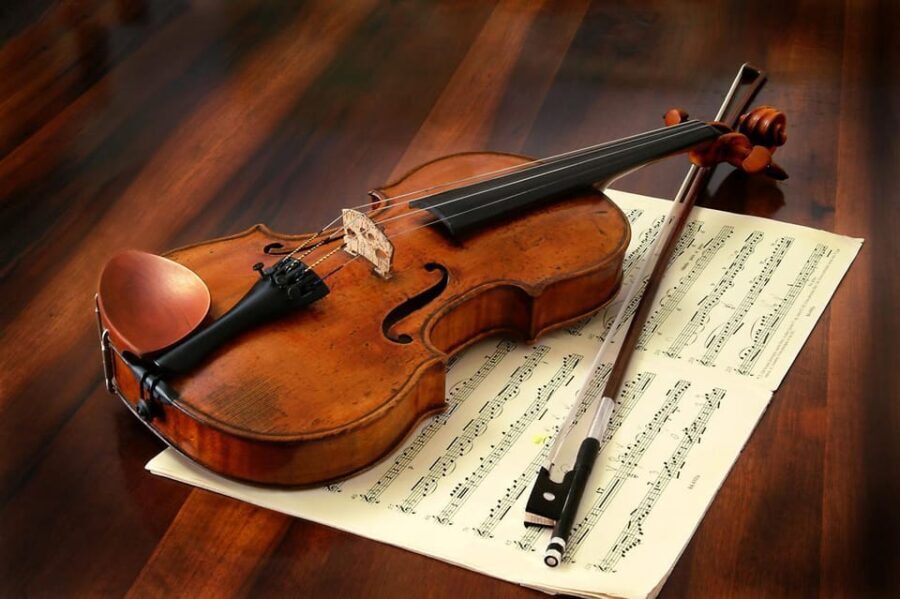
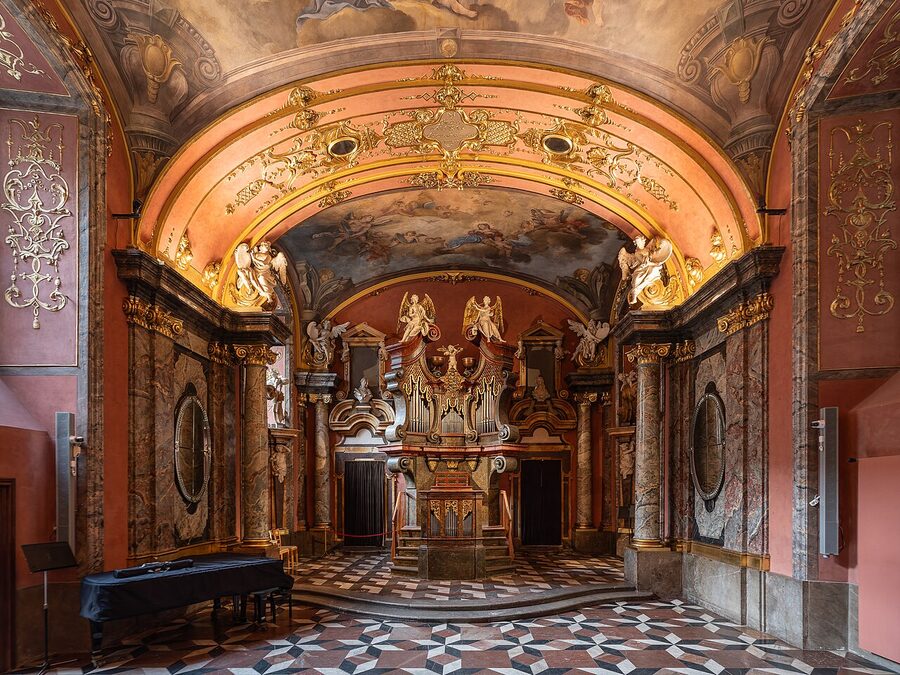
The Mirror Chapel is not on the main tour. The only way in is through a concert. The chapel itself is the most decorated room in the complex — mirror inlays on the ceiling, walls, and columns bounce light around the space in a way that’s genuinely strange to sit in. Programmes are standard classical repertoire performed by small ensembles, but the room does the work. Our review covers which programmes are worth picking and where to sit for the best acoustic experience.
3. Strahov Monastery Library Tour — around $161
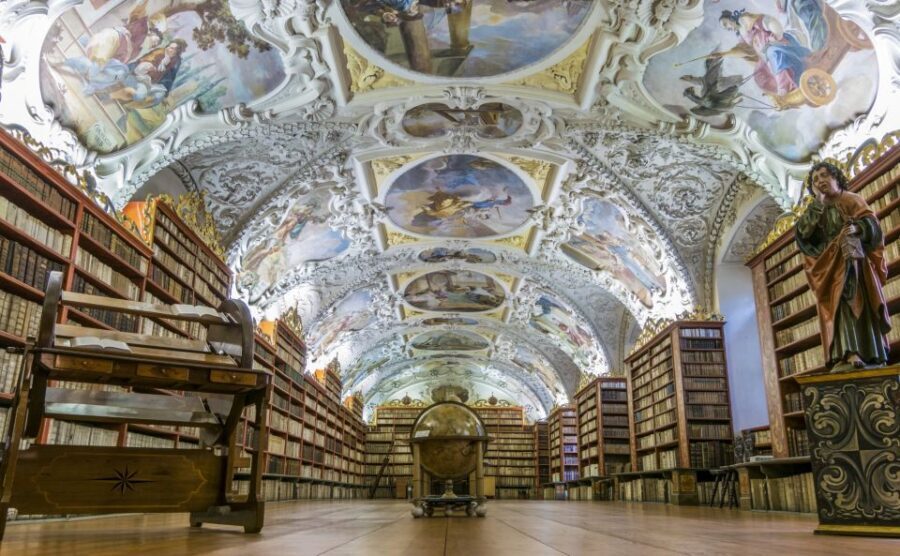
The Strahov Monastery library isn’t part of the Klementinum complex — it’s a separate Premonstratensian monastery about 2km away, on the hill above Malá Strana. The two libraries are often confused because they’re similar in age and style. Strahov has two rooms (Philosophical and Theological), more elaborate ceilings, and a curiosity cabinet. If you love libraries and have already done the Klementinum, book this. Our review explains how the two libraries compare and which is worth prioritising if you can only do one.
The Astronomical Tower
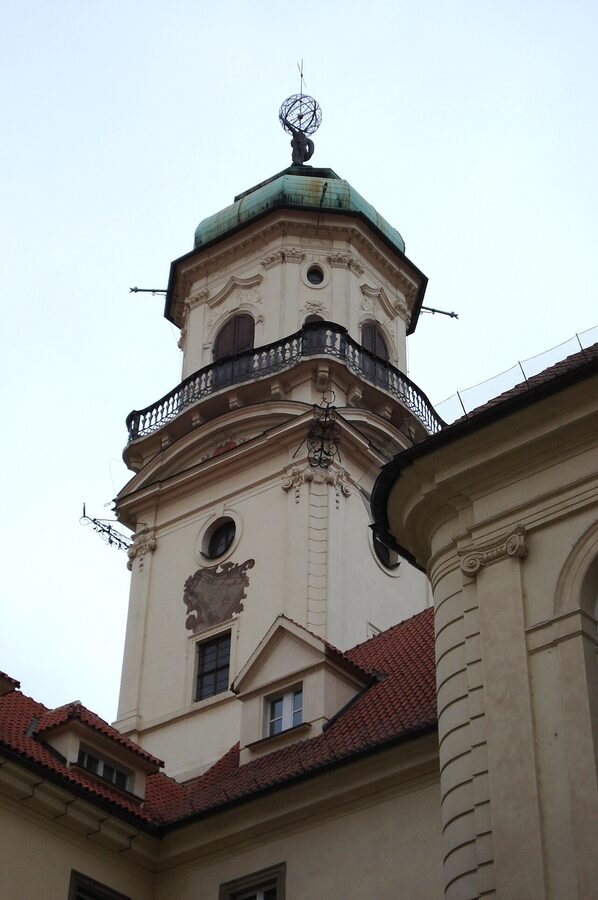
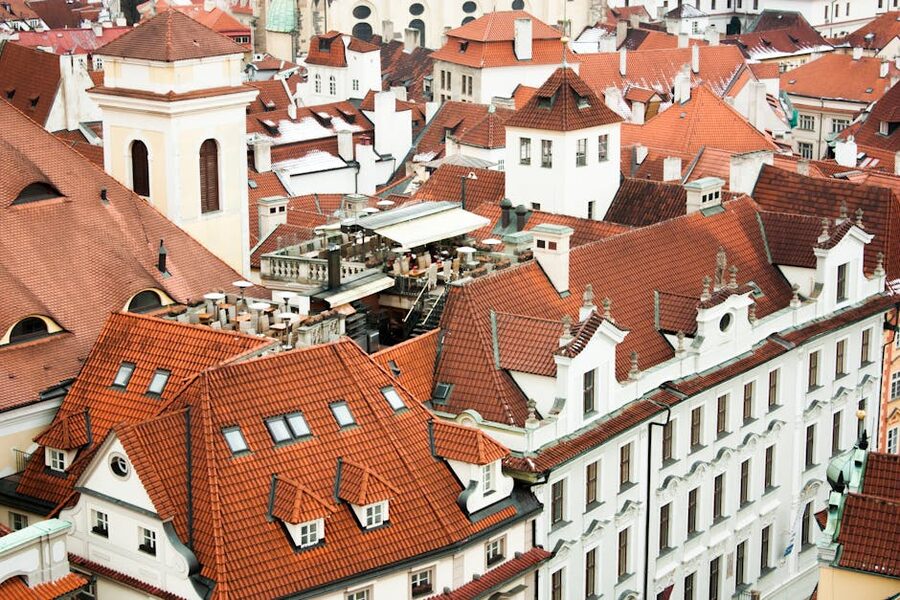
Climb up the Klementinum’s Astronomical Tower and you end up in a small circular room with a telescope slit, windows on all sides, and more views of Prague than almost anywhere else in the Old Town. The tower was built in 1722, primarily for astronomical observation. It worked — the tower was Prague’s main astronomical observatory for nearly 200 years, until the lights of a growing city made the sky too bright to see useful detail.
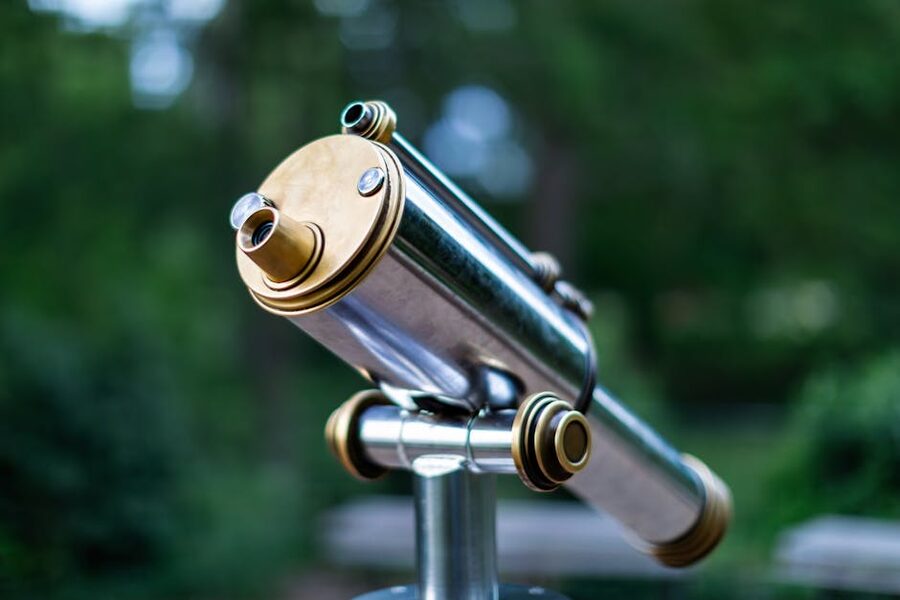
The climb is 172 steps up a narrow stone staircase. Takes about 7 minutes at a reasonable pace. There’s no lift, and there’s no alternative — if you can’t do the stairs, you can still do the library portion of the tour, but the tower is gated.
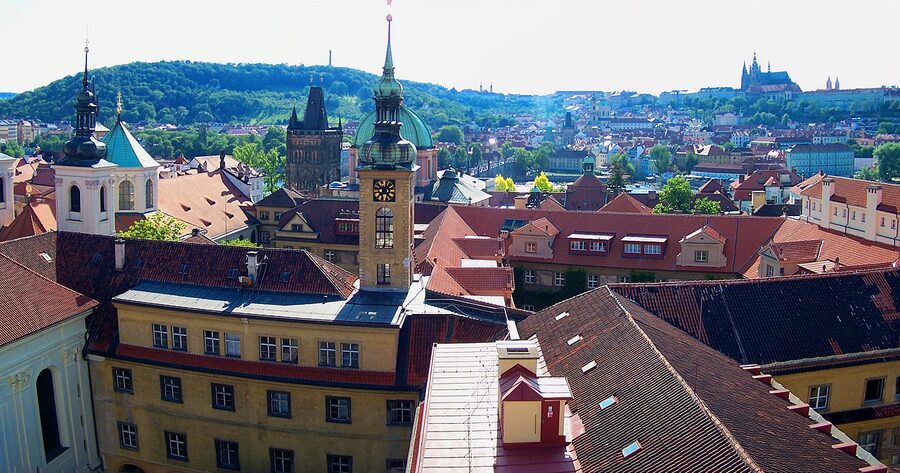

The view is honestly better than the Old Town Hall clocktower. Bolder statement than most guides will make, but it’s true — you’re 68 metres up, no mesh in the windows, and looking west you see the Charles Bridge stretching into the castle district in one uninterrupted sweep. On a clear day at sunset, this is the best paid view in Prague.
The Meridian Hall
Between the library and the tower climb, the tour passes through the Meridian Hall — a long, narrow corridor with a thin brass line embedded in the floor running north-south. This is a meridian line. A small hole in the southern wall was cut in 1720 to allow sunlight through at exactly noon each day. The light falls on the brass line, and where it lands tells astronomers the exact local noon, which is slightly different from the noon the Astronomical Clock shows (Prague’s standard time is set to Berlin).

This room still works. On a sunny day at solar noon, the beam still falls on the line, and you can watch it creep slowly across the brass for about a minute before moving off. The guide will time your arrival here with noon if possible — worth asking in advance if you want to see it.
Mozart and the Mirror Chapel
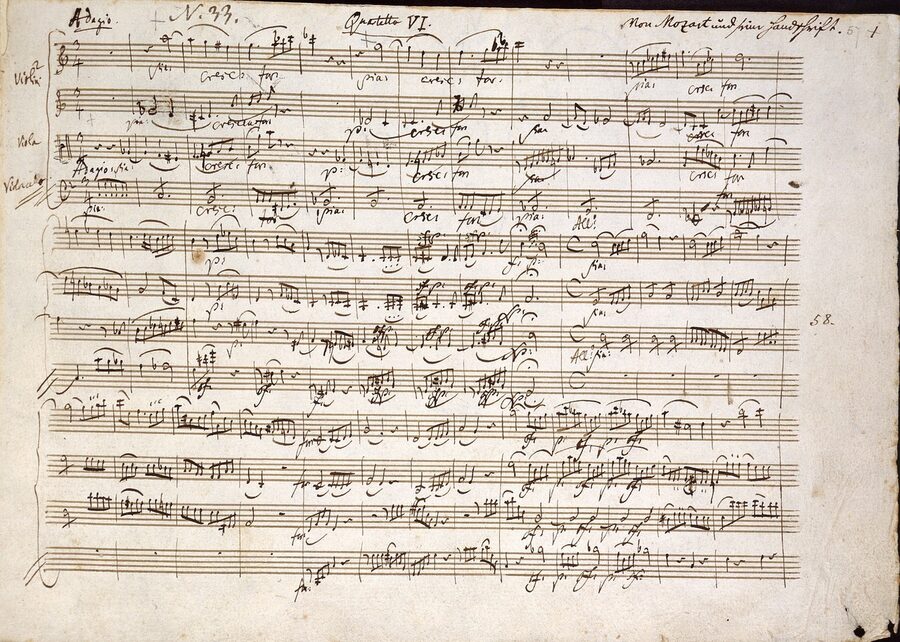
Mozart visited Prague several times in 1787-1791. He performed in the Mirror Chapel of the Klementinum at least twice that we have documentation for. The chapel is small — seats about 80 — but the acoustics are considered the best in Prague. Mirror panels on the walls and ceiling bounce sound around in a way flat walls don’t, which is why the chapel has been used for chamber music performance for 300 years.
.jpg)
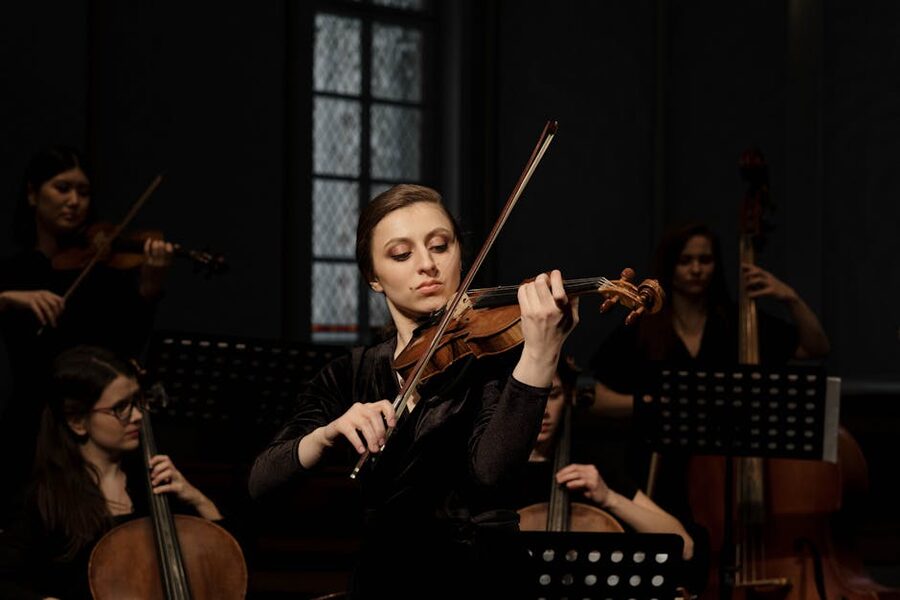
Note: the main Klementinum tour doesn’t include the Mirror Chapel. The only way in is through a concert ticket (about $31). If seeing the chapel matters to you, book the concert in addition to the tour — treat them as separate visits.
Meteorological Records Since 1775
The tower houses one of the oldest continuous meteorological stations in the world. Temperature, air pressure, and humidity have been recorded at the same spot, from the same instruments, every day since 1775. The log is unbroken through two world wars, the Habsburg collapse, the German occupation, and the communist era. The Prague climatic record is arguably the most important long-term weather dataset in central Europe because of this gap-free run.
The instruments are mounted on the exterior of the tower — the right height above ground, shielded from direct sun, ventilated. The sightline for the thermometer matters enormously for weather-record continuity. Move it a metre and you break the data.
This detail isn’t universally highlighted on the tour. Ask your guide about it — if they’re good they’ll light up. If they’re not, you now know about it anyway.
Getting There
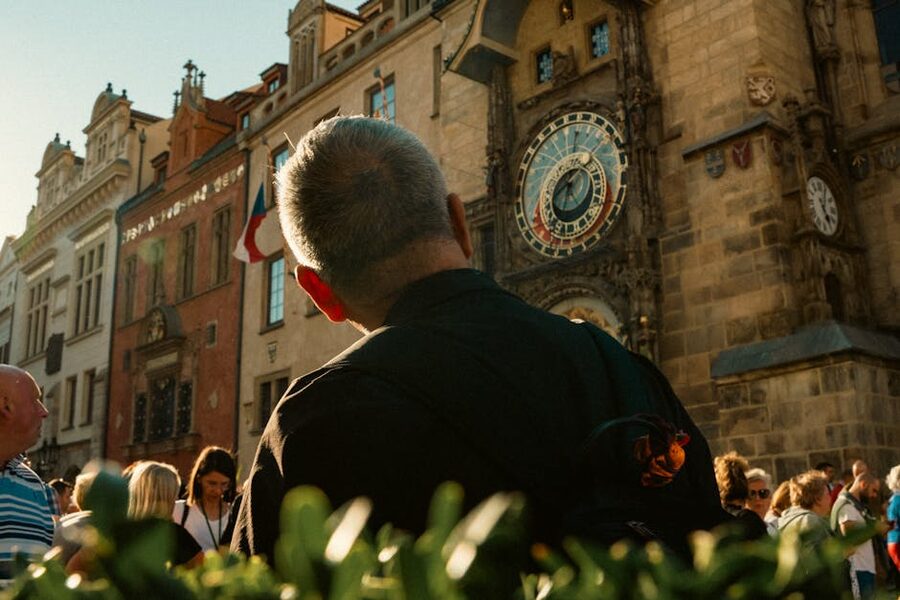
The Klementinum’s main visitor entrance is on Mariánské náměstí, directly behind the National Library. Closest metro: Staroměstská (Line A, green) — a 3-minute walk south. From Old Town Square, it’s also a 3-minute walk; the entrance is on the other side of the block behind the Astronomical Clock.
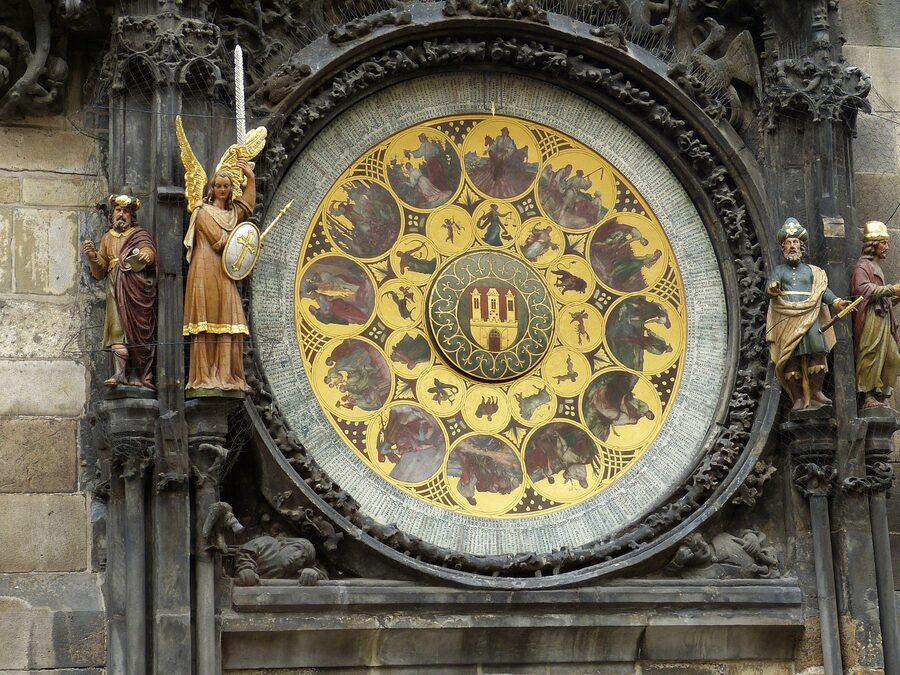
If you’re coming from Charles Bridge, the Klementinum is the long building on your right as you enter the Old Town side of the bridge — about a 90-second walk.
Combining with Other Visits
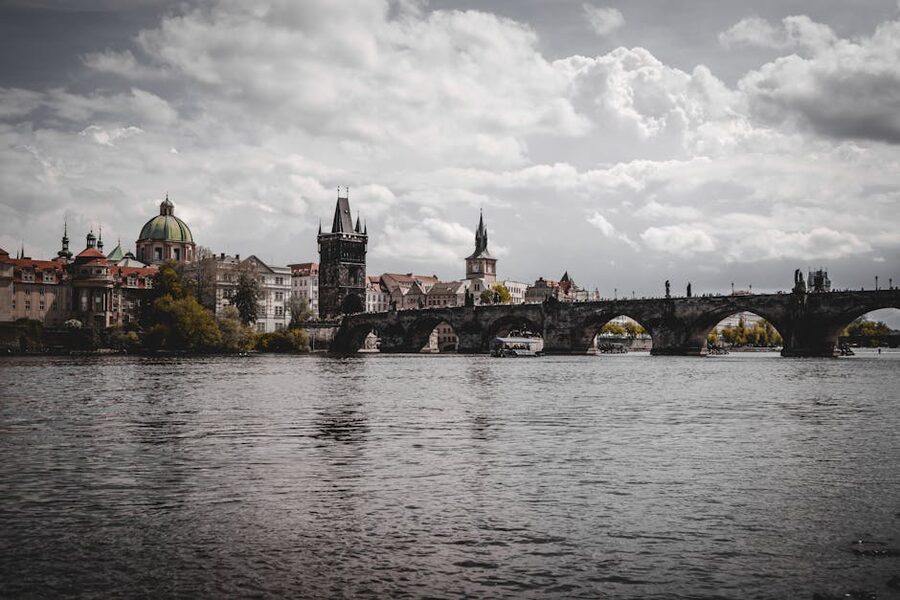
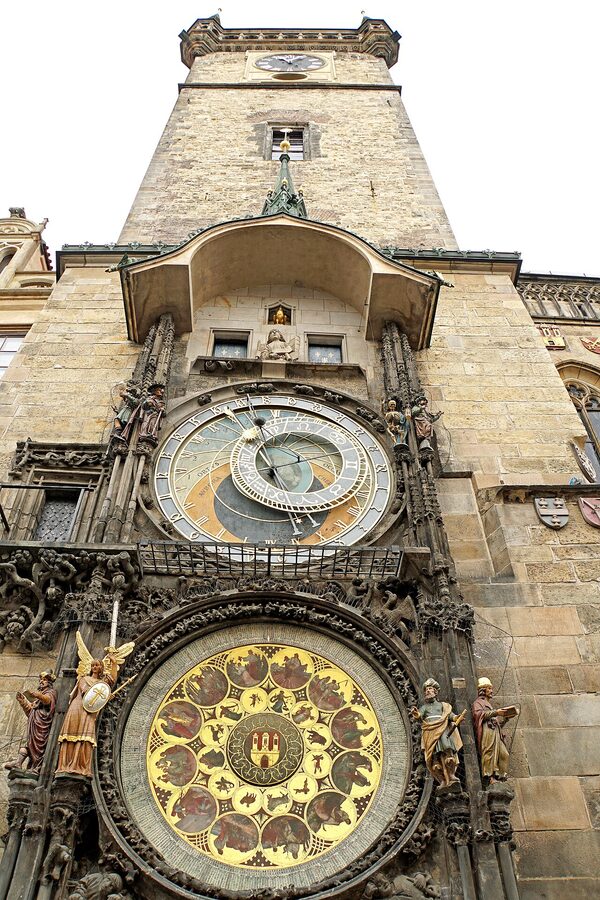
The Klementinum pairs naturally with the Old Town Hall Tower — they’re a 2-minute walk apart and both involve a tower climb. Do the Klementinum first (views arguably better), then the clocktower for the clock show if the timing works. Two climbs in one morning is fine; both have lifts for the hardest sections.
.jpg)
Another easy pairing: a morning Old Town walking tour, then the Klementinum at noon (to catch the meridian line), then lunch on the Charles Bridge side. Three activities, all within 200 metres of each other.
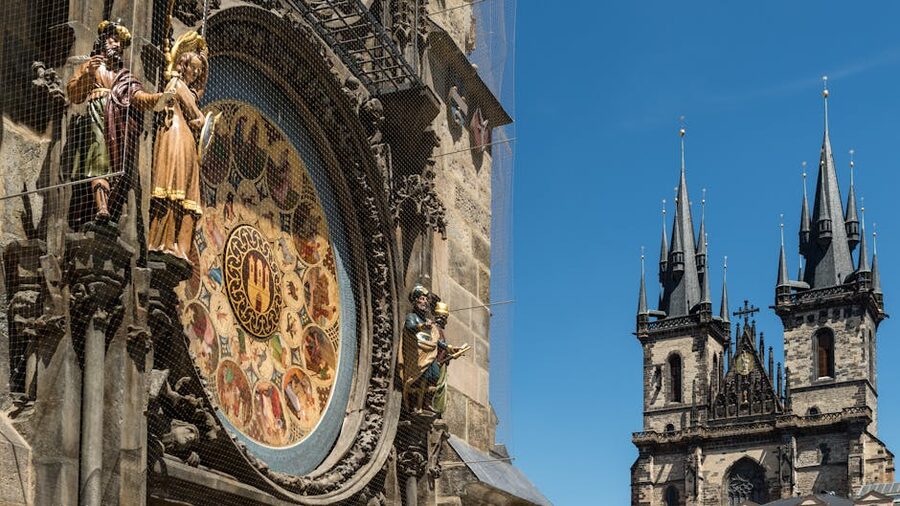
When to Go
Tours run every 30 minutes, 10am-6pm, year-round. The 12:00pm slot is the one to book if the meridian line matters to you (you’ll arrive in the hall around 12:30 — close enough to catch the beam on the brass if it’s sunny). The last tour of the day is at 5:30pm or 6pm depending on season.
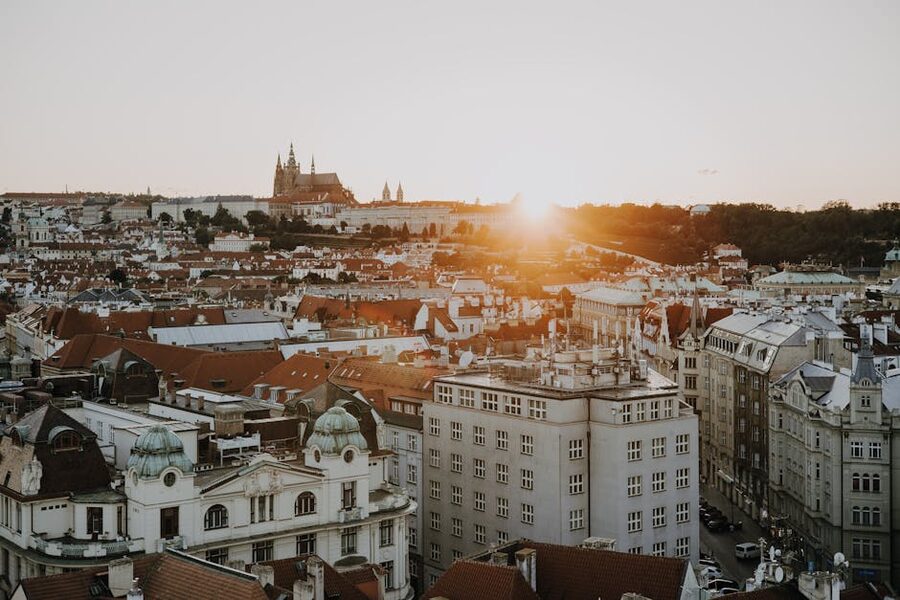
Summer evenings sell out first. Winter (December-February) has quieter tours — sometimes you end up in a group of 4-6 rather than the usual 12-15. If you want the tour to feel more personal, off-season is worth it.
Practical Details
Duration. 45 minutes, sometimes 50 if the group asks a lot of questions.
Accessibility. The library portion and Meridian Hall are step-free via a service lift. The Astronomical Tower is not accessible — 172 stone stairs, no alternative.
Photography. Permitted in the library (from the doorway) and tower, no flash. Phones fine. Tripods not allowed.
Languages. English, German, French, Italian, Spanish, Czech. Check the schedule for your language slot.
Tickets. Buy online 24 hours in advance or at the ticket office on the day. Same price either way; online is just for the queue-skip.
Other Prague Guides You Might Want
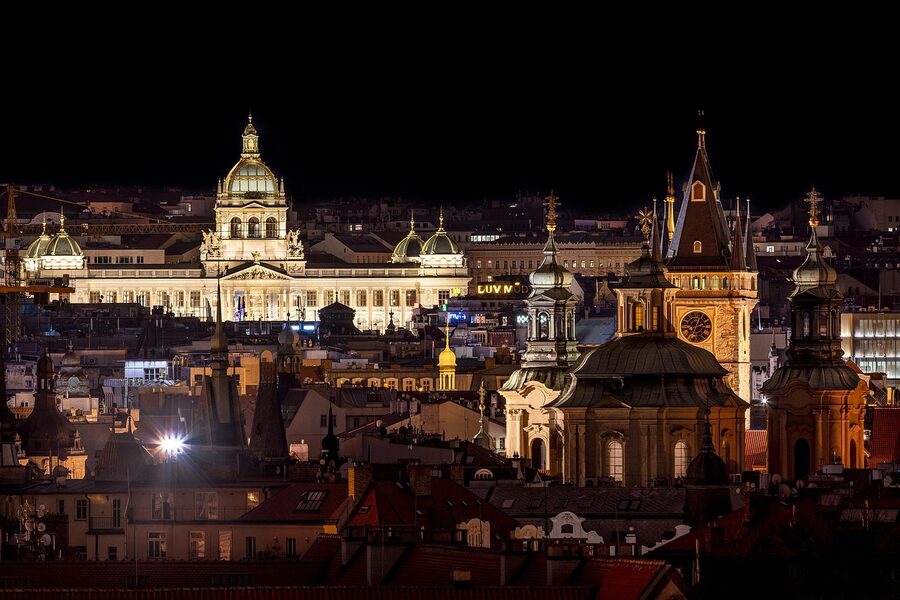
If you’re interested in Prague’s more cultural side, a classical concert in one of the city’s historic chapels is the obvious evening follow-on from the Klementinum — the musical programming of Prague’s historic venues still leans heavily on Mozart and Vivaldi, same as the Klementinum’s Mirror Chapel. The Old Town Hall tower climb is the obvious pairing for another high viewpoint. And if you’re drawn to the Jesuit history, a Prague Castle visit is a logical extension — the Jesuit relationship with the castle is part of why the Klementinum is here at all.
For a full contrast, a ghost tour in the evening picks up the darker side of the same 17th-century Prague you’ve been reading about in the library all morning.
Disclosure: This site earns a commission on bookings made through the links above, at no extra cost to you. We only recommend tours we’ve researched and would book ourselves.