
The mistake I see most first-timers make in Porto is walking the whole city on day one. Your legs give out somewhere around the cathedral, you’ve barely seen half of what you’d planned, and you end the day eating a sad grilled cheese instead of the restaurant you’d earmarked in Foz. Book a tuk-tuk tour for your first afternoon instead. You’ll cover the hilly bits on wheels, get the geography sorted in your head, and still have the energy to actually enjoy dinner.

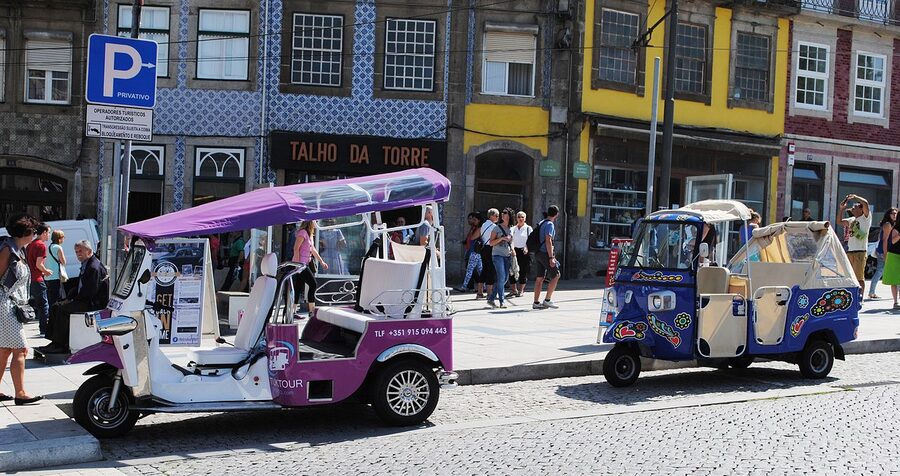

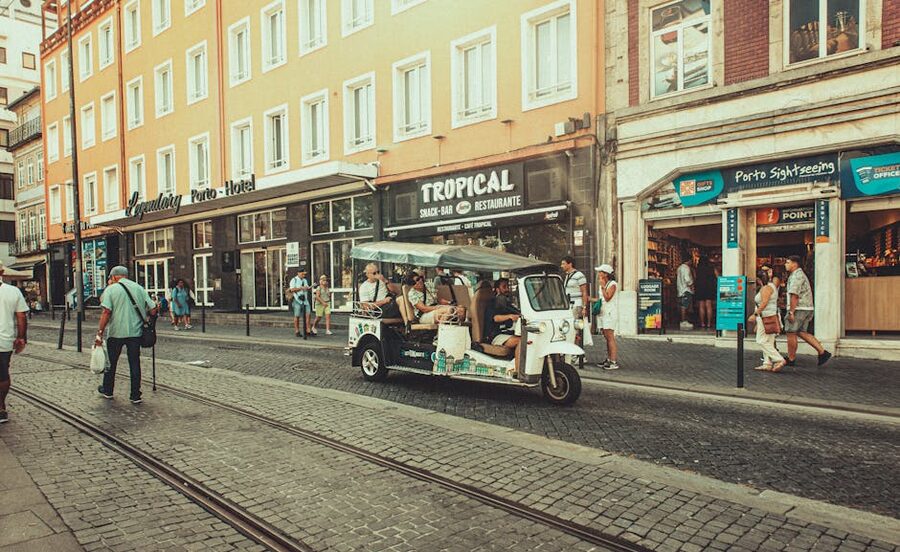
In a Hurry? Best Porto Tuk-Tuk Tours
Best combo: Tuk-Tuk Tour + Douro River Cruise — around $20, 50–105 min, tuk-tuk plus a six-bridges boat ride rolled into one ticket.
Best private ride: Private Electric Tuk-Tuk 2 Hours — about $48, just you and the driver, fully flexible route.
Quickest overview: Historic Porto 50-Minute Electric Tuk-Tuk — about $42, top landmarks in under an hour, ideal for a cruise stopover.
- In a Hurry? Best Porto Tuk-Tuk Tours
- Pick the length before you pick the tour
- Where the tours actually go
- Private or shared — and when it matters
- The three tours I’d actually book
- 1. Porto: Guided Tour by Tuk-Tuk and Douro River Cruise — around
- 2. Discover Porto’s Highlights on a 2-Hour Private Electric Tuk Tuk — around
- 3. Historic Porto by Private Electric Tuk Tuk — around
- How tuk-tuks ended up in Porto
- Weather, clothes, and when to book
- Kids, accessibility, and group size
- Tipping, photos, and what drivers actually do
- Alternatives worth considering
- One last thing — pair it right
Pick the length before you pick the tour
Length is the lever that changes everything — price, coverage, even how tired you’ll be afterwards. Porto tuk-tuk tours range from 50 minutes to a full day, and the right answer depends on what else you’ve got planned.
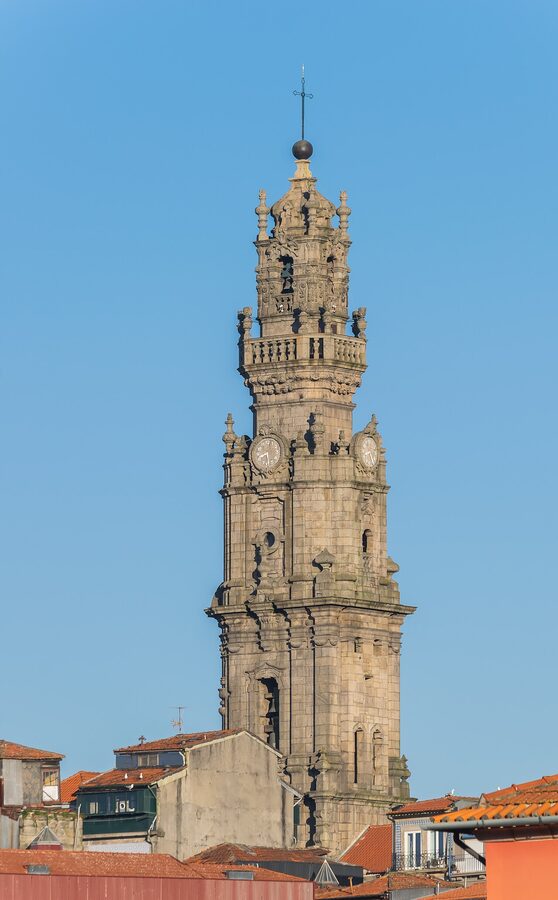
A 50-minute tour hits the big-ticket spots only — Clerigos Tower, Sao Bento, the Cathedral viewpoint, and a quick sweep along the Ribeira. It’s enough to get your bearings but not enough to actually get out and wander. Cruise-ship passengers and anyone with a late-evening flight should stop here.
.jpg)
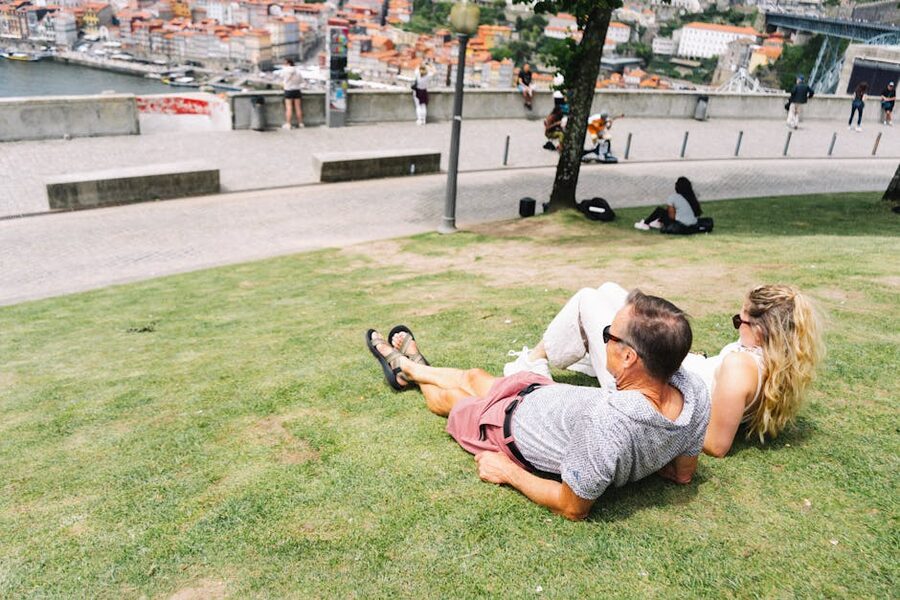
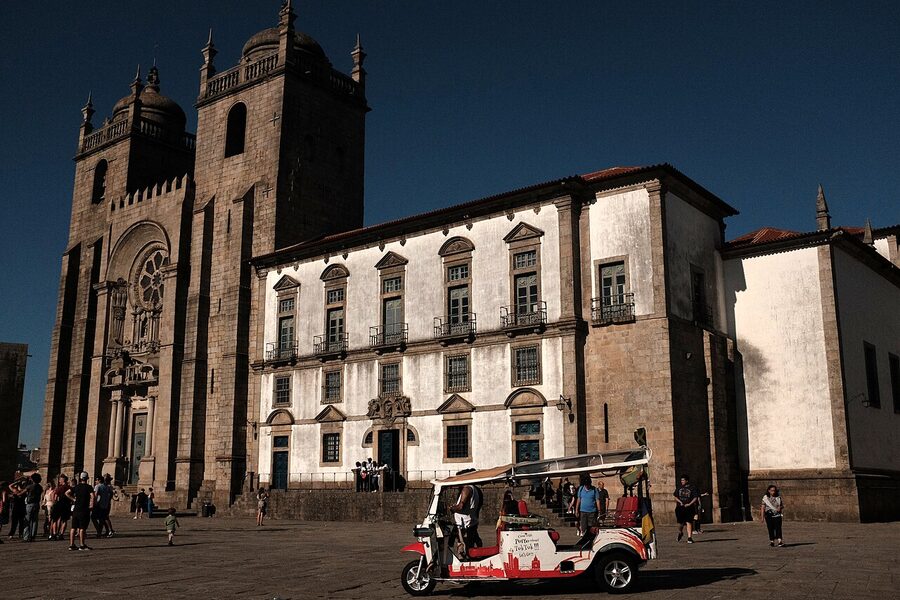
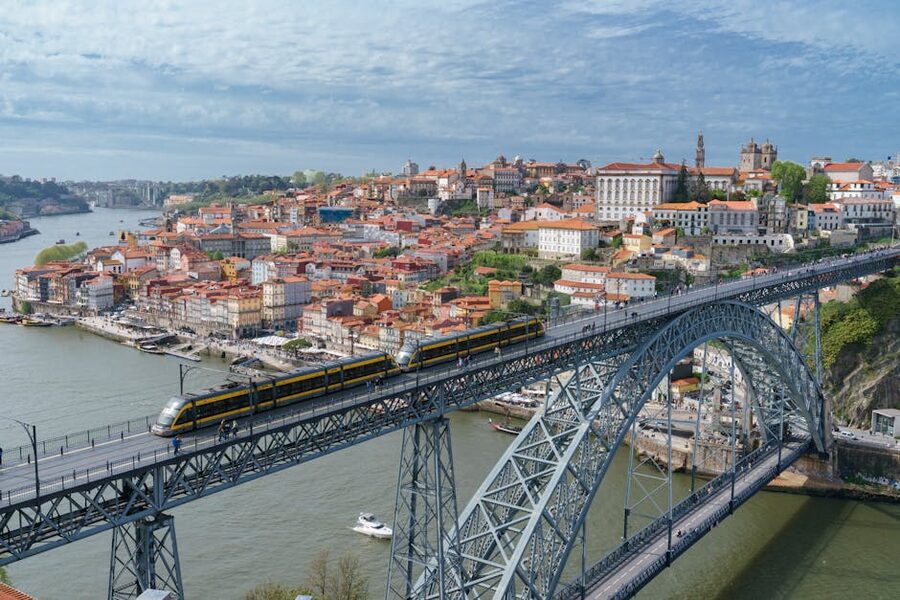
A 90-minute tour is the sweet spot. You get the same headline sights but with real stops — usually a proper 10-minute pause at the Se cathedral plaza and another at Jardim do Morro across the river. That second stop is the one that sticks with you. Porto laid out in front of you, all red roofs and the steel arch of the Dom Luis bridge cutting across the middle.
A two or three-hour tour adds Foz do Douro, the coastal neighbourhood where the river hits the Atlantic, or swings through Gaia on the south bank to drop you at a port cellar. This is the version I’d book if I had exactly one day in Porto and wanted the tuk-tuk to double as orientation.
The half-day and full-day options exist but you’ll be sore. The seats are fine for an hour. After three hours of cobbles they stop being fine. If you want a long tuk-tuk day, break it up with a proper lunch in the middle.
Where the tours actually go
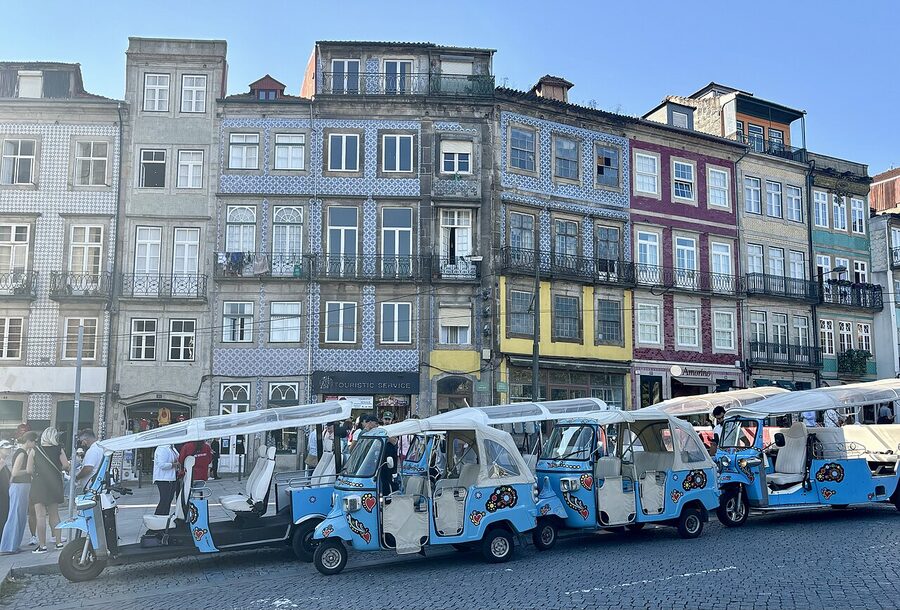
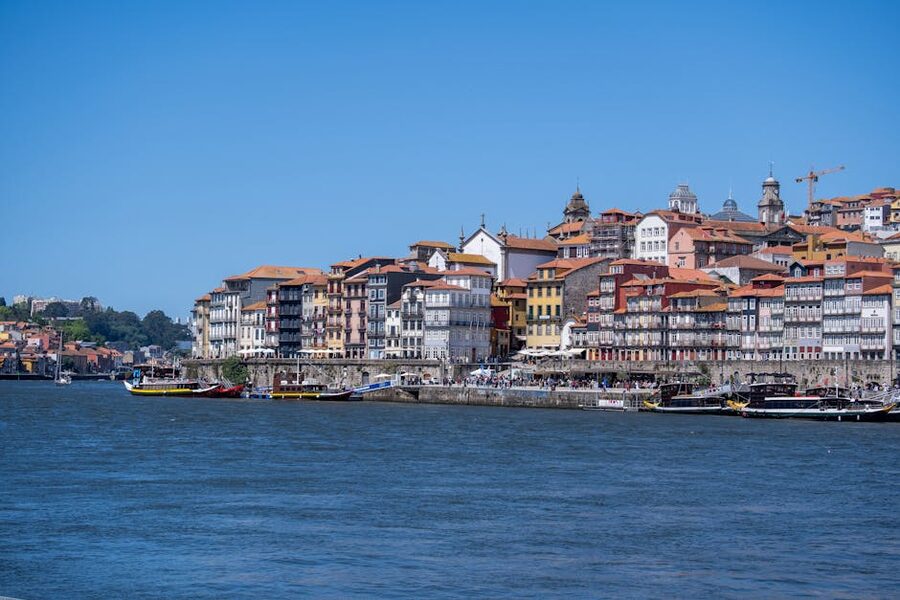
Standard Porto tuk-tuk routes are pretty consistent once you look past the marketing copy. Most follow a loop through the old town, drop down to the Ribeira, cross Dom Luis I bridge to Gaia, and come back. The differences are in which stops get extended and which get skipped.
.jpg)
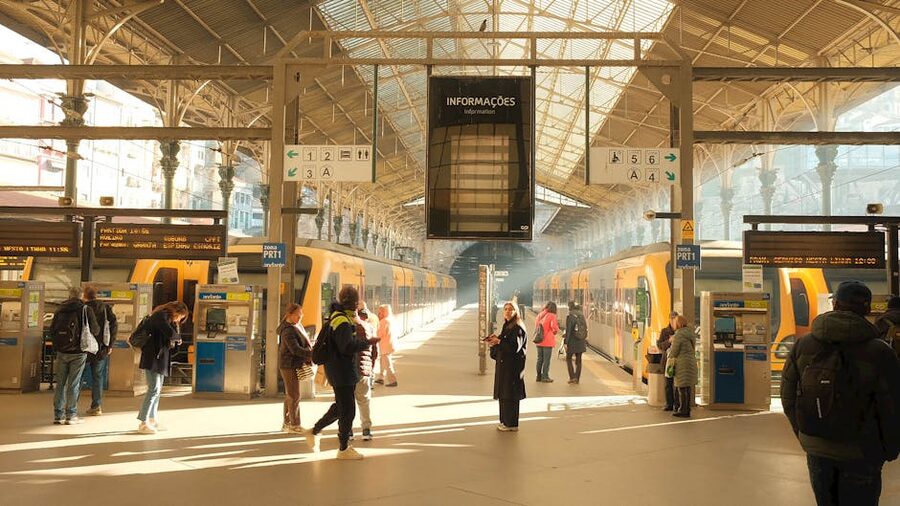
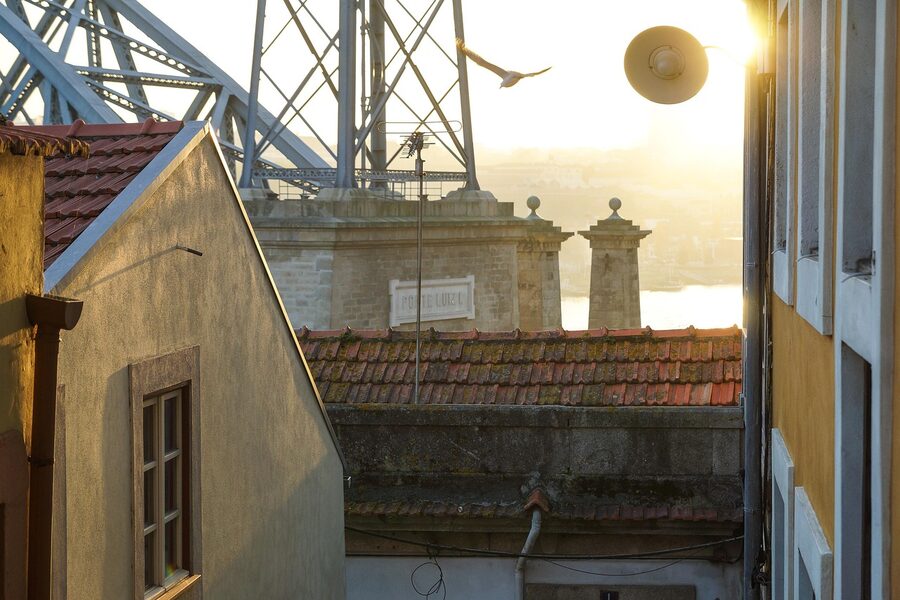
Expect to see: the baroque Clerigos tower, Livraria Lello (from outside — you don’t get out for a five-minute stop at a 20-minute queue), Sao Bento station with its blue azulejo-tiled entrance hall, the Se cathedral on the hill above Ribeira, and the Dom Luis I bridge. Most drivers will take you briefly into Gaia for the port-cellar view, then loop back.
.jpg)
What you won’t see on a one-hour tour: Foz do Douro (the Atlantic end of the river), Aliados avenue in full, or any of Matosinhos. Those need a longer tour. If you specifically want Foz, ask before booking — not every operator includes it.
Private or shared — and when it matters
Porto has both. Shared tours pack 5-6 people into a six-seat tuk-tuk and follow a fixed route. They’re cheaper, usually around $20-$30 per person, and they’re fine if you’re solo or a couple who doesn’t care about flexibility.
Private tours cost more but buy you real things. You pick the start time, the route can bend to what you want to see, and you can ask the driver to pull over whenever. We took a private one in November and the driver stopped twice for photos we asked for, extended a stop at the cathedral because a wedding was leaving, and cut out the port cellar at the end because we’d already done one. A shared tour would have just driven past all three.
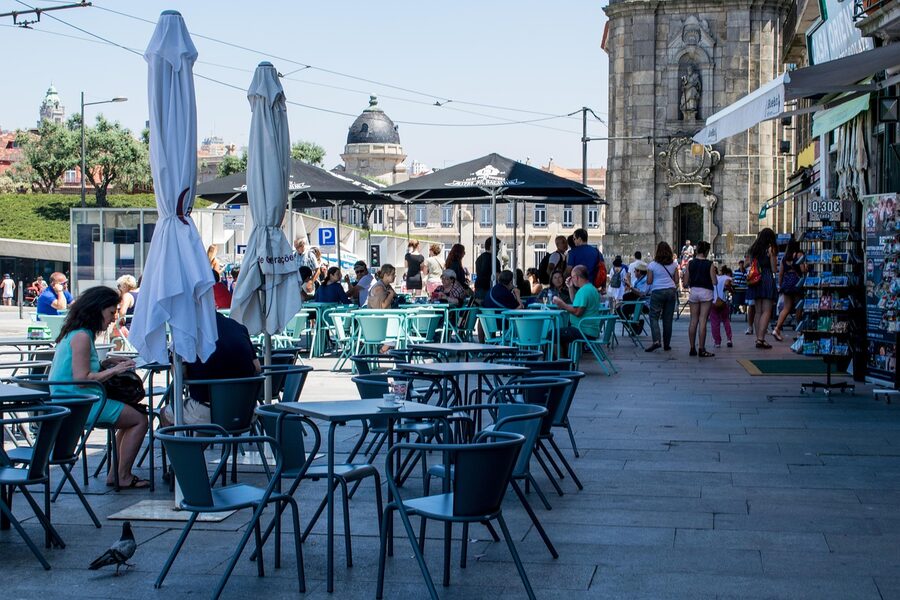
The cost difference is usually smaller than you’d expect. A 90-minute shared tour at $28 per person costs $112 for a family of four. A 90-minute private tour booked for the same four people often lands around $130-$150 total. For another 20-odd euros you get the driver’s full attention and no stranger breathing on your teenager. Worth it for families nearly every time.
The three tours I’d actually book
These three cover the formats that matter. The combo if you want everything in one ticket, the private ride if you want control, and the quick one if you’re short on time. Pick based on how long you’ve got.
1. Porto: Guided Tour by Tuk-Tuk and Douro River Cruise — around $20

This is the one I’d point a first-time visitor at. The tuk-tuk part does the hilltop old town and Ribeira, then you transfer straight onto a rabelo-style boat for the six-bridges river cruise — no faff, no second ticket to juggle. Our full review digs into which departure times run a newer cruise fleet, but the short version is: the 2pm and 4pm slots are the sweet spots.
2. Discover Porto’s Highlights on a 2-Hour Private Electric Tuk Tuk — around $48
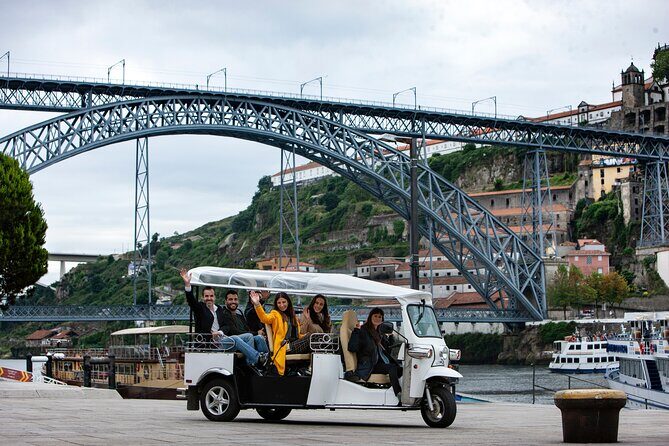
Two hours with your own driver is the length I’d pick if I had one free afternoon. The itinerary hits the old town, Ribeira, Gaia for the port cellars, and usually loops out towards Foz if you want the Atlantic coast. The detailed review breaks down what the private experience covers versus the shared version — it’s roughly the same route with a much better pace.
3. Historic Porto by Private Electric Tuk Tuk — around $42
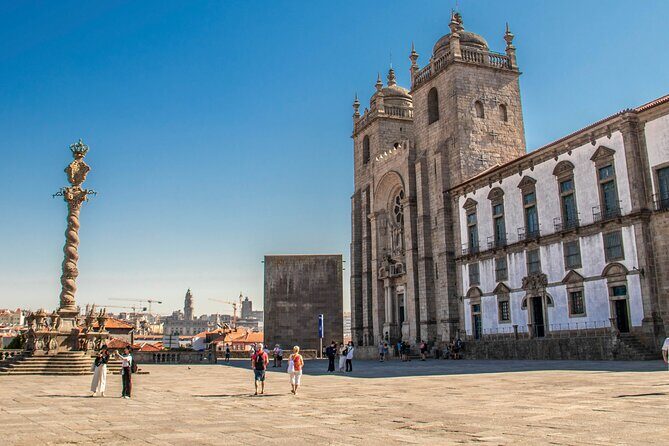
Fifty minutes sounds short, but on a private tuk-tuk with an electric motor you cover serious ground. Our take on this tour calls it the best option for stopover travellers — the Viator listing also lets you add pickup from your hotel, which is rare at this price point. Skip it if you’ve got a full day. Book it if you’ve got three hours between lunch and your train.
How tuk-tuks ended up in Porto
The tuk-tuk isn’t Portuguese. The three-wheeled taxi originated in post-war Japan, moved to Thailand in the 1960s, and became such a fixture of Bangkok that the name is onomatopoeic — “tuk tuk tuk tuk” being the sound of the old two-stroke engines. Lisbon got its first tuk-tuk fleet around 2011, mostly as an answer to the city’s impossible cobbled hills. Porto followed a year or two later.
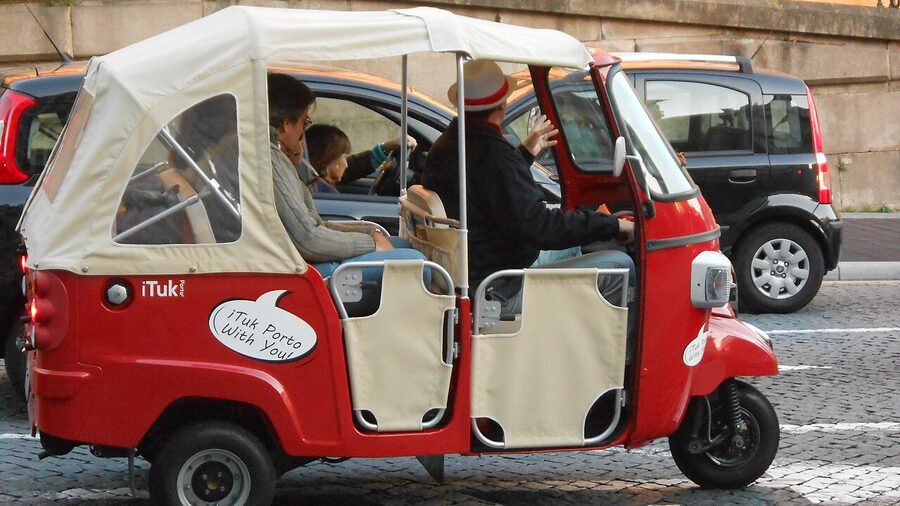

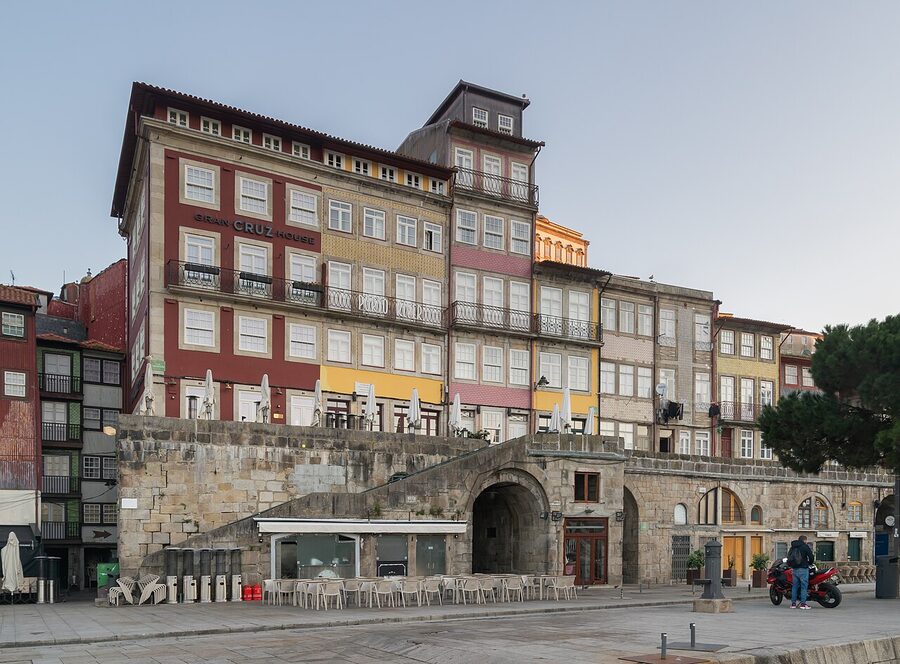
The reason tuk-tuks work here has everything to do with Porto’s geography. The old town climbs from the Douro river up to the Clerigos plateau in the space of about 400 metres horizontally and 90 metres vertically. That’s a punishingly steep angle for pedestrians, too narrow for proper tour buses, and too touristed for people to want to drive their own cars. A small, nimble, open-sided vehicle with a human guide was basically the only solution that could work.
The electric shift came around 2019 and has now gone almost all the way. Most operators proudly list “electric” in their name. Diesel tuk-tuks still exist — they’re usually cheaper — but the experience is genuinely worse. You hear traffic instead of the guide, you smell exhaust, and on the downhill bits into Ribeira the engine grinds uncomfortably.
.jpg)
Weather, clothes, and when to book
Rain isn’t a dealbreaker. Every Porto tuk-tuk I’ve been in had clear plastic side curtains that roll down in about 30 seconds. You stay dry, you still see out, and the open feel only takes a small hit. What does ruin the ride is strong wind — if it’s blowing sideways rain, reschedule.
Porto is colder than most people expect. The city sits on the Atlantic and gets the full weather of northern Portugal, not the Algarve warmth people associate with the country. November to March, layers. I mean fleece-and-jacket layers, not a cardigan. The tuk-tuks don’t have heating. With the plastic sides up you stay out of the wind but the ambient temperature inside is pretty much outside temperature.

Summer is the opposite problem. Porto hits 30°C+ in July and August and the tuk-tuk seats don’t breathe. Book a morning slot (9am or 10am) or wait for after 5pm. The midday tours still run but you’ll be sweating through the whole hour.
For booking lead time: 48 hours is usually enough outside peak summer and cruise season. If you’re in Porto between June and September, or you’ve got a specific time locked to a cruise arrival, book a week or more in advance. The combo tours with a river cruise sell out first because they’ve only got two or three departures per day.
Kids, accessibility, and group size
Most operators take kids aged 7 and up. Some allow younger with a booster or parental signoff — check the listing. The tuk-tuks are not enclosed in any meaningful way, so a toddler or baby is a no. If you’re travelling with kids under six, do the river cruise instead and come back for a tuk-tuk in 10 years.

.jpg)
Accessibility varies more than operators admit. Most tuk-tuks sit about 40cm off the ground with a single step to climb in. Drivers will help, but the tuk-tuk itself isn’t wheelchair-adapted unless specifically advertised. A few operators have adapted vehicles with ramps — search “wheelchair accessible tuk-tuk Porto” and cross-check before you book.
Group size — most tuk-tuks seat six adults comfortably, four with room to spare. If you’re a group of eight, you’ll need two vehicles; many operators will drive in convoy so you stay together.
Tipping, photos, and what drivers actually do
Tipping isn’t expected the way it is in North America, but drivers do a lot of unpaid work beyond just driving. They take your photos at every stop. They help people in and out. They answer questions about restaurants and recommend places they’d actually eat themselves. Five to ten euros at the end for a good private tour is appropriate. Ten to fifteen if they went out of their way.

A good driver-guide gives you stories you couldn’t have found yourself. Ours pointed out a 1.5-metre-wide house built in 1768 to fill the gap between the Carmo and Carmelitas churches — we’d walked past it earlier that day and never noticed. Another talked us through how the city’s population of 250,000 is one-seventh students because of the university. These aren’t Wikipedia facts. They’re the reason you pay a human instead of hopping on the hop-on hop-off bus.
Alternatives worth considering
The tuk-tuk isn’t the only game. If you’ve already done one in Lisbon, or the format doesn’t appeal, Porto has a few other ways to cover ground without the hills crushing you.
A walking tour is the deep-dive option. Slower, more detail, better for the history. Our guide on the Lisbon parallel was a retired history professor — look for guides with credentials if that matters to you. The walking tour guide we put together breaks down which routes work best for which interests.
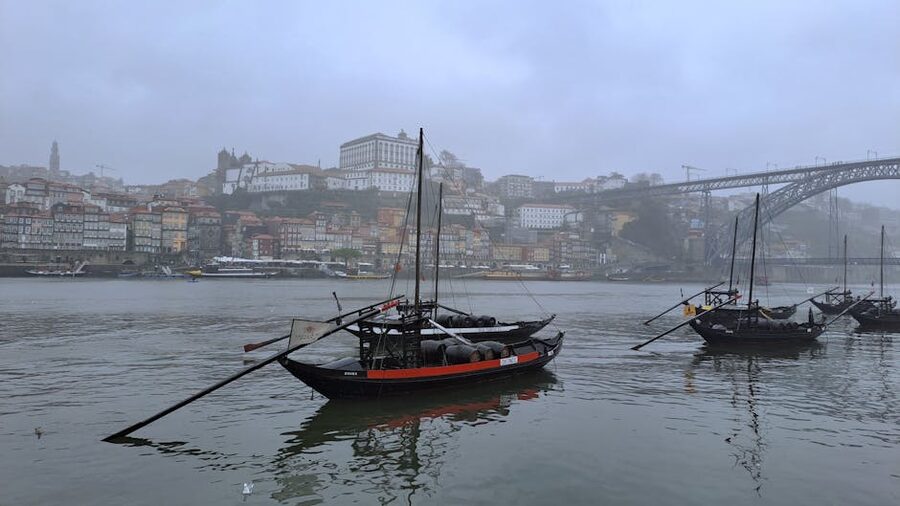
A river cruise covers Porto’s best angle — the riverfront view of both sides — in about 50 minutes. Less physical but also less intimate. The six-bridges cruise is the standard Porto option and I’d always pair it with something else rather than do it alone.
The hop-on hop-off bus exists but I don’t recommend it in Porto specifically. The streets are too narrow, the buses too big, and the route skips the Ribeira level entirely because the roads won’t take a coach. Stick with the tuk-tuk for that terrain.
If you’re doing Lisbon first, the Lisbon tuk-tuk tour guide covers the same format in a different city — the pricing is roughly similar, routes are different because Lisbon has the seven hills and Porto has the river canyon.
One last thing — pair it right
The tuk-tuk is an orientation tool. It works best on day one of your trip. You figure out the geography, you spot the places you want to come back to on foot, and then the rest of the trip makes sense. Don’t save it for your last day. You’ll just spend the rest of the ride wishing you’d done it earlier.
Before you book, think about what else you’re doing in Porto. A tuk-tuk + port wine cellar visit makes an excellent afternoon — the tuk-tuk drops you in Gaia, you walk two blocks to Graham’s or Taylor’s, and you’re back at your hotel by dinner. A tuk-tuk + river cruise is the other classic combo, often sold as one ticket. A tuk-tuk + Livraria Lello visit only works if you’ve pre-booked Lello’s slot — don’t rely on walking in.
If you’re filling out a full Porto itinerary, the Clerigos Tower climb makes a good bookend to the tuk-tuk stop out front. The Porto Spiritus show in the Ribeira works well as the evening after a daytime tuk-tuk. And for anyone heading down south the next day, the Algarve has its own logistics — our guides to Slide & Splash and the Benagil cave kayak tour cover the two best-value Algarve bookings.
One last thing: if you only have half a day in Porto, don’t overthink it. Book the combo — 20 bucks, tuk-tuk plus boat, roughly 90 minutes — and you’ll have seen enough to know whether to come back.
Some links in this article are affiliate links. If you book through them we may earn a small commission, at no extra cost to you. This never affects our recommendations.