
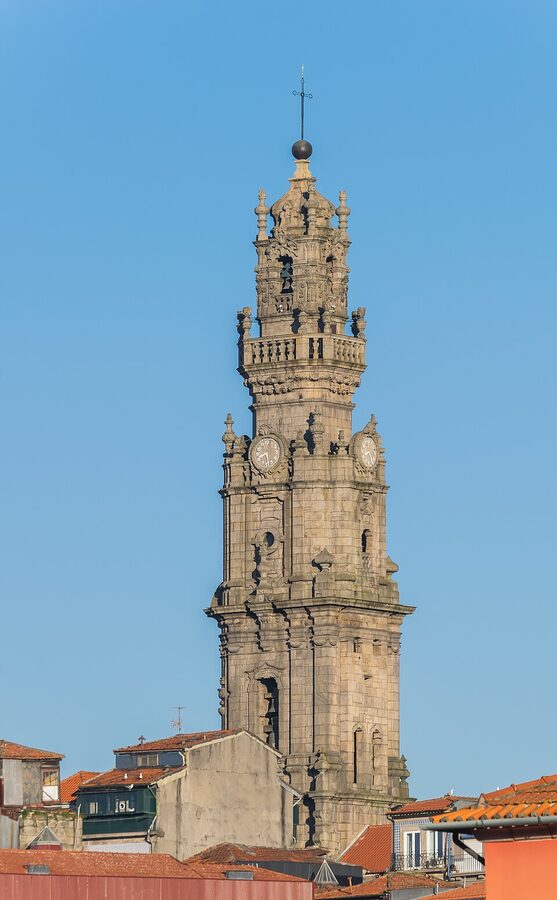
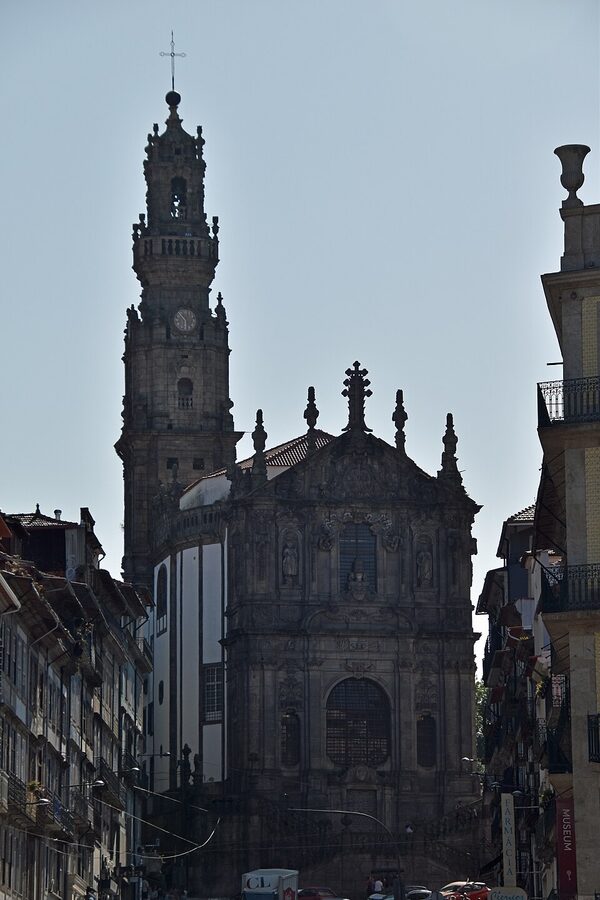
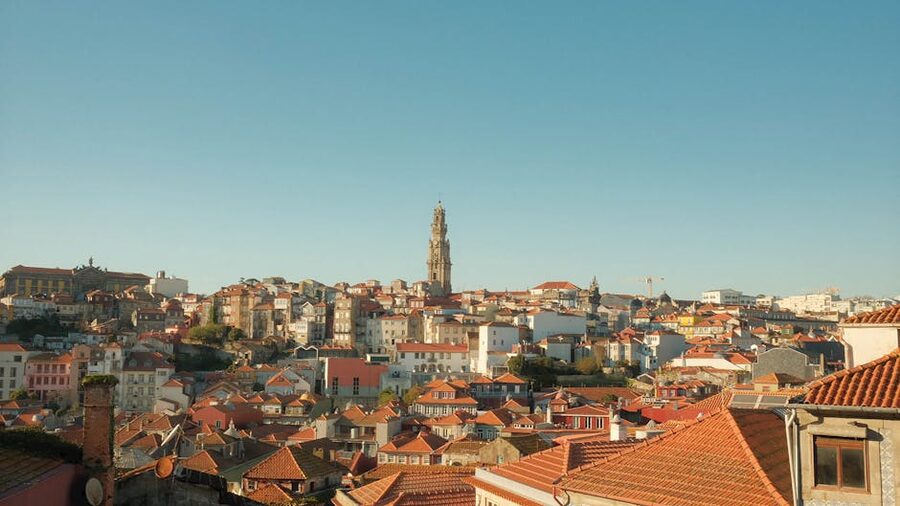
You are four steps from the top of Clerigos Tower and the granite spiral has narrowed to shoulder width. Someone is coming down. You figure out what “step aside” means in a 17th-century bell tower at 76 metres up, and then the staircase spits you onto the viewing platform and you see Porto.
That’s the whole pitch, honestly. The ticket is cheap, the climb is short but physical, and the payoff is the best 360 you’ll get in this city without paying for a drone tour. Below is how to actually buy the tickets, what the options are, and the things I wish I’d known before I went.
.jpg)
- In a Hurry? Book Now
- What You’re Actually Buying a Ticket For
- The Three Tickets Worth Knowing About
- 1. Torre dos Clerigos Entrance Ticket — around
- 2. Porto Combo: Walking Tour + Lello + River Cruise + Cable Car — around
- 3. Clerigos Tower at Night — similar price, very different vibe
- The Staircase — Don’t Underestimate It
- What You See From the Top
- Booking: What Actually Matters
- The History, Roughly
- When to Go — the Boring Logistics Part
- Getting There and What’s Near
- Is the Porto Card Worth It for Clerigos?
- Practical Things I Learned the Hard Way
- Worth Pairing With
- Quick FAQs
In a Hurry? Book Now
Best value: Torre dos Clerigos Entrance Ticket — around $11. Straight in, climb the 225 steps, spend as long as you want at the top.
Want the city thrown in: Porto Walking Tour + Lello + River Cruise + Cable Car — about $73, packs four of the best Porto tickets into one half-day.
Go at night: Clerigos Tower Night Ticket — the tower stays open till around midnight in summer. Half the crowds, the bridges lit up, and cooler air in the staircase.
What You’re Actually Buying a Ticket For
The ticket isn’t just the tower. It’s a combined admission for the tower, the church (Igreja dos Clerigos) next to it, the little museum in the old clerics’ house, and the crypt where some of the Brotherhood members are still buried. You can do the whole circuit in about 45 minutes if you’re moving. An hour if you stop and read things.
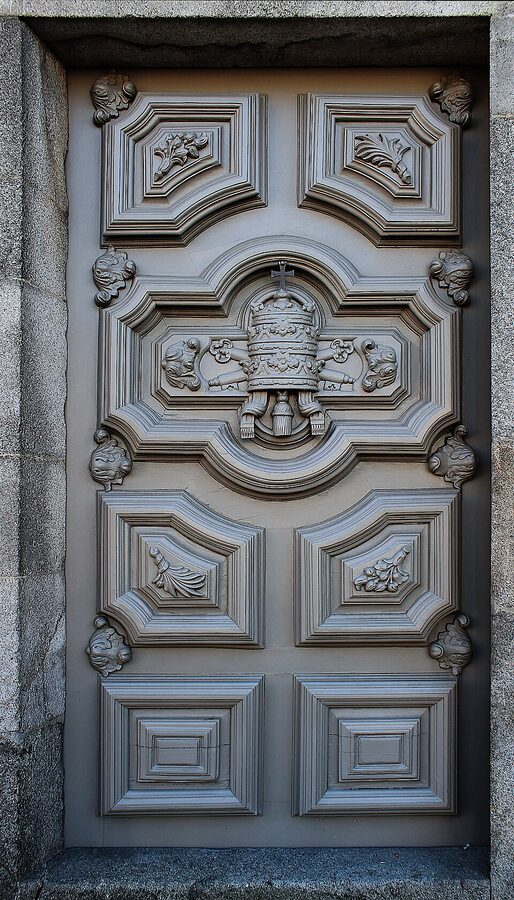

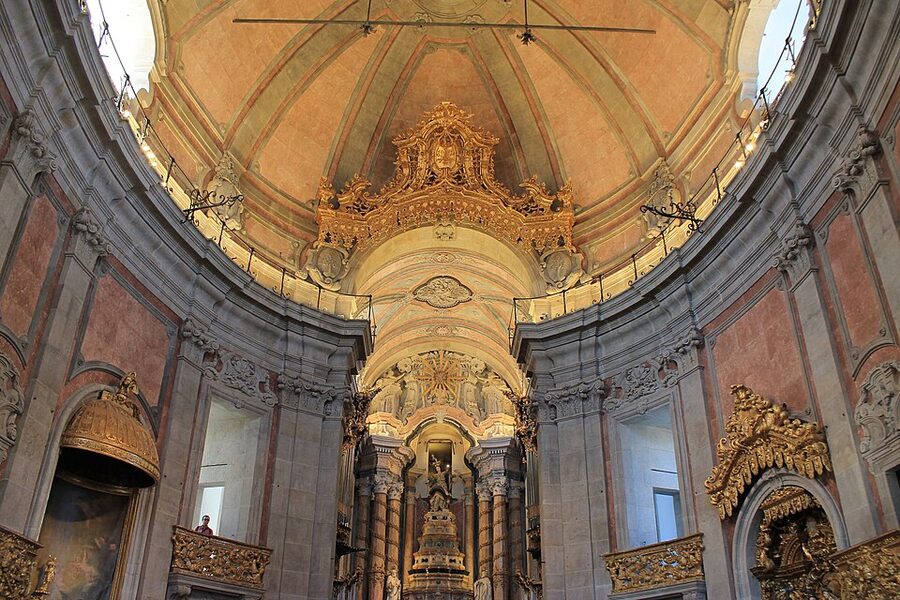
Most people only do the tower and skip the rest. I’d argue that’s a mistake. The church interior is genuinely beautiful — oval floorplan, gilded altar, shockingly quiet if the tower is heaving. It’s included in the same ticket. Five extra minutes, tops.

The Three Tickets Worth Knowing About
Don’t overthink the options. Three tickets cover 99% of what anyone actually wants here.
1. Torre dos Clerigos Entrance Ticket — around $11
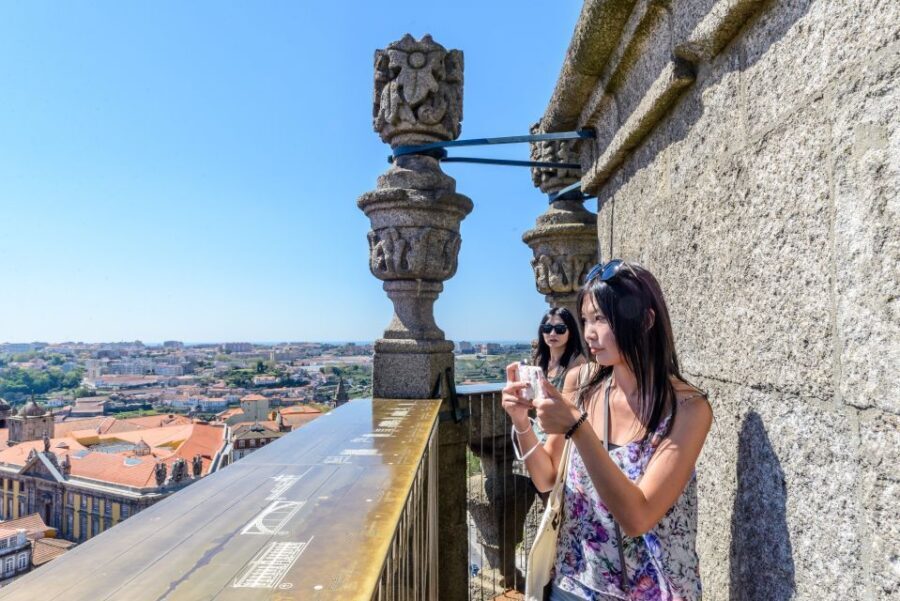
This is the one. Straight admission, no guide, no combo, no extras. You scan your phone at the door, pick your time slot, climb the tower. Our full review of the standard Clerigos entrance ticket walks through the specific time slots and what the “skip-the-line” option actually gets you (mainly peace of mind on busy Saturdays). 30-minute visit minimum, but you can stay as long as you want — nobody’s rushing you down.
2. Porto Combo: Walking Tour + Lello + River Cruise + Cable Car — around $73
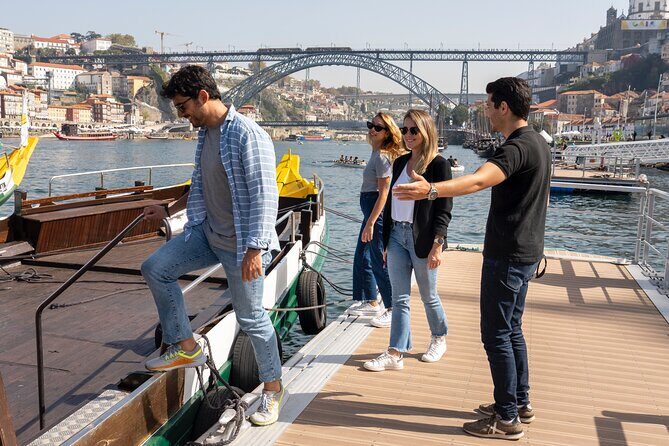
I’m not usually a fan of combo tours — they rush you and you miss the context. This one works because the four things are genuinely close together and the walking tour guide handles the timings so you’re not scrambling. Tower isn’t in it by default but the route passes right underneath, and the Lello Bookshop ticket alone offsets a chunk of the price. Our full review of the Porto combo walking tour has the pacing breakdown and who it works best for.
3. Clerigos Tower at Night — similar price, very different vibe
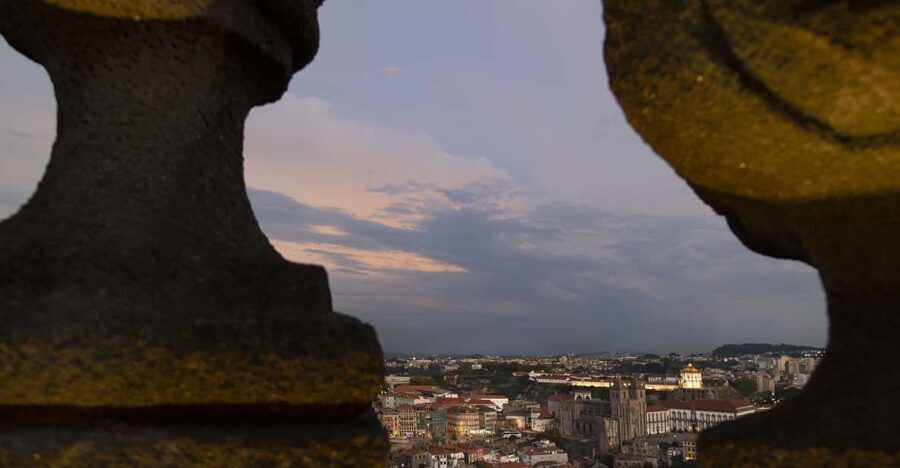
Same tower, different experience. The night ticket runs after the day tours finish and it’s quieter — queues basically evaporate after 9pm. Porto’s Eiffel bridges are lit up, you can see all the way to the Douro mouth when it’s clear, and the air on the staircase is actually breathable (important in August). Check our review of the night ticket for exact closing times by season — they change.
The Staircase — Don’t Underestimate It
225 steps. Granite. Spiral. Two-way traffic in sections where you can just about get a shoulder through.

Things to know before you go up:
- The narrow bit is near the top, roughly from the bell chamber up. Not the bottom. First two-thirds you can pass people comfortably.
- If you can, let the descending person take the inner (narrower) curve. You stay on the outer wall. It’s the unwritten rule.
- There’s a rope bannister on one side. Use it. The steps are worn smooth in the middle from 260-odd years of feet.
- Bags over about 30 litres won’t fit comfortably past another person. Consider leaving the backpack at your hotel.
- If you genuinely can’t do stairs, you can’t do Clerigos. There’s no lift and there won’t be one — it’s a protected baroque monument.
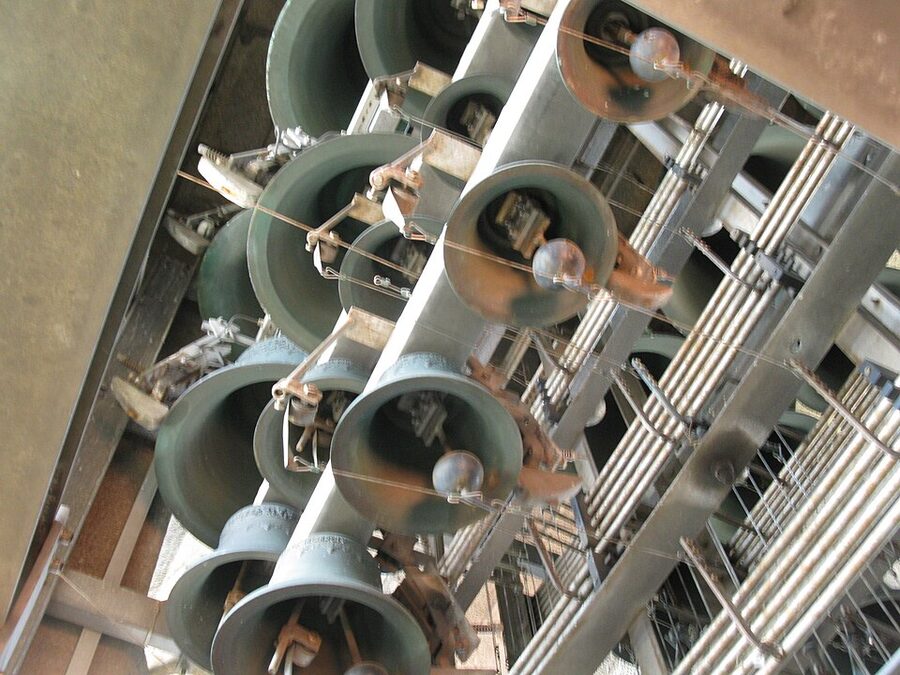
Take it slow. It’s not a race. There are two small landing areas where you can stop and catch your breath without blocking people. Use them.
.jpg)
What You See From the Top
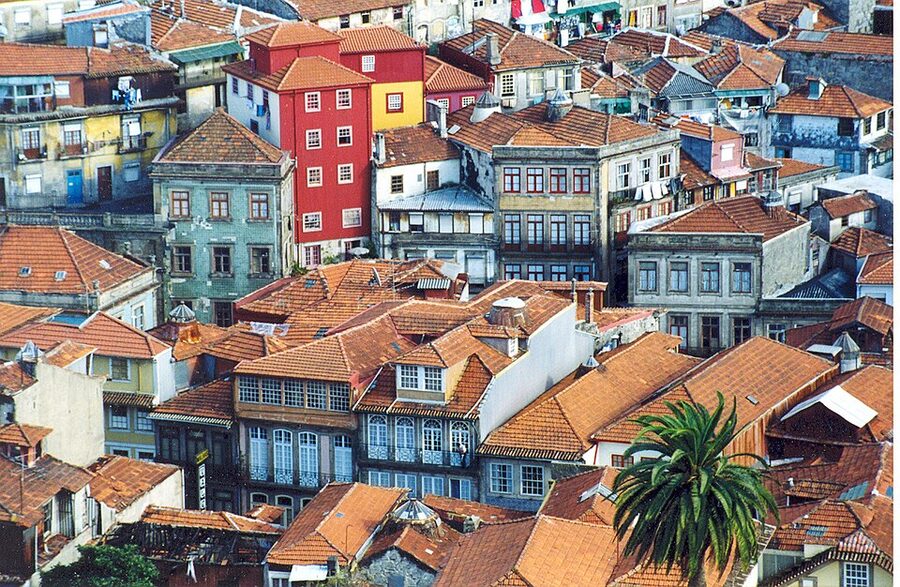
It’s a proper 360. Not “partial view, turn and walk round” — you can see everything from one circuit of the platform.
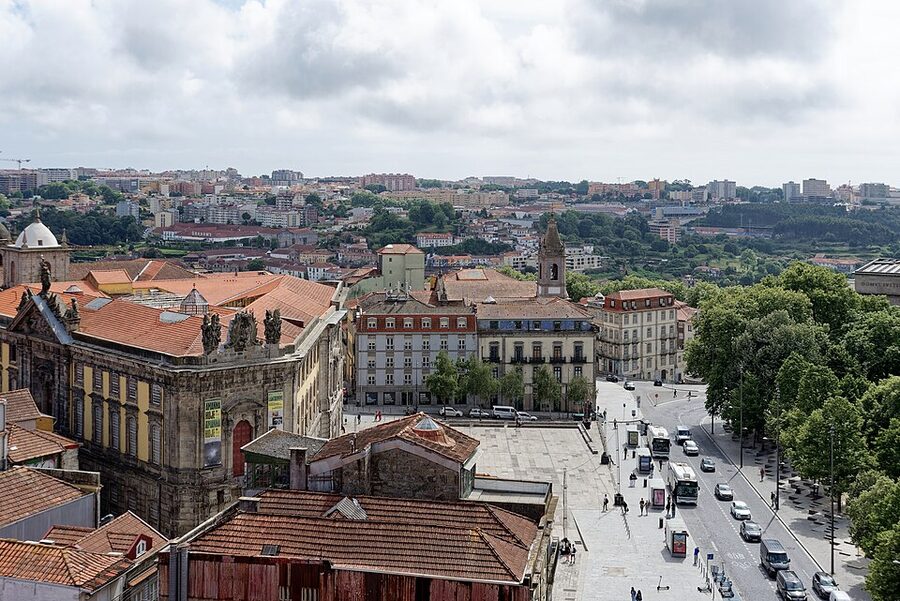

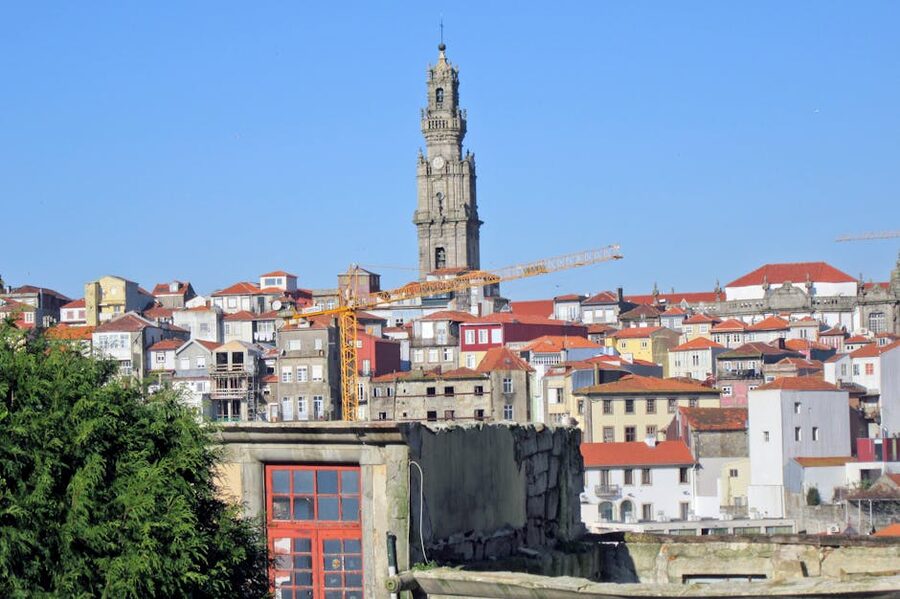
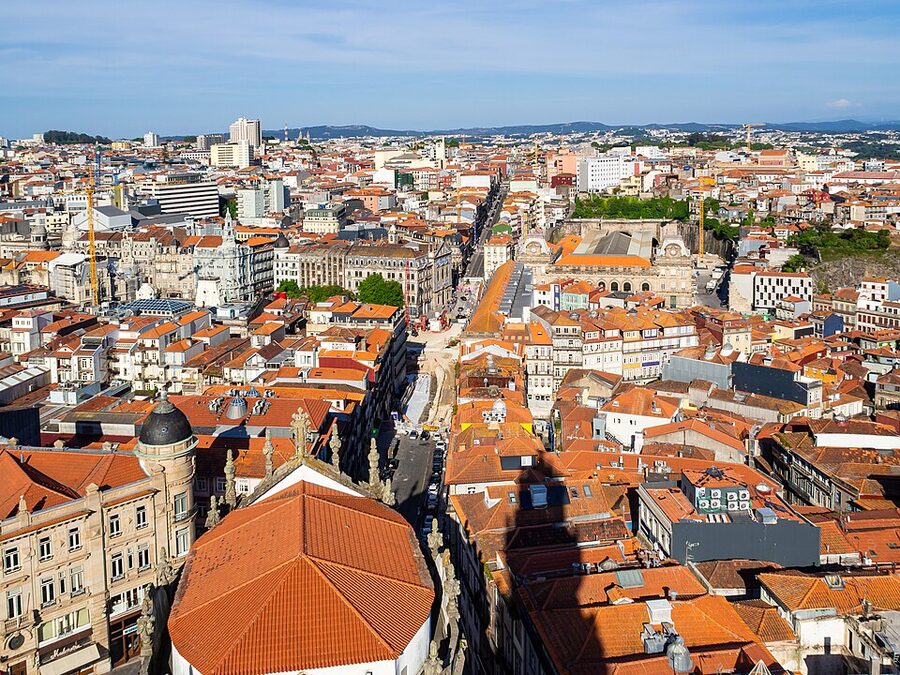
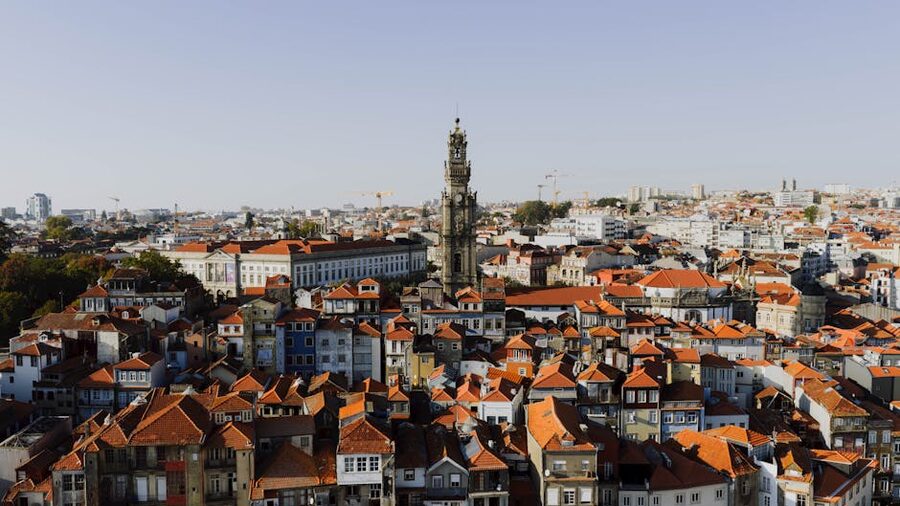
South: the Douro and the six bridges, with Vila Nova de Gaia across the water where all the port wine cellars are. You can literally point at the Ramos Pinto and Calem lodges from up here. If you’re planning a day of port tasting, this is the view that sells it — which is why I usually tell people to do the wine cellar tours in Gaia in the afternoon, after the tower in the morning, so they’ve already seen where they’re going.
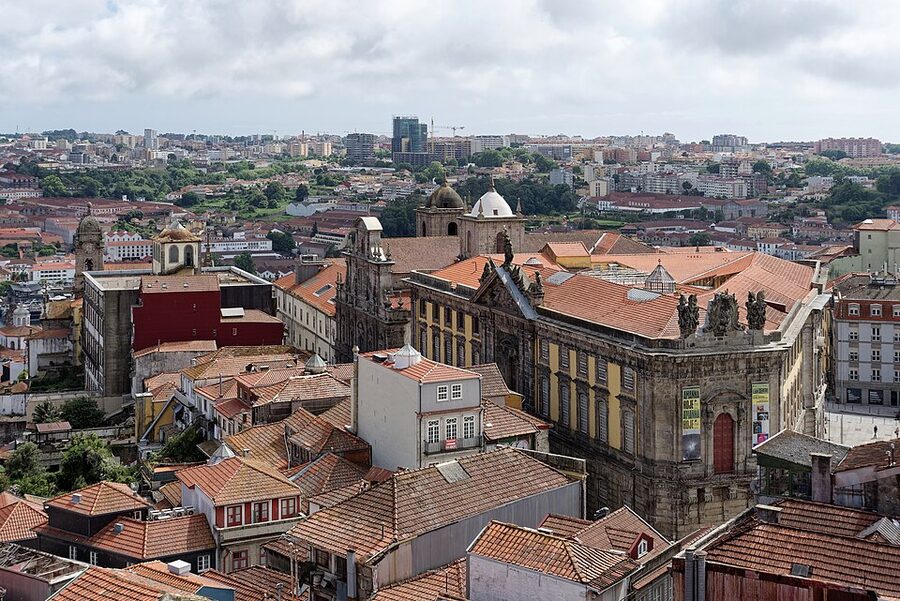

East: the Se Cathedral, Sao Bento station’s tiled facade, and the old bishop’s palace. The cathedral looks weirdly small from up here — it’s not small, the tower is just that much higher.
.jpg)
North: the newer city, some of the university buildings, and — if you pick the right day — the hills beyond. Least photogenic direction, honestly. Most people don’t spend long looking this way.
West: the Atlantic is out there, about 6km away. You can’t quite see the ocean itself unless visibility is exceptional, but you can see the river curve toward it and work out where Foz is.

Booking: What Actually Matters
Don’t walk up and try to buy on the day between June and September. You might get lucky. You might also stand in a queue for 40 minutes in direct sun. Online tickets avoid the whole thing.
Two places to book and they’re effectively the same ticket:
- The official Clerigos site — cheapest price, in theory. But their payment flow breaks on foreign cards more often than I’d like. Lost count of how many travellers I’ve spoken to who gave up and went somewhere else.
- GetYourGuide / Viator — a euro or two more, but it works. Instant confirmation, mobile ticket, free cancellation up to 24 hours before on most tickets. That cancellation policy has saved me more than once when Porto’s weather decided to do its worst.
The ticket you buy online will have a time slot. They’re strict about the slot at the entry — if you show up two hours early they’ll turn you away. Fifteen minutes either side is usually fine. Build it into your plan.
First slot of the day (usually 9:00) is the best-kept secret. Tour groups start around 10:30, so if you’re in the door at 9 you get the tower half-empty. Last slot of the day (usually 18:30 or 19:00) is also quieter but the light’s harsher unless you’re going for sunset in winter.
The History, Roughly
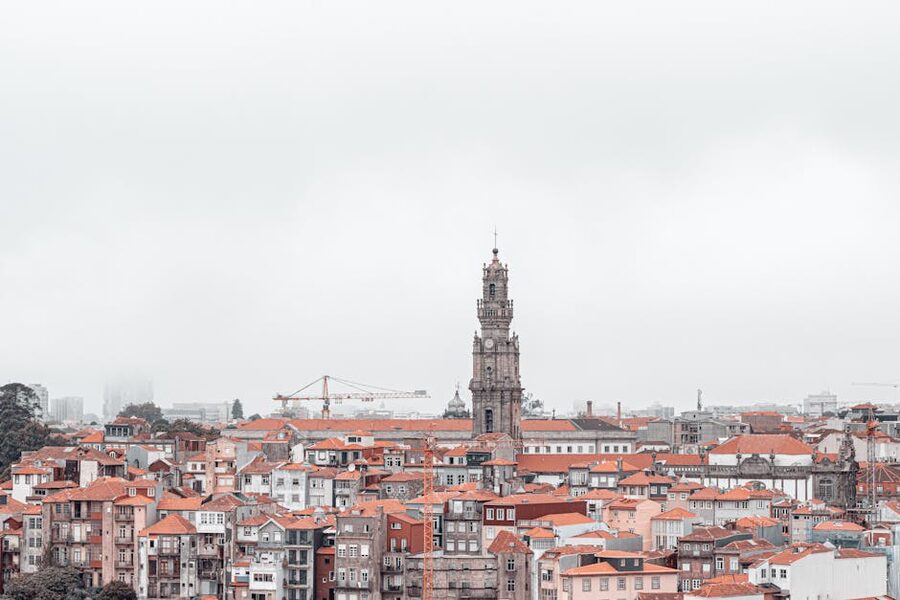
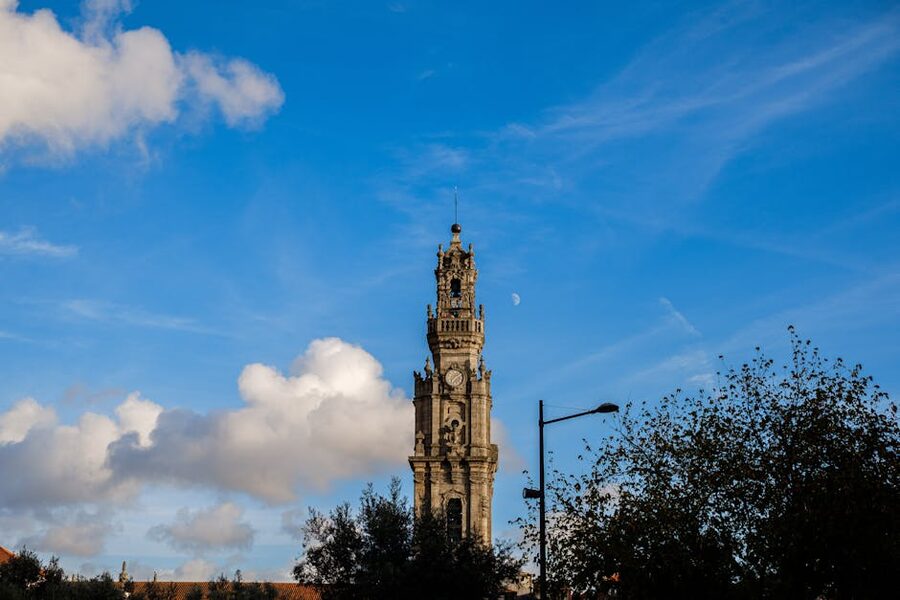
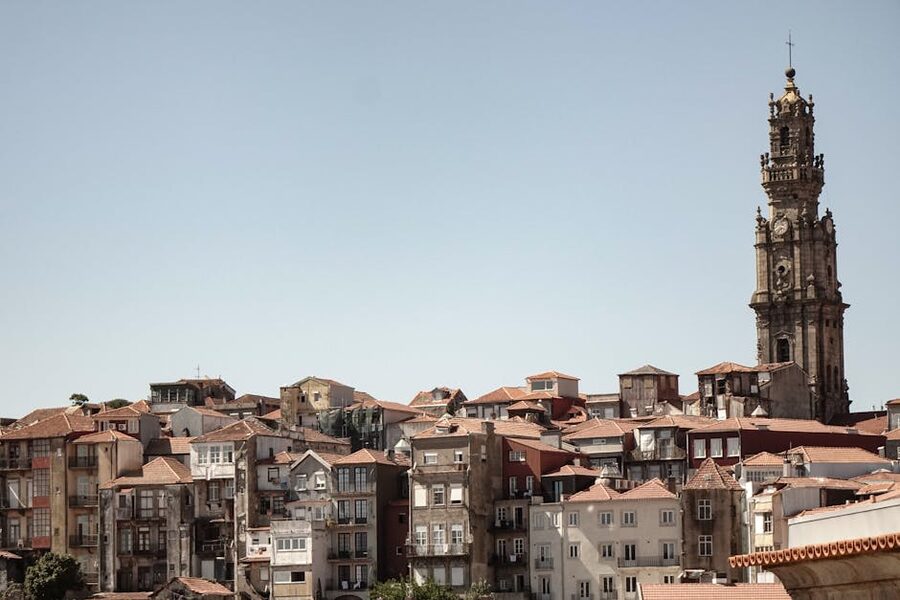
The tower went up between 1754 and 1763, designed by Nicolau Nasoni — an Italian architect who moved to Porto and basically never left. Nasoni did a lot of baroque work in the north of Portugal but Clerigos is the one everybody knows. He’s buried in the church itself, in an unmarked grave because he asked to be. Whole guide groups stand on top of him without knowing.
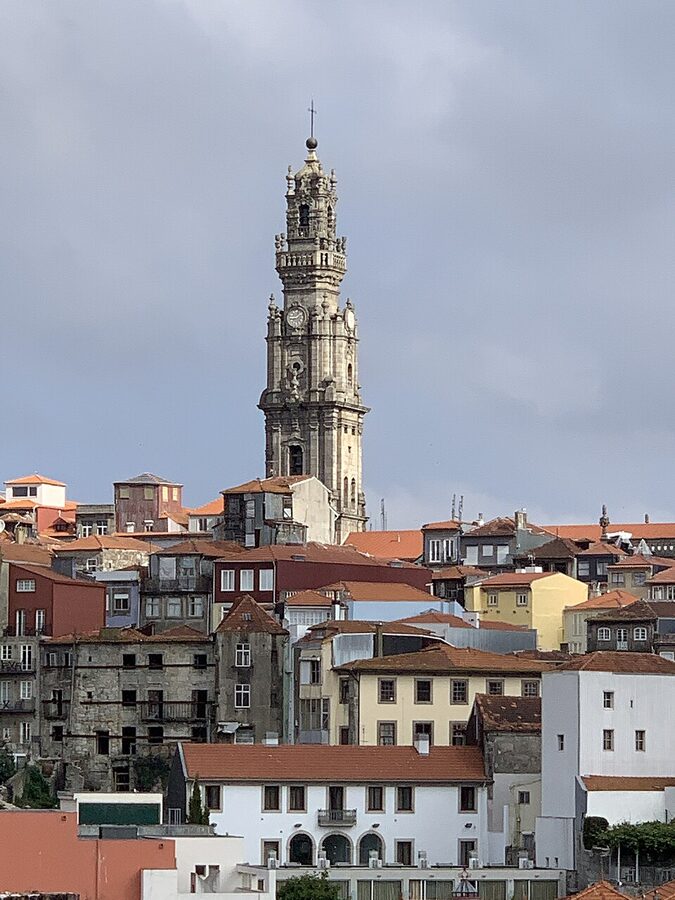

Commissioned by the Brotherhood of Clerics — a religious order for secular (non-monastic) priests. They’d already built the church next to it in the 1730s and 1740s. The tower was the show-off piece, paid for mostly by donations from wealthy merchants who wanted visible proof that Porto was a city that mattered.
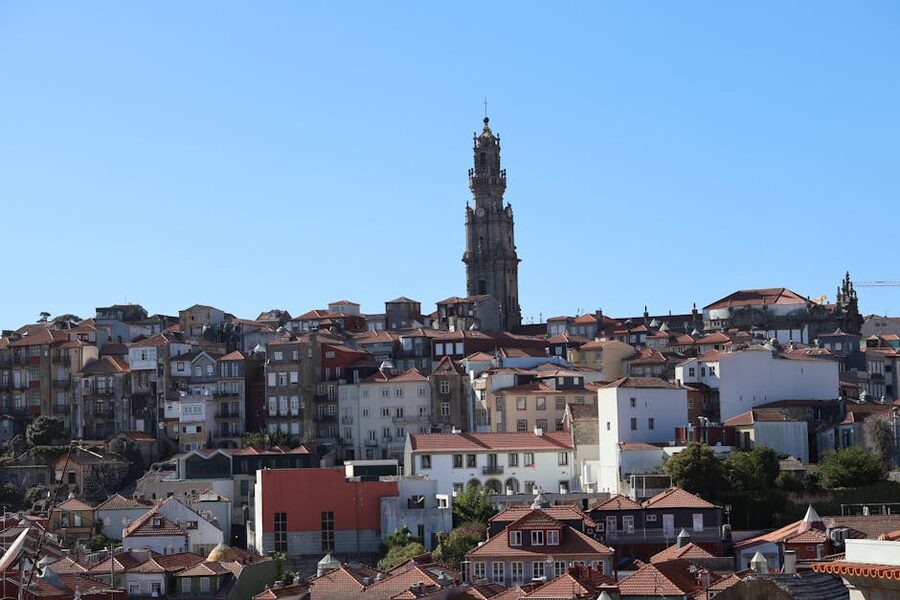
At 75.6 metres it was the tallest building in Portugal when it opened and held the record for more than a century. Sailors coming up the Douro used it as a navigation mark — the oval dome was visible from 20km out to sea on a good day.
The Brotherhood is still technically in operation, by the way. They run the tower, the church, and the small museum. Every cent from your ticket goes into maintaining the buildings — which, given this is an 18th-century monument that gets 400,000 visitors a year, needs all the cents it can get.
When to Go — the Boring Logistics Part
Weekday mornings in April, May, September, October. That’s the pocket. If you can only do weekends, aim for first slot. If you’re stuck going in July or August, do the night ticket — it’s the same tower with half the people and twice the view.
Weather-wise: Porto gets proper rain. Not the “oh, a shower” rain — the “I can’t see the other side of the river” rain. If it’s pouring, the viewing platform is exposed and the photos won’t work. Check the forecast the day before. The free cancellation on GetYourGuide tickets means a rainy morning doesn’t have to wreck your trip.
The platform is small — maybe 30 people at a time, max. On a packed day you’ll share it with that many. Breathe, wait your turn for the good corners, don’t try to get the classic south-west shot with a tripod at 11am on a Saturday. You’ll get dirty looks.
Getting There and What’s Near
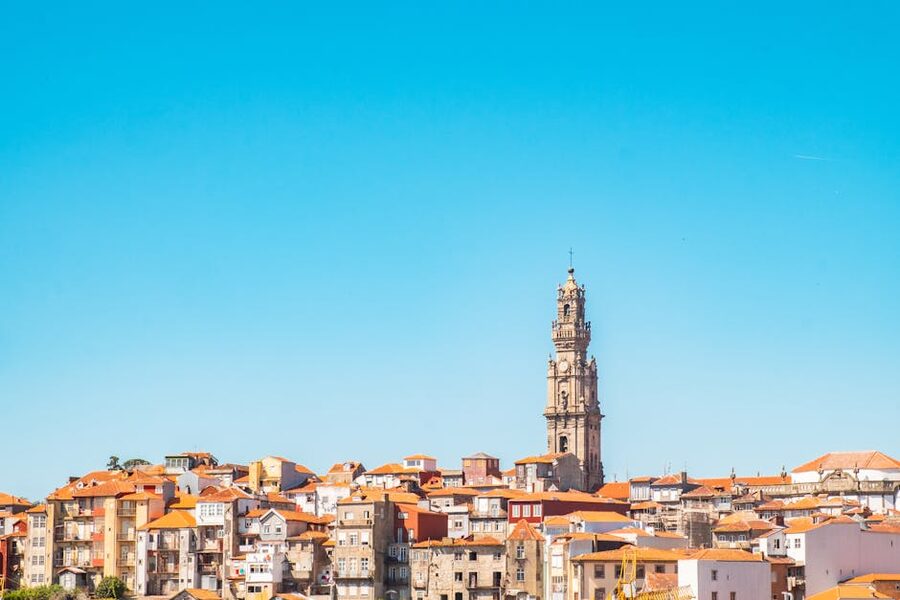
The tower is in the absolute centre of Porto. Nothing is more than a 10-minute walk from it.
- Sao Bento station is 5 minutes downhill. If you’re arriving by train from Lisbon or the airport, start here.
- Livraria Lello is 3 minutes on foot. If you’re doing both, do Lello first (it gets absurdly busy by 11am) and Clerigos second. Our guide to booking Lello Bookshop tickets has the full timing strategy.
- Ribeira and the Dom Luis bridge are 10 minutes downhill. Perfect to head to after the tower — you’ll have just seen the aerial view, now you walk through it.
- Sao Bento metro station (line D) is the closest metro. From the airport, take the metro to Trindade, change to line D, two stops to Sao Bento. About 45 minutes total.
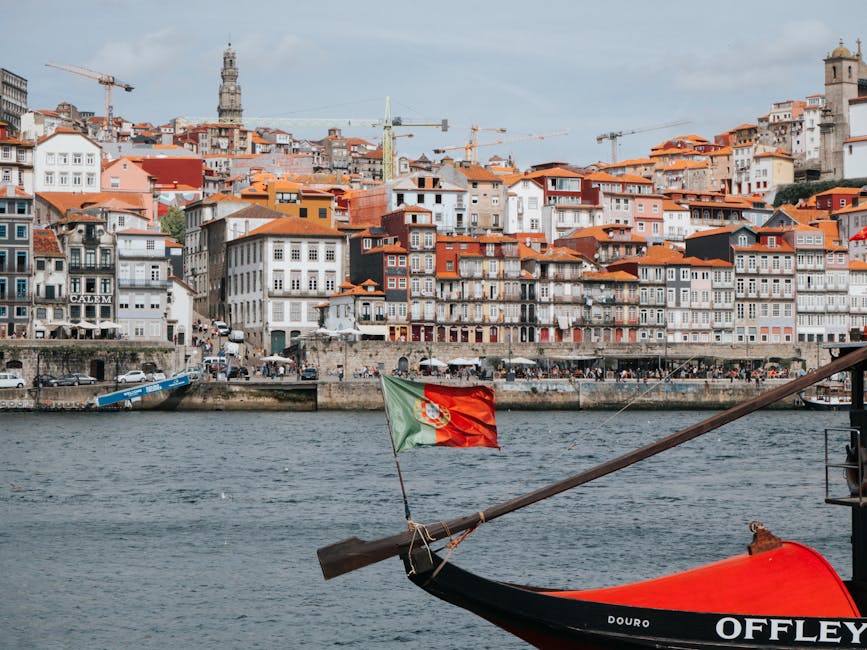
If you’re combining this with a day on the Douro itself, the logic works: tower in the morning, a river cruise in Porto in the afternoon, sunset somewhere on the Gaia side. The six bridges cruise specifically is the one that frames all the bridges from water level — a good pair with the view from the top of Clerigos.
Is the Porto Card Worth It for Clerigos?
Short version: not on its own. Clerigos isn’t included for free on the Porto Card — it’s discounted. If you’re only doing Clerigos, buy the standard ticket.
If you’re doing Clerigos plus three or more other paid attractions in 48 hours, the maths changes. Our breakdown of whether the Porto Card is actually worth it runs the numbers for different trip lengths. For a standard weekend it’s borderline — you need to be disciplined about actually using it.
Practical Things I Learned the Hard Way
- The floor of the viewing platform is slightly sloped. Not a lot, but enough that your phone can slide if you set it down. Don’t put anything near the edge.
- There’s a small gift shop at the exit. The azulejo tile magnets are cheaper here than in most of the tourist-track shops near Se Cathedral. If you’re after a souvenir, this is a fair place to buy one.
- Photography is unrestricted inside the church. No flash, obviously, but you’re allowed to take pictures. Lots of travellers assume they can’t and don’t ask.
- Toilets are in the museum section, not the tower. Go before the climb. There is no toilet at the top and the stairs aren’t fun on a full bladder.
- The audio guide is optional and, honestly, skip it. The signs in the museum are in Portuguese and English and cover the same ground.
- Accessibility is a problem. The church itself is step-free, but the tower isn’t. No workaround exists, and the brotherhood won’t build a lift into a protected 18th-century monument.
Worth Pairing With
Porto rewards a slow, walking approach — most of the best stuff is within a 15-minute radius of Clerigos. After the tower, the obvious loop is downhill to Ribeira, across the Dom Luis bridge to Gaia for the port wine cellars, then back across on the upper deck at sunset. If you’ve got a second day, the Douro Valley trip is the headline day trip — vineyard lunches, river cruises, the whole thing.
For more Porto specifics, our Porto walking tour guide has the best introductory walks, and if you like a show with your food, the Porto fado show guide covers the smaller, less touristy venues. And if football’s your thing, the FC Porto Estadio do Dragao tour is a 15-minute metro ride from Sao Bento.
Headed to Lisbon afterward? The capital works differently — more sprawl, fewer instant-hit landmarks. Our guide to booking the best walking tour in Lisbon helps you get a handle on the neighbourhoods quickly.
Quick FAQs
How long does the visit take? Plan an hour. Tower 20-25 minutes including the climb, church 10, museum and crypt 20. You can rush it in 30 if you absolutely have to.
Is it worth it if I’m scared of heights? The climb is fine — it’s an enclosed spiral staircase, no exposure. The top has a waist-high stone balustrade that’s perfectly solid. Vertigo on the platform itself is possible but manageable. If ladders make you faint, maybe skip. Otherwise you’ll be OK.
Can I take a bag in? Small bags yes. Big backpacks are a pain on the stairs and you’ll be asked to wear it on your front. There’s no cloakroom.
Are tickets refundable? On GetYourGuide/Viator usually yes, free cancellation 24 hours before. On the official site, terms vary — read the fine print.
Does it close? Yes — usually a couple of days a year for cleaning and the odd religious holiday. January 1st is typically closed. Check the dates when you book.
One last thing. The guy coming down the stairs earlier, the one you had to squeeze past? He was smiling. That’s the tell. Everybody is smiling on the way down. Whatever you’re expecting the view to be worth, it’s a bit more than that.
This guide contains affiliate links. If you book a tour through one of our links we earn a small commission at no cost to you — this keeps the site running and lets us keep writing these guides. We only recommend tours we’d use ourselves, and the price you pay is identical either way.