
A reader called Hannah wrote to me last spring after she did the combo day from Krakow. She got back to her hotel at 8 in the evening and sat on the edge of the bed for an hour without speaking. Her husband had to remind her to eat. The bit she came back to, though, she said in her email, was not Auschwitz on its own and not Wieliczka on its own. It was the drive between the two: 90 minutes of staring out at flat Polish farmland with nothing to do but think about what she had just seen, and a quiet dread about what she was about to feel guilty for finding beautiful.
So that is what this guide is about. The practical stuff (how to book, what to wear, what time to leave), and the strange shape of the day itself. You are visiting two UNESCO World Heritage sites that could not be further apart in tone, on a single bus with the same guide and the same packed lunch.

.jpg)
In a hurry? Three combo tours that handle the day well
Best overall: Krakow: Auschwitz-Birkenau and Salt Mine Guided Tour from $54. Eleven hours, hotel pickup, English guide at both sites, lunch break between them.
Best for small groups and lunch included: Day Trip: Auschwitz-Birkenau and Wieliczka Salt Mine from Krakow from $151. Lunch and entry tickets bundled, one of the longer-running combo products on Viator.
Best on price: Kraków: Auschwitz-Birkenau and Salt Mine Full-Day Guided Tour from $27. Same itinerary as the headline tour, lower price point, food not included.
- In a hurry? Three combo tours that handle the day well
- Why people do both in one day
- Hannah, in her words
- Booking the combo: what’s actually different from booking the parts
- What time you actually leave
- The three combo tours worth booking
- 1. Krakow: Auschwitz-Birkenau and Salt Mine Guided Tour: from
- 2. Day Trip: Auschwitz-Birkenau and Wieliczka Salt Mine from Krakow with Lunch: from 1
- 3. Kraków: Auschwitz-Birkenau and Salt Mine Full-Day Guided Tour: from
- What the day actually looks like
- Auschwitz: getting the visit right
- Photography and what to bring
- Children
- The drive between
- Wieliczka: walking into the salt
- St Kinga’s Chapel: the part everybody talks about
- What you actually see on the route
- Practical things at Wieliczka
- The contrast nobody warns you about
- Doing the day on your own (and why I would not)
- Best time of year
- Tipping and small etiquette
- What to do that evening
- The questions readers send most
- Other Krakow guides
Why people do both in one day
The simple answer: the geography makes sense. Auschwitz is roughly an hour and 15 minutes west of Krakow, Wieliczka is 25 minutes south, and on the way back from Auschwitz the bus passes within a few kilometres of Wieliczka anyway. Combining the two adds about an hour of total driving compared to doing Auschwitz alone. For travellers on a short Krakow trip (two or three nights), this is the calculation.
It is also a question of energy. Auschwitz on its own is a four to five hour visit. People come back at 3pm and cannot face anything else for the rest of the day. Adding Wieliczka extends the day by another five to six hours but, oddly, it gives you somewhere to put your head once Auschwitz is done. You are not sat in a hotel room at 4 in the afternoon trying to process what you have just seen. You are walking down a wooden staircase into the earth with 20 strangers who saw the same thing.
,_Poland.jpg)
I will say this once: if doing both feels disrespectful to you, do not do both. Some people split the trip across two days. There is no virtue medal for fitting more sites in. But for most readers I hear from, the combo works because the contrast forces you to actually feel both places, rather than going numb at one and skimming the other.
Hannah, in her words
“What I wish I’d done differently is eat properly between the two stops. We had a tiny sandwich on the bus and I was running on caffeine by the time we got to Wieliczka. The cold underground hits you harder when you’re hungry and tired, and I missed half the chapel because I was just trying to stay upright. Eat the lunch. Drink water. The salt mine is more physical than people warn you about.”
That is most of what I tell people now. The day is doable. It is not light.
Booking the combo: what’s actually different from booking the parts
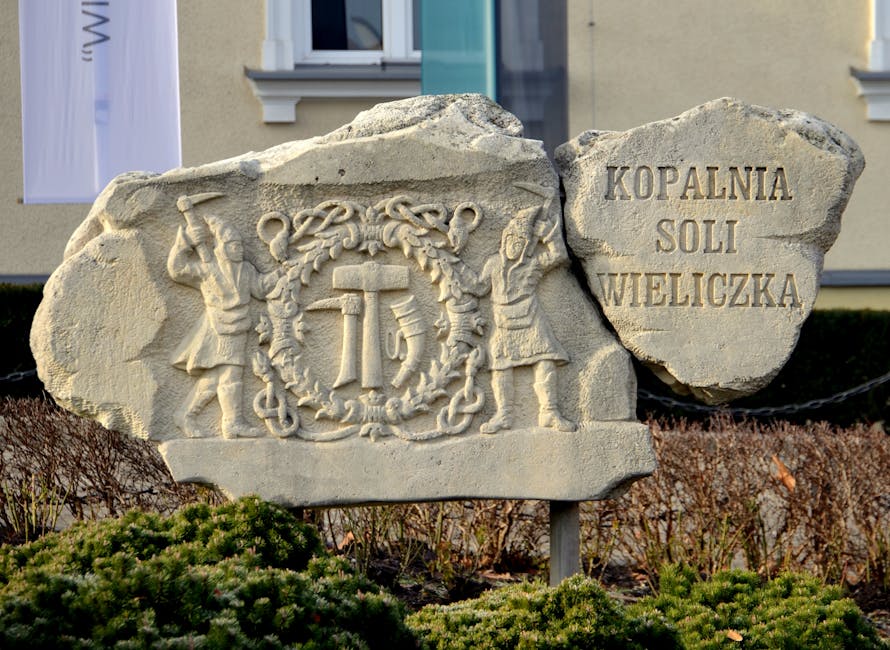
Booking Auschwitz on its own is a hassle: free tickets release in batches through the State Museum site, and English-language educator-led entry is the only option for foreign visitors during peak hours. Wieliczka has its own separate ticket system on a different website, with different time-slot logic. There is no joint ticket. Ever. Both sites are state-run and they do not coordinate.
So when people book a combo, what they are really booking is one operator’s work to coordinate two separate ticket systems and the bus between them. Most combos sit between $54 and $150 per person, covering entry tickets for both sites, return transport, an English-speaking guide for at least one site, and usually a packed lunch.
The cheaper end ($27 to $54) means: shared minibus, meeting point pickup, museum-provided educator at Auschwitz. The higher end ($120 to $200) means: smaller group, hotel pickup, operator-employed guide for both sites, sit-down lunch. Both work. The day is the same.
What time you actually leave
Pickups for the combo run between 7:00 and 8:30 in the morning. The earliest pickups are usually for the lower-priced shared shuttles that need to bundle several hotels. The later pickups (8:00-8:30) are for the smaller group tours where you start at a single meeting point. Either way, you will not be eating breakfast at your hotel, so plan to grab something the night before or have it stashed in your bag.
Return drop-off is between 6:30 and 8:00 in the evening, depending on Krakow traffic and which site is visited second. Most operators visit Auschwitz first and Wieliczka second; one or two run it the other way round. There is no factual reason to prefer one order, but the Auschwitz-first order does mean you finish the day in a more upbeat place, which most people I have spoken to seem to prefer.

The three combo tours worth booking
I have looked at every Auschwitz-and-Wieliczka product on GetYourGuide and Viator. Most are versions of the same itinerary. The three below are the ones I would actually book, depending on what you want from the day. There is also an existing standalone option if you decide a single-site visit fits your trip better, covered in our guide to visiting Auschwitz from Krakow and the Wieliczka tickets guide.
1. Krakow: Auschwitz-Birkenau and Salt Mine Guided Tour: from $54
This is the most-booked combo tour from Krakow and the one I quietly recommend first. It is an 11-hour day with comfortable air-conditioned coach transport, a museum educator at Auschwitz I and Birkenau, and a separate guide at Wieliczka. Our review of this tour goes into the pickup logistics and how the lunch break is handled. Skip-the-line entry is included at both sites, which matters more than you think on a peak summer day.
2. Day Trip: Auschwitz-Birkenau and Wieliczka Salt Mine from Krakow with Lunch: from $151
If you want a smaller minibus group and a proper lunch in a restaurant rather than a packed sandwich on the bus, this Viator product is the one. It is roughly $100 more per person than the GYG headline, but you get hotel pickup, a guide who stays with you all day at both sites, and a hot meal between them. Our review covers what is actually included in the lunch and how the smaller group changes the pacing inside Auschwitz.
3. Kraków: Auschwitz-Birkenau and Salt Mine Full-Day Guided Tour: from $27
The cheapest combo I would book. Same itinerary as the headline tour, similar coach setup, but no lunch and a meeting point pickup rather than hotel collection. The price difference reflects food and pickup logistics, not the quality of either site visit. Our review notes that the meeting point is central enough that it is a five minute walk from most Old Town accommodation, which is fine. Pack a sandwich.
What the day actually looks like
7:00-8:30am, pickup in Krakow. Hotel or central meeting point. Bring water and a snack. Some guides do a short coach briefing on respectful behaviour at Auschwitz: hat off in the gas chamber room, no phone calls, no laughing.
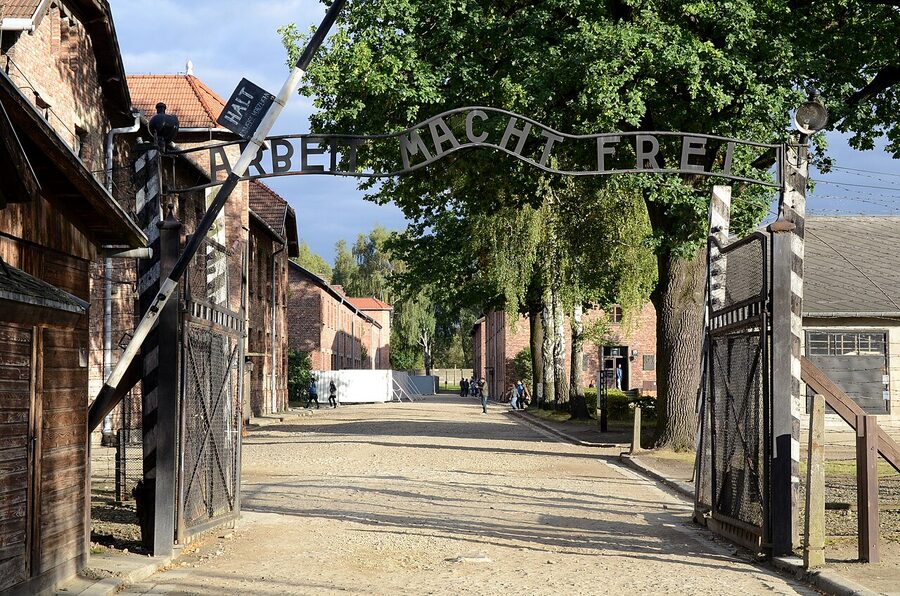
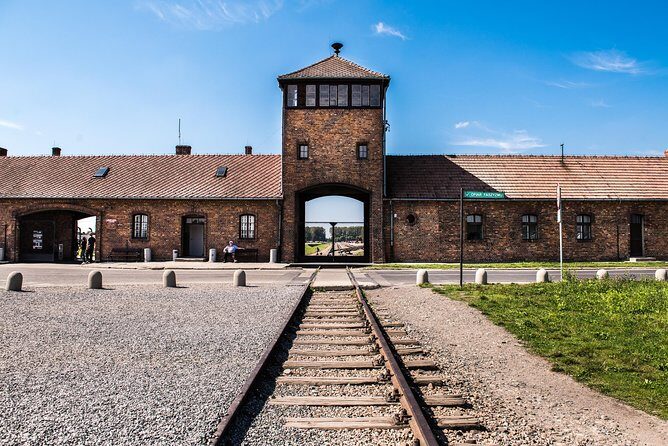
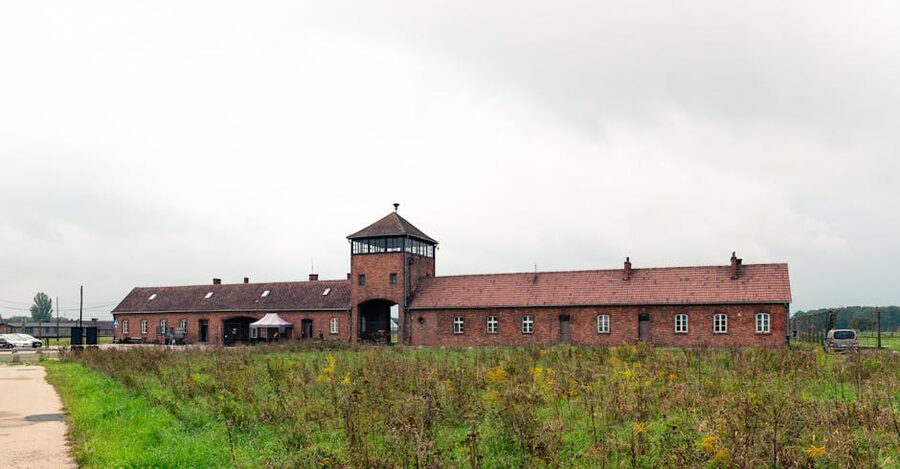
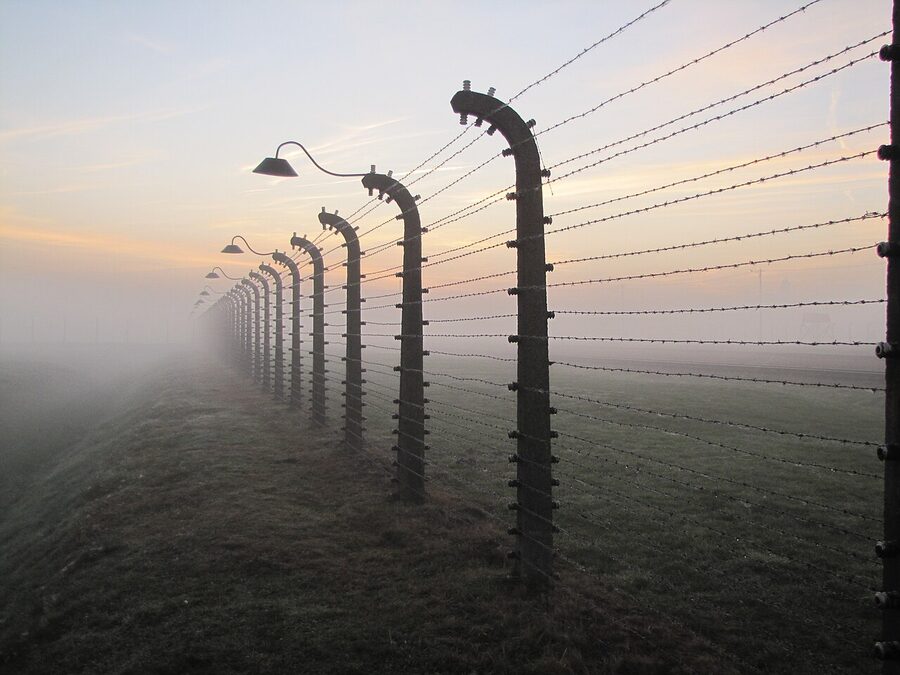
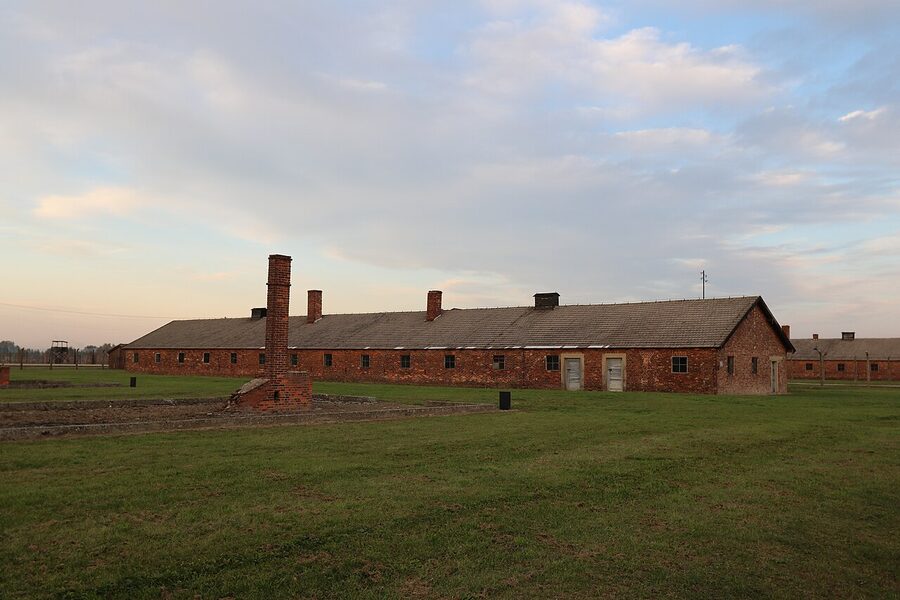
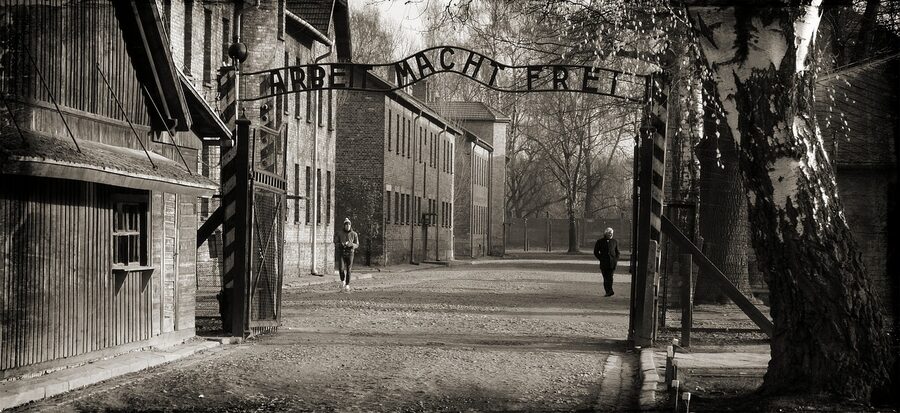
9:30am, Auschwitz I. The first 90 minutes is at the original camp set up in 1940, the bricks-and-barbed-wire site you have seen in photographs. You go through Block 4 (Holocaust history), Block 5 (material evidence: the suitcases, the hair, the children’s shoes), Block 11 (the death block with the standing cells), and the small gas chamber and crematorium I. Your guide will not narrate inside the gas chamber. They wait outside.
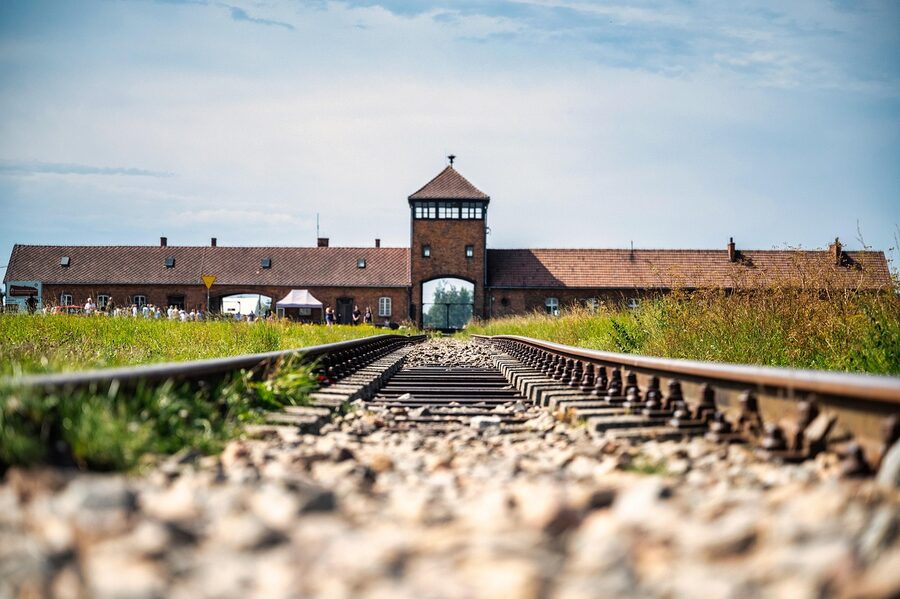
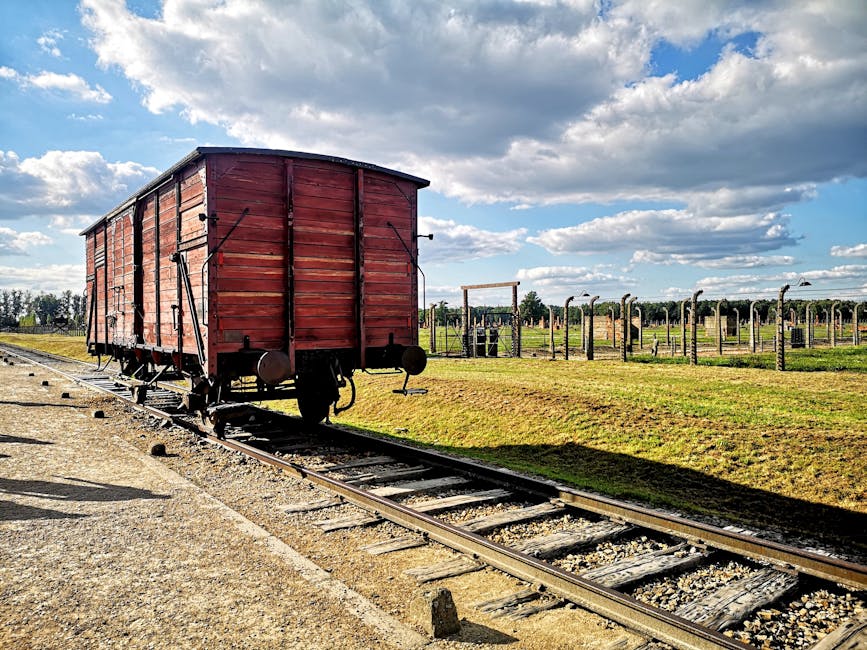
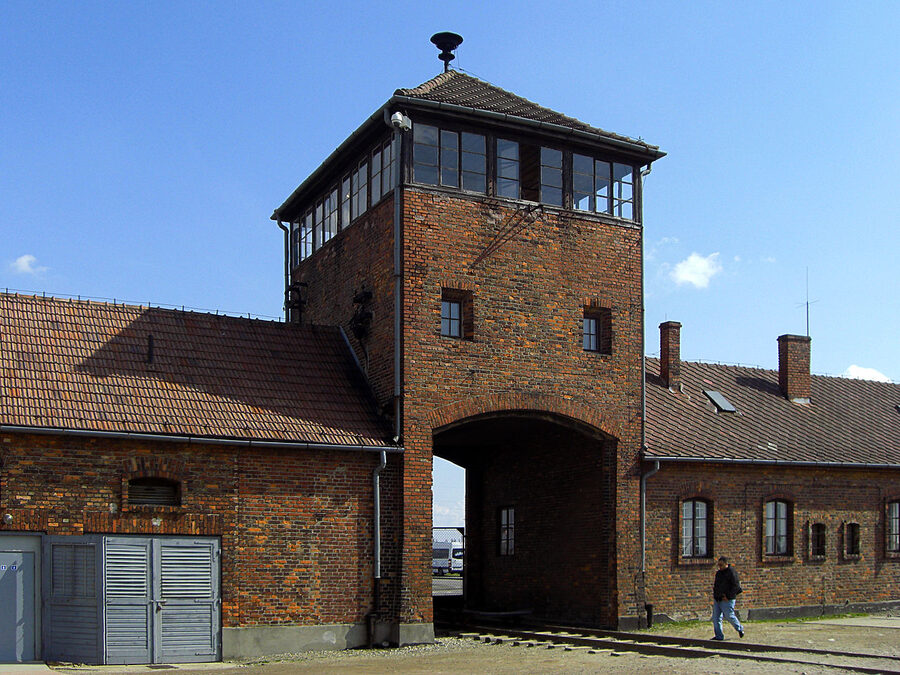
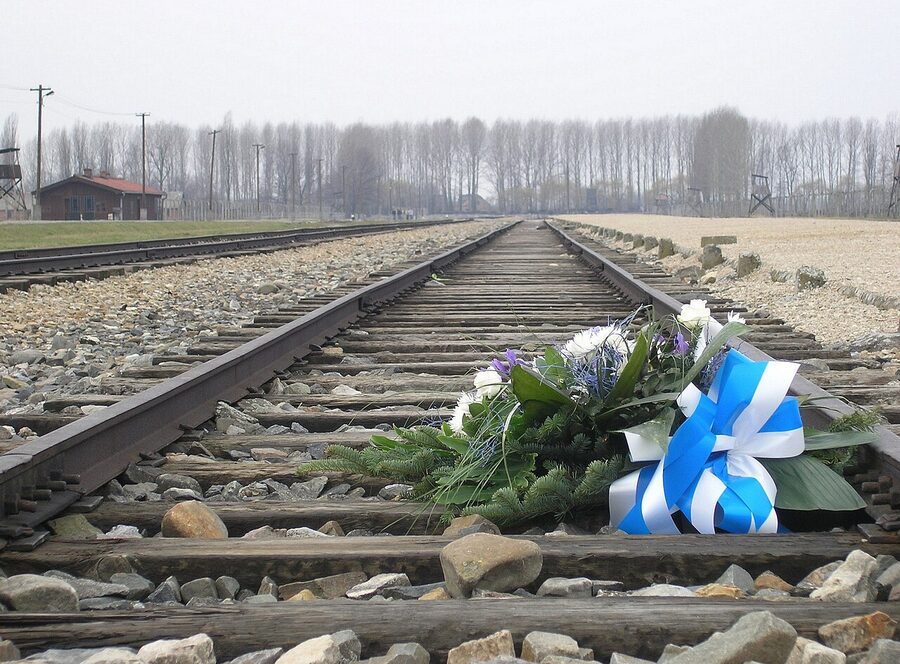
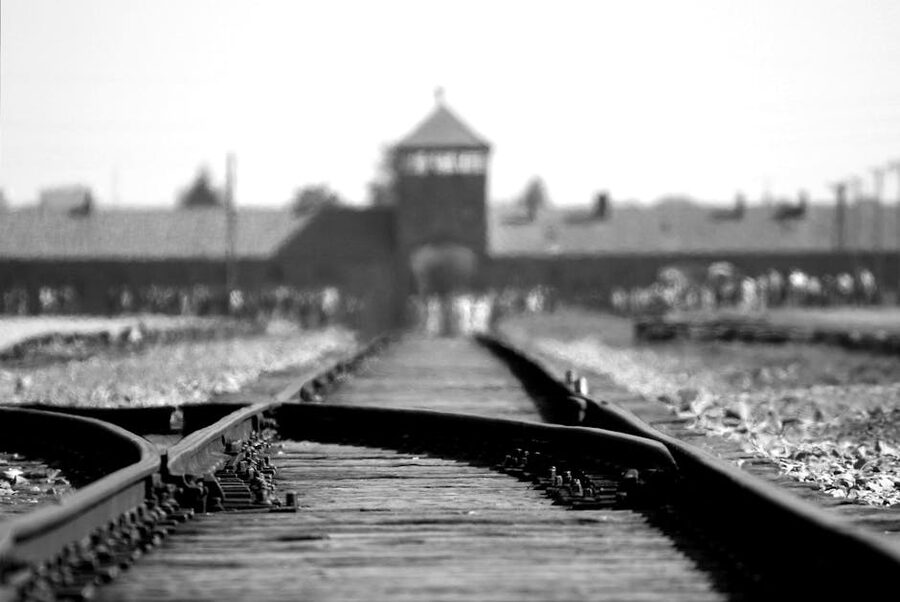
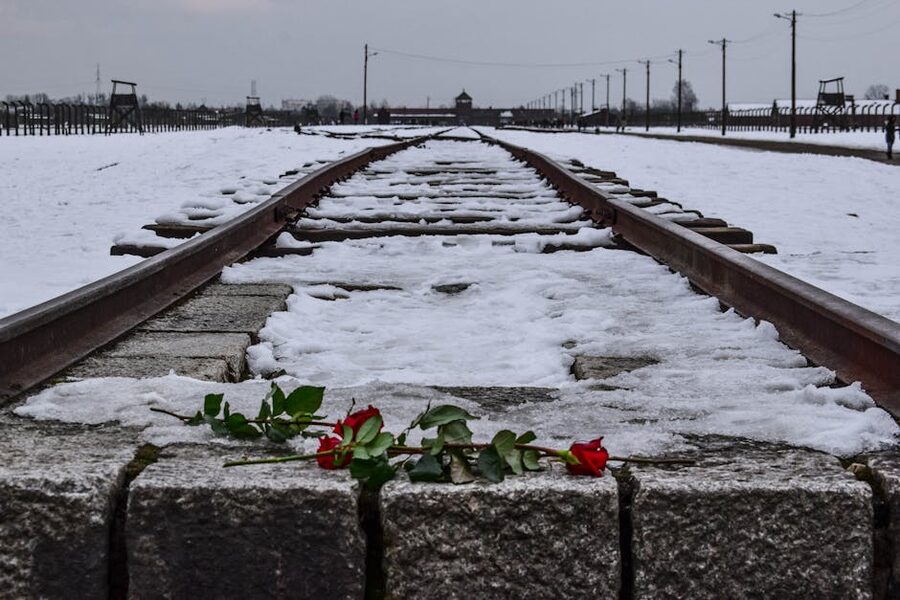
11:30am, transfer 3km to Birkenau. The death camp proper, with the railway running through the gatehouse. You spend an hour here, mostly outdoors. The walk takes you to the ruins of gas chambers and crematoria II and III, which the SS blew up in 1945 as the Soviets approached. You stand on a flat strip of grass that was the largest killing site in human history.
12:30pm, lunch. Whatever your tour includes: a packed bag on the cheaper combos, a hot meal on the higher-end ones. Either way you do not feel hungry. You eat anyway.

1:30-3:00pm, drive to Wieliczka. An hour and a half on the bus, including Krakow ring-road traffic. This is Hannah’s drive. The bus is quiet for the first 40 minutes; people drift in and out of sleep. Somewhere around the time you spot the first signs for Wieliczka, the mood shifts.
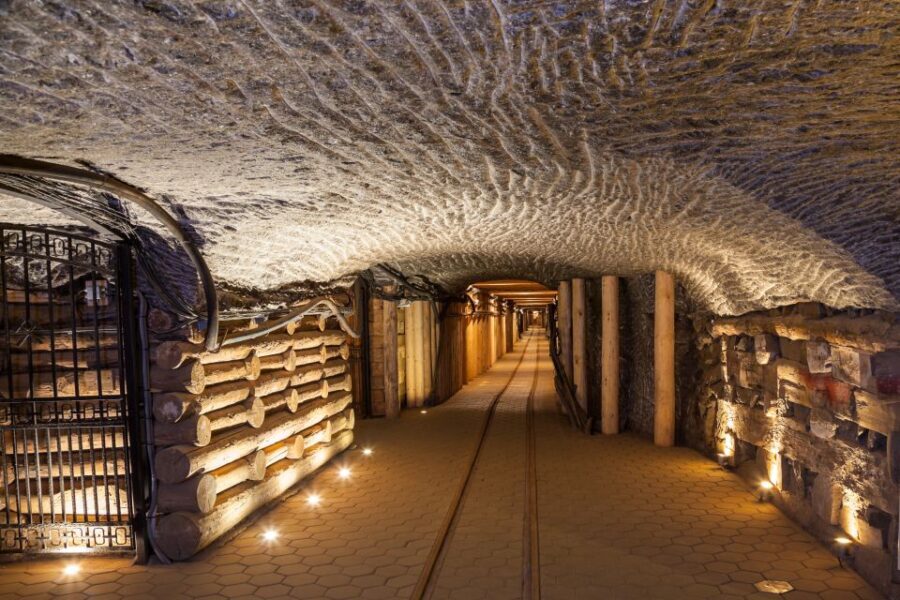
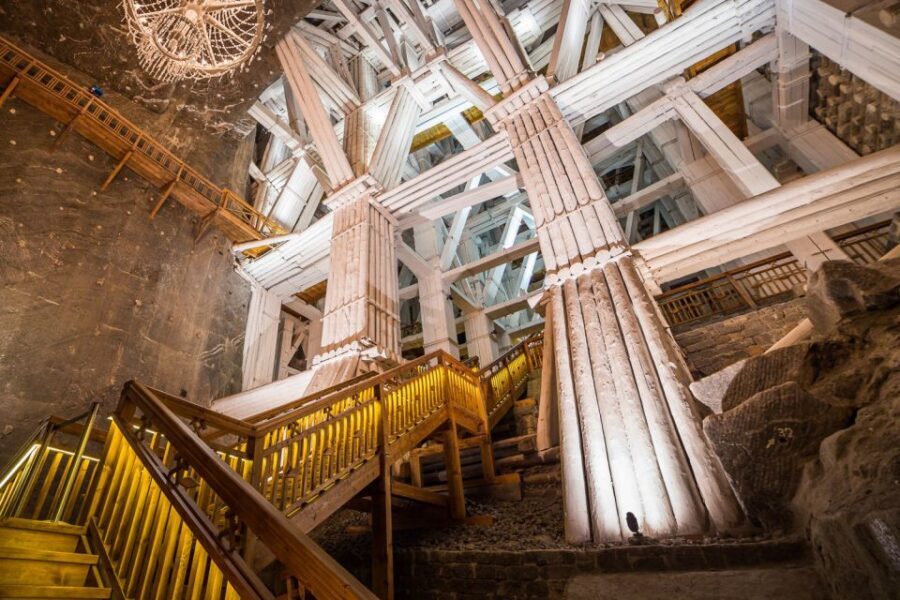
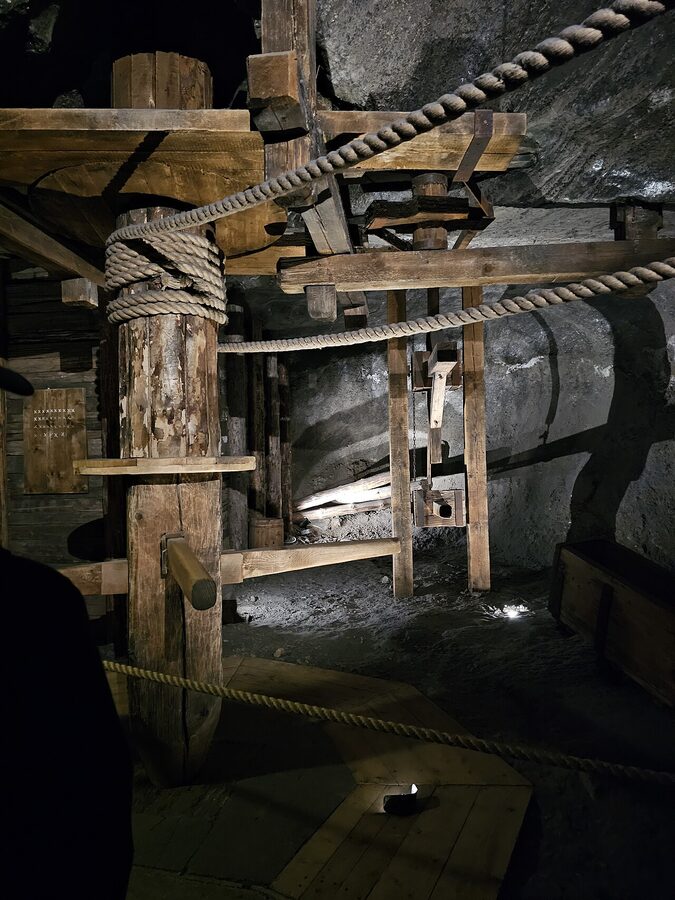
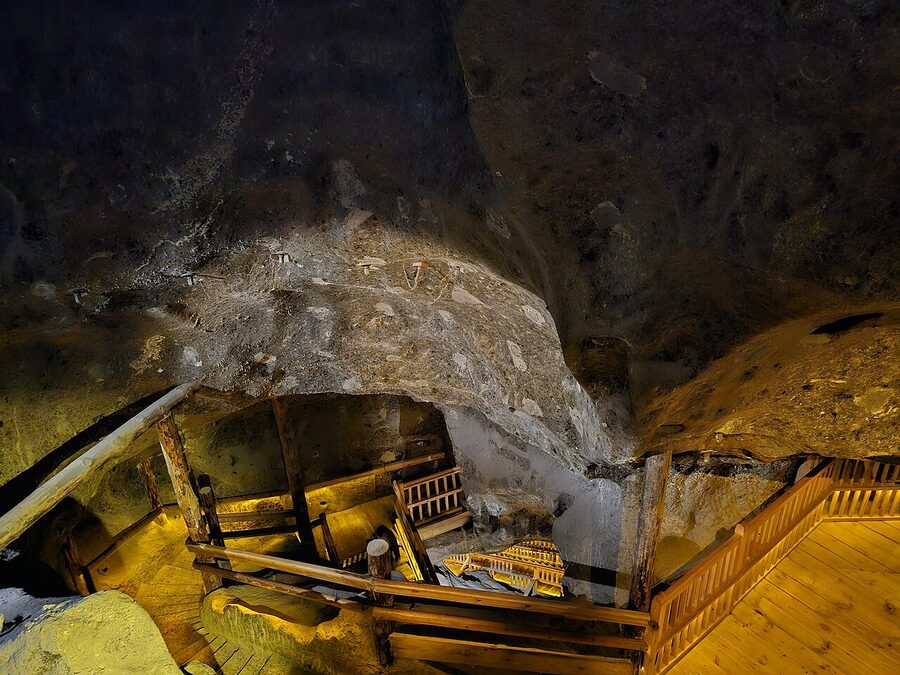
3:00pm, Wieliczka. Brief queue, hand over tickets, and go down. The descent is via a wooden staircase in the Daniłowicz Shaft: 350-odd steps, 64 metres down, in a tight wooden cylinder lit by yellow bulbs. About 7 minutes. No lift on the standard tourist route.
.jpg)
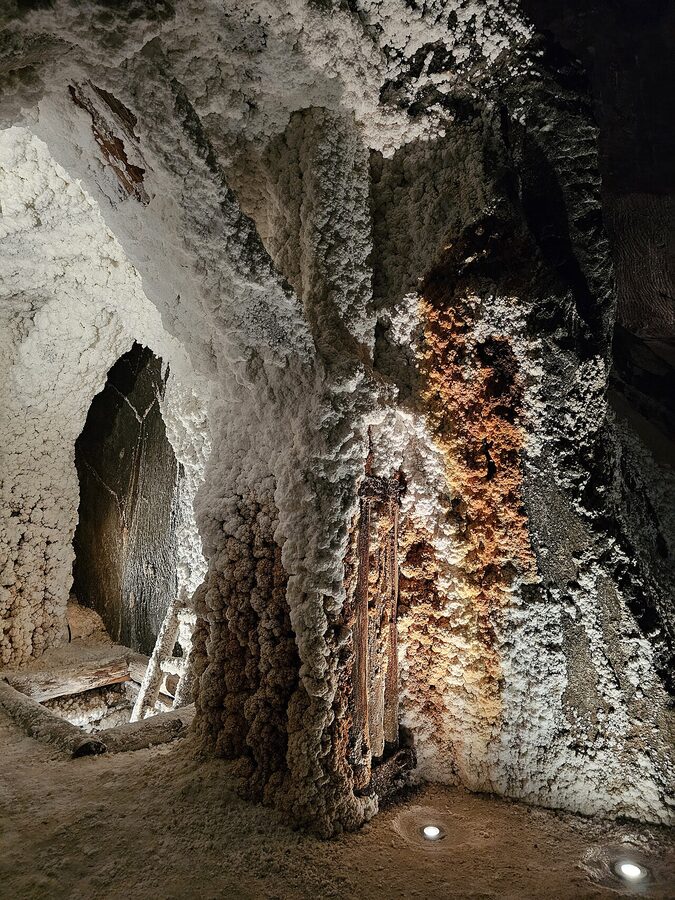
3:15-5:30pm, the salt mine route. A 3.5km loop through 20 chambers across three levels. St Kinga’s Chapel is about 90 minutes in, and you spend roughly 20 minutes there. The mine sits at 14-16°C year-round and the corridors smell faintly mineral. Your salt mine guide is a separate person from your Auschwitz one and meets you at the entrance. The route ends at an underground lake and a souvenir shop nobody enjoys but everybody visits, because the lift back up is right next to it.
5:30pm, the lift up and back to Krakow. A multi-stage industrial mining elevator, dark and slightly thrilling, packed standing with about 30 strangers. You blink into a Wieliczka car park. 25 minutes plus rush-hour traffic to the drop-off in central Krakow.
Auschwitz: getting the visit right
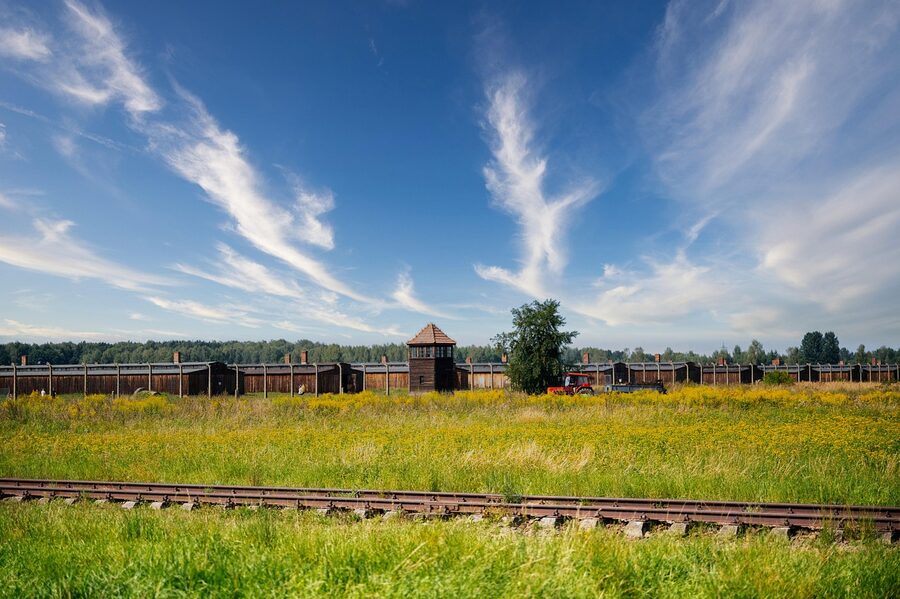
The single biggest mistake people make at Auschwitz is treating it like a museum visit. It is an attempt to stand in a place and feel the weight of what happened there, with the help of someone whose job is to keep that weight bearable.
The official guides (called “educators” by the museum) are extraordinary. Most are Polish, most have studied the site for years, most have a quiet, measured way of presenting evidence without dramatising it. The drama is the evidence. The room of human hair is not theatre. The room of children’s shoes is not theatre. They walk you through it the way a doctor talks you through bad news: slowly, with eye contact, leaving space for you to take it in. You will get headphones for the educator’s audio; museum-issued plastic over-ear sets are tight on some people, so bring your own earbuds if you have them.
Photography and what to bring
Photography is permitted across most of the site but not inside the gas chamber and crematorium I, or in Block 11 in the basement. The guards check. Selfies are not banned outright but they are spectacularly unwelcome; the state museum has run a campaign for years asking visitors not to pose on the railway tracks at Birkenau. Take photos of the buildings, the fences, the watchtowers if you want. Do not put yourself in the foreground.
You can carry a small bag (smaller than 30 by 20 by 10 cm) into Auschwitz I; anything bigger goes in a free locker. Wear walking shoes (Birkenau is uneven gravel) and dress for the weather. No food, no drinks other than water, nothing that reads as flippant.

Children
The Auschwitz-Birkenau Memorial does not recommend visits for children under 14, and some combo operators will refuse to sell you tickets if you are travelling with younger kids. The rule exists because the youngest visitors get distressed in ways adults do not anticipate. If you are travelling with children under 14, do Wieliczka on its own, and visit Auschwitz on a future trip when they are older.
The drive between
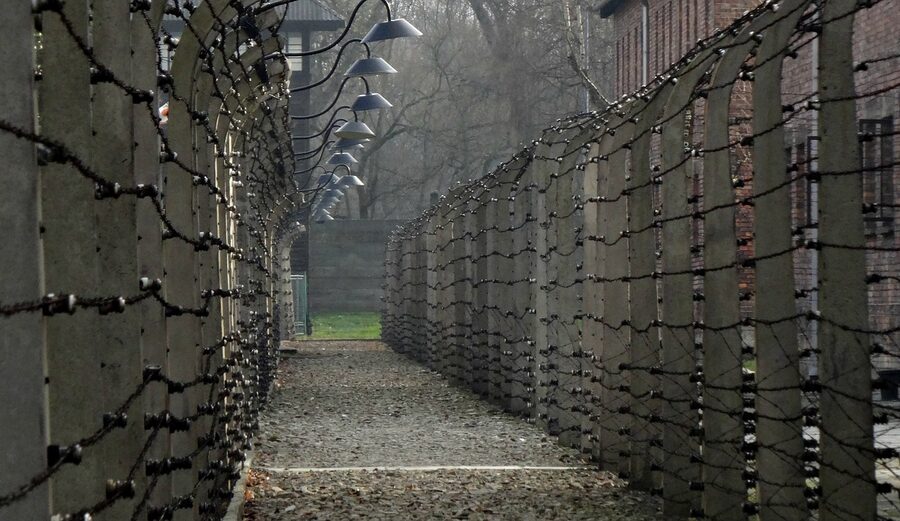
I keep coming back to the drive. It is the only part of the day where you are alone with what you have just seen, and the only part where the day’s two halves meet. Most operators do not run videos or commentary on this leg; they let you sit with it. Some guides quietly start preparing the group for Wieliczka about 30 minutes before arrival, with a soft factual primer (when the mine opened, what to expect from the descent), kept light.
If your bus is the rare one with a chatty operator who plays loud music or runs videos through this leg, that is a regrettable booking. The Viator and GYG products in our top three handle it well; cheaper unbranded combos on smaller booking platforms sometimes do not. If you have noise-cancelling earbuds, this is the one leg of the day to use them. Not for music; for the quiet.
Wieliczka: walking into the salt
.jpg)
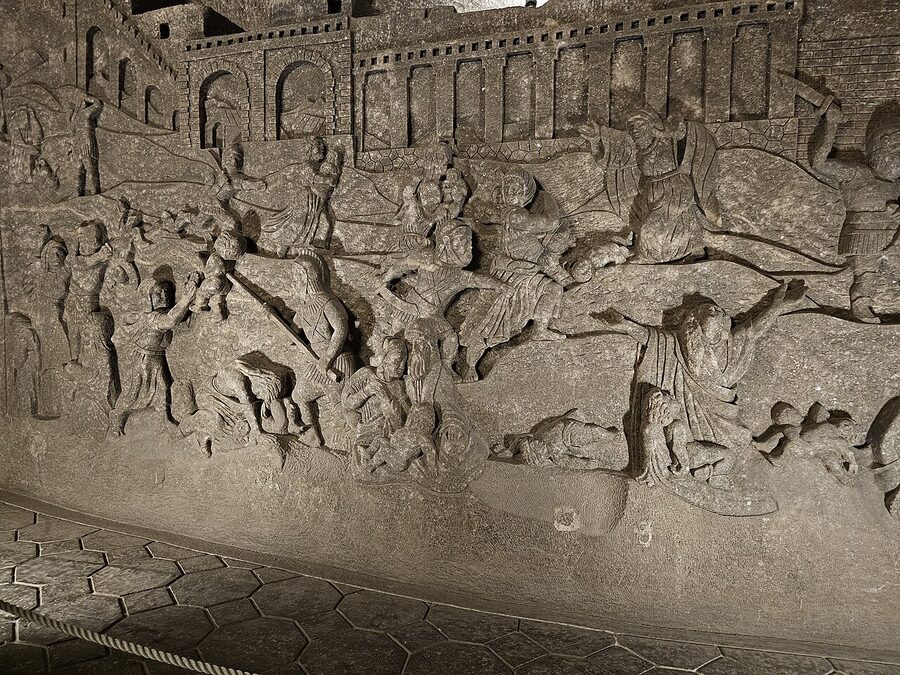
Wieliczka is a working geology museum, an underground cathedral, and one of the older industrial sites in Europe. It opened as a tourist attraction in the early 19th century, though miners had been guiding visitors privately for two centuries before. Goethe came in 1790. The current state-run tourist route covers about 2% of the total mine; the rest is closed, flooded, or reserved for geological study.
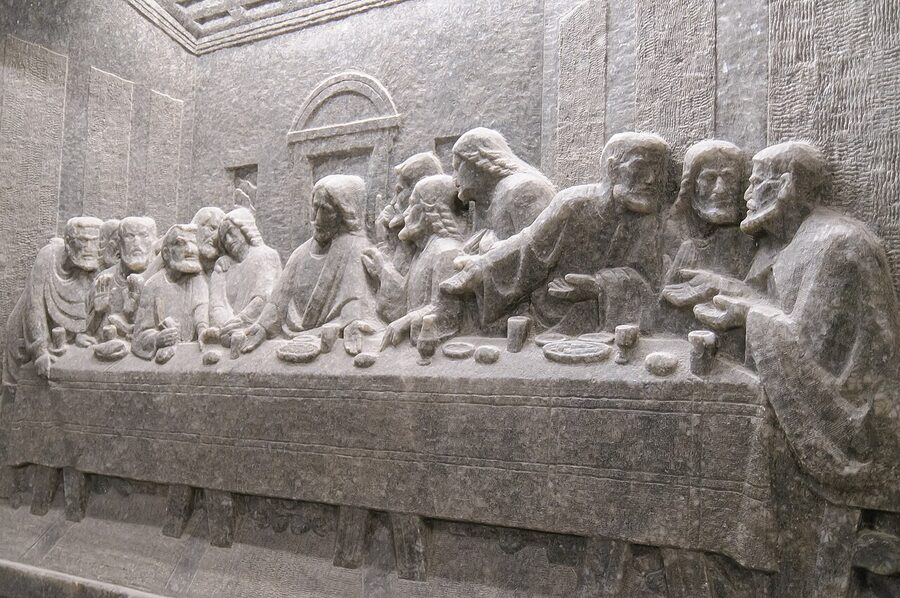
The chambers were carved by miners over 700 years. The salt sculptures, including the chapel, were carved by those same miners on lunch breaks and after shifts, partly out of devotion and partly out of a peculiar Polish miner’s tradition of decorating their workplace. The famous figures at the entrance to St Kinga’s Chapel were carved by three brothers across multiple generations. They are the work of professional miners who happened to be extraordinary sculptors.

St Kinga’s Chapel: the part everybody talks about
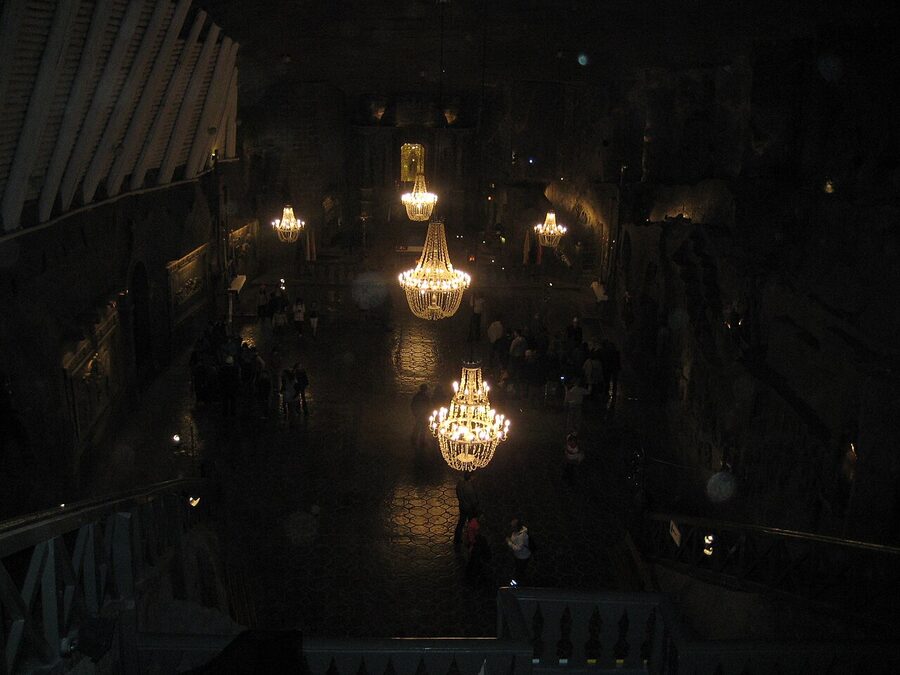
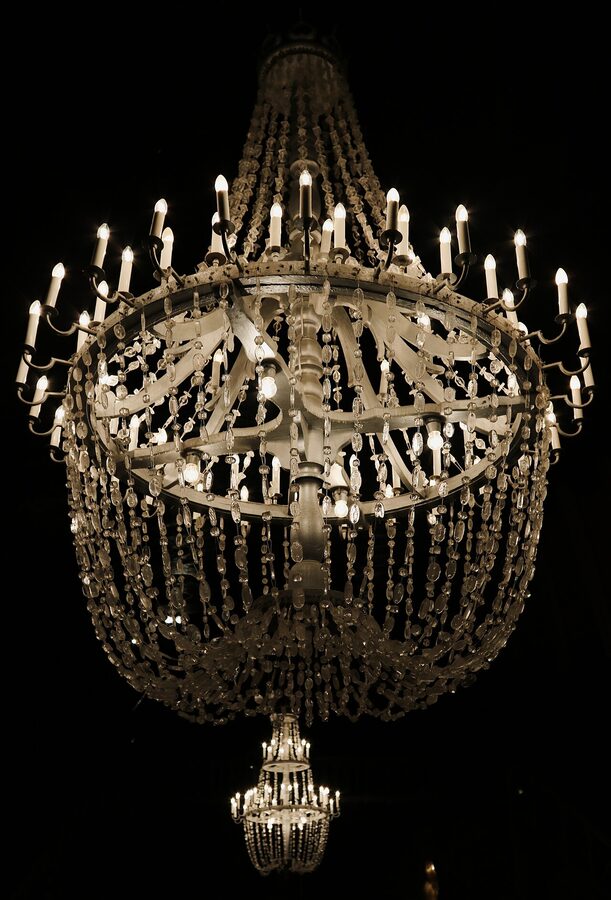
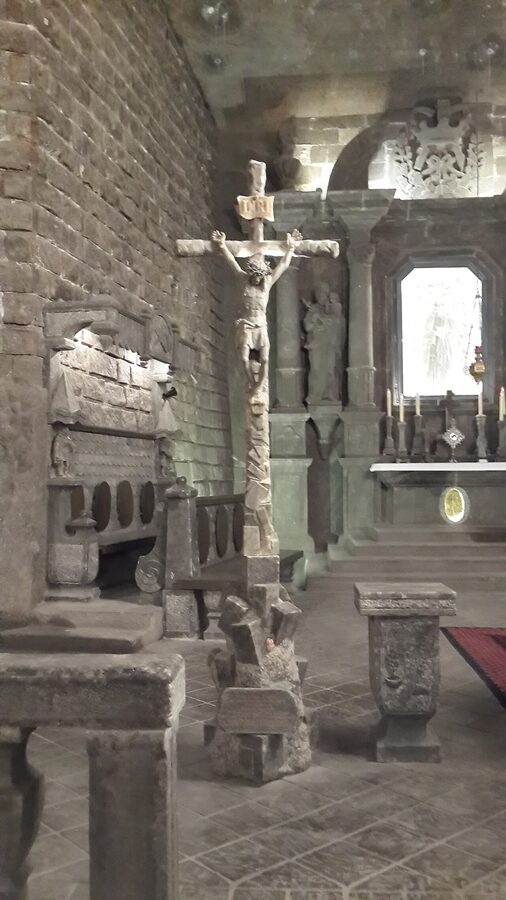
The chapel is not a chapel in the architectural sense. It is a 54-metre-long chamber, 18 metres wide, 12 metres ceiling, all carved from rock salt. The floor is tiled in salt. The chandeliers are carved salt. The altars, bas-reliefs, statue of Pope John Paul II at the back: all salt. The acoustics are extraordinary; if a choir is rehearsing when you arrive (sometimes the case on Sundays), you stop. The chandeliers are the detail photographs cannot capture: each one carved from salt crystals dissolved and re-crystallised to a transparent grade. Rock salt is more refractive than glass and less uniform than crystal. They look both home-made and palatial.

What you actually see on the route
The 3.5 km tourist route covers around 20 chambers across three levels (64m, 90m, and 135m below the surface). After the entrance staircase you pass salt statues of Nicolaus Copernicus (said to have visited in person), the legend of St Kinga and her ring carved in figure groups, a 17th-century horse-driven salt-treadmill in the Casimir the Great Chamber, the Stanisław Staszic Chamber with a 36-metre-high vaulted ceiling, an underground brine lake, and St Kinga’s Chapel as the centerpiece.
.jpg)
If you are doing the combo and you want a deeper Wieliczka experience, you cannot have it. The Tourist Route is what combo groups get. There is a longer “Miners’ Route” that lasts three hours, kits you out in overalls and a helmet, and takes you through working areas of the mine, but it is incompatible with the combo schedule. If that route appeals to you, do Wieliczka separately on a different day; we cover that option in our Wieliczka tickets guide.
Practical things at Wieliczka
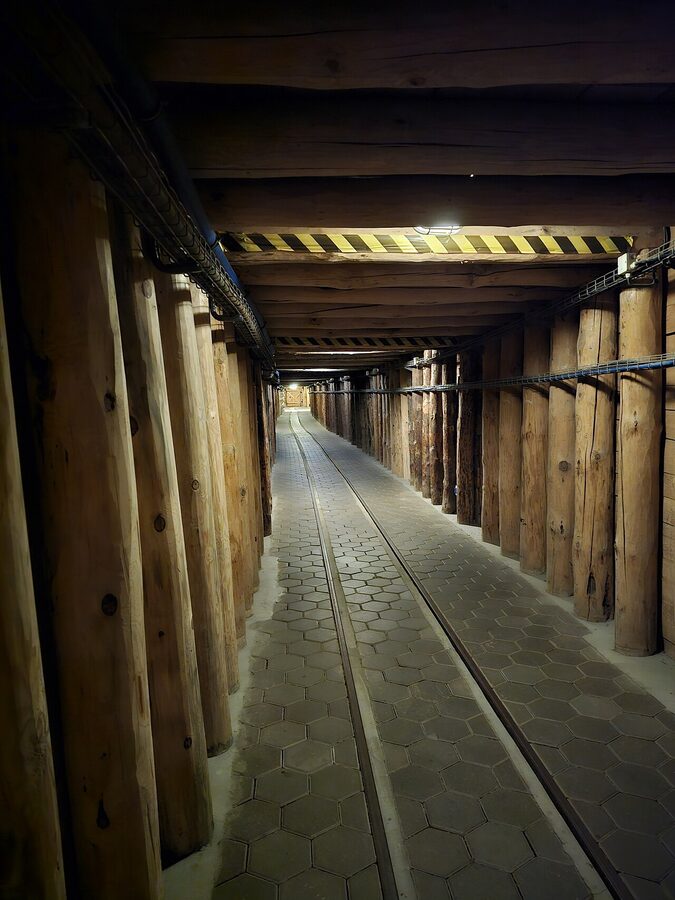
Bring a light jacket. The mine sits at 14-16°C all year regardless of the surface temperature. In July, walking out of 32-degree Krakow into the mine is genuinely cold for the first 20 minutes. Wear shoes you trust: the route is mostly flat after the descent but the older chambers have a salt floor worn smooth by feet. Toilets are at the start of the route and at one stop in the middle, not in the chapel area. Photography (including flash) is permitted on the standard route; tripods are not allowed for organised groups.
.jpg)
The contrast nobody warns you about
Hannah’s email comes back to this. The combo is, oddly, a single experience rather than two separate visits. You spend the morning in a place built to destroy people, and the afternoon in a place where ordinary working people built beauty out of the ground beneath their feet. The Auschwitz museum was set up in 1947, by survivors, to make sure nobody could deny what had happened. The Wieliczka mine had been carved on for 700 years before the SS arrived in Poland. They sit about an hour and a half apart by bus. About as close as the human capacity for evil is to the human capacity for grace, which is, it turns out, pretty close.
That is what you bring back from this day. Not a list of facts about gas chamber capacities or salt-carving techniques. Something messier. Something Hannah was still chewing on a year later.

Doing the day on your own (and why I would not)
You can technically self-drive the combo. Auschwitz is on the A4 motorway, just under an hour from Krakow; Wieliczka is on a separate Krakow-region road, roughly 20 minutes south of the city. Both have car parks and both sell timed-entry tickets directly. I do not recommend this for the combo, because the timing is fragile: Auschwitz educator-led English slots release a few days in advance and disappear quickly in summer, and Wieliczka tourist route slots have separate availability windows that may not match what is left at Auschwitz.
Public transport is worse. The Krakow-Auschwitz bus is 1.5 hours each way and Wieliczka is on a suburban train south of the city, so combining them in a day means a 2.5-hour return bus from Auschwitz then a separate train back out to Wieliczka. By that point the last Wieliczka entry slot at 3:30pm has gone. If you are determined to do this on your own, split it across two days: a guided tour for Auschwitz one day, the train for Wieliczka the next.
Best time of year
The combo runs year-round. Both sites are open daily except for a small list of holidays (Christmas Day, New Year’s Day, Easter Sunday). April to May and September to mid-October are the best windows: cool, dry, fewer groups. June to August is peak; book three to four weeks ahead, and expect heat at Auschwitz (Wieliczka stays 14-16°C all year regardless). November to March is quietest, and Birkenau in driving rain or snow is harsh. Bring proper weather kit if you go in winter.
Tipping and small etiquette
Tipping the operator’s coach guide is appreciated, not expected. Around 30-50 zloty per person is normal. Hand it directly to the guide as you get off. The Auschwitz educator and Wieliczka guide are state employees, not tipped as a rule. Phones stay on silent at Auschwitz throughout.
What to do that evening
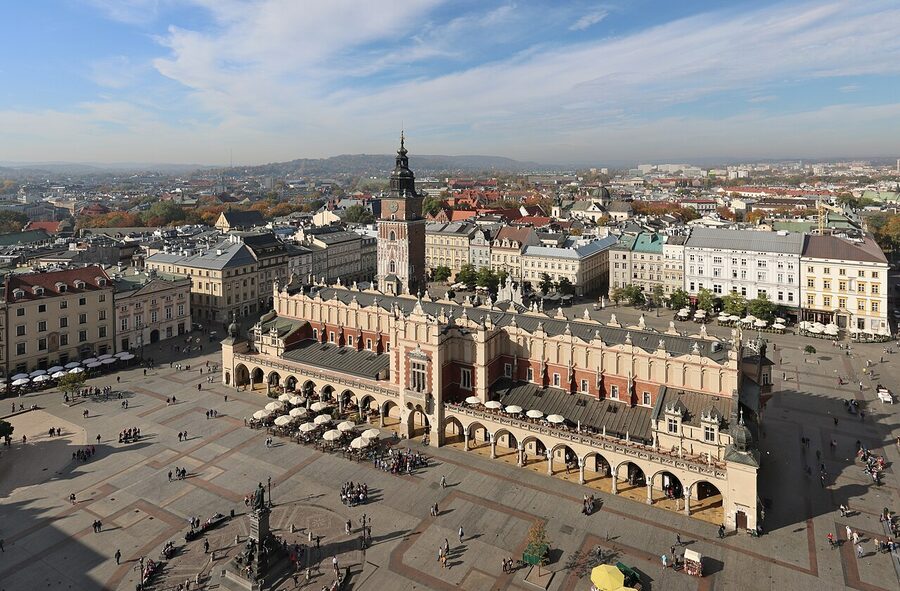
Your guide drops you back in Krakow between 6:30 and 8pm. You will be tired in a way you have not been tired all trip. Plan to do almost nothing. If you can stomach food, Polish żurek (sour rye soup with sausage) is the right thing. If you cannot, sit in Rynek Główny with a beer and watch the trumpeter from St Mary’s Basilica do the hejnał on the hour.

Skip the heavy nightlife on combo day. Save the ruin bars and the vodka tastings for a different night.
The questions readers send most
Is the combo emotionally too much? For some people, yes. About one in ten readers say they wish they had split the day. About one in ten say the contrast was the point. The rest find it doable but heavy.
Will I have time at both sites? Yes: Auschwitz I gets 90 minutes, Birkenau 60, Wieliczka 2.5 hours. Enough at all three for the core route. Not enough for a deep Auschwitz visit (six hours would be).
Are these two sites accessible? Auschwitz I is mostly step-free, Birkenau is outdoor gravel, Wieliczka has the wooden staircase descent. Combo tours generally do not accommodate wheelchair users; book the sites separately and use the museum’s accessible routes if mobility is a constraint.
.jpg)
Other Krakow guides
If the combo feels like too much, our Auschwitz from Krakow guide covers the half-day options that finish by 3pm, and the Wieliczka tickets guide is for doing the salt mine on its own (including the longer Miners’ Route). For a lighter day after this, the Krakow Old Town walking tour covers the Main Square and St Mary’s Basilica in two hours, and the Krakow bike tour takes you through Kazimierz and the Vistula riverside in three. Schindler’s Factory extends the WW2 thread without going back to Auschwitz. The Zakopane day trip swings the mood the other way: mountains, sheep cheese, no wartime history. Wawel Castle and the Vistula river cruise both make for good post-combo evenings.
This site uses affiliate links to GetYourGuide and Viator. If you book through them, we earn a small commission at no extra cost to you. Prices, schedules, and availability are accurate at the time of writing and subject to change without notice.