
Walking the perimeter of Krakow’s Old Town takes about twenty minutes. You can stroll the Main Square, peek at the Cloth Hall, look up at St Mary’s, and tick the postcard off your list before lunch. But Krakow doesn’t really live there. Get on a bike and the same ninety minutes pulls you out to Kazimierz, down to the Vistula riverbank, past the surviving fragment of the ghetto wall in Podgórze, and back through Planty Park, covering four or five times the ground without breaking a sweat.
That’s the case for booking a bike tour here. Krakow is famously flat, the historic centre is closed to most cars, and the bike path along the Vistula is one of the best urban riverside rides in Europe. A guided ride solves the navigation problem (the cobblestones in the Old Town will rattle your teeth if you ride them wrong) and gets you across the river to the Jewish district and the Podgórze side, which most people never see on foot.
.jpg)
- In a Hurry? Three Bike Tours That Actually Deliver
- Why a Bike Tour Beats a Walking Tour Here
- The Three Bike Tours Worth Booking
- 1. Complete Krakow Bike Tour, Small Group of Max 8:
- 2. Krakow Bike Tour of Old Town, Jewish Quarter and the Ghetto:
- 3. Sightseeing Bike Tour of Krakow:
- What You’ll Actually See on the Route
- Rynek Główny (Main Market Square) and the Cloth Hall
- St Mary’s Basilica and the Hourly Trumpet Call
- The Barbican and St Florian’s Gate
- The Planty Park Loop
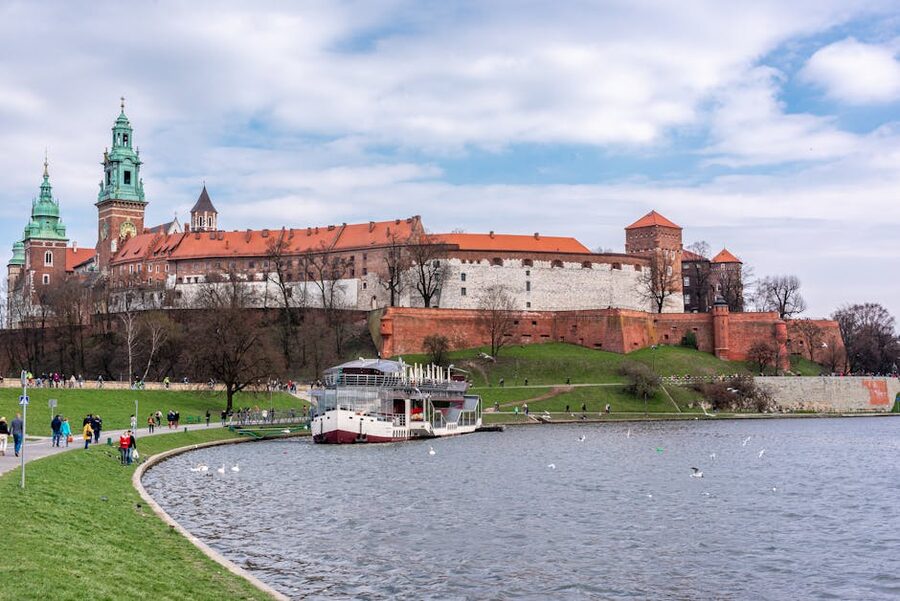
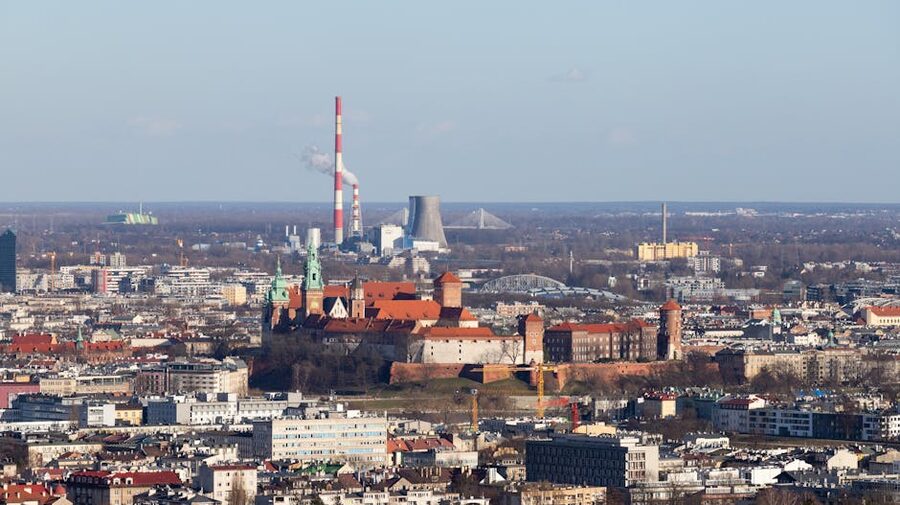
- Wawel Hill and the Castle
- The Vistula Riverbank Path
- Kazimierz, the Jewish Quarter
- Across the Bridge to Podgórze
- How to Pick the Right Tour for You
- What to Wear and Bring
- When to Go
- Booking Logistics, Cancellation, and Meeting Points
- A Quick Honest Note on the Bad Tours
- A Brief Bit of Bicycle History (Why Krakow Works for This)
- Combining the Bike Tour with Other Krakow Stops
- Where to Go After the Tour
- Other Krakow Guides Worth Reading
In a Hurry? Three Bike Tours That Actually Deliver
Best overall: Complete Krakow Bike Tour, small group of max 8 from $39. Three hours, English-speaking guide, hits Old Town, Kazimierz and the Vistula loop. The cap on group size is what makes it.
Best for the Jewish Quarter: Krakow: Bike Tour of Old Town, Jewish Quarter and the Ghetto from $37. Goes deeper into Kazimierz and crosses to Podgórze for the ghetto sites. About 25 stops in three to four hours.
Best on a budget: Sightseeing Bike Tour of Krakow from $36 for four hours. Slower pace, plenty of stops, and it’s the longest of the three for the lowest hourly rate.
Why a Bike Tour Beats a Walking Tour Here
Krakow’s compact centre is a trap. It looks small on the map, so first-timers walk it, and after two hours of cobblestones they’ve barely left the Main Square. A bike tour breaks that. You’ll cover the Old Town in the first thirty minutes, then keep going where walkers turn back.
The other thing bikes solve: distance to the parts that matter. Kazimierz is about 1.5km from the Main Square. Podgórze, where Schindler’s Factory and the ghetto stood, is another 1km past that. Walking those legs in summer heat with a guide is a slog. Riding them is genuinely fun, and you arrive ready to listen instead of looking for a bench.
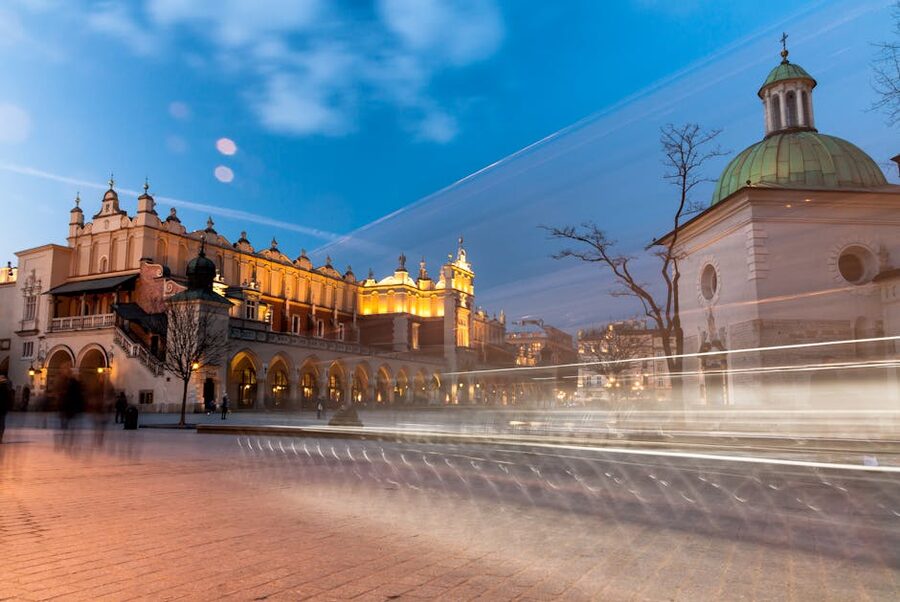
One honest caveat. The Old Town centre itself, especially the Main Square, is not a great riding surface. The cobblestones are rough and crowded with pedestrians most of the day. Decent guides know to walk the bikes through the busiest stretches and ride the perimeter on Planty Park, which is far smoother. Cheaper or rushed operators try to ride straight across the square. Avoid those, and you’ll have a much better time. For a slower, fully on-foot version of the same circuit, see how walking tours work in Lisbon, where the streets are similarly cobbled but with steep hills, which is a useful contrast.
The Three Bike Tours Worth Booking
I’ve cross-checked the operators on the market against what they actually deliver and how much pavement they cover. These are the three I’d put money on, in order.
1. Complete Krakow Bike Tour, Small Group of Max 8: $39
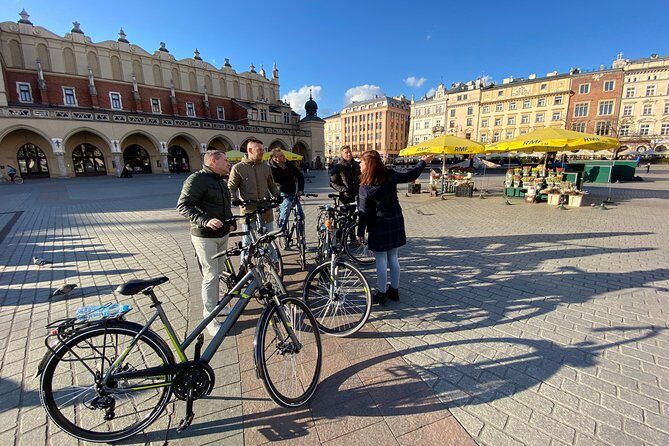
This is the one I’d book first if you’re new to Krakow. Three hours, the cap is non-negotiable at eight riders, and guides like Mir and Brian get name-checked in nearly every review. Our full review of the Complete Krakow Bike Tour covers exactly which stops you’ll hit and where the bigger groups don’t go. The route is the standard Old Town, Wawel, Kazimierz, Podgórze, and Vistula loop, but the small cap means you’ll actually hear the guide.
2. Krakow Bike Tour of Old Town, Jewish Quarter and the Ghetto: $37
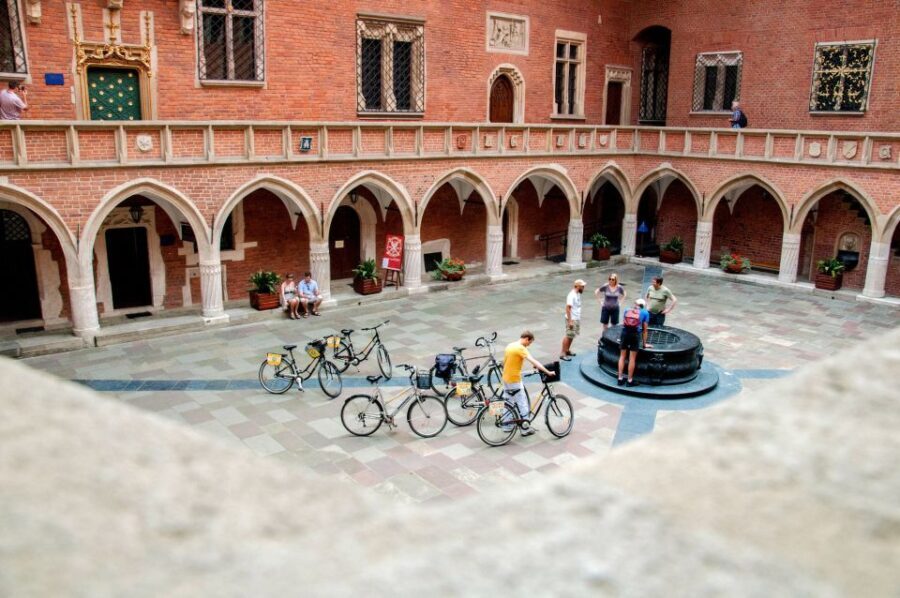
If the Jewish history of Krakow is what’s pulling you here, book this one. Around twenty-five stops in three and a half hours, with a stronger Kazimierz and Podgórze focus than the general bike tours. The guides on this one tend to know the WWII material in real depth, not just headline dates. Our full review of the Old Town and Jewish Quarter bike tour goes through what’s covered at each stop and how it pairs with Schindler’s Factory if you want to do both in a day.
3. Sightseeing Bike Tour of Krakow: $36
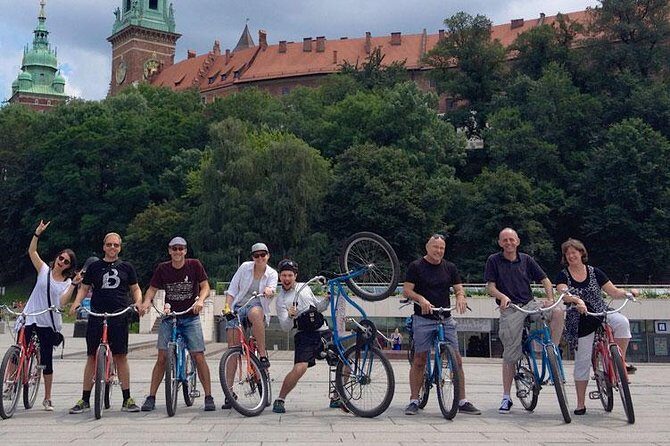
The longest of the three at four hours, with guides like Mike and Zoe who get a lot of repeat name-drops in the reviews. The pace is slower, the stops are longer, and it’s the pick if you’d rather take it easy than rip through stops. Hits the Main Square, Wawel, Kazimierz and beyond, and you’ll find more in our full review of the Sightseeing Bike Tour of Krakow, including which families it suits and which it doesn’t.
What You’ll Actually See on the Route
Most Krakow bike tours run a roughly figure-eight route that ties together the Old Town, Wawel Hill, Kazimierz, and the Podgórze side of the river. The order varies, but the stops are remarkably consistent across operators. Here’s what to expect.

Rynek Główny (Main Market Square) and the Cloth Hall
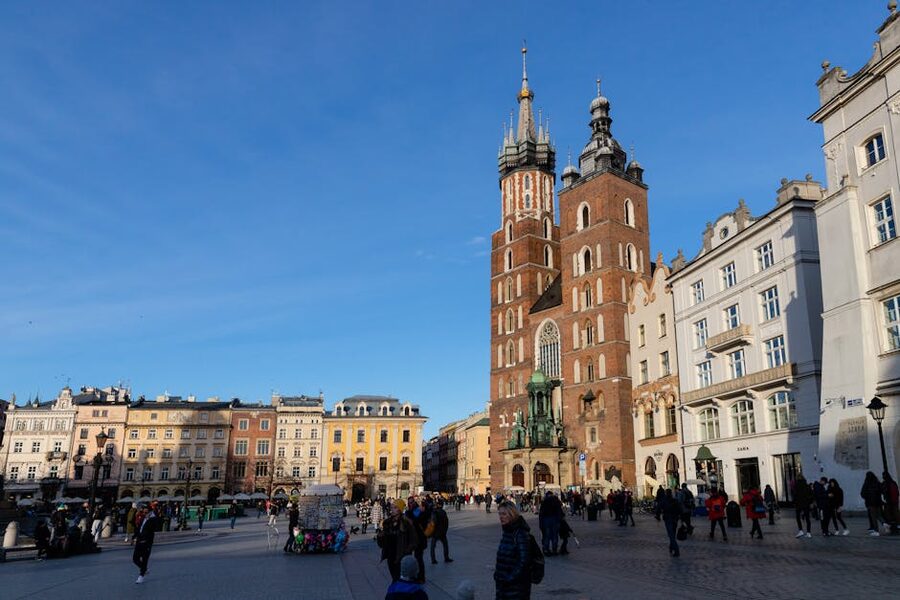
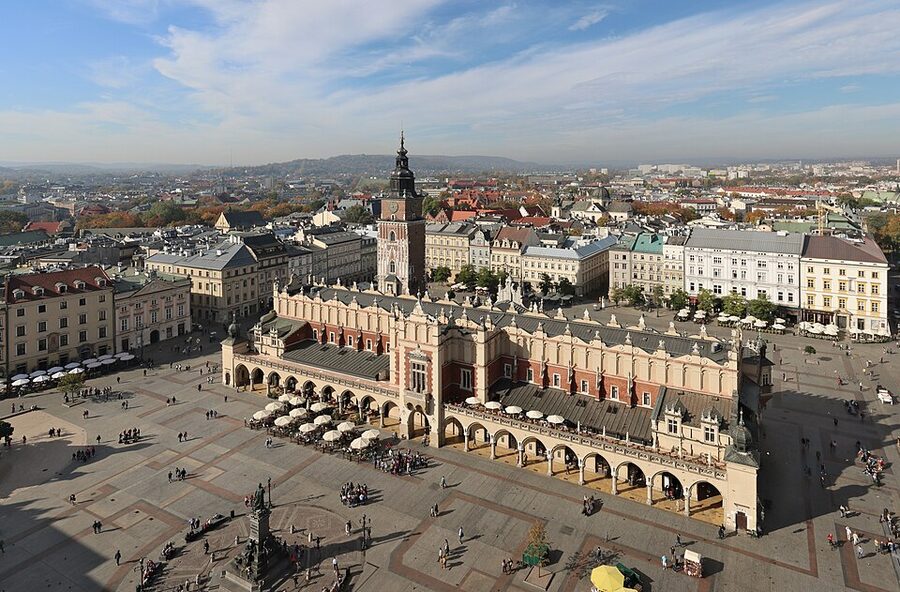
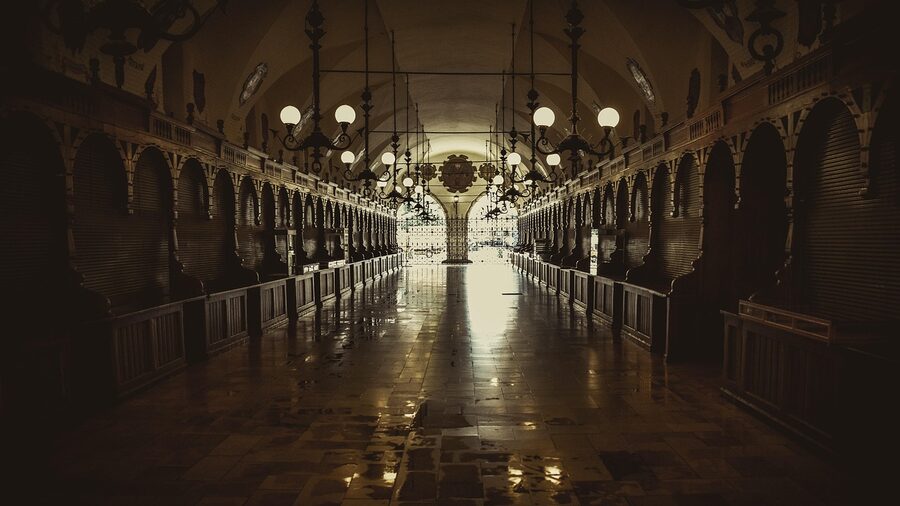
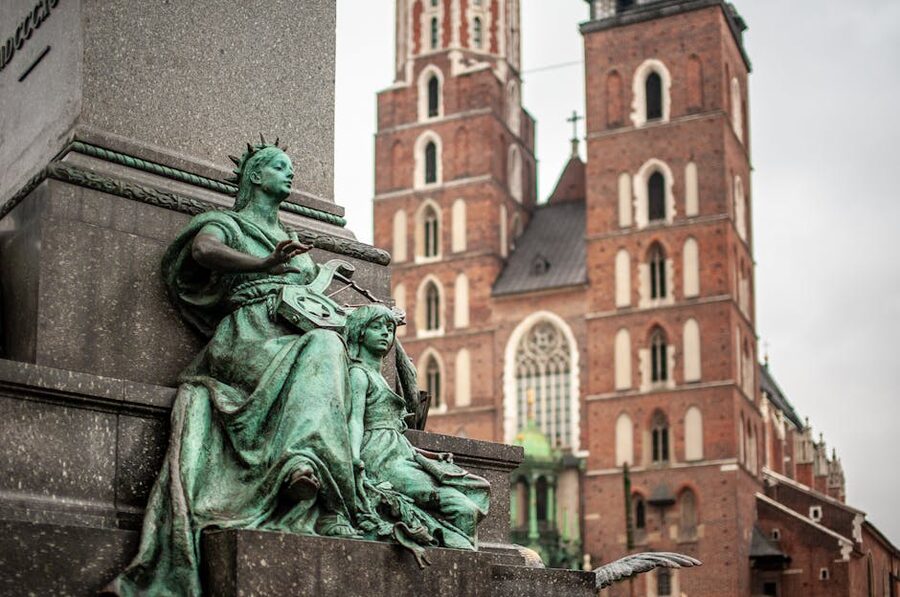
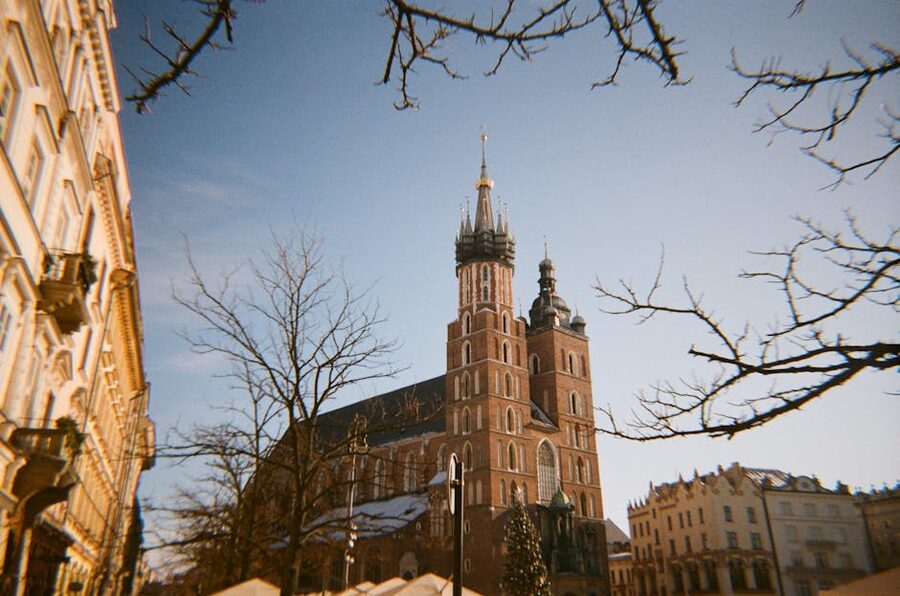
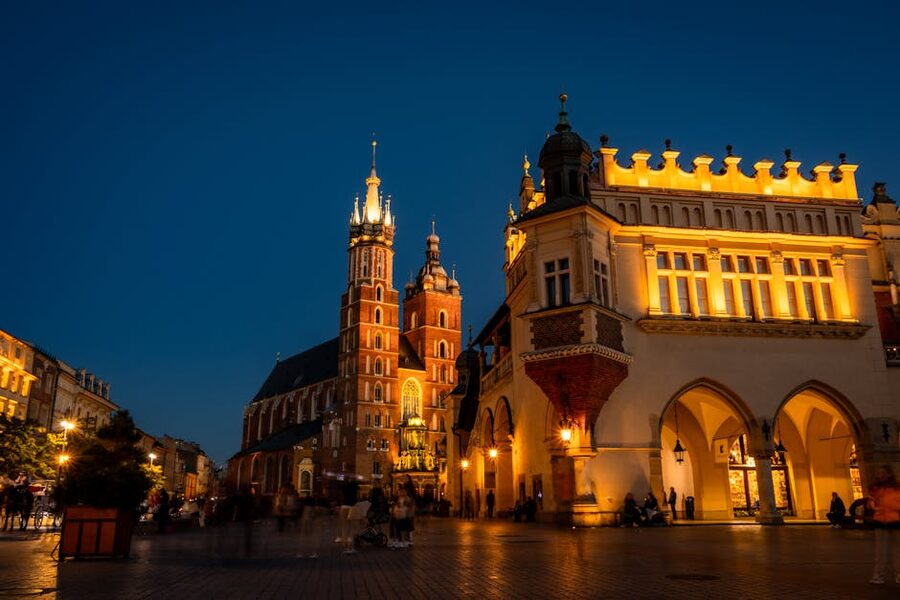
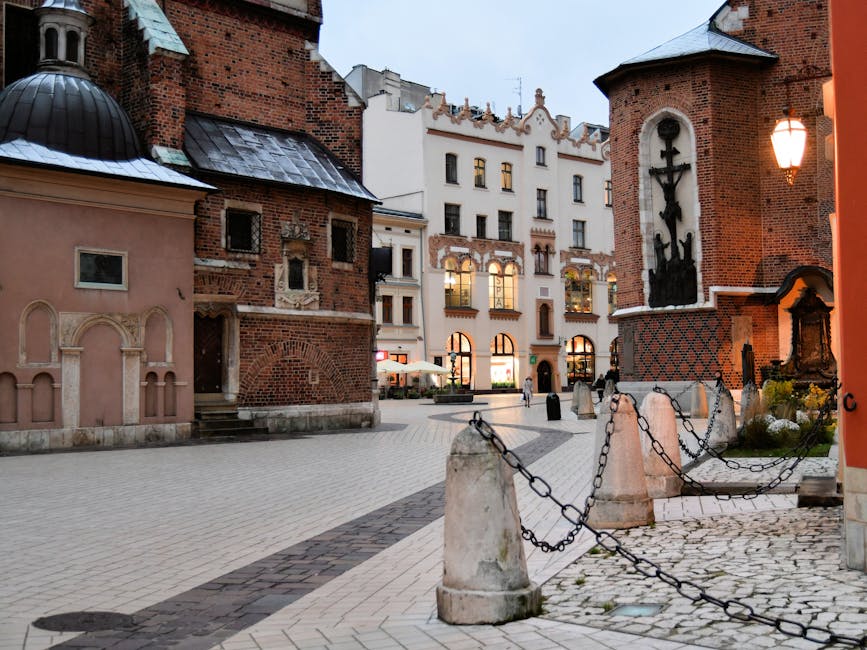
You’ll start somewhere near the Main Square, where the meeting points cluster. The square itself is one of Europe’s largest medieval squares (roughly 200 by 200 metres), with the Cloth Hall (Sukiennice) cutting through the middle. It’s been a market since the 13th century. Most tours don’t try to ride through; they roll the bikes around the perimeter and pause for the trumpet call from St Mary’s tower, which still happens every hour and famously cuts off mid-note.

St Mary’s Basilica and the Hourly Trumpet Call
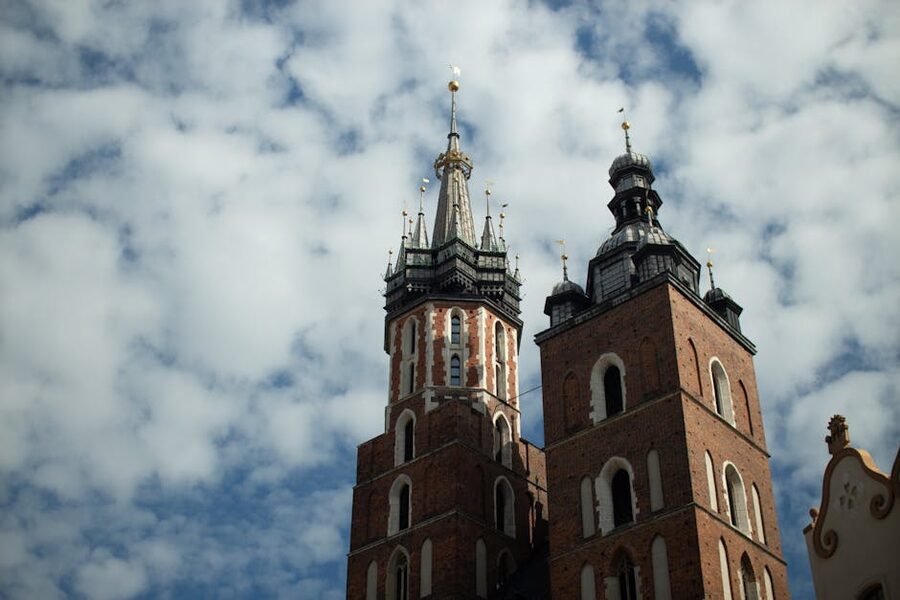
Try to time your tour so you’re near the square on the hour. The trumpeter (a real person, in the tower, all day, every day) plays the Hejnał from each of the four windows. He stops mid-melody to commemorate a 13th century trumpeter who, the legend goes, was shot through the throat by a Tatar arrow while sounding the alarm. It’s a small thing, but it’s the kind of detail you’d miss on your own.
The Barbican and St Florian’s Gate
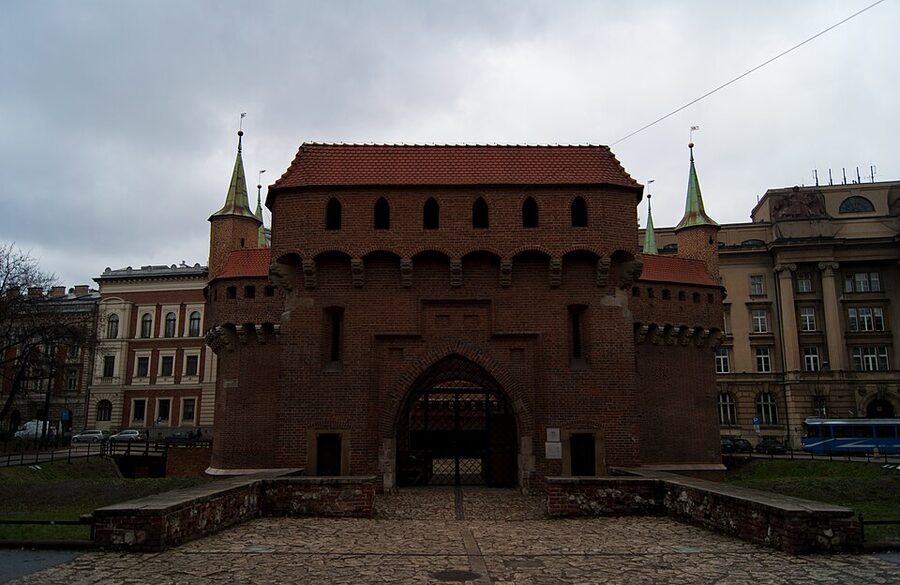
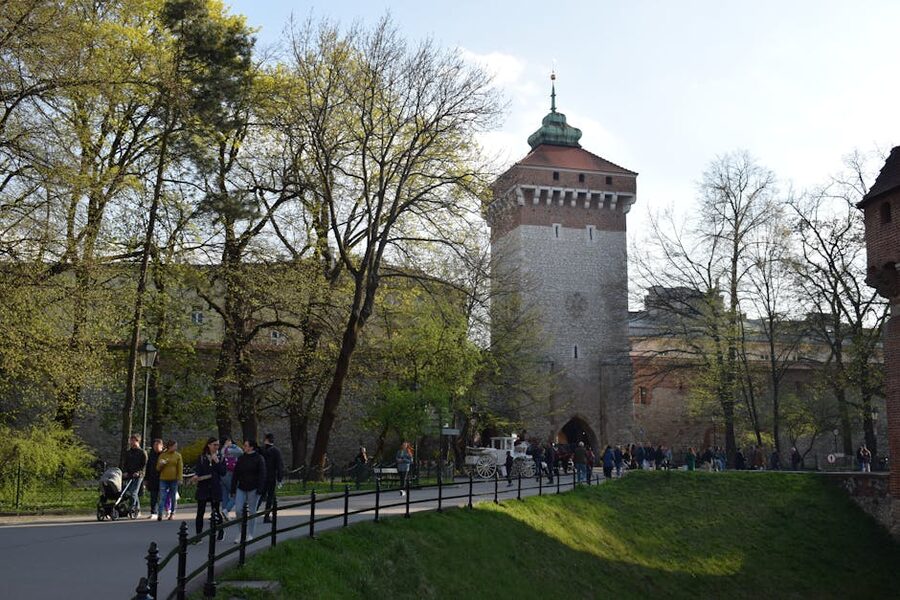
Up at the north end of the Old Town, the Barbican is the round 15th-century brick fortification that used to guard the city gate. It’s connected to St Florian’s Gate by a stretch of medieval wall, and bike tours usually pause here for a quick stop. Some routes start here instead of the Main Square, since the meeting points around the Planty are easier on bikes than the cobbled centre.
.jpg)
The Planty Park Loop
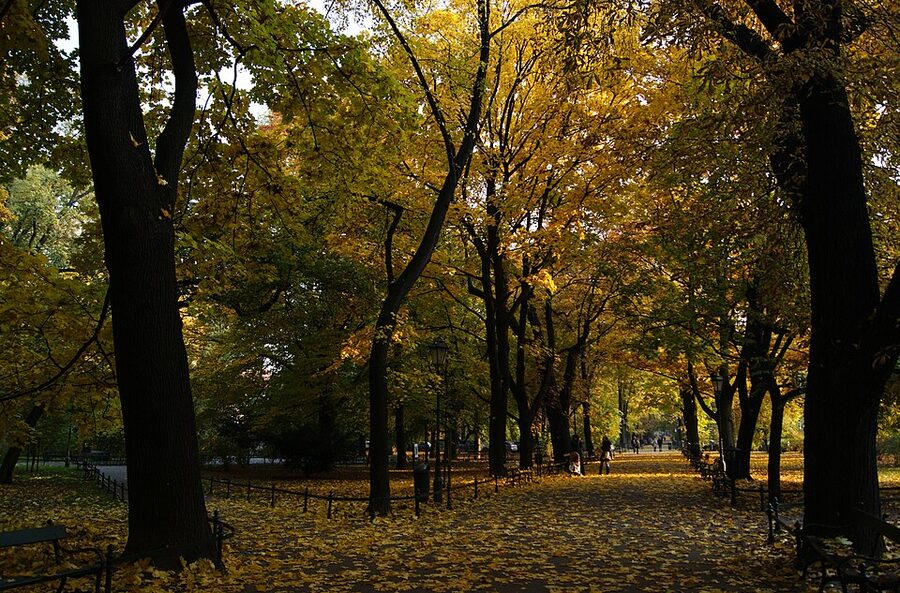
Where the medieval walls used to stand, there’s now a green ring of park called Planty. It runs all the way around the Old Town, about four kilometres in total, and it’s the smoothest, most pleasant riding inside the centre. Most tours use Planty as their connector between the Old Town stops, the Barbican, and the route down to Wawel. The path is paved, mostly flat, and shaded in summer.

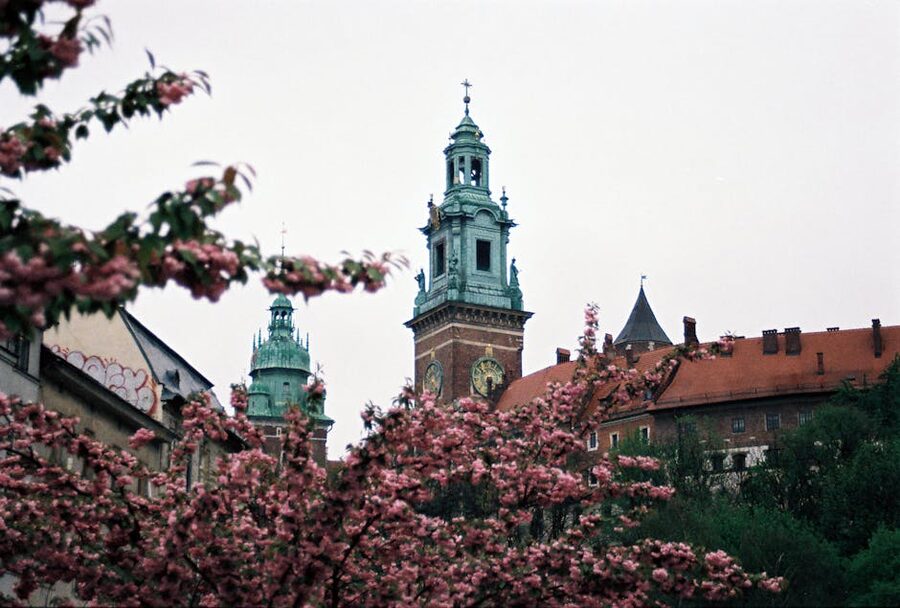
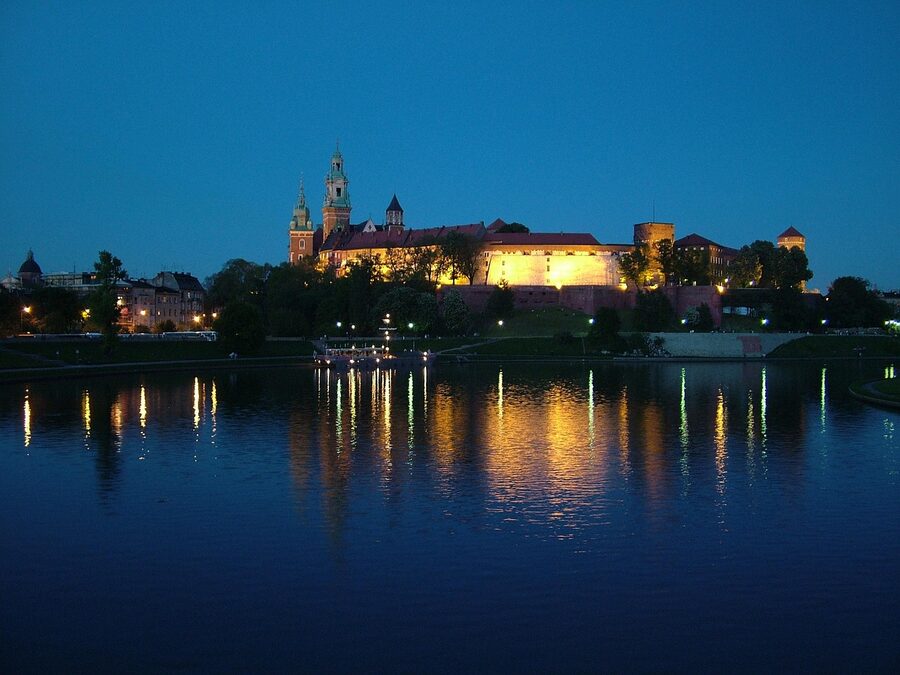
Wawel Hill and the Castle
The ride up to Wawel is the only real climb you’ll do, and it’s still gentle. You’ll usually park the bikes at the bottom and walk up to the courtyard, because the cobbles up the ramp are punishing. Most bike tours don’t go inside the castle itself (that’s a separate ticketed visit), but you’ll get the courtyard, the cathedral exterior, and the view down to the Vistula. If you want the inside as well, see our guide on how to get Wawel Castle tickets, which goes through which rooms are worth booking for.
The Vistula Riverbank Path
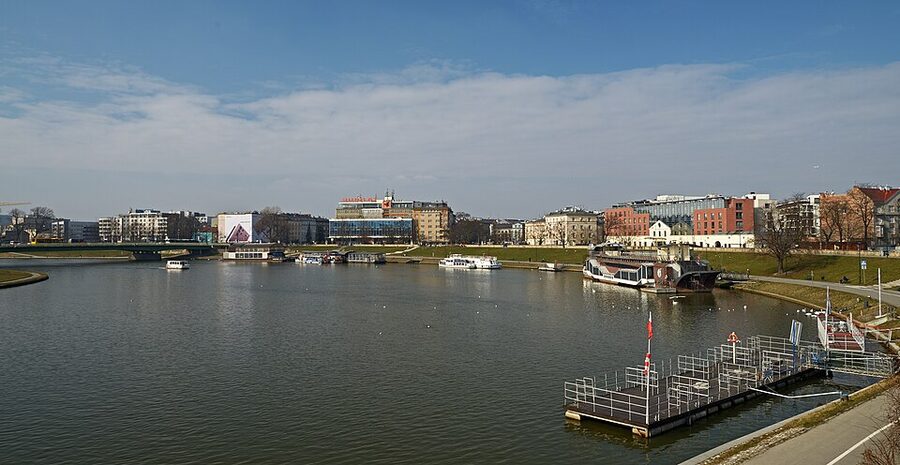
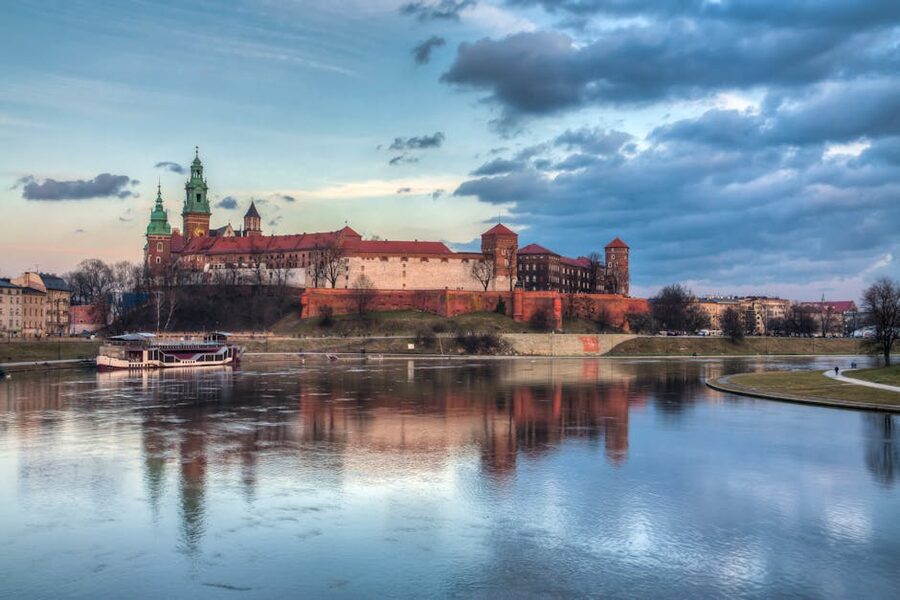
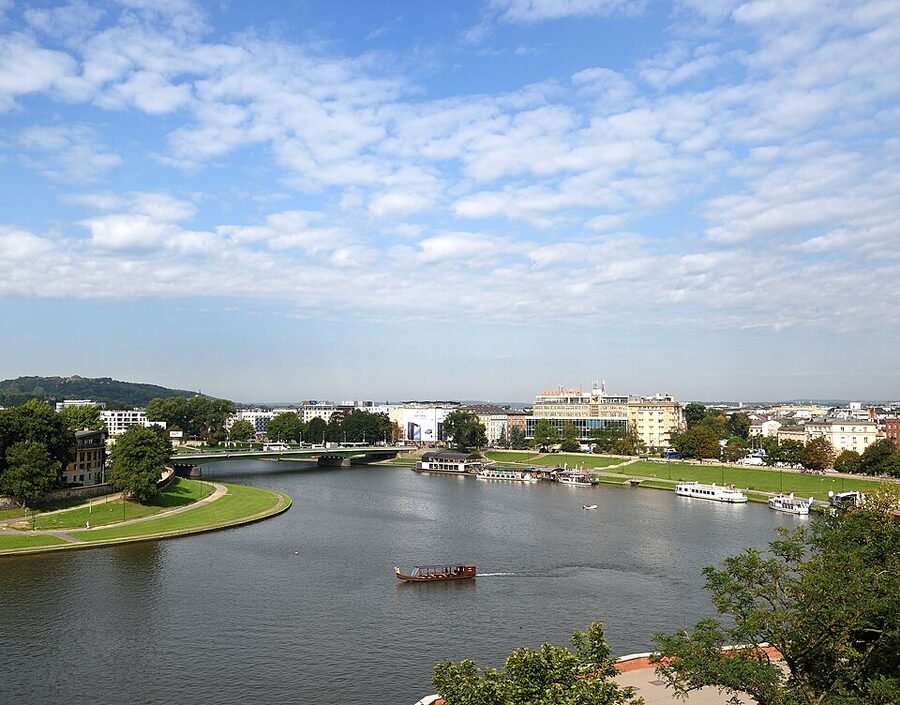
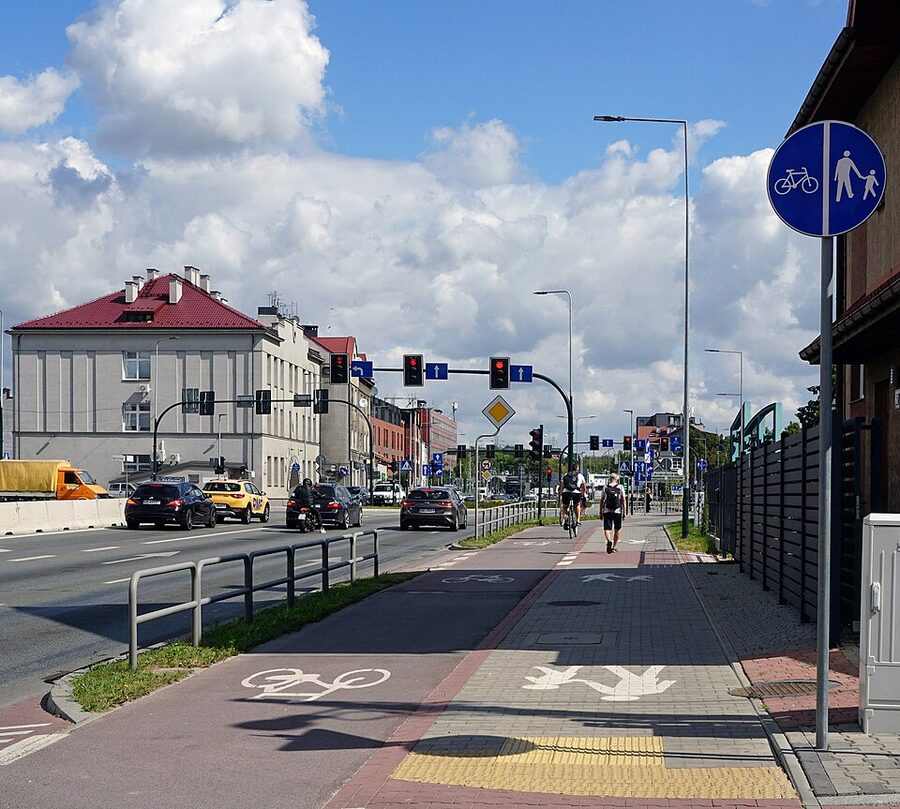
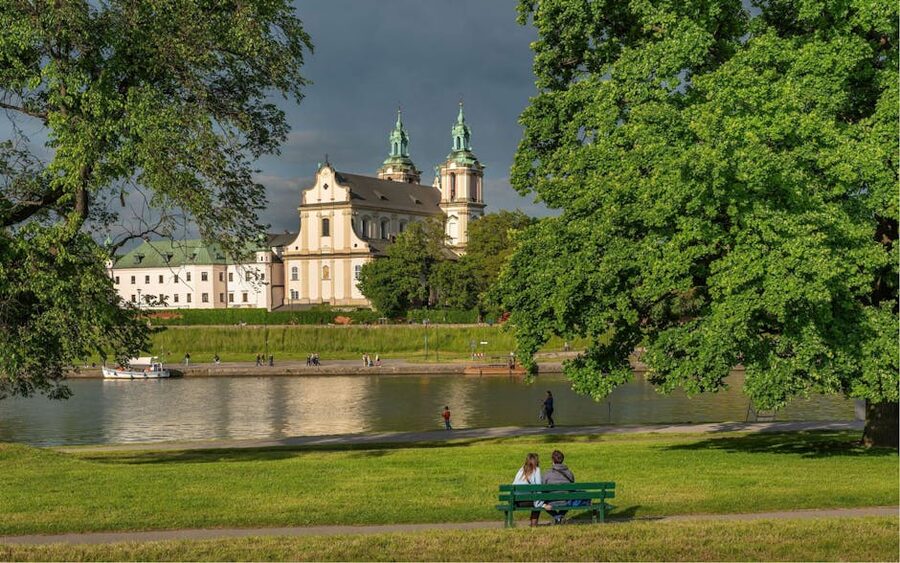
This is the bit that makes Krakow worth doing on two wheels. The path along the north bank of the Vistula is paved, separated from traffic, and runs straight under Wawel and across to Kazimierz. It’s flat, fast, and the views back to the castle are the best in the city. Most tours ride a chunk of this in both directions, and it’s where you’ll feel like you’re actually getting somewhere.


Kazimierz, the Jewish Quarter
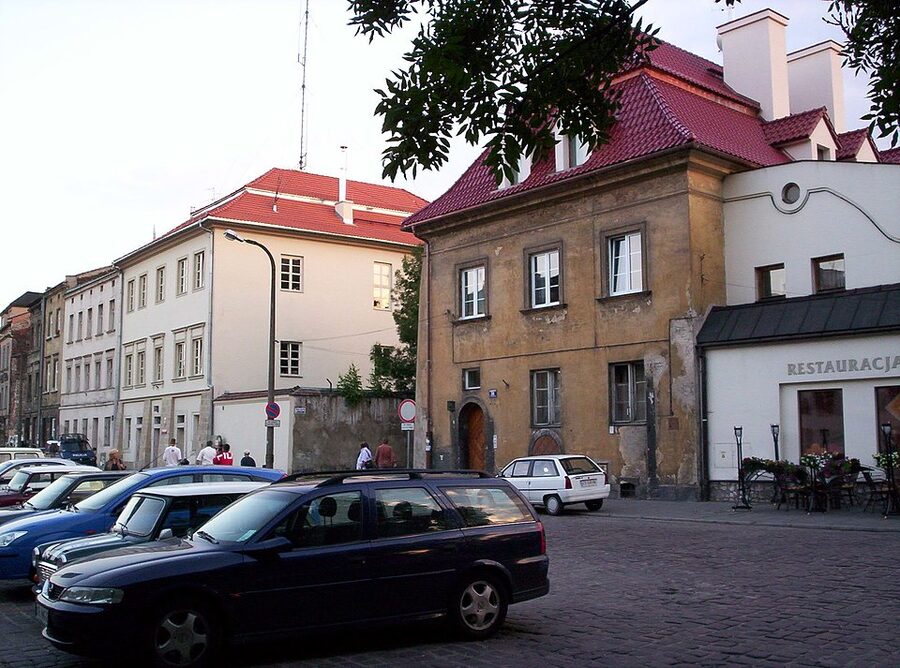
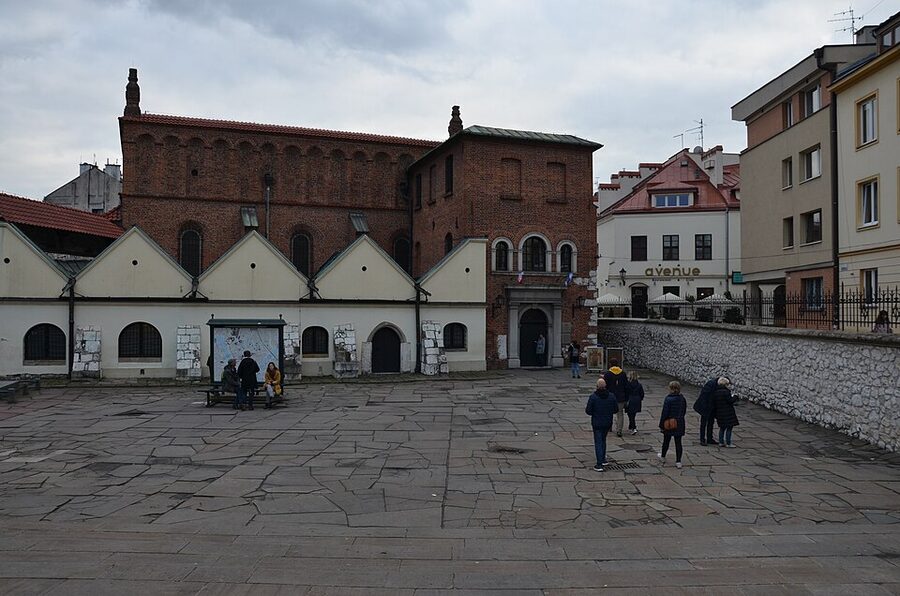
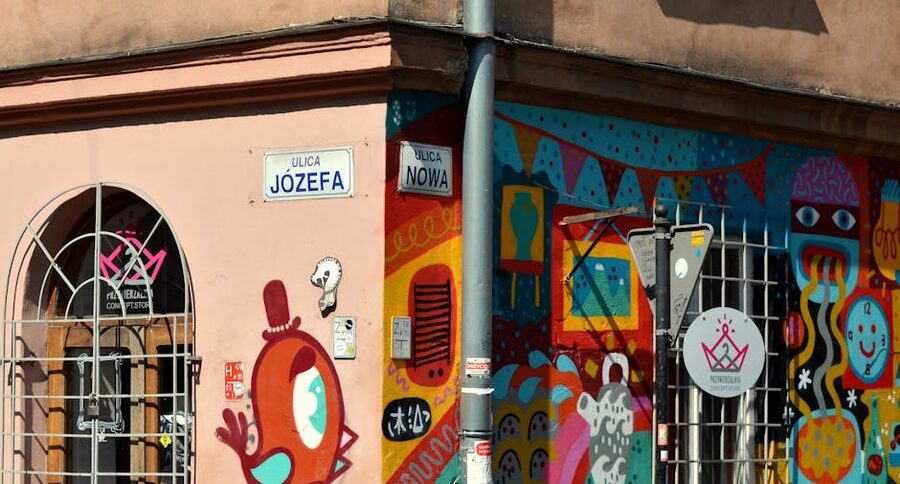
Across the river loop you’ll roll into Kazimierz. This was the Jewish district from the 14th century until 1941, and it’s where the city’s Jewish life recovered after the war. Today it’s the most atmospheric corner of Krakow: synagogues, cafés tucked into pre-war courtyards, vinyl bars, and cobblestoned squares that genuinely look medieval. Bike tours typically loop the central streets and stop at the Old Synagogue and Plac Nowy, the small market square at the heart of the district.


Across the Bridge to Podgórze
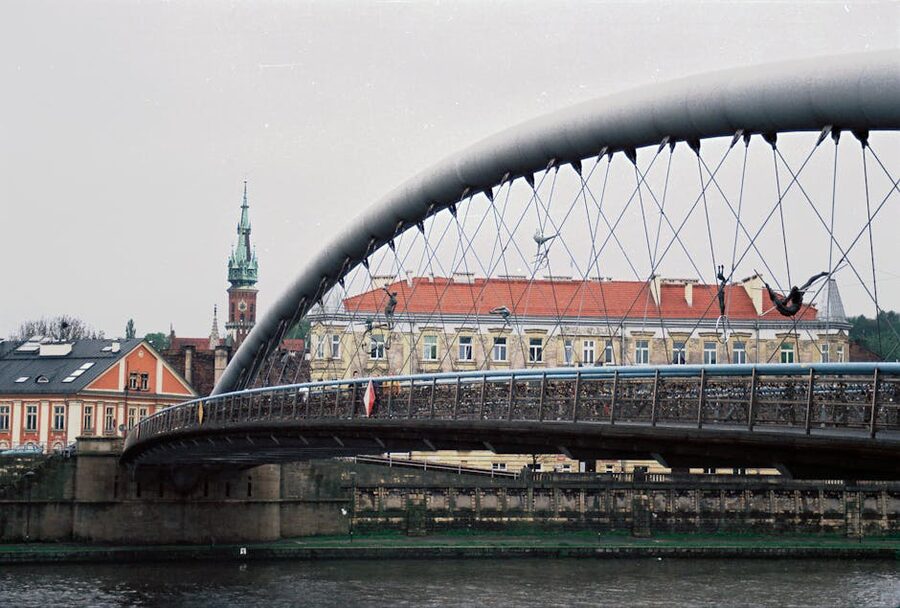
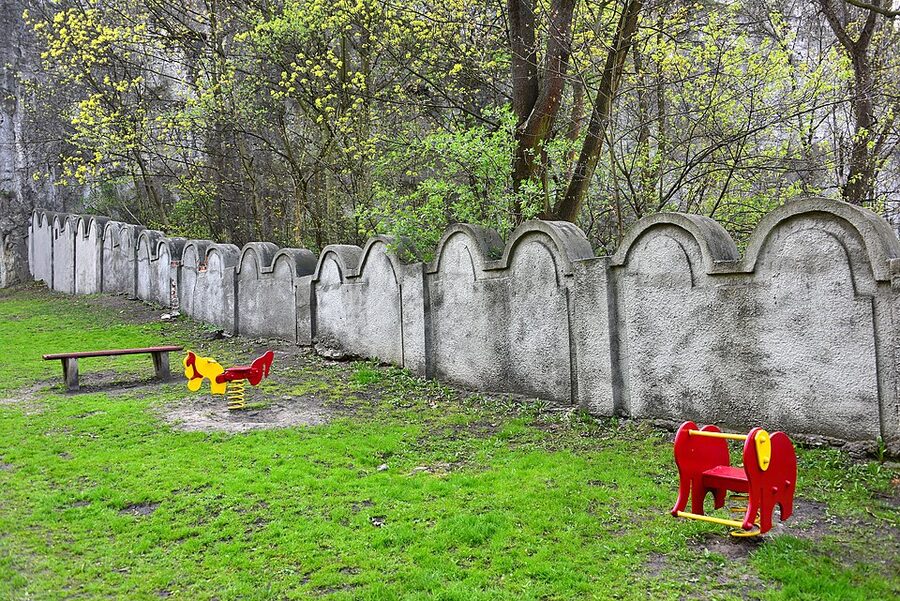
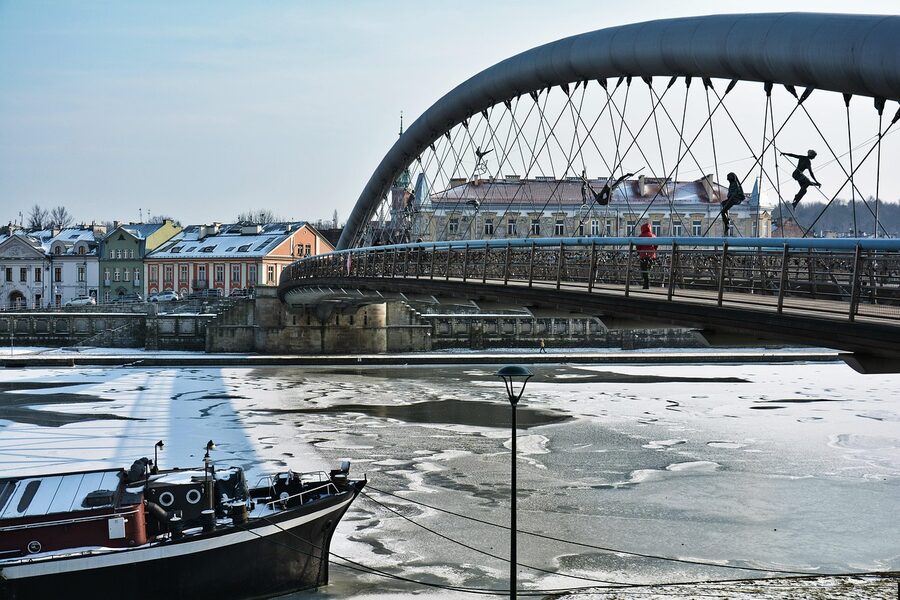
The Bernatka footbridge gets you across to Podgórze, the south bank, in a couple of minutes. This is where the Krakow ghetto was during the Nazi occupation, and it’s a different feel from Kazimierz: less cafés, more residential, with the original ghetto layout still visible if you know where to look. Bike tours usually stop at the surviving fragment of the ghetto wall on Lwowska Street and the Plac Bohaterów Getta, with its memorial of empty chairs.

From Podgórze it’s a short ride to Schindler’s Factory, which most bike tours pass externally without going in. If you want the inside (and you should, it’s one of the best museums in the city), do that on a separate visit, since you need at least 90 minutes for the exhibition.
How to Pick the Right Tour for You
Three honest filters that will save you booking the wrong one.
Group size. Krakow’s centre is too narrow for big groups. If you can hear “the maximum is twelve” or higher in the listing, the guide will lose you on cobblestones and you’ll spend half the tour catching up. Eight is the sweet spot. The Complete Krakow Bike Tour caps it there. Some private tours (Tour 99179 in our database, for example) take it to one or two riders, but the price climbs accordingly.
Length. Three hours hits the highlights. Four hours is for people who want depth and don’t mind a slower pace. Anything under three hours is too rushed. Anything over five and you’ll be sore by the end, especially if you don’t ride often.

Theme. The general “complete” tours hit Old Town, Wawel, Kazimierz, Podgórze and the Vistula in roughly equal portions. The Jewish Quarter and ghetto-focused tour shifts the balance toward Kazimierz and Podgórze and goes deeper on WWII history. If your reason for coming to Krakow is the Jewish heritage, book the second one. Otherwise the general tour gives you a better overall feel for the city.
One thing nobody mentions: e-bikes are now offered on a couple of Krakow tours (Tour 206626 in particular). I’d skip them. Krakow’s terrain is so flat that the assist barely matters, and you’ll pay a $10-15 premium for it. The exception is if you have knee issues or are riding with someone who does, in which case e-bikes are the right call.
What to Wear and Bring
Sensible shoes, not flip-flops. The pedals on city bikes are wide and the cobblestones in places are uneven. Trainers or any closed-toe shoe is fine.
Layers. Krakow weather flips fast. I’ve started a tour in 22°C sun and finished it in a 14°C drizzle within three hours. A light jacket in your basket is non-negotiable from October through April, and not a bad idea in summer either.
Sunglasses if it’s bright. The Vistula path is open and the reflection off the water at midday is brutal in summer.
Cash for a coffee or zapiekanka stop. Most tours pause once for a break, and if it’s at Plac Nowy in Kazimierz you’ll want one. The zapiekanka stalls are zł 12-18 and the queue is fast.
You don’t need a helmet (Polish law doesn’t require them for adults), but operators provide them on request. Ask when booking if you want one.
When to Go
Late April through early October is the ride window. May and June are the sweet spot: long days, light evenings, and the city hasn’t filled up with peak summer crowds yet. July and August are the busiest, with afternoon temperatures in the high 20s and sometimes low 30s, but evening tours from 5pm onwards become genuinely lovely.
September and early October are underrated. The summer crowds clear out, the trees in Planty go gold, and the temperature is perfect for riding. If I were planning a trip purely for a bike tour, I’d aim for the second half of September.
Winter (November to March) tours do run, but I’d think twice. The cobblestones get slick when wet, the river path is exposed, and you’ll want gloves and a proper jacket. If you’re set on going off-season, ask the operator whether the route changes; some shorten the Vistula leg in cold weather. As a contrast, Porto’s bike tour scene runs year-round in much milder weather, and Lisbon is similarly forgiving in winter, so if your trip is in January, those cities ride better.
Booking Logistics, Cancellation, and Meeting Points
Book online a couple of days ahead in shoulder season, a week ahead in peak summer. The good operators (the three above) sell out their evening slots first, especially the small-group ones. Walk-up booking is possible but you’ll often end up on the larger group tour, which is the worst of the options.
Cancellation: most operators offer free cancellation up to 24 hours before. Read the listing carefully on weather. Krakow tours don’t typically cancel for light rain (you’ll be expected to ride), but they should refund or reschedule for thunderstorms or heavy rain. Check the operator’s specific weather policy before booking.
Meeting points: most cluster within a few blocks of the Main Square or near the Barbican. Confirm the exact spot the day before. Some smaller operators send a WhatsApp message with a pin the night before, which is the cleanest way to find the meeting point. If your tour leaves from a shop rather than a square, you’ll get bike-fitted there before you set off, which adds about ten minutes to the start.
If you want to combine it with other Krakow staples, a bike tour pairs naturally with a half-day at Auschwitz on a separate day, or an evening at a Vistula river cruise after riding the same stretch in the morning. Don’t try to do both Auschwitz and a bike tour on the same day; you won’t have the energy.
A Quick Honest Note on the Bad Tours
Three things I’d avoid:
Tours that promise “20+ stops in 2 hours”. You can’t see twenty things meaningfully in two hours on a bike with stops. You’ll get a hand-wave at the front of each one and miss the actual stories.
Tours that go “all over Krakow including Nowa Huta”. Nowa Huta is genuinely interesting (Soviet-era planned suburb, brutalist apartment blocks, museum) but it’s 7km from the Main Square and a separate trip. Trying to fit it into a Krakow bike tour means you’ll spend half the ride on uninspiring main roads getting there and back.
Anything with “fun party bike” or pub-crawl framing. Krakow’s drinking scene is great, but pedalling a beer-bike around the Old Town is a different product (and is mostly banned from the historic centre anyway). Book a separate pub crawl if that’s your thing.
A Brief Bit of Bicycle History (Why Krakow Works for This)
Krakow was actually one of the first Polish cities to take cycling infrastructure seriously after 1989. The Planty park ring was already a de facto cycling loop in the 1990s, and the riverside Vistula path was extended through the 2000s and 2010s. By 2018 the city had over 200km of dedicated bike paths, much of which doesn’t appear on standard tourist maps. The flat geography helps; unlike Prague or Lisbon, Krakow doesn’t have any serious hills inside the central rings.
The result is that compared with most European old towns, Krakow is unusually friendly to bikes. The challenge isn’t the riding; it’s avoiding the busiest pedestrian stretches in the Old Town, which is where guided tours pay for themselves. They know the back lanes and the timings.
Combining the Bike Tour with Other Krakow Stops
Three days is enough for Krakow if you’re not adding day trips. Day one: bike tour in the morning, lunch in Kazimierz, afternoon at Wawel Castle interiors. Day two: Auschwitz as a full-day trip. Day three: Schindler’s Factory in the morning, free afternoon for whatever the bike tour skipped over.
If you’re adding a day trip, Zakopane in the Tatra mountains works well as a full-day excursion (different vibe entirely, mountain town with hiking) and pairs nicely with the urban bike tour pacing. Don’t add Zakopane on the same day as the bike tour; it’s a 2-hour drive each way and you’ll be wrecked.
Where to Go After the Tour
One small advantage of a bike tour: it ends somewhere useful. If you finish in Kazimierz, walk five minutes to one of the milk bars on Plac Nowy and have pierogi for the price of a coffee elsewhere. If you end at the Main Square, the cafés on the perimeter are tourist-priced but the people-watching is solid. If you finish near Wawel, walk down to the riverside and watch the boats; you’ve already cycled past them but on foot you can stop properly.
Krakow rewards slowing down. The bike tour gives you the orientation, but the real city happens at café-table speed. Once you know where things are, walk back to the bits that interested you most. That’s the entire trick to a good Krakow trip: bike to scout, walk to absorb. If you’re planning the same approach in another city, Budapest’s bike tour scene uses the same logic, with the Buda hills as the equivalent of Wawel and Pest as the equivalent of the flat Old Town. The cities pair well as a one-week trip.
Other Krakow Guides Worth Reading
For the rest of your Krakow planning, a bike tour pairs naturally with a few other half- and full-day picks. Wawel Castle ticketing is the obvious next stop after seeing the courtyard from the saddle. The full-day Auschwitz visit from Krakow is heavy and worth a clear day of its own. Schindler’s Factory tickets belong on day two or three; the bike tour will have shown you the exterior, but the inside is where the museum lives. A Vistula river cruise is the lazy companion piece if you want to see the same riverbank from the water. And if you’ve got time for the Tatras, Zakopane is the day trip that gets you out of the city and into the mountains.
Affiliate disclosure: this page contains affiliate links to GetYourGuide and Viator. If you book a tour through them, we earn a small commission at no extra cost to you. The opinions are our own, and we only recommend tours we’d happily put friends on.