
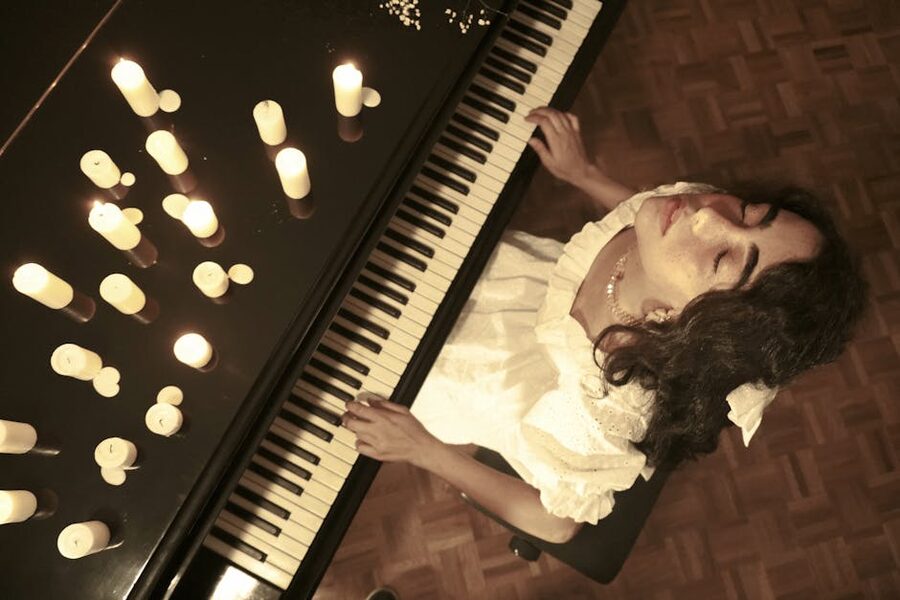
The first nocturne starts before you’ve quite settled into your chair. A few candles, a Yamaha grand, fifty or so seats arranged so close to the keyboard you can hear the pianist breathe between phrases. Outside it’s a Krakow Wednesday evening, trams rolling along the ring road. Inside it’s 1830 and Chopin is mourning a country he won’t see again.
This guide covers everything you need to book a Chopin piano recital in Krakow, what each venue is actually like, and which performance to pick depending on what kind of evening you want.
.jpg)
- In a Hurry? Three Picks Worth Booking Tonight
- What a Krakow Chopin Recital Actually Is
- Why Chopin in Krakow Specifically
- Three Recitals Worth Booking
- 1. Chopin Piano Recital at Chopin Concert Hall:
- 2. Chopin Piano Concert in St. Bernardine Church:
- 3. Piano Trio Chopin & Friends VIP with Wine:
- Booking Logistics
- Where to Sit
- What You’ll Hear
- The Venue, Inside and Out
- Getting There
- What to Wear, What to Bring
- Eating Before or After
- When to Book
- A Bit of Chopin’s Story for Context
- Things People Get Wrong
- Combining With Other Krakow Evenings
- Accessibility
- Beyond Chopin in Krakow
- The Honest Verdict
- Other Krakow Evenings Worth Knowing About
In a Hurry? Three Picks Worth Booking Tonight
Best overall: Chopin Piano Recital at Chopin Concert Hall, around $18 and a glass of wine, the most dialled-in version of the format and the one most evenings sell out first.
Most atmospheric venue: Chopin Piano Concert in St. Bernardine Church, $19, performed inside a 17th-century church usually closed to the public.
Bigger sound, small audience: Piano Trio Chopin & Friends VIP with Wine, $22, a chamber trio rather than a solo recital, with VIP seats up front.
What a Krakow Chopin Recital Actually Is
It’s a 50 to 90 minute solo piano performance of Chopin’s music in a small room near the Main Market Square. The differences sit in three places: which catalogue you hear (most are pure Chopin, a couple slip in Liszt or Polish folk), what venue hosts it, and whether wine is included.
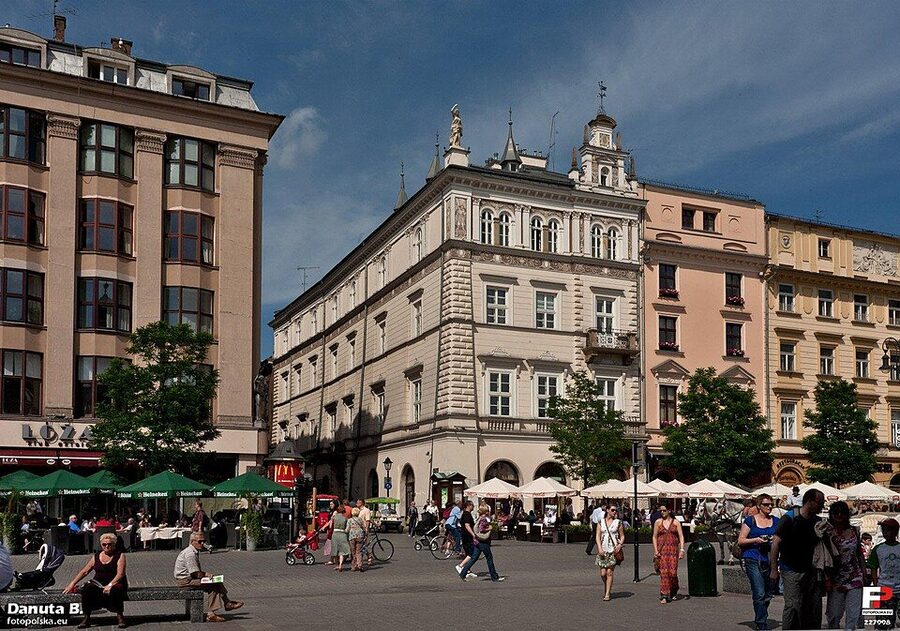
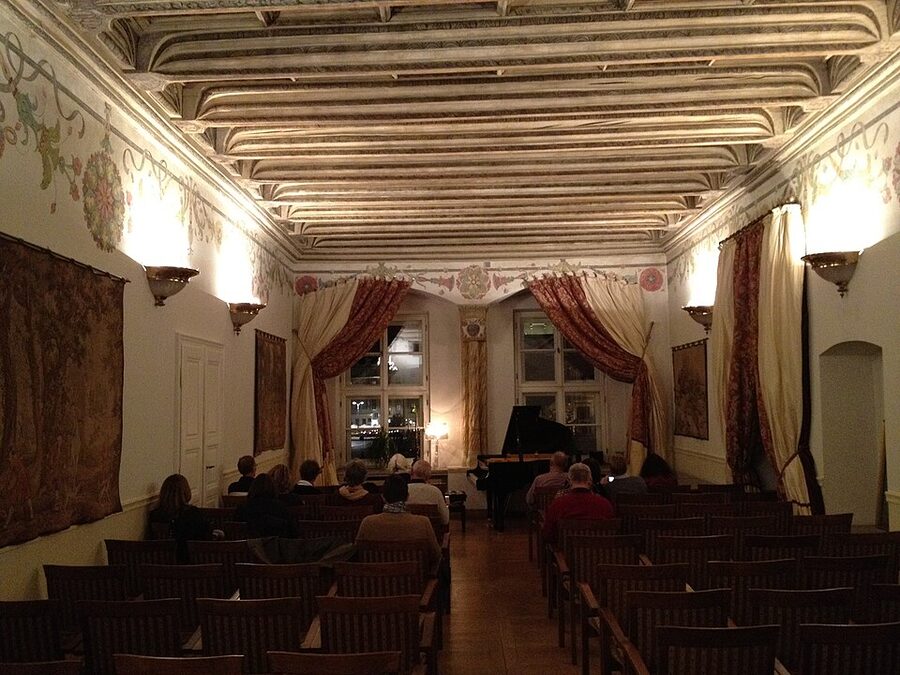
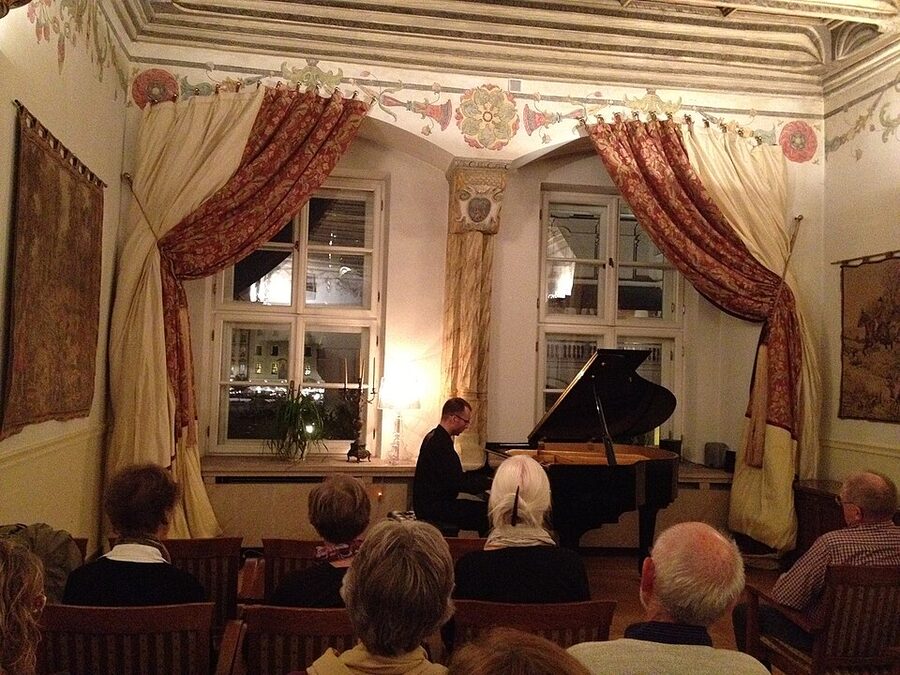
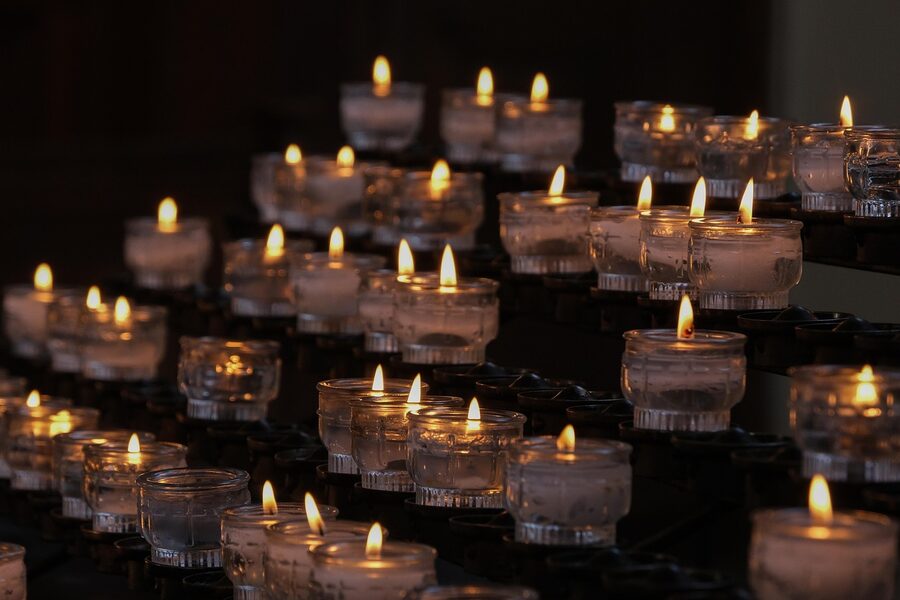
The flagship is the Chopin Concert Hall on ul. Slawkowska, two minutes from the Main Market Square. Also called Chopin Gallery, it’s an upstairs room in the Bonerowski Palace with 50 to 80 seats, candles on the windowsills, and Chopin sketches on the walls. Programs run about 50 minutes and rotate nocturnes, ballades, polonaises, mazurkas, and waltzes. A glass of wine arrives before the music starts.
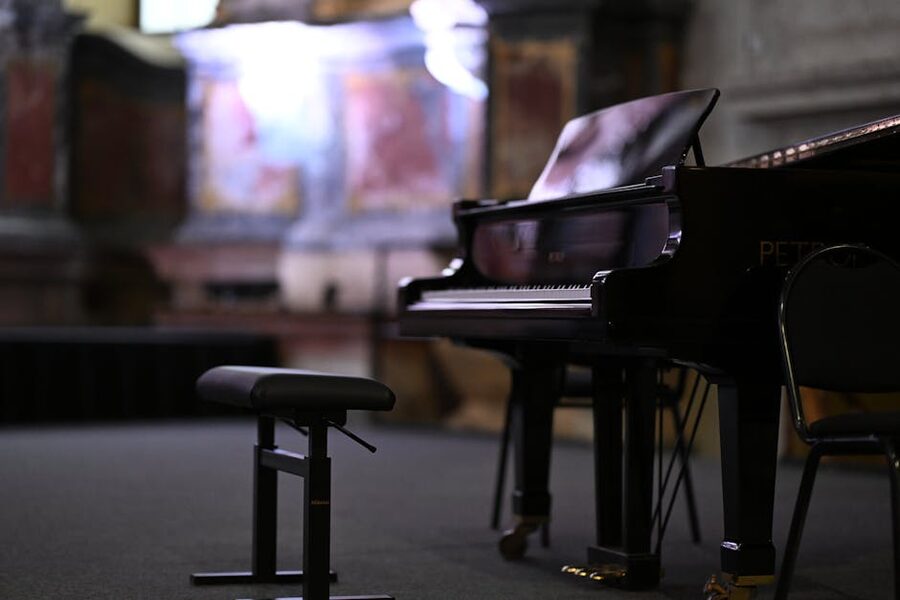
The second main option is the Bernardine Church on Stradom, a 17th-century baroque interior with a different acoustic personality. Chopin in a church is louder, slower to decay, and a bit more religious in feeling. The third venue is the Bernardine monastery hall (separate from the church) where the Piano Trio Chopin & Friends concert runs. That one swaps the solo pianist for piano, violin, and cello.
.JPG)
This is not the Krakow Philharmonic. It’s chamber-scale, almost domestic. If you want a full orchestral evening with intermission, the Philharmonic on ul. Zwierzyniecka runs a different kind of show. The Chopin recitals are designed for a traveller’s evening, not a season subscriber’s.
Why Chopin in Krakow Specifically
Most Chopin tourism funnels through Warsaw, where he was born and where his heart is interred at the Holy Cross Church. Krakow’s claim is thinner. Chopin spent some time here as a young man, but his connection to the city is mostly as a passing visitor. So why hear his music here? Two reasons.
First, the venues. The Chopin Concert Hall and the Bernardine Church are small, characterful rooms that beat any bigger venue for this music. Chopin wrote almost everything for piano, and most of it is intimate, the music of someone playing for a few friends in a Paris salon. A 60-seat candlelit room is the right setting for an étude.
Second, the talent pool. Krakow has a serious music academy and pulls strong young pianists from across Poland. The pianist you hear on a Tuesday in October is often a competition winner playing the same repertoire she’ll perform in Warsaw or Paris later in the season. Don’t expect a tourist-grade greatest hits run-through.
If you’re already booking the Wawel Castle tickets for a daytime visit and need an evening that isn’t another vodka tour, this is it. It also pairs well after a heavy day at Auschwitz. People sometimes plan the recital for the same night they come back from Oswiecim, and the music does what nothing else really can after that day.
Three Recitals Worth Booking
I’ve narrowed this down to the three you should actually consider. There are a dozen others on GetYourGuide and Viator. Most are smaller versions of the same idea or sell out a year in advance to the same audience.
1. Chopin Piano Recital at Chopin Concert Hall: $18
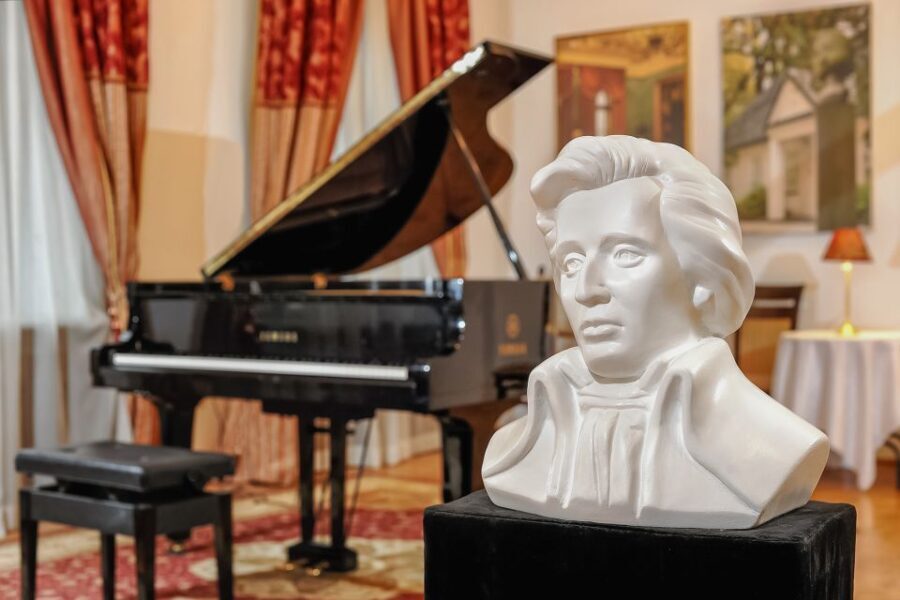
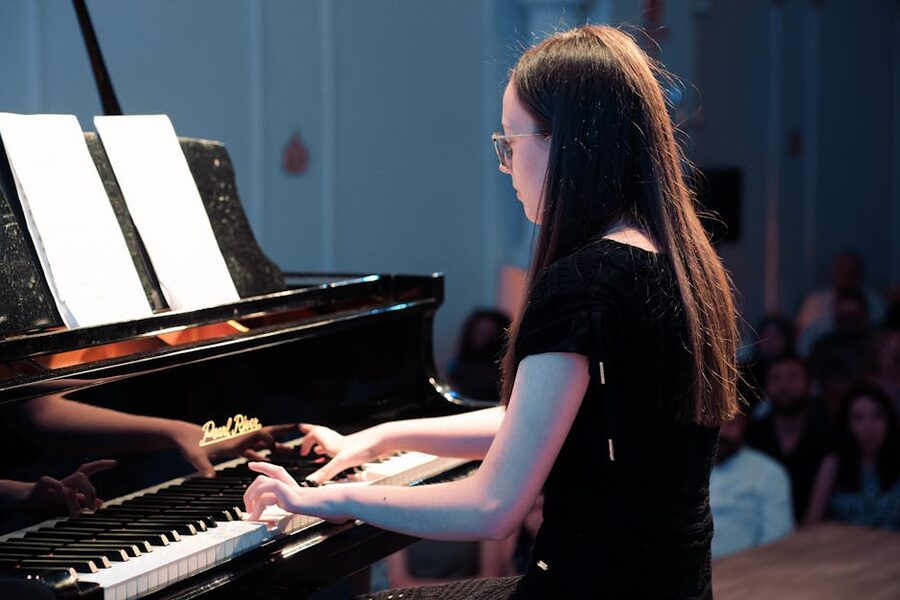
This is the one I’d book first. It’s a 50-minute solo recital, a Yamaha grand, a glass of wine on arrival, around 60 seats arranged in three close rows. Our full review goes into the rotating program, but the headline is that nocturnes always lead, mazurkas anchor the middle, and a polonaise closes. Ask for centre seats in row two if you can.
2. Chopin Piano Concert in St. Bernardine Church: $19
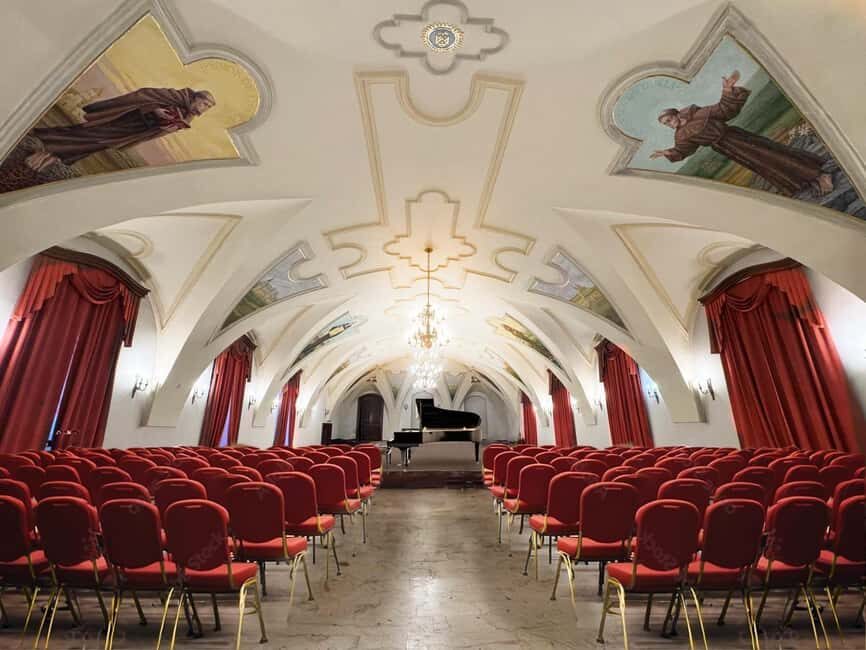
Pick this one if you want atmosphere over intimacy. The Bernardine Church sits at the foot of Wawel Hill and the recital takes place inside a 17th-century baroque interior that’s locked outside concert hours. The performance is closer to an hour, the program leans nocturne-heavy, and the church reverb makes the slow pieces feel enormous. Our full review covers seating and what to expect on a cold night.
3. Piano Trio Chopin & Friends VIP with Wine: $22
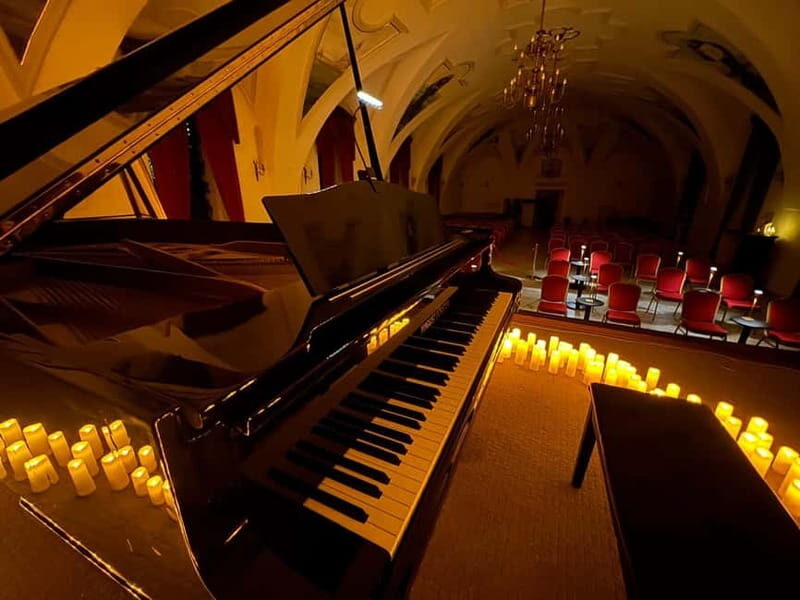
This is the one to book if a solo piano evening sounds a bit narrow. It runs in a hall attached to the Bernardine monastery and replaces solo Chopin with a chamber trio, so you get the violin and cello as well. The “& Friends” is real: think a Brahms scherzo or a Polish folk arrangement woven in. Our review calls out the VIP seating, which buys you the front row and a guaranteed glass of wine.
Booking Logistics
Most performances run at 19:00, 19:30, or 20:00. The Chopin Concert Hall does multiple shows a week (sometimes daily in summer, two or three a week in shoulder season, Friday-Saturday in deep winter). The St. Bernardine Church is more limited, a few nights per week and only in some months. Tickets are on GetYourGuide and Viator, and a few sell direct through cracowconcerts.com. Same-day booking is possible if seats are open, but Friday and Saturday in summer or December tend to sell out a few days ahead.
Pricing. Expect $16 to $25 for a standard ticket. VIP seats add $5 to $10 for the front row and sometimes a second drink. Children under 6 are usually free, ages 7 to 12 half price.
Cancellation. Most are 24-hour free cancellation through GetYourGuide. The Bernardine Church concert sometimes carries a 48-hour rule. Read the fine print on the booking page.
Voucher. Print or screenshot. The Chopin Concert Hall door staff scan QR codes; the Bernardine Church usually wants a printed copy because the side door is dimly lit.
Where to Sit
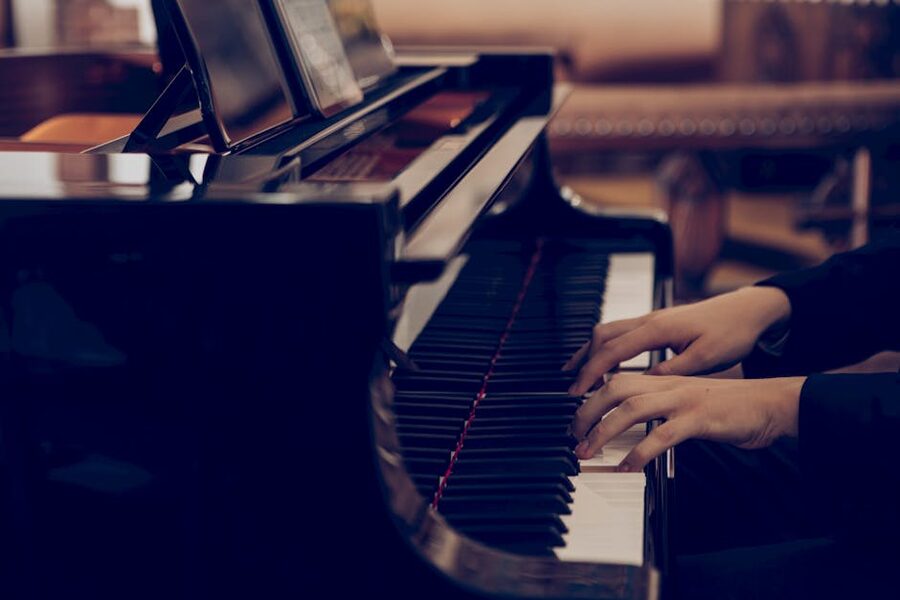
Seating is unassigned at most venues, so arrival time matters more than ticket type. Doors open thirty minutes before the start. Get there twenty minutes early on a busy night, ten minutes early most other nights.
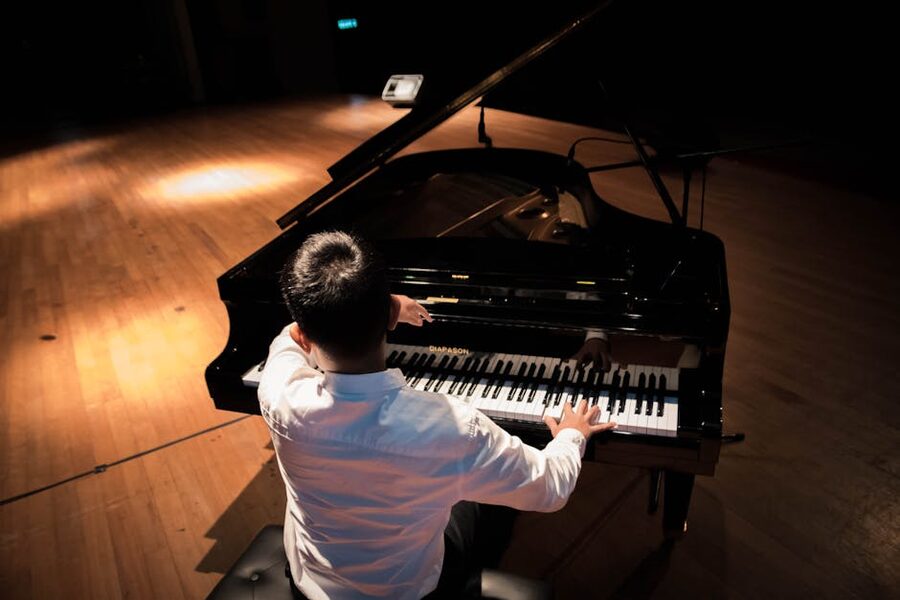
At the Chopin Concert Hall, my pick is row two centre. Row one is so close that you watch hands more than you listen, and the sound is unbalanced because you’re sitting under the open lid and getting more treble than bass. Row two and three sit inside the hall’s sweet spot. Back row is fine but you lose the visual element of seeing the pianist’s face.
At the Bernardine Church, pick a centre seat about a third of the way back. Front pews are too close for the church’s reverb, back pews lose detail. Side aisles are noticeably worse, columns block the visual line and the sound is muddier from the side bounce. For the Piano Trio at the Bernardine monastery hall, VIP seating is worth the upgrade because the trio sets up in a corner and non-VIP seats sit at a sharp angle.
What You’ll Hear
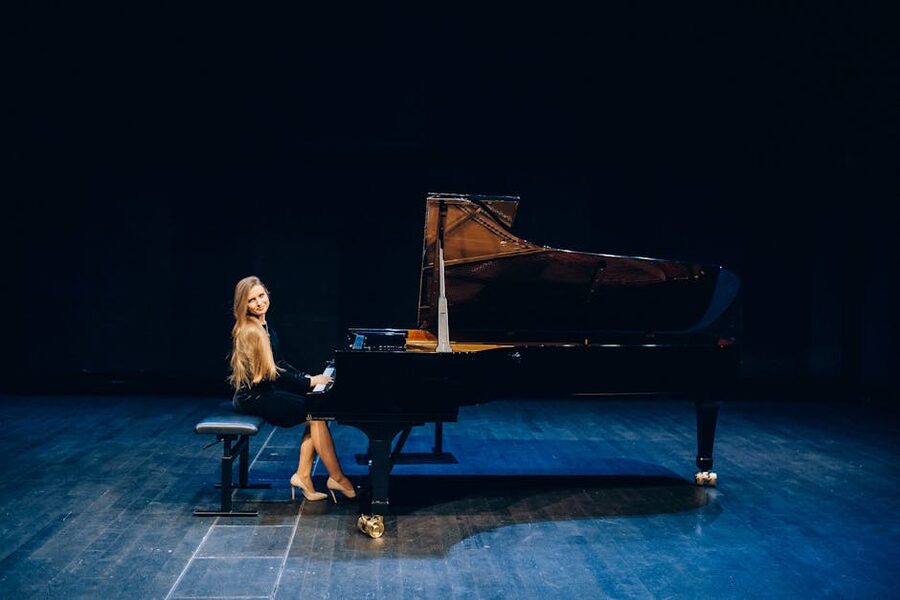
The standard Krakow recital program is a mix of Chopin’s most-loved pieces, designed for a 50-minute window. You’ll almost always get:
- One or two nocturnes, usually the Op. 9 No. 2 in E-flat major and the Op. 27 No. 2 in D-flat. These are the slow, melancholic openers most Krakow recitals lead with.
- A polonaise, often the Op. 53 in A-flat (“Heroic”) or the Op. 40 No. 1 in A. The polonaise is a Polish national dance form and you can hear why it became a symbol of resistance music: rhythmic, military, defiant.
- A ballade, usually the Op. 23 No. 1 in G minor. This is the showpiece. About nine minutes, builds slowly, ends in a torrent. If a recital has only one ballade, this is the one.
- One or two mazurkas, the Polish folk dance form Chopin reshaped into concert music. These tend to be the most personal pieces and reveal the most about the pianist.
- A waltz as a lighter palette cleanser, often the Op. 64 No. 2 (“Minute Waltz” is Op. 64 No. 1; the slower No. 2 in C-sharp minor is more interesting).
Some pianists slot in an étude (Op. 10 No. 12 “Revolutionary” or Op. 25 No. 1 “Aeolian Harp” being the favourites). A handful close with one of Chopin’s two scherzos, which is showy and not really my favourite way to end an evening.
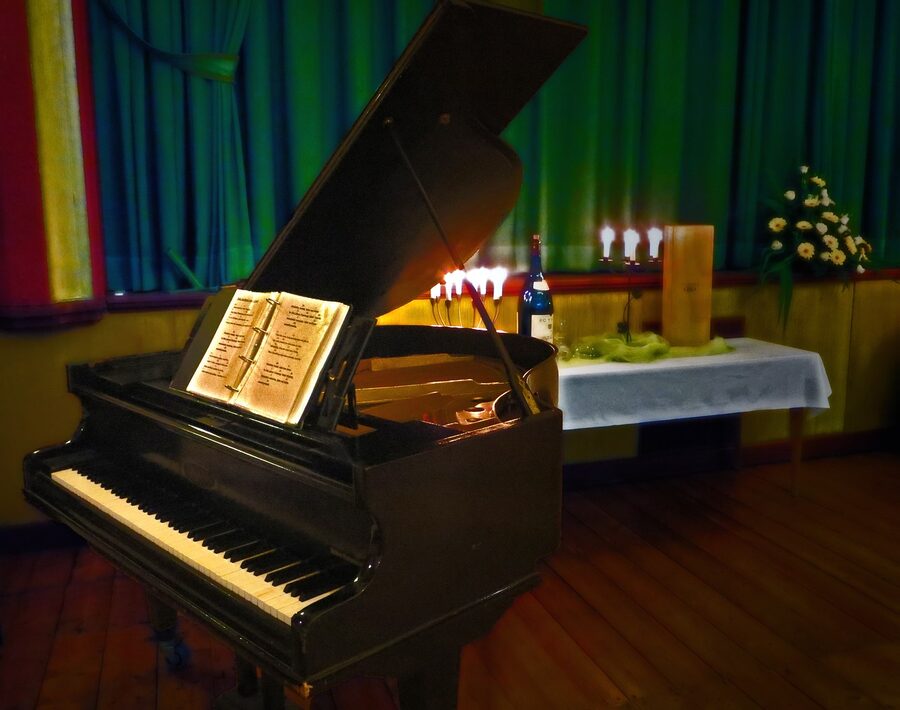
The Piano Trio recital has a different program shape. Half Chopin, half something else: some Brahms, a Schubert trio movement, a Rachmaninov elegy, or arrangements of Polish folk songs by Henryk Wieniawski. It’s a wider net but you get less Chopin specifically.
The Venue, Inside and Out
.JPG)
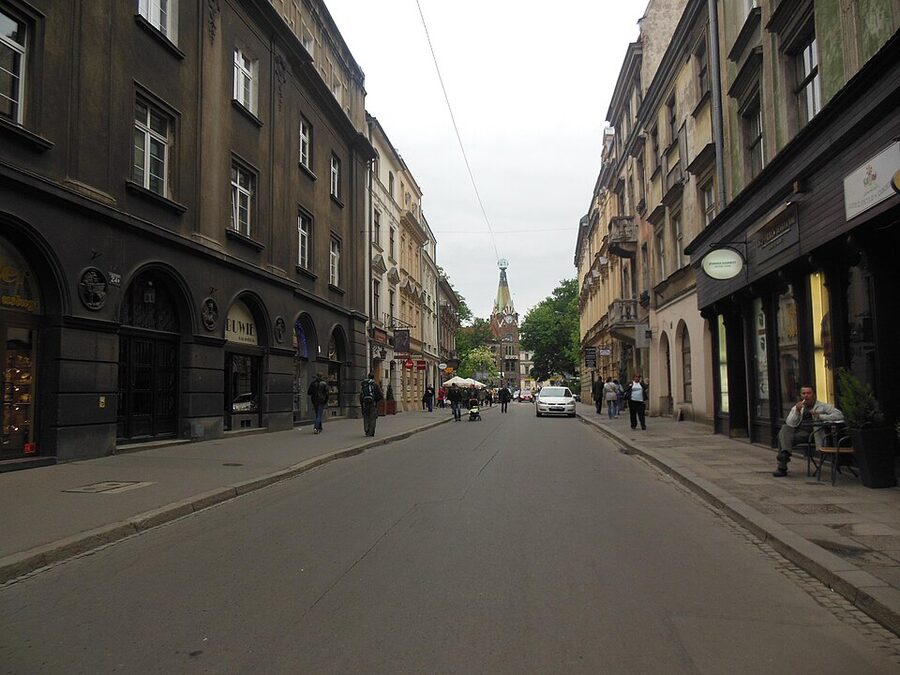
The Bonerowski Palace (also called the Zacherl Tenement, Kamienica Zacherlowska) sits at the corner of the Main Market Square and ul. Slawkowska. The recital entrance is the smaller side door on Slawkowska, not the grand door on the square. Two flights of internal stairs to the room, no lift. The room itself fits 60 to 80 seats with a Yamaha C5 grand at one end and a small bar at the back where they pour the wine.

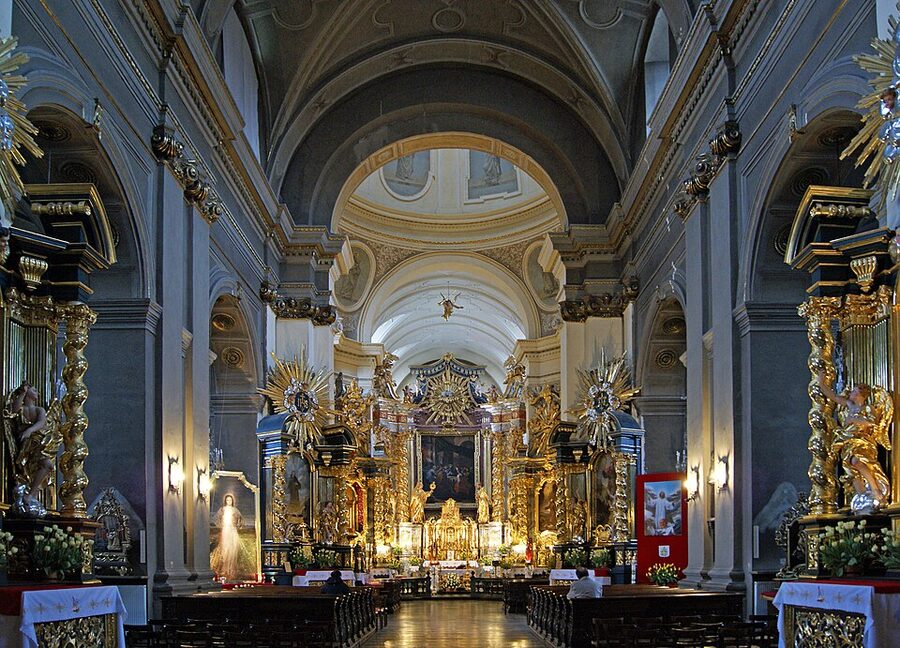
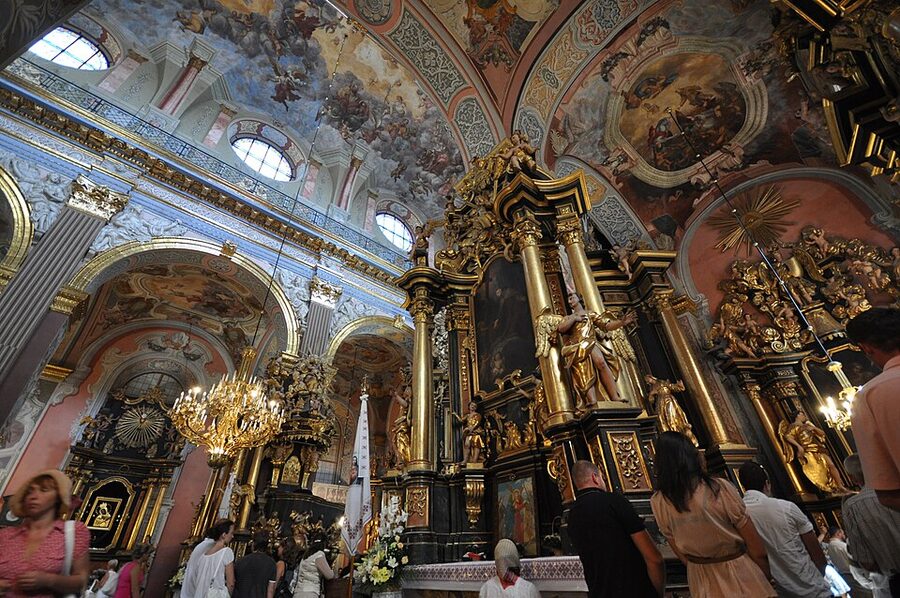
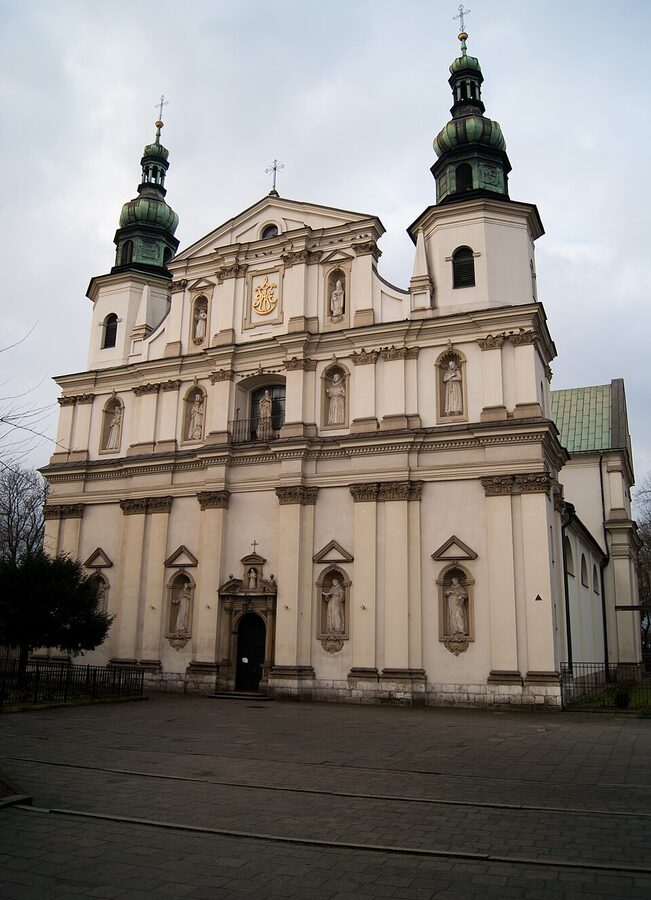
The St. Bernardine Church is at 2 Bernardynska Street, on the south side of Wawel Hill, a 12-minute walk from the Main Market Square. The church is from 1670, baroque with later neoclassical additions. The piano is set up in front of the main altar with chairs arranged in the nave.
,_2_Bernardynska_street,_Stradom,_Krakow,_Poland.jpg)
.jpg)
Practical thing about the church: it’s cold in winter. No real central heating, just the residual warmth from a daytime mass. Wear a coat and keep it on for November or February shows. The long slow reverb suits Chopin’s nocturnes and works against his fast pieces, where the notes blur into each other.
.jpg)
Getting There
Both venues are in the Old Town and walkable from anywhere central. From a Main Market Square hotel, the Chopin Concert Hall is a one-minute walk and the Bernardine Church is 12 minutes south through the Planty Garden.
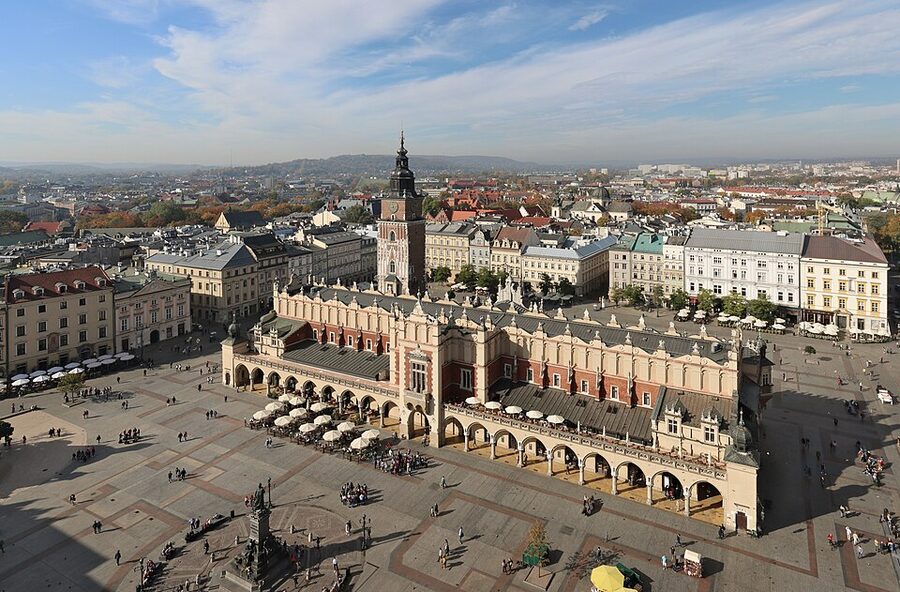

From Kazimierz, both venues are 15 to 20 minutes on foot. Trams 6, 8, 18, and 22 stop at Plac Wszystkich Swietych near the Old Town, a 5-minute walk to the Chopin Concert Hall. If you’re combining the recital with a daytime activity, pacing matters. After a walking tour of the Old Town or a bike tour, you’ll have time to shower, eat, and walk to the recital with a small drink in hand. After a full day at Wieliczka Salt Mine or the longer Auschwitz and Wieliczka day trip, plan a 19:30 or 20:00 start.
What to Wear, What to Bring
No dress code, but the room has a quiet seriousness that scruffy hiking gear doesn’t quite match. Smart casual is the right register: jeans and a button-down, a dress, a jacket. Bring a sweater for the church recitals even in summer. The Chopin Concert Hall is climate controlled and comfortable year-round.
Phones off. Silence matters more than usual because the dynamic range of solo piano is enormous, and a buzz in row three is loud during a pianissimo passage. Photos and video are usually allowed for the first 30 seconds then discouraged. Don’t bring food or drink in.
Eating Before or After
The advantage of the Chopin Concert Hall is that you’re a 30-second walk from a hundred restaurants. For pre-recital dinner near the Main Market Square, Pod Aniolami on ul. Grodzka does Polish classics in a 13th-century cellar (book ahead). Pod Roza on Florianska is quieter and slightly fancier without the medieval theming. Cafe Camelot on ul. Sw. Tomasza handles a lighter meal of salads and soups. Wierzynek on the Main Market Square is touristy and pricy, but the dining rooms are spectacular.
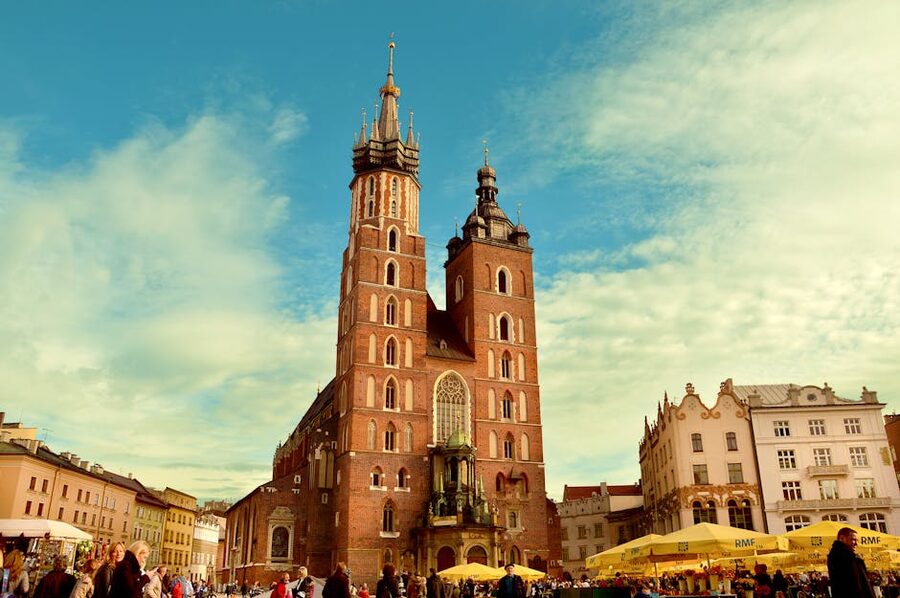
For after the recital, most kitchens close at 22:00 and the recitals usually end around 20:50, so you have a 70-minute window. Plan a light pre-show dinner and a proper post-show one if you want to eat properly. Or skip dinner before and eat at one of the late-opening Kazimierz spots after. Drinks afterwards: the Bonerowski Palace has its own ground-floor bar open until 23:00. For something less hotel-like, walk to ul. Florianska or head to the Vistula riverside in summer.
When to Book
Krakow’s Chopin recitals run year-round. Peak is summer (June through August) with daily recitals at the Chopin Concert Hall and three to four nights at the Bernardine Church. Shoulder season (May, September, December) drops to three or four recitals a week. Winter (January through March) is two a week, mostly Friday and Saturday, and the church concert in February needs real winter coats.
If you have a fixed date, book at least 48 hours ahead. The format is constrained by the small room sizes, so when these sell out, they sell out. Chopin’s birthday (March 1) and the anniversary of his death (October 17) are sometimes commemorated with special programs, which sell out a month in advance.
A Bit of Chopin’s Story for Context
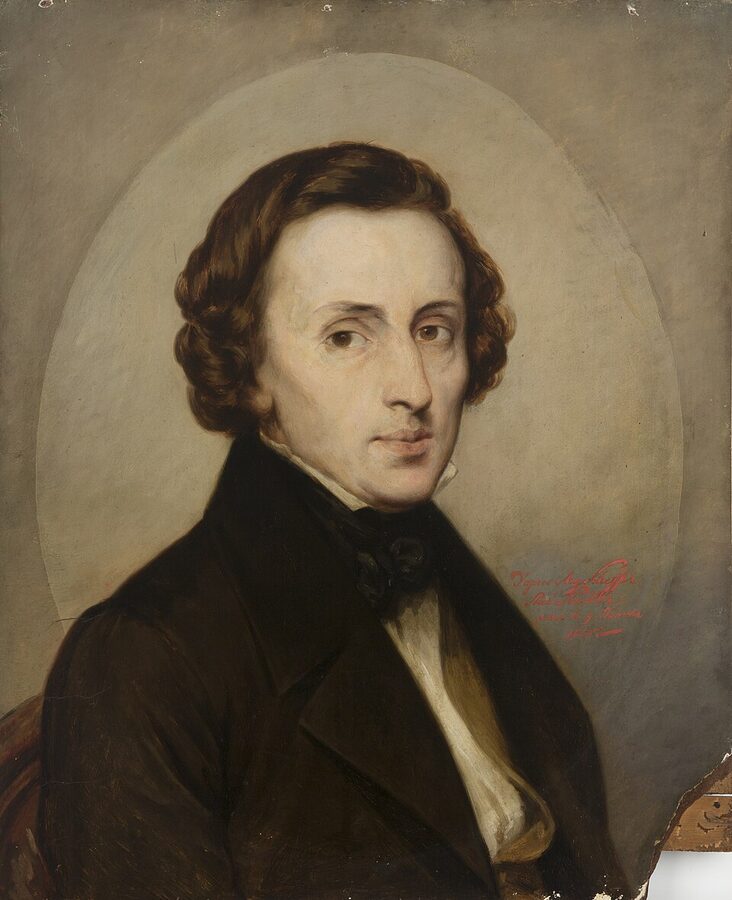
Fryderyk Chopin was born in 1810 near Warsaw, left Poland at 20, and never came back. He died in Paris in 1849 at age 39, of tuberculosis, after a long romantic entanglement with the French novelist George Sand.
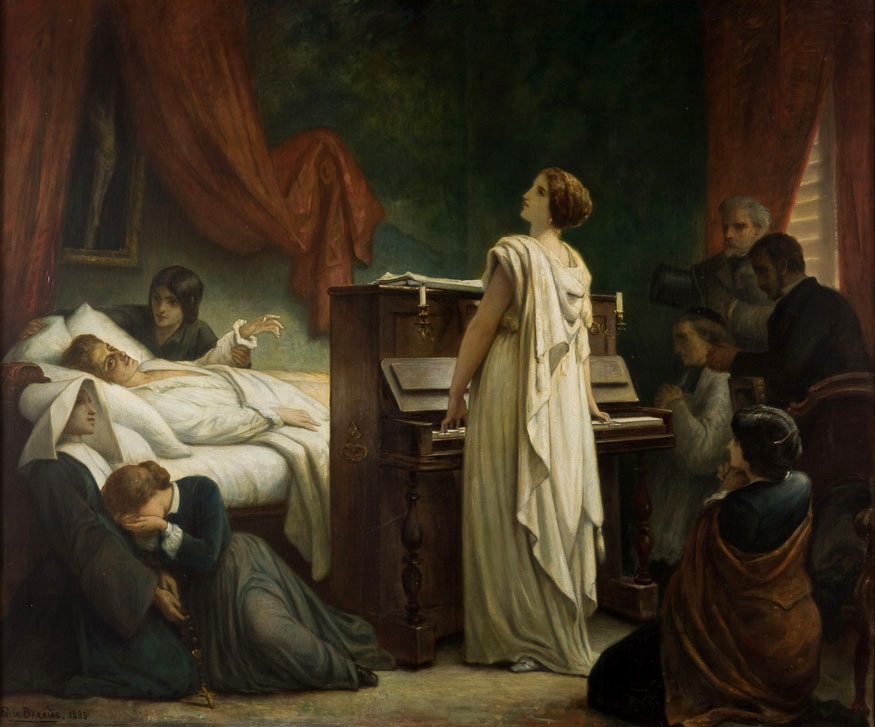
His Polish identity was forged from exile. The November Uprising of 1830 happened while he was on his first tour and he never came home. The failed revolution against Russian rule shaped his music. The Étude Op. 10 No. 12, the “Revolutionary”, was reportedly written in response to the news that Warsaw had fallen to the Russians. The two great polonaises, Op. 40 No. 1 (“Military”) and Op. 53 (“Heroic”), were Polish national symbols decades before there was a Polish state again to claim them.
This matters at the recital because the music isn’t decorative. The polonaise that closes the program is a defiant Polish dance form played on a foreign instrument by a young Polish pianist in a small room two minutes from where Polish kings were once crowned at Wawel. Hearing Chopin in Krakow rather than Paris puts it back where it lived.
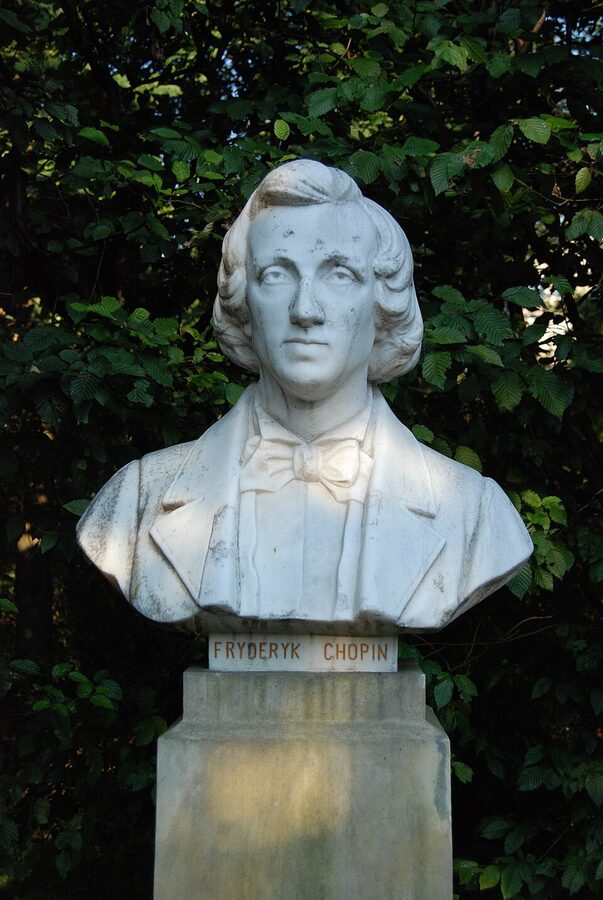

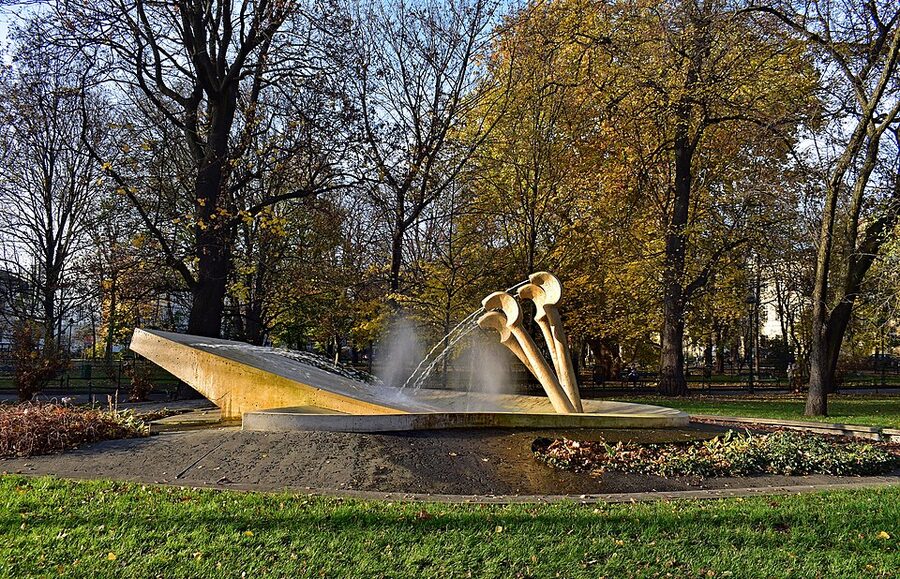
His connection to Krakow specifically is a few documented visits in his early twenties before he left Poland. The Czartoryski Museum and the Jagiellonian University archives hold a few Chopin items. The Planty Garden has the Chopin’s Piano fountain-memorial, completed in 2006, which is worth five minutes if you walk past on the way to the recital.

Things People Get Wrong
Showing up late. Most recitals start exactly on time and won’t seat latecomers between pieces. Plan to arrive 15 to 20 minutes early.
Booking the wrong night. Some operators have multiple shows at multiple venues, and the GetYourGuide booking flow doesn’t always make the venue clear. Check the location address on the voucher before you walk somewhere. Slawkowska and Bernardynska are 12 minutes apart on foot and you don’t want to discover this at 19:55.

Expecting an orchestra. This is solo piano, or a chamber trio for the third recital above. There’s no orchestra, no choir, no opera. If you want orchestral classical, the Krakow Philharmonic does that.
Booking too many evenings of the same thing. One Chopin recital is a great evening. Two in a row, even at different venues, gets repetitive because the core repertoire overlaps.
Combining With Other Krakow Evenings
The Chopin recital fits well in the middle of a multi-day visit. It’s a calm indoor evening that doesn’t require any energy. A four-night Krakow trip might pair the recital (night three) with Schindler’s Factory earlier on a different day, a quiet Kazimierz dinner the night after that, and a folk show or pub crawl on a separate evening. Three Chopin-tier focused evenings in a row is too many. If you’re doing a longer Poland trip, hold off on Warsaw Chopin concerts if you’ve already done one in Krakow. Save Warsaw for the Chopin Museum, which is a different kind of thing.
Accessibility
The Chopin Concert Hall is up two flights of stairs without a lift. The room itself is on the upper floor of a 19th-century building and there’s no elevator. The operator (Cracow Concerts) sometimes arranges a back-entrance ground-floor seat for guests with mobility limitations, but you need to email them at least 24 hours ahead. The seating is theatre-style, no aisle space for a wheelchair.
The Bernardine Church has a few steps at the entrance and a flat nave inside. It’s easier than the concert hall but still not fully accessible. The monastery hall (Piano Trio venue) has a step at the entrance and the room itself is on the ground floor with reasonable space.
If anyone in your party uses a wheelchair, the Krakow Philharmonic at ul. Zwierzyniecka is the more accessible classical option for the city. It’s a modern hall with proper accessibility infrastructure. The Chopin recitals are 19th-century buildings and that’s how they’re built.
Beyond Chopin in Krakow
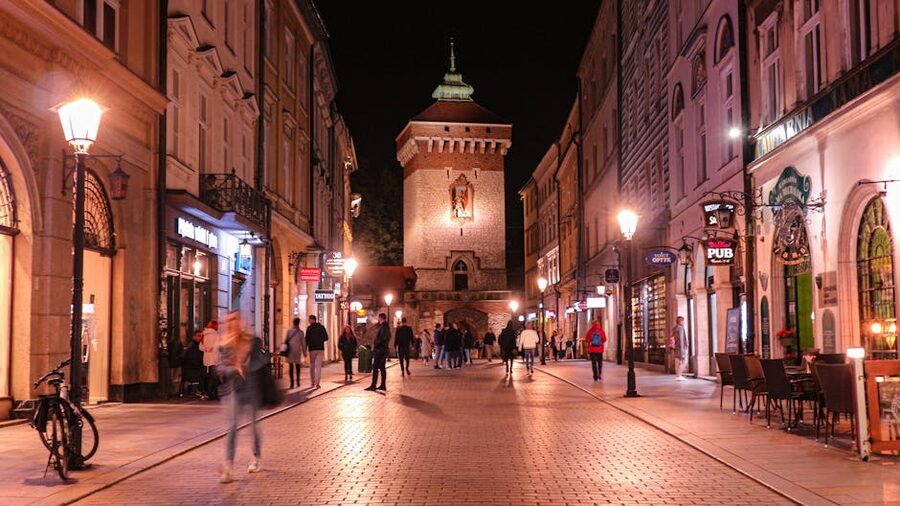
If the recital sparks more curiosity about Polish music, a few avenues are worth knowing about. Klezmer concerts in Kazimierz cover Eastern European Jewish dance music, instantly recognisable from the clarinet and violin lines, lively rather than meditative. The Krakow Philharmonic runs full orchestral concerts weekly during season (October through May), a different scope and a longer evening. The Wawel Cathedral has a Sunday morning mass with a long choral tradition and a working pipe organ. The Jagiellonian University runs free or low-cost student recitals through the academic year, mostly small chamber concerts in the Collegium Maius.

The Honest Verdict
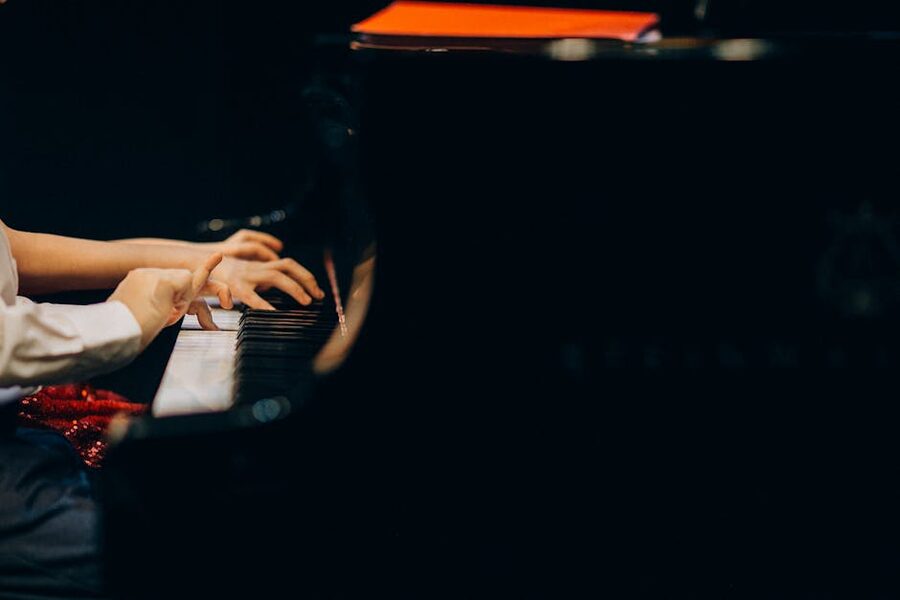
Should you book this if you’re not a classical music person? Probably yes. A 50-minute Chopin recital in a candlelit Polish room is a low-commitment way into music that rewards listening. The pieces are short (most under five minutes), there’s variety in the program, and watching a serious pianist work keeps you engaged even when your ear is new to the form.
Where it doesn’t work: if you actively dislike classical music, this won’t convert you. Chopin’s slow nocturnes are slow. If you fall asleep at slow concerts, this might trigger that.
For most travellers in Krakow for two or more nights, this is one of the better evening choices the city offers. It’s specific to Poland, it sits in the right room for the music, and at $18 to $22 it’s not a financial gamble. I’d put it ahead of most pub crawls and any of the medieval-themed dinner shows. I’ve sat through three Chopin concerts in three countries (Krakow, Warsaw, Vienna) and Krakow was my favourite of them, smaller room, more interesting pianist, unexpectedly good Polish white from Lubuskie in the wine glass.
Other Krakow Evenings Worth Knowing About
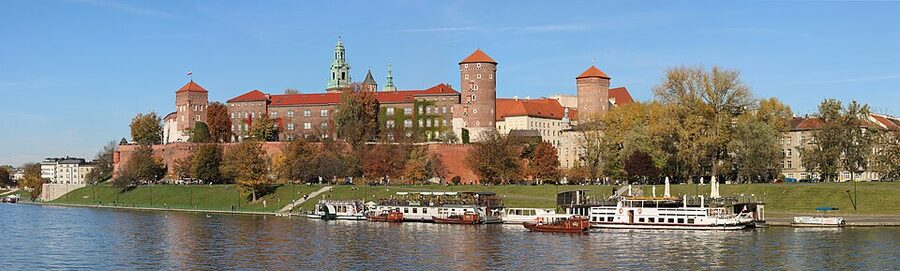
If the Chopin recital lights up your idea of a Krakow night, there are a few other evening experiences in the city worth weaving into a longer visit. The Vistula river cruise runs at sunset in summer and is the right pace for a calmer evening, with Wawel rising to your right as the boat moves downstream. A bike tour is a daytime thing but the late-afternoon versions roll through the Old Town as the lamps come on, which is its own kind of music. For the heavier emotional weight of Krakow’s history, Schindler’s Factory sits in the same evening category as a recital: focused, quiet, slow.
Some travellers extend the trip with a trip to Zakopane in the Tatra mountains, which has its own folk music tradition (highlander bands, gorale music) that pairs interestingly with Chopin’s mazurkas, since both draw on the same Polish folk sources. The contrast between the salon Chopin and the mountain folk version of similar dance forms is one of those small details that ends up being the most interesting thing you remember about the trip.
Affiliate disclosure: We use affiliate links to GetYourGuide and Viator. If you book through them, we earn a small commission at no extra cost to you. It helps keep this site running.