
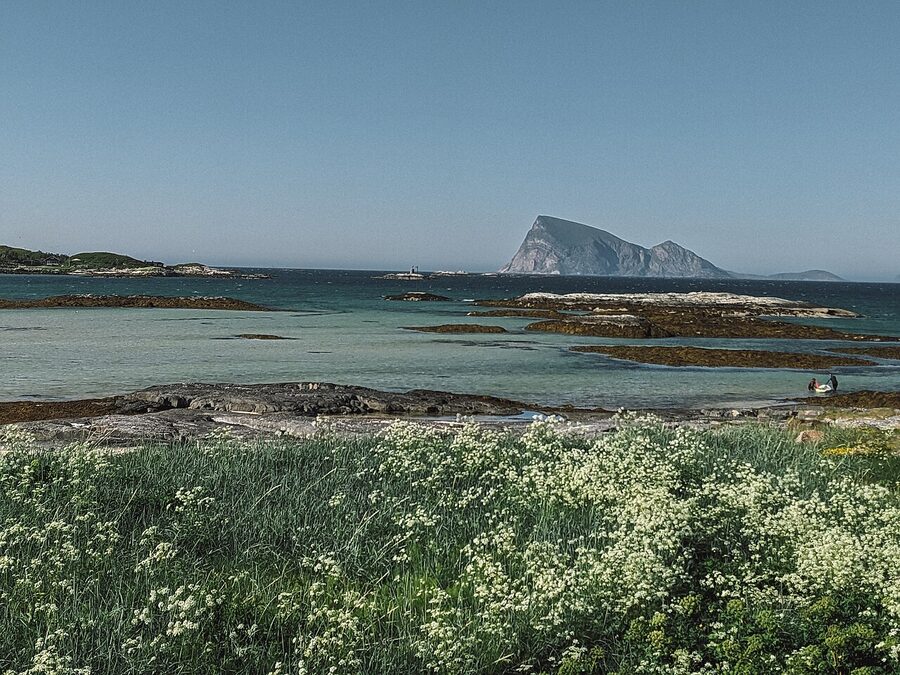
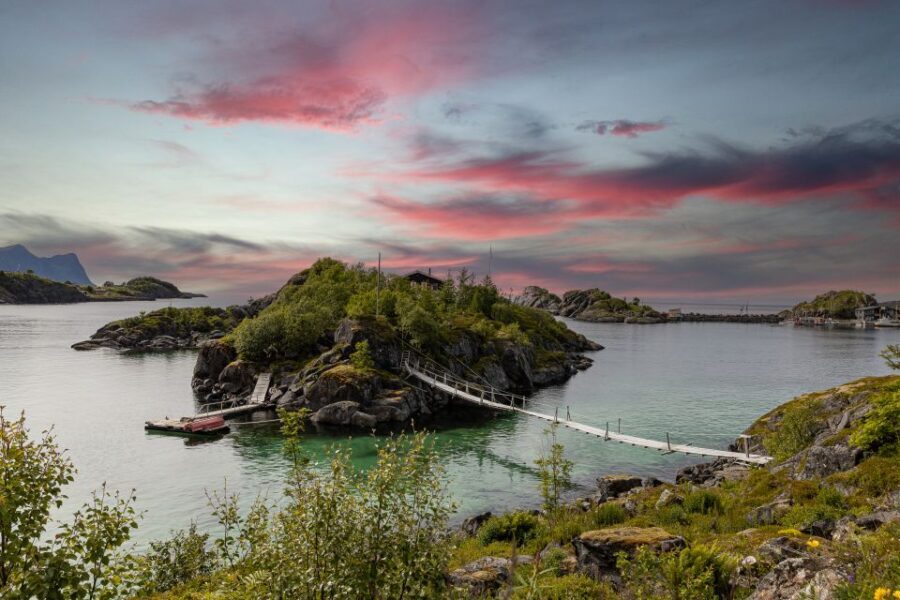
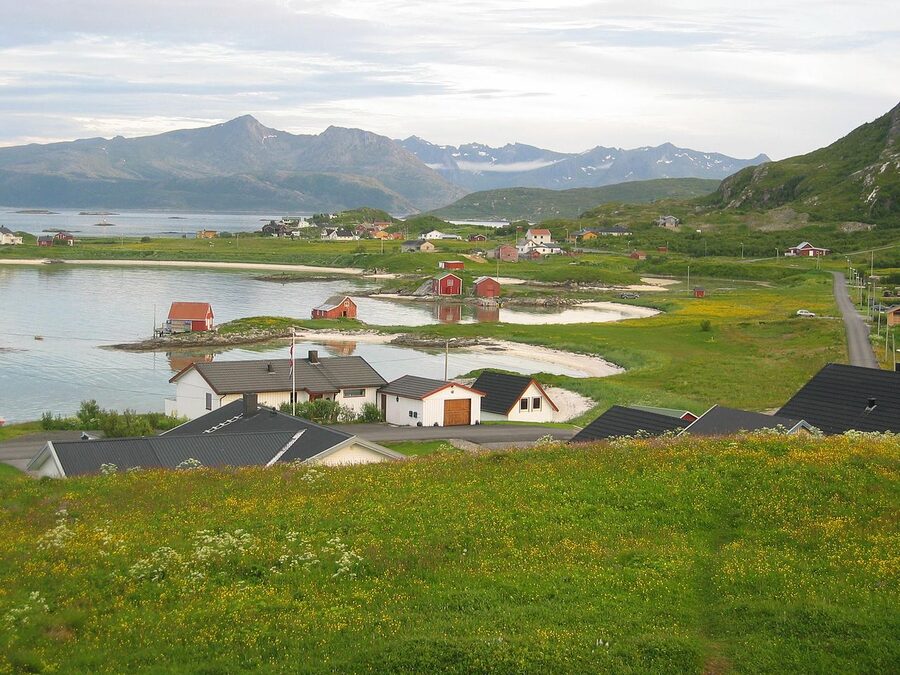
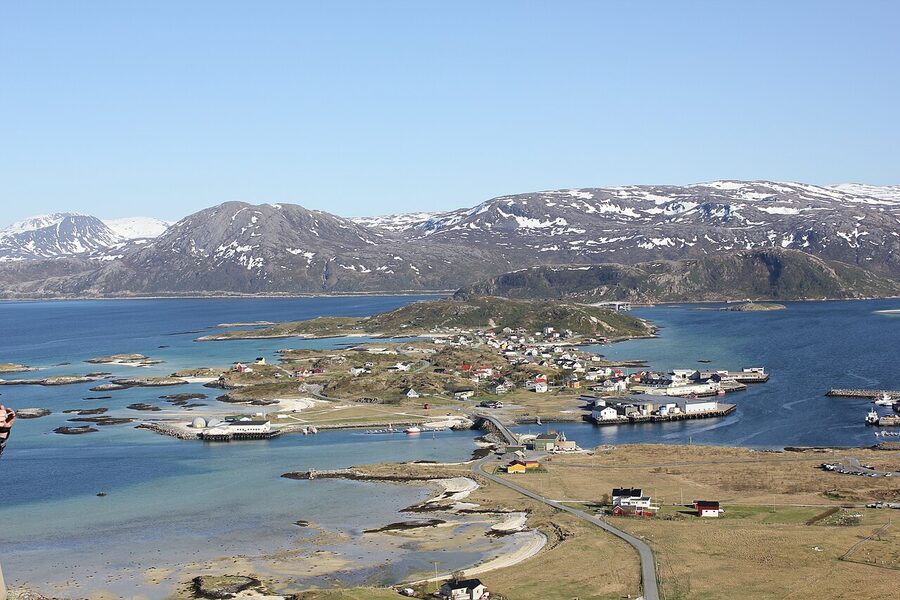
In 2019, the residents of a tiny island chain west of Tromsø went viral by announcing they were “abolishing time.” No more clocks, no more 9-to-5, no more bedtime. The campaign turned out to be a publicity stunt by Innovation Norway, but the reason it was even half-believable was the islands themselves: Sommarøy sits at 70 degrees north, so far above the Arctic Circle that the sun doesn’t set between mid-May and late July, and doesn’t rise at all for a chunk of winter. The other thing that makes Sommarøy strange? White sand. Turquoise water. Beaches that look like the Caribbean, dropped 350 km past the Arctic Circle by some geographic accident.
You can drive there yourself in about an hour and fifteen from Tromsø, but most people don’t, and after taking this trip a few times I’d argue you shouldn’t either. The road past Kattfjordeidet gets icy from October to April, the bridge to the mainland has been known to shut for high winds, and you’ll spend more time wrestling with a rental Yaris than looking at the views. A guided tour is genuinely the easier call here.



- In a Hurry? Quick Picks
- What a Sommarøy tour actually involves
- Why white-sand beaches at 70 degrees north?
- The 2019 “time-free zone” thing, briefly
- The three tours worth booking
- 1. Tromsø: Fjords and Sommarøy Islands Tour with Salmon Picnic at 2
- 2. Tromso: Guided Fjord Expedition in Kvaløya with Light Lunch at 6
- 3. Tromsø: Arctic Fjords Tour, Sommerøya and Kvaløya with Lunch at 6
- What you’ll see along the way
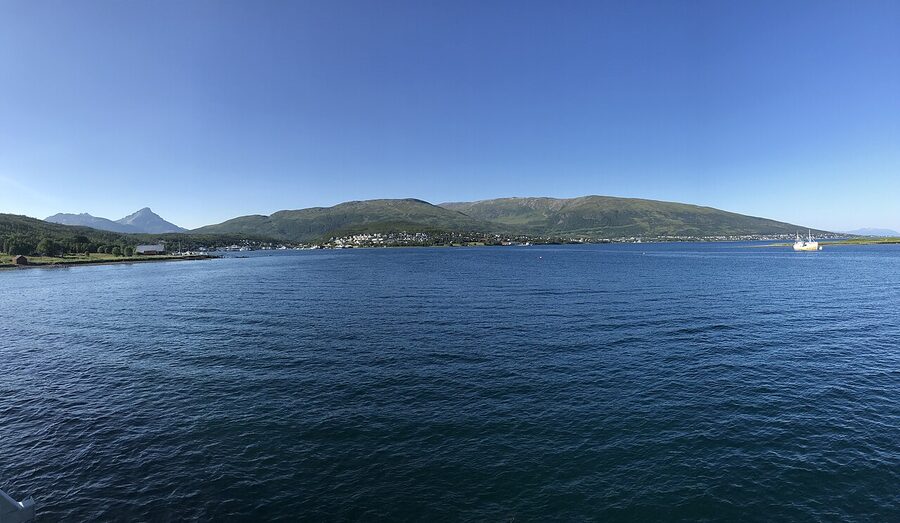
- Sandnessund Bridge and the entry to Kvaløya
- Ersfjordbotn
- The Kattfjordeidet stretch
- Steinsvika archaeological site
- Prestvika and Reina Beach
- Hillesøy
- How long should you actually budget?
- Summer vs winter: a real difference
- What to bring, regardless of season
- The wildlife question
- Pickup, payment, and the cancellation small print
- Booking timing
- Do you actually need a tour?
- If you do self-drive, the practical bits
- Combining Sommarøy with other Tromsø trips
- Where Sommarøy fits in a wider Norway trip
- Quick logistics summary
- Other Arctic Norway trips worth pairing
In a Hurry? Quick Picks
Best value: Tromsø: Fjords and Sommarøy Islands Tour with Salmon Picnic. About $112 for 4.5 hours, fjords plus beach picnic with fresh salmon, the one most people end up booking.
Best small-group: Tromso: Guided Fjord Expedition in Kvaløya with Light Lunch. Around $146, max 15 people, photographer-led with wildlife stops.
Most thorough: Tromsø: Arctic Fjords Tour, Sommerøya and Kvaløya with Lunch. About $176 for 5.5 hours, slightly longer route with full warm meal.
What a Sommarøy tour actually involves
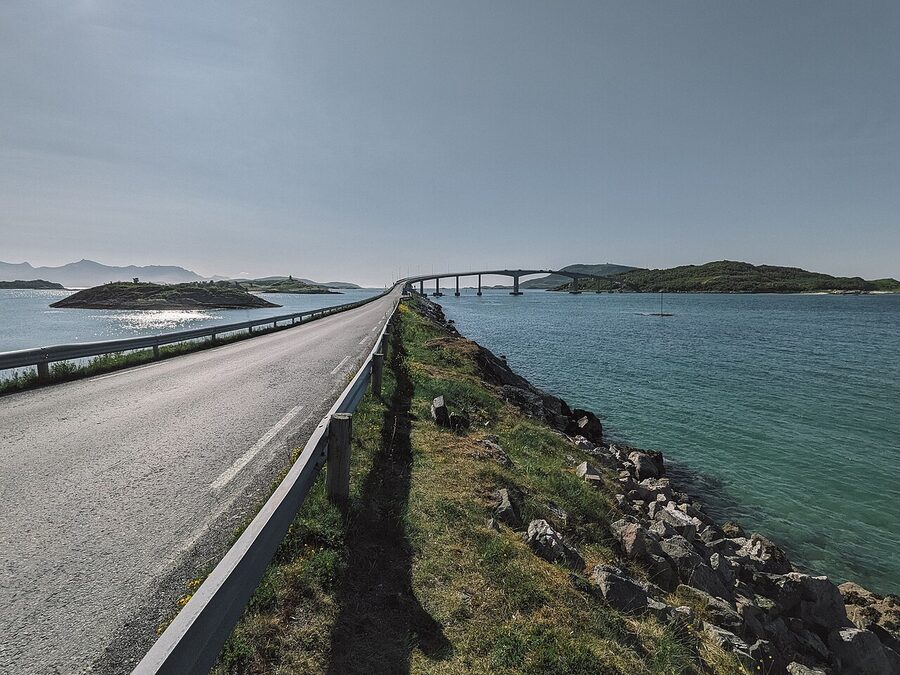
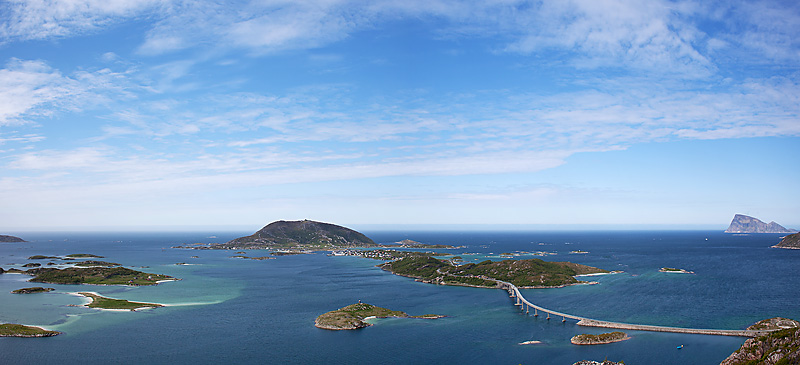
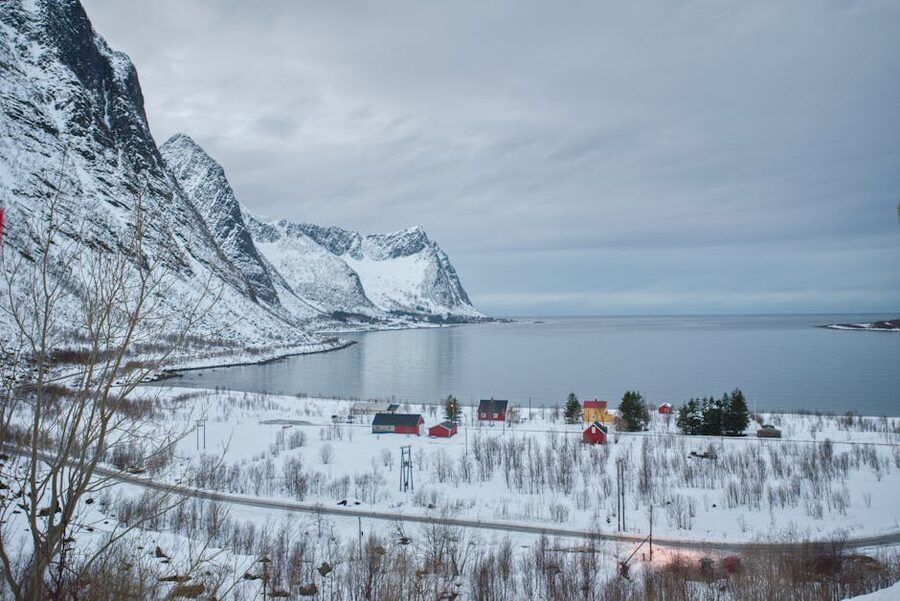
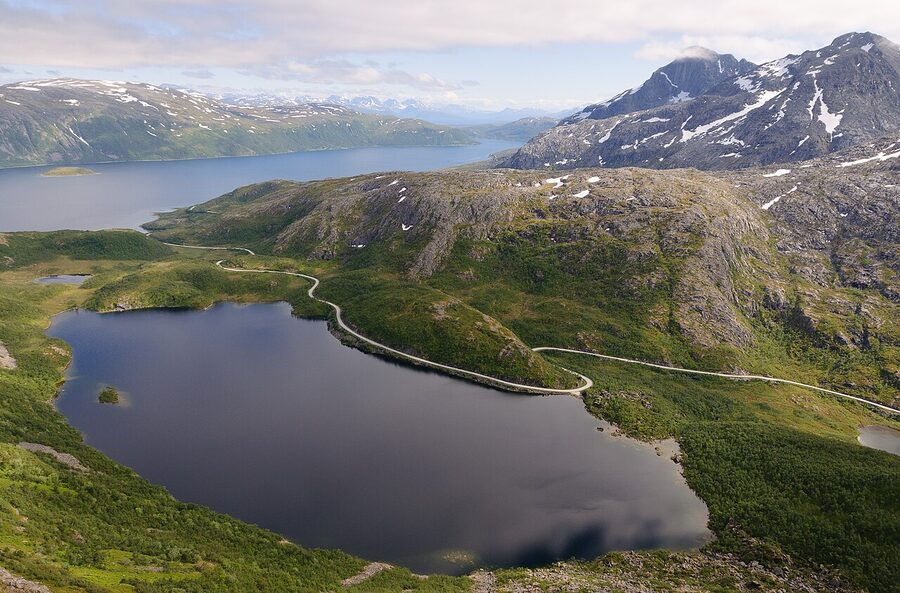
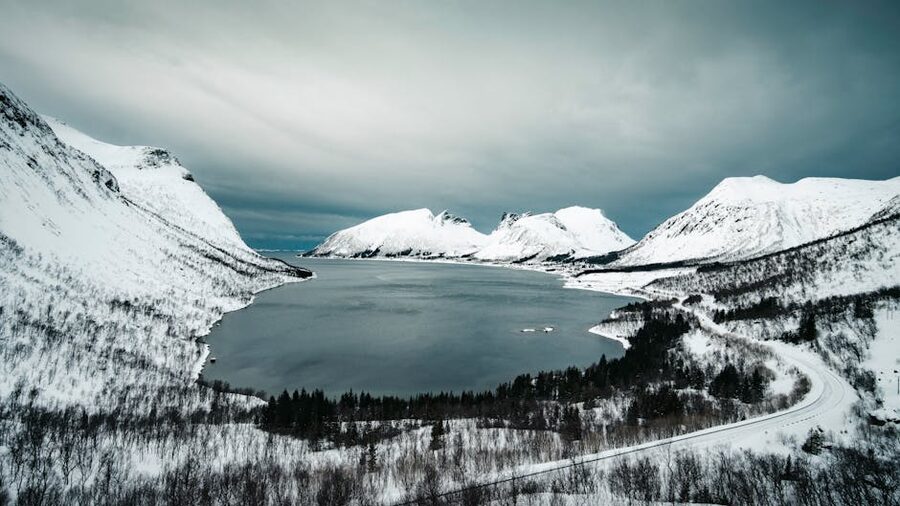
This is a half-day road trip, not a boat tour. You leave Tromsø in a minibus or small van, cross the Sandnessund Bridge onto Kvaløya island, and follow the coast west. The drive itself is the point. The road threads through narrow valleys and along the edges of three or four fjords, past frozen lakes in winter and bright green farms in summer. You’ll stop at viewpoints and beaches along the way before crossing one final small bridge onto Sommarøy itself.
Most tours run for four to five and a half hours including transfers. You’re not on Sommarøy for that whole time. Realistically you get one extended stop on the islands themselves (usually for the picnic) and a handful of shorter scenic stops on Kvaløya on the way out and back. That’s actually the right balance. Sommarøy is small and you don’t need three hours there.
Why white-sand beaches at 70 degrees north?
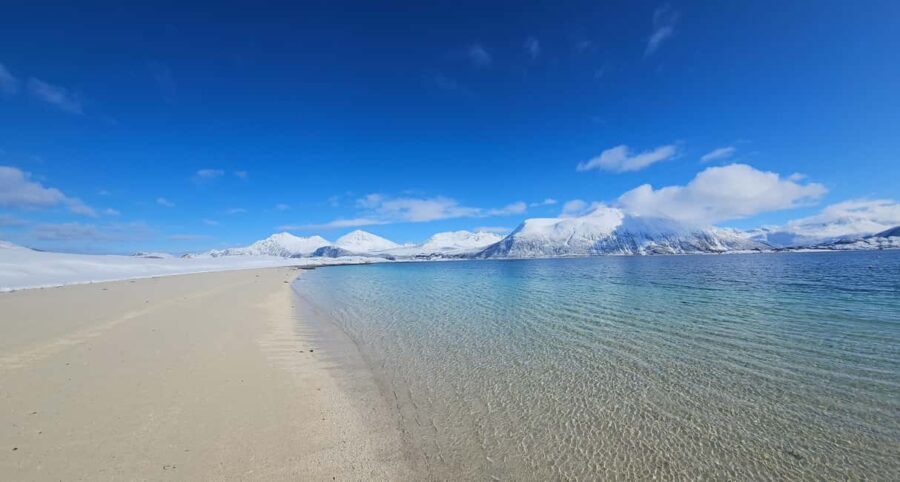
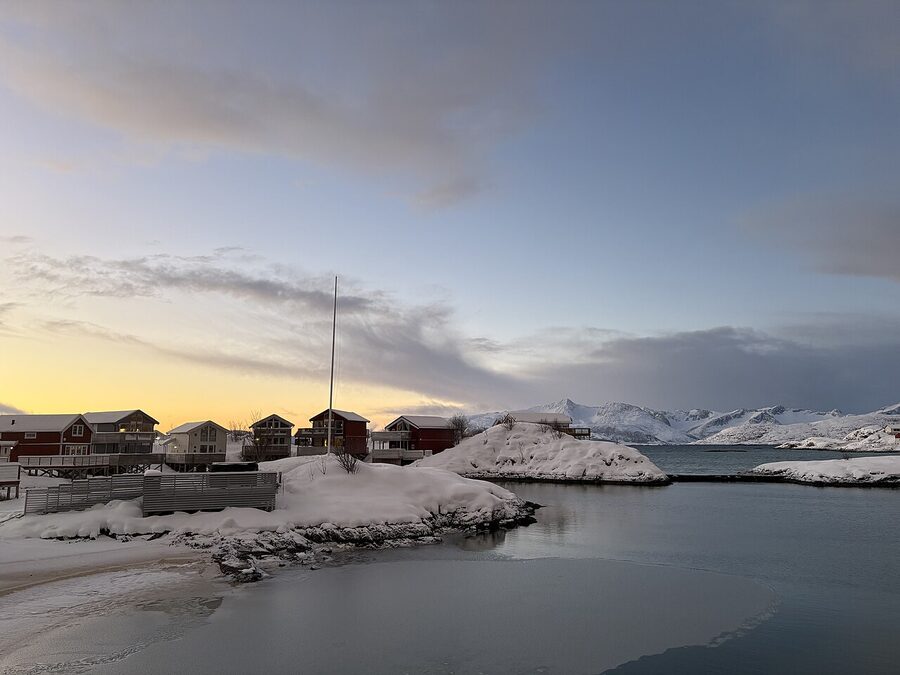
The short answer is the Gulf Stream, then the local geology. The North Atlantic Current funnels warm water up the Norwegian coast and keeps the sea here ice-free year-round, even in February. The beaches are white because they’re not really tropical sand at all. They’re crushed shell and quartz from the local granite, ground down and bleached by storms over millennia. The water reads as turquoise in summer because shallow, sandy bays scatter light the same way they do anywhere else, regardless of latitude.
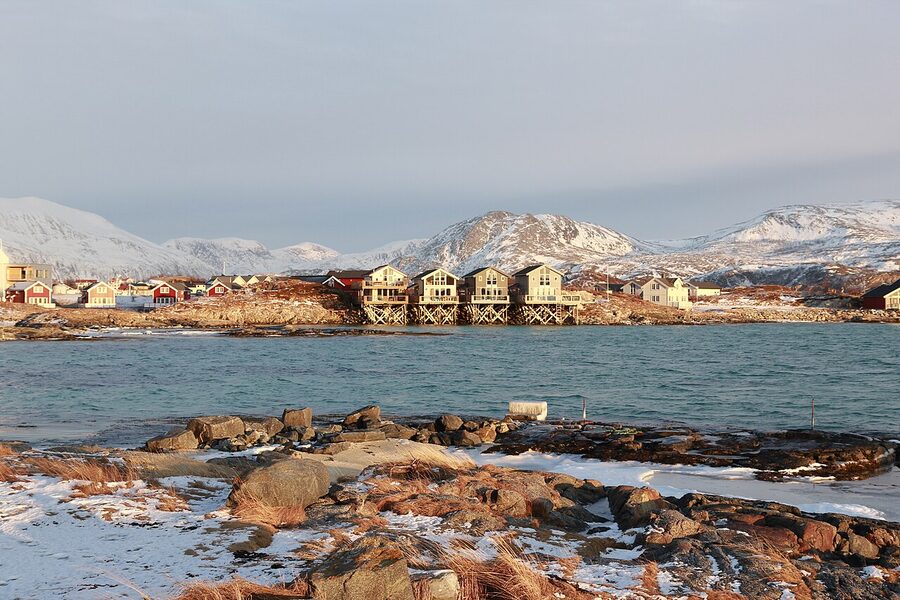

The “looks like the Caribbean” line gets used a lot, and it’s a stretch. On a grey day Sommarøy looks like… a grey beach in northern Norway. But on a clear summer afternoon, with the midnight sun still up at 11pm, you genuinely do get those impossible photos. I’ve taken the tour twice. The second visit was sunny and I spent a good twenty minutes just standing on Steinsvika beach with my mouth open.
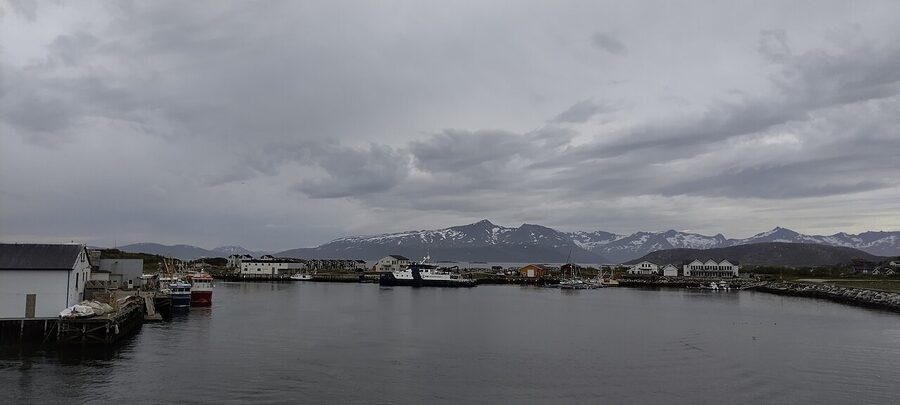

The 2019 “time-free zone” thing, briefly
In June 2019, residents of Sommarøy made global headlines when they petitioned to declare the island a “time-free zone” during the midnight sun period. The story was picked up by the BBC, the New York Times, CNN, and pretty much every travel outlet on the planet. The pitch was poetic: when the sun never sets, why should you sleep at 11pm? Why should the school start at 8?
It turned out to be a publicity campaign run with help from Innovation Norway, the country’s tourism marketing arm. The “petition” was real, but the time-free zone was never going to be legally enforced. What’s interesting is that locals weren’t really faking the underlying point. People who live this far north genuinely do live differently in summer. Kids play football at 1am. People mow lawns at midnight. The clock matters less. So the stunt landed, even after it was outed, because there was a kernel of truth in it. You’ll likely hear the story from your guide, told with varying degrees of pride or eye-rolling depending on how local they are.
.jpg)
The three tours worth booking
There are about a dozen Sommarøy tours running out of Tromsø in any given week. Most cover roughly the same route. The differences come down to group size, what’s included for lunch, how long you spend, and whether the guide doubles as a photographer. These three are the ones I’d actually pick.
1. Tromsø: Fjords and Sommarøy Islands Tour with Salmon Picnic at $112
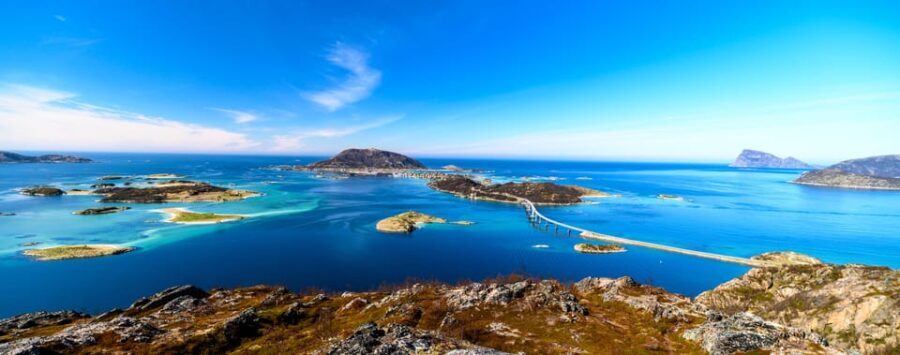
This is the tour most people end up on, and there’s a reason. Four and a half hours, $112, and you actually get a beach picnic with cured Norwegian salmon and reindeer slices, not just a soggy sandwich. Our full review of the salmon picnic tour goes into the food in detail, but the short version is that the catering is the bit competitors keep underestimating. Group size is up to about 15.
2. Tromso: Guided Fjord Expedition in Kvaløya with Light Lunch at $146
The smaller-group option, capped at 15 people. Five hours, $146, with guides who actively help you set up shots for sea eagles, reindeer, and the rare moose. The lunch is lighter (warm soup served outdoors, weather permitting) but the value is in the wildlife focus. Our full review of this Kvaløya expedition covers what to bring lens-wise. Pick this one if you’d rather take photos than eat salmon.
3. Tromsø: Arctic Fjords Tour, Sommerøya and Kvaløya with Lunch at $176
The most thorough of the three, and the only one with an indoor cabin lunch instead of an outdoor picnic. Five and a half hours, $176, and the extra time gets you into a few quieter coves the shorter tours skip. Read our full review of the all-inclusive Sommerøya tour for the route breakdown. Worth the price jump if it’s December and you really don’t want to eat outside in the wind.
What you’ll see along the way
The Sommarøy tour is really five or six small stops strung together by a scenic drive. Knowing what’s coming up helps you pace yourself with the camera, because if you photograph the first viewpoint to death you’ll have nothing left for the better ones later.
Sandnessund Bridge and the entry to Kvaløya
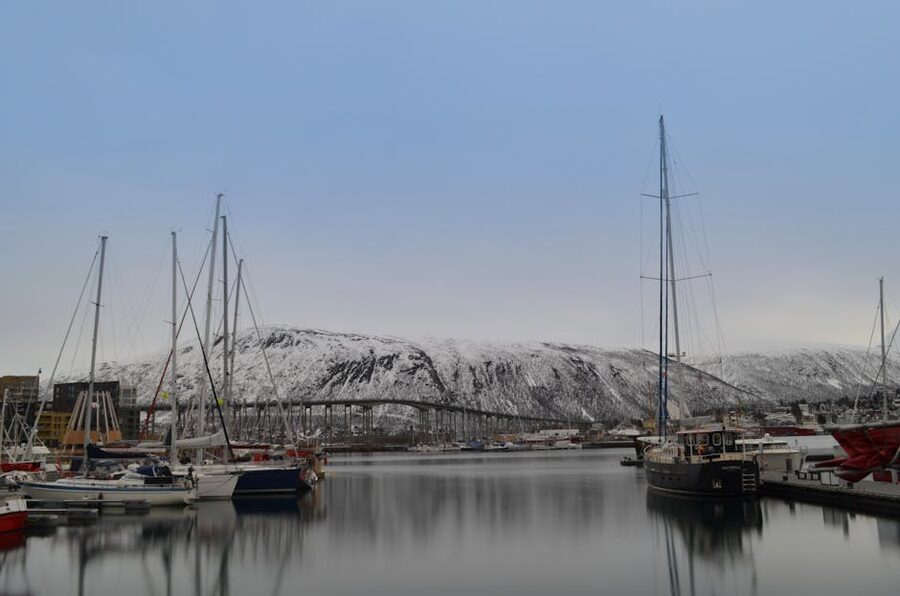
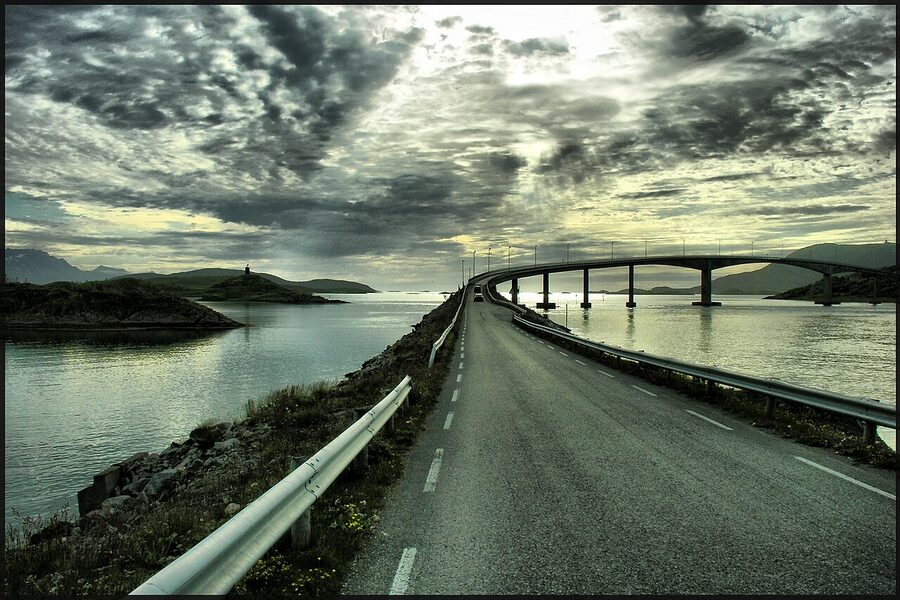
You leave Tromsø by crossing Sandnessund Bridge, which is also the only road link between Tromsø Island and Kvaløya. It’s worth knowing this bridge has closed for high winds in the past. If your tour is going ahead, it’s open. If your tour gets cancelled at short notice in winter, this is usually why.
.jpg)
Ersfjordbotn
About 35 minutes from Tromsø you’ll roll into Ersfjordbotn, a tiny village on Ersfjord with red wooden houses, fishing boats, and a viewpoint above the fjord. Most tours don’t stop here on the outbound leg because they want to push through to lunch, but several stop on the way back. There’s a good cafe (Bryggejentene, closed Sundays) if you have time.
The Kattfjordeidet stretch
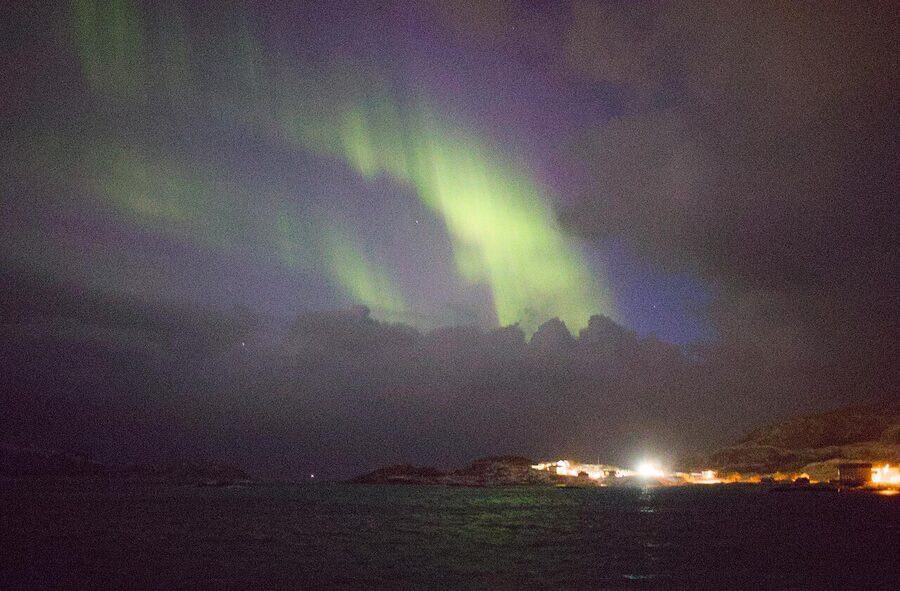
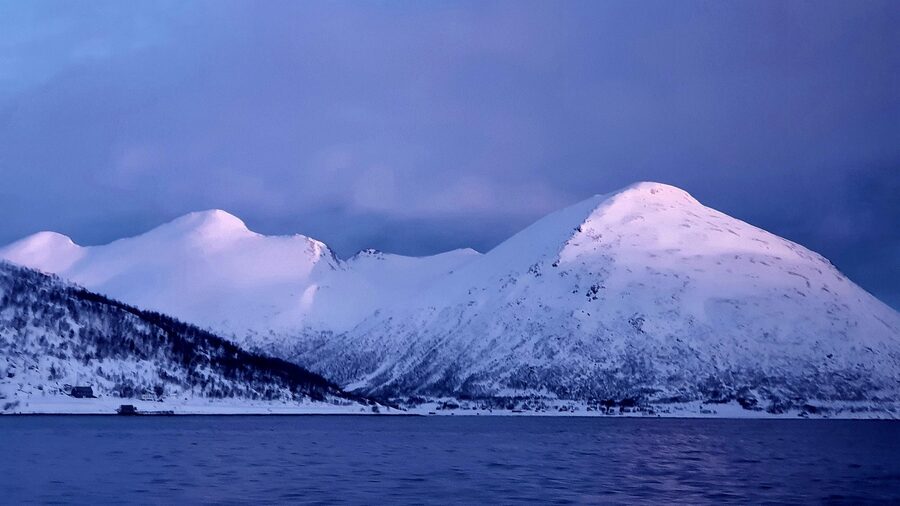
This is the inland section, where the road climbs through a valley past a frozen lake (Kattfjordeidet). It’s bleak and beautiful in winter, and the lake is a known northern lights viewpoint if you’re up here in the dark months. Tours don’t usually stop because there’s not much shelter, but you’ll get a moving window-shot view of it.
Steinsvika archaeological site
The first proper stop on Sommarøy. Steinsvika has the remains of an Iron Age farmstead (you can’t really see them, honestly, but the picnic tables overlook one of the prettier turquoise-water beaches on the island). This is also where most of the salmon-picnic tours set up. There’s a large car park with toilets, though the toilets are closed in winter.
Prestvika and Reina Beach
If you walk eight minutes from Steinsvika you reach Prestvika beach and the small Prestvika Strandkafé, which opened in 2024 in a converted boat shed. They make their own cinnamon buns and the owner swims in the sea every day, year-round. Reina Beach is a short drive further along with views of jagged Håja island.

Hillesøy
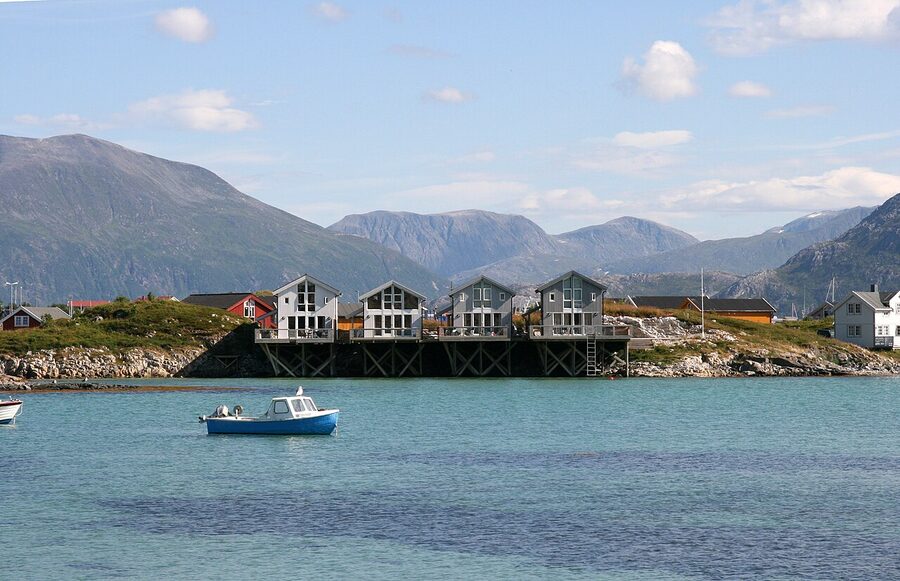
Sommarøy itself is so small you reach the end of it within minutes. Cross one more bridge and you’re on Hillesøy, a tiny dot of land dominated by a single mountain. The Sommarøy Arctic Hotel is here. Most tours include a ten-minute photo stop on Hillesøy, sometimes longer if the weather’s clear.

How long should you actually budget?
Tour lengths run from 4.5 to 6 hours depending on the operator. Here’s how I’d think about it:
- 4.5 hours is enough if you want the highlights. You’ll get the bridge crossings, the Sommarøy beaches, and one decent lunch stop. The pace is brisk.
- 5 to 5.5 hours is the sweet spot. Time for an extra viewpoint or two, a proper sit-down meal somewhere warm, and enough time to get out and walk on the sand without feeling rushed.
- 6+ hours only makes sense if you’re combining Sommarøy with Senja or another island further south. There isn’t enough on Sommarøy itself to fill a full day. You’d just be paying to sit in a van longer.

Summer vs winter: a real difference
This is one of those trips where the season changes the experience completely.
Summer (June to August) is when you get the photos that look fake. The midnight sun is up nonstop from late May through late July, the beaches genuinely look turquoise, and you can stand on the sand at 11pm in a t-shirt. Tour groups are bigger, the road is fast, and Sommarøy gets visited by every cruise ship docking in Tromsø. There’s a real risk it’s busy.
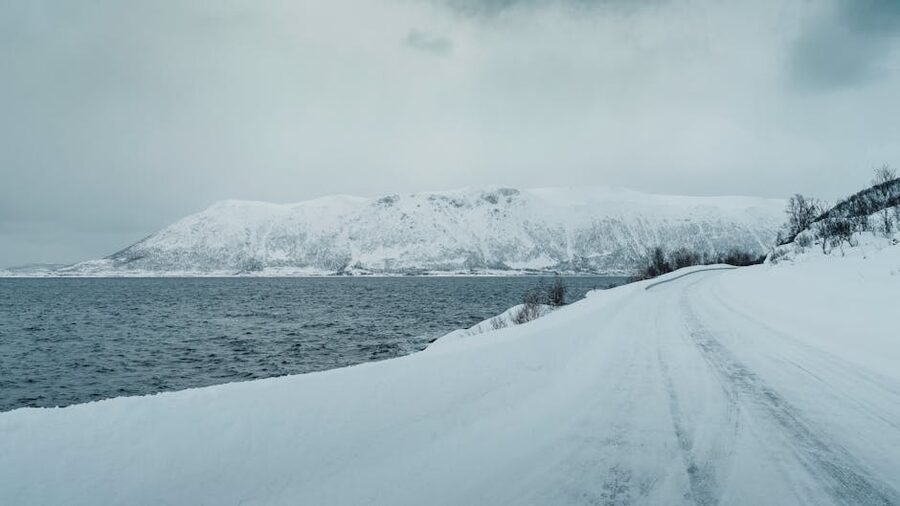
Winter (November to March) is the opposite. The sun barely shows up. From around 27 November to 15 January it doesn’t rise at all (the polar night). What you get instead is blue light at noon, dramatic shadows, frozen fjords, and a real chance of seeing the northern lights on the drive back. Tours run with smaller groups, the road can be hair-raising, and you’ll see snow-covered beaches that look like nothing else on earth. I’d argue winter is more interesting if you’re already going to do other Arctic activities. Summer is the easier first visit.
Shoulder season (April-May, September-October) is the most unpredictable. You can hit perfect weather or a five-hour blizzard. I’ve had both. Tours still run, prices are sometimes a bit lower, but the weather cancellation rate goes up.
What to bring, regardless of season
The single biggest mistake people make is dressing for the city instead of for the open coast. Tromsø itself is sheltered. Sommarøy faces the open Atlantic. Wind is the issue, not just temperature.
- Wind-blocking outer layer. Even in July. Especially in July, when you’ll be tempted to leave the jacket in the van.
- Waterproof shoes. Half the photo stops involve walking on wet sand or icy rock.
- Sunglasses in winter. The blue twilight is reflective and your eyes will be tired by lunchtime without them.
- A real camera, or at least extra phone batteries. The cold drains lithium batteries fast. I lost a phone to this on my first trip.
- Cash isn’t necessary. Norway runs on card. The Prestvika cafe takes contactless. So does the Sommarøy Arctic Hotel if you stop for a coffee.
The wildlife question
Sommarøy tours sell themselves partly on wildlife, and I want to be honest about what you can realistically expect. You will probably see reindeer. They’re not wild in the strict sense, since they’re owned by Sami herders, but they wander freely on Kvaløya, and most of the half-day tours stop for them at least once. You might see sea eagles, especially in winter when they fish closer to the coast. Otters, moose, and porpoises are listed on the tour pages but I’ve only seen them on one of my four trips.
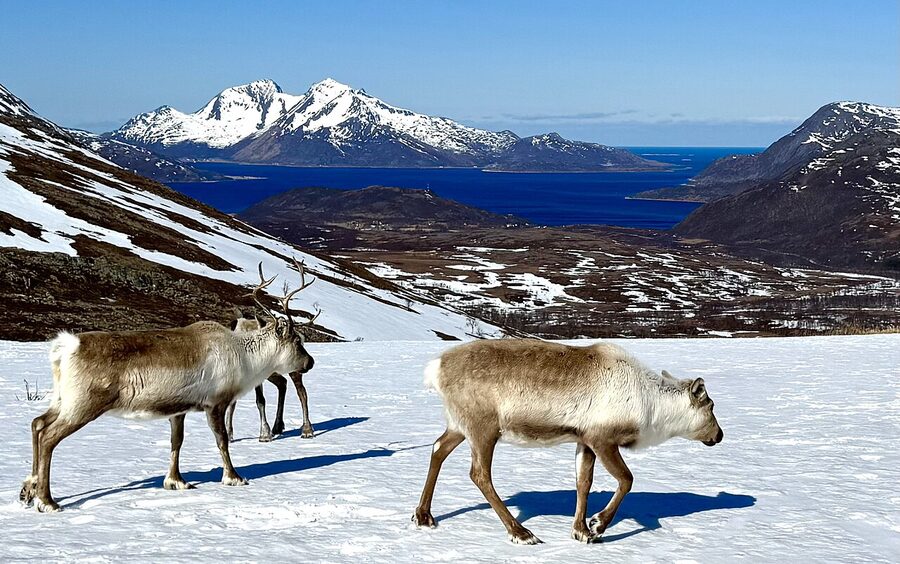
If wildlife is the main reason you’d book, a dedicated whale-watching trip from Tromsø in November-January is more reliable. The Sommarøy tour is better thought of as a scenic drive that occasionally has reindeer in it, not as a wildlife safari with views. That’s not a complaint. It just helps to know what you’re paying for.

Pickup, payment, and the cancellation small print
Almost all Sommarøy tours pick up from the Tromsø harbour area, usually outside the Radisson Blu or the Scandic Ishavshotel. A few include hotel pickup if you’re staying near the city centre. Check before you book: there’s a difference between “pickup from your hotel” and “meeting point in the harbour, walk yourself there.” For winter trips I always pay the small upcharge for actual hotel pickup so I’m not standing in the snow.
Payment is GetYourGuide or Viator, in your own currency, with free cancellation up to 24 hours before in most cases. Read the small print on weather cancellations: a few operators cancel for high winds and refund automatically, others reschedule first. If you only have one or two days in Tromsø, that distinction matters a lot.
Booking timing
Sommarøy half-day tours don’t sell out the way Northern Lights chases or whale-watching can in peak weeks, but the smallest-group operators (under 10 people) book up two to three weeks ahead in summer and a week or so ahead in winter. The big-coach versions usually have day-of availability if you’re flexible.
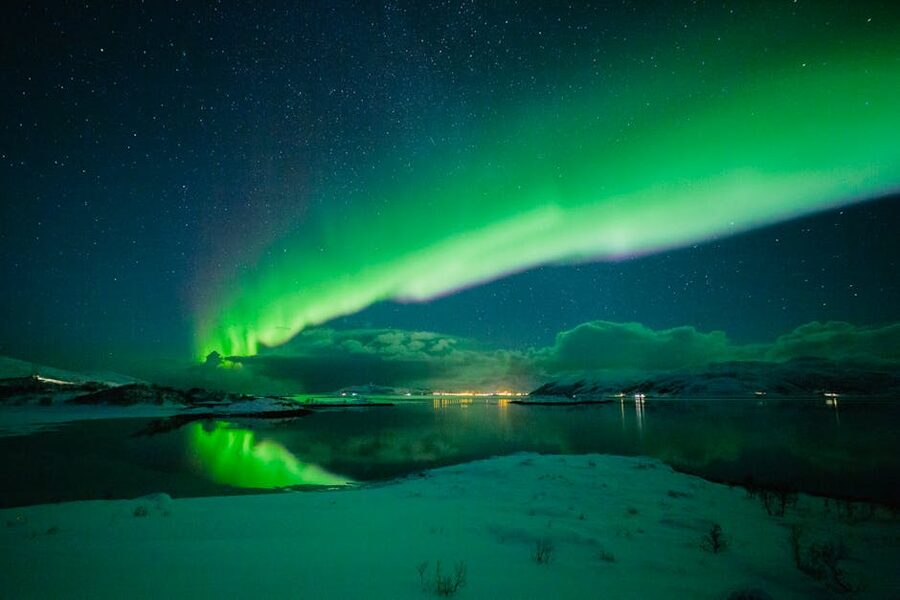
If you’re combining this with other Tromsø activities, it makes sense to do Sommarøy on day two or three of your trip rather than day one. You want to keep day one free for a flexible Tromsø Northern Lights chase, since that’s the activity most affected by clear-sky luck and the one you’d most regret missing. A daytime Sommarøy tour goes ahead in nearly any weather short of a full storm.
Do you actually need a tour?
Honest answer: in summer, with a confident driver and a rental car, you don’t need one. The roads are good, parking is plentiful, and you can do the loop in your own time. You’ll probably save about $40 per person versus the cheapest tour, factoring in the rental and fuel.
In winter, I’d take the tour every time. The drive is genuinely tricky. Roads have ice patches you can’t see, the bridge can close, and a stuck rental car at minus eight is not the day you wanted. The tour drivers do this route daily, they have winter tyres rated for the worst of it, and they know the bail-out routes if a section closes. The price difference is more than worth it for the peace of mind.

If you do self-drive, the practical bits
- Rental from Tromsø Airport is cheaper than the city centre desks.
- Pick the smallest car you’d be comfortable in. The roads are narrow.
- Studded winter tyres are mandatory November to April and the rental will include them.
- Download offline Google Maps for Kvaløya before you leave the airport. Signal is patchy.
- The supermarket Eide Handel on Kvaløya, about 15 minutes from the airport, is the last full grocery before Sommarøy.
- Don’t drive back to Tromsø on the day of a flight in winter. The bridge can close for two hours without warning.
Combining Sommarøy with other Tromsø trips
Sommarøy works well as a daytime activity slotted into a longer Tromsø itinerary. The half-day length means you can pair it with something else the same day, depending on the season.
If you’re in Tromsø in winter, the natural pairings are reindeer sledding outside Tromsø with a Sami family (an afternoon or evening) or husky sledding on Kvaløya (most kennels are on Kvaløya itself, so you can technically do it on the same drive if you arrange transport). After dark, the Northern Lights chase is the obvious add-on.
In summer the rhythm is different. Long daylight means you can do Sommarøy in the morning, head back to Tromsø for an early dinner, and then do a fjord and fishing cruise in the late afternoon when the light is at its softest. That’s a long day but a genuinely satisfying one.

Where Sommarøy fits in a wider Norway trip
If Tromsø is one stop on a longer Norway loop, Sommarøy is one of the things that sets it apart from Bergen, Oslo, and the south. Bergen’s whole pitch is the fjord scenery, and the classic Bergen fjord cruise is arguably more spectacular in absolute terms, with bigger cliffs and narrower channels. But Sommarøy gives you something Bergen can’t: that combination of Arctic latitude with Caribbean-coloured beaches, plus the genuine remoteness of the route.
In Oslo, the obvious water-based activity is an Oslo fjord cruise through the inner archipelago, which is gentler and more historical. Stavanger and the south offer dramatic hikes like Pulpit Rock above Lysefjord. And the iconic Flåm railway from Bergen gives you the inland fjord experience by rail. They’re all worth doing. Sommarøy stands apart because it’s the one that doesn’t fit any of the usual Norway templates. White beaches, midnight sun, and the time-abolition stunt: it’s almost a different country.
Quick logistics summary
- Distance from Tromsø: about 60 km by road, 1 hour 15 minutes one-way
- Tour length: 4.5 to 5.5 hours typically
- Price range: $112 to $176 per person
- Group size: 8 to 15 most operators, occasionally up to 25 on coach versions
- Best season: July for white-sand-and-turquoise photos, January-March for snow drama and northern lights
- Booking lead time: a few days in winter, two-plus weeks for small groups in summer
- Cancellation policy: usually free up to 24 hours, weather cancellations refunded
- Cash needed: none

Other Arctic Norway trips worth pairing
If Sommarøy is on your list, the rest of your Tromsø planning probably wants to look like this. Block out one daytime slot for the islands. Block out at least one evening for a Northern Lights chase if you’re here in winter. Then pick one or two of the active Sami- or husky-led options for a contrast: reindeer sledding with a Sami host is the one I’d push hardest if you’ve never done it, because it’s the only Arctic activity where the cultural side matters more than the photo. Husky sledding on Kvaløya is the higher-adrenaline counterpart and easier to combine with a Sommarøy day since the kennels are on the same island. And if the weather looks marginal for the islands, a fjord and fishing cruise with cod from Tromsø harbour is a good plan B that doesn’t depend on the bridge being open.
Disclosure: This guide contains affiliate links to GetYourGuide and Viator. If you book through them we may earn a small commission at no extra cost to you. We only recommend tours we’d send a friend on.