
My friend Sarah came to Seville with one item locked in: Cordoba. She had the Mezquita on her bucket list and wasn’t interested in stopping anywhere else. The day-trip operator threw in Carmona almost as a footnote, and she rolled her eyes at me when I told her that bit was the part she’d remember. She came back at seven that evening, dropped onto the sofa, and said, “Carmona. The necropolis at golden hour. I get it now.”
That’s the trick with this day trip. People sign up for the Mezquita and end up writing home about the Roman tombs in a small hilltop town thirty minutes outside Seville. If you can give a single day to it, the Cordoba and Carmona combo is one of the best uses of ten hours in Andalusia.
Alternative operator: Cordoba & Carmona with Mezquita, Synagogue and Patios, $120. Adds the Synagogue and one of the famous patios in Cordoba.
If you’ve already done Cordoba: Carmona and Necropolis half-day from Seville, $59. Just the Carmona piece, four to five hours, much smaller group.

- What this day actually looks like
- The three tours worth booking
- 1. Cordoba, the Mosque and Carmona Day Trip: 7
- 2. Cordoba and Carmona with Mezquita, Synagogue and Patios from Seville: 0
- 3. Carmona and Necropolis Half-Day from Seville:
- Cordoba: what you’ll actually see
- The Jewish Quarter and Calleja de las Flores
- Lunch in Cordoba
- The Roman Bridge and Calahorra Tower
- Carmona: why the Roman necropolis is the surprise
- The Roman Necropolis
- The Alcázar and the parador
- The old town
- What you actually pay for
- Cancellation and rebooking
- What to bring
- When to do this trip
- Day of the week
- Doing it on your own (and why most people shouldn’t)
- If you only have time for one
- Quick history, in case you want it
- Common mistakes I see
- Beyond this day trip
What this day actually looks like
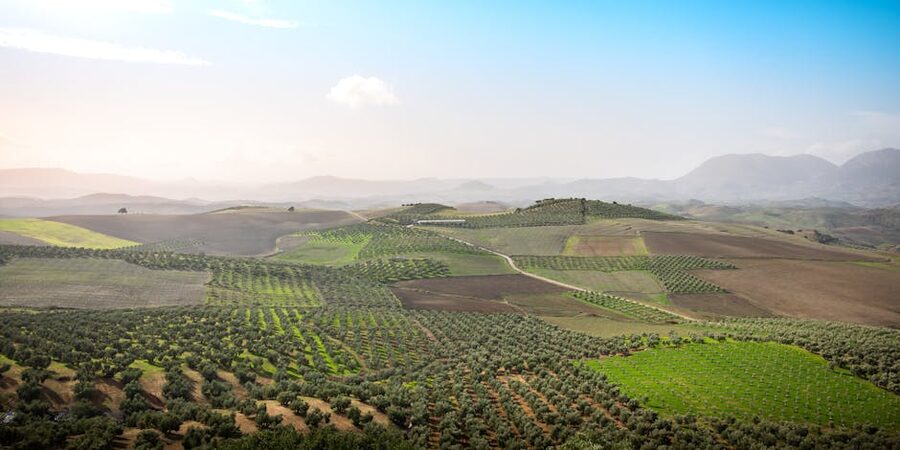
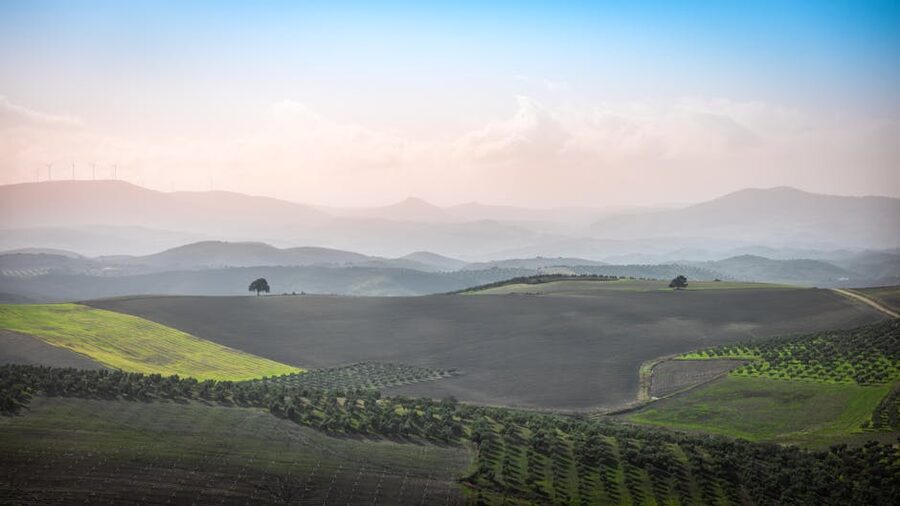
A typical Cordoba and Carmona day from Seville runs about ten hours. You leave Seville around 8 or 8.30am from somewhere central (most operators meet near the Cathedral or Plaza del Triunfo, a few do hotel pickups), drive ninety minutes northeast through olive country to Cordoba, spend the bulk of the day there, then stop in Carmona on the way back and roll into Seville around 6.30 or 7pm.
The order matters. Doing Cordoba first lets you hit the Mezquita before the worst of the heat (in summer) and before the cruise-ship coaches arrive from Cadiz. Carmona on the back end works because it’s only thirty minutes from Seville, the light is golden by mid-afternoon, and the Roman necropolis is open until 6pm in summer. A handful of operators reverse the order. I’d push back on that if you can. Carmona is small enough that an hour and a half is plenty, but the tomb interiors are in shaded chambers and they’re more atmospheric in afternoon light than in mid-morning sun.
Most groups land between 30 and 45 people in a single coach. A few smaller-group options exist (the Carmona-only half-day caps at around 12), but the headline combo is a coach product.
The three tours worth booking
I’ve been through the operators offering this exact combo and there are really two combo products plus one Carmona-only option that’s useful as a backup if you’ve already covered Cordoba on a separate day. Here they are in the order I’d recommend.
1. Cordoba, the Mosque and Carmona Day Trip: $117
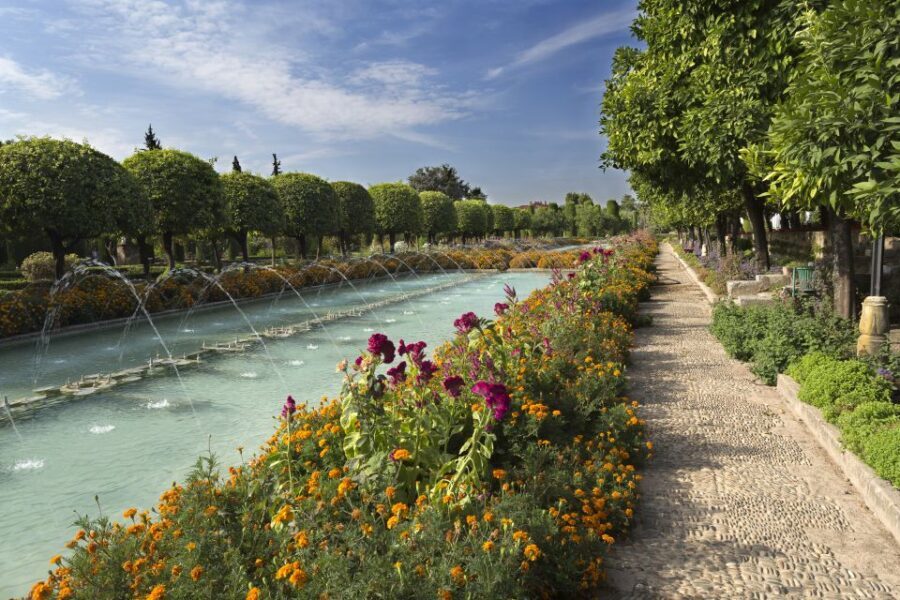
This is the biggest combo on the market and the one I’d start with. It’s a ten-hour day with skip-the-line at the Mezquita, a guided walk through the Jewish Quarter, free time for lunch in Cordoba, and a proper hour-and-a-half Carmona stop on the way back. Our full review of this tour gets into the small operational details (where pickup actually is, which seats fill last) but the headline is that the guide quality has been consistent across multiple departures.
Check Availability
Read our full review
2. Cordoba and Carmona with Mezquita, Synagogue and Patios from Seville: $120
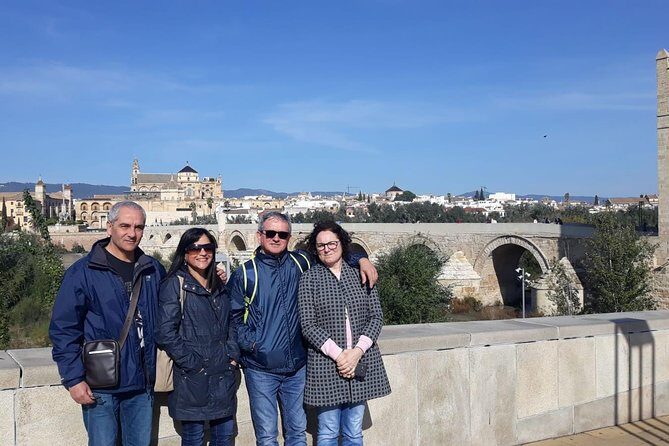
Almost the same price as the first one but with a different shape inside Cordoba. You still get the Mezquita with skip-the-line and you still get Carmona, but Cordoba adds the small 14th-century Synagogue (one of only three pre-expulsion synagogues left in Spain) and a stop at one of the courtyards on the Patios route. Worth it if patios and synagogue tradition matter to you. Our in-depth take on this Viator combo covers a complaint we keep seeing about a strict pickup window. Don’t roll up to the meeting point at the last minute.
Check Availability
Read our full review
3. Carmona and Necropolis Half-Day from Seville: $59
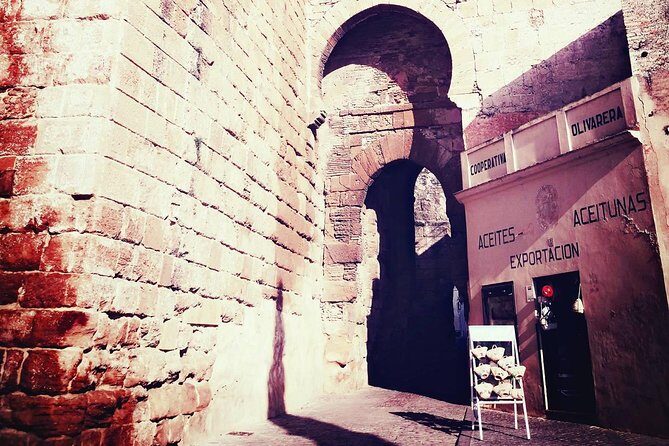
The combo isn’t for everyone. If you’re in Seville for four nights and you’re already taking a separate trip to Cordoba (we cover that in our Cordoba-only day-trip guide), this is the cleaner way to see Carmona. Smaller group, less driving, more time at the necropolis. Our full review of the Carmona half-day calls out the guide’s depth on the Roman period; that’s the part that lifts it above a generic walking tour.
Check Availability
Read our full review
Cordoba: what you’ll actually see
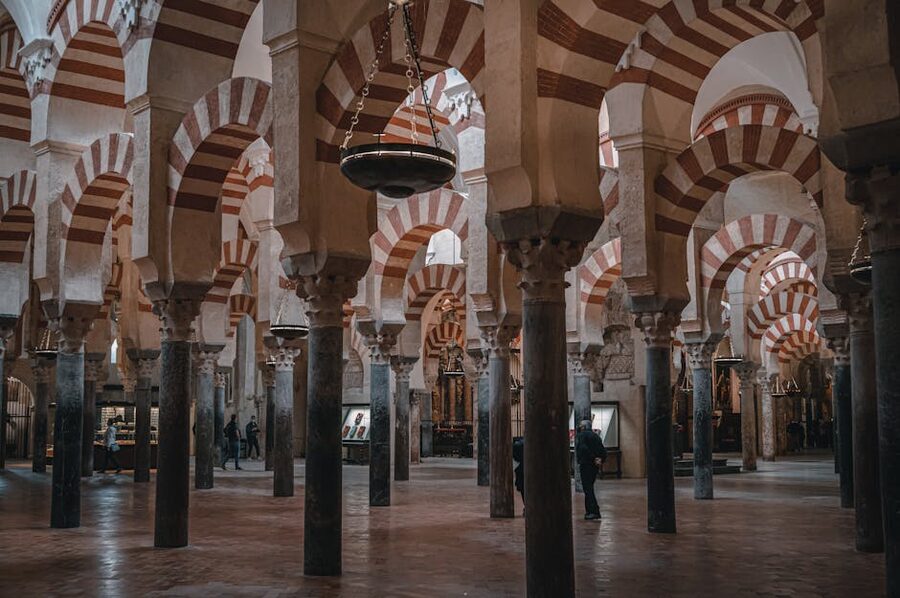
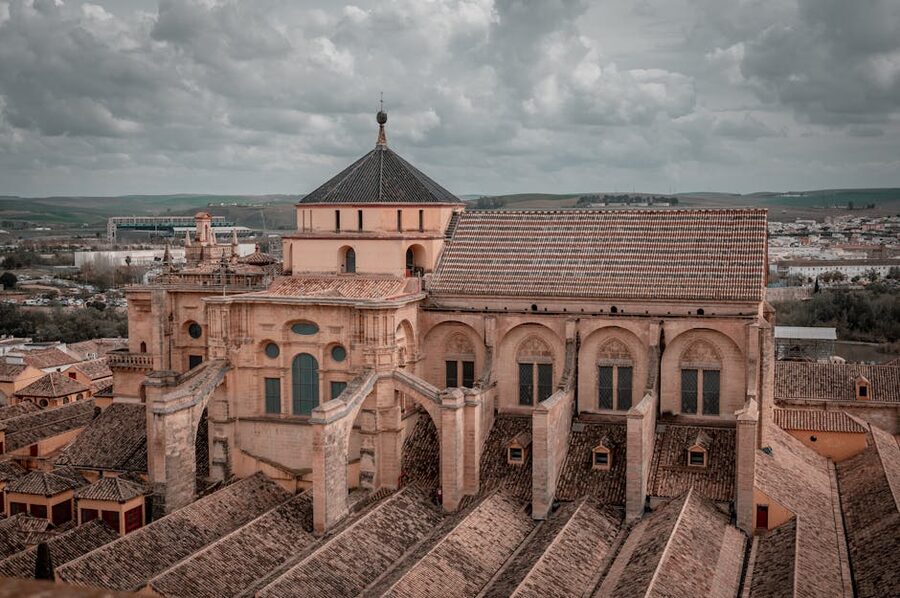
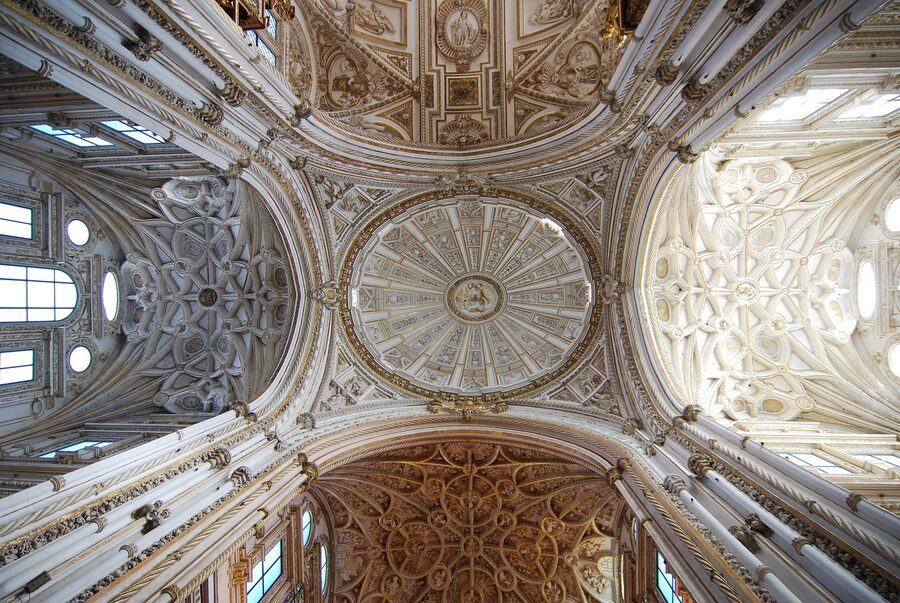
The Mezquita is the headline. Everything else flows out from it. Most combo tours give you about ninety minutes inside the prayer hall and the cathedral built into it, which is enough if you have a guide pointing things out and not enough if you’d rather wander.
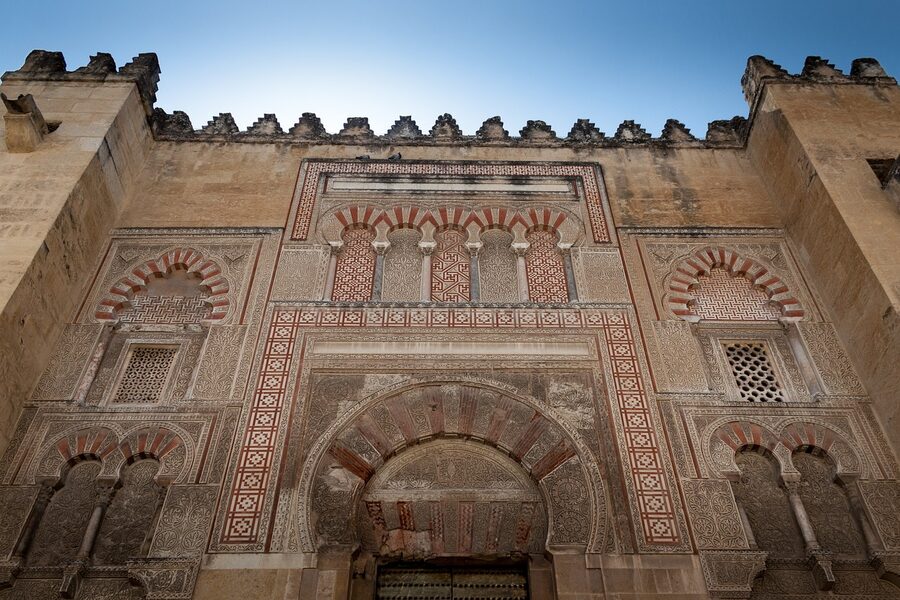
Inside the prayer hall you’ve got 856 columns left from the original mosque, salvaged from Roman and Visigothic ruins around the city. The forest-of-columns effect is the thing every photo tries to capture and never quite does. You have to walk around in it. The mihrab, the niche pointing toward Mecca, is at the southern end. It’s where the Caliph would lead prayer, and the gold mosaic work was done by Byzantine craftsmen brought in for the job.
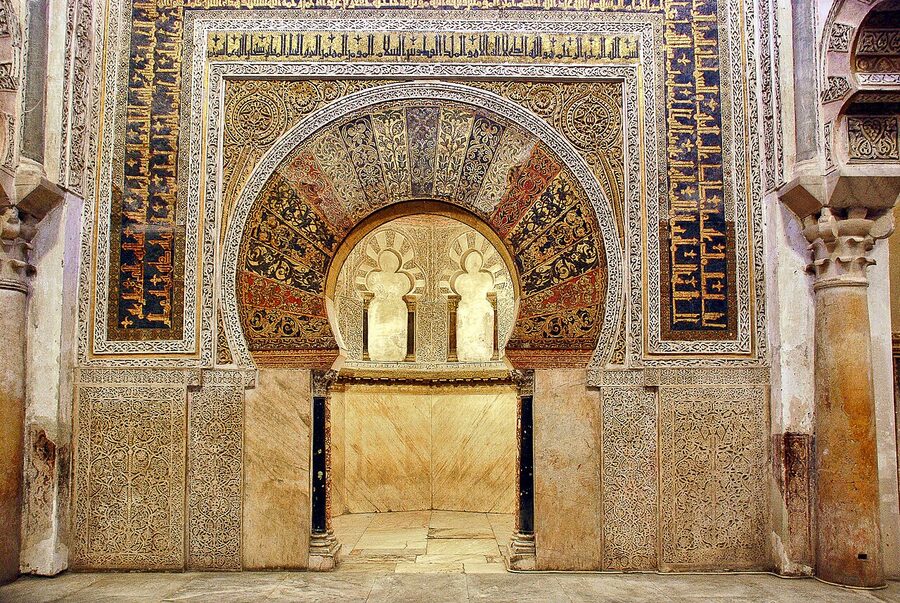

Then in the middle of all this, the Christian cathedral. After the Reconquista in 1236 the building stayed standing, but in the 1520s a Renaissance cathedral was built directly inside the prayer hall. Charles V is famously supposed to have visited afterward and told the local clergy they’d “destroyed something unique to build something common.” He was right and wrong. It’s the most architecturally confused building in Spain, and that’s exactly why it’s interesting.
The Jewish Quarter and Calleja de las Flores
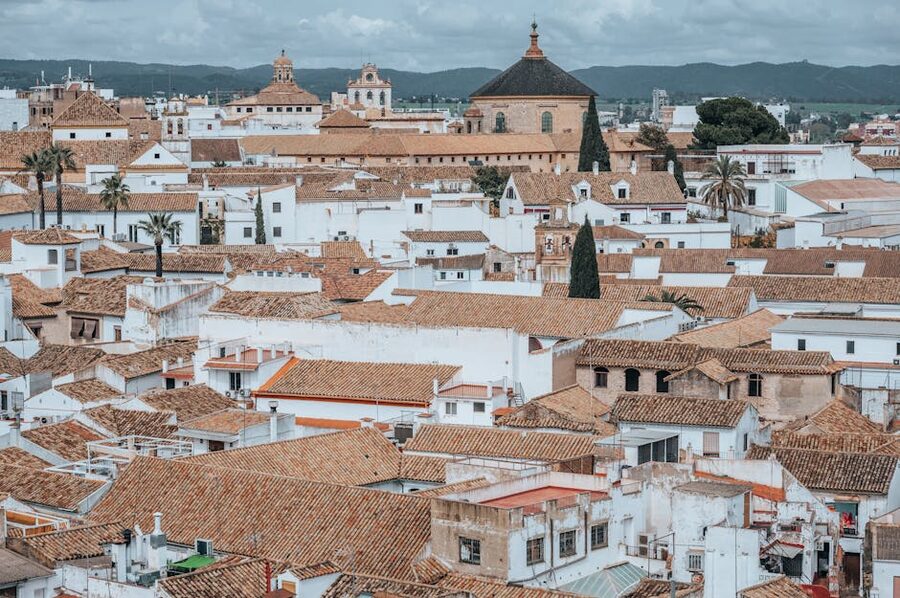
After the Mezquita, most tours walk you through the Judería, the medieval Jewish Quarter. It’s a knot of narrow whitewashed streets immediately northwest of the Mezquita. The big landmark is the small Synagogue on Calle Judíos, one of the few that survived the 1492 expulsion, though it’s only a stop on tours that include synagogue entry (the option-2 product above does, the option-1 product doesn’t).
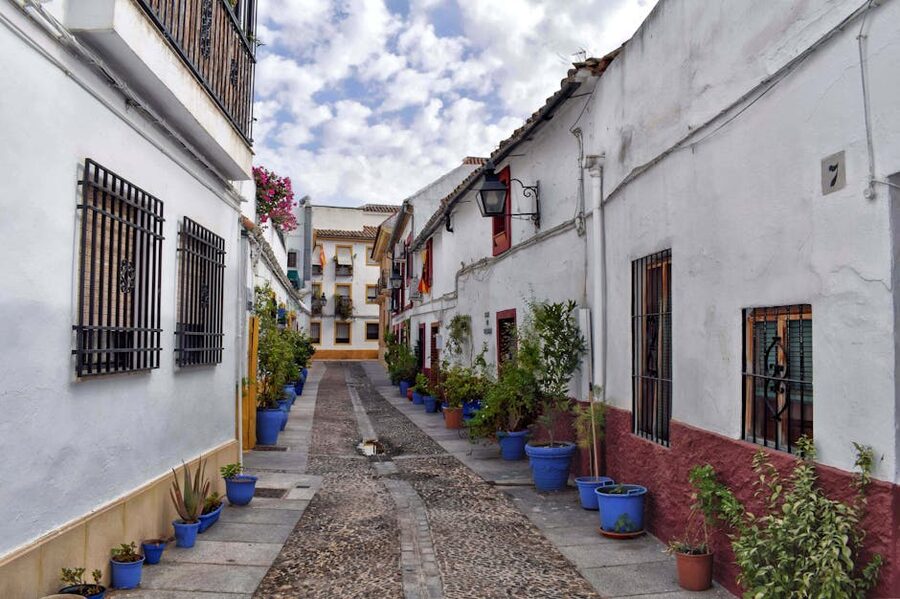
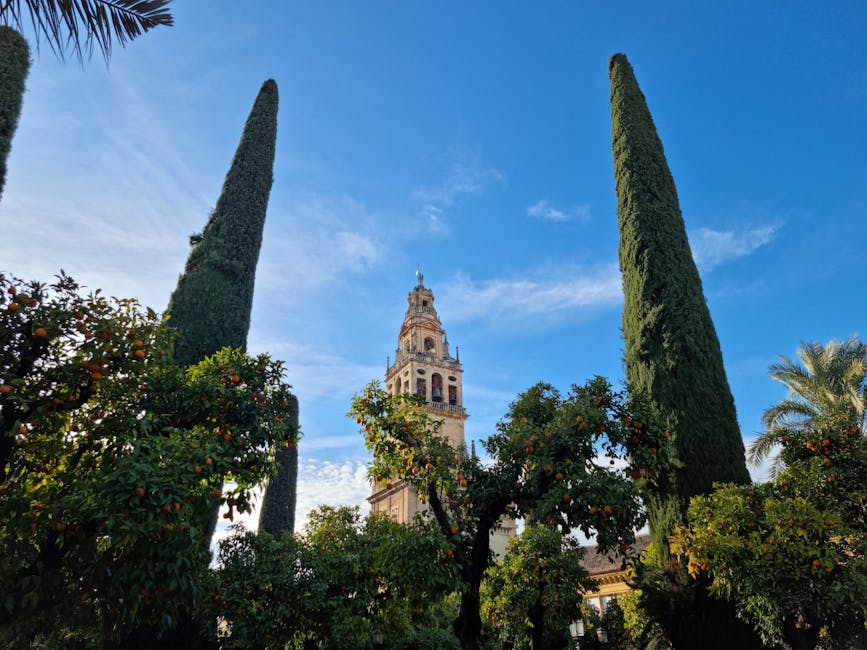
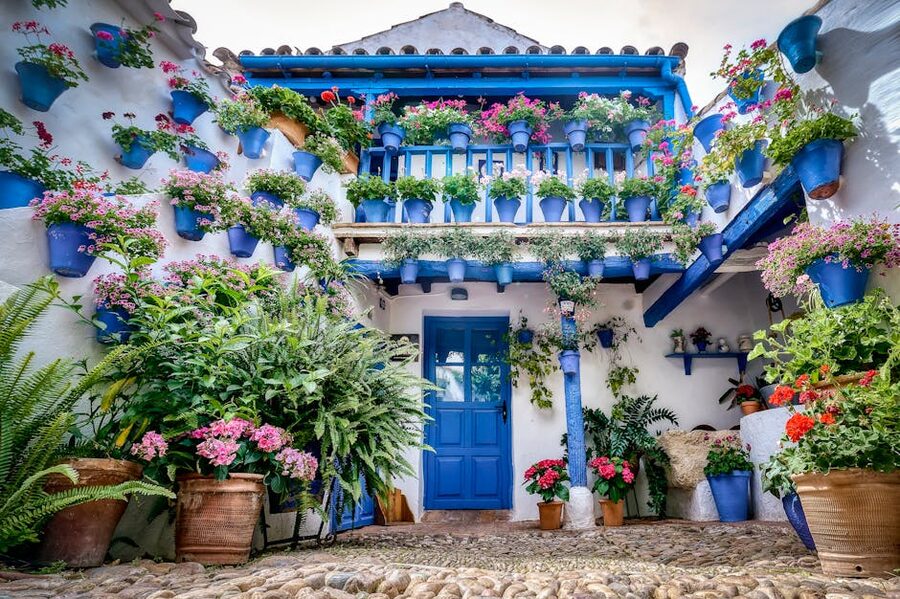
The other Judería landmark is the Calleja de las Flores, a tiny alley off Calle Velázquez Bosco where every balcony is hung with blue pots of red geraniums. It frames the Mezquita’s bell tower at the end if you stand at the right spot. It’s overcrowded by midday. Most tours pass through it because they have to, but you’ll get a better photo at 8am the next time you’re back in Cordoba.
Lunch in Cordoba
Combo tours typically give you free time for lunch rather than a sit-down included meal. Free time means roughly 75 to 90 minutes. The restaurants ringing the Mezquita are tourist-priced and largely mediocre. Walk five minutes north or east and you’ll find places where local office workers eat. Salmorejo (a thicker, colder cousin of gazpacho with garnishes of jamón and chopped egg) is the dish to try. Flamenquín, a breaded pork roll stuffed with jamón, is the local heavy lift. A decent menú del día runs €12 to €18. Avoid anything with photos of the food on a board outside; that’s the international rule.
The Roman Bridge and Calahorra Tower
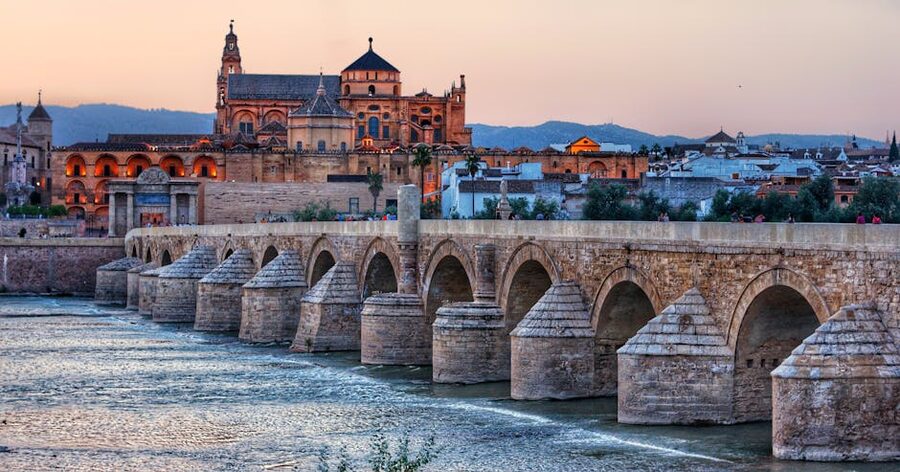
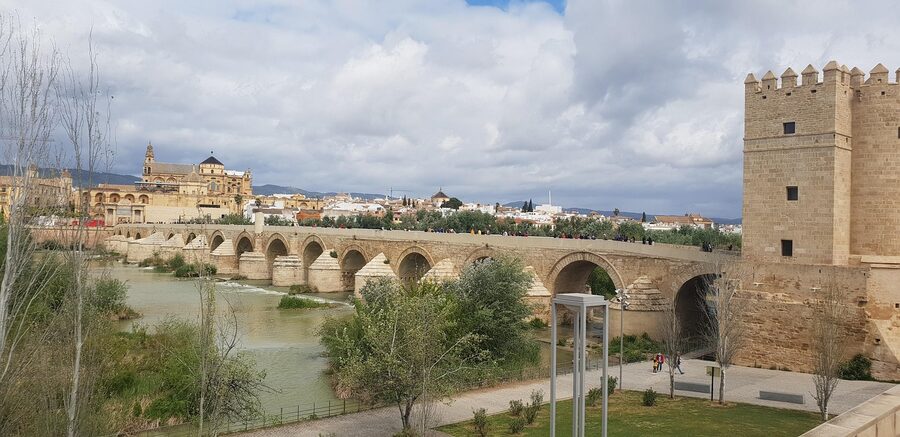
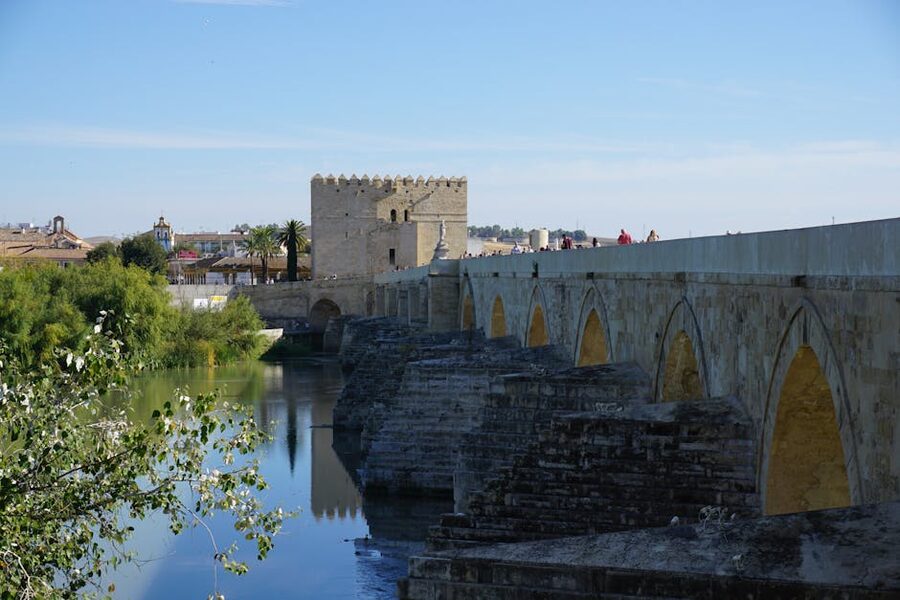
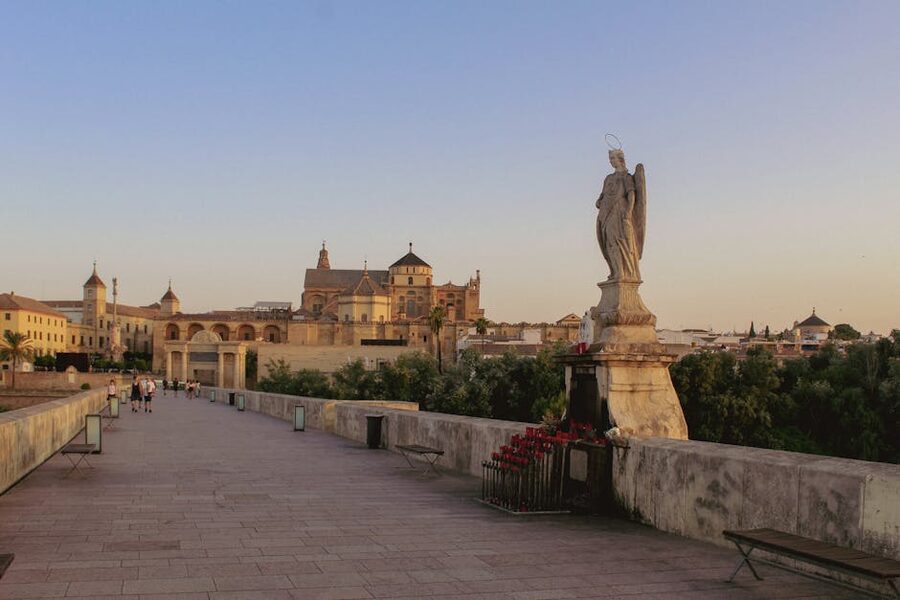
Some itineraries cross the Guadalquivir on the Roman Bridge to the Calahorra Tower on the south bank. Some don’t. If yours does, you’ll get the postcard view of the Mezquita from the south side, which is the best one. The bridge itself is mostly 17th-century reconstruction over Roman foundations, but the views earn the ten-minute round trip.
Carmona: why the Roman necropolis is the surprise
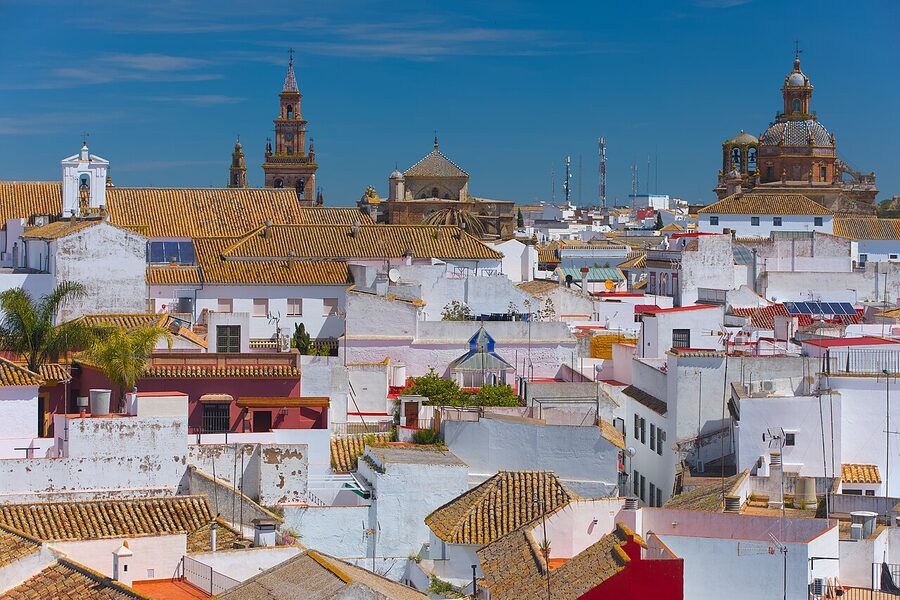
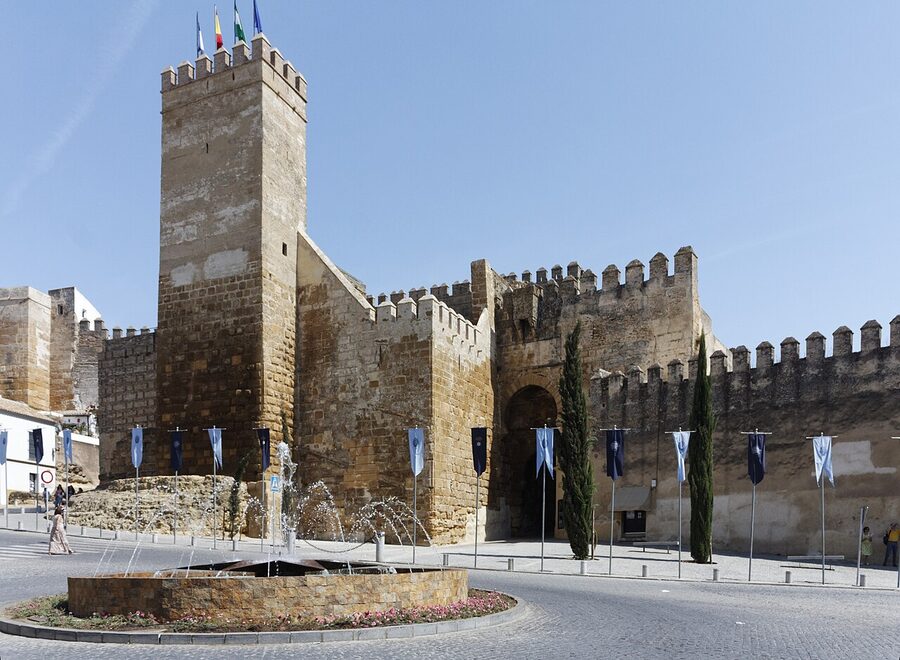
Carmona sits on a low ridge about 30km east of Seville, on the old Roman road from Cadiz to Cordoba. It’s older than either of those, founded by the Carthaginians in the 3rd century BC and called Karmo, then taken by the Romans, then the Moors, then the Christians, with each layer of building stacked on the last. Most day-trip groups get about 90 minutes here, and they spend it on three things.
-20110916.jpg)
The Roman Necropolis
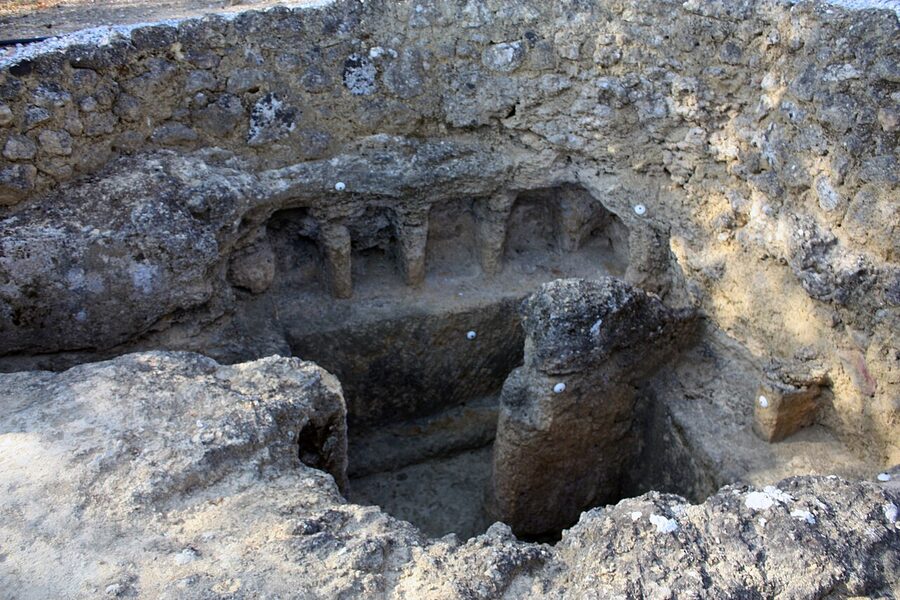
This is the part Sarah went home talking about. The necropolis sits just outside the old walls on the western edge of town, a 600-tomb complex carved directly into the soft sandstone hill in the 1st century AD. Ground level looks like a quiet field. You go down into the tombs.
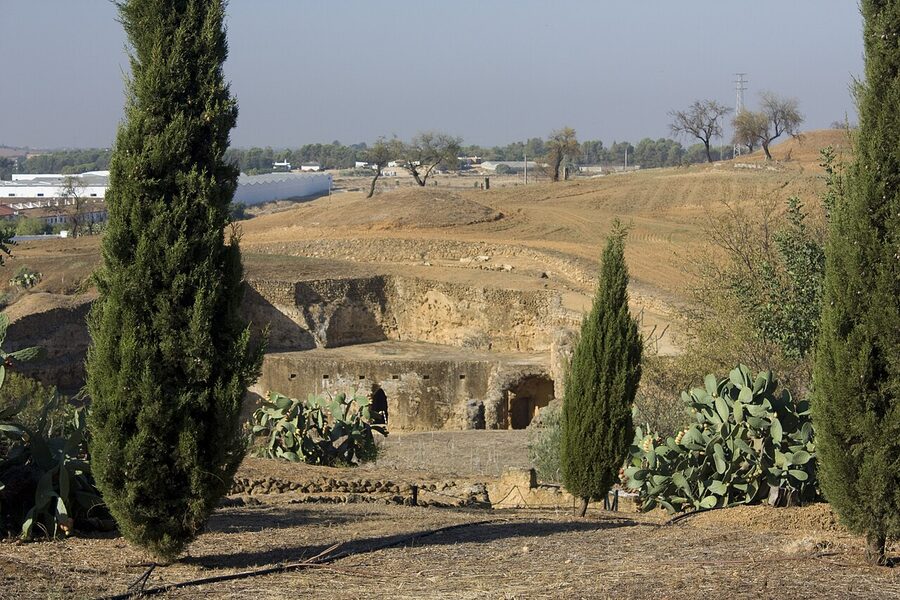

The two big tombs are the Elephant Tomb (named for a stone elephant statue found inside, possibly a funerary symbol of an aristocrat with an Egyptian-cult connection) and the Tomba de Servilia, a vast sunken courtyard tomb belonging to a wealthy local family. Servilia’s complex has its own colonnade, niches for urns, and a cooking area for the funerary feasts that took place on anniversaries of the death.
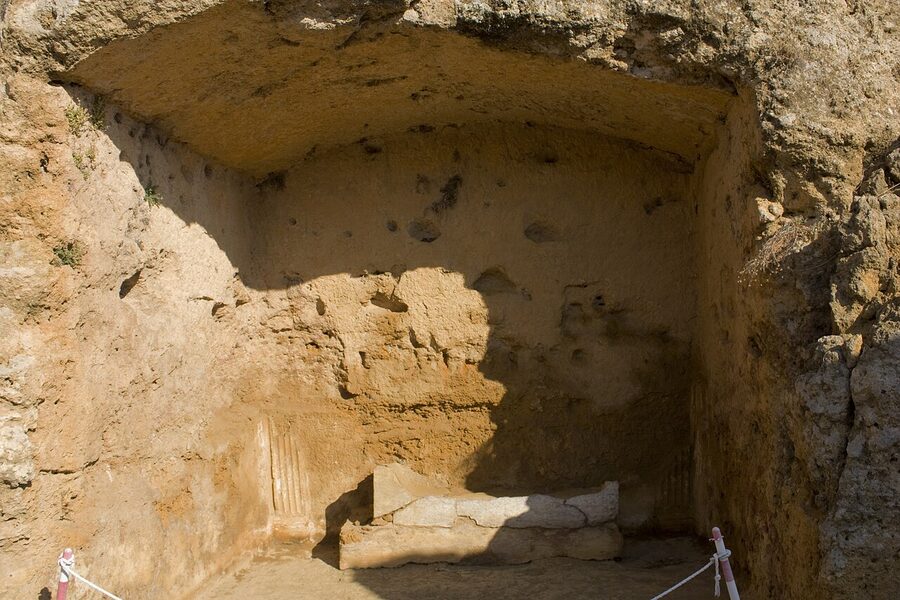

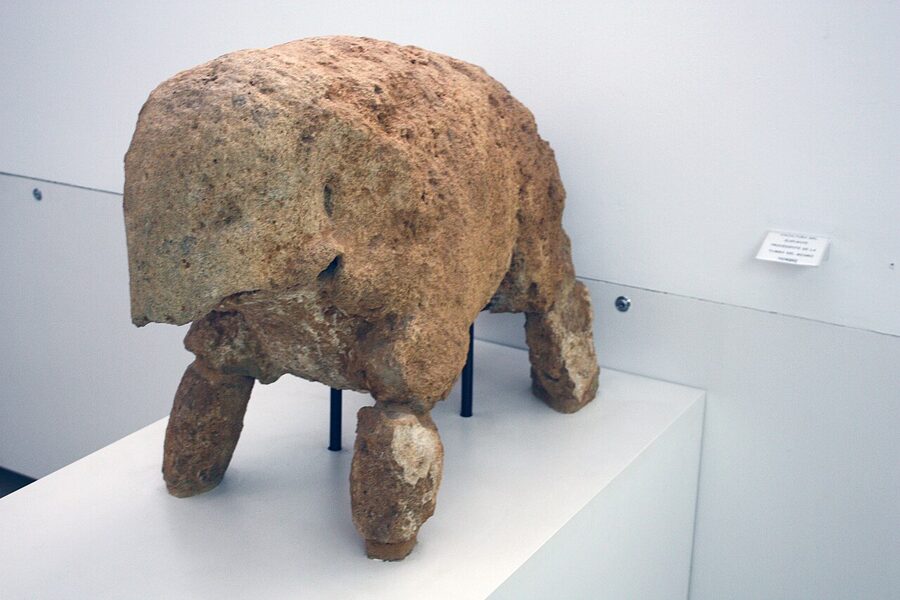

What makes it hit is the silence. You’re in a big municipal site with maybe ten other people in your tour group, the air’s cool, the sandstone is warm to the touch, and you can see the chisel marks where slaves cut these tombs out of the rock 1,900 years ago. The standalone admission is laughably cheap (€1.50 last time we checked). On a combo tour that’s bundled into the price.

The Alcázar and the parador
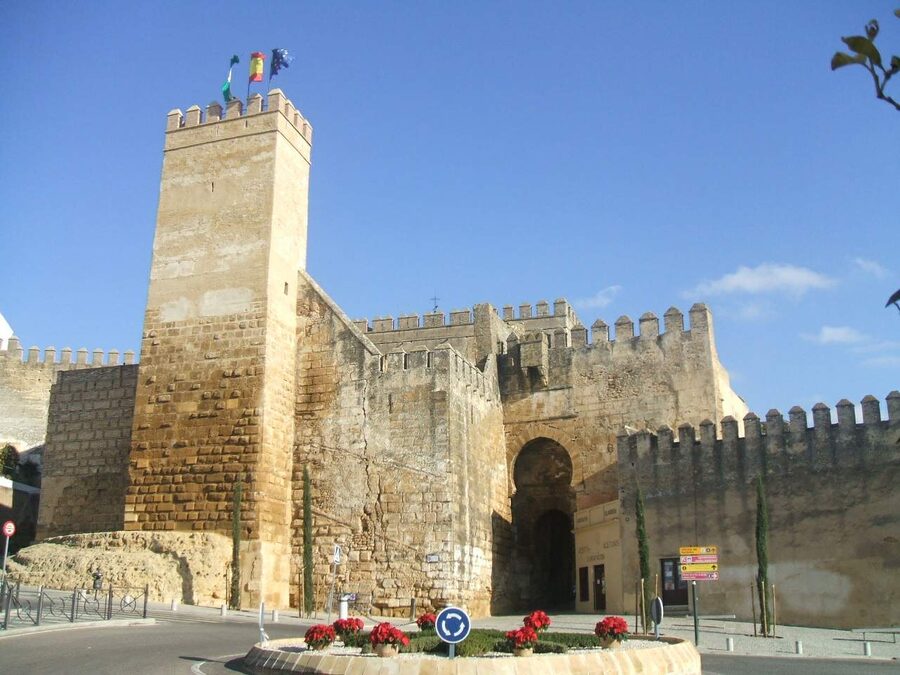
Carmona has two Alcázars. The Alcázar de la Puerta de Sevilla is the western fortress at the gate where you came in, Carthaginian foundations under Almohad walls under Christian-era top floors. You can climb to the roof for a panoramic view of the plain back toward Seville. It’s the better view and most tours include it.
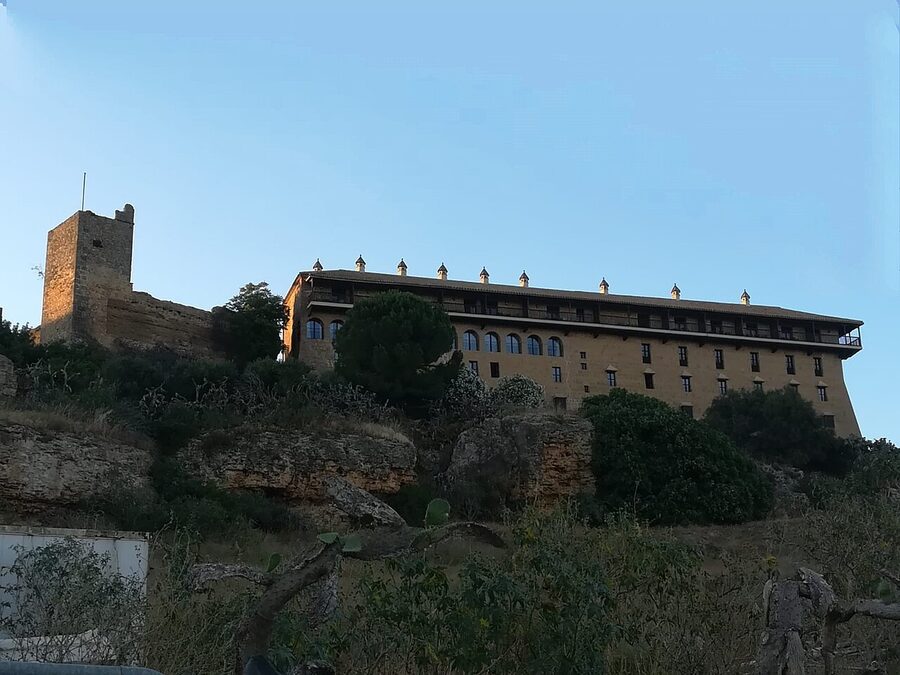
The Alcázar de Arriba on the eastern ridge is the second one, and it’s been converted into a parador (a state-run hotel). Even if you’re not staying, the parador’s terrace bar has a 360-degree view across the wheat fields east toward Cordoba. Tours don’t usually take you here, but if your group has free time and you’re a quick walker, it’s a 12-minute uphill from the main square. Order a tinto de verano (red wine with lemon soda) and sit on the terrace until your guide texts you.
.jpg)
The old town
Between the two Alcázars sit the medieval and Renaissance streets. Plaza de San Fernando is the main square, ringed with cafés. Iglesia de San Pedro on the way in has a tower locals call the “little Giralda” because it’s modeled directly on Seville’s. The streets are narrow and stepped in places, paving is uneven, the heat in July and August is brutal even for an hour. April through June and September through October are the best windows.
What you actually pay for
Combo tour prices sit in a tight band: roughly €105 to €115 (around $115 to $125) for the standard ten-hour day from Seville. That covers the air-conditioned coach, the bilingual guide for the whole day, the Mezquita skip-the-line entry, and the necropolis entry in Carmona. Lunch is on you in almost every case (budget €12 to €25). Drinks aren’t included. The Synagogue and Patios stop, if your operator offers them, are usually wrapped into the same price.
What’s not included that catches people out: tips for the guide (€5 to €10 per person is the local norm if they were good), restroom stops at highway petrol stations (cheap, but bring change), and audio guides at the Mezquita if your group decides to skip the live guide for the cathedral interior portion. Most decent combo tours include the live guide all the way through, so audio guide spending is rare.
Cancellation and rebooking
Both major operators (the GetYourGuide combo and the Viator combo) offer free cancellation up to 24 hours before the start time. Worth knowing because Andalusian weather can flip in spring; if a strong cold front rolls in and you’d rather not do the whole day in driving rain, you have until the night before to bail. After 24 hours, you’re paying.
What to bring
A water bottle (essential in summer, useful any time). A hat. Comfortable shoes you can walk 8 to 10 km in over uneven cobblestones. A small day bag for the necropolis (you’ll be going up and down ramps in low light). Cash for lunch and a guide tip (some smaller restaurants in Carmona are cash-only; this isn’t 2015 anymore in Cordoba but Carmona lags). Your passport or ID card; some operators ask for it on the coach.
When to do this trip
Andalusia in summer is genuinely hot. Cordoba regularly hits 42°C in July and August, and there’s almost no shade between the Roman Bridge and the Mezquita. If you’re traveling in those months, take this trip in the first week or skip it entirely. The combo product is built for spring and autumn.
The Patios Festival in Cordoba runs the first two weeks of May. Private courtyards open to the public for free, the city gets busy, and tours that include a patio stop are at their best. Hotel prices in Cordoba spike, but you’re day-tripping out of Seville, so it doesn’t affect you much.
Holy Week (Semana Santa) is the other busy window. Late March or early April depending on the year. Beautiful, and absolutely packed. Some operators don’t run combo tours during Holy Week itself because traffic in and out of Seville becomes a nightmare. Check the booking calendar before you fix your dates.
Day of the week
The Mezquita is closed to tourists on Sunday mornings (it’s a working cathedral) and entry resumes Sunday afternoon. Combo tours don’t run on Sundays for that reason. Mondays, Tuesdays, and Wednesdays have the lowest crowds in shoulder season; Saturdays are the worst. If you have flexibility in your Seville schedule, mid-week beats weekend.
Doing it on your own (and why most people shouldn’t)
Cordoba is doable independently. The high-speed AVE train from Seville-Santa Justa to Cordoba runs about hourly and takes 45 minutes each way. Round-trip tickets sit around €30 to €40 if you book a few days ahead. From Cordoba’s station it’s a 20-minute walk or a quick bus to the Mezquita. Mezquita entry is €13. So a self-guided Cordoba day from Seville costs roughly €50 plus food, against €110 to €120 for the combo tour.
Where the maths breaks down is Carmona. There’s no train. ALSA bus M-124 runs from Seville’s Plaza de Armas to Carmona about every hour, takes 45 minutes, and costs around €4 each way. So in theory you could chain Cordoba (train) and Carmona (bus) on the same day. In practice, you’d be hauling between two transport systems with a tight margin and end up at Carmona at 5pm with everything closing. The combo tour is the only way to do both in one day without renting a car.
If you’ve got a rental car, the loop is doable. Seville to Cordoba is 90 minutes on the A-4 motorway; Cordoba to Carmona on the way back is another 90 minutes; Carmona to Seville is 30 minutes. Parking in Cordoba is the headache. Use the underground car park on Avenida Vía Augusta (a 10-minute walk to the Mezquita) and pre-book if you can.
If you only have time for one
If you can only spare one day from Seville and you have to pick between Cordoba alone and the combo, the answer depends on what you want from the day. Pure Cordoba is the better deep dive into the Mezquita, the Alcázar de los Reyes Cristianos, and a proper meal in the city. Our Cordoba-only day-trip guide covers that approach in full. The combo gives you Carmona, which is the rare bonus stop that genuinely earns its place. Most first-time visitors should pick the combo. People returning to Andalusia and obsessed with Mezquita architecture should pick Cordoba alone and use the saved time inside the building.
Quick history, in case you want it
Cordoba was the capital of Al-Andalus from 756 to 1031, peaking under Caliph Abd al-Rahman III in the early 900s as the largest city in Western Europe and one of the most important learning centres in the world. The Mezquita was its great mosque, built in four phases between 785 and 988. After the Christian Reconquista of 1236, the building was consecrated as a cathedral and the central prayer hall was hollowed out for a Renaissance basilica in the early 1500s. The patios tradition of decorating courtyards with flower pots dates from this period and is now UNESCO-listed Intangible Heritage.
Carmona’s older. Carthaginian foundation in the 3rd century BC, taken by Rome in 206 BC, named Carmo Iulia, became one of the major Roman towns of Baetica province. The necropolis was the cemetery of that Roman town, used from roughly the 2nd century BC through the 4th century AD. Moorish rule from 711, Christian reconquest in 1247 by Ferdinand III. The walls and gates you’ll walk through carry layers from each phase. King Pedro the Cruel built up the eastern Alcázar in the 14th century as a royal residence; that’s the parador today.
Common mistakes I see
Don’t book the late-departure version if one’s offered. The 9.30am pickup option means you’re at the Mezquita right as the cruise crowds arrive from Cadiz; you’ll be in the prayer hall with 200 other people. The 8am departure gets you in just behind the early-bird groups, and there’s a real difference.
Don’t bring a serious camera bag. The Mezquita allows photography but no flash and no tripods. A phone or a small mirrorless is plenty. The interior light is challenging for any camera; bracket your shots.
Don’t skip lunch in Cordoba and “save it” for the coach. There’s no coach lunch on combo tours. You’ll roll into Carmona hungry and end up buying a sad sandwich at the visitor centre.
Don’t bail on Carmona. The most common regret I hear is from people who used the Carmona stop to nap on the coach. The necropolis is the unique thing on this trip. Cordoba you can do on a separate day. Carmona is harder to come back for.
Beyond this day trip
If this trip whets your appetite for Andalusian day trips out of Seville, the obvious next pairing is the white-villages run. The Ronda and white villages day trip covers Andalusia’s other classic loop, including Setenil de las Bodegas, where the houses are built directly under massive overhanging rocks; we’ve covered that one in detail in our Setenil and Ronda guide. The other big regional combo is the Cathedral, Giralda and Alcázar combo inside Seville, which is the city’s headline product and worth doing on a half-day before you start adventuring out. For more Casa de Pilatos-style palace history without leaving the city, our Casa de Pilatos guide covers the second-most-photographed palace in Seville. Within Seville itself, a guided walking tour or the hop-on hop-off bus covers the city centre between day trips. And if you want palace energy in other Spanish cities, look at Madrid’s Royal Palace or Barcelona’s Park Güell; the architectural conversation between Mudéjar, Renaissance, and Modernista is genuinely interesting if you string a few of these together. The same logic applies to the essential Madrid combo and Barcelona in one day products if you’re moving around the country and need a one-day capstone in each city. For one more day-trip alternative from Madrid that mirrors this kind of Roman-and-medieval layered itinerary, our guides on Toledo from Madrid and the Segovia, Ávila and Toledo combo are the central-Spain analogues of what you’ll do in Cordoba and Carmona.
Some links on this page are affiliate links. If you book through them, we may earn a commission at no extra cost to you. We only recommend tours we’d send a friend on.