
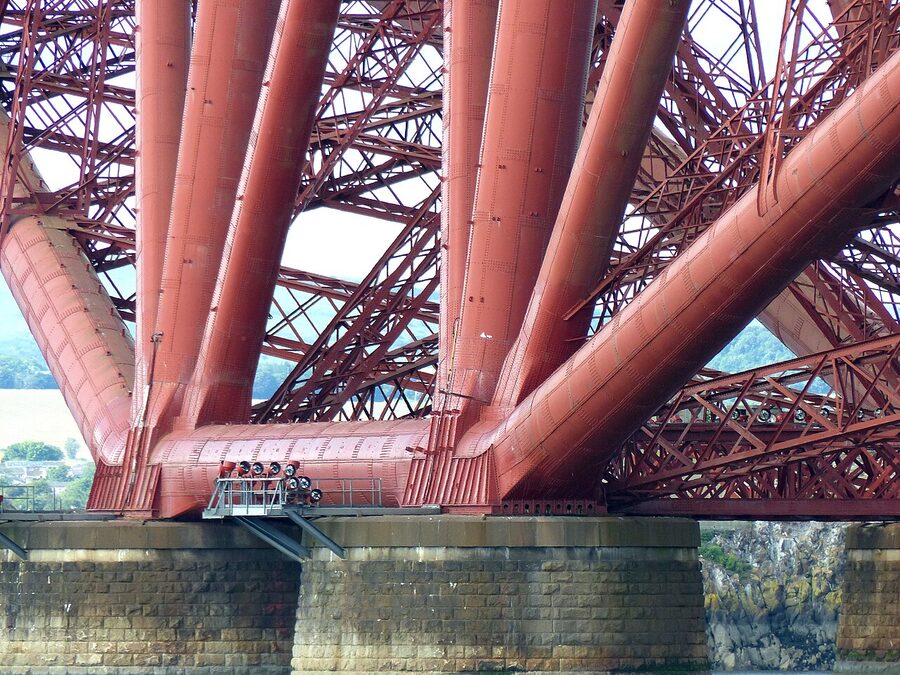
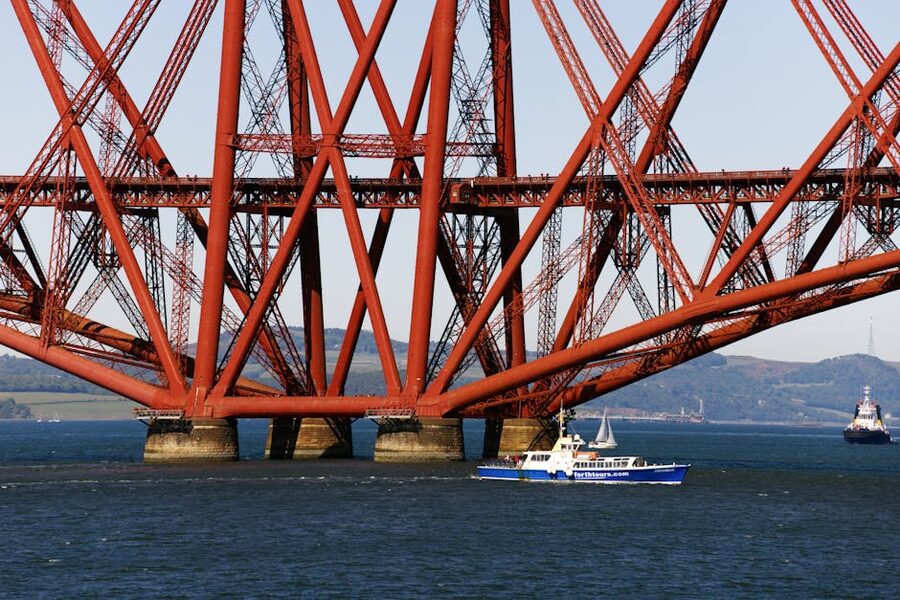
The boat slows to a crawl, the live commentary drops to a whisper, and you tilt your head back so far your hat nearly falls off. Right above you, the Forth Bridge fills the whole sky. Rust-red girders, three diamond-shaped cantilevers each as tall as the Statue of Liberty, and if you have timed your sailing well, the rumble and clatter of an Edinburgh-bound train passing 46 metres overhead. That is the moment most people on the Three Bridges Cruise stop talking.
Edinburgh has plenty of show-stopping skyline views. This one is from below.
Cheapest option: Maid of the Forth 1.5-Hour Cruise, $24. Same bridges, same wildlife, slightly older boat, three quid less.
If you have half a day: Inchcolm Island Cruise, $28. Three hours total, with 90 minutes ashore at a 12th-century abbey.
The Three Bridges Cruise is not the kind of attraction you bolt onto a city break by accident. South Queensferry is a 25-minute train ride out of Edinburgh Waverley, and the boats only run at fixed times, so you need to plan around departures rather than show up and hope. The reward is one of the most distinctive boat trips in the UK. Three bridges across the same body of water, each from a different century, each a record-holder in its own right, and you sail under all of them in 90 minutes.


- What you actually book and what it costs
- Three cruises, ranked
- 1. Edinburgh Three Bridges Sightseeing Cruise:
- 2. Maid of the Forth 1.5-Hour Sightseeing Cruise:
- 3. Inchcolm Island Cruise from Queensferry:
- The three bridges, one at a time
- The Forth Bridge (1890)
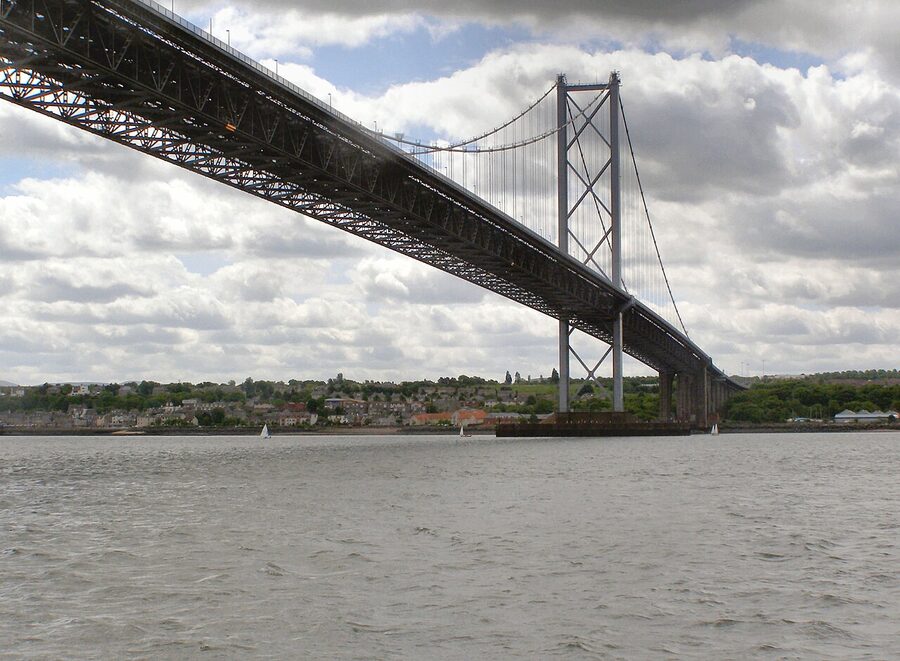
- The Forth Road Bridge (1964)
- The Queensferry Crossing (2017)
- What else you see on the cruise
- Getting to Hawes Pier from Edinburgh
- When to sail and what the weather does to the trip
- Why a boat beats a bridge walk
- Practical tips before you book
- A bit of history that makes the bridges click
- Other Edinburgh and UK trips worth booking nearby
What you actually book and what it costs
The cruise everyone calls “the Three Bridges Cruise” is in fact two separate operators offering very similar trips, plus a longer Inchcolm Island option run by the second operator. Knowing which is which makes the booking page less confusing.
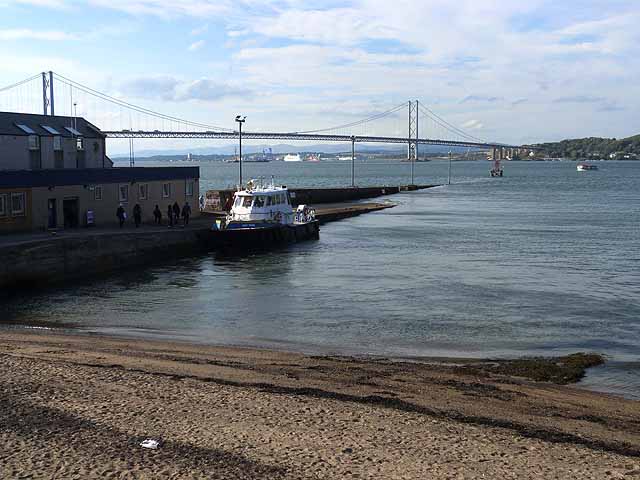
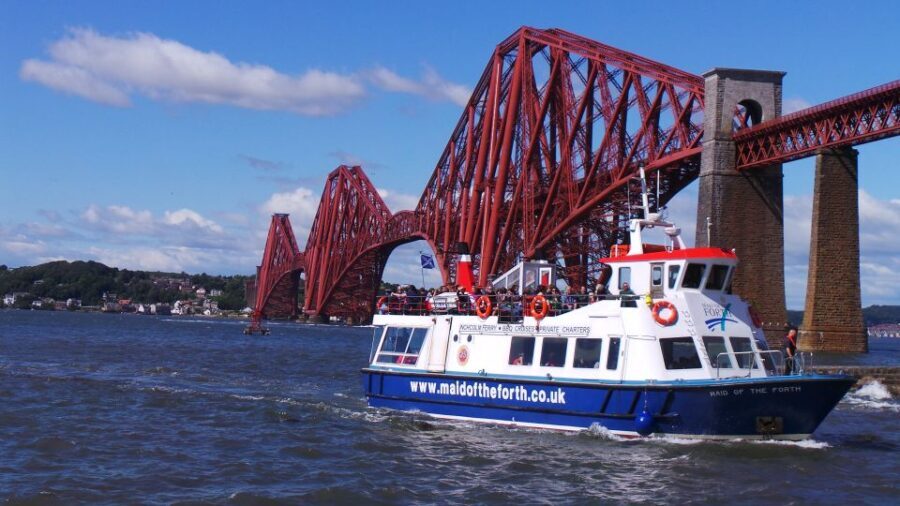
Forth Boat Tours sail from Hawes Pier, the old stone slipway right beneath the Forth Bridge. Their flagship product is the 90-minute Three Bridges Sightseeing Cruise, around $27 per adult, with pre-recorded audio commentary, an open upper deck, an enclosed lower saloon if the weather turns, and a small onboard cafe. The boats are modern catamarans, fast enough that you do not feel queasy in a chop.
Maid of the Forth sail from the same pier on a slightly older single-hulled vessel, also 90 minutes, also covering the three bridges, slightly cheaper at around $24. They are the operator that historically ran the Inchcolm Island landings, and that is still their signature product.

For most first-timers, Forth Boat Tours is the one to book. The boat is newer, the commentary is tighter, and the pre-recorded audio includes wildlife and bridge-engineering tracks that play at the right moment as you pass each landmark. If you are travelling with kids who get fidgety, the upper deck is open enough that they can move around. If price is the deciding factor, Maid of the Forth is the cheaper sister and you will not feel cheated.
Family pricing on either operator works out at around £60 for two adults plus two children, which is roughly the cost of a cinema visit in Edinburgh. Adult-only bookings are pricier per head. Children under three usually go free.
Three cruises, ranked
I have ranked these by which one I would book first, second, third, with the caveat that they are honestly not that different in quality. The biggest split is whether you want the short version (90 minutes, bridges only) or the long version (3 hours, bridges plus a landing on a tiny medieval island). Pick by available time, not by price.
1. Edinburgh Three Bridges Sightseeing Cruise: $27
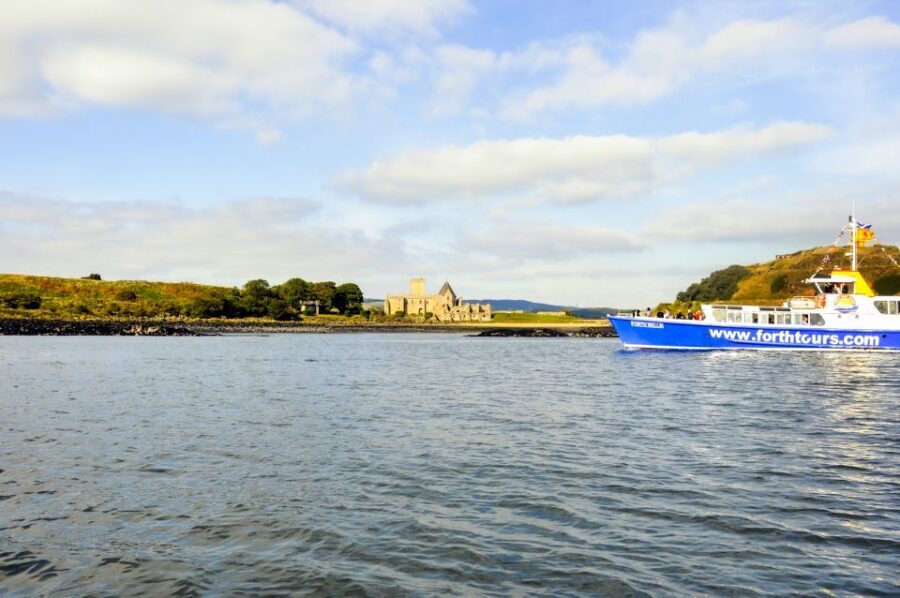
This is the version most Edinburgh visitors are picturing when they search for the Forth Bridges Cruise: 90 minutes, all three bridges, a swing past Inchcolm Island without landing, and a guaranteed pause at the seal colony off Inchgarvie. The pre-recorded commentary is genuinely good, particularly the bridge-engineering segments timed to play as you pass under each span. Our full review covers the food onboard and the seating layout in more detail.
Check Availability
Read our full review
2. Maid of the Forth 1.5-Hour Sightseeing Cruise: $24
Maid of the Forth is the budget-friendly alternative covering the same route from the same pier. The boat is older and a bit narrower, which means rougher rides on choppy days but also a more traditional small-boat feel. Read our take on the Maid of the Forth experience for the live-commentary differences. Book this one if dates do not match up with the Forth Boat Tours timetable, or if you simply prefer the lower price.
Check Availability
Read our full review
3. Inchcolm Island Cruise from Queensferry: $28
If you have a half-day rather than a quick afternoon, this is the upgrade pick. You sail under all three bridges, spend 90 minutes on Inchcolm exploring the best-preserved monastic complex in Scotland, then sail back. There is an Historic Scotland landing fee of around £8 on top of the cruise ticket if you are not a member, and the abbey itself is closed November to March. Our review details what to bring (sturdy shoes, layers, a packed lunch, a midge head net in late summer).
Check Availability
Read our full review
The three bridges, one at a time
You see them all from the boat in roughly seven minutes, but the geek in me always wants to know what I am looking at. Here is the cheat sheet.
The Forth Bridge (1890)
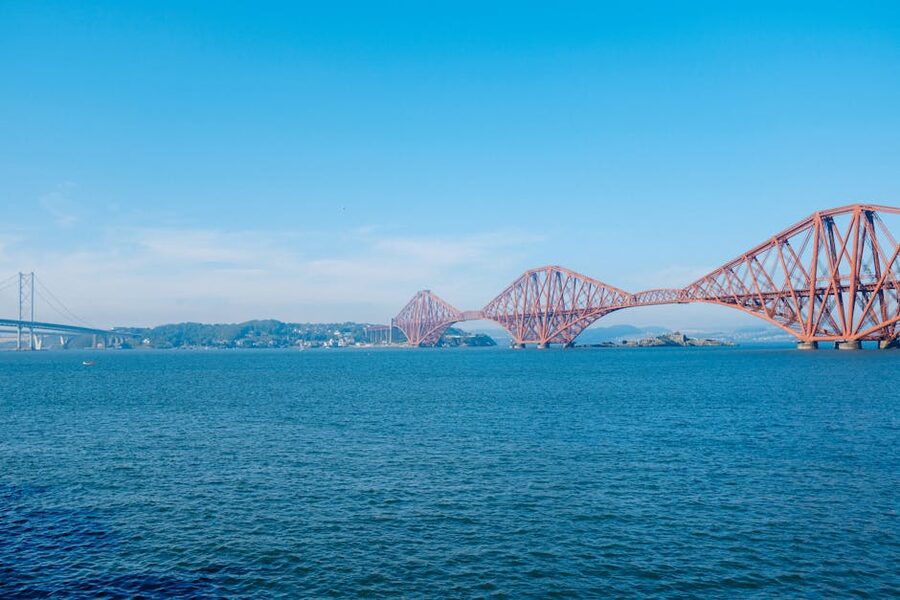
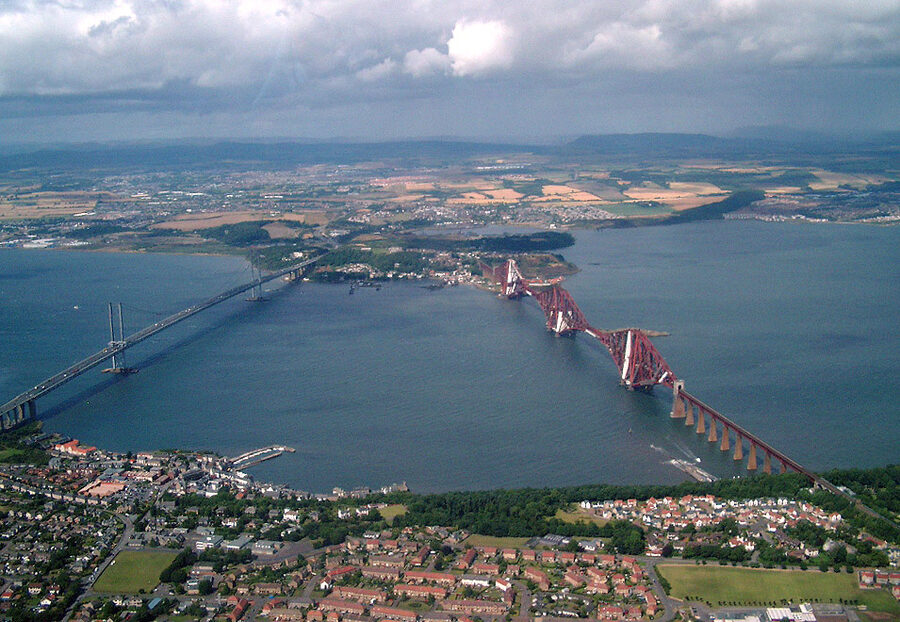
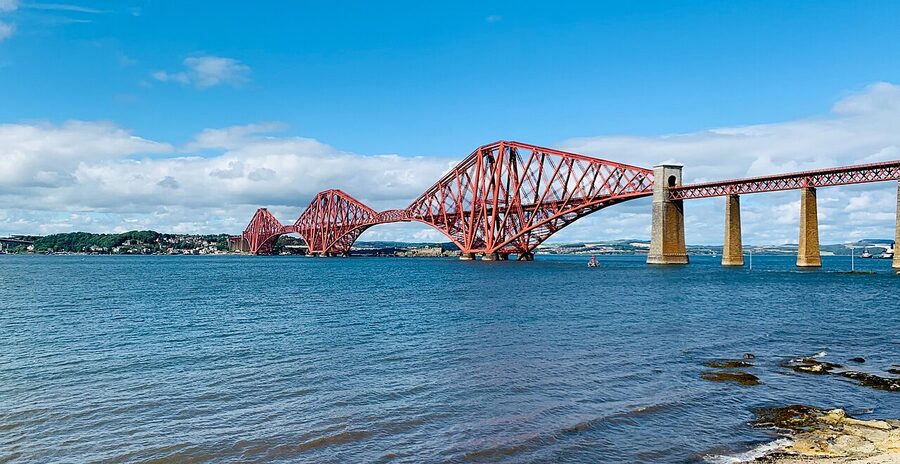
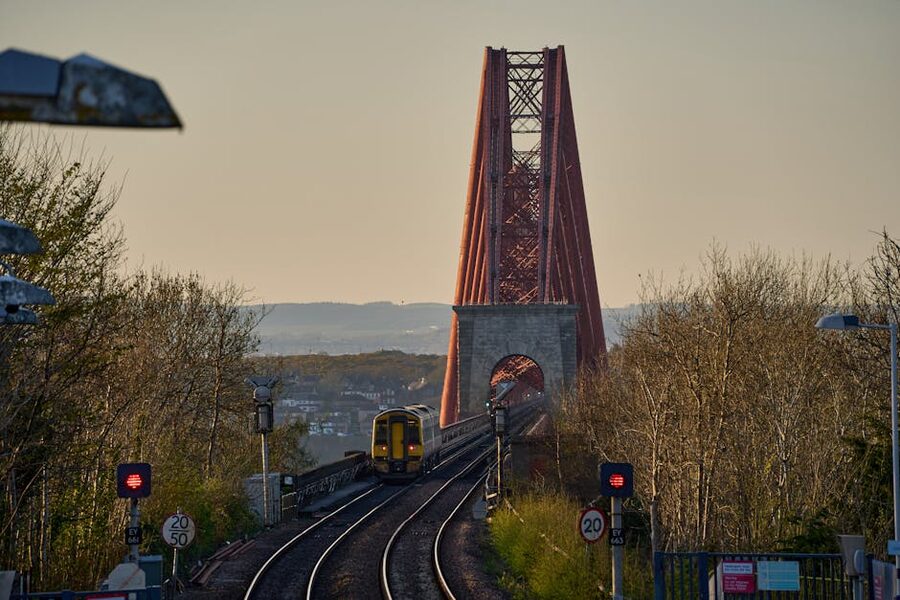
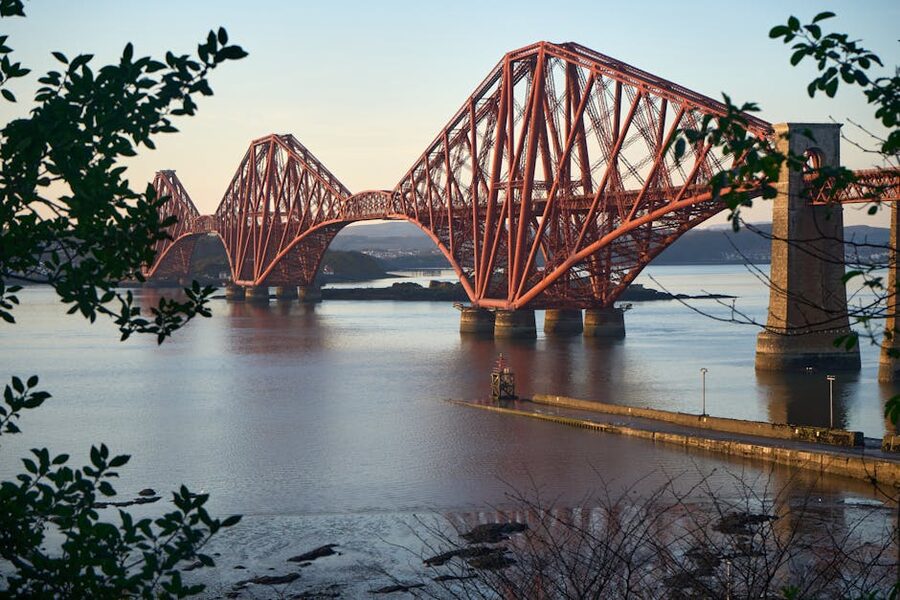
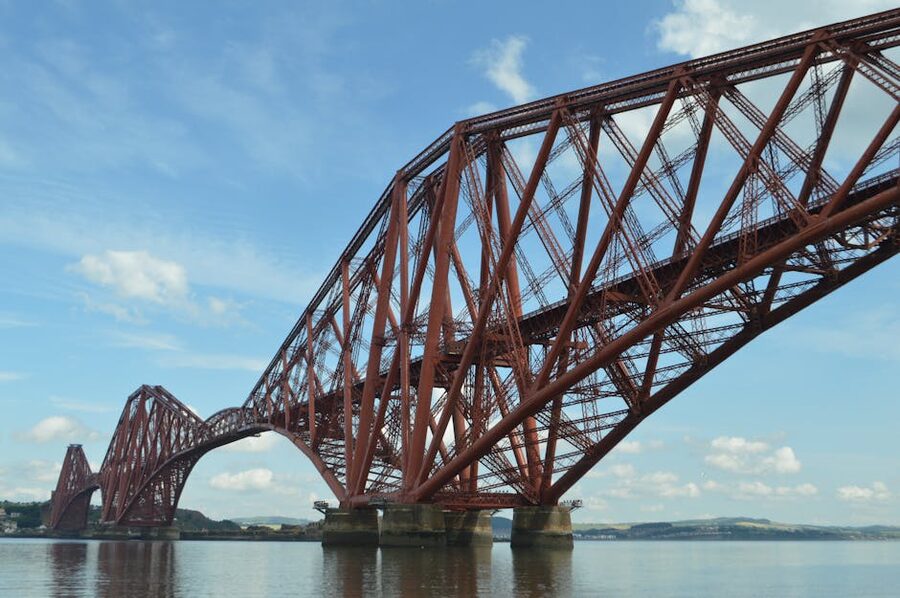
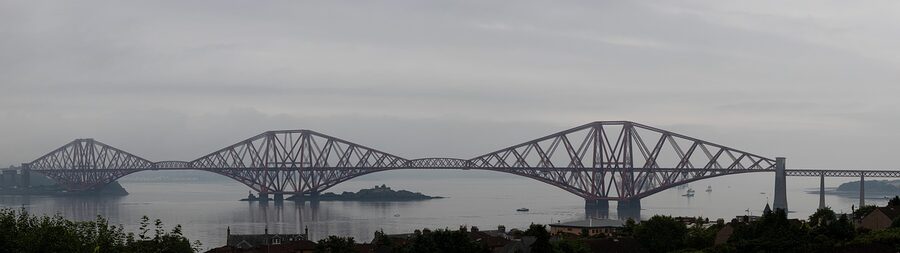
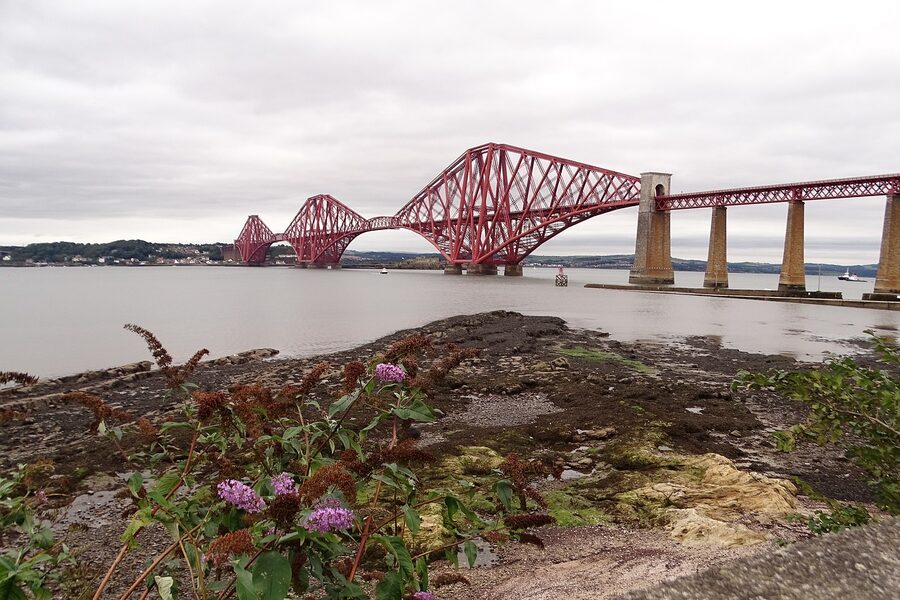
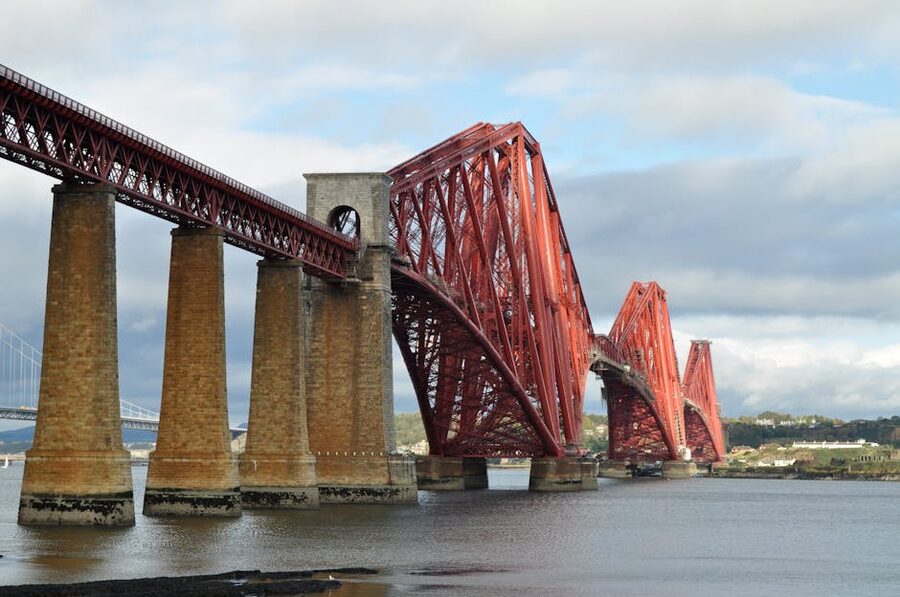
This is the icon. Opened in 1890, designed by Sir John Fowler and Sir Benjamin Baker after the original suspension-bridge plan was scrapped following the Tay Bridge disaster of 1879, it was the longest cantilever bridge in the world for nearly four decades and was overtaken only by the Quebec Bridge in Canada. UNESCO inscribed it as a World Heritage Site in 2015, citing it as a milestone in railway engineering and a shorthand for late-Victorian industrial confidence.
The numbers are absurd. 54,000 tonnes of steel. 6.5 million rivets. The piers go down to bedrock through 27 metres of water. And it is still in daily use, carrying ScotRail trains between Edinburgh and Fife. From the boat you can see the train track through the gaps in the steelwork above your head.
The Forth Road Bridge (1964)
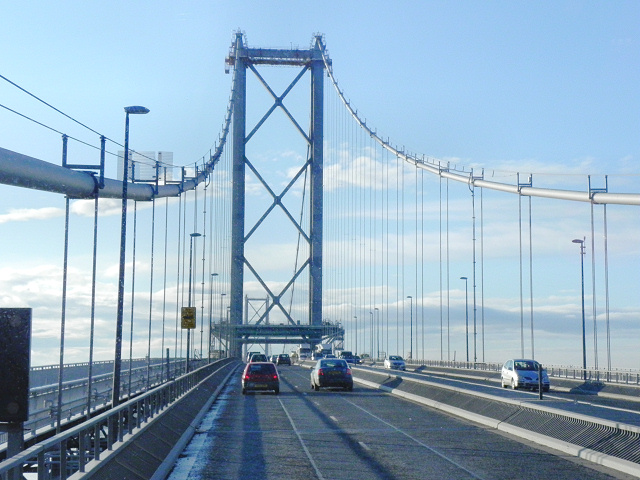

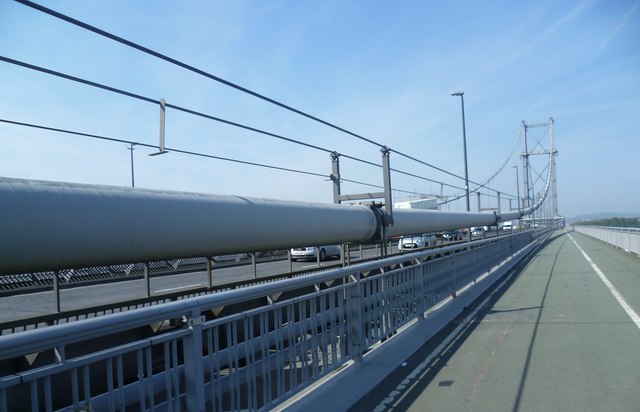
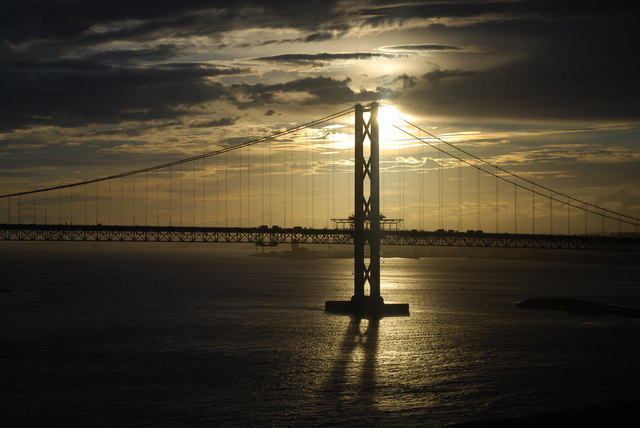
Opened in 1964 by the Queen, the Forth Road Bridge was the longest suspension bridge in Europe and the fourth-longest in the world at the time. For 53 years it carried every vehicle that crossed the Firth of Forth between Edinburgh and Fife. Then a fault was found in one of the main truss-end links in 2015, the bridge had to close to traffic at short notice, and the writing was on the wall. Since 2017 it has been a public-transport-only crossing for buses and taxis, plus a pedestrian and cycle path that is open to anyone.
If you have a spare hour either side of the cruise, walking part-way out onto this bridge is one of the cheapest views in Scotland. The footpath is on the eastern (downstream) side and gives you a perfect long-lens shot of the 1890 cantilever bridge. There are no barriers obstructing the view, just a metal mesh handrail.

The Queensferry Crossing (2017)
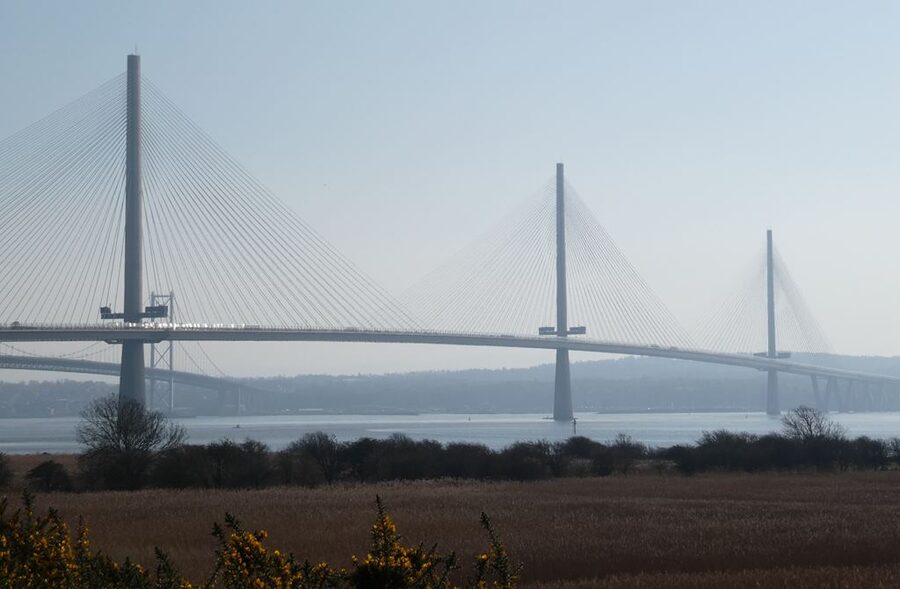

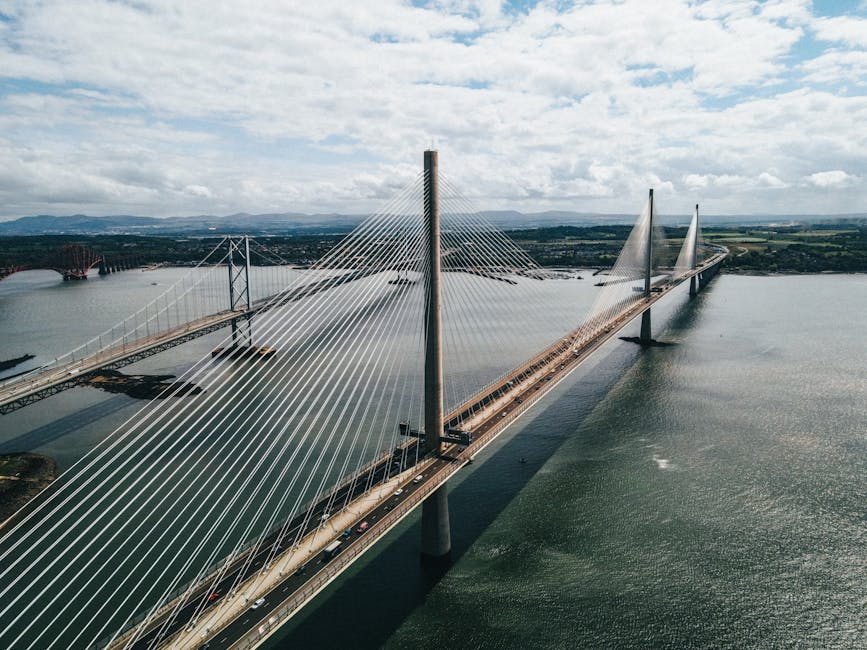
The Queensferry Crossing is the youngest of the three and the only one most people coming from Edinburgh airport will have already crossed without realising. It is a cable-stayed bridge, 2.7 km long, with three diamond-pylon towers that look almost like a paper-cut model when you sail beneath them. It carries the M90 motorway, opened in August 2017, and was the largest civil-engineering project in Scotland for a generation.
From the boat the Queensferry Crossing is the easiest of the three to photograph because the geometry is so clean. Cables fan out in white sweeping arcs from each pylon, no rivets, no rust paint, just a modern silhouette against whatever sky Scotland is offering you that day.
What else you see on the cruise
The bridges are the headline, but the route also takes in a few smaller landmarks that the commentary calls out. None of them justify the cruise on their own, but together they pad out the 90 minutes nicely.
Inchgarvie. The little fortified island directly under the central cantilever of the Forth Bridge. It looks like a Bond villain’s hideout and was used as a defensive position from the 15th century through both World Wars. The boat slows here for photos.
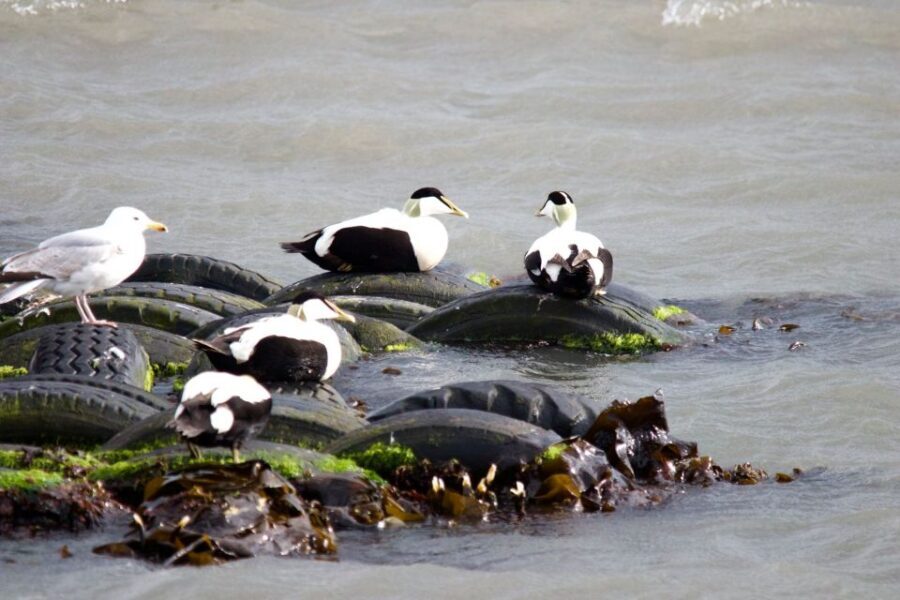
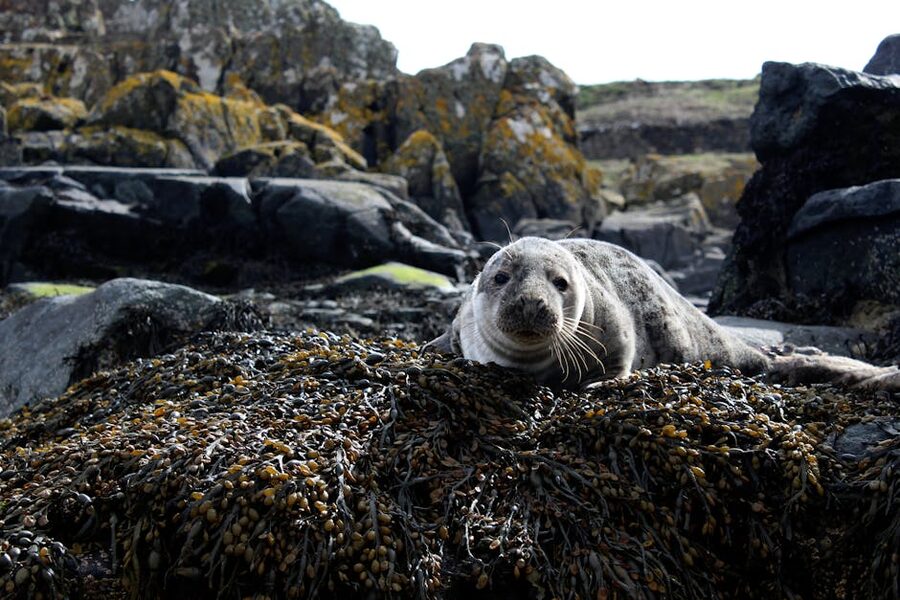
The seal colony. A rocky outcrop east of the bridges where harbour and grey seals haul out to bask. Numbers vary by tide and time of year. On a good day you will count thirty. On a flat-calm midsummer afternoon you might see one bored individual flopped on a buoy.
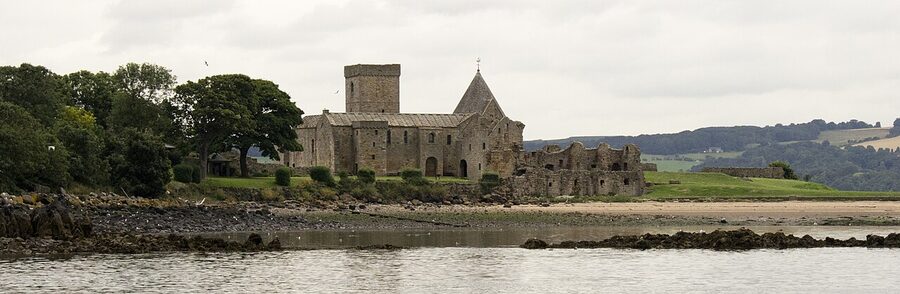
Inchcolm Island and the abbey. The 90-minute cruises sail past Inchcolm and circle it. Only the longer Inchcolm cruise actually lands. From the water you can pick out the medieval abbey tower and the WWII gun emplacements that ring the island.

Hound Point and the Dalmeny Estate. On the south shore, a wooded headland that was the departure point for medieval pilgrims walking up to St Andrews. The boat passes close enough to make out the Hound Point oil terminal jetty, which is jarringly modern next to the Victorian engineering you have just left behind.
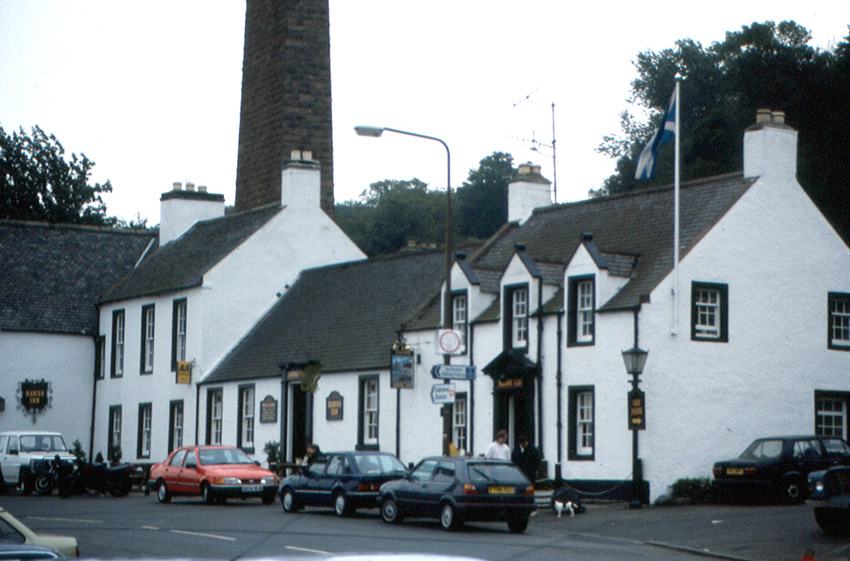
The Hawes Inn. Robert Louis Stevenson set the kidnapping scene in Kidnapped at the Hawes Inn, and the building is still there, immediately above Hawes Pier. From the water you cannot really see it, but it is a good post-cruise lunch stop.

Getting to Hawes Pier from Edinburgh
South Queensferry is a small town at the end of the Edinburgh suburban rail line. There are three reasonable ways to get there.
Train (recommended). ScotRail runs frequent services from Edinburgh Waverley to Dalmeny, the South Queensferry station. Journey time is around 17 minutes, off-peak return around £6, and trains run every 30 minutes for most of the day. From Dalmeny it is a 10-minute downhill walk to Hawes Pier. The signs are clear; you essentially walk towards the bridge and you cannot miss the pier.
Bus. Lothian Buses 43 runs from Edinburgh city centre to South Queensferry High Street roughly every 20 minutes. Slower than the train (around 45 minutes from Princes Street) but cheaper and the stop drops you closer to the High Street.
Car. Free or paid parking near Hawes Pier is sometimes possible but can be busy on summer weekends. If you have a car, factor in a 25-minute drive plus the time to find a spot.

I would budget half a day either way: train out, an hour mooching around the High Street, the 90-minute cruise, lunch at the Hawes Inn or one of the seafront cafes, then the train back. You can squeeze it into three hours if you are tight, but South Queensferry is pretty enough that rushing is a waste.
When to sail and what the weather does to the trip
The cruises run from late March through October, with reduced winter sailings in some years. July and August are the peak months and the boats often sell out 24-48 hours ahead, particularly at weekends.
Best weather window for photography is May to early June, when the days are long, the sky is often clear, and the wildlife is most active. June and July add puffins on the Inchcolm cliffs, plus a higher chance of porpoise sightings further down the Firth.
The catch is Scottish weather. Even on a sunny day the Firth of Forth is exposed and breezy. Wear a layer more than you think you need, and bring something waterproof. Both operators have an enclosed lower saloon, but you will spend most of the cruise outside because that is where the views are. If conditions are genuinely bad they will cancel and refund, which happens a handful of times each season.
The other thing to know: in midsummer, sunsets are very late (around 10pm in June) and that affects which sailings you should target. The early evening departures, around 6pm, give you the best light without needing to stay out absurdly late.
Why a boat beats a bridge walk
Edinburgh visitors often ask whether they should book the cruise or just walk across the Forth Road Bridge for free. Honest answer: do both if you have time, but if you can only choose one, take the boat.
The walk is genuinely scenic, free, and gives you the long-lens shot of the 1890 bridge. But you do not get the moment of sailing directly underneath the cantilevers. You do not see the seals. You do not get the live commentary explaining what you are looking at. And you do not see Inchcolm or any of the islands.
The cruise also packs in the bridge engineering trivia in a way that walking does not. The pre-recorded commentary on the Forth Boat Tours sailing covers the failed Tay Bridge of 1879 (the Forth Bridge was over-engineered as a direct response), the painting myth (“painting the Forth Bridge” used to mean a never-ending job, which it was until the 2011 paint upgrade), and the wartime history of Inchgarvie as an anti-submarine boom anchor in both World Wars.
Practical tips before you book
A few things I wish I had known the first time.
Book online, not at the pier. The kiosk at Hawes Pier is open during sailings but daily allocations sell out, particularly for the Inchcolm cruise in summer. Pre-booking on GetYourGuide or directly with the operators saves the queue and locks in your time slot.
Arrive 20 minutes early. Boarding starts around 15 minutes before departure, and the upper deck seats fill first. If you want a forward-facing seat upstairs (which is where you want to be), get there well before the scheduled departure.
Sit on the right going out. On the outbound leg the boat passes between Inchgarvie and the Fife shore, so the right side gives you the closer view of the bridges and Inchcolm. On the return the boat usually swings the other way, so you swap sides if it matters to you.
Skip the cafe queue. Both operators have a small onboard cafe with hot drinks and basic snacks, but the queue at peak times eats into your viewing time. Either get a coffee on the way to the pier or buy in the first five minutes before everyone else has the same idea.
Cancellation is generous. Both operators allow free cancellation up to 24 hours before. If the weather forecast looks bleak the night before, you can rebook a different sailing without losing money.
Bring binoculars if you have them. The seal colony and the Inchcolm cliffs are 50-100 metres off the boat. Phone cameras struggle. Even cheap binoculars transform the wildlife portion of the trip.
A bit of history that makes the bridges click
The Forth Bridge story really starts with a disaster. On 28 December 1879 the Tay Bridge collapsed in a gale while a train was crossing it, killing 75 people. Public confidence in long-span bridges evaporated overnight. The original suspension-bridge design for crossing the Firth of Forth was quietly dropped, and the engineers Fowler and Baker were briefed to design something so visibly, ostentatiously over-engineered that no Victorian traveller could possibly worry about it.

That is what you are sailing under. A bridge built to be unmistakably safe by 1880 standards, which has turned out to be safe by 2026 standards too. It still carries about 200 trains a day. The maintenance crews of the 20th century repainted it continuously, top to bottom, then started again, which is where the British idiom about “painting the Forth Bridge” came from. The 2011 epoxy coating broke that loop. The bridge is now scheduled for repaint roughly every 20 years.
The Forth Road Bridge story is sadder. Built to last 120 years, it was forced into early semi-retirement at 53 because the truss-end links failed. The replacement, the Queensferry Crossing, was rushed through final approval and opened just in time. If you ever wondered why Scotland built a third bridge in the same spot as a second one, the answer is that the second one quietly broke and the engineers caught it before anyone got hurt.
The Queensferry Crossing, by comparison, is the smooth modern resolution to all of this. Three pylons, fewer than 5,000 tonnes of steel cable, a windshield system that keeps the bridge open in conditions that would have closed the old Forth Road Bridge. From the boat, watching the three bridges line up across two miles of water, you get a 130-year history lesson in civil engineering for the price of a cinema ticket.
Other Edinburgh and UK trips worth booking nearby
If the Forth Bridges Cruise is part of a wider Edinburgh trip, the most natural follow-ons are the Highland day-trips that also run out of the city. The classic combo is to do the bridges in a half day and then book a longer day trip the following morning. A guided Loch Ness day trip from Edinburgh hits the obvious headline, while a Scottish Highlands tour from Edinburgh goes broader and covers Glen Coe and Loch Lomond. If you have a second day, the Isle of Skye trip out of Edinburgh is a long but spectacular outing. Closer to base, Stirling Castle is 45 minutes by train and gives you the Wallace and Bruce side of Scottish history that the bridges do not. Train fans should also look at the Jacobite Steam Train across the Glenfinnan Viaduct, another piece of Scottish railway engineering you can ride rather than sail under.
For travellers heading further south, this batch also covers a York River Ouse boat cruise for a similar small-boat-with-commentary experience on a very different river, an Oxford City and University tour that gets you inside the colleges most tourists cannot enter, and a Liverpool River Mersey cruise plus hop-on hop-off bus combo with its own bridge and dock heritage. The closest direct parallel to what you are getting on the Forth is the Thames river cruise in London, which sails under Tower Bridge with a comparable mix of engineering history and live commentary.
Affiliate disclosure: some of the links in this article are affiliate links. If you book through them, we earn a small commission at no extra cost to you. We only recommend operators and products we have personally researched.