
Here’s the thing nobody tells you before you arrive in Oxford: you can’t just wander into a college. There are 39 of them inside the University of Oxford, and almost every one has a porter on the gate who will politely but firmly turn you away unless you’re a student, a fellow, or with a pre-booked guide. People show up with Magdalen on their bucket list and end up looking at the wrought-iron railings from the High Street.
That’s why the right kind of guided tour matters. A “City and University” walking tour with included college entry is the only way most visitors actually get inside, and the difference between standing in Tom Quad and pressing your face against a gate is the entire point of coming.

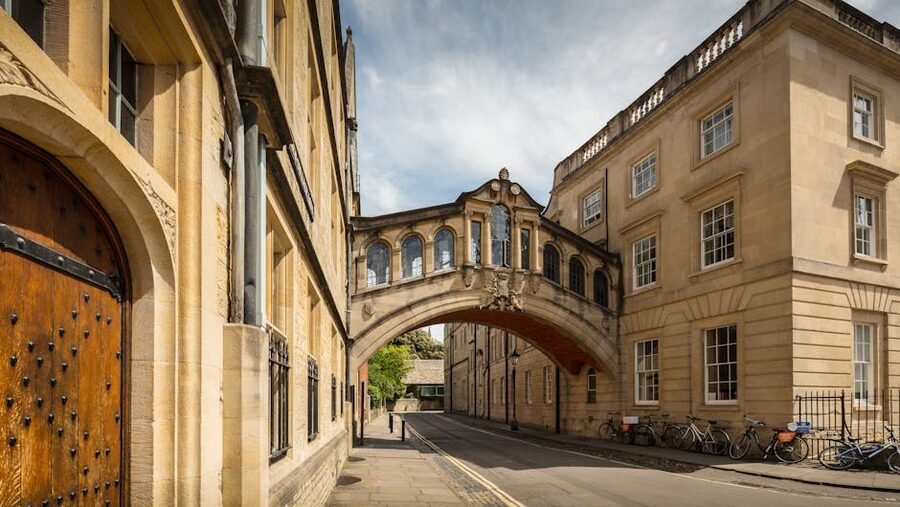
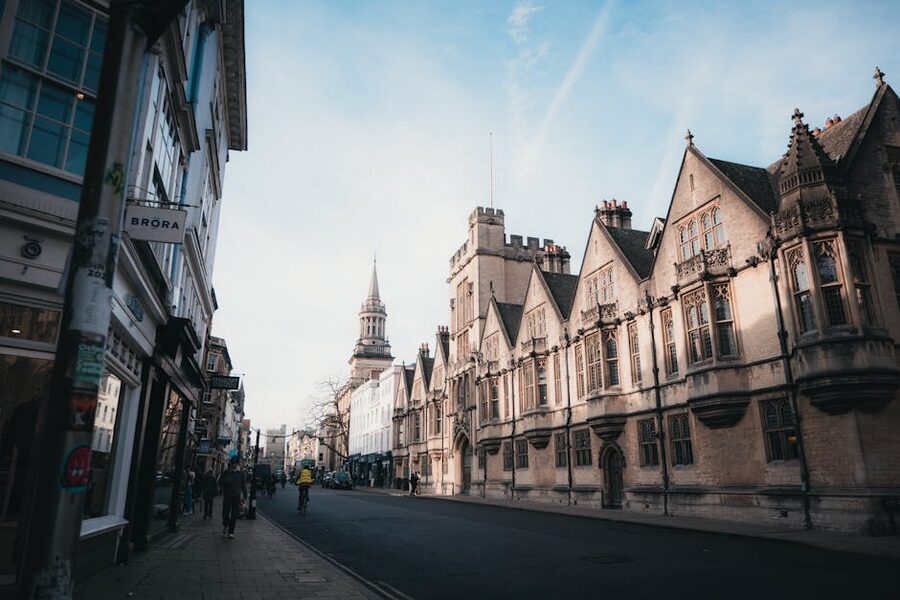
Most thorough: Official University and City Walking Tour, $40. Two hours, run by the official Oxford guides who pass the Blue Badge exam, slower pace, more Bodleian time.
Smallest groups: Alumni-Led Walking Tour with optional New College, $34. Led by an actual graduate, smaller groups, optional New College add-on for the Hogwarts cloisters.
- Why a guided tour is basically the only way in
- The three tours actually worth booking
- 1. Oxford City and University Tour with College Entry:
- 2. Official University and City Walking Tour:
- 3. Alumni-Led Tour with optional New College:
- What you’ll actually walk past
- Booking, prices, and the part most guides bury
- The 39 colleges, briefly
- How to get to the meet point
- When to actually go
- How Oxford got 39 colleges (the very short version)
- Pairing the tour with everything else
- Practical tips before you book
- Other Oxford and UK guides
Why a guided tour is basically the only way in
The University of Oxford isn’t a campus. It’s 39 self-governing colleges scattered across the medieval city, each with its own quad, its own chapel, and its own porters. The colleges are not public buildings. They are private societies that happen to admit a few thousand fee-paying tourists a day, on their own terms, on their own days, at their own prices.
Some colleges sell their own day tickets. Christ Church charges around £19 for the Cathedral, Hall, and Tom Quad. Magdalen charges £8 in summer for the deer park and the cloisters. New College is £6. Add it up across three colleges and you’ve spent more than a guided tour, you still don’t have a guide telling you what you’re looking at, and you’ve wasted a chunk of your morning queuing at three separate gatehouses.
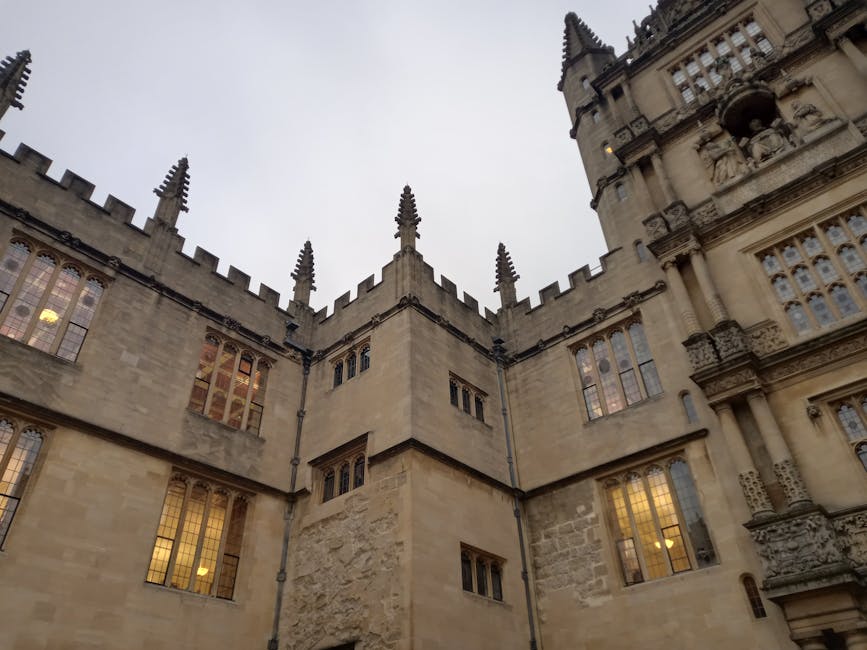
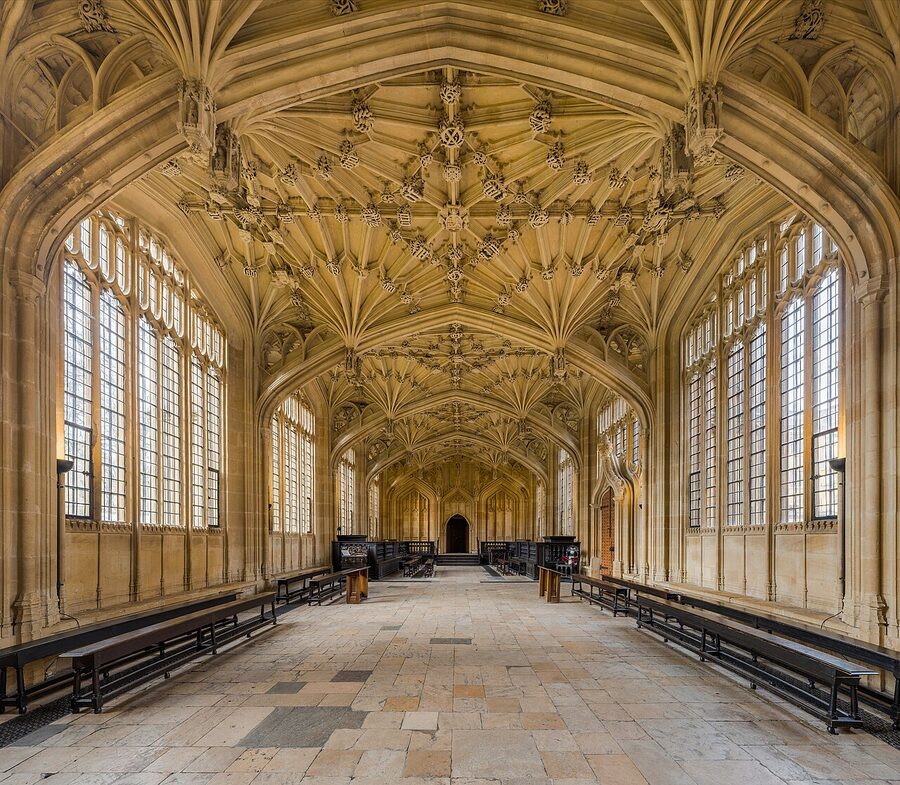
A good City and University Tour solves this by negotiating bulk entry directly with the colleges. The tour operator pays the entry fee on your behalf, walks you through the gate, and the porter waves you in because you’re with a recognised guide. You get inside one or two colleges per tour, you get the Bodleian quad and the Divinity School in most cases, and you get someone explaining the ridiculous detail.
The trade-off is that you don’t pick which college you go inside. The operators rotate based on what’s open that day. Christ Church closes for choral services and term-time exams. Magdalen shuts when the deer park is being managed. New College has its own quirks. The guide knows what’s open this morning and adjusts on the fly. That’s the price of getting through any door at all.
The three tours actually worth booking
Search engines surface dozens of Oxford walking tours. Most are the same 90-minute route past the Bodleian, the Bridge of Sighs, Radcliffe Square, and Christ Church Meadow, with no actual college access. The three tours below are the ones that genuinely get you behind the gates, and they cover three different price points and tour styles. Pick based on group size and pace, not on the marketing copy.
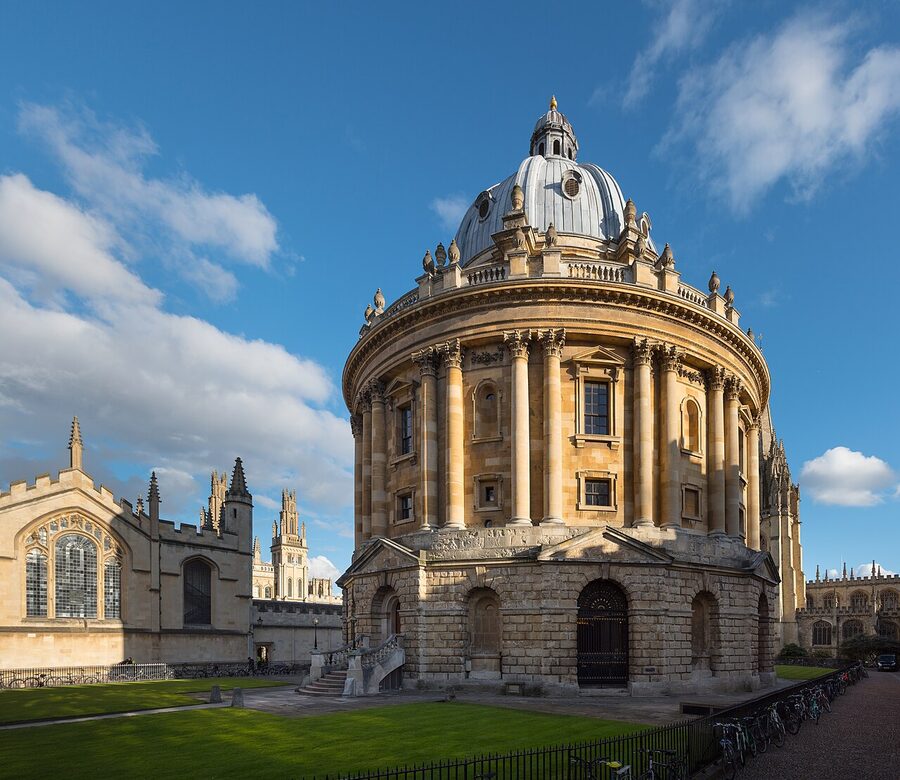

1. Oxford City and University Tour with College Entry: $37

This is the one I’d book if I had a half-day in Oxford and wanted to see the most for the lowest price. Our full review covers what gets cut to fit the timing, mainly the Sheldonian Theatre and the Ashmolean. The guides are usually current students or recent grads, and the pace is brisk in a useful way, you cover the Bodleian Quad, the Radcliffe Camera exterior, the Bridge of Sighs, and one college (most often New College or Exeter) without ever feeling rushed.
Check Availability
Read our full review
2. Official University and City Walking Tour: $40
If you actually care about the difference between Norman, Perpendicular, and Decorated Gothic, book this one. The official guides have to pass an exam to wear the badge, and it shows. Read our review for what makes the slower pace worth the extra $3, mainly that you sit inside the Divinity School (the Hogwarts hospital ward) for a good ten minutes instead of being herded through. Skip if you’re travelling with kids under 10, the pace will lose them.
Check Availability
Read our full review
3. Alumni-Led Tour with optional New College: $34

This one earns its place when you want the personal angle. The alumni guides went through the interview, sat finals in sub fusc, drank in the JCR, and the stories sound nothing like the tourist patter. Our review goes into the New College add-on debate (worth it if you’re a Harry Potter fan, less so if you’ve already booked Christ Church separately). Booking is web-only and slots fill 48 hours ahead in summer.
Check Availability
Read our full review
What you’ll actually walk past
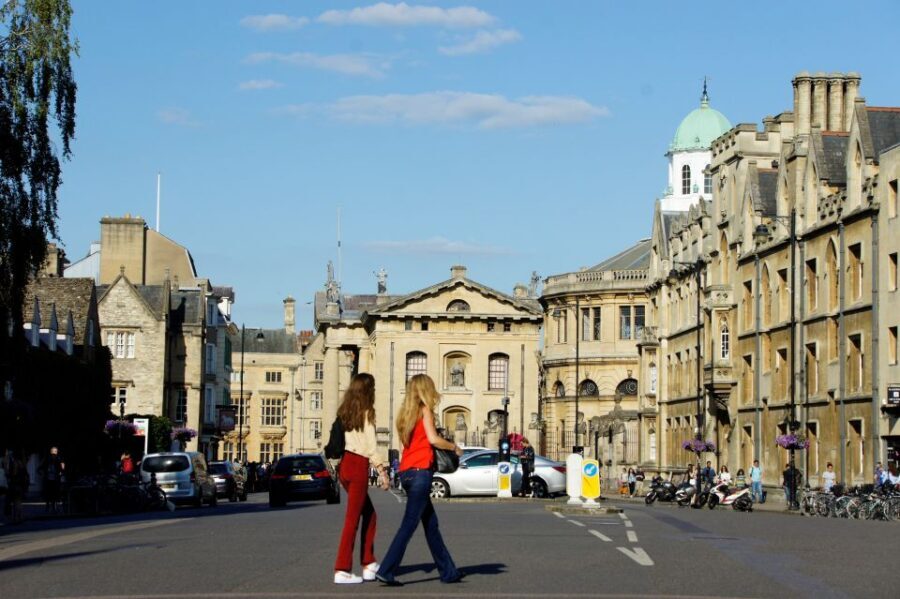
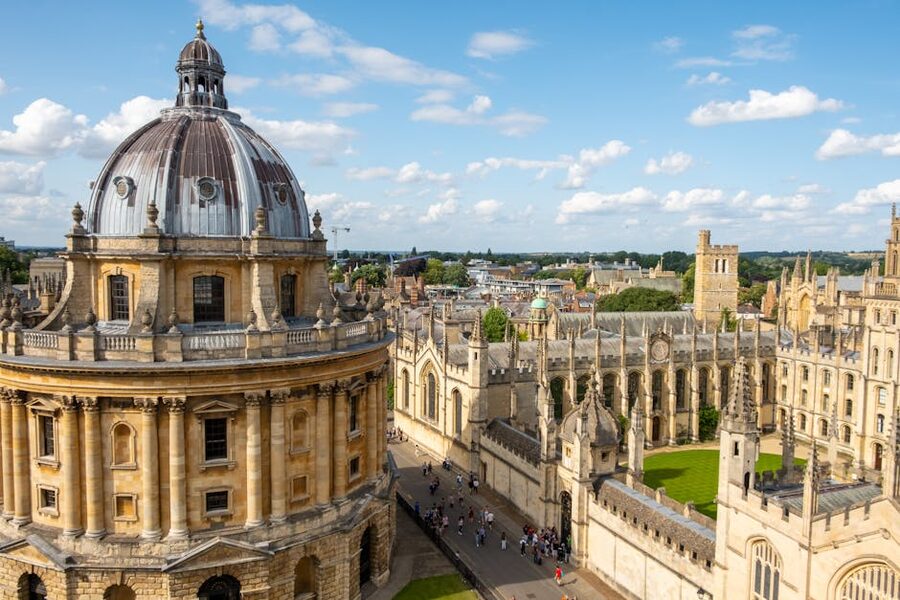
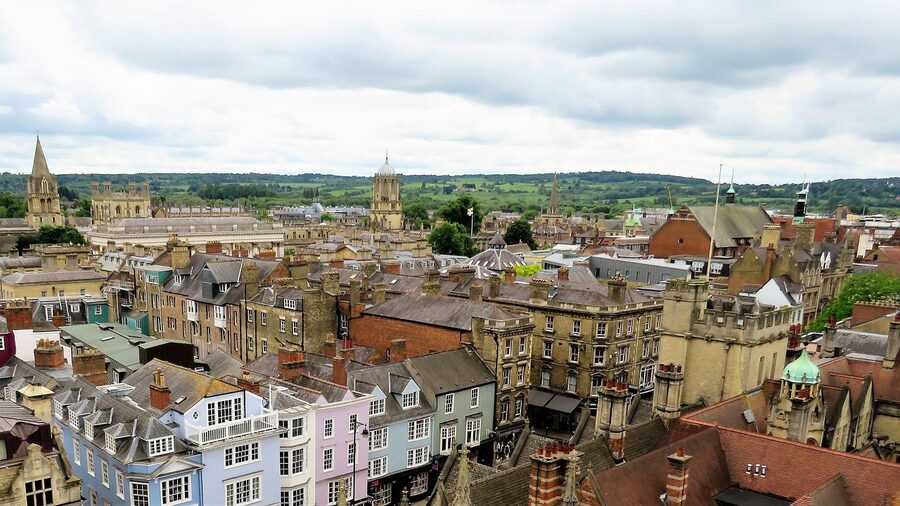
The route varies by operator and by what’s open, but most City and University tours stitch together a tight walking loop in the half-mile around Radcliffe Square. You won’t go past the railway station and you won’t see the Botanic Garden. The colleges and the libraries are clustered, which is partly why the tour can fit so much into 90 minutes.


The standard stops in roughly the order you’ll hit them:
- Carfax Tower at the city’s central crossroads, the surviving 14th-century tower of the demolished St Martin’s Church. Quick stop, the guide explains how the tower height limit (no building taller than 23 metres) protects the skyline.
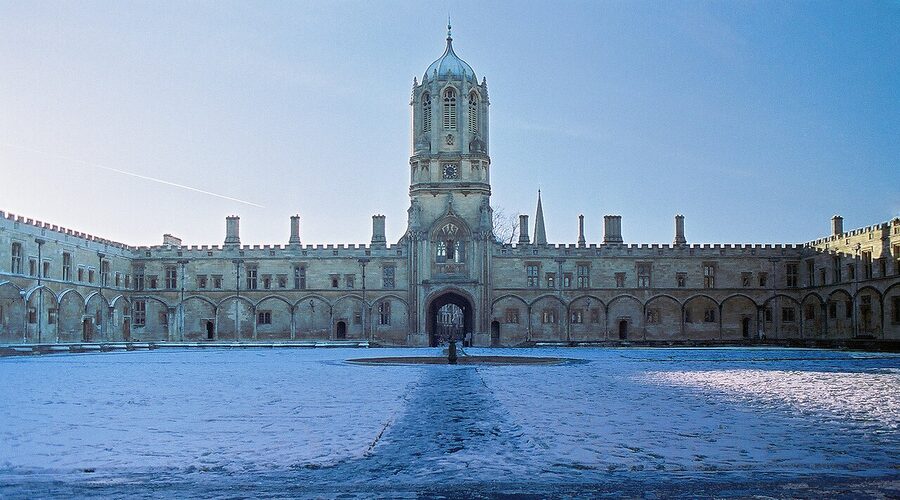
- Christ Church Meadow gates and Tom Tower, but usually not entry, since Christ Church charges separately. You see the gate from St Aldate’s.
- Bodleian Old Schools Quadrangle, free to walk into, with the painted faculty doors and the Tower of the Five Orders.
- Radcliffe Square for the obligatory Camera photograph.
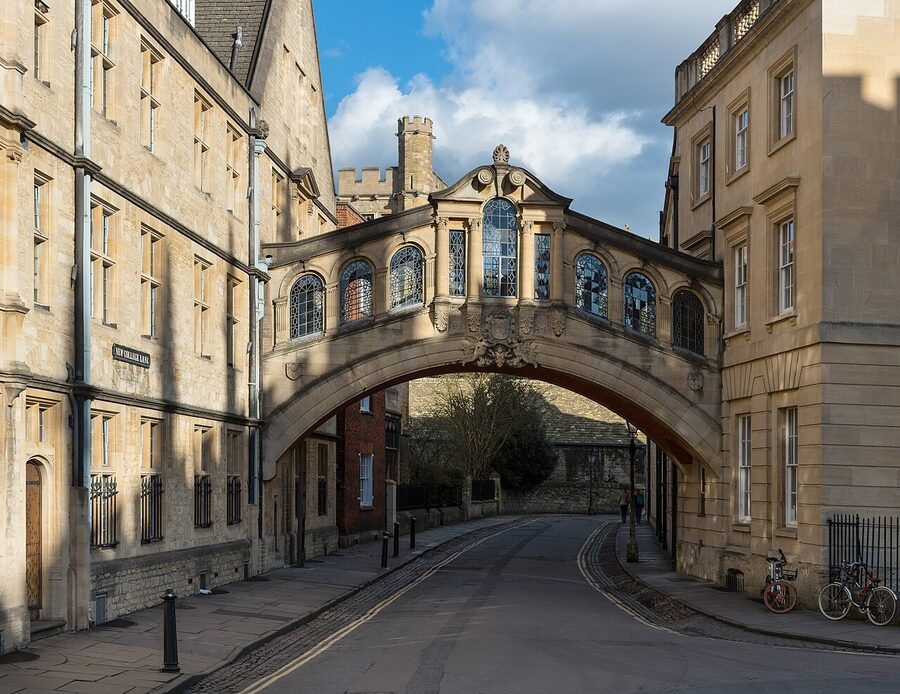
- Bridge of Sighs on New College Lane.
- One college interior, usually New College, Exeter, or Brasenose. This is the part most other tours skip.
- Sheldonian Theatre exterior, where you’ll hear the story of the heads on plinths around the railings (no one knows who they’re supposed to be, even Oxford itself).

Booking, prices, and the part most guides bury
You can book all three tours through GetYourGuide, the operator’s own website, or in person at the meet point. Online prices are usually 10-15 percent cheaper than walk-ups, and you skip the queue. In high summer (July-August) and around graduation week, the same-day slots sell out by lunchtime.
Pricing for the standard college-entry tour sits around £25-30 adult, £15 child, family £75-90 on the operator websites, which translates to roughly $34-40 on the GYG listings depending on the day’s exchange rate. A few cost notes worth knowing:
- The base ticket includes one or two college entries. Christ Church (the Harry Potter Great Hall) is almost always extra, around £19, and you book it yourself.
- Tip etiquette: a £3-5 tip per person at the end is normal. The alumni guides aren’t paid much beyond the operator’s split.
- Student discounts apply with valid ID. Footprints’ tour is currently £29.99 vs £34.99 adult, with under-17s at £29.99 too.
- Wet weather doesn’t cancel tours, you walk in the rain. Bring a hood, the guides do.
The 39 colleges, briefly
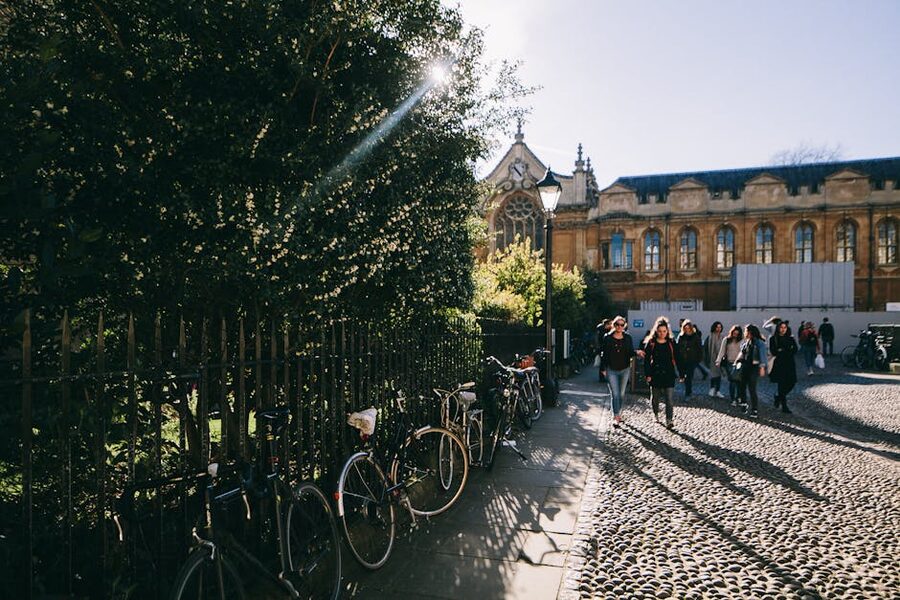
You will not see all 39 on any tour. You will probably see two from the inside and a dozen from the outside. The five most likely to come up in a guided walk:
- Christ Church (founded 1546). The biggest, the richest, and the only one that’s also a cathedral. Tom Tower’s bell rings 101 times every night at 9.05pm, originally for the 101 founding students. Pre-book if you want inside.
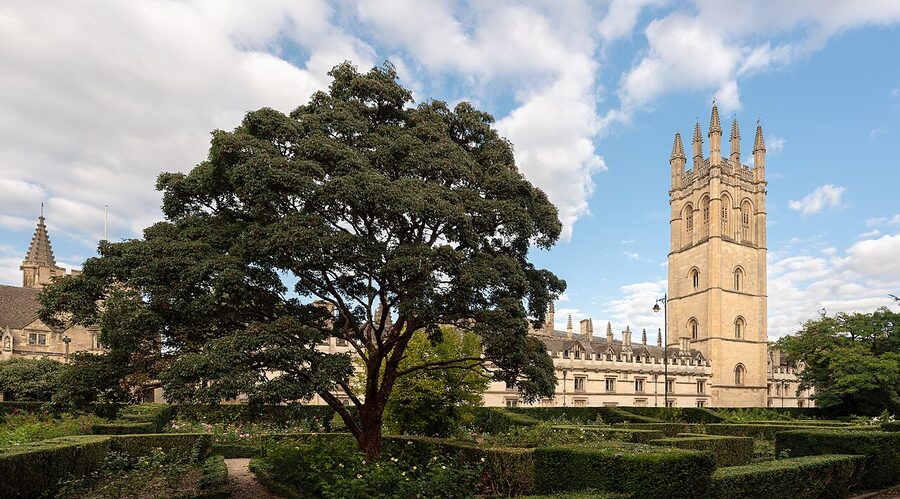
- Magdalen (1458). Pronounced “maudlin.” Has its own deer park (yes, real deer), a perpendicular bell tower where the choir sings hymns at dawn on May Morning, and the long meadow walk along the Cherwell. Open-access ticket separately, £8 in summer.
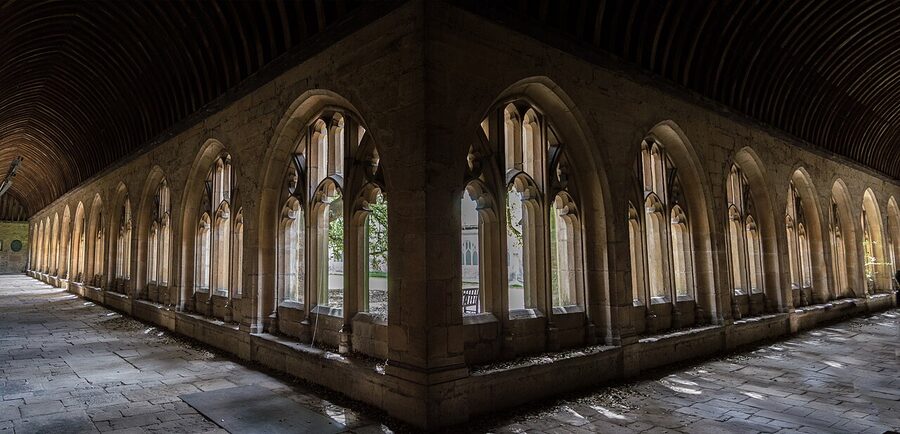
- New College (1379, the irony is intentional). The cloisters appear in Harry Potter and the Goblet of Fire. The medieval walls are the original Oxford city walls and the porters check them every three years as the lease requires.
- Merton (1264). The oldest college on its current site. The Mob Quad is the oldest quadrangle in the world. T.S. Eliot and Tolkien were both fellows here.
- All Souls (1438). No undergraduates, only fellows. Sits on the corner of Radcliffe Square and almost never opens to the public. The fellowship exam is famous for being the hardest in the world (one essay, on a single word, three hours).


How to get to the meet point
Almost every tour meets within five minutes of Carfax Tower in the city centre. The most common assembly points:
- Tourist Information Centre, 16 Broad Street, OX1 3AS. Footprints, Walking Tours of Oxford, and the Official tour all use this. Five-minute walk from Carfax.
- Outside the Sheldonian Theatre on Broad Street. Smaller alumni-led operators often use this.
- Christ Church meadow gate, St Aldate’s. Less common, used by the Christ Church-specific tours.
Oxford station is a 12-minute walk from Broad Street through Cornmarket. Don’t bother with a taxi for the last mile, the pedestrian zone makes the walk faster. London-bound trains from Paddington run every 15 minutes and take roughly an hour. The Oxford Tube coach from Victoria runs 24/7 and is cheaper, around £15-20 return, but slower. Park & Ride is the smart play if you’re driving, the city centre car parks are eye-watering.
When to actually go
Late spring and early autumn are the sweet spot. June through September the colleges have their own opening hours that flip every week, and Christ Church in particular closes at random for choral services, college events, and exam-week lockdowns. The City and University tours adapt, but you might end up at Brasenose instead of New College and not realise that’s the trade-off.
- Best months: Late March to mid-May, mid-September to late October. Cool, fewer tour groups, colleges mostly open.
- Avoid if you can: First week of October (Freshers’ Week, colleges closed to outsiders). Late June (graduation, college quads full of marquees). Christmas week (almost everything shut).
- Worst time of day: 12pm-2pm. The Bodleian Quadrangle bottlenecks. Book the 11am or 4pm slots instead.
- Weather note: “Dreaming spires” looks great in mist. The honey-coloured stone needs sun. If the forecast is dry, take it.
How Oxford got 39 colleges (the very short version)
The University was here first, by a long way. Scholars were teaching in Oxford before 1100, mostly because they’d been thrown out of Paris in a row with the French king. Up until the 13th century there was no organised university, just freelance teachers renting rooms above pubs and arguing in Latin.
The college system began as a workaround. Students were getting murdered. In the St Scholastica Day Riot of 1355, a tavern argument escalated into a three-day battle between town and gown that left 63 students dead. The Crown’s response was to start funding walled, gated communities where the students could live, eat, and study together. That’s a college. Walls, a chapel, a hall, a library, a porter on the gate.
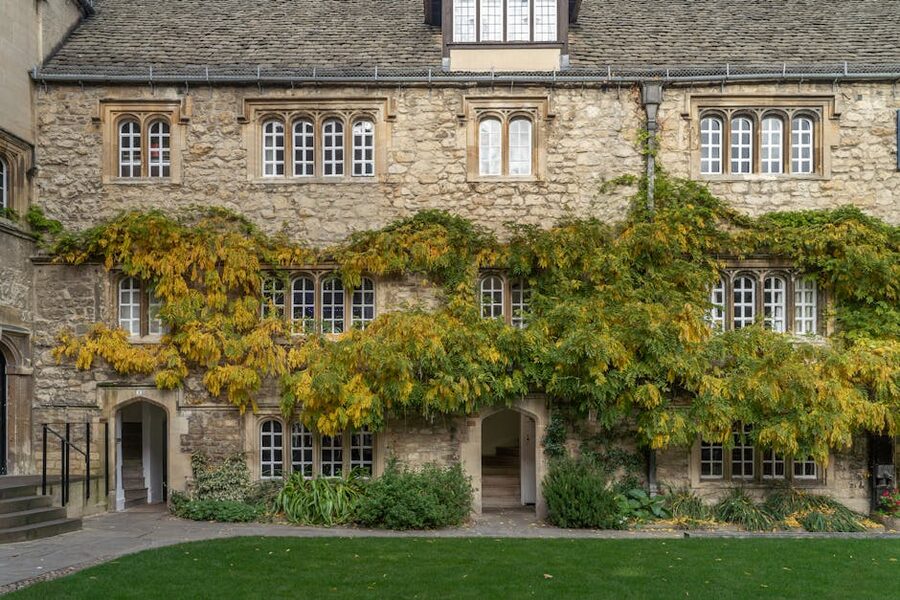
The first three colleges, University (1249), Balliol (1263), and Merton (1264), set the model. Each was a self-governing house, each held its own land and its own endowment, and each elected its own Master. The University as a body did the exams and granted the degrees. The colleges did the teaching and the housing. That structure has barely changed in 750 years.
Most of the famous architecture came later. Christ Church was a Henry VIII vanity project in 1546 (he dissolved the priory that was here and used the stone). The Bodleian as we know it was Sir Thomas Bodley’s 1602 reboot of an older library that had been emptied during the Reformation. The Sheldonian was Christopher Wren’s first commission, finished in 1669. The Radcliffe Camera was 1749, the Bridge of Sighs was 1914 (yes, only 1914, despite looking medieval).
Pairing the tour with everything else
An Oxford day trip from London usually fits the City and University tour comfortably alongside one or two extras. The pairings that actually work:
- Christ Church Cathedral and Hall: Add £19 and 90 minutes. Book a 1pm slot and the City and University tour at 11am, eat in the Covered Market between them. The Hall is the original Hogwarts dining hall set, the Cathedral is the smallest in England.
- The Ashmolean Museum: Free, two hours, three minutes’ walk from Broad Street. Stradivarius violins, the Alfred Jewel, decent café. A good rainy-afternoon pairing after the morning tour.
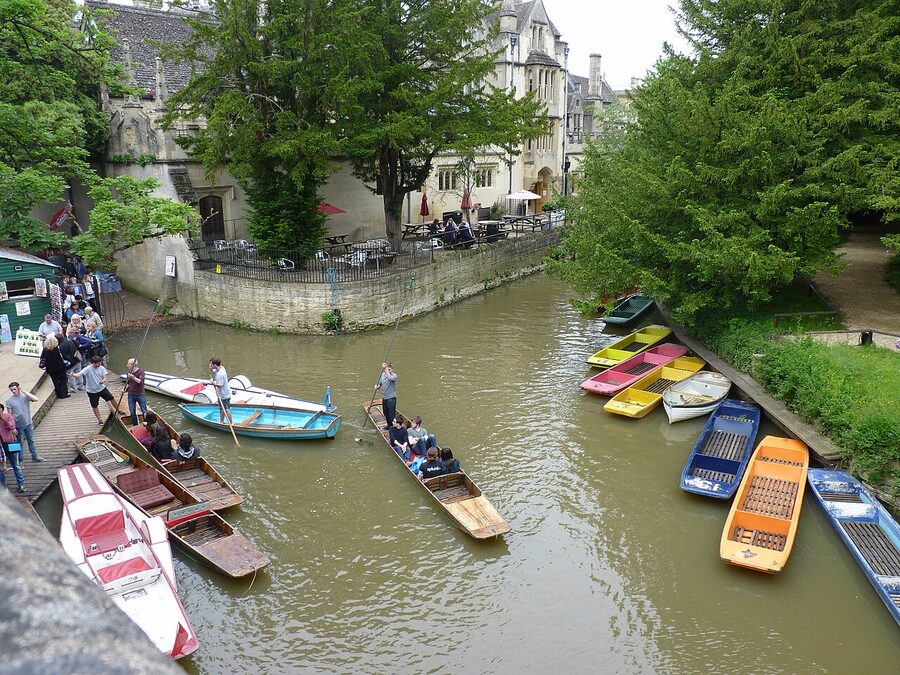
- Punting on the Cherwell: £30 per hour for a punt that holds 5 people, May to September. Magdalen Bridge is the boatyard. Easy to combine with a Magdalen College visit, since the boatyard is right there.
- Blenheim Palace: 30-minute bus ride out to Woodstock. Whole separate day. Don’t try to bolt it onto the city tour, you’ll regret the rush.


Practical tips before you book
- Book online at least 24 hours ahead in summer. Day-of slots disappear by 9am from May through September.
- Wear shoes you can walk a mile in. The cobbles around Radcliffe Square are uneven and the porters’ staircases inside the colleges have low headers.
- Bring photo ID if you’re using a student or under-17 ticket. The porters on the gate sometimes spot-check.
- The Bodleian Quad and the Divinity School ban photography in some areas with flash. Phones are fine without.
- If you’re a Harry Potter fan and the Christ Church Hall is the priority, book the Christ Church Harry Potter tour separately, it includes guaranteed Hall access. The City and University tour can’t promise it.
- For accessibility, the Bodleian Quad is step-free but the Divinity School and most college quads have at least one step. The Bridge of Sighs is fine to view from below in a wheelchair. Tell your operator when booking.
Other Oxford and UK guides
If you’ve already done a college-entry tour, the natural next stop is a different angle on the same city. Our walking tour guide covers the cheaper, exterior-only walking tours, useful if you’re squeezed for time and don’t need to step inside a college, or if you’ve already booked a college separately and just want the street-level history. The two articles complement each other: this one is about getting through the gates; the walking-tour piece is about the streets and the stories you don’t need a porter to access.
For the wider UK trip, three batch-mate guides are worth looking at: a York sightseeing boat cruise for the river-level view of York Minster’s medieval walls, an Edinburgh Forth Bridges cruise for the engineering layer of the Scottish capital, and a Liverpool combo cruise and bus tour for both the Beatles tourism and the working-port history of the Mersey waterfront. None overlap with Oxford in style, but together they make a useful contrast: Oxford is the gated medieval city, the others are working ports and capitals you see from the water.
Inside England, the obvious extension is London. A London walking tour pairs naturally with an Oxford day, since most visitors base in London and ride the train up. A Thames river cruise gives you Tower Bridge and the South Bank from the water, and works as the lazy afternoon after the harder Oxford morning. Other UK walking tours worth a look: York for the medieval shambles and a similar college-town feel in Gothenburg, the Swedish equivalent in scale and student-population terms. Further afield, Stockholm’s old town walking tour and a Budapest historic walk follow the same template, expert local guide, two hours, no rush.
Affiliate disclosure: this post contains affiliate links. If you book through them we earn a small commission at no extra cost to you, which helps us keep this site running. We only recommend tours we’d book ourselves.