
A friend came to York for the weekend with one mission. The Minster, the Shambles, maybe a half-pint somewhere old. Then the rain hit on Saturday afternoon, she ducked into a covered boat at King’s Staith for the sake of staying dry, and what she’d planned as a dead hour ended up being the bit she still talks about. The half-timbered facades along the Ouse, the Minster’s towers rising over the rooftops from a completely different angle, the medieval city walls running right down to the water. She’d walked past all of it for two days. Seeing it from the river is the version of York that doesn’t make it onto most weekend itineraries, and it’s the easiest thing in the city to book.
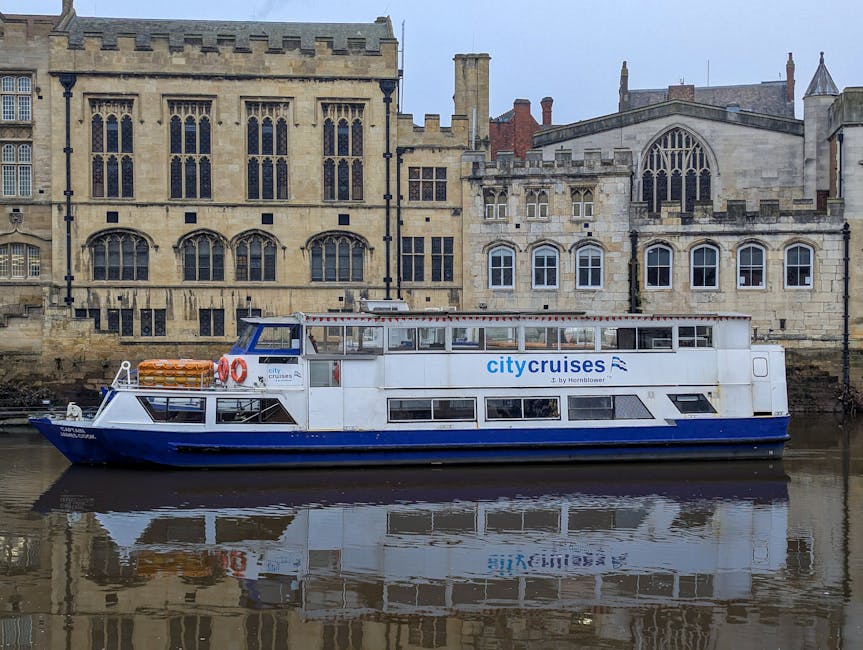
Most people come to York and never set foot on the river. The cruise takes 45 minutes, runs year-round, and gives you a guide who actually seems to enjoy the job. Below is everything I’d want to know before I booked, plus the three boat options worth picking between if you want something more than the standard daytime trip.
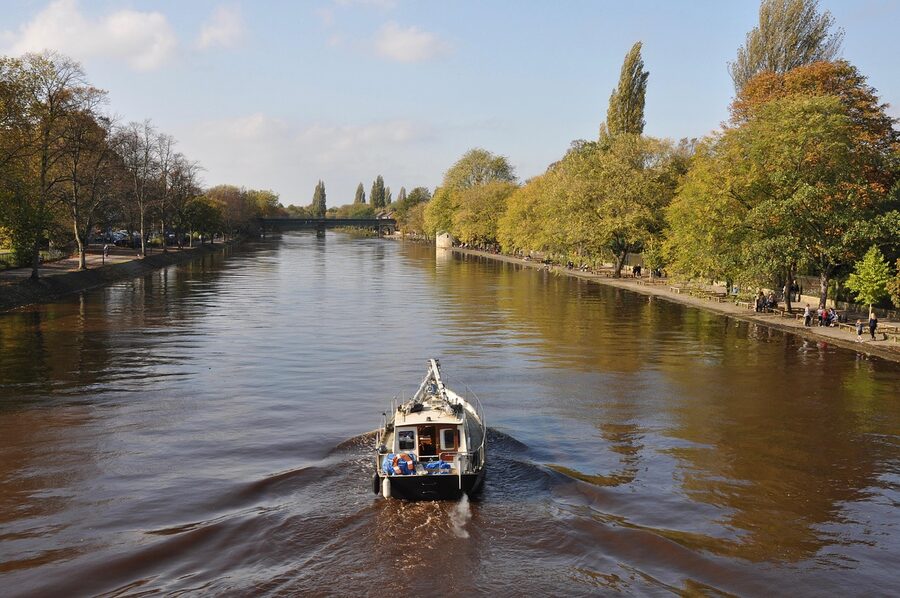
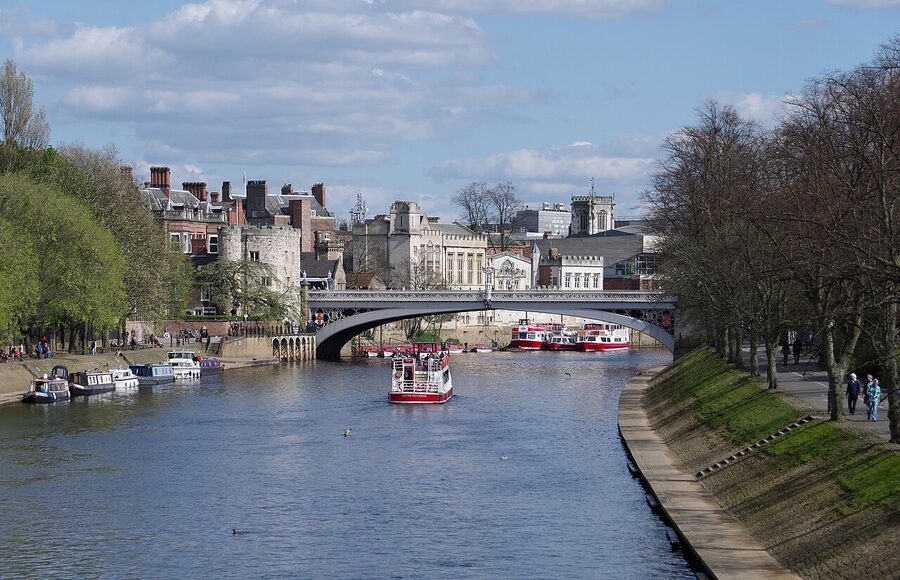

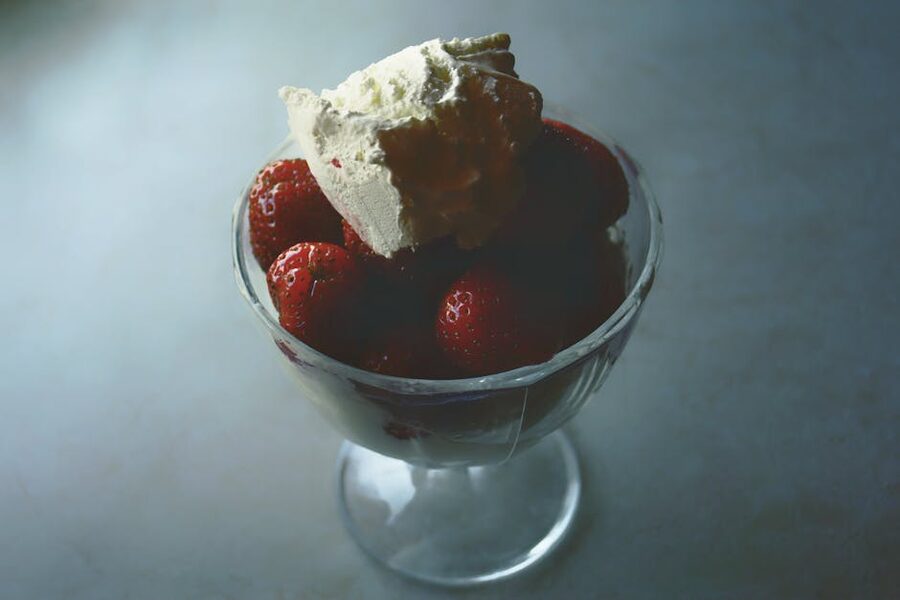
Best at sunset: Evening Cruise with Strawberries and Cream, $24. Same route but golden-hour, with a drink and a small pudding included.
Best for a long lunch: Fish and Chips Cruise, $39. A proper hot meal on board for an hour. Worth it on a wet day when sightseeing on foot has stopped being fun.
- How the York River Cruise Actually Works
- The Three Cruises Worth Booking
- 1. York Daytime Sightseeing Boat Cruise with Live Commentary:
- 2. York Evening Cruise With Strawberries and Cream + Drink:
- 3. York Fish and Chips Cruise:
- What You Actually See From the Water
- The Best Time of Day to Sail
- Getting to the Landings
- What the Commentary Actually Covers
- Self-Drive Boats and the Other Variants
- Practical Things to Know Before You Go
- When the River Floods (and It Does)
- How the York Cruise Compares to Other UK River Trips
- Combining the Cruise with Other York Activities
- Best of York and the Rest of the UK
How the York River Cruise Actually Works

The operator is City Cruises York, the same company that runs the Thames boats in London under the City Experiences brand. They have two landings in central York, and the boat shuttles between them.
King’s Staith landing sits on the south bank, directly below Ouse Bridge. It’s the closer one to the Shambles, Clifford’s Tower and the Castle Museum, so most tourists end up boarding here without thinking about it.
Lendal Bridge landing is on the north bank near Museum Gardens, about 8 minutes’ walk away. It’s a good pick if you’ve been wandering the Minster end of the city and don’t want to backtrack. You can board at one and step off at the other, which is genuinely useful if your hotel is on one side and the day’s plans are on the other.
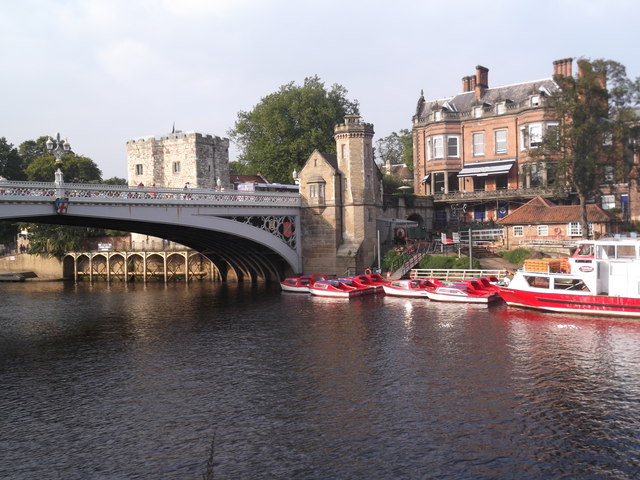

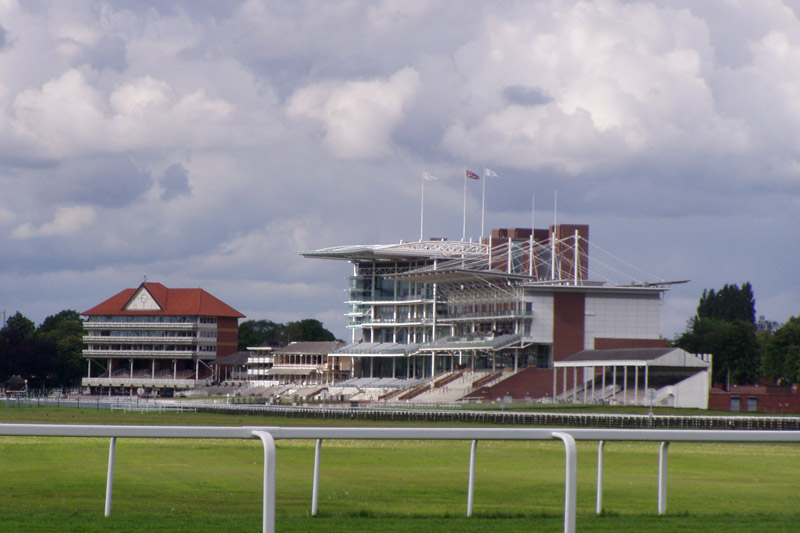
The standard sightseeing trip runs about 45 minutes door to door. You head downstream, meaning south, toward Millennium Bridge and the edge of York Racecourse, then loop back. The whole route stays inside the city. You won’t go far enough out to see countryside, and that’s the point. Every interesting thing is in the central stretch.
Adult tickets are around £14 to £15 in 2026, with kids about £8 and family tickets in the £35 to £42 range depending on whether you’ve got two or three children with you. Prices on GetYourGuide are quoted in dollars and tend to land slightly higher than the operator’s own site, but the upside is free cancellation up to 24 hours and you can hold the booking on a phone instead of a paper ticket. If you’d rather just turn up, the office on King’s Staith does same-day sales whenever the boat isn’t full.
The Three Cruises Worth Booking
City Cruises York offers about half a dozen variants on the same boats. Most readers don’t need a full breakdown of each one, so here are the three I’d actually pick between, in the order I’d recommend them.
1. York Daytime Sightseeing Boat Cruise with Live Commentary: $20
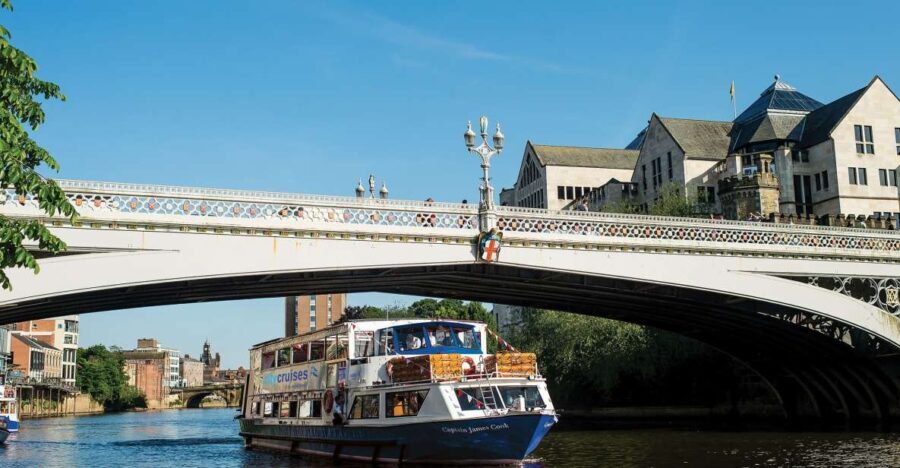
This is the one to start with. A 45-minute round trip from either landing, with a live skipper running the commentary instead of a recording. Our full review of the York Daytime Sightseeing Cruise goes into the route in more detail. The skippers vary, but the patter usually covers Viking-era Jorvik, the Industrial Revolution chocolate-and-railway story, and the city walls from below. Honestly the best of York’s sightseeing-tour formats. You’re not stuck in traffic, you’re not packed onto a bus, and you can walk around on the boat.
Check Availability
Read our full review
2. York Evening Cruise With Strawberries and Cream + Drink: $24
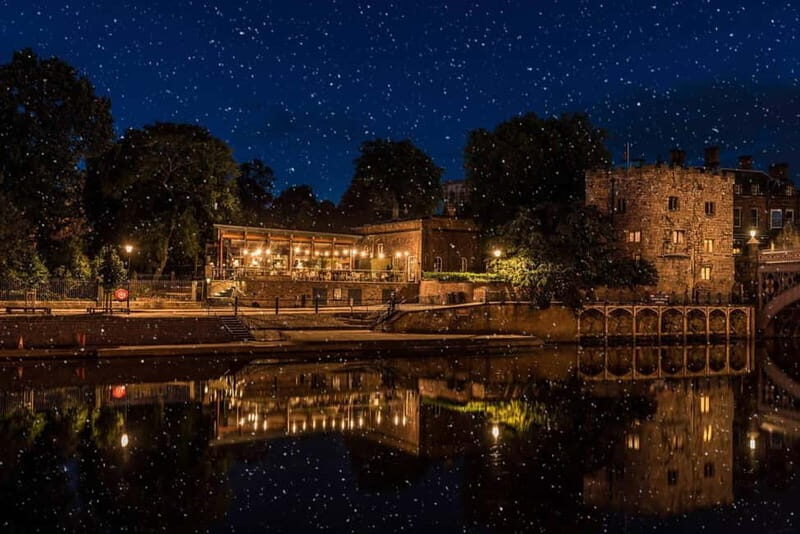
If you’ve already done the daytime trip or you’re in York for more than a weekend, the evening option earns its £4 premium. Pickup is around 6 or 7pm depending on the season. The light over Clifford’s Tower and the Minster towers is worth turning up for, and the strawberries-and-cream cup plus a glass of wine, beer or soft drink is a nicer wind-down than yet another pub. Read more in our review of the strawberries-and-cream evening cruise. The commentary is shorter and more relaxed, which suits the time of day.
Check Availability
Read our full review
3. York Fish and Chips Cruise: $39

The most expensive of the three but the one I’d pick on a bad-weather day. You get the same scenic loop as the daytime cruise plus a hot meal of fish and chips, and the boat’s enclosed lower deck means rain doesn’t matter. Our full Fish and Chips Cruise write-up covers the menu and what’s included. If you’d otherwise be paying £15 for a sit-down lunch in town, this works out close to even and you get the river view thrown in.
Check Availability
Read our full review

What You Actually See From the Water
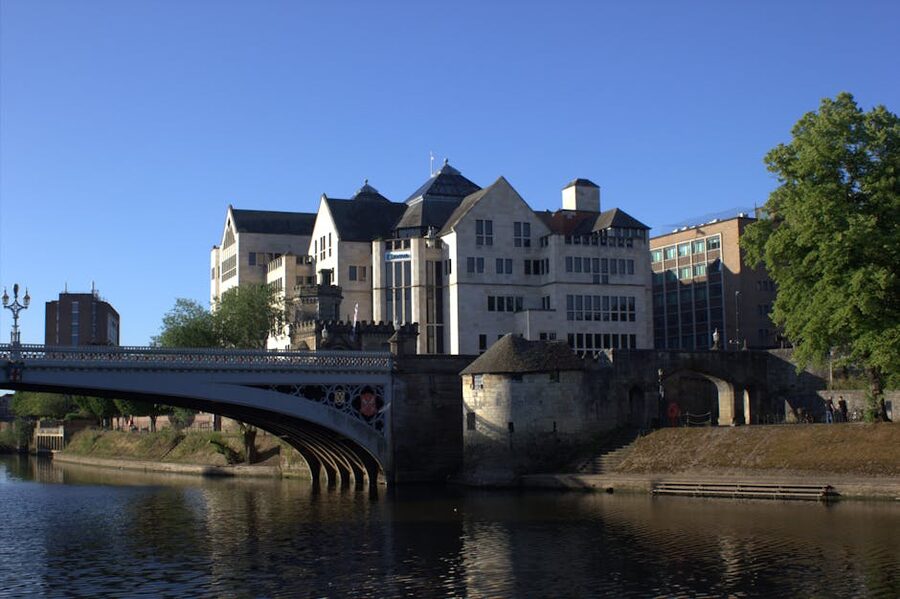
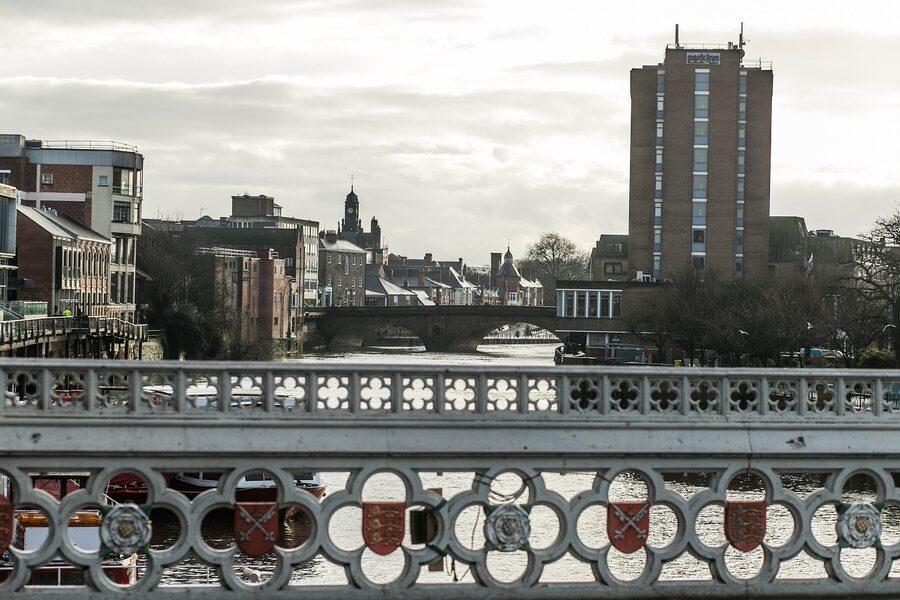
The reason this trip is worth doing is the angle. Almost everything in central York that’s photographed for postcards is photographed from street level. The river view is the version most visitors never see, and the boat sits low enough that buildings tower over you in a way they don’t when you’re walking past them.
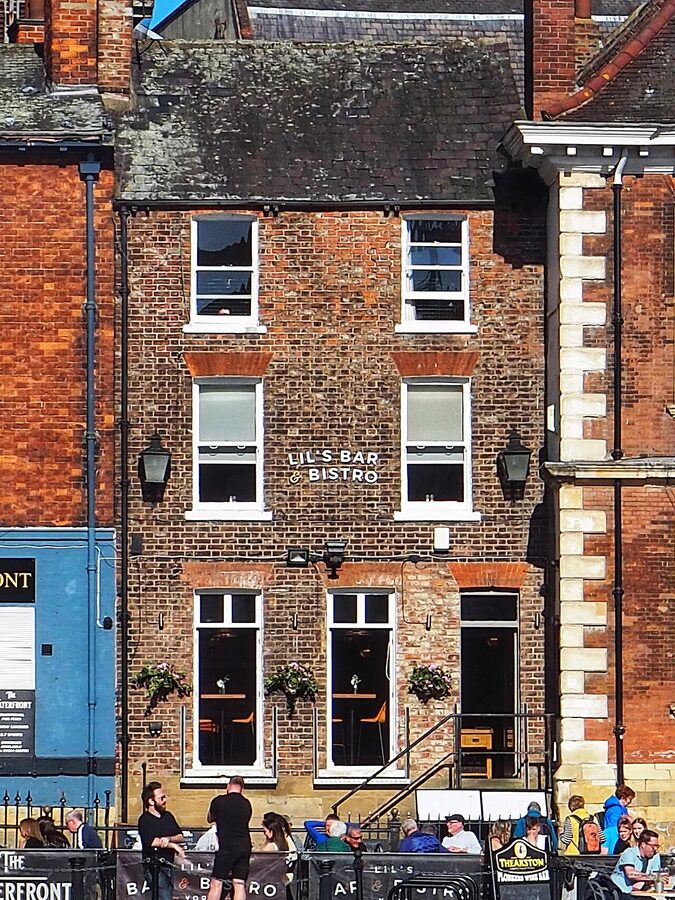
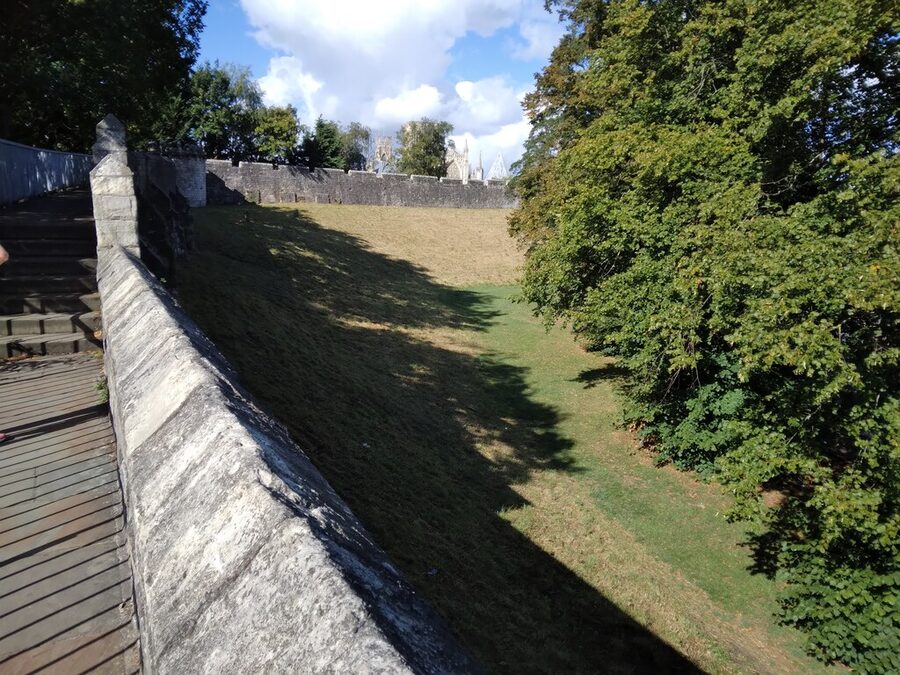
About a minute out of King’s Staith you pass the cluster of pubs and restaurants on the south bank. The King’s Arms is the famous one, the pub that floods every winter and has the high-water marks painted on the door frame to prove it. From the river you can see exactly how low it sits. After that the cruise opens out into the wider stretch of the Ouse where most of the medieval city walls run almost down to the water on the city centre side.

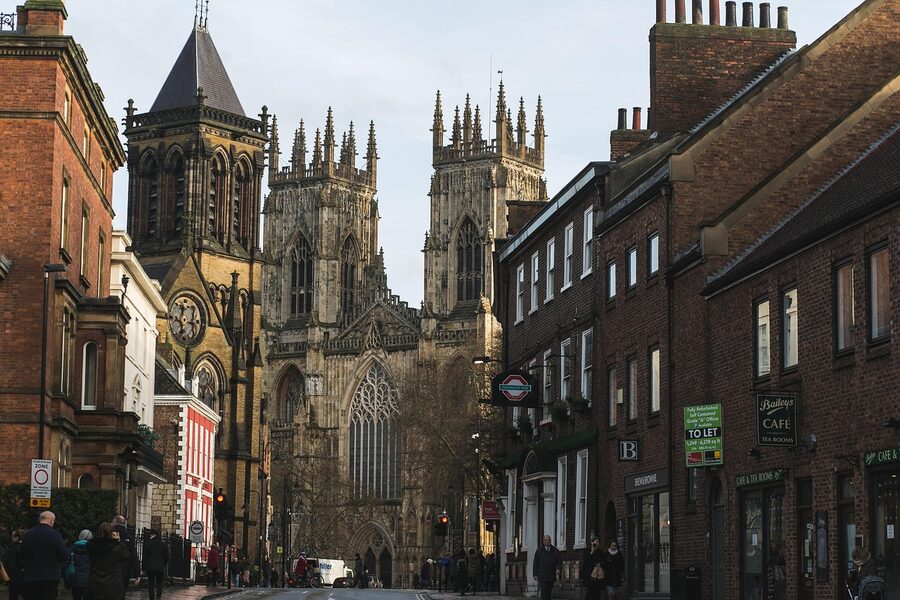
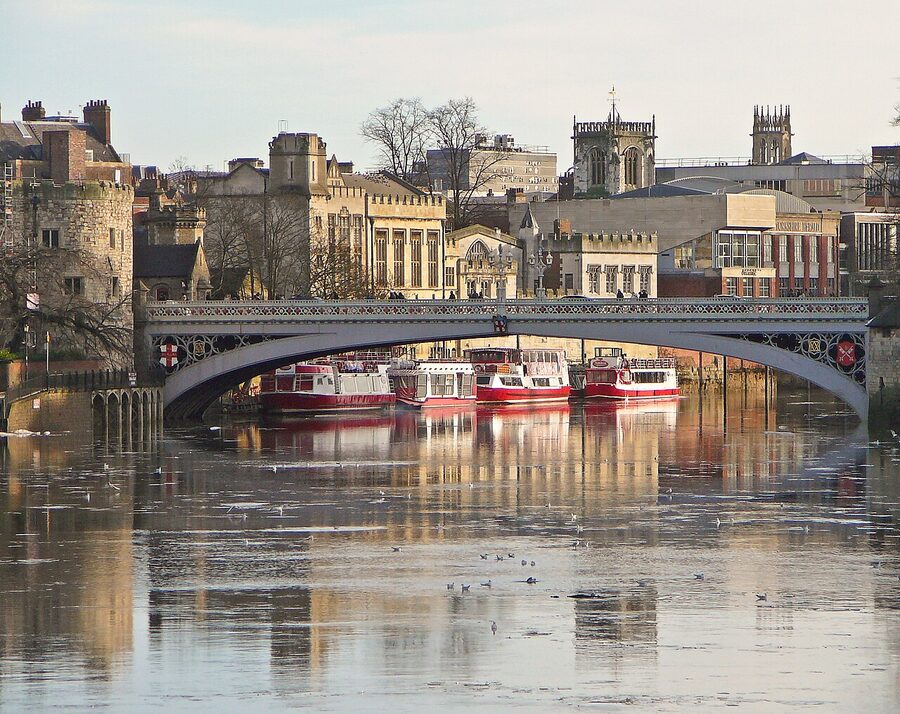
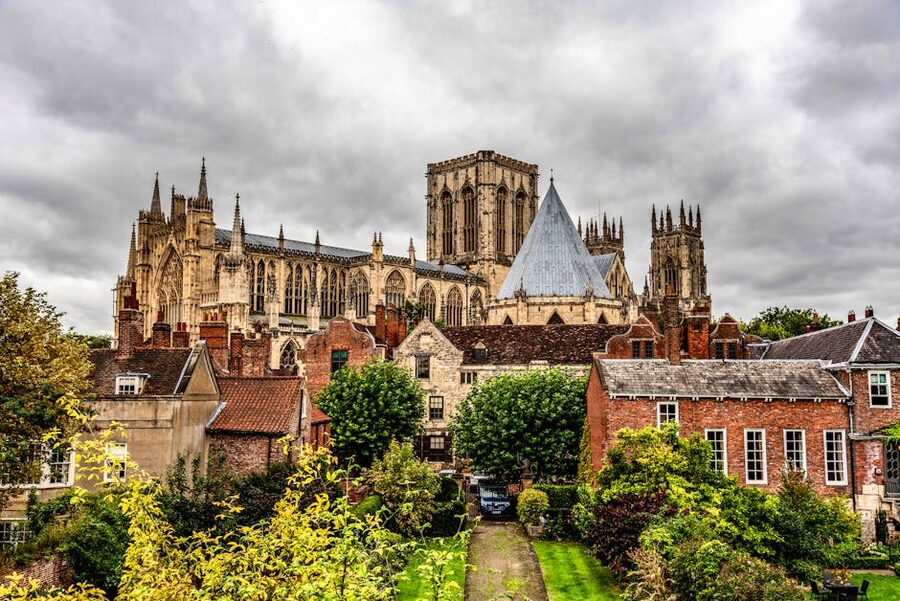
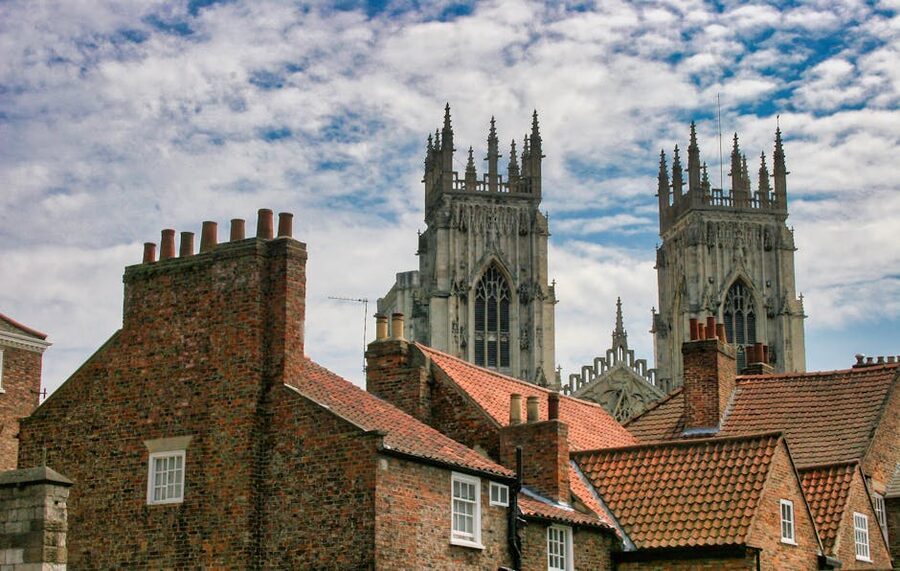
The Minster towers don’t appear all at once. You see one tower first, then the second, and then the central lantern tower as the boat clears Lendal Bridge. It’s the best reveal in the city. Pick the side of the boat closer to the city when you board, or move to it on the way back. People who sit on the wrong side and don’t realise they can shift will spend the whole trip looking at trees.
Past Lendal Bridge you get the curve under Scarborough Bridge, which is the rail bridge most travellers cross on the way into York from Edinburgh or London. Then the river opens up further, through the Millennium Bridge area, and you’re into the racecourse stretch.
The boat turns at the racecourse end and heads back. The return leg is the better half. You’re now facing the city instead of the suburbs, and the Minster reveal happens in the right order. If you pick a sailing late enough in the afternoon, the light is on the city.
The Best Time of Day to Sail
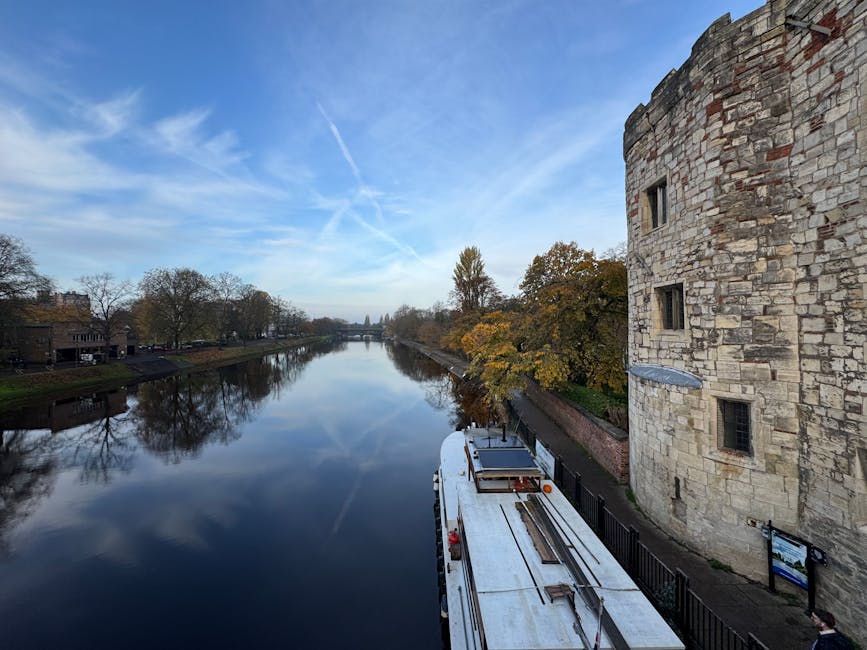
This depends on what you want from the trip. Mornings, before about 11am, are the quietest. You’ll often have a boat with 15 people on it instead of 60, and the skippers are more likely to chat directly with passengers when there’s not a full crowd. The light is also softer and the photographs come out better.
Mid-afternoon is the busiest, no surprise, and is when school groups and tour buses turn up. Skip it if you can. By 4pm or 5pm the sailings empty out again and the late-afternoon light, especially in autumn, is gold over the medieval roof line.
Evenings are a different trip altogether. The strawberries-and-cream cruise typically runs at 6 or 7pm, and the boat is much quieter. Couples, mostly. If you’re coming for the photography rather than the booze, this is the slot to book.
Getting to the Landings
York city centre is small. Both landings are within a 10 to 15 minute walk of York railway station. From the station, head over Lendal Bridge if you want the north-bank landing, or carry on past Museum Gardens and cross at Ouse Bridge for King’s Staith. Trains from London King’s Cross take just under two hours, from Edinburgh about 2.5 hours, and from Manchester about 90 minutes. Most visitors stay one or two nights, which makes the cruise an easy fit on a first morning.
Driving is harder. York is one of the worst small cities in England for parking and traffic. The Park and Ride sites at Designer Outlet, Askham Bar and Monks Cross all run buses into the city centre and cost about £5 round-trip including parking. From any of the bus drop-offs you’re 5 to 10 minutes from a landing. Don’t try to park near the river itself unless you’re already booked into a hotel with a space.
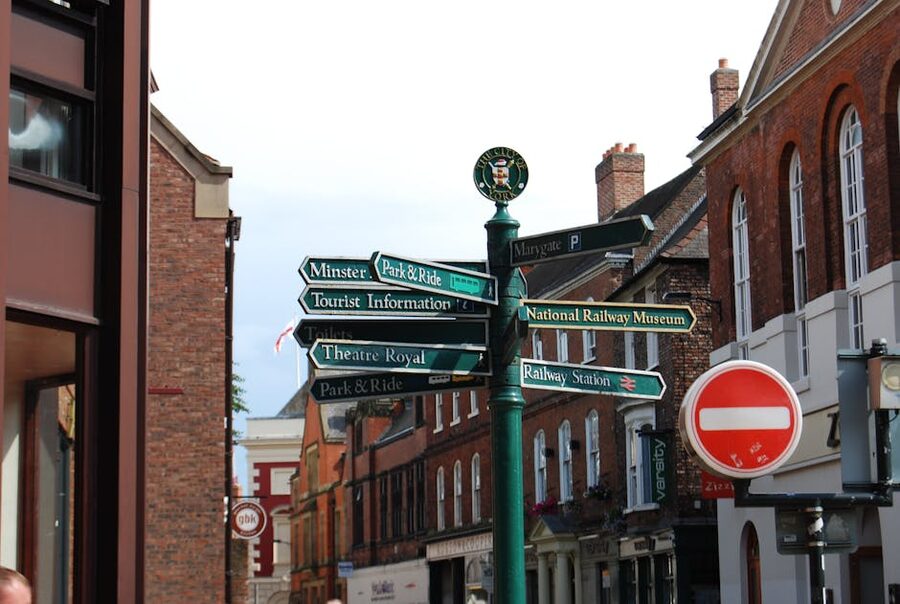
Once you’re in the centre, follow signs for River Ouse or Ouse Bridge. King’s Staith is on the Coney Street side, Lendal Bridge on the Museum Street side. If you’re at one landing and the boat hasn’t shown up yet, you can also walk along the waterside path between them in about 8 minutes, which is sometimes faster than waiting.
What the Commentary Actually Covers
I’ve done the cruise three times with different skippers and the commentary is genuinely good. None of the awkward audio-guide-on-a-loop you get with some river tours. The skipper sits up front, microphone in hand, and adjusts the patter based on whether the boat has Americans, retired couples, or kids screaming about ducks.
The route through the city is roughly 1,800 years of history, and the standard commentary covers the main points without padding. Roman York, founded in 71 AD as Eboracum, the northern military headquarters of Britannia, gets a few minutes early on. The river was the supply line. Then Viking Jorvik, the 9th and 10th century when York was the capital of a Norse kingdom, gets the bigger play because the river is where the longships actually came in.
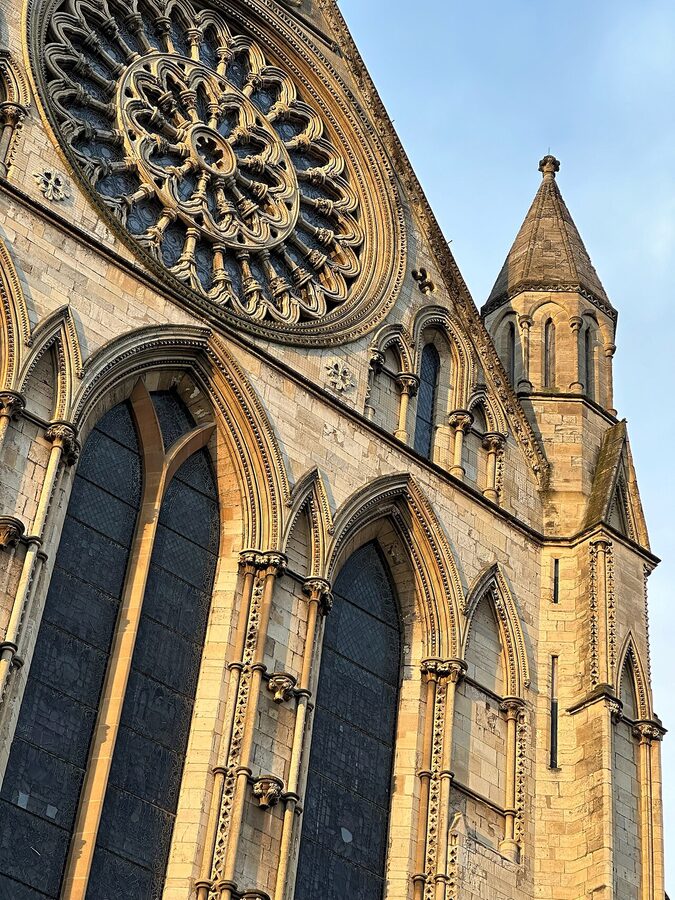
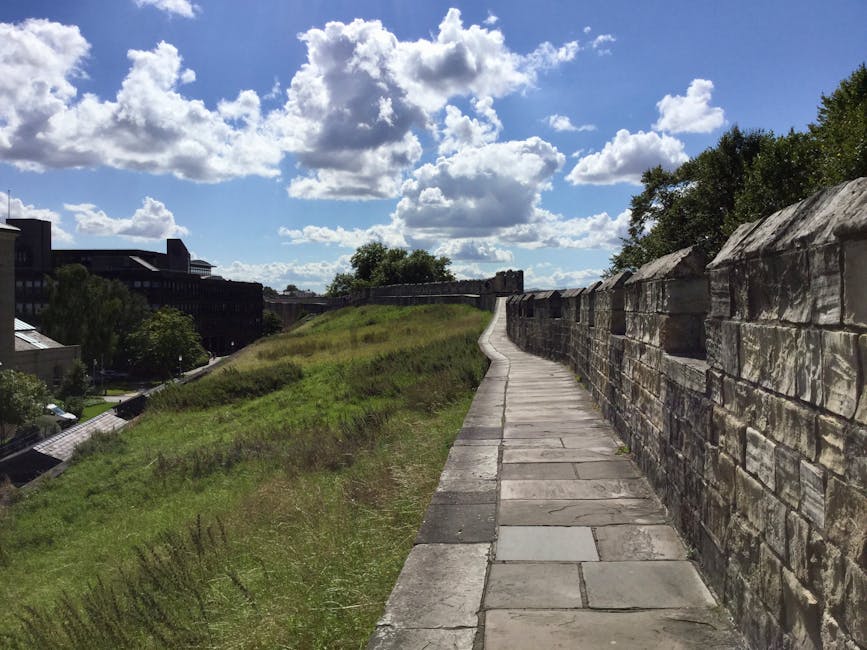
Medieval York gets a long stretch as you pass the city walls. The skippers usually pick out specific gates, called bars in York, that you can see from the boat. Micklegate Bar on the south side was where traitors’ heads were displayed. Charming. The Minster gets its own paragraph too, because it took 250 years to build and the river was how the limestone came in from Tadcaster.
The newer industrial-era story is the one most tourists don’t know. York’s chocolate industry, Rowntree and Terry, fed Britain for a century, and the riverside warehouses you pass are mostly converted chocolate-trade buildings. The skippers usually mention which window in which factory invented the Kit Kat. The railway story comes in too. York was the headquarters of the North Eastern Railway, which is why the National Railway Museum is here and not in London.
One thing the commentary tends to skip, fairly, is the Civil War. York was besieged by the Parliamentarians for three months in 1644 and the city walls still have musket damage. Ask if you’re curious.
Self-Drive Boats and the Other Variants
Beyond the three cruises I’d recommend, City Cruises York offers a few more variants worth knowing about.
Self-drive boats are the wildcard option. You can hire a small electric boat for an hour for around £30 to £40, take it up and down the city stretch yourself, and bring whatever picnic and wine you want on board. Up to 8 people per boat. No licence needed because the boats are speed-limited. This is the option couples and small families pick when they don’t want a guided commentary. It’s also the best option in summer when the standard cruises are packed.
The 60-Minute Happy Hour Cruise is essentially the daytime cruise plus an extended sailing window and a cheap drink. Around $17. Worth it if you’re after a longer trip and don’t mind that the commentary is light.
The Sunday Lunch Cruise runs once a week with a roast meal on board. About £45 to £55 a head. It’s the most expensive option but it doubles as your lunch, and the meal isn’t bad. Good for families with grandparents who don’t want to walk far.
The Party Cruise with DJ is the loud one. Not for the same audience as everything else above. 2.5 hours, dinner, drink, dancing. Skip if you’re after the sightseeing version of the river.
The cruise also pairs well with a couple of York’s other classics. The York walking tour is the best landside complement. Different angle on the same history, and the two together fill a comfortable half-day.
Practical Things to Know Before You Go

Things I wish I’d known before I went the first time, in roughly the order they came up.
The lower deck is enclosed and heated. If the weather is bad, you don’t lose the trip. The lower deck has a small bar serving hot and cold drinks, big windows, and seats. The upper deck is covered but open at the sides, so wind matters more than rain. Both decks see the same view. The upper is better for photographs, the lower is better in November.
Toilets are on board. Every boat has at least two. Useful for a 45-minute trip with kids. Less useful if you’ve drunk three pints in advance, in which case go before you board.
Wheelchair access is mixed. Not every boat in the fleet is wheelchair accessible, so call ahead if you need it. The lower deck is step-on, step-off at the landings, but the upper deck has stairs. The crew are helpful with assistance.
Your ticket includes a 20% discount at York’s Chocolate Story. Stamped on the back. Easy to miss. The Chocolate Story is a ten-minute walk from King’s Staith and the discount knocks £3 or so off entry, which more or less pays for one drink on the boat.
Bookings are flexible. GetYourGuide gives you free cancellation up to 24 hours before. If the weather looks dire and you’d rather wait a day, that’s fine. The operator’s own website is the same. Walk-up is also fine in shoulder season but I wouldn’t risk it on a peak summer Saturday or during race days at the racecourse.
Race days are the one problem. York’s racecourse season runs from May to October with about 15 fixtures. On those days the river is busy, the boats are full from breakfast onwards, and the post-race crowds spill into the riverside pubs in a way that’s fun if you’re up for it and exhausting if you’re not. The Ebor Festival in late August is the big one. Book ahead or aim for a non-race day.
When the River Floods (and It Does)
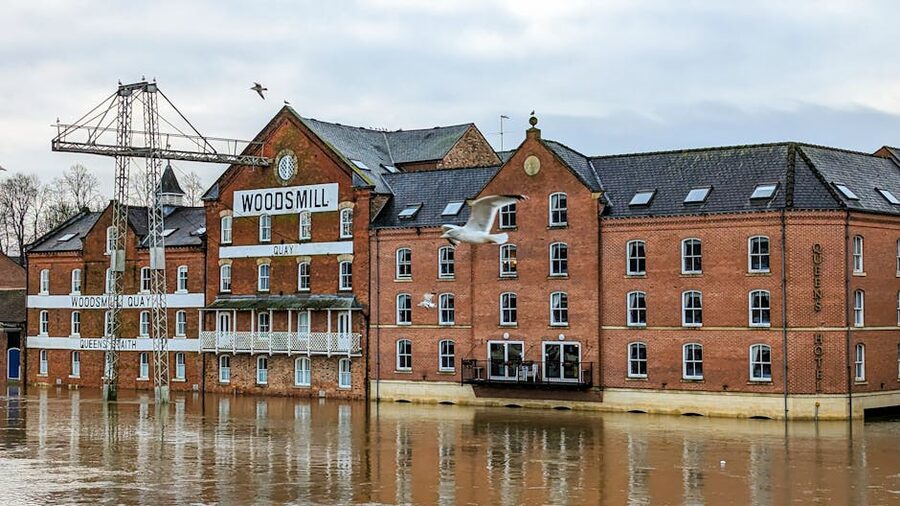
York floods. The Ouse has a habit of breaking its banks every winter, sometimes twice a year, and the King’s Staith landing goes underwater. When that happens, the operator either moves boats to the higher Lendal Bridge mooring or cancels for the day. The cancellation rate is small, maybe 10 to 15 days a year out of 360, but it’s worth knowing.
If you’re booking ahead for January, February or November, build in a flexible date or check the river-level page (the Environment Agency runs one for Viking Recorder, the gauge in the city centre). You can also call the operator the morning of your sailing, and they’re honest about cancelling early when conditions are bad rather than letting you turn up to a closed dock.
Summer floods are rare but not impossible after heavy rain. June 2025 had a freak two-day cancellation. If you’ve got a single date, book a backup activity for the same day. The walking tour is the obvious one, since it doesn’t depend on the river.
How the York Cruise Compares to Other UK River Trips
.jpg)
If you’ve done the Thames river cruise in London, the York version is the country cousin. Same idea, completely different feel. The Thames trip is about the big-ticket landmarks, Tower Bridge, the Eye, Westminster from the water. York’s cruise is more like wandering a medieval village by accident. You’re closer to the buildings, the boats are smaller, and the skipper is right there in front of you instead of pre-recorded.
It’s also a different beast to the city-cruise format you’ll find on the Continent. The Gothenburg canal cruise threads tiny boats under low bridges where you have to duck, and the Rundan boat tour in Malmö does the same. York is wider water, bigger boats, slower pace. It’s a sit-back-and-look trip rather than a how-do-they-fit-this-thing-under-that-bridge stunt.
The closest UK comparison is actually punting in Cambridge or Oxford, which is also a slow-water look at a historic city centre. The York cruise is more comfortable, you don’t have to pole anything yourself, and it costs about half what an hour’s chauffeured punt does.
Combining the Cruise with Other York Activities
The cruise sits well in either of two day plans.
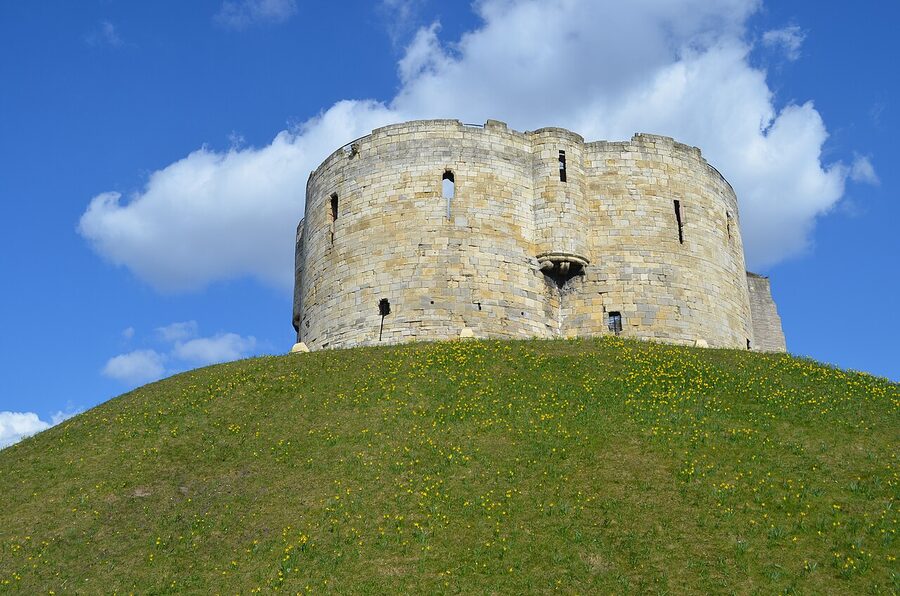
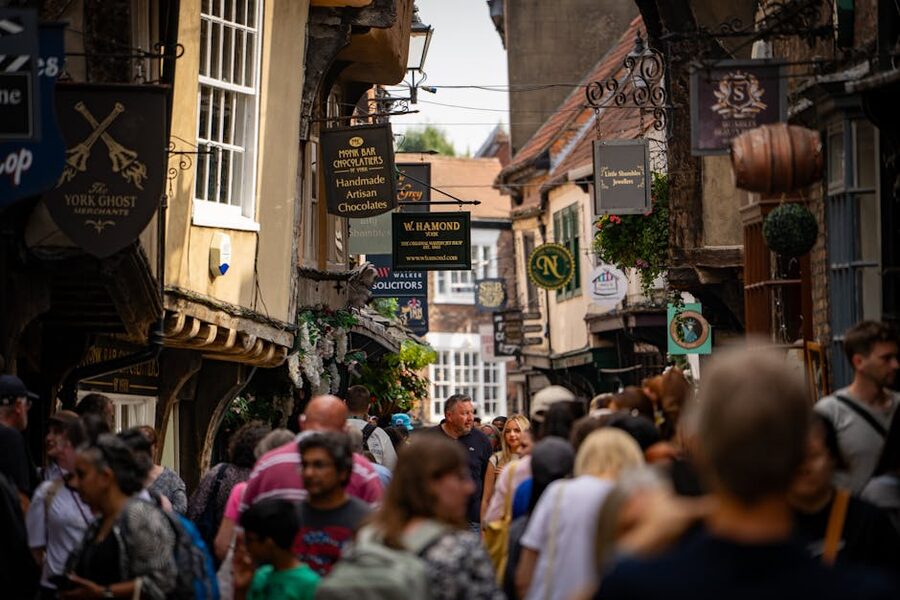
Half-day combo: 10am sailing on the cruise, 11am Shambles wander and lunch, 1pm York Minster (allow 90 minutes), 3pm Clifford’s Tower or the Castle Museum. You’re done by 5pm and you’ve done the headline stuff.
Full day combo: 10am cruise, 11am the 2-hour York walking tour covering the streets and history the boat couldn’t, 1.30pm lunch on the Shambles, 3pm Jorvik Viking Centre or the National Railway Museum, evening pint somewhere old. The walking tour and the cruise barely overlap on what they cover, so doing both gives you a proper grounding in why the city looks like it does.
If you’ve only got one day in York and have to pick between the cruise and the walking tour, do the walking tour. It covers more ground and the streets are the bit most people remember. But the cruise is the better second activity, and at 45 minutes it’s the easiest add-on.
Best of York and the Rest of the UK
If you’re using York as a base for a longer northern England trip, a couple of other guides on this site might help. The Thames river cruise is the obvious complement if you’re heading down to London afterwards. Liverpool gets its own pairing piece: the Liverpool river cruise and hop-on hop-off bus combo works the same trick of seeing the city from the water plus a guided land circuit, but on the wider Mersey instead of the Ouse.
If your trip is splitting between England and Scotland, the Edinburgh Forth Bridges cruise from South Queensferry is the closest Scottish equivalent. Different scale entirely, you’re under three enormous bridges instead of past medieval houses, but the same idea of seeing a city differently from the water. And if you’re doubling back through Oxford, the Oxford city and university tour is the closer cousin to York’s walking tour rather than its cruise.
For London-base days, the London walking tour works as a parallel to the York walking tour, the Stockholm walking tour is the Scandinavian comparison if you’re in Europe afterwards, and the London hop-on hop-off bus is the city-format pairing on the bigger scale. The Gothenburg hop-on hop-off and Valencia hop-on hop-off guides are also useful if you’re planning the city-pass version of a trip elsewhere in Europe.
This article contains affiliate links. We may earn a small commission if you book through them, at no extra cost to you. We only recommend tours we think are worth the money.