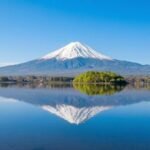
Mount Fuji, Lake Ashi, steaming Owakudani, and a historic shrine can all feature in one day out of Tokyo. The catch is that this is a family of different routes, not one tour that visits every place in its title. Check the package name and stops before you pay.
I like two things in particular: the Hakone route pairs a lake crossing by pirate ship with a ropeway ride over volcanic ground, and the available options let you trade mountain views for an outing to Kamakura or Enoshima. The included bus transfer and guide also save you from stitching together a long day of trains and local transport yourself.
The day is ambitious, and traffic or weather can cut into stops or change their order. One account from a 10-seat minivan trip raised a serious concern about the driver appearing drowsy. The passenger spoke to the driver, who was polite, and the vehicle reached a rest stop soon after. That report is not proof of a wider problem, but it is a reason to take safety concerns seriously and speak up if you notice one.
At a glance
- Hakone’s water-level Peace Torii: The vermilion gate stands in Lake Ashi, with Mount Fuji sometimes visible behind it on clear days.
- A pirate ship and ropeway in one outing: The cruise runs from Motohakone to Togendai, then the ropeway climbs toward Owakudani.
- Owakudani’s volcanic ground: You get time to see the steaming geothermal area and, if you wish, try its local black eggs.
- Three route styles: Choose among Hakone, Mount Fuji and Hakone, or Hakone and Kamakura or Enoshima. They do not all visit the same stops.
- A long shared-vehicle day: Departure is around 07:30 or 08:00, with an estimated return between 18:15 and 18:45.
- Several costs are extra: The Hakone Ropeway is included in the Hakone Ropeway and Cruise package, but the pirate ship, meals, and personal purchases are not.

👉 See our pick of the 8 Most Highly Rated Private Driver Services In Fujiyoshida
- At a glance
- Choose the route, not just the headline
- Hakone Shrine and the Peace Torii
- Lake Ashi by pirate ship
- Ropeway views over Owakudani
- The Fuji route and its seasonal variation
- Yamanakako and Oshino Hakkai on the scheduled Hakone day
- Kamakura and Enoshima are different day plans
- What the price covers, and what it does not
- Long road hours and a practical safety note
- Who should book this day trip?
- FAQ
- Does every package visit Mount Fuji, Hakone, and Kamakura?
- What time does the tour leave Tokyo?
- Is the Hakone Pirate Ship ticket included?
- Is the Hakone Ropeway included?
- Are meals included?
- When does the tour return to Tokyo?
- Can I bring luggage?
- Are children and infants allowed?
- The Best Of Fujiyoshida!
- More 1-Day Tours in Fujiyoshida
- More Tours in Fujiyoshida
- More Tour Reviews in Fujiyoshida
Choose the route, not just the headline
 1 / 10
 2 / 10
 3 / 10
 4 / 10
 5 / 10
 6 / 10
 7 / 10
 8 / 10
 9 / 10
 10 / 10
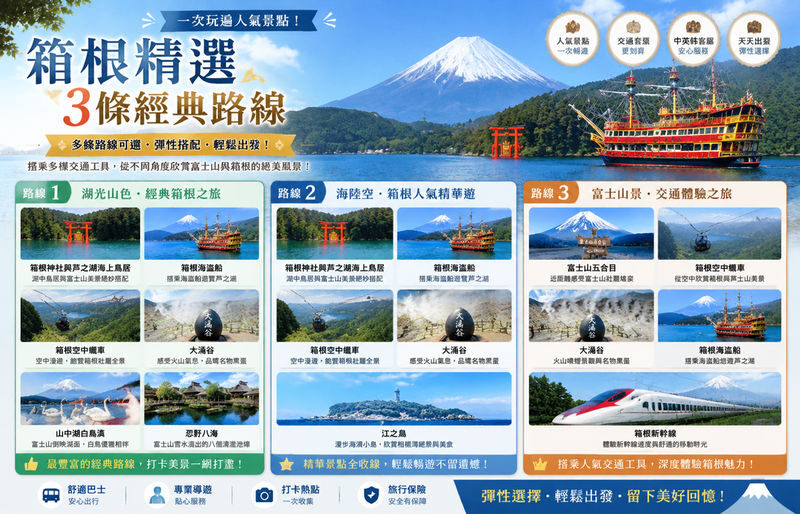
The tour’s main appeal is variety, but the package options are distinct. One route focuses on Hakone’s shrine, Lake Ashi, ropeway, and Owakudani. Another combines Mount Fuji with Hakone, with a visit to the 5th Station or the Mount Fuji World Heritage Center depending on the season. A third pairs Hakone with Kamakura or the Enoshima and Shonan coast area.
The detailed daily schedule provided for the Hakone Ropeway and Cruise package adds stops at Yamanakako’s Swan Beach and Oshino Hakkai. That is not the same as a Kamakura or Enoshima day. The tour’s name covers several combinations, so compare the exact package title and its stated stops rather than assuming you will see Fuji, Hakone, Kamakura, and Enoshima on one outing.
The starting price is advertised from $49.20, while the listed package prices begin at $70.29 for Hakone and Kamakura and $198.29 for the Mount Fuji and Hakone option with cable car, cruise, and Shinkansen. Prices vary by package, and the lowest starting figure should not be treated as the cost of every route. Confirm what your chosen fare includes.
You can also read our reviews of more tours and experiences in Fujiyoshida
Hakone Shrine and the Peace Torii
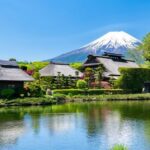
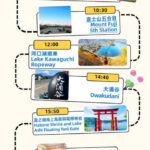
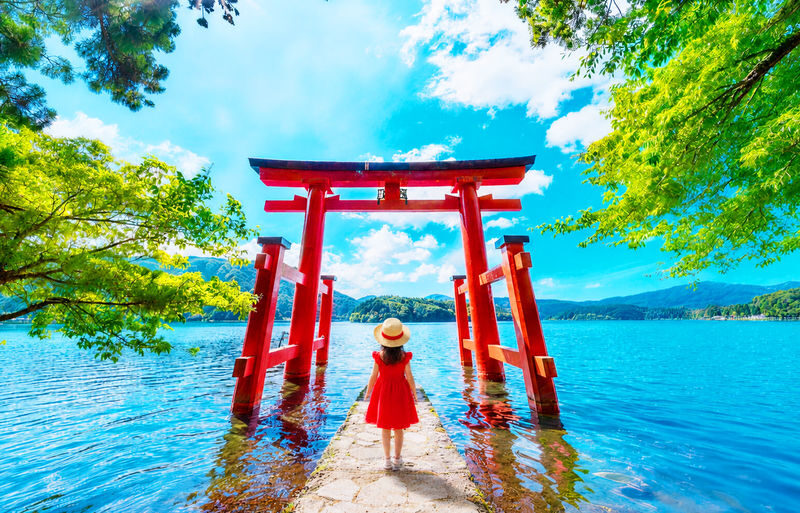
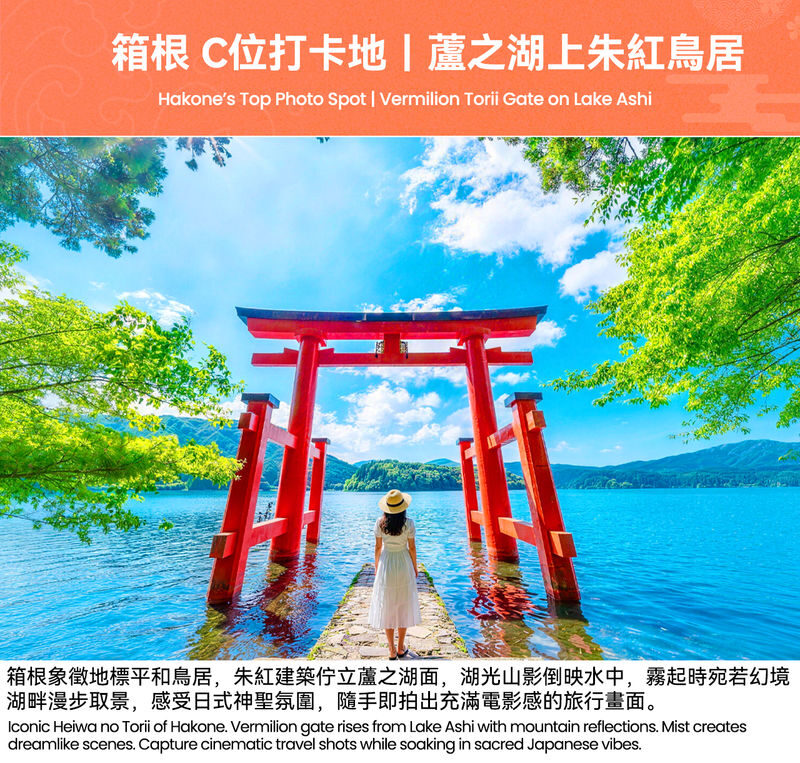
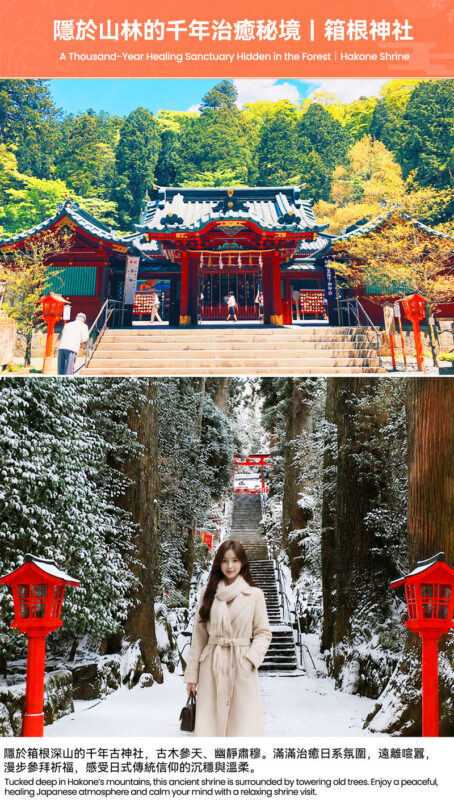
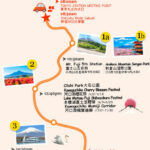
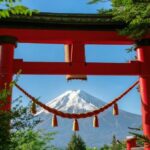
The day’s first listed stop is Hakone Shrine, reached at about 09:50 on the schedule. The shrine sits beside Lake Ashi, and its vermilion Peace Torii rises from the water. On a clear day, Mount Fuji may appear in the same view, which is the picture many people come hoping to take.
You have about an hour here for an independent visit. That gives you time to see the lakeside gate and shrine grounds, but the torii is a popular photo spot, so do not count on a quiet, empty frame. Weather matters, too: Fuji can be hidden by cloud, and the schedule notes that stops may be skipped because of weather or capacity.
Treat this visit as a chance to enjoy the shrine and lake even if the mountain stays out of sight. If the Fuji view is the main reason you are booking, remember that visibility is not guaranteed.
Lake Ashi by pirate ship
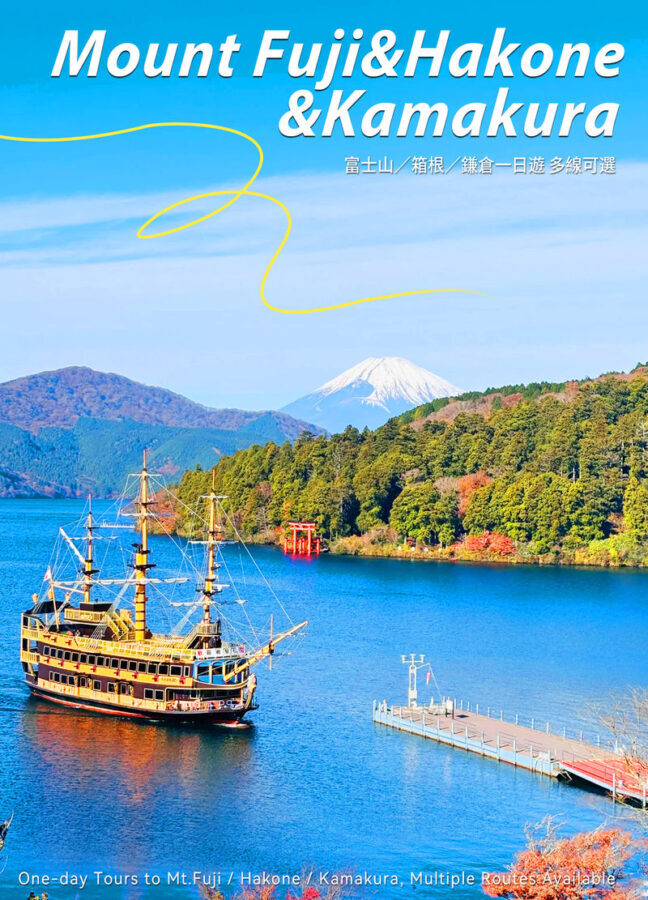
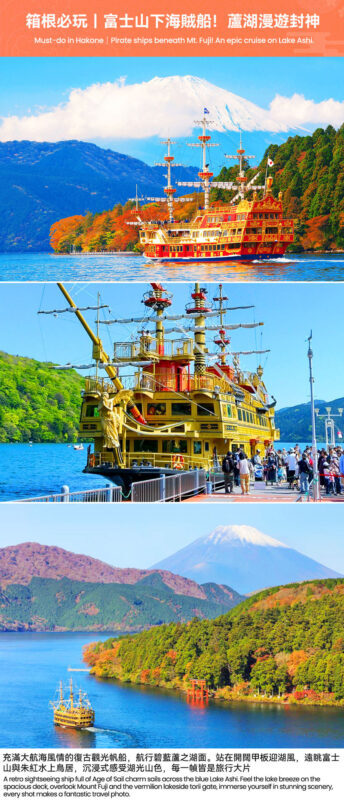
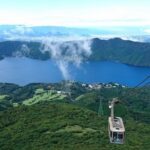
The Hakone sightseeing cruise is scheduled for about 30 minutes, from Motohakone Port to Togendai Port. The boat is styled as a pirate ship, a playful contrast to the calm lake and wooded slopes. From the water, you get a different view of the surrounding mountains than you do from the shrine shore.
The cruise ticket is not included in the Hakone Ropeway and Cruise package. The stated current price is ¥1,700 per person, so add that to your budget if you want to sail. If you skip it, the group travels by car to Togendai Ropeway Station instead. That keeps the day moving, but you miss the lake crossing.
This is one of the day’s more appealing choices: spend extra for a scenic change of pace, or use the road transfer to preserve time and money. Ask your guide how the day is running before deciding, especially if weather or delays have affected the schedule.
Ropeway views over Owakudani
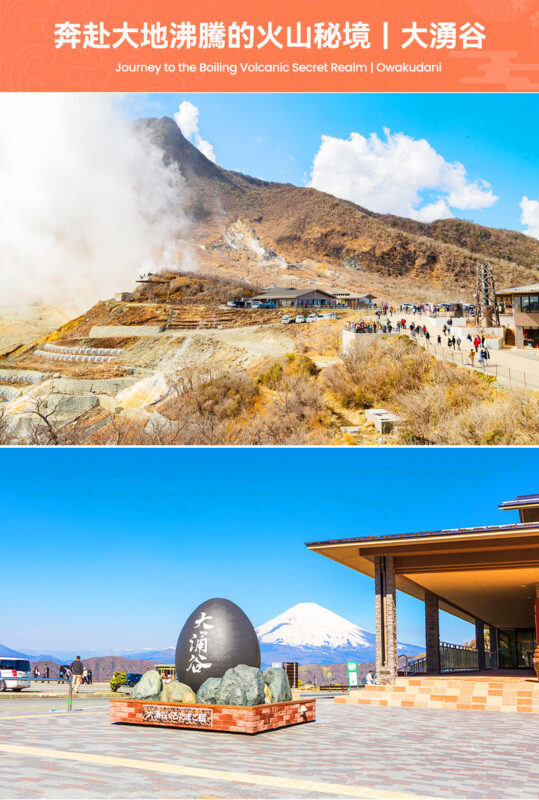
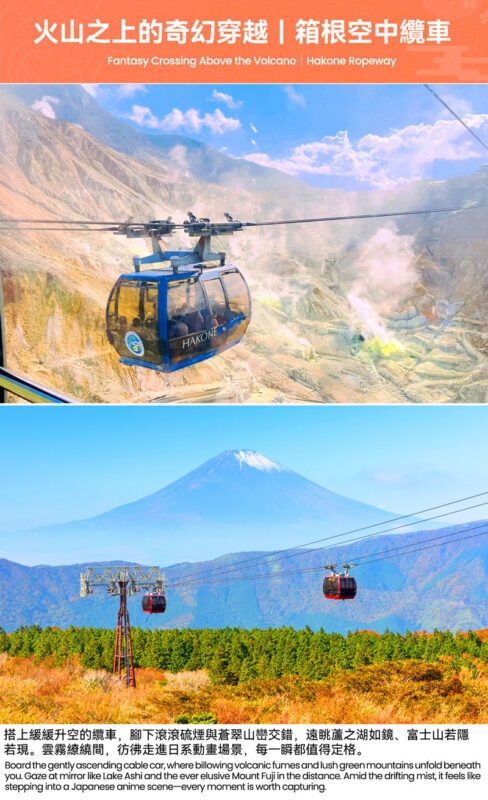
The Hakone Ropeway is included in the Hakone Ropeway and Cruise package. The scheduled segment runs from Togendai to Owakudani and takes roughly 30 minutes. From above, you can look across Hakone’s volcanic terrain, with geothermal steam rising from the ground below.
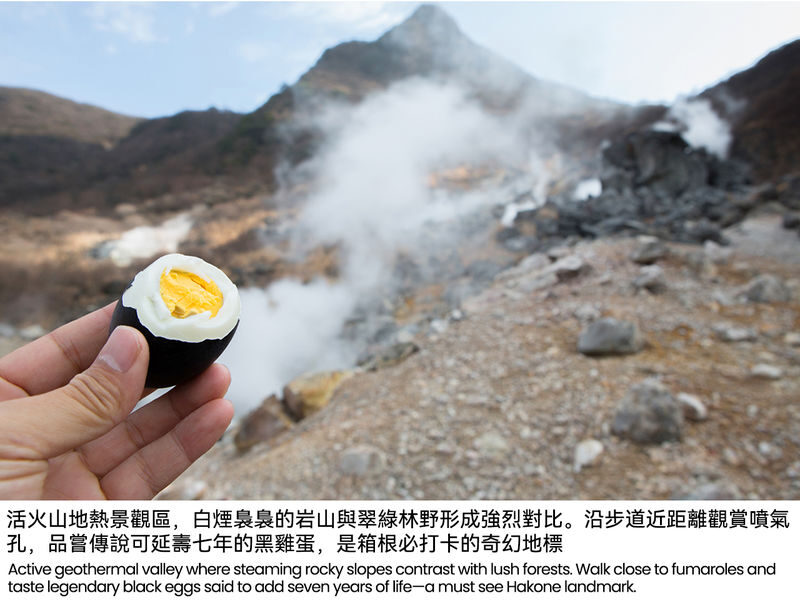
At Owakudani, the schedule allows about 50 minutes to explore. This is the stop for a close look at the area’s volcanic features and a chance to try the local black eggs. The unusual color makes them a memorable snack, but you do not need to buy any to enjoy the stop.
Conditions can affect the ropeway and what you see. The trip’s order and stop lengths may change with traffic, weather, and operating limits. If the ropeway is a priority for you, check the exact package details and understand that the operator may adjust the plan on the day.
The Fuji route and its seasonal variation
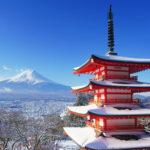
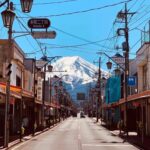
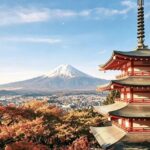
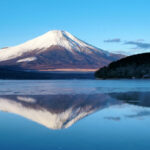
The Mount Fuji and Hakone option is the clearest choice if your priority is to get close to Japan’s highest peak. It includes a visit to Mount Fuji’s 5th Station or, in winter, the Mount Fuji World Heritage Center. The 5th Station offers a high-altitude view of the mountain, while the center uses interactive exhibits to explain Fuji’s cultural importance.
Do not assume every departure reaches the 5th Station. The route description allows for the World Heritage Center in winter, and conditions can affect access and timing. The exact seasonal plan matters, so check it before booking if one stop is especially important to you.
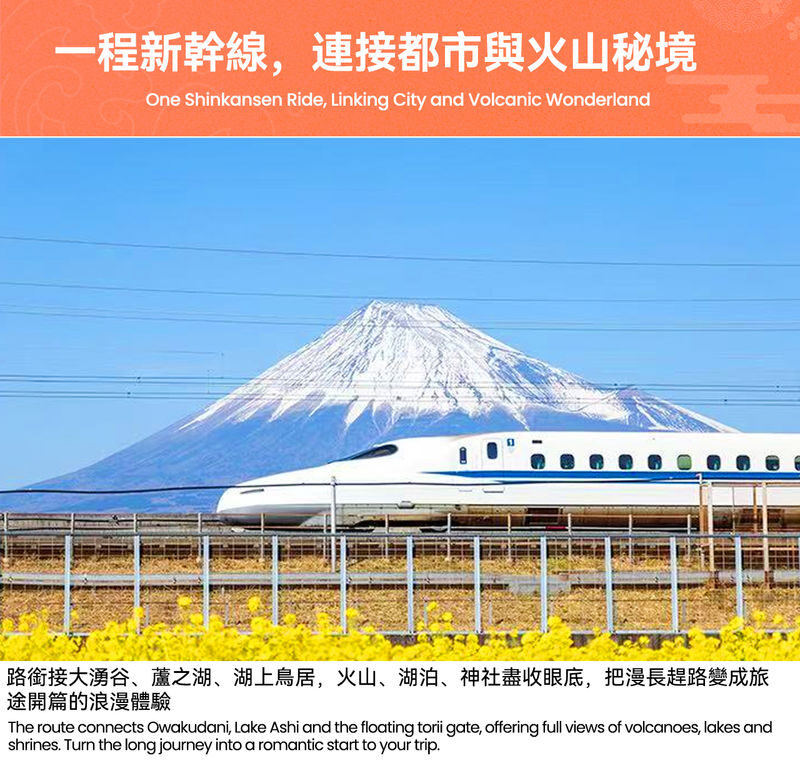
This package also combines Fuji with Hakone Shrine, Owakudani, Lake Ashi, and a ropeway or cruise, with some activities listed as seasonal. It is a fuller mountain-and-lake day than the Hakone-only route, but it costs more. A listed option lets you finish at Odawara Station and take a non-reserved Shinkansen seat back to Tokyo rather than ride the tour bus back. That flexibility is useful if you want to continue your trip from Odawara, but confirm the package terms and train costs before relying on it.

Yamanakako and Oshino Hakkai on the scheduled Hakone day
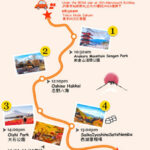
The supplied schedule for the Hakone Ropeway and Cruise package continues after Owakudani with a stop called Golden Fuji, then Yamanakako Swan Beach and Oshino Hakkai. Golden Fuji is allotted about 50 minutes, but the description mainly presents this as the group’s lunch stop. The guide recommends restaurants, with optional meals listed at ¥1,500 for fried chicken or a vegetarian meal and ¥3,000 for wagyu beef or eel. All-you-can-drink beverages are listed at ¥500. These meals are optional, cash-only, and you may bring your own food or buy lunch at Oshino Hakkai.
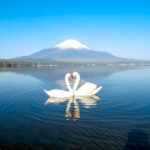
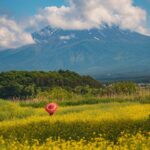
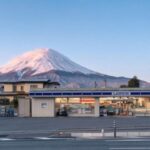
The schedule gives Yamanakako Swan Beach about 20 minutes. Its draw is a chance to photograph swans with Mount Fuji in the frame. As with the shrine, the view depends on conditions, and a short stop means you should be ready to take your picture without delay.
Oshino Hakkai gets about 40 minutes. It is the final listed sightseeing stop before the return journey, which is scheduled to reach Tokyo around 18:15, with the stated arrival window extending to 18:45. The long drive means this is a sampler rather than a slow visit. Do not book an evening activity that depends on arriving at the early end of that window.
Kamakura and Enoshima are different day plans
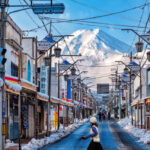
The Hakone and Kamakura option is presented as a way to combine the mountain region with the old capital. Its description names Tsurugaoka Hachimangu Shrine and the historic streets of Kamakura. The Enoshima route instead highlights the island’s shopping street, Enoshima Shrine, and the Sea Candle observation lighthouse, with views across Sagami Bay and the Shonan coast. Mount Fuji may be visible from the coast when the weather allows.
These are appealing alternatives if you want a shrine-town or seaside stop more than the Yamanakako and Oshino Hakkai itinerary. But the descriptions do not establish that you will visit both Kamakura and Enoshima on the same route. Nor should you assume the detailed Hakone schedule applies to either package. Check the specific route’s stops, time allowances, and included admissions before you book.
What the price covers, and what it does not
Round-trip transport from the meeting point and an English-, Chinese-, or Korean-speaking guide are included. The guide helps coordinate a day with multiple stops, but the trip is a shared car tour, not a private vehicle. The vehicle type depends on the number of bookings, and people speaking different languages may share the ride.
For the Hakone Ropeway and Cruise package, ropeway admission is included, while the pirate ship costs extra. Meals, drinks, personal purchases, and tips are also excluded. That distinction matters: the advertised fare covers the backbone of the outing, but not every activity or meal along the way.
At the low end, the price can be good value if you want transport between far-flung stops without planning each leg yourself. The Fuji and Hakone option costs considerably more, but it also includes a different combination of attractions and a Shinkansen return choice. Compare the full package, not just the price printed beside the tour name.
Long road hours and a practical safety note
This outing starts early and involves substantial driving. The vehicle may be a large coach or a smaller car, depending on the group size. If the group is small, the operator may use a compact vehicle with less room and less commentary. One free piece of carry-on-size luggage is allowed per person if you declare it when booking; large bags are a poor fit for a shared vehicle.
A 10-seat minivan passenger described the driver seeming drowsy about an hour into a trip, with the vehicle drifting. The passenger started a brief conversation, and the group reached a rest stop shortly afterward. The same account described the driver as polite and steady when alert. It is one report, not a basis for judging every departure, but safe driving is non-negotiable. If you feel unsafe, speak up promptly and clearly.
Arrive at the meeting point 10 minutes early. The guide holds a GOGODAY flag, and guide and vehicle details are sent by email between 20:00 and 21:00 the night before. Check your spam folder, and watch for a later message if more than one arrives. Late arrivals and no-shows are not refunded.
The tour is not recommended for pregnant people. Anyone aged 70 or older, or anyone who is pregnant, must arrange a liability waiver in advance. Children aged 0 to 2 can travel free without their own seat, but must still be included in the passenger count when booking. Children aged 3 and older pay the adult rate. Child seats are not available.
Who should book this day trip?
I would consider this tour if you have limited time in Tokyo and want a guided, transport-linked day beyond the city. It suits people who value seeing several contrasting places over lingering at one. The Hakone route offers a satisfying mix of shrine, lake, ropeway, and volcanic terrain; the Fuji route adds a close mountain visit; Kamakura and Enoshima options shift the emphasis toward historic streets or the coast.
It is less suitable if you want flexible, unhurried time, dislike long vehicle journeys, or need a guaranteed Fuji view. Weather, traffic, and operating constraints can change the day, and no route should be read as a promise to see every place in the tour’s broad title.
Book only after confirming the exact package and its stops. If the route matches your priorities and you are comfortable with an early start, shared transport, and a full day on the road, it can be a practical way to see a wide slice of the region. If one particular attraction is essential, choose the package that names it directly and leave room in your plans for weather and delays.
Mount Fuji/Hakone/Kamakura Day Trip: Classic Mountain Lake Secrets-Volcanic Wonders-Enoshima Scenery (Multiple Routes Available)
“We departed at 7:30 AM in a 10-seater minivan. About an hour later, I noticed the driver seemed to be falling asleep, as the vehicle kept drifting….”
FAQ
Does every package visit Mount Fuji, Hakone, and Kamakura?
No. The packages have different routes. The options include Hakone, Mount Fuji and Hakone, and Hakone with Kamakura or Enoshima. Check the selected package’s exact stops.
What time does the tour leave Tokyo?
Departure is listed at either 07:30 or 08:00. Arrive at the meeting point 10 minutes beforehand. The operator may adjust the departure time and will send details the day before.
Is the Hakone Pirate Ship ticket included?
No. For the Hakone Ropeway and Cruise package, the stated current price is ¥1,700 per person. If you do not take the ship, the group travels by car to the ropeway station.
Is the Hakone Ropeway included?
Yes. Ropeway admission is included in the Hakone Ropeway and Cruise package.
Are meals included?
No. Meals and drinks are extra. Optional meals are listed at ¥1,500 for fried chicken or a vegetarian meal and ¥3,000 for wagyu beef or eel. Payment is cash-only, and you may bring your own lunch.
When does the tour return to Tokyo?
The estimated return is between 18:15 and 18:45. Traffic and weather can affect arrival, so avoid booking another activity for that evening.
Can I bring luggage?
One piece of luggage per person is free, with carry-on size recommended. You must note it when booking, and large suitcases are not recommended, especially if the group uses a small vehicle.
Are children and infants allowed?
Children aged 0 to 2 may travel free if they do not occupy a seat, but they must be included in the vehicle’s passenger count when booking. Children aged 3 and older pay the adult rate. Child seats are not available.