
Mount Fuji is the star of this day out, but the route gives you more than one postcard view. You’ll see the mountain beside Lake Kawaguchi, from the pagoda viewpoint at Arakurayama Sengen Park, and near the spring ponds of Oshino Hakkai.
I like the mix of classic Fuji viewpoints and everyday Fujiyoshida streets, and the bus makes a scattered set of sights practical without a rental car. I also like that guides such as Jun, Eric, Sandy, Yuki, and Christy have been singled out for helpful commentary, smooth timing, and taking photos for the group.
The trade-off is a packed schedule: most stops are self-guided and brief, and the day depends on traffic and visibility. If you prefer long, unhurried visits, this route may feel like a sampler rather than a full exploration.
- What to know before you go
- A day trip built around Fuji views
- Oishi Park and the Lake Kawaguchi frame
- Lawson: a quick, modern Fuji photo stop
- Lunch in a popular sightseeing area
- Oshino Hakkai’s clear spring water
- Lake Yamanaka and the swans
- Arakurayama Sengen Park and the Chureito Pagoda
- Hikawa Clock Shop and Fujiyoshida’s old streets
- What the guide and bus add
- Timing, comfort, and who will enjoy it
- Should you book this Mount Fuji day tour?
- FAQ
- How long is the tour?
- Where does the tour depart from?
- Does the tour include hotel pickup?
- What languages are available?
- Is lunch included?
- Is admission to the Oshino Hakkai Observation Deck included?
- How much time is spent at the main stops?
- Can the itinerary change?
- Is the tour accessible for wheelchairs or strollers?
- How early should I arrive, and can I change the meeting point?
- The Best Of Fujiyoshida!
- More Tours in Fujiyoshida
- More Tour Reviews in Fujiyoshida
What to know before you go
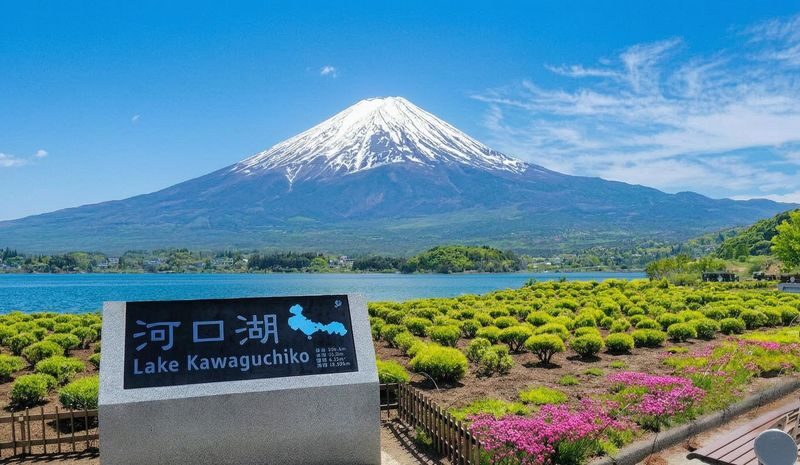
- A Fuji photo route with several distinct angles: Oishi Park, Lake Yamanaka, the Chureito Pagoda viewpoint, and the Lawson stop each frame the mountain differently.
- Oshino Hakkai brings a quieter change of pace: Its spring-fed ponds offer a glimpse of water linked to Mount Fuji’s melting snow.
- Expect short visits: Many stops last 15 to 30 minutes, while Oshino Hakkai gets about an hour.
- Guides help connect the dots: English- and Mandarin-speaking options are available, and some guides share local context and help with photos.
- Transport is the main value: Round-trip bus transfers, tolls, parking, and environmental fees are included in a day that would take more planning to arrange independently.
- Check your pickup package carefully: The standard options meet at Tokyo Station or Shinjuku Station. Hotel pickup is a separate package, and the meeting point cannot be changed on the day.

👉 See our pick of the 8 Most Highly Rated Private Driver Services In Fujiyoshida
A day trip built around Fuji views
This is a full-day bus tour from Tokyo, with a listed starting price of $50.95 and a usual schedule of about 08:00 to 18:00. The return can slip later, as far as 20:00, if traffic is heavy. The route covers several places around Fujiyoshida and the Fuji Five Lakes, so expect stretches of travel between stops as well as time outside the bus.
The appeal is simple: you don’t need to work out local transport between lakes, parks, villages, and photo spots. That convenience matters here. The destinations are spread out, and trying to link them all in one day on your own would take more planning and leave more room for missed connections.
The price includes round-trip transfers from the selected meeting point, tolls, parking, and environmental fees, plus an English- or Mandarin-speaking guide. Meals, drinks, personal purchases, and admission to the Oshino Hakkai Observation Deck are extra. At the starting price, the tour can be good value if you want to see several headline stops in one day without hiring a car.
The itinerary is busy by design. You’ll usually have time to walk around, take photos, and get a sense of each place, but not to linger long over lunch or explore every side street. That makes the tour a useful introduction to the area, not a substitute for a slower stay near the lakes.
You can also read our reviews of more tours and experiences in Fujiyoshida.


Oishi Park and the Lake Kawaguchi frame
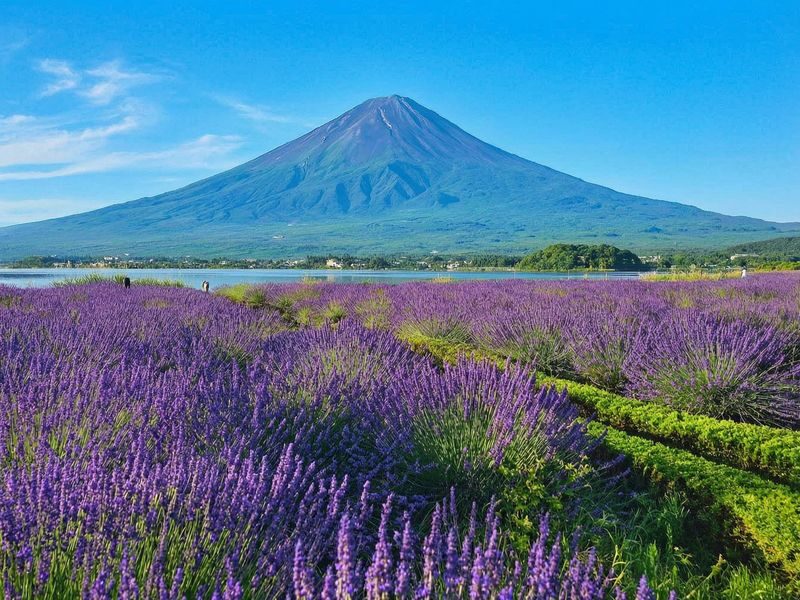
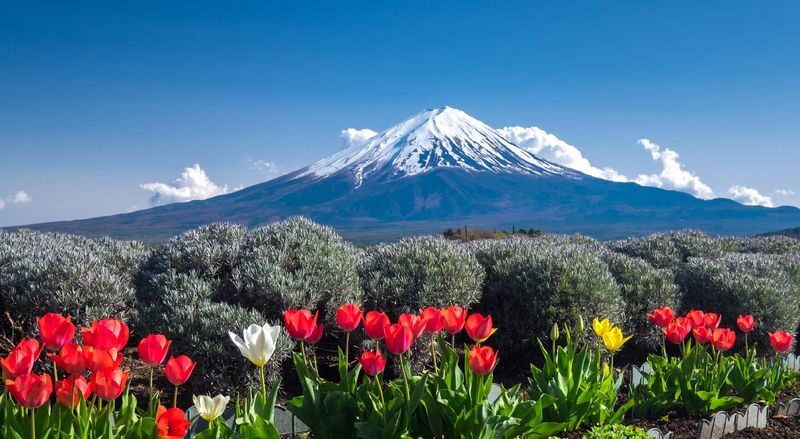
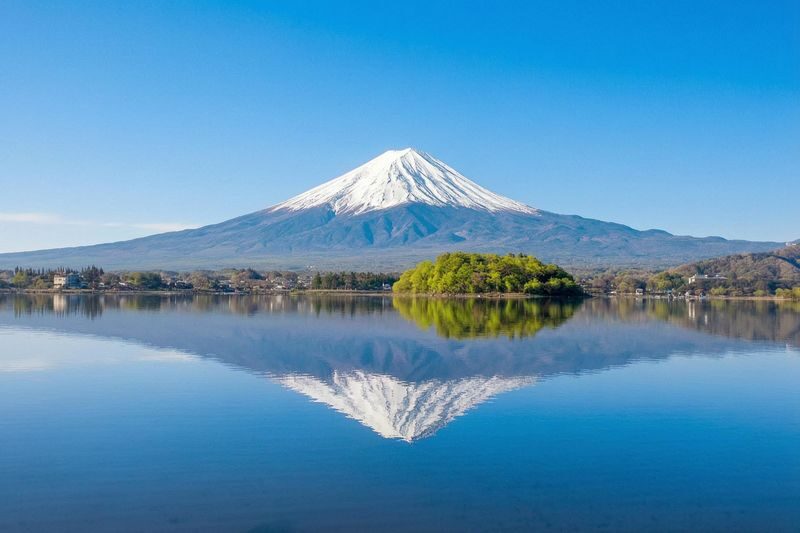
Oishi Park is an early stop, with about 30 minutes for a self-guided walk. It sits beside Lake Kawaguchi, where the water and Mount Fuji form the familiar lake-and-mountain scene. The park is known for seasonal flowers and changing colors, so what you see depends on the time of year.
The short visit is enough to look around and take in the view, but not much more. If you’re hoping to stroll every path or sit by the lake for a while, you may feel the clock ticking. I’d use this stop to take a few photos, then put the camera down long enough to enjoy the view directly.
The nearby Kawaguchiko Natural Living Center has a separate 15-minute stop. Its second floor is noted for a view that brings a red torii gate and Mount Fuji into the same frame. It’s a compact photo opportunity, not a long museum visit, so keep your expectations in line with the time allowed.
Fuji visibility is never something the tour can promise. Clear weather can make the mountain visible from several stops, while clouds can obscure it. The schedule may also change to respond to weather and traffic, so don’t count on a specific stop happening at an exact time.
Lawson: a quick, modern Fuji photo stop
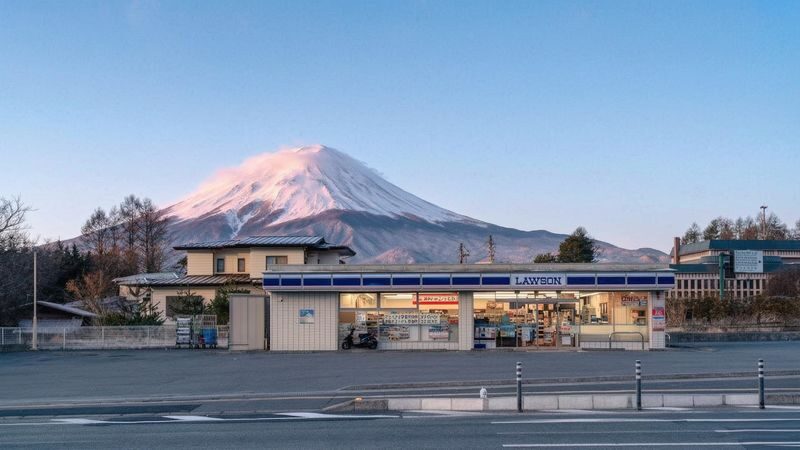
The Lawson Fujikawaguchiko Town Hall stop lasts about 15 minutes. The convenience store has become a popular photo backdrop because its familiar storefront sits against the mountain. It’s a striking contrast between ordinary Japanese daily life and one of the country’s most recognizable sights.
This is a quick stop for a photo, not an invitation to linger. Be considerate of people using the store and the surrounding area, and follow your guide’s directions about where to stand. The novelty is real, but it’s still a working convenience store, not a dedicated viewpoint.
Lunch in a popular sightseeing area
The tour allows about 30 minutes for lunch. That is a tight window in a busy sightseeing area, where waiting to order and eat can take up much of the break. Meals and drinks are not included in the tour price.
To protect your time, bring a simple lunch or ask the guide whether they can help arrange a restaurant. That suggestion is especially useful if you want to avoid spending much of your free time in a queue. Keep your meal plan flexible, since traffic or changes to the route can affect the day’s timing.
Oshino Hakkai’s clear spring water
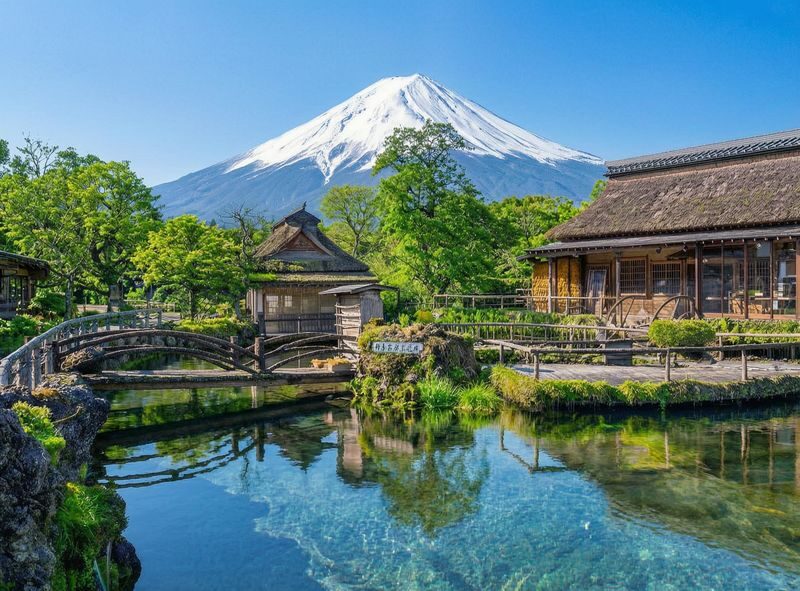
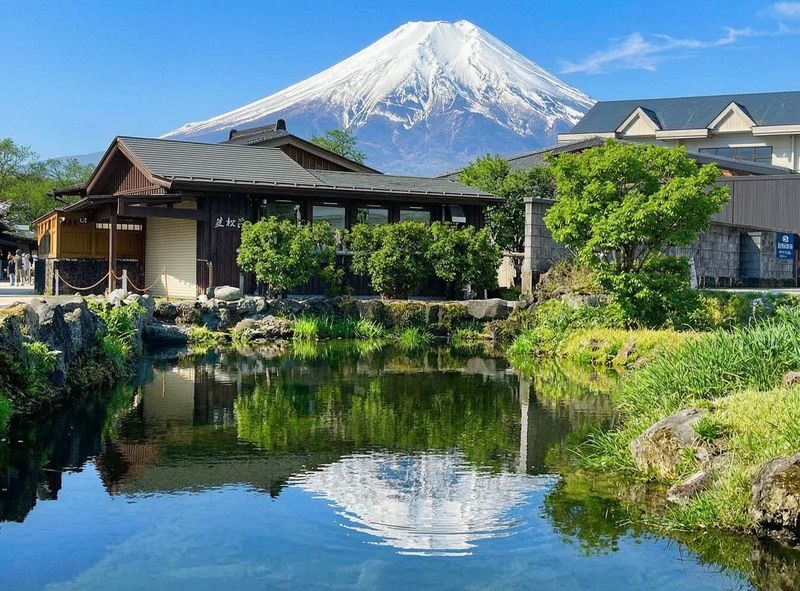
Oshino Hakkai gets about an hour, the longest single stop on the route. The village is known for its clear spring ponds, fed by water from Mount Fuji’s melting snow. It gives the day a different feel from the broad lake views and staged photo spots: here, the focus is on water, village scenery, and the spring-fed setting.
You can explore on your own, with time to walk around the ponds and take photos. Admission to the Oshino Hakkai Observation Deck is not included, so budget for that separately if you want to visit it. The tour material also mentions a local legend that drinking the water can bring long life. Treat that as folklore, not a health promise.
Oshino Hakkai can draw crowds, which may make the narrow walking areas feel busy. Still, the hour gives you more room here than at most of the other stops. If you enjoy quiet nature, this is a good place to pause and look beyond the camera screen.


Lake Yamanaka and the swans
The Lake Yamanaka stop lasts about 25 minutes. The lake offers another chance to see Mount Fuji near the water, and swans are part of the experience. It’s a brief visit, best suited to a short walk, photos, and a moment by the shore rather than a longer lakeside outing.
The itinerary calls Lake Yamanaka a close-up Fuji viewpoint, but the actual view depends on weather and visibility. If the summit is clear, this stop adds a different perspective from Lake Kawaguchi. If it isn’t, the water and swans still give the stop its own character.
Arakurayama Sengen Park and the Chureito Pagoda
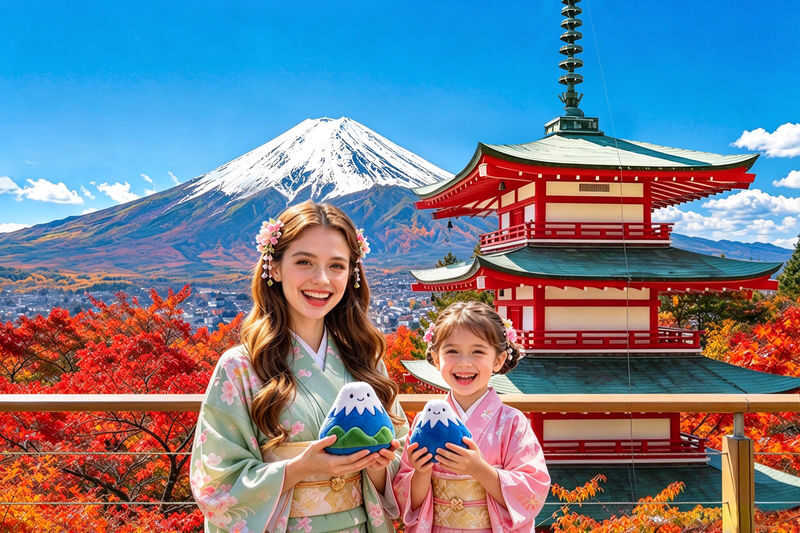
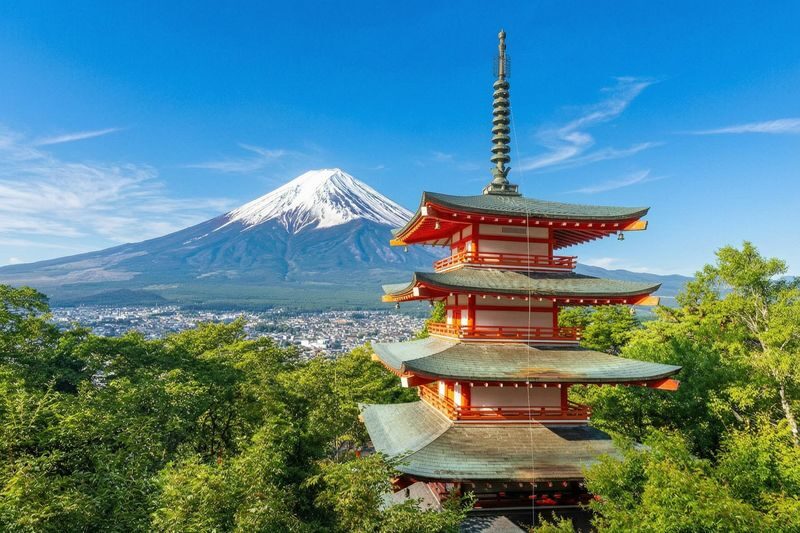
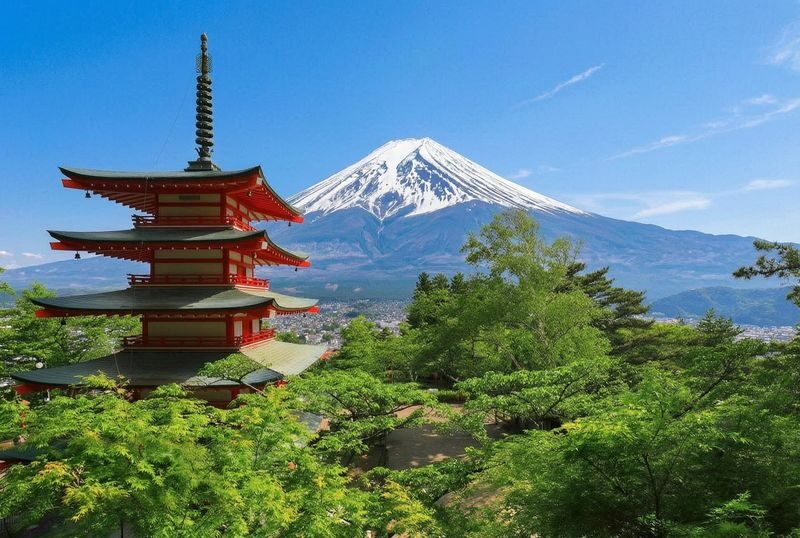
Arakurayama Sengen Park is the tour’s big classic viewpoint: Mount Fuji with the Chureito Pagoda in the same scene. The park stop is listed at about 45 minutes, with another short visit to Arakura Fuji Sengen Shrine. This is the image many people have in mind when they picture Fuji and a pagoda together.
The view is worth the effort, but the limited time matters. You’ll want to head toward the observation area promptly, especially if you want photos, and leave enough time to return to the bus. The schedule describes the visit as sightseeing, not a guided hike or a long park walk.
The shrine is described as dating to 705 and as a place where people pray for family happiness and good fortune. Take a moment to notice the religious setting as well as the famous view. The park and shrine are more meaningful when you treat them as places people visit for worship and reflection, not just as photo locations.
Guides may offer context or help take pictures, but the stops themselves are largely self-guided. Several guides praised by name, including Jun, Sandy, Eric, Yuki, and Christy, have been noted for being attentive and explaining the sights. The level of commentary can vary by guide and package, so think of the guide as a helpful companion for the day rather than a promise of a long formal tour at every stop.
Hikawa Clock Shop and Fujiyoshida’s old streets
Near the end of the sightseeing route, you’ll visit Hikawa Clock Shop and the surrounding street, often called the Stairway Town. The area pairs retro Showa-era storefronts with a view toward Mount Fuji. It offers a more everyday, lived-in contrast to the parks and lakes.
The stop is about 15 minutes, followed by a brief visit in the Fujiyoshida area. That is enough for a quick look and a few photos, but not a deep exploration of the town. Some people appreciate this stop most because it gives the itinerary a street-level feel after a day of nature viewpoints.
Keep an eye on the meeting time. A popular photo spot can tempt you to keep walking, but the bus cannot wait indefinitely. Guides are often praised for keeping the day organized and making meeting points clear; still, note the return time yourself at every stop.
What the guide and bus add
The bus is the practical backbone of this experience. The route covers multiple destinations, and round-trip transport saves you from piecing together local connections. Tolls, parking, and environmental fees are included, which makes the starting price easier to assess against the day’s logistics.
The guide can make a real difference in how smooth the day feels. People have praised guides such as Jun for patience with older passengers, Yuki for clear explanations, Eric for communication and organization, and Sandy for attentive help. Some guides also take photos and point out the best angles. Those are examples of the kind of service you may get, not a guarantee that one particular guide will lead your departure.
Most stops are self-guided, so don’t expect to be escorted continuously from one sight to the next. Listen closely to the meeting instructions, and ask the guide where to go before setting off if a site is unfamiliar. One poorly coordinated small-group pickup account described a late change of meeting location and confusion about where to find attractions. That is a reason to confirm your exact pickup details in advance, particularly if you choose a hotel-pickup or small-group package.
Timing, comfort, and who will enjoy it
The tour runs roughly ten hours, though the return time depends on traffic and where you board. Departure options include Tokyo Station and Shinjuku Station, with return to the same station used at the start. Arrive 15 minutes early. Late arrivals and no-shows are not refundable, and the meeting point cannot be changed on the day.
A separate morning hotel-pickup package is offered, along with a nine-person small-group option that includes hotel pickup and drop-off. A limited-time offer describes an upgrade to morning hotel pickup for $1, but package terms can vary. Select the correct option and read its pickup details carefully rather than assuming hotel collection comes with the standard bus tour.
The activity is not wheelchair-accessible or stroller-friendly, and child seats are not available. Infants and children must be included in the passenger count. The stated luggage allowance is two pieces of standard-sized luggage, which is useful if you’re carrying bags, though this is primarily a sightseeing day rather than a luggage-transfer service.
This tour suits you best if you have limited time in Tokyo, want to see several Fuji-area highlights, and are comfortable with a full schedule. It is less suited to anyone who wants a slow lakeside day, a long lunch, or extensive time at every stop. The main reward is range: several views and places in one outing, with the transport planning handled for you.
Should you book this Mount Fuji day tour?
Book it if you want an efficient introduction to the Fuji area and value a guide, a bus, and a broad collection of photo stops. The strongest reasons are the variety of viewpoints, the visit to Oshino Hakkai, and the convenience of linking places that are spread around the region.
Think twice if you dislike short visits or need firm control over every part of your day. Weather can hide Fuji, traffic can delay the return, and the schedule leaves limited time to linger. Before paying, check whether you want a Tokyo station meetup, a hotel pickup, or the small-group package, then confirm the exact meeting instructions the day before. If those trade-offs suit you, this is a practical way to see a lot of the Fuji region in one day.
Mount Fuji Magnificent Scenery Exploration Day Tour: Arakurayama Sengen Park & Kawaguchiko Oishi Park & Oshino Hakkai & INS Famous Lawson & Hikawa Clock Shop (Departing from Tokyo)
“Both the weather and the guide were great.”
FAQ
How long is the tour?
The tour is listed as 10 hours, with a typical schedule from about 08:00 to 18:00. Traffic can delay the return until 20:00.
Where does the tour depart from?
The standard options depart from Tokyo Station or Shinjuku Station. A separate package offers morning hotel pickup.
Does the tour include hotel pickup?
Hotel pickup is available only with a designated package. The standard English- and Mandarin-guide options meet at Tokyo Station or Shinjuku Station.
What languages are available?
English- and Mandarin-speaking guide options are listed. Other package options may also be available, so check the selected package details.
Is lunch included?
No. Meals and drinks are not included. The lunch stop is about 30 minutes, and bringing food or asking the guide about restaurant arrangements may help you save time.
Is admission to the Oshino Hakkai Observation Deck included?
No. Admission to the Oshino Hakkai Observation Deck is not included.
How much time is spent at the main stops?
The listed visits range from about 15 minutes at the Lawson store and Natural Living Center to about one hour at Oshino Hakkai. Oishi Park gets about 30 minutes, Lake Yamanaka about 25 minutes, and Arakurayama Sengen Park about 45 minutes.
Can the itinerary change?
Yes. The sightseeing order may change depending on traffic and weather, and the schedule may also be adjusted on the day.
Is the tour accessible for wheelchairs or strollers?
No. The activity is listed as not wheelchair-accessible and not stroller-friendly. Child seats are not available.
How early should I arrive, and can I change the meeting point?
Arrive 15 minutes before departure. The meeting point cannot be changed on the day, so contact the operator one day in advance if you need to request a change.


