Kitakyushu’s attractions are spread across a wide area, so the best part of this private-car day is having your own wheels and a route you can shape around your interests. You can pair Mojiko’s red-brick harbor streets with Kokura Castle, or build the day around shrines, seafood, and a sunset view.
I like two things in particular: you can skip group-tour pacing and adjust your stops, and the driver handles the transfers while you focus on the day. The service also suits families with older relatives or children, and the first child seat is free.
The trade-off is that ten hours is not enough to see every attraction on the menu at an easy pace. You’ll need to choose a sensible route, and tolls, parking, meals, and attraction tickets cost extra.
- The short version: what matters most
- A private car makes Kitakyushu easier to shape
- Mojiko’s red bricks and harbor air
- Karato Market for a seafood stop
- Kokura Castle adds a garden pause
- Two shrines, two different moods
- Kawachi Wisteria Garden is a spring-only plan
- Sarakurayama after dark needs careful timing
- What the price covers, and what it doesn’t
- Driver service and practical comfort
- Who should book this day trip
- FAQ
- Where does the private car pick up and drop off?
- How long does the charter last?
- How much does the charter cost?
- Are tolls and parking included?
- Can I change the route?
- Does the day trip include every attraction listed?
- Is Kawachi Wisteria Garden open year-round as a flower attraction?
- Is the cable car at Sarakurayama included?
- Are child seats available?
- The Best Of Kitakyushu!
- More Private Tours in Kitakyushu
- More Tours in Kitakyushu
- More Tour Reviews in Kitakyushu
The short version: what matters most
 1 / 10
 2 / 10
 3 / 10
 4 / 10
 5 / 10
 6 / 10
 7 / 10
 8 / 10
 9 / 10
 10 / 10
- Mojiko and Kokura make a strong history-and-harbor pairing. Add Karato Market if fresh seafood is a priority.
- The charter lasts up to 10 hours and covers up to 300 kilometers. A sensible route matters more than a long wish list.
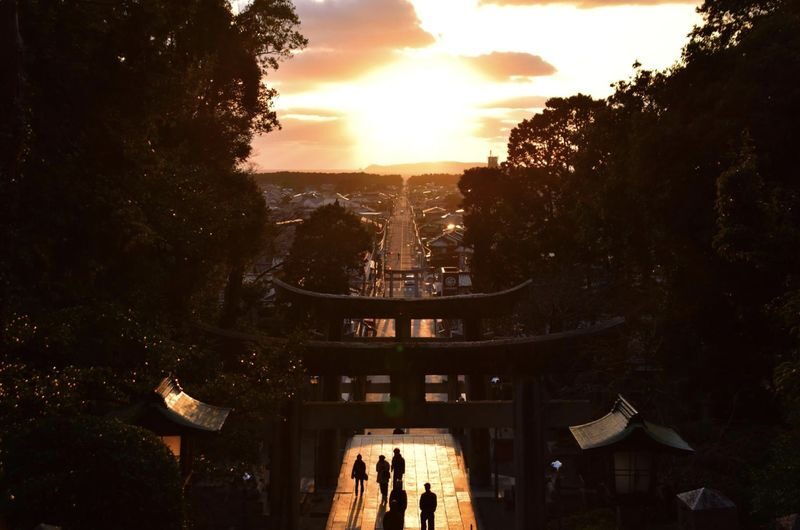
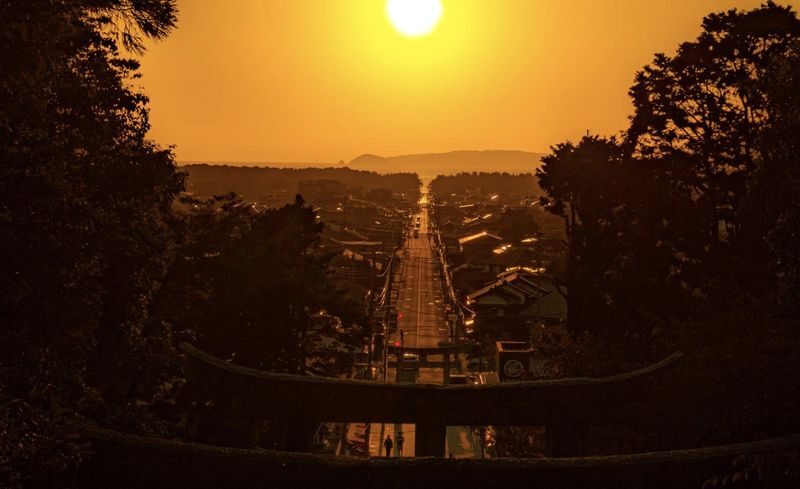
- Shrines offer a quieter kind of day. Miyajidake Shrine is known for its Road of Light approach, while Munakata Taisha is set among quiet forest.
- Kawachi Wisteria Garden is seasonal. Check flowering dates before building your day around it.
- Sarakurayama is a night-view option, not a free add-on. Cable-car costs are extra, and you’ll need to coordinate timing with the driver.
- The starting price is $271.79. It includes the driver, fuel, and round-trip transfers, but not tolls, parking, meals, or admission.

👉 See our pick of the Kitakyushu’s 8 Top Tours (With Prices)
A private car makes Kitakyushu easier to shape
This is a day trip from Fukuoka, not a fixed sightseeing circuit. You choose the stops and can discuss changes with the driver, which is useful in a region where harbor streets, a castle, shrines, and a mountain viewpoint do not naturally fit into one compact stroll.
The freedom is real, but it has limits. The service allows up to ten hours per day, keeps to a 300-kilometer travel limit, and asks that the route be reasonable and avoid backtracking. Think of the attraction list as a menu, not a promise to visit every stop in one day.
There are several suggested combinations. Karato Market, Mojiko, and Kokura Castle make a practical mix of food, port atmosphere, and history. A shrine-focused route can link Munakata Taisha and Miyajidake Shrine with Kokura and Mojiko. For a late finish, one suggested route pairs Miyajidake Shrine, Kokura Castle, Mojiko, and Sarakurayama’s night view.
These plans are starting points. Before booking, choose your priorities and confirm the order and timing with the operator. If you want a relaxed day, three or four well-chosen stops are a better bet than trying to collect them all.
You can also read our reviews of more private tours in Kitakyushu

Mojiko’s red bricks and harbor air
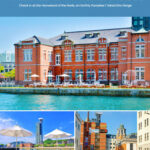
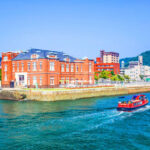
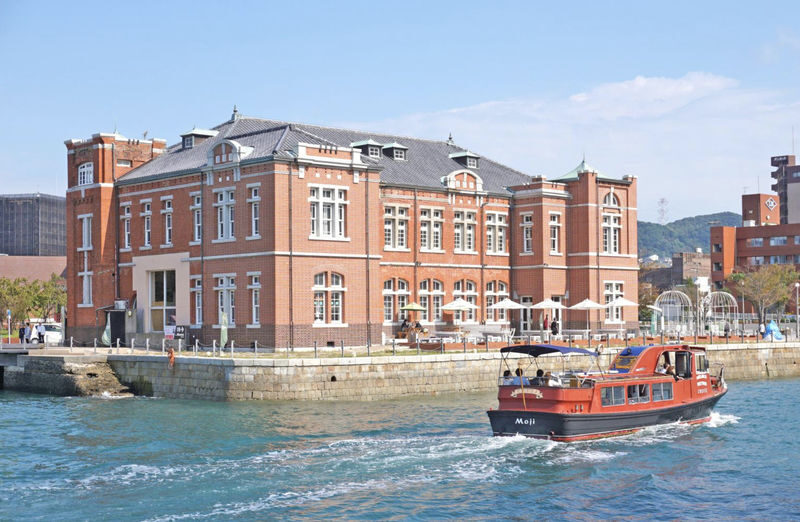
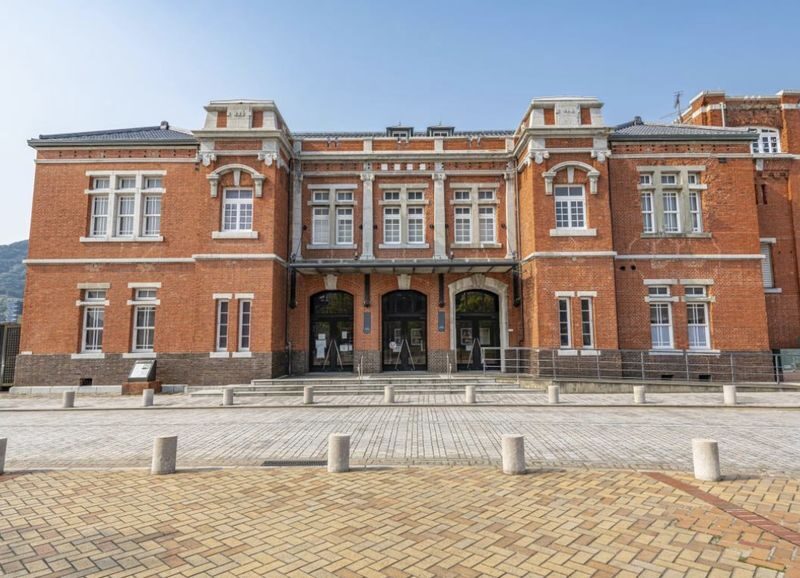
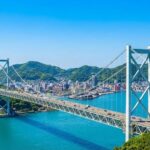
Mojiko Retro Area is the natural choice if you like old port streets and architecture with a European feel. The appeal is the contrast between the red-brick buildings and the harbor setting, with a Meiji-era atmosphere that gives this stop a distinct character from a shrine or castle visit.
This is a good place to walk at your own pace and take in the streetscape. It also pairs well with Kokura Castle: one stop is about port history and urban texture, the other about a castle tower and garden scenery. If you’re short on time, choose the parts that interest you rather than treating each stop as a checklist.
Mojiko is one of the most flexible choices on the route menu, but it still takes time to get out and explore. Ask the driver to agree on a meeting point and a return time before you set off. That simple step helps keep the rest of the day from slipping.
Karato Market for a seafood stop
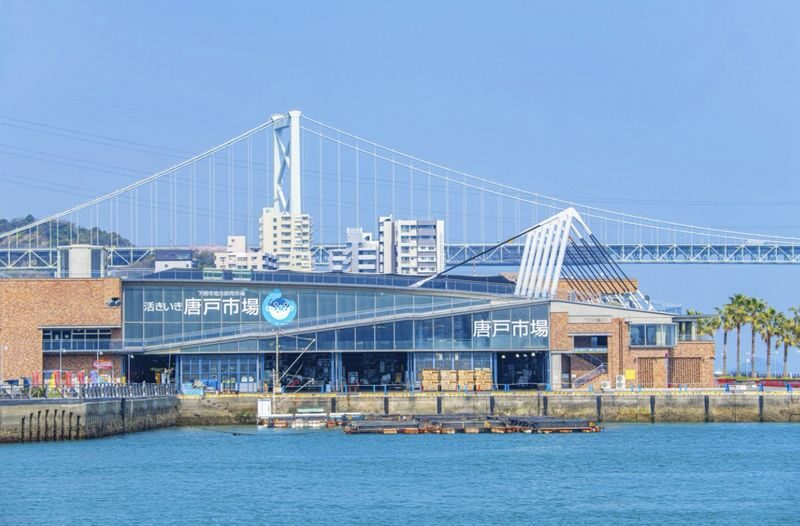
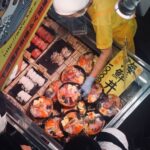
Karato Market brings a different mood to the day. The draw is fresh seafood sushi and local specialties in a lively port-market setting. If food is a major reason you travel, this stop may be more memorable than squeezing in another quick photo stop.
Keep your schedule flexible enough to eat, not just pass through. Your meal is not included in the charter price, and you’ll want to allow time to choose food and enjoy it. The market works well with Mojiko and Kokura Castle as part of a varied day, though the order should be planned with the driver to avoid unnecessary backtracking.
One practical point: the market is an attraction, not a catered meal stop. You pay for your own food, and your choice of dishes and pace will affect how much time remains for the rest of the route.
Kokura Castle adds a garden pause
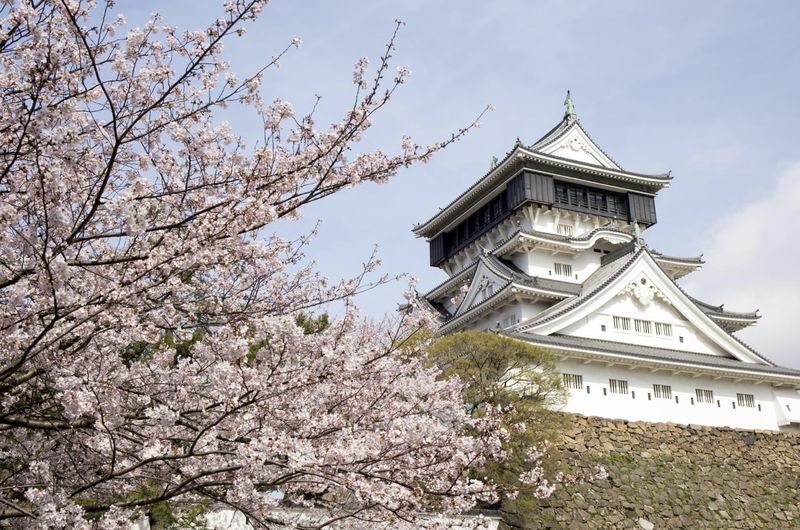
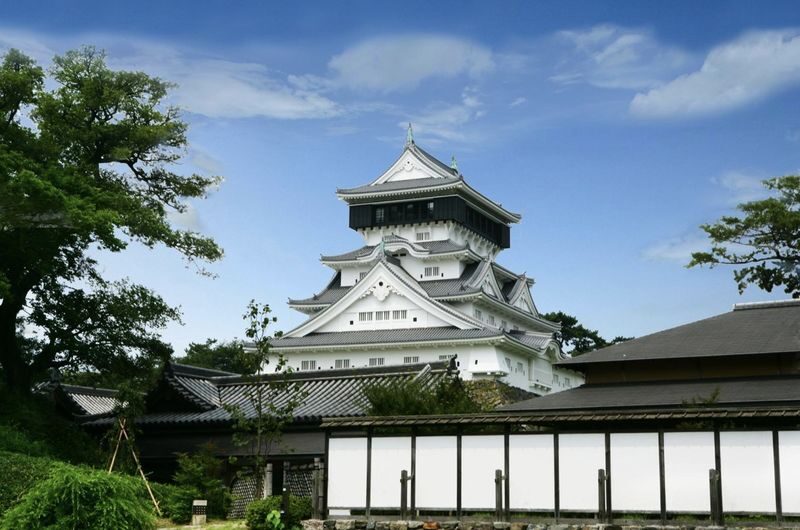
Kokura Castle is presented as Kitakyushu’s representative castle, with an elegant tower and Japanese garden scenery. It gives the day a clear historical focus and offers a change of pace from the harbor and market.
It’s a sensible stop if you want a mix of sights rather than a day spent entirely in the car or at shrines. You can visit the castle area and garden, then decide whether to spend more time there or move on. Admission costs are not included, so check what you want to see and budget for tickets separately.
Kokura Castle appears in several suggested routes, which makes it a useful anchor for planning. Still, don’t assume every route will fit comfortably. The distance between stops, your time at each attraction, and traffic all affect what the day can hold.
Two shrines, two different moods
Miyajidake Shrine is known for its Road of Light approach, a scenic approach that draws people looking for the meeting of sacred space and nature. The experience depends on the route and conditions on the day, so it’s wise to treat the view as a reason to visit, not a guarantee of a particular scene.
Munakata Taisha offers a quieter forest setting and a long tradition of worship. It’s a better fit if you want a more reflective stop than a busy market or a photo-heavy harbor walk. The two shrines can be paired, but doing so leaves less time for other parts of Kitakyushu.
If you’re choosing between them, think about the day you want. Miyajidake is the pick for its famous approach; Munakata Taisha is the choice for a calm shrine visit in a forest atmosphere. You can ask the driver for route advice, but confirm the stops and timing in advance.
You can also read our reviews of more shopping tours in Kitakyushu

Kawachi Wisteria Garden is a spring-only plan
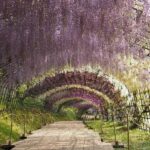
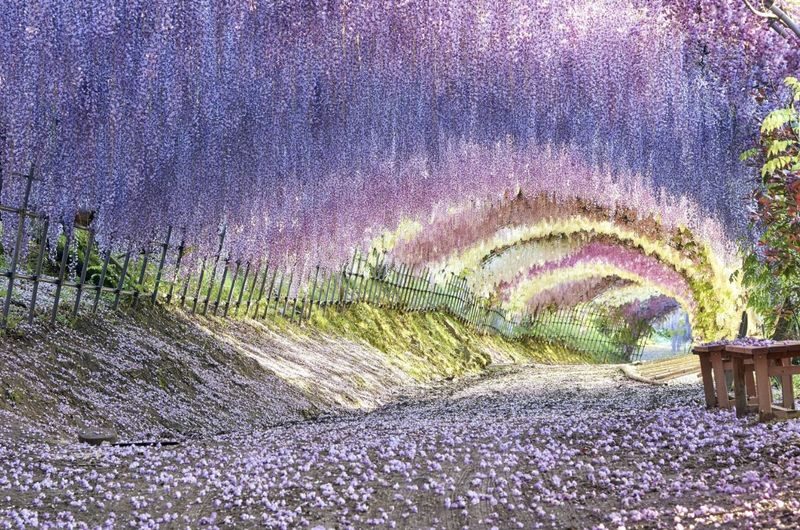
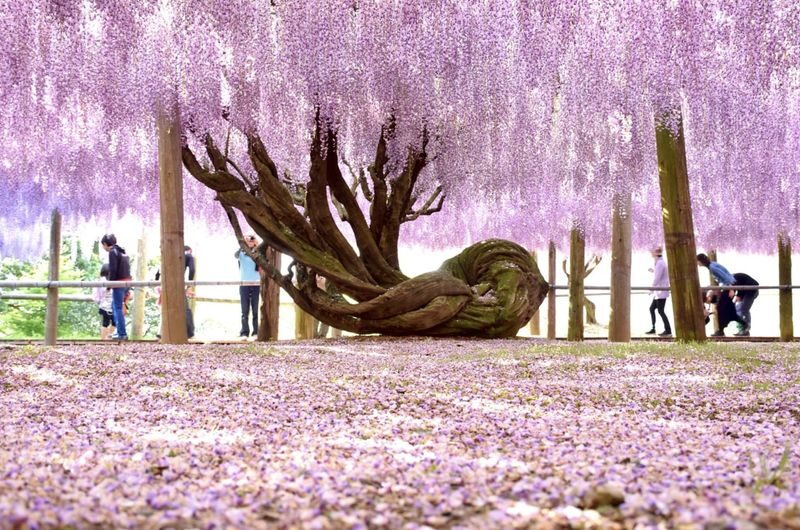
Kawachi Wisteria Garden is the most seasonal stop on the list. In spring, its wisteria tunnel can be the highlight of the day, but the garden’s appeal depends on flowering dates. Check the bloom timing before you book a route around it, and have a backup plan in case the flowers are not at their best.
This option makes sense for visitors who value seasonal scenery more than a broad sightseeing circuit. A suggested route pairs the garden with Kokura Castle and Mojiko, but you’ll still need to keep within the charter’s time and distance limits.
Do not treat the garden as a year-round highlight. If your dates don’t match the flowering season, choose other stops and use the flexible service for a different kind of day.
Sarakurayama after dark needs careful timing
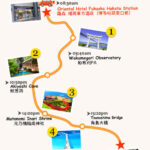
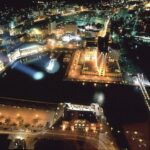
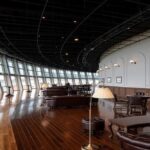
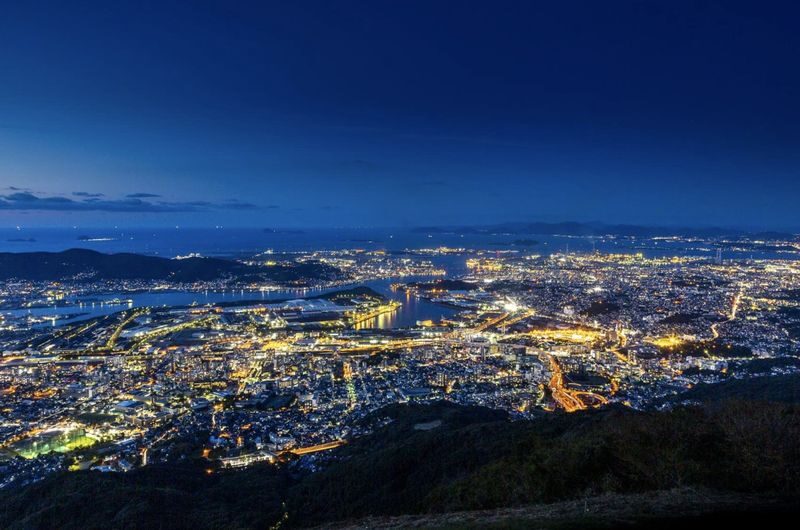
Sarakurayama Observatory is the night-view choice, with a cable car available at your own expense. The view is described as one of Japan’s New Three Major Night Views, which makes it an appealing finish for anyone who wants a broad panorama after a day of sightseeing.
The timing needs attention. The service operates between 7:00 a.m. and 8:00 p.m., and the standard ten-hour day has a firm limit. A night view can work as part of the day, but coordinate the departure, stops, cable-car time, and return with the operator before you set out. Don’t assume the driver can extend the day at no cost.
Cable-car tickets, parking, and any other attraction costs are extra. If the night view is a priority, plan around it from the start rather than adding it after a full day.
What the price covers, and what it doesn’t
The private-car day starts at $271.79. The listed inclusions are round-trip transfers, insurance provided by the operator, driver service, the driver’s meal, and fuel. For a couple, family, or small group, the main value is having a vehicle and driver for the day without coordinating separate transfers between stops.
The price is not an all-in sightseeing budget. You pay separately for tolls, parking, meals, personal expenses, and attraction tickets. The Sarakurayama cable car is also at your own expense. If you need a pick-up or drop-off outside Fukuoka, an empty-car fee applies; the stated range is 5,000 to 10,000 yen.
The starting price alone does not tell you which vehicle size is included, so confirm the vehicle and passenger capacity before paying. The options range from a five-seat vehicle to a 14-seat vehicle. Children and infants count as passengers, and the recommended luggage capacity varies by vehicle. The first child seat is free; a second costs 2,000 yen.
The charter limit is 300 kilometers, and the route must be reasonable. Overtime is charged directly by the driver, in cash. The listed hourly rate is 5,000 yen for five- to seven-seat vehicles, 8,000 yen for a 10-seater, and 10,000 yen for a 14-seat vehicle or larger. Confirm the rate for your exact vehicle in advance.
Driver service and practical comfort
The strongest pattern in customer feedback is attentive, flexible driving service. Drivers named in customer notes include Xiao Gao, Xiao Liu, Mr. Kim, Mr. Jiang, Xiao Tan, and Bai. The assignment can vary, so don’t book on the assumption that you’ll get a particular driver.
The reports describe drivers arriving on time, adjusting plans, suggesting attractions or food, and helping older relatives and children in and out of the car. That kind of help matters on a long day with several stops. One account also raised a concern about fast driving, so speak up if you want the driver to slow down or adjust the pace.
Communication is available in Chinese and Japanese. English support uses translation software, so keep route names, meeting points, and timing clear and simple. Confirm the plan with staff before the trip, and save the pick-up address and contact details where you can access them easily.
Who should book this day trip
I’d consider this service if you’re traveling with family, especially if group members have different walking speeds or you need the convenience of door-to-door transfers. It also suits a small group that wants to combine several kinds of stops without relying on public transport connections.
It’s less compelling for a solo visitor who is comfortable planning public transport and wants to see only one or two central sights. The private-car price buys flexibility and convenience, not a guided tour with a fixed schedule or included admission. If you prefer a detailed spoken explanation at each stop, clarify what the driver can provide; English communication relies on translation software.
Book with a short priority list. Decide which one or two stops matter most, then add nearby choices only if time allows. This keeps the day enjoyable instead of turning it into a race between parking lots.
Fukuoka private car charter service: Mojiko, Karato Market, Kokura Castle, Miyajidake Shrine, Munakata Taisha, Kawachi Wisteria Garden, Sarakurayama night view, etc.
“Driver Xiao Gao is a safe and reliable driver. He was very accommodating and thoughtful when adjusting our 1-day private tour itinerary. For a priv…”
FAQ
Where does the private car pick up and drop off?
The default pick-up and drop-off are in Fukuoka City. You can choose the address and discuss the times with the operator. Pick-up or drop-off in another city may incur an empty-car fee.
How long does the charter last?
The standard service is up to 10 hours for pick-up and drop-off in Fukuoka. The stated service hours are 7:00 a.m. to 8:00 p.m. Different pick-up and drop-off locations or times can reduce the service duration to eight hours.
How much does the charter cost?
The day-tour and multi-day package starts at $271.79. The price includes the driver service fee, driver meal, and fuel, but not tolls, parking, meals, or attraction tickets.
Are tolls and parking included?
No. Tolls and parking are extra. Personal expenses, meals, and attraction tickets are also not included.
Can I change the route?
Yes. You can choose the attractions and adjust the plan, but confirm the route and schedule with staff in advance. The trip is limited to 300 kilometers and the route should avoid backtracking.
Does the day trip include every attraction listed?
No. You choose the attractions, and the route must fit within the service hours and distance limit. Plan a selection of stops rather than assuming you can visit them all.
Is Kawachi Wisteria Garden open year-round as a flower attraction?
The wisteria display is seasonal and blooms in spring. Confirm the flowering dates before making it a central part of your route.
Is the cable car at Sarakurayama included?
No. Cable-car costs are at your own expense, as are other attraction tickets.
Are child seats available?
The first child seat is free. A second child seat costs 2,000 yen. Infants and children count toward the vehicle’s passenger capacity.