A cave held at a steady 17°C, a shrine approach marked by 123 red gates, and a long bridge set over open water make an unusually varied day out from Fukuoka. The stops lie far apart in Yamaguchi Prefecture, so this tour solves a real problem: reaching them without renting a car or piecing together local transport.
I like that the day pairs two very different kinds of scenery: the strange stone formations inside Akiyoshido and the coastal views around Motonosumi Shrine and Tsunoshima Bridge. I also like that transport, fuel, tolls, parking, and a trilingual guide are included, with guides such as Lina, Thomas, Lisa, and Ella named on recent departures.
The trade-off is time in the vehicle. The schedule packs several distant stops into ten hours, and the cave’s admission and your meals are extra. If you want slow, unhurried visits, this is not that sort of day.
- What makes this route worth considering
- A long day made possible by shared transport
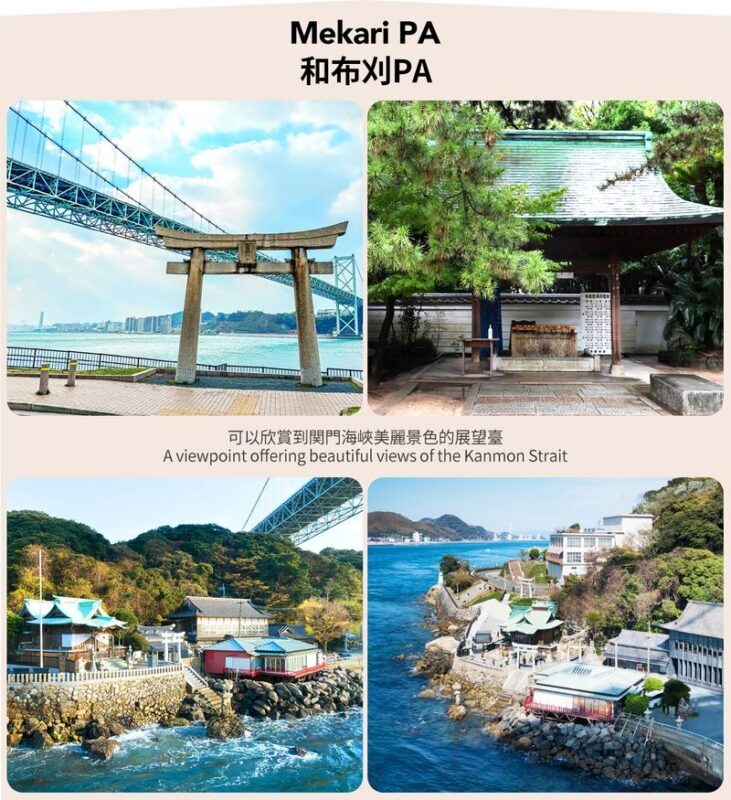
- Mekari Parking Area: a quick look over the Kanmon Strait
- Akiyoshido Cave: the day’s most substantial stop
- Motonosumi Shrine: red gates above the coast
- Tsunoshima Bridge: a short stop for a big view
- What the price covers, and what it does not
- Guides, timing, and what to prepare for
- Should you book this Fukuoka day trip?
- FAQ
- How long is the tour?
- Where is the meeting point in Fukuoka?
- Is Akiyoshido Cave admission included?
- Which languages does the guide speak?
- Can I bring luggage?
- Is the winter wave spectacle guaranteed?
- The Best Of Kitakyushu!
- More 1-Day Tours in Kitakyushu
- More Tours in Kitakyushu
- More Tour Reviews in Kitakyushu
What makes this route worth considering
 1 / 5
 2 / 5
 3 / 5
 4 / 5
 5 / 5
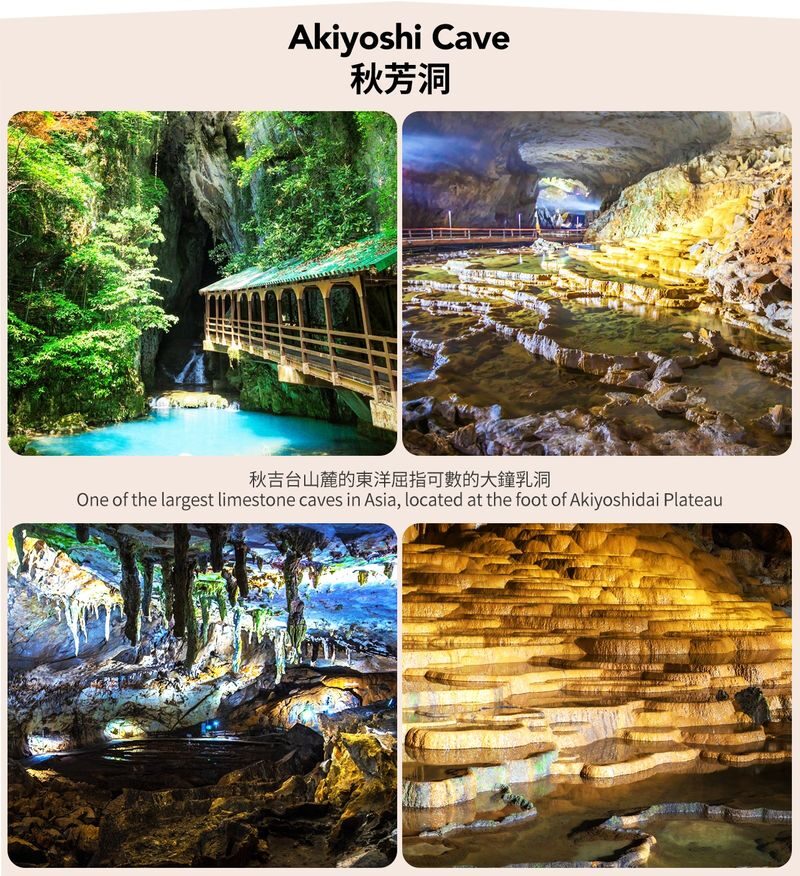
- Akiyoshido’s cool interior: Spend about two hours at Japan’s largest limestone cave, including time for lunch. Its steady 17°C temperature is a welcome contrast to hot or chilly weather outside.
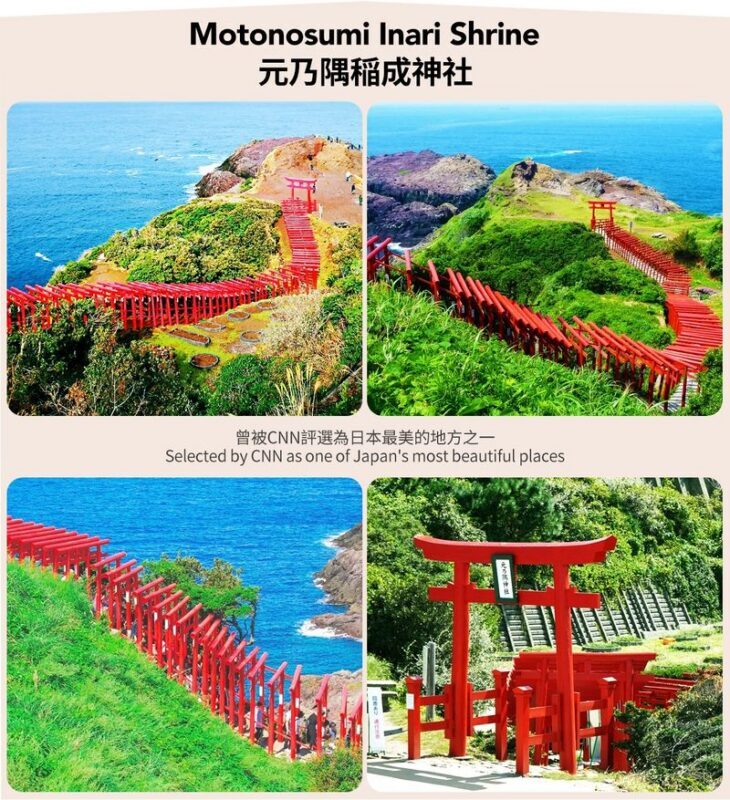
- Motonosumi’s red-gate approach: Walk past 123 vermilion torii gates on a coastal route to the shrine. The famous offering box sits about six metres high, making a successful offering a bit of a challenge.
- A seasonal coastal spectacle: From December through February, large waves can send spray high above the rocks at Ryugu’s Blowhole. The effect depends on sea and weather conditions.
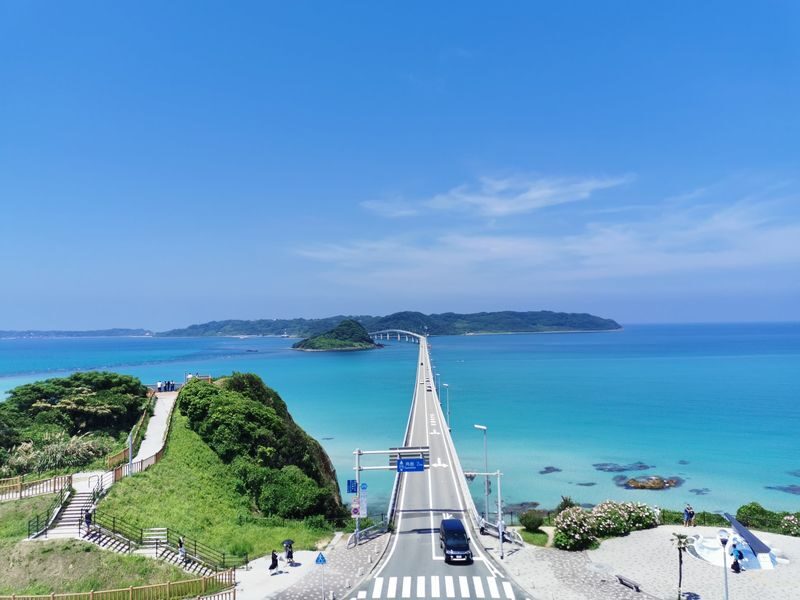
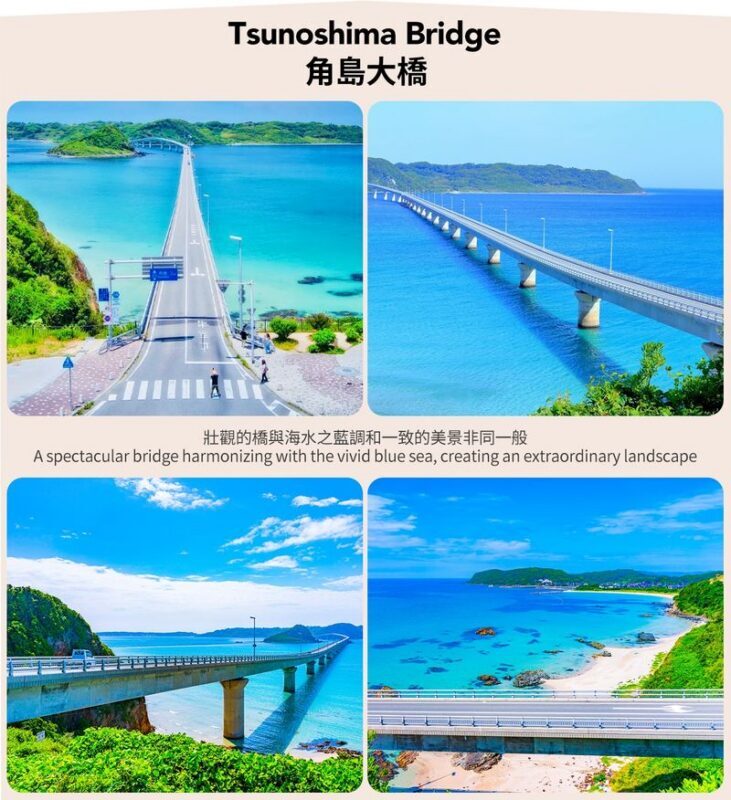
- A 1,780-metre bridge crossing: Tsunoshima Bridge gives you a striking view over the sea from the road, with a short stop for photos.
- A practical way to reach remote sights: The tour supplies round-trip transport from Fukuoka, along with tolls, fuel, parking, and a guide who speaks Chinese, English, and Japanese.

👉 See our pick of the Kitakyushu’s 8 Top Tours (With Prices)
A long day made possible by shared transport
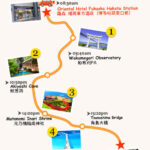
The tour runs from around 8:30 in the morning to 6:30 in the evening. You meet near Hakata Station at Lawson Oriental Hotel Fukuoka, and the return point is Lawson Hakata Station Chikushi Exit Store. Arrive ten minutes early. A shared vehicle cannot wait for late arrivals, and missed departures are not refunded.
The main advantage is simple: these sights are spread across Yamaguchi Prefecture, and reaching all of them independently in one day would take careful planning. A shared car or bus takes care of the route, tolls, and parking. The guide can also help keep the group moving and explain the places along the way.
There is a cost to that convenience: hours on the road. The itinerary is tightly timed, and a drive of around two hours is noted between points. Rest stops may help break up the journey, but traffic can stretch the day. The return is scheduled for 6:30 p.m., not guaranteed to the minute.
The vehicle depends on the size of the group. Some departures use a larger coach; others may use a smaller vehicle. If personal space is a priority, keep that in mind before booking. One standard-sized piece of luggage per person is allowed, but you need to tell the operator in advance.
You can also read our reviews of more tours and experiences in Kitakyushu
Mekari Parking Area: a quick look over the Kanmon Strait
The first stop is Mekari Parking Area, near the boundary between Kyushu and Yamaguchi. The view opens onto the Kanmon Strait, a useful first glimpse of the waterway separating the two regions. The morning light can make the sea especially appealing, though the view naturally depends on the weather.
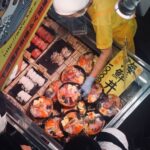
You have about 20 minutes here, so think of it as a short viewpoint break rather than a full visit. There is also a shop selling local products from Kyushu and Shimonoseki. It is a handy chance to pick up a snack or souvenir, but don’t let browsing eat into the stop.
The tour information uses more than one name for the observatory in its title, but the scheduled first stop is Mekari PA. If the viewpoint is a major reason for booking, check the final details sent before departure, since the operator may adjust the day’s route.
Akiyoshido Cave: the day’s most substantial stop
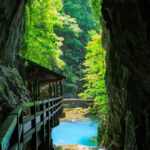
Akiyoshido is the most time-consuming attraction, with about two hours set aside. The cave stays close to 17°C year-round, so bring a light layer if you tend to feel cold underground, especially in summer clothes. Its limestone formations include stalactites, stalagmites, and broad stone terraces shaped over a very long period.
The path gives you time to take in the scale and details rather than just glance inside and leave. The cave is lit, and the changing forms make it a strong stop even if you came mainly for the coastal scenery. Several people on the tour have found the cave to be an unexpected highlight, so I would not treat it as a mere rainy-day filler.
Admission is not included in the tour price. Meals and drinks are extra as well, and lunch is scheduled during the cave stop. Food choices around the attraction may be limited, so follow any advice from your guide and avoid spending too long deciding where to eat. A guide may help the group organise lunch, but you should budget for it yourself.
There is also an optional Adventure Course inside the cave, described as a side path near the end that involves a ladder and slippery footing. It costs an additional 300 yen, and a flashlight is available from a box before the climb. This is not part of the standard tour price, and it may not suit everyone. Take care on the uneven surface and follow the posted instructions.
Motonosumi Shrine: red gates above the coast
Motonosumi Shrine is the day’s most distinctive coastal stop. Its 123 red torii gates form a passage toward the sea, creating a memorable contrast with the rock and water. You get about 40 minutes here, enough to walk the route and take photos, but not a long stretch for lingering.
The shrine is also known for its donation box, mounted about six metres high. Trying to toss a coin in is part of the fun, but there is no need to turn it into a test of athletic skill. The walk and the setting are the real reasons to come.
In winter, from December through February, waves at Ryugu’s Blowhole can strike the rocks and throw spray high into the air. The tour description refers to a rainbow-like mist reaching 30 metres. Treat that as a weather-dependent possibility, not a guaranteed show. Rough seas and wind can change what you see, and severe weather may lead to changes in the outdoor schedule.
Shrine access can also change. If Motonosumi is closed, the guide may substitute another shrine, as happened on some departures. That is a sensible contingency, but it means the exact stop cannot be promised in every circumstance. Keep expectations flexible, especially when weather or local closures are in play.
Tsunoshima Bridge: a short stop for a big view
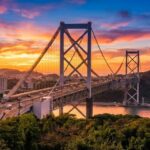
Tsunoshima Bridge stretches 1,780 metres across the sea. It is a striking sight from shore and from the vehicle as you cross, with water on either side and a low horizon that gives the route its cinematic look. The bridge has appeared in Japanese car commercials and the drama HERO.
The stop is about 30 minutes, so make your photos promptly and enjoy the view before the group leaves. This is not a long island visit or a beach day. It is a focused look at the bridge and its setting, and the crossing itself is part of the appeal.
Bridge access can be affected by events or closures. A scheduled closure has shortened or altered the crossing on a past departure, so the guide may need to adapt the plan. Rain and cloud can also flatten the colours in photographs, but the bridge and sea remain worth seeing if the route is open.
What the price covers, and what it does not
Prices start at $44.25, which can be good value for a full-day trip covering remote places. Round-trip transfers, tolls, parking, fuel, and a Chinese, English, or Japanese-speaking guide are included. For someone without a car, that bundle removes much of the expense and effort of organising transport between scattered sights.
The headline price is not the full day’s cost. You pay separately for Akiyoshido admission, lunch, drinks, and personal purchases. The optional cave Adventure Course also costs extra. Check the current cave admission price before departure, since no amount is specified here.
I would judge the value by how much you want to see in one day. If these four places are high on your list and you do not drive, the price is appealing. If you already have a rental car or prefer to spend half a day inside one attraction, a group schedule may feel restrictive.
Guides, timing, and what to prepare for
The guide can make a big difference on a day with long drives and short stops. The tour offers Chinese, English, and Japanese guidance, and guides named on departures include Lina, Thomas, Lisa, Ella, Roger, and others. Their work can include explaining the sights, helping with photos, and keeping a mixed-language group on time.
Before travel, watch for an email with the guide and vehicle details, due between 6 p.m. and 10 p.m. on the evening before the tour. Check your spam folder, too. During busy periods, the message may arrive later. The departure time may shift slightly in peak seasons, so rely on that final notice.
Traffic, weather, and vehicle-use rules can affect the order or length of stops. Japanese law limits vehicle use to ten hours, and the operator may adjust the day to stay within the limit. The stated plan is to keep the attractions, but serious disruptions can change operating hours or lead to cancellations.
Wear shoes suitable for walking around a cave and outdoor shrine paths. Bring a layer for the cave’s cool interior, plus spending money for admission and food. The tour is not recommended for people with high blood pressure, epilepsy, heart disease, asthma, other serious medical conditions, or for pregnant women. Children aged two and under can ride free if they do not need a separate seat; ages three and up pay the adult rate, and minors must be with a paying adult. Participants aged 70 or older need to present a medical certificate.
Should you book this Fukuoka day trip?
Book it if you want to see Akiyoshido Cave, Motonosumi Shrine, and Tsunoshima Bridge without driving, and you are comfortable with a long day and a brisk schedule. The cave adds an unusual inland counterpoint to the coastal stops, while the multilingual guide and included transport make a complicated route manageable.
Skip it if you want long, independent visits, dislike shared vehicles, or need a firm return time. The best practical choice is to arrive early, budget for the cave and meals, keep your plans flexible around weather and access, and treat the drive as part of the day rather than dead time.
Hebu Kari Observatory, Akiyoshido Cave, Motonosumi Shrine, and Tsunoshima Bridge Day Trip (From Fukuoka)
“Great tour, especially thanks to our wonderful guide Lina. Unfortunately, we had a bit of bad luck with the weather. Nevertheless, highly recommend…”
FAQ
How long is the tour?
The tour is scheduled for about ten hours, from an 8:30 a.m. departure to an approximately 6:30 p.m. return. Traffic and weather can affect the timing.
Where is the meeting point in Fukuoka?
Meet at Lawson Oriental Hotel Fukuoka near Hakata Station. Arrive ten minutes before departure. The scheduled return point is Lawson Hakata Station Chikushi Exit Store.
Is Akiyoshido Cave admission included?
No. Cave admission is not included. Meals, drinks, and personal expenses are also extra.
Which languages does the guide speak?
The guide service is offered in Chinese, English, and Japanese. The specific guide and vehicle details are sent by email the evening before the tour.
Can I bring luggage?
Each person may bring one standard-sized piece of luggage. You need to note it in the special-needs section when booking and inform the operator in advance.
Is the winter wave spectacle guaranteed?
No. The Ryugu Blowhole spray is described as a winter feature from December through February, but what you see depends on sea and weather conditions. Severe weather can also alter outdoor stops.