Akiyoshido Cave’s cool, cavernous passages make an unexpected counterpoint to the sea cliffs and open-water views at Motonosumi Inari Shrine and Tsunoshima Bridge. I like that this day trip links three places that are awkward to reach without a car, and I like the guides’ practical help with explanations, timing and photos.
The trade-off is a long day with plenty of driving. The schedule can feel tight, and the cave entrance fee is extra, so bring cash and decide in advance how much walking you want to do underground.
- What to know before you go
- A long road trip to three very different stops
- Akiyoshido Cave: cool air and a big underground walk
- Motonosumi Inari Shrine: a coastal view worth the detour
- Tsunoshima Bridge: the postcard stop
- Guides and transport make the remote route workable
- Timing, food and small costs to plan for
- Who will get the most from this day trip
- Should you book it?
- FAQ
- How much does the tour cost?
- Which places does the tour visit?
- Is the cave ticket included?
- What languages do the guides speak?
- How long should I expect the outing to take?
- Can I cancel for a full refund?
- The Best Of Kitakyushu!
- More 1-Day Tours in Kitakyushu
- More Tours in Kitakyushu
- More Tour Reviews in Kitakyushu
What to know before you go
- Akiyoshido Cave is a major highlight: Its enormous limestone chambers offer a cool break from summer heat, but the route involves walking.
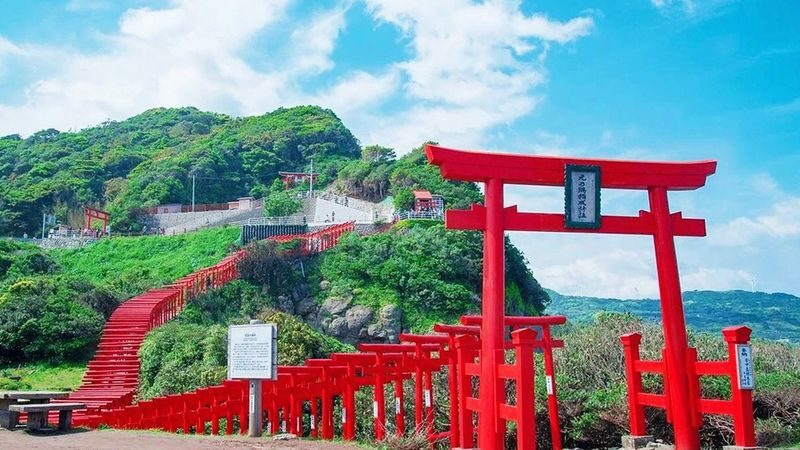
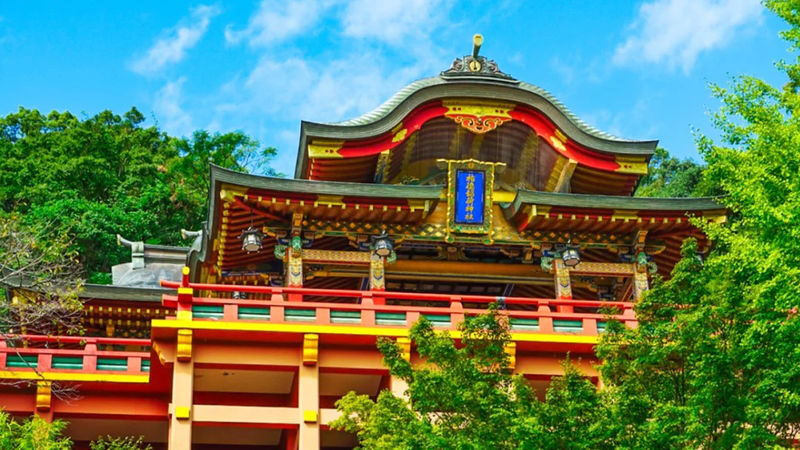
- The coast is the other big draw: Motonosumi Inari Shrine and Tsunoshima Bridge make for striking sea views, especially in clear weather.
- Independent transport is difficult: The stops are spread across Yamaguchi Prefecture, so a tour can save considerable planning time.
- Bring cash for the cave: Visitors have reported separate admission charges of ¥1,600 or ¥1,900, depending on the ticket or season.
- Guides add useful support: Guides including Lisa, Mao, Helen and Nana have been praised for clear explanations, photo help and keeping the day on schedule.
- Allow room for delays: The drive is long, and holiday traffic can push the return later than expected.

👉 See our pick of the Kitakyushu’s 8 Top Tours (With Prices)
A long road trip to three very different stops
This is a one-day excursion from Fukuoka into Yamaguchi Prefecture, on Honshu. The appeal is the variety: you move from a limestone cave to a dramatic stretch of coast, then to a bridge famous for its sea views. Those stops are far apart, which is exactly why the tour makes sense for anyone without a rental car.
The day also asks you to spend a good deal of time in a vehicle. That can be a welcome chance to rest between sights, but it is still a full outing rather than a quick hop from town. If you have a packed schedule the day before or after, you may appreciate the chance to sit back and let someone else handle the route.
The tour price starts at $44.20, an appealing starting point for a day that covers several distant sights. But treat that as the base price, not the whole cost. Cave admission is paid separately according to trip reports, and you may want cash for food or small purchases during stops.
You can also read our reviews of more tours and experiences in Kitakyushu
Akiyoshido Cave: cool air and a big underground walk
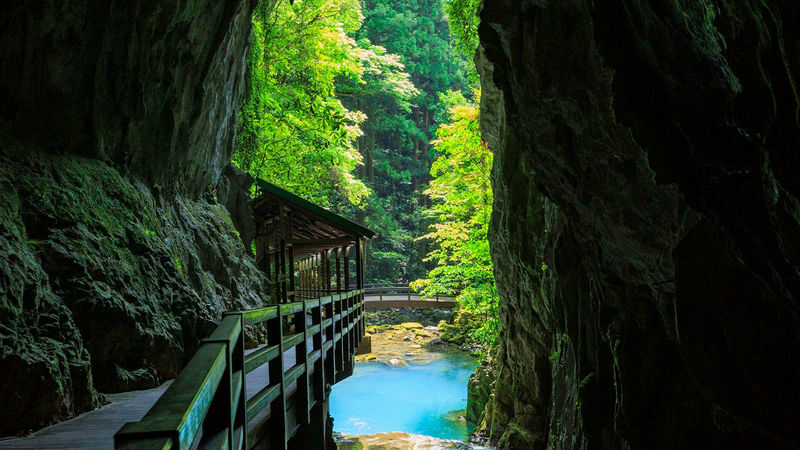
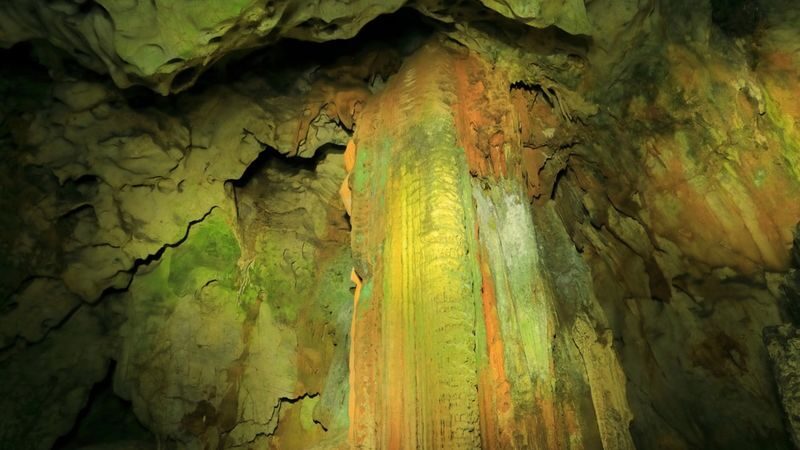
Akiyoshido Cave gives the tour its most unusual stop. It is described as Japan’s largest limestone cave, and the scale is the point: this is not a quick peek into a small cavern. Inside, you can walk past formations shaped over long periods by water and rock, with an underground river also noted by visitors.
The cave is a particularly welcome stop in hot weather. Its cooler air offers relief after time outside, and the contrast between the underground chambers and the open coast later in the day helps the itinerary feel varied. Families may also find snacks and street food near the cave area, including ice cream and skewers.
Give some thought to how much of the cave you want to see. It has different entrance and exit points, and the full route can mean substantial walking. One visitor with joint concerns suggested entering near the village and shop area by the exit to see the beginning section instead of completing the full cave route. That is a useful option to ask your guide about, but check the day’s arrangements before setting off.
The allotted stop has been described as roughly two hours on some trips. That can be enough to explore the cave and have a quick meal, but it may not leave much time for lingering over lunch, browsing shops and visiting nearby sights. If you prefer a slower pace, this is the stop most likely to feel compressed.
Admission is not included in the tour price, according to trip reports. The amounts cited were ¥1,600 and ¥1,900, with the higher figure described as a high-season ticket price. Prices can vary, so take enough cash rather than counting on a single exact figure. One practical complaint is that the fee would be easier to manage if it were included in the booking price.
Motonosumi Inari Shrine: a coastal view worth the detour
Motonosumi Inari Shrine sits beside the sea, and the setting is a large part of its appeal. The line of red torii gates against the coast makes a memorable sight, while the cliff views are worth taking time for even if access to the shrine itself is limited.
Do not assume the shrine will always be fully open. It has been closed on some dates, including public holidays, and some visitors have found they could see the coastal setting but not pass through the main torii gate or visit the shrine. Closures may also affect access to shrine services such as obtaining a goshuin, a calligraphic seal. If the shrine itself is a priority, check its current status before your tour date if possible.
Even when access is restricted, the stop can still be worthwhile for the sea view. But it is fair to say that a closure changes the experience: you may spend your time looking out from the cliff rather than walking through the gates. Guides can help clarify what is open on the day, though the tour cannot guarantee access.
Time here matters. One person would have traded the bridge stop for more time at the shrine, a reasonable preference if the gates are your main reason for booking. The schedule is designed to cover multiple places, not to give you a long, unhurried visit at each one.
Tsunoshima Bridge: the postcard stop
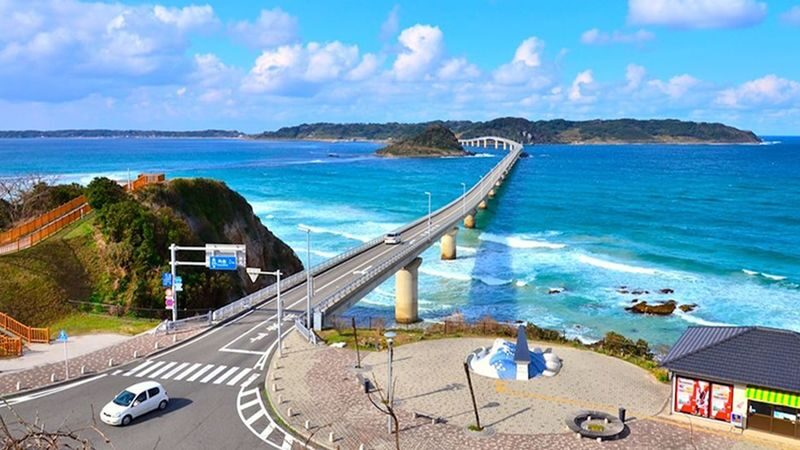
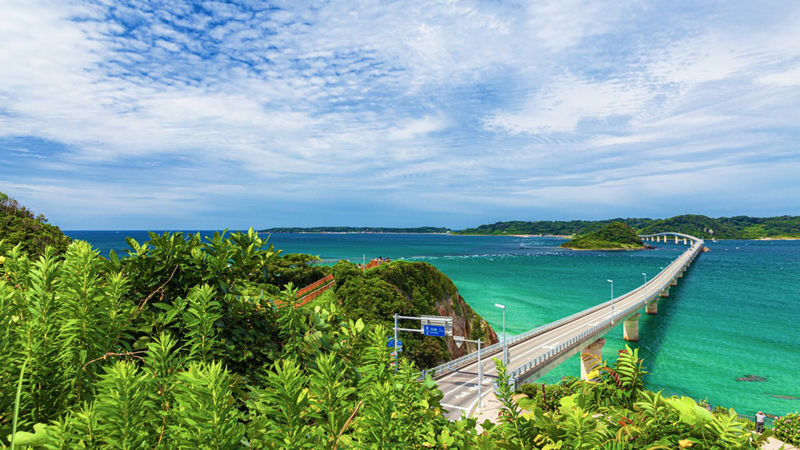
Tsunoshima Bridge is the tour’s big open-air photo stop. The bridge crosses clear coastal water, and on a bright day the views can match the images that draw people here. It is also a hard place to reach conveniently without a car, so having transport arranged is a real advantage.
Weather shapes this stop more than the cave. Clear skies bring out the color of the water and make the bridge easier to appreciate; rain or low cloud can soften the view. A rainy day need not ruin the outing, but if the bridge is your main goal, set your expectations according to the forecast.
The stop is often brief compared with the time spent travelling between places. That is the compromise in a three-stop day: you get a look at each landmark, but you may wish you had longer at the one you like best. If you are choosing between the bridge and more time at Motonosumi, consider which matters more to you before booking.
Guides and transport make the remote route workable
This tour’s strongest practical value is the transport. The cave, shrine and bridge are not clustered together, and arranging all three independently can take time and money. A guided vehicle trip turns a complicated day of connections into one coordinated route.
Guides have included Helen, Mao, Lisa, Nana, Thomas, Ella and others. Names and language options depend on the departure, but recent trips have included guides speaking English, Japanese and Chinese. Korean-speaking guidance was not available on at least one trip, so if you need a particular language, confirm it before booking rather than assuming it will be offered.
The guide’s job is more than announcing the next stop. Good guides have helped people find photo spots, taken pictures, offered food suggestions and explained how to proceed at the cave’s separate entrance and exit. Clear instructions matter when the group has limited time and a fixed meeting point for the return journey.
The vehicle may be a bus or a smaller minibus, depending on the group and departure. Do not assume a full-size coach. The drive through mountain areas and between distant sights is a substantial part of the day, so a calm, safe driver makes a real difference to comfort. Most comments about the driving are positive, though one account describes an unpleasantly fast ride. If you are sensitive to road conditions, keep that possibility in mind.
The tour leaves its meeting point promptly, so arrive early and look carefully for your guide. One person found the gathering area confusing because several groups were assembling at once. Check the meeting instructions in advance and keep the operator’s contact details handy.
Timing, food and small costs to plan for
This is best approached as a full-day outing, not a relaxed half-day excursion. The stops are spread out, and return timing can change with traffic, especially during holidays. One trip returned later than expected after heavier traffic, so avoid booking a tight evening connection or a fixed dinner reservation if you can.
Food arrangements deserve attention. There are shops and food options near Akiyoshido Cave, including ice cream and skewers, and a quick lunch may fit into the stop. One account says the group was expected to eat at a restaurant after leaving the cave. Since arrangements can vary, ask the guide what the meal plan is and whether you will have time to choose your own food.
A small cash reserve is sensible. In addition to the cave entrance fee, you may want money for snacks or souvenirs. One person advised carrying at least ¥5,000 for the cave and optional purchases. That is a practical buffer, not a required tour fee.
If you want to see every stop, follow the guide’s timing instructions closely. If you prefer a slow lunch or a longer cave visit, this may not be the right format. The tour’s value comes from covering distant sights efficiently, and efficiency means giving up some freedom to linger.
Who will get the most from this day trip
I would choose this tour if you want to see several parts of Yamaguchi without renting a car or working out the connections yourself. It is especially useful if Motonosumi Inari Shrine or Tsunoshima Bridge is high on your list, since both are in remote locations. The cave adds a different kind of experience rather than another coastal viewpoint.
Families can find plenty to enjoy, particularly the cave and the snacks near it, but be realistic about the walking and the length of the day. If anyone in your group has trouble walking, ask about the cave route before committing to the full visit. The option to see a shorter section may help, but do not assume it will suit every mobility need.
This is less appealing if you want a leisurely pace, extensive time at one particular stop, or a carefully fixed return time. It is also a weaker choice if you are booking mainly to enter Motonosumi Shrine itself on a date when access may be restricted. The scenery can still be rewarding, but the actual visit may not match your hopes.
Should you book it?
Book this tour if you value access and variety more than total flexibility. For a starting price of $44.20, it can be a good way to reach three far-flung sights in one day, especially when you factor in the hassle of arranging transport yourself. Budget separately for cave admission, bring cash, and prepare for a long ride.
If you want more time at the cave or shrine, or you dislike a tightly timed schedule, look for a slower or more focused option. For most people trying to see Yamaguchi’s cave and coast from Fukuoka in a single day, this trip is a practical choice, provided you go in knowing that the road time is part of the deal.
One-day trip to Fukuoka Akiyoshido Cave and Tsunoshima Bridge
“This one day trip was very much worth it! The itinerary was perfect with enough rest and sightseeing time provided. the tour guide, Helen was super…”
FAQ
How much does the tour cost?
The listed starting price is $44.20. Akiyoshido Cave admission is extra, with reported prices of ¥1,600 or ¥1,900 depending on the ticket or season.
Which places does the tour visit?
The package is named for Akiyoshido Cave and Tsunoshima Bridge. The day’s route also includes Motonosumi Inari Shrine, as described in the tour overview and trip details.
Is the cave ticket included?
No. Trip details say the cave entrance fee is paid separately. Bring cash, as visitors have reported needing it for admission.
What languages do the guides speak?
Guides on recent trips have spoken English, Japanese and Chinese. Korean-speaking guidance was not available on at least one departure, so confirm language arrangements if you need a specific language.
How long should I expect the outing to take?
It is a one-day tour, and the drive between the stops is substantial. Holiday traffic can delay the return, so leave some flexibility in your evening plans.
Can I cancel for a full refund?
You can receive a full refund if you cancel at least 24 hours before the activity date, using destination local time. Late arrivals and no-shows are not eligible. If the operator cancels because of unforeseen events or extreme weather, you can reschedule or request a full refund.