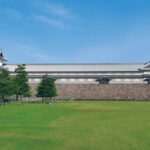
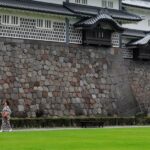
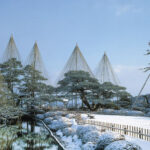
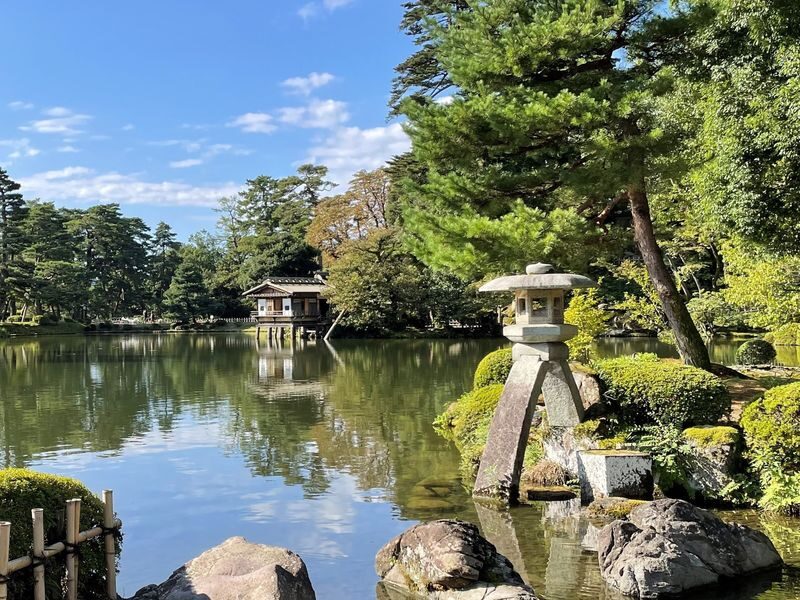
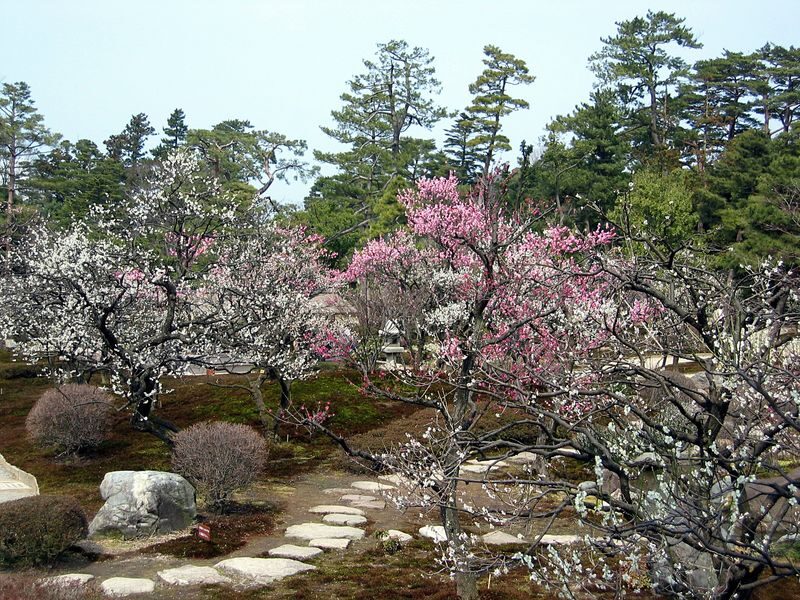
Kenrokuen is the sort of garden that rewards walking slowly. Its ponds, winding water, planted hills, and scattered teahouses were designed to be enjoyed as you move through them, not viewed from a single seat. I like the way the garden’s scale gives you room to wander, and how its seasonal character changes from cherry blossoms to autumn color.
There are two practical catches: the grounds are large enough to take many steps, and buying a voucher does not let you skip the entry line. Admission is inexpensive, but check the free-entry dates before paying, and make sure you can present the mobile voucher clearly.
- What to know before you go
- A garden made for walking, not sitting still
- What your visit looks like
- Ponds, trees, and the pleasure of taking your time
- How much time and energy to allow
- The ticket price, free days, and what you actually get
- Getting to the entrances
- Who will get the most from Kenrokuen
- Should you book the Kenrokuen admission ticket?
- FAQ
- Where is Kenrokuen Garden?
- What does this admission ticket include?
- How do I use the mobile voucher?
- Can I use the ticket on the day I book it?
- How long is the voucher valid?
- Can I skip the entry line with an electronic ticket?
- What are Kenrokuen’s opening hours?
- Is Kenrokuen open all year?
- When is admission free?
- How can I get to Kenrokuen from Kanazawa Station?
- The Best Of Kanazawa!
- More Tickets in Kanazawa
- More Tours in Kanazawa
- More Tour Reviews in Kanazawa
What to know before you go
 1 / 9
 2 / 9
 3 / 9
 4 / 9
 5 / 9
 6 / 9
 7 / 9
 8 / 9
 9 / 9
- The garden is designed for strolling: Curved waterways, ponds, planted hills, and small structures make the route itself part of the experience.
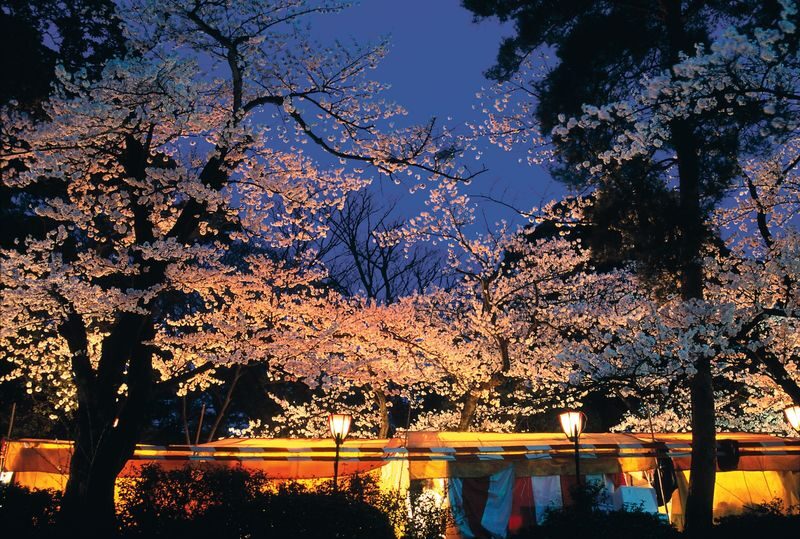
- Each season changes the mood: Cherry blossom and autumn foliage seasons can bring special evening illumination.
- The grounds take time and energy: It is a spacious park, so wear comfortable shoes and allow time to wander rather than rushing through.
- The mobile voucher is valid for 180 days: You can book for the same day, but you still join the regular admission line.
- Some dates are free: Entry is free during several annual holidays and the cherry blossom viewing season.
- There is no on-site parking: Use nearby parking if you arrive by car, or take a bus or taxi from Kanazawa Station.

👉 See our pick of the We Rank The 13 Best Workshops & Classes In Kanazawa
A garden made for walking, not sitting still
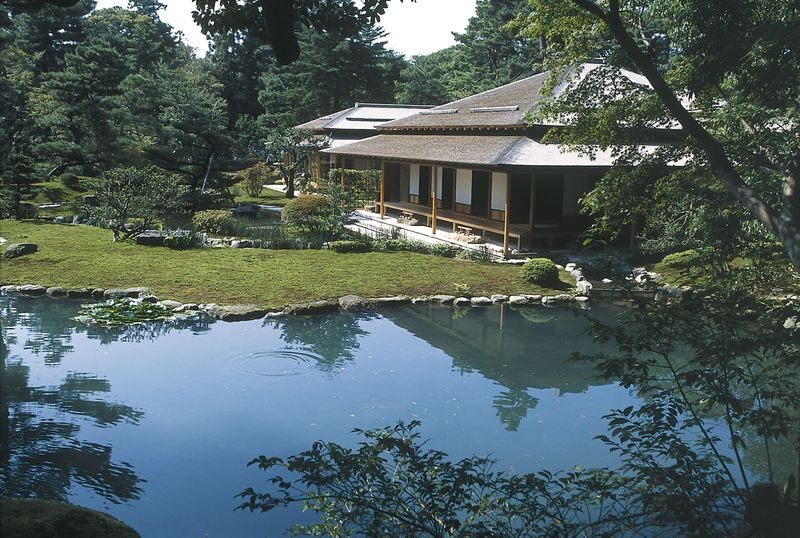
Kenrokuen grew over many years under successive lords of the Kaga domain during the Edo period. Its design combines features associated with meandering-style gardens: instead of taking in the whole scene from a palace room, you follow a route through ponds, water channels, planted slopes, pavilions, and teahouses.
That distinction matters. You do not need to understand formal garden design to enjoy the place, but it helps to know that there is no single viewpoint that tells the whole story. The pleasure comes from the changing views as you move. A bend in a path brings a pond into view; a hill changes your angle; a pavilion gives the eye a place to pause.
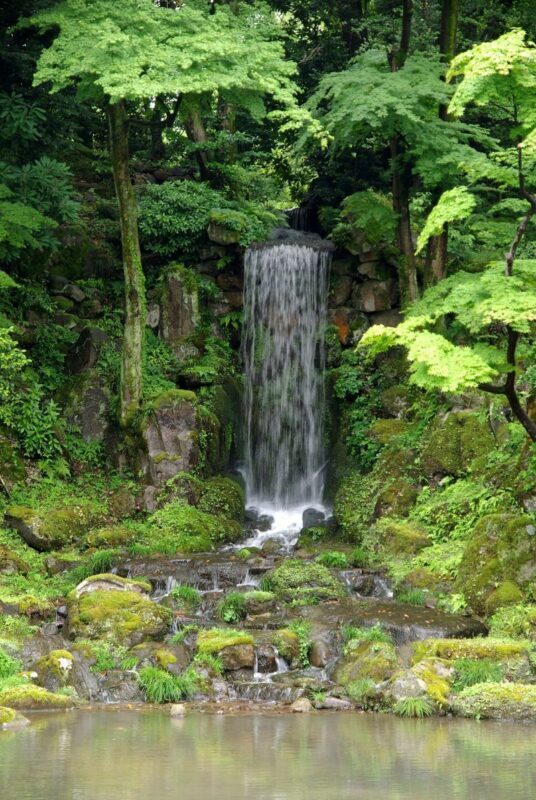
The garden is also known for its artificial hills, forested areas, and springs. Those elements create variety within the grounds, but they also mean that a visit can involve more walking than you might expect from the word garden. If you are short on time, pick a few areas to explore and resist the urge to hurry around the entire park.
You can also read our reviews of more tours and experiences in Kanazawa


What your visit looks like
This is an admission ticket, not a guided tour. You enter Kenrokuen and explore at your own pace, with no guide or scheduled stops included. The experience is simple: arrive, show your mobile voucher, and spend as much of your visit as you like within the opening hours.
At the entrance, be ready to show your voucher on your phone. The ticket information says visitors with electronic tickets join the same line as people buying on the day, and staff may need to confirm the number in your party before entry. So the voucher can make purchase easier, but it is not a fast-track pass.
There has been some confusion over what to show at the entrance. To avoid a needless ticket-counter detour, open the mobile voucher before you reach the gate and check that it displays the ticket or QR code clearly. One visitor had trouble because a reservation code alone was not accepted. If you cannot find a scannable voucher, ask staff for help before assuming the reservation number is enough.
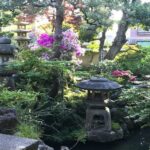
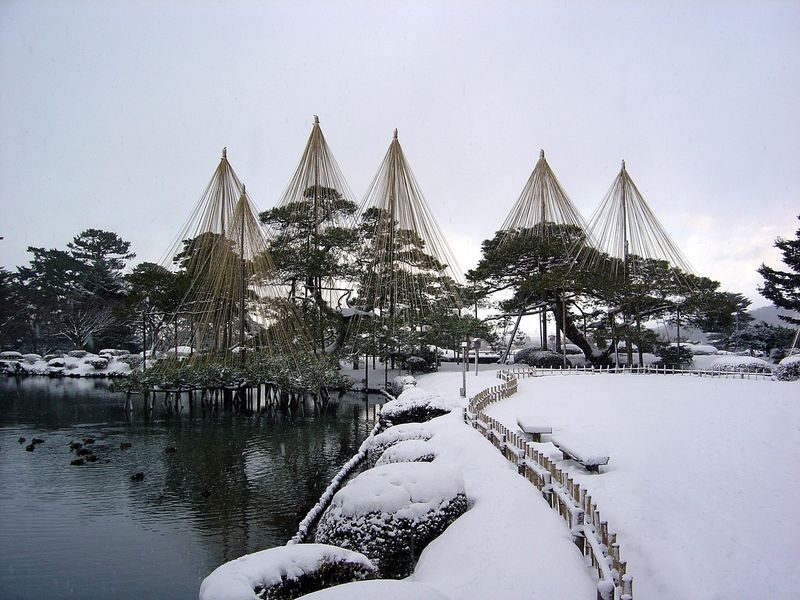
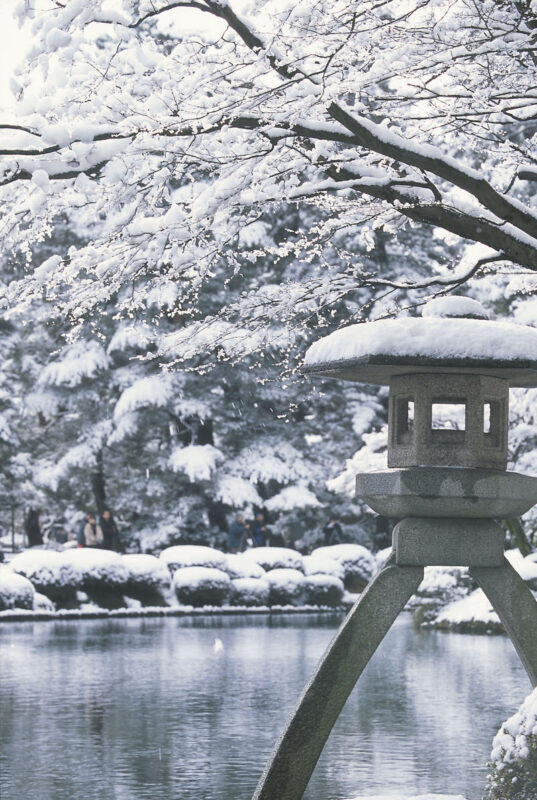
Once inside, you can follow the paths at your own pace. The garden’s ponds and curved watercourses form a natural backbone for a leisurely route, while planted hills and trees provide changing views along the way. Small pavilions can offer a place to pause, and teahouses give you the option of adding a traditional sweet or matcha stop if one is open during your visit. A tea ceremony is a separate activity, not part of this admission ticket.
Ponds, trees, and the pleasure of taking your time
The most rewarding way to visit is to treat Kenrokuen as a sequence of small scenes rather than a checklist. Look across the water, then notice how the paths and trees frame the next view. Pause when a pavilion catches your eye. The garden’s appeal lies as much in its calm pace as in any one famous feature.
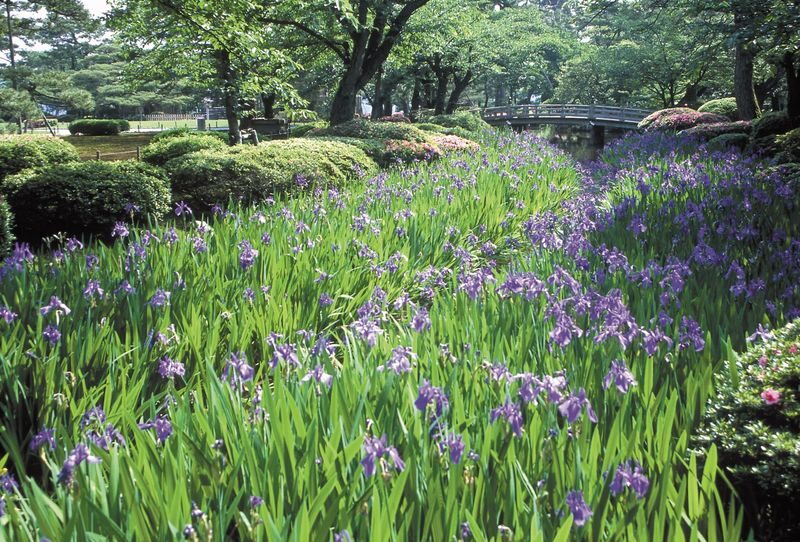
The old trees are a particular draw. Their size and careful upkeep give the grounds a sense of age and quiet. Families can make the walk more engaging by using a map to look for points of interest, rather than asking children to stroll without a goal. The broad grounds give younger visitors space to explore, though the distance can add up.
Weather need not spoil the visit. In rain, the pavilions offer places to shelter for a while, and wet paths and foliage can give the garden a different look. In summer, though, the heat is worth planning around. August can be hot, so bring water, take breaks, and consider a separate tea ceremony or tea-house visit as a pause from the sun if available.
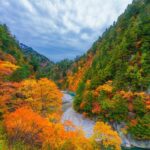
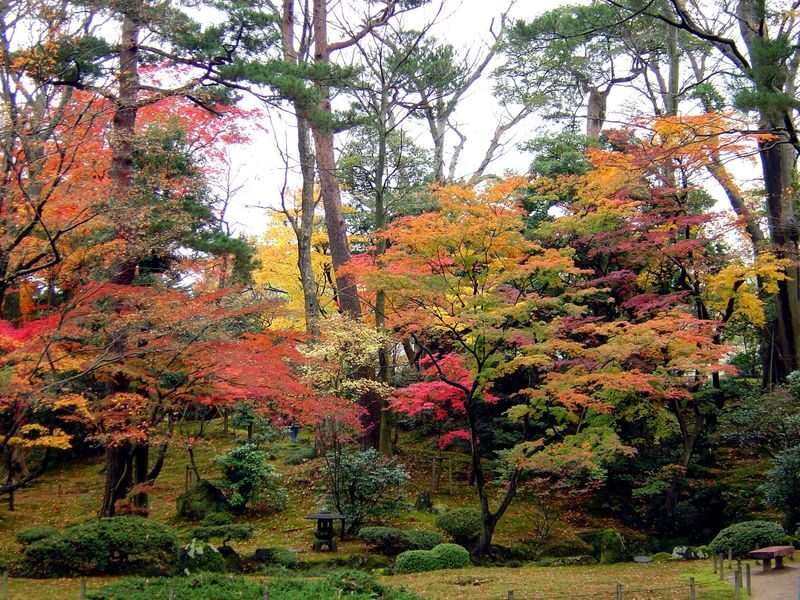
Kenrokuen’s seasons are a major part of its appeal. Cherry blossoms arrive around late March to early April, while autumn color is a highlight later in the year. During cherry blossom and autumn foliage seasons, the garden may open at night for illumination. Those special hours are not guaranteed every evening, so check the garden’s current announcements before planning around a night visit.
How much time and energy to allow
No visit duration is specified, and your pace will depend on how much of the garden you want to see. What is clear is that this is a large park, not a quick photo stop. If you like to pause, take pictures, or sit for tea, allow a generous window. If you are pairing it with Kanazawa Castle Park or a museum nearby, plan your day so the garden does not become a rushed stop between bigger attractions.
Wear comfortable shoes. The paths connect different parts of the grounds, and a full wander means plenty of steps. The ticket information does not describe a route length or accessibility conditions, so if you need specific details about surfaces, stairs, or mobility access, check with the garden before visiting.
The park is generally open year-round, but it may close in unsafe conditions, including typhoons, or due to other circumstances. Check for current notices if the weather is severe or your visit depends on a particular opening time.
The ticket price, free days, and what you actually get
Admission starts at $2.05, making this a low-cost way to spend time outdoors in central Kanazawa. The ticket covers admission to the attraction only. Personal expenses, transport, tea, and any separate ceremony are not included.
The main value is convenience: you can book for the same day, receive instant confirmation, and use the voucher within 180 days of confirmation. That flexibility can help if you are arranging your Kanazawa plans in advance. But since electronic-ticket holders still join the regular line, buying ahead does not necessarily save time at the gate.
Before you pay, check whether your date is free. Admission is free during the Hyakumangoku Festival in early June, Obon from August 14 to 16, Culture Day on November 3, the New Year holiday period from December 31 to January 3, and cherry blossom viewing season from late March to early April. Exact event arrangements can change, so confirm current details with the garden.
Admission exemptions also apply to people aged 65 or older who can show public identification proving their age, people with a disability and one accompanying person who present the relevant documentation, and residents of elderly care facilities with documentation. If you qualify, check the garden’s current entry procedure before purchasing a paid voucher.
If you plan to visit another attraction as well, ask at the counter whether a combination ticket suits your plans. A discounted combination option has been noted for people visiting Kenrokuen and another attraction, but the exact attractions and terms are not specified here. Check the current offer rather than assuming it covers a particular site.


Getting to the entrances
Kenrokuen sits in central Kanazawa, close to Kanazawa Castle Park and museums. The garden’s address is given as 1 Kenrokucho, Kanazawa, Ishikawa 920-0936. The ticket meeting-point information also gives 3 Kenroku Motomachi, so use the entrance details on your voucher or a current map when choosing where to go.
From Kanazawa Station, one route bus option takes about 12 minutes to Kenrokuen Shita/Kanazawa Castle, followed by a five-minute walk toward Kanazawa Castle Park’s Ishikawa Gate. Another route takes about 10 minutes to Hirosaka/21st Century Museum of Contemporary Art, followed by a five-minute walk toward the Gyokusenin Maru Exit area. A third route takes about 15 minutes to Dewamachi, then a five-minute walk to the Kodatsuno entrance.
A taxi from Kanazawa Station takes about 10 minutes. By car, the listed drive times are about 30 minutes from Kanazawa Nishi or Kanazawa Higashi interchanges and about 20 minutes from Kanazawa Morimoto. There is no parking lot on site, so you will need to use nearby parking.
Who will get the most from Kenrokuen
I would recommend Kenrokuen to anyone who enjoys gardens, quiet walks, or a break from city streets. It also works well for families: children can use a map to search for points of interest, and the spacious grounds offer plenty to look at beyond flowers alone. Just be realistic about the distance if little legs tire quickly.
Photographers and repeat visitors may especially appreciate the seasonal shifts. The garden’s mood changes with blossoms, foliage, rain, and the light at different times of day. If you are visiting in summer, factor in the heat; if you are coming for blossoms or autumn color, check the special opening announcements rather than assuming evening hours are available.
If you prefer a tightly guided visit with historical explanations at each stop, this ticket will not provide that. It is straightforward admission, and you supply the route and context yourself. A map can help you make sense of the grounds, and nearby attractions make it easy to build a fuller day, but the garden is best approached with enough time to wander.
Should you book the Kenrokuen admission ticket?
Book it if you want a simple, low-cost way to visit one of Kanazawa’s signature gardens, and the date you choose is not a free-entry day. The 180-day validity and same-day booking are useful, but the voucher does not bypass the entry line, so the main reason to buy ahead is having admission arranged before you arrive.
Skip the paid voucher if you qualify for free admission or are visiting on one of the garden’s free-entry dates. Either way, bring the right mobile voucher, wear comfortable shoes, check seasonal opening notices, and leave enough time to enjoy the garden at walking speed.
Kenrokuen Garden Admission Ticket
“These are the most beautiful and serene gardens. During Autumn it is stunning!!”
FAQ
Where is Kenrokuen Garden?
Kenrokuen Garden is in Kanazawa, Ishikawa Prefecture, Japan. The garden address is 1 Kenrokucho, Kanazawa, Ishikawa 920-0936.
What does this admission ticket include?
It includes admission to Kenrokuen Garden. Personal expenses, transport, tea, and other activities are not included.
How do I use the mobile voucher?
Present your mobile voucher at the entrance. Have the ticket or QR code ready to show staff.
Can I use the ticket on the day I book it?
Yes. Same-day booking is available, and confirmation is instant.
How long is the voucher valid?
The voucher is valid for 180 days from the booking confirmation date. It expires at 23:59 on the final day of that period.
Can I skip the entry line with an electronic ticket?
No. Electronic-ticket holders join the same line as people buying tickets on the day. Staff may confirm the number of people in your party before entry.
What are Kenrokuen’s opening hours?
From March 1 to October 15, the garden is open from 7:00 to 18:00, with last entry at 17:30. From October 16 to the end of February, it is open from 8:00 to 17:00, with last entry at 16:30.
Is Kenrokuen open all year?
It is generally open year-round. It may close during typhoons or other conditions that make it difficult to ensure visitor safety, or because of other circumstances.
When is admission free?
Admission is free during the Hyakumangoku Festival in early June, Obon from August 14 to 16, Culture Day on November 3, the New Year period from December 31 to January 3, and cherry blossom viewing season from late March to early April. Check current notices for details.
How can I get to Kenrokuen from Kanazawa Station?
You can take a route bus, with listed journeys ranging from about 10 to 15 minutes before a five-minute walk, or take a taxi, which takes about 10 minutes. There is no parking lot at the garden.