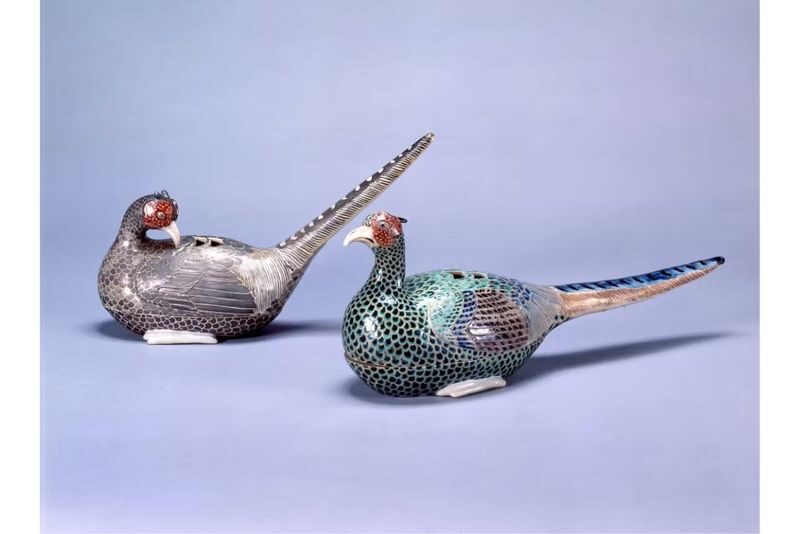
At this museum, the story of Ishikawa comes through objects made to be used, admired and passed down. You can see Kutani ceramics, works connected to the Maeda family of the Kaga domain, and the national treasure Iroe Kijikoro by Ninsei Nonomura. It is a worthwhile stop if you want art rooted in the place you are visiting.
I like the mix of regional art and craft, from Japanese and Western paintings to sculpture and traditional work by Ishikawa artists. I also like that the visit can end with a local-ingredient pastry at the entrance-hall cafe, produced by Nanao-born pastry chef Hirohiro Tsujiguchi.
The main consideration is easy to miss: this is not Kanazawa’s 21st Century Museum of Contemporary Art. The two museums offer different kinds of art, and this one is more focused on Ishikawa’s artistic traditions and collections. Check the closure dates before buying, since the ticket cannot be refunded and the museum closes for exhibition changes.
- What to know before you go
- A museum grounded in Ishikawa
- Start with the collection, not the contemporary-art museum
- What the collection brings together
- Give the crafts a closer look
- Plan a relaxed visit around the galleries
- The cafe adds a local finish
- Is the ticket good value?
- Getting there and choosing the right day
- Who should make time for this museum?
- FAQ
- Where is Ishikawa Prefectural Museum of Art?
- How do I get there from Kanazawa Station?
- What are the museum’s opening hours?
- What does the collection ticket include?
- Is admission free for children?
- When is the museum closed?
- The Best Of Kanazawa!
- More Tickets in Kanazawa
- More Tours in Kanazawa
- More Tour Reviews in Kanazawa
What to know before you go
 1 / 5
 2 / 5
 3 / 5
 4 / 5
 5 / 5
- Look for the Ninsei Nonomura national treasure: Iroe Kijikoro is a key reason to visit, though displays can change.
- Expect a regional collection: The museum covers Japanese and Western paintings, sculpture, crafts, old Kutani and Maeda family treasures.
- Take time with the craftwork: Kaga maki-e tools and works by Living National Treasure craftspeople show the fine detail behind local traditions.
- Keep the nearby contemporary museum separate in your plans: The 21st Century Museum of Contemporary Art is a different institution with a different focus.
- Allow for a cafe stop: The entrance-hall cafe serves sweets made with local ingredients.
- Check dates and ticket eligibility: Exhibition-change closures and certain admission discounts affect when and how you should buy.

👉 See our pick of the We Rank The 13 Best Workshops & Classes In Kanazawa
A museum grounded in Ishikawa
Kanazawa is well known for its gardens and historic districts, but its artistic identity goes beyond architecture and scenery. Ishikawa Prefectural Museum of Art gives you a place to see that identity in paintings, ceramics, sculpture and decorative crafts. Rather than treating the region as a backdrop, the collection puts local makers and their work at the center.
That focus matters if you are trying to understand what makes Kanazawa distinctive. The museum includes objects associated with the Maeda family, who ruled the Kaga domain, alongside works by artists from Ishikawa Prefecture. The result is a visit that connects fine art with the region’s long-running craft traditions.
The collection is broad, but it is not a catch-all survey of Japanese art. Its strongest appeal is local: old Kutani, Kaga maki-e, regional artists and works that have particular meaning in Ishikawa. If you want a museum that explains the area through its own artistic heritage, this is a good fit.
You can also read our reviews of more tours and experiences in Kanazawa

Start with the collection, not the contemporary-art museum
Before setting out, make sure you have the right museum in mind. Ishikawa Prefectural Museum of Art is not the 21st Century Museum of Contemporary Art, a distinction worth knowing when you plan your Kanazawa day. One is centered on regional art and craft traditions; the other is a separate contemporary-art institution.
That difference is not a reason to choose one and skip the other. If you have time, they can make complementary stops because they offer different ways to think about art. If you only have time for one, choose based on your interests: this museum is the more direct choice for local paintings, historic objects and traditional craftsmanship.
The distinction also helps set expectations. Do not arrive expecting a contemporary-art experience simply because you are visiting a major art museum in Kanazawa. Come ready to look closely at objects, materials and the relationship between the works and Ishikawa.
What the collection brings together
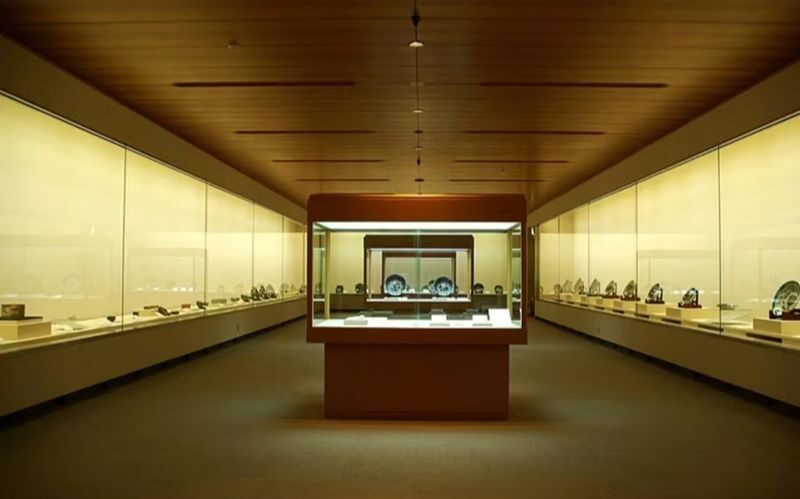
The collection includes Japanese paintings and Western paintings, sculpture, crafts and works by artists from Ishikawa Prefecture. The range gives you more than one way into the museum. You might begin with a painting, then find yourself paying closer attention to the technical skill in a crafted object.
Old Kutani is one of the regionally distinctive threads. The museum also displays treasures handed down by the Maeda family, linking the collection to the history of the Kaga domain. These objects help make the museum feel specific to Kanazawa, rather than like a general art collection that could be anywhere.
The national treasure Iroe Kijikoro, made by Ninsei Nonomura, is the headline work to seek out. Its status makes it a natural anchor for a visit, but the experience is not limited to one famous object. The surrounding works give you a broader sense of the range and care found in Ishikawa’s art and craft.
Displays can change, so it is sensible not to assume every named work will be on view on a particular day. If one object is the main reason for your visit, check the museum’s current information before you go.
Give the crafts a closer look
Some of the most rewarding moments may come from slowing down in front of the craftwork. Kaga maki-e tools and traditional crafts made by people designated as Living National Treasures show the level of precision associated with local artisans. These are objects to inspect patiently, not just pass on the way to a famous painting.
The mention of tools is especially useful: craft is not only about finished decorative pieces. Tools and techniques can hint at the labor and control behind the final result. You do not need specialist knowledge to appreciate the finish, pattern or evident care, but a little extra attention can make the display more engaging.
This is also where the museum can feel different from a broad art museum. The works are tied to local practice and makers, giving you a closer look at how regional craft traditions are valued and preserved. If you tend to focus on paintings, make a point of spending time with the crafts too.
Plan a relaxed visit around the galleries
There is no guided tour or set itinerary described for this ticket. Think of it as admission for an independent museum visit: you can take the collection at your own pace, following the displays that catch your eye. The order of galleries and what is on view may vary, so it is better to treat the themes as a guide than as a fixed route.
A practical approach is to first look for the collection information and identify whether the works you most want to see are currently displayed. Then give yourself room to move between regional paintings, sculpture and craft. If you are pressed for time, prioritize Iroe Kijikoro, the Maeda family treasures and the craft displays that interest you most.
No visit duration is specified, so I would not build a tight schedule around a precise number of minutes. Your pace will depend on how closely you look and whether you stop at the cafe. The museum works well as a focused cultural stop, but it can also take longer if you enjoy examining details in ceramics and decorative arts.
You can also read our reviews of more museum experiences in Kanazawa
The cafe adds a local finish
The entrance hall has a cafe produced by pastry chef Hirohiro Tsujiguchi, who is from Nanao City in Ishikawa. It serves sweets made with plenty of local ingredients, giving you a simple way to carry the regional theme from the galleries to your break.
This is a useful detail if you want a pause without leaving the museum setting. The cafe is not a substitute for a meal plan, since no menu or dining details are provided, but it offers a pleasant option for a sweet stop before or after the collection.
I like the idea of ending with something made from local ingredients after seeing the region’s art and craft. It gives the visit a practical, enjoyable full stop, especially if you are already spending time in the museum area.
Is the ticket good value?
The collection ticket starts at $2.35, a low entry price for a museum with paintings, sculpture, regional crafts and significant objects such as the Ninsei Nonomura national treasure. If local art and craft interest you, that price makes it an easy addition to a Kanazawa day, rather than a major budget decision.
Still, check what kind of admission you are buying. The package described is a collection exhibition ticket. Special and planned exhibitions may have additional fees, although a ticket for certain museum-sponsored special exhibitions also includes access to the collection exhibition. The exact arrangement depends on the exhibition and ticket purchased, so check before assuming the collection ticket covers every show.
Admission is free for high school students and younger, as well as for people with specified disability documentation and one accompanying person. No application is required for those free admissions. Electronic tickets cannot be used by visitors aged 65 or older, groups of 20 or more, people using reciprocal discounts at the Bunka no Mori around Kenrokuen Garden, or people eligible for other discounts. In those cases, buy at the counter on the day of your visit.
The ticket has a long validity window of 180 days from booking confirmation, but it is not refundable and is invalid on listed closure dates. That flexibility is useful only if your intended visit falls on an open day. Check the dates carefully before purchase.
Getting there and choosing the right day
The museum is at 2-1 Dewamachi, Kanazawa, Ishikawa 920-0963. From the Kenrokuen Exit, also called the East Exit, of JR Kanazawa Station, take a route bus to either Dewamachi or the 21st Century Museum of Contemporary Art stop at Hirosaka. From either stop, the walk is about five minutes.
If you are driving, the stated travel time is 20 to 30 minutes from the Kanazawa Nishi or Kanazawa Morimoto interchanges on the Hokuriku Expressway. A free parking lot is available for museum visitors. The bus is a practical option if you are already moving around central Kanazawa, while the parking information may help if you are touring farther afield by car.
The listed regular hours are 9:30 a.m. to 6 p.m., Monday through Sunday, with closures for exhibition changes and the year-end and New Year period. The information also gives a last-entry time of 6:30 p.m., which conflicts with the stated 6 p.m. closing time. Do not plan to arrive near closing based on that later time; confirm the museum’s current hours before you travel.
Scheduled closures include April 14 to 18, June 2 to 5 and June 22 to 26, August 4 to 7, September 14 to 18, October 26 to 29, and December 8 to 11 in 2026. The museum is also listed as closed from December 29, 2026, through January 3, 2027, and from January 25 to February 10 and March 25 to 29, 2027. Dates can be easy to overlook when planning a multi-stop trip, so check your day against the calendar before booking.
Who should make time for this museum?
I would put this museum high on the list if you want to understand Kanazawa through its art and craftsmanship. It suits visitors who enjoy ceramics, regional collections, traditional techniques and the story of local artists. It is also a sensible stop for anyone who wants a quieter, more focused contrast to a contemporary-art visit.
It may be less compelling if your main interest is only modern installation art or if you are rushing through Kanazawa without time for a museum. The collection’s local focus is its strength, but it also means the experience is best for someone curious about Ishikawa rather than someone expecting a broad survey of every period and style.
My recommendation: book if you want a compact, affordable look at Ishikawa’s artistic character, and make sure you have the correct museum in your itinerary. If you are comparing it with the 21st Century Museum of Contemporary Art, think of them as different stops, not interchangeable names. Check current displays, closures and discount eligibility first, then give the craftwork enough time to reward a closer look.
Ishikawa Prefectural Museum of Art Admission Ticket
FAQ
Where is Ishikawa Prefectural Museum of Art?
It is at 2-1 Dewamachi, Kanazawa, Ishikawa 920-0963, Japan.
How do I get there from Kanazawa Station?
From the Kenrokuen Exit, or East Exit, bus terminal, take a route bus to Dewamachi or Hirosaka, near the 21st Century Museum of Contemporary Art. Walk about five minutes from either stop.
What are the museum’s opening hours?
The listed hours are 9:30 a.m. to 6 p.m., Monday through Sunday. The information also lists last entry at 6:30 p.m., so confirm the current hours before visiting.
What does the collection ticket include?
The collection exhibition ticket includes admission to the collection exhibition. Special or planned exhibitions may require an additional fee, though certain special-exhibition tickets include collection access.
Is admission free for children?
Yes. Admission is free for high school students and younger. No application is required for these free admissions.
When is the museum closed?
It closes during exhibition-change periods and for the year-end and New Year holidays. The closure dates vary, so check the dates for your planned visit before booking.