Ishikawa’s story begins long before Kanazawa became a castle town. At the Ishikawa Prefectural Museum of History, you can follow the region’s past from the Jomon people through later eras, inside a former military armory with a character all its own.
I like two things here: the distinctive red-brick building, which gives the visit a strong sense of place, and the mix of actual objects, models, dioramas, and video that helps put the exhibits in context. The museum is also just a short walk from Kenrokuen, so it fits neatly into a day around the garden.
One thing to weigh: this is a permanent-exhibition ticket, not a guided tour, and special exhibitions cost extra. The museum is compact, which suits a focused visit but may leave you wanting more if you expect a large, full-day museum.
- Key points before you go
- Start with the building, not just the exhibits
- Follow Ishikawa’s story from the Jomon period onward
- Expect a focused museum visit, not an all-day marathon
- Pair it with Kenrokuen and nearby sights
- Is the low admission price good value?
- Check opening hours and closure dates
- Who should make time for this museum?
- Should you book the Ishikawa Prefectural Museum of History?
- FAQ
- Where is the Ishikawa Prefectural Museum of History?
- What are the museum’s opening hours?
- What does the permanent-exhibition ticket include?
- How do I get to the museum from Kanazawa Station?
- Who can enter free of charge?
- Can I use an electronic ticket if I qualify for an admission discount?
- The Best Of Kanazawa!
- More Tickets in Kanazawa
- More Tours in Kanazawa
- More Tour Reviews in Kanazawa
Key points before you go
 1 / 5
 2 / 5
 3 / 5
 4 / 5
 5 / 5
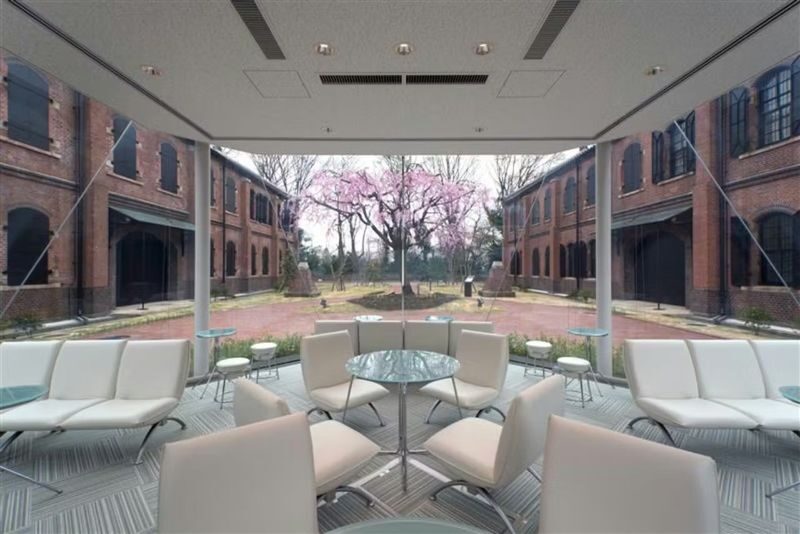
- A historic building with a second life: The red-brick structure once served as an Army Armory and later as Kanazawa College of Art. It became an Important Cultural Property in 1990.
- A long regional timeline: The permanent displays cover Ishikawa from ancient times to the modern period, beginning with the Jomon people.
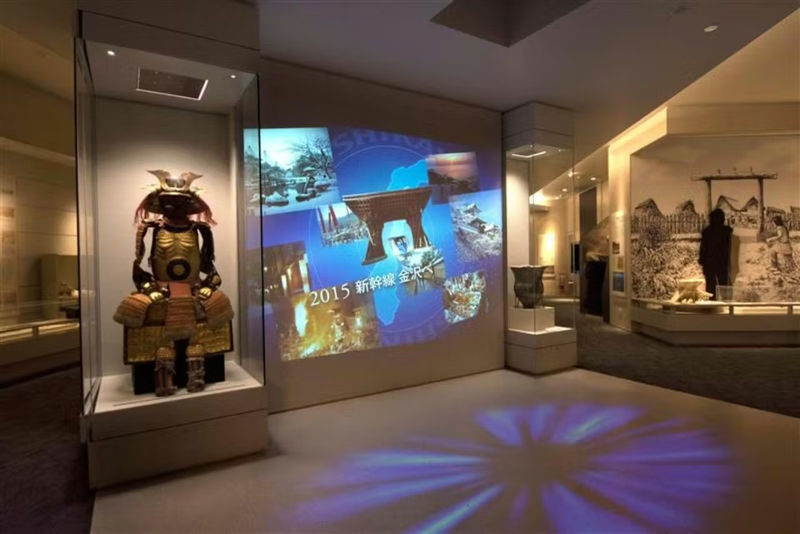
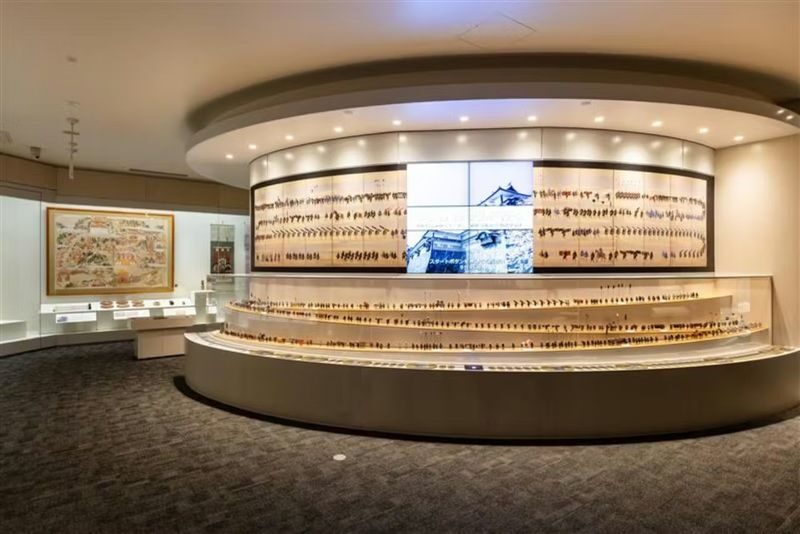
- More than objects in cases: Actual materials are paired with dioramas, models, and video explanations.
- An easy Kenrokuen pairing: The museum is about a three-minute walk from the garden’s Zuishin-zaka entrance.
- A low starting price, with a catch: Admission starts at $1.89, but special-exhibition admission is not included.
- Useful ticket rules: The mobile voucher is valid for 180 days after booking confirmation, but the ticket cannot be refunded or cancelled.

👉 See our pick of the We Rank The 13 Best Workshops & Classes In Kanazawa
Start with the building, not just the exhibits
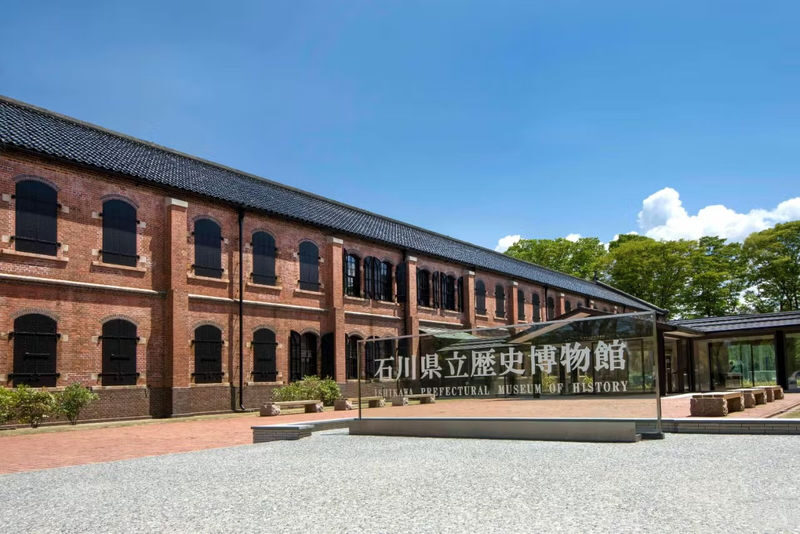
The museum is in Hondanomori Park, near Kenrokuen, in a restored red-brick building that has served several purposes over its lifetime. It was first used as the former Army Armory, then as Kanazawa College of Art. Its designation as an Important Cultural Property in 1990 marks the building itself as part of the visit, not merely a container for the exhibits.
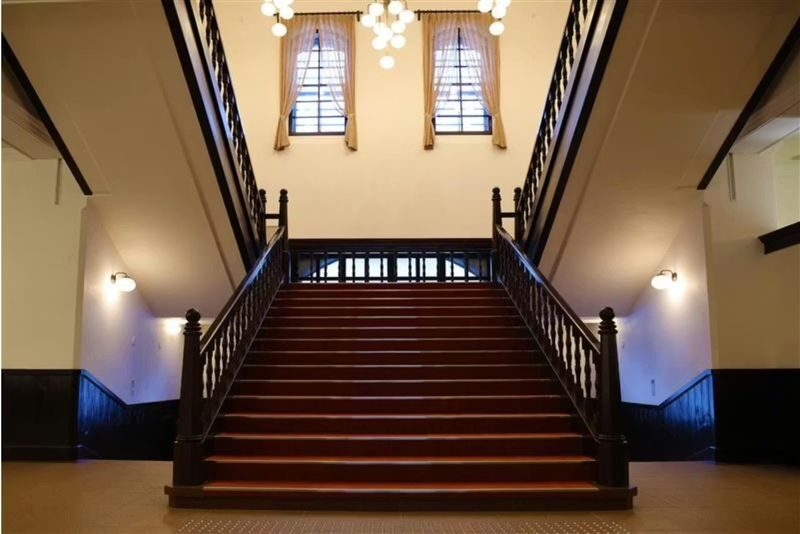
I’d take a moment to look at the architecture before heading inside. The contrast between the solid brick exterior and the museum’s displays makes the place feel connected to the area’s layered past. You are not entering a purpose-built modern gallery; you are visiting a historic structure that has been adapted for public use.
That setting also helps make this museum a good fit for a Kanazawa day built around walking. Kenrokuen is close, and the museum offers a quieter, more focused counterpoint to time outdoors. If you are already exploring Hondanomori Park, it can be a natural next stop rather than a separate expedition.
You can also read our reviews of more tours and experiences in Kanazawa

Follow Ishikawa’s story from the Jomon period onward
The permanent exhibition presents the history and culture of Ishikawa from ancient times to modern times. A visitor review describes the scope as roughly 1,500 years, starting with the Jomon people. That long view is useful if your understanding of Kanazawa begins and ends with its better-known historic sights.
Ishikawa’s story is not only the story of one city. The museum’s regional focus gives you a chance to see how the area’s past developed across different periods. You can use the displays to build a broader sense of the place you are visiting, then carry that context with you to Kenrokuen or other Kanazawa sights.
The exhibition uses actual materials alongside explanatory video, dioramas, and models. That variety matters: objects can be fascinating but hard to interpret without context, while a model or screen can help you see how a piece fits into a wider story. The mix also gives you more than one way to engage with the material.
The available information does not spell out every gallery or the precise order of the exhibits, so I would not plan around a rigid sequence. Give yourself room to follow the parts that interest you. If you have limited time, choose a few displays that catch your eye rather than trying to read every label at equal length.
Expect a focused museum visit, not an all-day marathon
The museum is described as not large, which is worth keeping in mind when you plan your day. That can be a plus if you want a manageable introduction to Ishikawa’s past without losing half a day indoors. It also means this is not the place to choose if your main goal is a vast collection or a long list of galleries.
I would allow enough time to read, watch, and pause at the displays that interest you, then judge the visit by how much context you gained rather than by the number of rooms you covered. The screens and models make the exhibits varied, but the museum’s compact scale keeps the outing contained.
There is no named guide or guided tour included in the admission details. Think of this as a self-directed museum visit: you decide how quickly to move and which parts deserve more attention. That freedom suits independent visitors, though anyone who wants a guide to explain the displays should check separately for available interpretation before arriving.
Pair it with Kenrokuen and nearby sights
The museum’s location is one of its clearest advantages. From Kenrokuen’s Zuishin-zaka entrance, it is about a three-minute walk. That makes the museum easy to add before or after a garden visit, without needing to arrange another long trip across town.
You can also reach it from the Dewacho bus stop, then walk about five minutes. Another route is to take a bus from JR Kanazawa Station to the Hirosaka 21st Century Museum of Contemporary Art stop and walk about eight minutes. From Korinbo, the walk is about 15 minutes, while a taxi ride from JR Kanazawa Station takes roughly 10 to 15 minutes.
For a simple day plan, combine the museum with Kenrokuen and other nearby sights rather than treating it as a standalone destination. The museum gives you historical context; the garden offers a very different pace and setting. Since the museum closes at 5 p.m. and last entry is at 4:30 p.m., leave enough room for both stops before the end of the day.
Is the low admission price good value?
The listed price starts at $1.89 for the permanent-exhibition ticket. At that level, the museum can be an economical way to add a substantial piece of regional history to your Kanazawa itinerary, especially if you are already nearby. Its strongest value is not sheer size but the combination of an unusual historic building, a broad time span, and exhibits presented in several formats.
Keep the ticket type in mind when comparing costs. The permanent exhibition is included, but special-exhibition admission is not. If a special exhibition interests you, expect to pay an additional fee. A ticket to a special exhibition also includes access to the permanent exhibition, so check the museum’s current admission details before choosing which option suits your plans.
Some visitors qualify for free admission: high school students and younger, and people presenting a disability certificate or Mirairo ID, along with one accompanying person. Electronic tickets cannot be used by people eligible for certain discounts, including those over 65. If a discount applies to you, buy at the counter on the day of your visit and check the museum’s official details for the full list of reduced rates.
The ticket is non-refundable and cannot be cancelled. It is valid for 180 days from booking confirmation and expires at 4:30 p.m. on the final day of validity. That window offers time to fit the museum into a future visit, but the no-refund rule makes it sensible to check your dates and eligibility before paying.
You can also read our reviews of more historical tours in Kanazawa


Check opening hours and closure dates
The museum is open daily from 9 a.m. to 5 p.m., with last entry at 4:30 p.m. Plan to arrive well before closing if you want time to see the exhibits at an unhurried pace. The listed closing schedule includes dates on which the museum is closed for several days, so confirm the current calendar before you set out.
The provided closure dates are April 22 to 24, June 8 and 9, July 22 to 24, August 31, September 1 and 16 to 18, November 9 and 10, and December 29 to 31. January 1 to 3 and March 23 and 24 are also listed, while no closures are listed for May, October, or February. Because schedules can change, verify the date for your visit directly with the museum.
To enter, present your mobile voucher. The address is 3-1 Dewamachi, Kanazawa, Ishikawa 920-0963. It is also written in Japanese as 〒920-0963 石川県金沢市出羽町3-1, which can be useful when checking directions locally.
Who should make time for this museum?
I’d recommend the museum if you want to understand more of Ishikawa’s past while spending time near Kenrokuen. It is especially well suited to visitors who like historic architecture, want a regional perspective beyond the city’s best-known sights, or prefer a shorter indoor stop that can fit around a garden visit.
Families may appreciate that admission is free for high school students and younger, though the right visit length will depend on how much time your group wants to spend with the displays. The models, dioramas, and video explanations give the exhibition more variety than a series of objects alone. Still, the museum is compact, so I would treat it as one part of a day rather than the day’s only major attraction.
If you are focused on special exhibitions, check what is showing and what the additional fee is before you decide. And if you qualify for a discount, skip the electronic ticket and buy at the counter. Those details can change the value of pre-booking.
Should you book the Ishikawa Prefectural Museum of History?
Book it if you want a modestly priced, conveniently located introduction to Ishikawa’s history in a memorable red-brick building. The combination of regional exhibits and proximity to Kenrokuen makes it easy to add to a Kanazawa itinerary, and the starting price is low for a dedicated cultural stop.
Skip it if you are looking for a guided experience, a large museum with hours of galleries, or a ticket that includes special exhibitions. For most people with an interest in the region’s past, though, this is a practical stop that adds context to the rest of Kanazawa without demanding a full day.
Ishikawa Prefectural Museum of History Admission Ticket
“Though not large, the architecture is distinctive, making it ideal for visitors who want to delve into Ishikawa Prefecture's 1,500-year history, st…”
FAQ
Where is the Ishikawa Prefectural Museum of History?
It is at 3-1 Dewamachi, Kanazawa, Ishikawa 920-0963, Japan, in Hondanomori Park.
What are the museum’s opening hours?
It is open every day from 9 a.m. to 5 p.m. The last entrance is at 4:30 p.m.
What does the permanent-exhibition ticket include?
It includes admission to the permanent exhibition. Special-exhibition admission and personal expenses are not included.
How do I get to the museum from Kanazawa Station?
You can take a bus from the Kenrokuen Exit, also called the East Exit, to Dewacho and walk about five minutes. A taxi ride from the station takes about 10 to 15 minutes.
Who can enter free of charge?
High school students and younger enter free. People with a disability certificate or Mirairo ID, plus one accompanying person, also enter free.
Can I use an electronic ticket if I qualify for an admission discount?
No. Electronic tickets cannot be used by people eligible for certain discounts, including people over 65. Buy at the counter on the day of your visit and check the museum’s website for discount details.