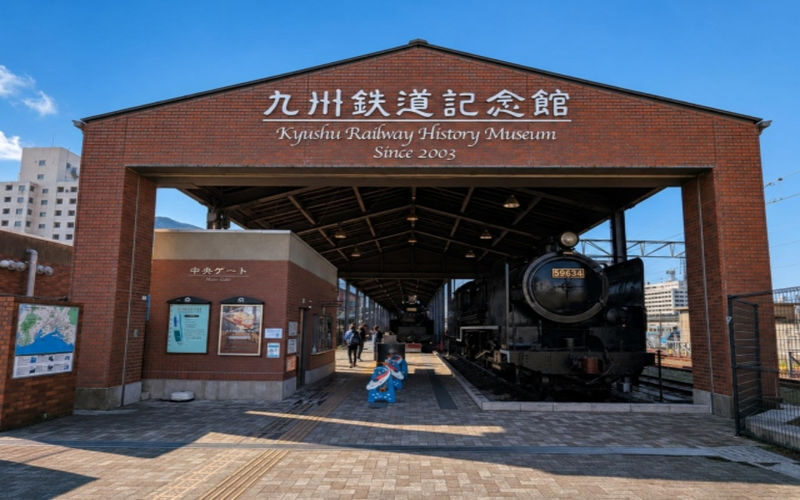
Mojiko’s red-brick former railway headquarters now houses a museum where you can walk through a Meiji-era wooden passenger car, inspect steam locomotives, and see how rail travel changed across Kyushu. It’s a compact way to add a distinctive local story to a visit to Kitakyushu.
I like the mix of real railway history and hands-on fun: the old passenger car and outdoor locomotives give the past some substance, while the model railway and simulator offer a change of pace. I also like that the museum is within walking distance of JR Mojiko Station, so it fits neatly into a day in the Mojiko Retro area.
One thing to plan for: the mini-train ride and some other experiences cost extra, and outdoor rides may stop in rain or strong winds. The admission ticket gets you through the door, but it does not cover every activity.
- Key points before you go
- Inside Mojiko’s former railway headquarters
- The wooden carriage makes history feel close
- Outdoor locomotives and the hardware of rail travel
- The model railway and simulator add a driver’s view
- Mini-train park: a small ride with a real operating feel
- How much time to allow, and what the ticket covers
- Getting there and making it part of a Mojiko day
- Who will get the most from this museum?
- Should you book the Kyushu Railway Memorial Museum?
- FAQ
- Where is the Kyushu Railway Memorial Museum?
- How do I get to the museum?
- What are the opening hours?
- What does the admission ticket include?
- Is the mini-train ride included?
- Can visitors operate the mini-trains?
- Can the mini-train rides be suspended?
- What ages need a child ticket?
- How do I use the mobile voucher?
- How long is the voucher valid?
- The Best Of Kitakyushu!
- More Museum Experiences in Kitakyushu
- More Tours in Kitakyushu
- More Tour Reviews in Kitakyushu
Key points before you go
 1 / 6
 2 / 6
 3 / 6
 4 / 6
 5 / 6
 6 / 6
- A Meiji-era headquarters: The red-brick main building once served as the headquarters of the Kyushu Railway Company.
- A rare old passenger car: Step inside a wooden Meiji-era carriage with tatami seating and period-themed displays.
- Steam engines up close: See historic locomotives including the C59 and 9600 types, with some vehicles open for viewing.
- Hands-on railway fun: Try the model railway, 811 series driving simulator, or outdoor mini-train park, subject to on-site rules and availability.
- Mini-trains cost extra: Rides are 300 yen per train per ride, for up to three people, and are not part of admission.
- Easy to add to Mojiko: The museum is a short walk from JR Mojiko Station and has a parking lot.

👉 See our pick of the Kitakyushu’s 8 Top Tours (With Prices)
Inside Mojiko’s former railway headquarters
The museum is in Kiyotaki, in Kitakyushu’s Moji Ward, close to JR Mojiko Station. Its main building is more than a convenient place to display railway objects: it was once the Kyushu Railway Company headquarters, built during the Meiji era. That connection gives the visit a useful starting point. You’re learning about the railway in a building tied to its own early development.
Inside, the collection traces the growth of railways in Kyushu through models, tickets, railway supplies, and historical materials. These small objects help make the bigger story tangible. A ticket or piece of equipment can say something about how a railway worked in daily life, while the train models show how designs changed over time.
The museum is a good choice if you want something more grounded than a quick photo stop in the Mojiko Retro area. It offers a local view of the region through its transport history, without requiring a full-day commitment. You can take your time with the displays or move briskly through them before heading to the outdoor exhibits.
There is no named guide or guided tour included in the admission product. Think of this as an independent museum visit: you choose how long to linger and which interactive features to try. If a particular activity matters to you, check the signs or ask staff about availability and fees when you arrive.
You can also read our reviews of more museum experiences in Kitakyushu



The wooden carriage makes history feel close
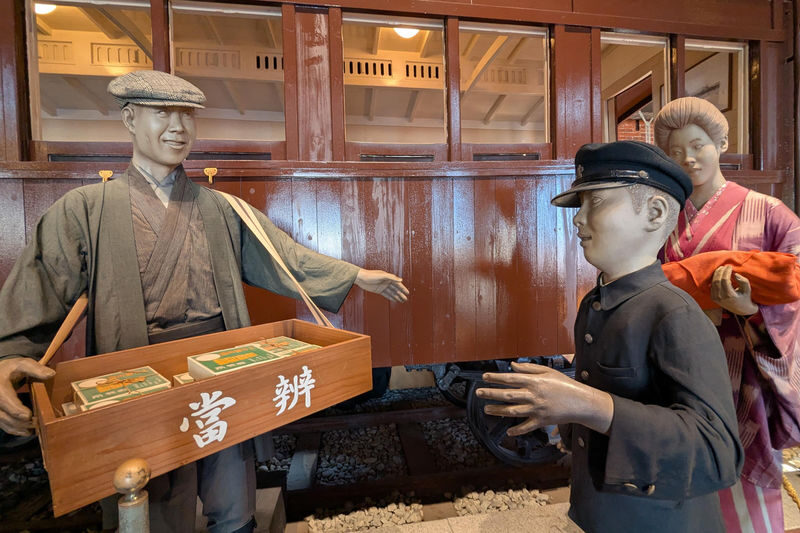
One of the most distinctive stops is the Meiji-era wooden passenger car. You can step inside and see its unusual tatami seating, a detail that sets it apart from the railway carriages most visitors know. Character displays and sound effects help evoke what a journey might have felt like around a century ago.
This is a small exhibit, but it changes the scale of the museum. The main building’s documents and models explain railway development; the carriage gives you a sense of the passenger experience. You can look at the layout, notice how different it is from a modern train, and picture the contrast with today’s rail travel.
The carriage is especially appealing if you’re visiting with children, since it gives them something to enter and explore rather than only view from behind a display. Railway fans may appreciate the period detail, while casual visitors can enjoy the novelty of seeing an older style of passenger space. It is still a preserved exhibit, not a ride, so treat it as a look into the past rather than an operating train.
Outdoor locomotives and the hardware of rail travel
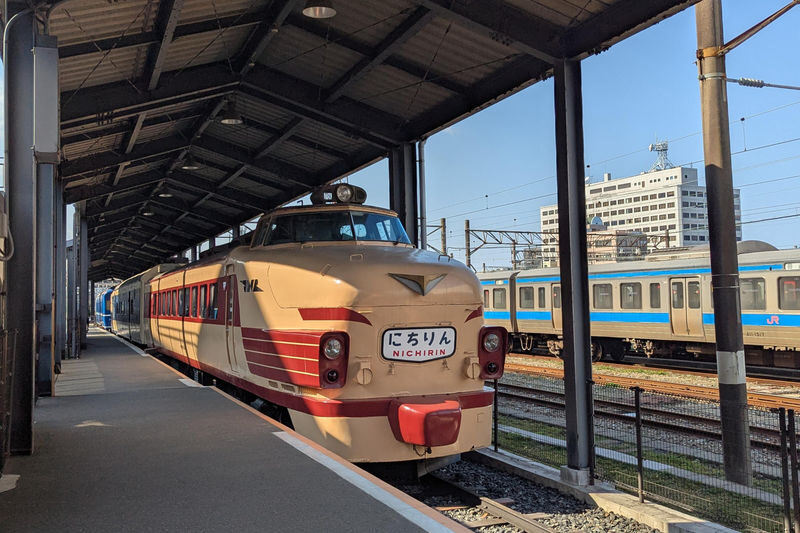
Outside, the vehicle exhibition area brings you face to face with retired trains that once ran in Kyushu. The collection includes C59 and 9600 type steam locomotives, among other classic vehicles. Their size and working parts give a different impression from the models indoors: here, the railway’s history has weight, wheels, and a very large footprint.
Some of the displayed vehicles can be entered. If access is open during your visit, you can look at seats, driver’s cabs, and train equipment at close range. Access may differ by exhibit, so don’t assume every carriage or locomotive will be open on a given day.
Allow a little time to walk around this area rather than treating it as a quick pass-through. Children can get a clear sense of how large the machines are, and enthusiasts can focus on details that are hard to appreciate in a photograph. The outdoor setting does mean that weather can affect comfort and, for the mini-train area, operations.
The model railway and simulator add a driver’s view
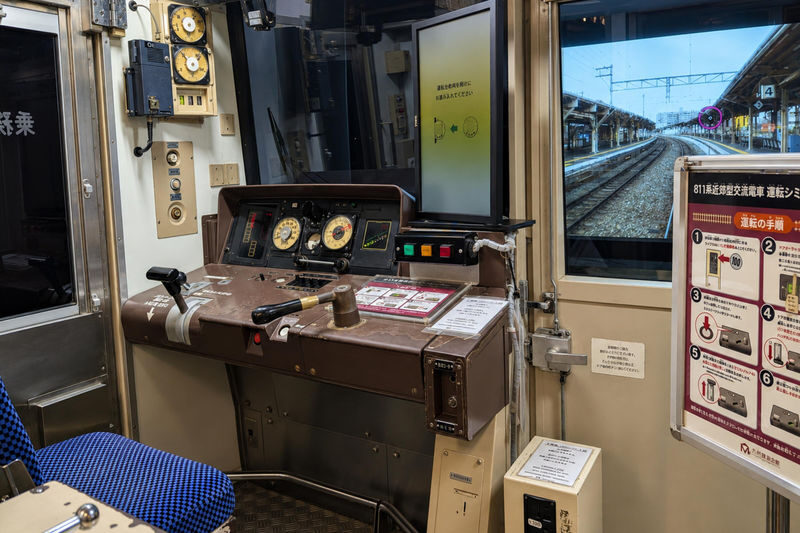
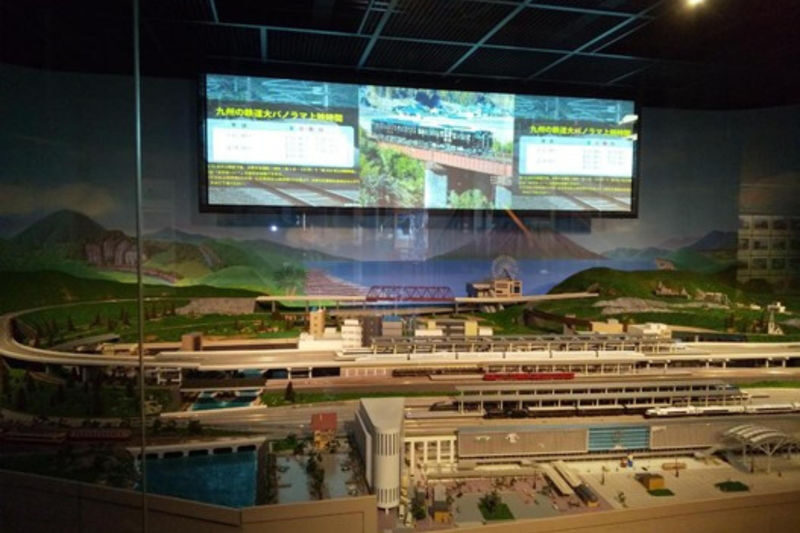
The large railway model gives you a miniature view of the rail network and its trains. It’s a natural stop after the historic displays: you’ve seen objects from the railway’s past, then you can watch a model bring the system to life on a smaller scale. The museum also has an 811 series driving simulator, which uses actual route footage to put you in the driver’s seat.
These activities add variety, particularly for families. A child who has had enough of reading displays may be happy to spend time watching the model or trying the simulator. Adults who are interested in the practical side of operating trains can find that the simulator offers a different kind of engagement from simply looking at locomotives.
Do check the museum’s announcements on the day. Participation methods, fees, time slots, and availability can vary, and some facilities may be temporarily closed or have limited capacity. Admission does not guarantee a spot on every interactive feature.
Mini-train park: a small ride with a real operating feel
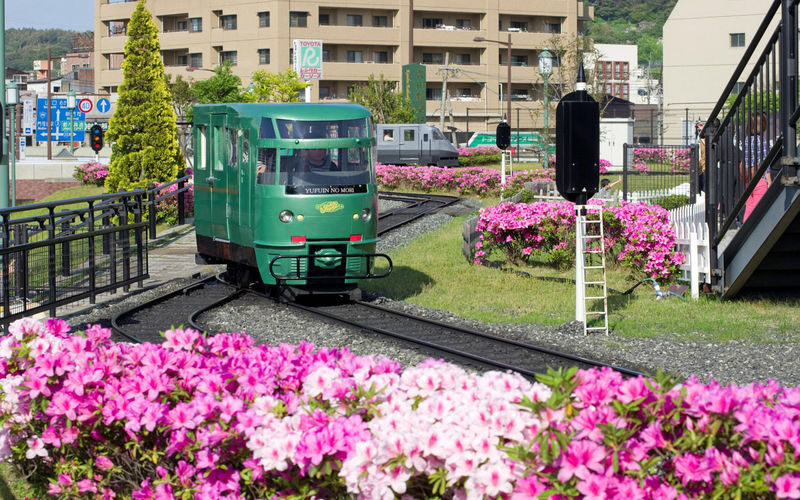
The outdoor Mini Railway Park is the most active part of the visit. Its tracks include single and double lines, signals, and turnouts, giving the setting some of the features of a working railway. The mini trains are based on JR Kyushu models, including the 885 Series Kamome, 787 Series Tsubame, 883 Series Sonic, Yufuin no Mori, and 813 Series Electric Train.
You can ride the mini-trains and, under the park’s arrangements, operate one yourself. The setup is designed to let you take a turn as a little train driver, not just sit back for a circuit. The attraction is described as Japan’s first mini railway where visitors can experience operating a train in this way.
The extra charge is 300 yen per train per ride, for up to three people in a vehicle. That makes it a modest add-on for a family, but remember to bring the cost into your plan rather than assuming it is included in admission. Rides may be suspended during rain or strong winds, so treat this as a bonus rather than the one activity your visit depends on.
This area is likely to be the biggest hit with younger children and railway fans who want to do more than look. If you’re visiting without children, it can still be fun, though the museum’s historic collection may be the stronger reason to come. On-site announcements provide the current operating details.


How much time to allow, and what the ticket covers
There is no fixed tour route or stated visit duration. You can choose your own pace through the headquarters building, wooden carriage, outdoor vehicle area, model railway, simulator, and mini-train park. If you want to try several hands-on activities, allow more time than you would for a quick look around the collections.
The admission ticket covers entry to the Kyushu Railway Memorial Museum. It does not include the mini-train ride or other on-site experiences that carry a separate fee. Some activities may have limited numbers, set time slots, or temporary closures, so check what is running before building your day around a particular feature.
The listed ticket price starts at $1.59, making the museum an inexpensive addition to a Mojiko visit. The value depends partly on how much you enjoy railway history and whether you choose to pay for extra activities. Even without add-ons, the former headquarters, historic carriage, and outdoor locomotives give you several distinct things to see for a low entry price.
Children aged 4 to 15 need a child ticket, while children aged 16 and older are charged the adult rate. Prices and arrangements for on-site experiences should be confirmed at the museum.
Getting there and making it part of a Mojiko day
The museum’s address is 2-3-29 Kiyotaki, Moji Ward, Kitakyushu, Fukuoka Prefecture. It is within walking distance of JR Mojiko Station, which makes it easy to pair with a visit to the Mojiko Retro area. The museum also has a parking lot if you’re arriving by car.
Opening hours are listed as 9:00 a.m. to 5:00 p.m. daily, year-round, with last entry at 4:30 p.m. Keep that cutoff in mind if you’re arriving late in the afternoon, especially if you want time for the outdoor exhibits and interactive activities.
You can book for the same day, and the mobile voucher can be used after purchase. Present its QR code to staff for confirmation before entering. Changes made before redemption are free, and the voucher is valid for 365 days from the booking confirmation date. If your plans are uncertain, note that the voucher can be refunded in full before redemption.
Who will get the most from this museum?
I’d put the Kyushu Railway Memorial Museum high on the list for railway enthusiasts, families with children, and visitors who want to understand a little more about Kitakyushu’s local history. The combination of real locomotives, a period passenger car, and hands-on features gives different age groups a reason to pay attention.
It also suits anyone already spending time in Mojiko. Since it is walkable from the station, you can fit it into a wider day without arranging a separate excursion. The low starting price helps, though families should budget separately if they plan to ride the mini-trains or try paid activities.
If you have little interest in trains, the museum may not be a must-see. Its appeal comes from railway objects and the chance to interact with them, not from a broad range of unrelated exhibits. But even a casual visitor can find the old headquarters and tatami-seated carriage unusual enough to make a worthwhile stop.
Should you book the Kyushu Railway Memorial Museum?
Book it if you’re interested in trains, visiting Mojiko with children, or looking for an affordable museum stop near JR Mojiko Station. The former railway headquarters, Meiji-era carriage, and full-size steam locomotives give the visit a strong sense of place, while the simulator and mini-train park add play for those who want it.
Skip it if you’re not drawn to railway history and have little time in Kitakyushu. If you do go, treat the mini-train ride and simulator as optional extras, check their status on arrival, and enjoy the main collection at your own pace.
Kyushu Railway Memorial Museum
“Convenient to purchase, you can use it immediately right after buying, great!”
FAQ
Where is the Kyushu Railway Memorial Museum?
It is at 2-3-29 Kiyotaki, Moji Ward, Kitakyushu, Fukuoka Prefecture, Japan.
How do I get to the museum?
The museum is within walking distance of JR Mojiko Station. It also has a parking lot for visitors arriving by car.
What are the opening hours?
It is listed as open daily from 9:00 a.m. to 5:00 p.m., year-round. Last entry is at 4:30 p.m.
What does the admission ticket include?
The ticket includes admission to the Kyushu Railway Memorial Museum. Some on-site exhibits and activities may have separate fees or other participation rules.
Is the mini-train ride included?
No. The mini-train experience costs 300 yen per train per ride, for up to three people, according to the listed reference price.
Can visitors operate the mini-trains?
The Mini Railway Park offers visitors the chance to ride and operate mini-trains. Check on-site announcements for current participation details and availability.
Can the mini-train rides be suspended?
Yes. Operations may stop during rain or strong winds. Check the museum’s announcements on the day.
What ages need a child ticket?
Children aged 4 to 15 should purchase a child ticket. Children aged 16 and older are charged the adult rate.
How do I use the mobile voucher?
Present the voucher’s QR code to staff for confirmation before entering.
How long is the voucher valid?
It is valid for 365 days from the booking confirmation date and expires at 11:59 p.m. on the final day.