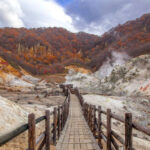
Noboribetsu’s Hell Valley puts winter’s volcanic side on full display: steam rises from rocky ground, while a marked trail lets you take in the geothermal basin on foot. Later, Lake Toya and the ice formations at Lake Shikotsu bring a very different kind of cold-weather scenery.
I like this trip for two reasons: it links several far-flung sights that are awkward to combine by public transport, and it gives you the option to add a snowmobile ride with views toward Mount Yotei. Guides such as Andy, Chillin, Serina and Eric have been praised for clear explanations and practical help, though your guide will vary.
The trade-off is a tight schedule. You get only 20 to 40 minutes at several stops, and the festival visit may not line up with the evening lights. Snowmobiling, festival admission and meals also cost extra, so the advertised starting price is not the full day’s cost.
- At a glance
- A winter route built around contrasts
- Steam and stone at Noboribetsu Hell Valley
- Lake Toya from shore and lookout
- Snow World Toya and the optional ride
- Shikotsu’s ice festival: impressive, but check the clock
- What the price covers, and what it does not
- The guide, the vehicle and the fixed timetable
- Meeting details and winter planning
- Who should book this Sapporo day trip?
- FAQ
- Where does the tour depart from?
- How long is the tour?
- Is a guide included?
- Is snowmobiling included in the price?
- How much does the Lake Shikotsu Ice Festival cost?
- Are meals included?
- How long do you spend at each attraction?
- Can the itinerary change?
- Are children allowed on the tour?
- Is travel insurance included?
- The Best Of Noboribetsu!
- More Winter Activities in Noboribetsu
- More Tours in Noboribetsu
- More Tour Reviews in Noboribetsu
At a glance
 1 / 6
 2 / 6
 3 / 6
 4 / 6
 5 / 6
 6 / 6
- Hell Valley in 40 minutes: Walk the geothermal path past steaming vents and volcanic rock.
- Two Lake Toya stops: Spend time at the shore, then climb to an observation deck for broad views.
- Snowmobiling is optional: Allow 1 hour 10 minutes at Snow World Toya, with rides priced at ¥15,000 for one rider or ¥20,000 for two.
- The ice festival costs extra: Admission is ¥1,000 on weekdays and ¥3,000 on weekends and holidays.
- A full day from Sapporo: The tour runs from around 07:50 to 18:00, with possible traffic delays.
- A shared ride with a fixed schedule: The group moves on promptly, so keep track of your bus and return times.

👉 See our pick of the 4 Of The Best Hiking And Trekking Tours In Noboribetsu
A winter route built around contrasts
This is not a slow nature retreat. It is a long loop from Sapporo that puts geothermal terrain, a volcanic lake, snow activities and an ice festival into one day. The appeal is variety: you can see several distinct parts of Hokkaido without arranging separate buses, train connections or a rental car.
The drive is part of the bargain, but it also shapes the day. You spend a good deal of time travelling, then have short windows to explore each stop. If you want to linger over lunch, walk every path or wait for the festival to glow after dark, this schedule may feel hurried.
The tour is most useful in winter, when the Shikotsu festival and snowmobiling are seasonal draws. The route is also attractive if you are staying in Sapporo and want to reach places that are not easy to link by public transport. One traveller specifically noted the difficulty of making this circuit without a private vehicle.
You can also read our reviews of more tours and experiences in Noboribetsu


Steam and stone at Noboribetsu Hell Valley
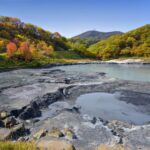
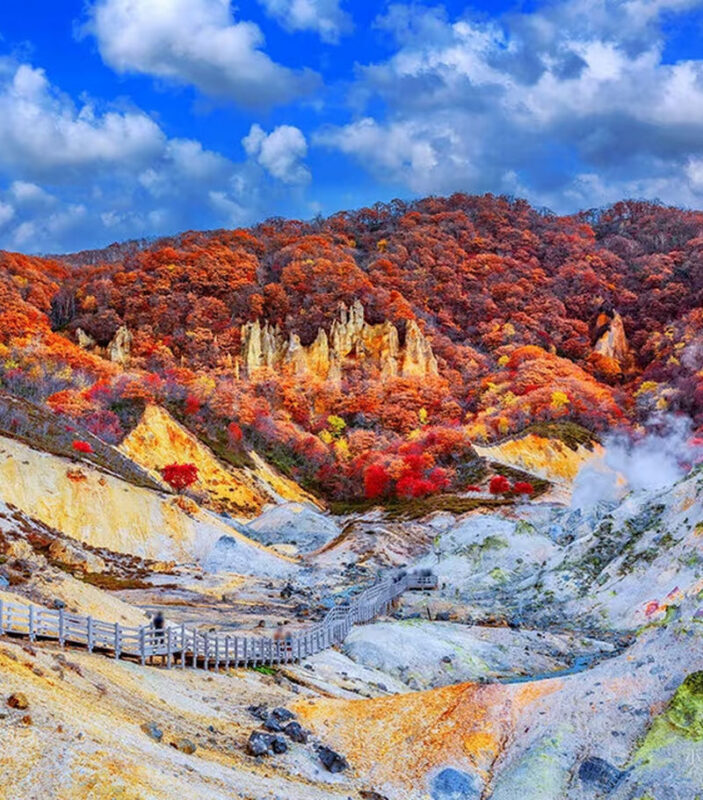
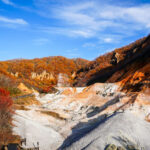
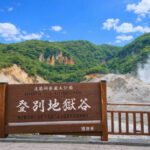
The first major stop is Noboribetsu Jigokudani, or Hell Valley, where geothermal steam rises through a stark stretch of rock and mineral ground. The name is dramatic, but the main attraction is the natural activity underfoot: vents, hot water and vapour make this a striking contrast to the snow around it.
You have about 40 minutes here. A short walking circuit through the valley takes around 10 to 15 minutes, so there is time to pause for views and photographs. A longer path leads toward Oyu-numa, a hot-water marsh, but the stop is too brief to count on exploring it at an unhurried pace.
Wear shoes with good grip and keep to the marked paths. The ground is uneven, and winter conditions can make a short walk feel less casual than it sounds. The evening Onibi no Michi light installation is another feature of the area, but this tour visits in the morning, so do not book expecting to see it.
Lake Toya from shore and lookout
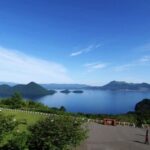
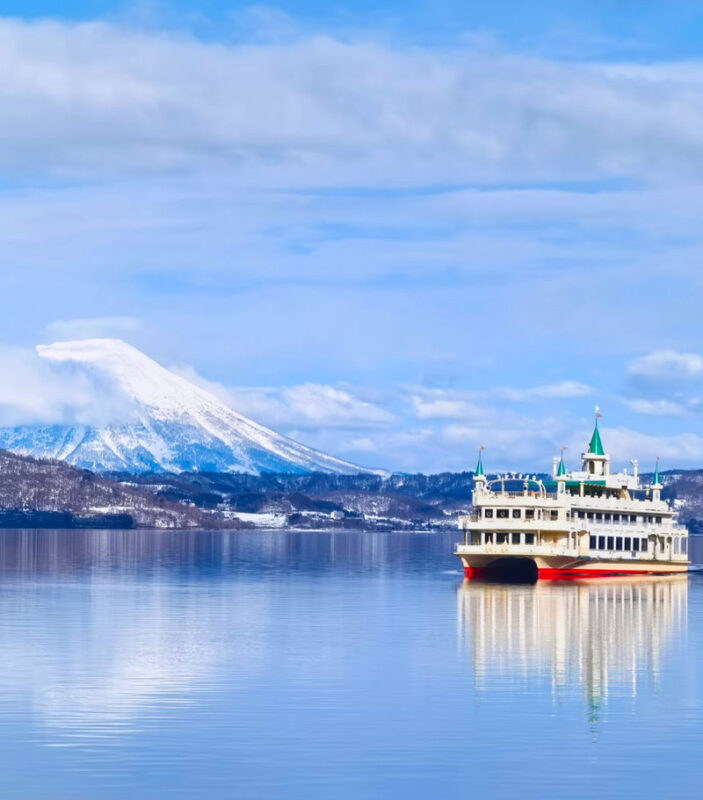
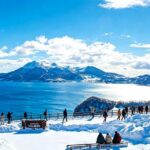
The route gives Lake Toya two brief visits. At the lakeside, you have about 20 minutes to take in the water and mountains. The lake is notable in winter because its surface does not freeze, even in this northern climate. That gives the shoreline a different look from the snowy ground around it.
The observation deck follows at around 12:20, with another 20 minutes for views across the lake and surrounding mountains. I like the two-stop approach: the shore gives you a closer sense of the water, while the higher viewpoint helps you understand the lake’s broad scale.
Still, 20 minutes is a quick look, not a lakeside afternoon. Keep your camera handy and follow the guide’s directions about where and when to meet back at the bus. The schedule is fixed, and late arrivals can be left behind after a short wait.
Snow World Toya and the optional ride
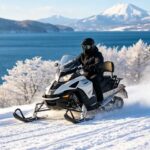
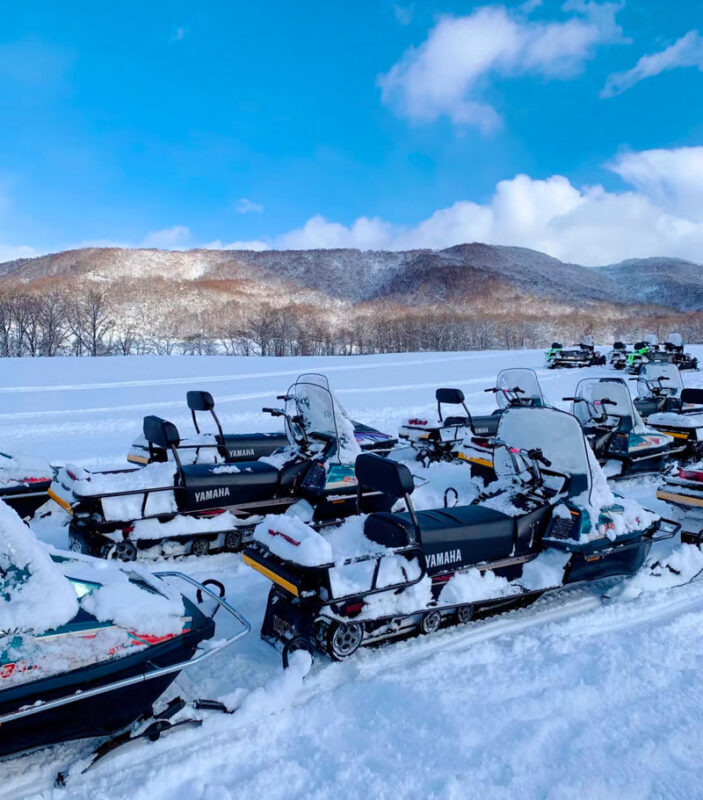
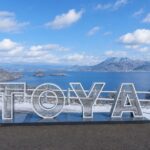
Snow World Toya gets the longest stop, about 1 hour 10 minutes. The headline activity is snowmobiling, with open winter views that can include Mount Yotei in the distance, as well as snow, pine trees and, on a clear day, broad views toward the sea.
The ride is optional and self-funded: ¥15,000 for one rider or ¥20,000 for two riders. That is a substantial addition to a tour starting at $56.85, so decide in advance whether the activity is worth the extra cost for you. The time at Snow World is limited, and choosing to ride leaves less room to simply look around.
For some people, the snowmobile will be the day’s high point. One person described arriving unsure and growing more confident with encouragement from guide Andy. That kind of support can make a new activity easier to try, but guides change, and you should not count on a particular person or level of instruction.
Check the operator’s health restrictions before booking. The activity excludes people with conditions including high blood pressure, heart disease, acrophobia, asthma or epilepsy, as well as pregnant women. If you are unsure whether it is suitable for you, contact the operator before you reserve.
Shikotsu’s ice festival: impressive, but check the clock
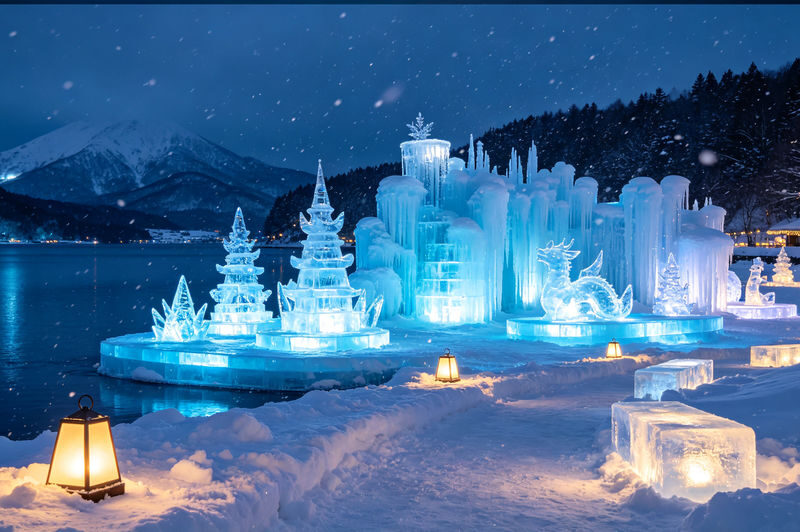
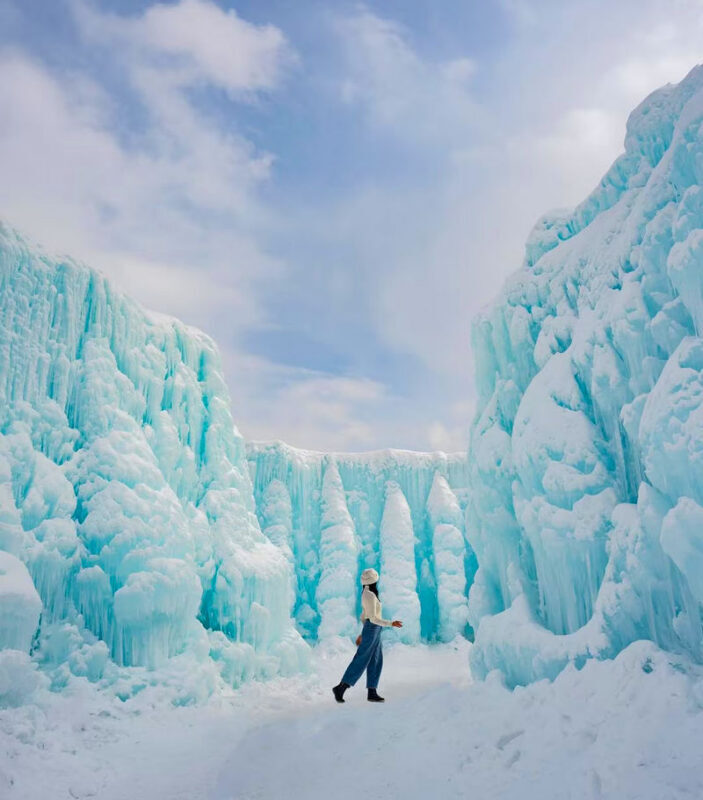
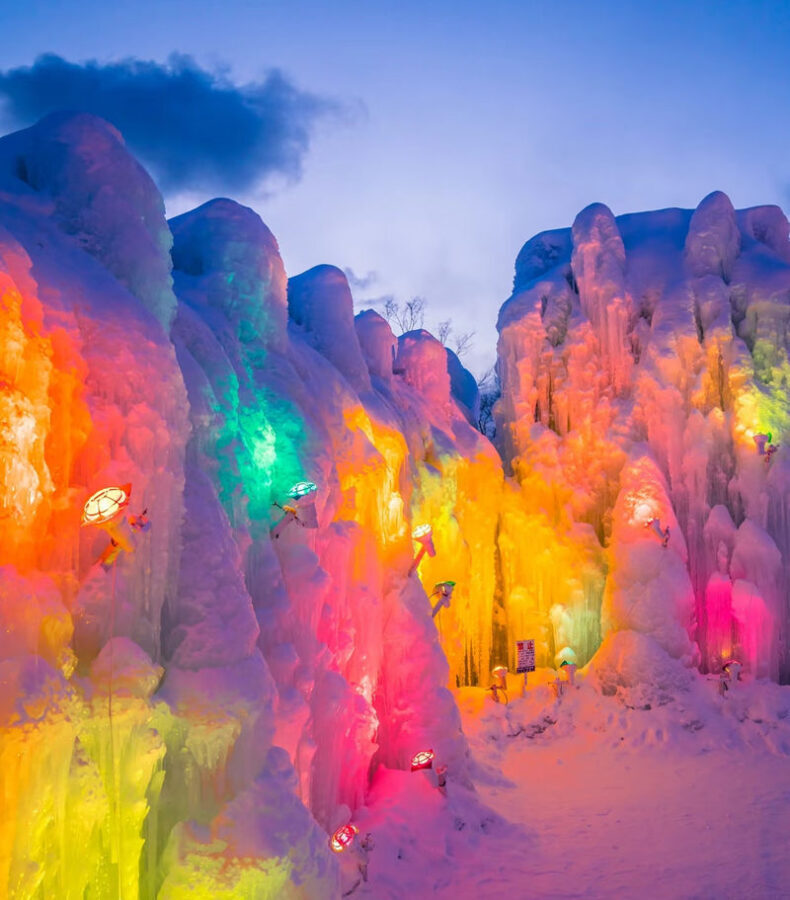
The final main stop is the Lake Shikotsu Ice Falls Festival, scheduled for about one hour. Its ice formations are made using water from Lake Shikotsu, giving the displays a clear, frozen look. It is a striking seasonal finish after the dark rock and steam at Hell Valley and the open water at Lake Toya.
Admission is not included. It costs ¥1,000 per person on weekdays and ¥3,000 on weekends and holidays. That difference matters when you work out your actual budget, especially if you are travelling as a family or group.
Timing is the catch. The tour reaches the festival around 15:30 and returns to Sapporo at about 18:00, but the exact arrival and departure can shift with road conditions. Some people have been disappointed to leave before the displays were lit for the evening. If seeing the festival after dark is your priority, confirm the expected timing before booking rather than assuming the tour includes a night visit.
You can also read our reviews of more tours and experiences in Noboribetsu
What the price covers, and what it does not
The starting price is appealing for a full day of transport between several distant stops. It includes round-trip transfers from the meeting point, tolls, parking and fuel. Meals, beverages, festival admission, snowmobiling, personal expenses and tips are not included.
The value depends on how you use the day. If you mainly want transport and a quick look at the headline sights, the base price can make sense. If you plan to ride a snowmobile and visit the festival on a weekend, add ¥20,000 for a two-person ride and ¥3,000 per person for festival entry, along with money for food. The extras can easily outweigh the original tour fare.
There is no scheduled meal stop in the stated plan, and the listed visit times leave limited room to find a full lunch. A guide may suggest restaurants or local specialties, but those purchases are your responsibility. Bring a sealed light snack or unopened drink if useful; food is not allowed on the bus, and spills or stains may lead to cleaning charges.
The guide, the vehicle and the fixed timetable
The trip includes an English-, Chinese- or Japanese-speaking guide, but the exact arrangement depends on group size. For fewer than 12 people, the operator may use a smaller vehicle with a driver only and no separate guide. With more than 12, the stated arrangement is one driver and one guide. It is a shared ride, not a private tour.
Guides named in recent accounts include Andy, Chillin, Serina, Eric, Kevin and James. Their reported strengths include clear explanations, switching between languages, helping with photographs, recommending food and keeping the group moving. These are examples, not a promise that any one guide will lead your departure.
The fixed schedule is important. Keep an eye on the bus parking spot and return at the time your guide gives you. The stated policy allows the guide to wait up to five minutes; after that, you may have to make your own way to the next stop. A short visit only works if everyone is ready to leave on time.
Meeting details and winter planning
The tour departs from Sapporo and is listed as running roughly 07:50 to 18:00. The meeting information gives two different locations: the north exit bus stop at JR Sapporo Station at 07:50, and Gate 31 of Odori Subway Station at 08:00. Do not guess which applies to your booking. Check the message sent the day before, and contact the operator if the instructions are unclear.
The operator says it sends the guide’s contact details, vehicle information and meeting instructions by email the day before. Check your spam folder and keep your phone available. If you use LINE, follow the instructions in that message to join the group or contact the guide. This extra step matters: one person had trouble locating the tour leader after missing the pre-trip message.
Winter roads can disrupt the plan. Traffic and weather may change the order of stops, shorten visits or delay the return. Weekend and holiday delays may be significant, so avoid scheduling a tight evening connection or booking that depends on arriving in Sapporo exactly at 18:00.
Dress for time outdoors, not just time on the coach. You will be walking at a geothermal site, standing by the lake and spending time among ice displays. Bring warm layers and footwear suited to winter surfaces. Personal travel and accident insurance are not included.
Children aged three and older pay the adult rate. Children aged zero to two may travel free if they do not occupy a seat, but you must notify the operator in advance; a child who needs a seat requires a paid ticket. Seniors aged 65 or older must be fit for the trip and accompanied by someone aged 22 or older. Large luggage should also be declared when booking, since vehicle capacity is limited.
Who should book this Sapporo day trip?
I would choose this tour if I had one winter day to see several far-apart Hokkaido sights and did not want to coordinate transport myself. It is especially appealing if Hell Valley and the Shikotsu ice displays are priorities, or if you want the option of adding a snowmobile ride.
I would look elsewhere if you prefer a leisurely pace, need a proper lunch break, or want to spend the festival visit after dark. The tour’s strength is coverage, not long stays. Before booking, check the actual meeting point, confirm the day’s festival timing and add the optional costs to your budget. If those trade-offs suit you, it is a practical way to pack a broad range of winter scenery into one day.
Shikotsu Lake Ice Falls Festival, Lake Toya, Noboribetsu Jigokudani (Hell Valley), and Snow World Toya Day Trip
“This tour was one of the highlights of our winter trip. The ice sculptures at the Shikotsu Lake Ice Falls Festival were stunning, especially when i…”
FAQ
Where does the tour depart from?
It departs from Sapporo, but the meeting details list both the north exit bus stop at JR Sapporo Station and Gate 31 of Odori Subway Station. Check the email sent before your trip to confirm your exact location and time.
How long is the tour?
The day is scheduled to run from around 07:50 to 18:00. Traffic and weather can delay the return or change the time spent at stops.
Is a guide included?
An English-, Chinese- or Japanese-speaking guide is included in the tour description. For groups under 12, the operator may use a smaller vehicle with a driver only and no separate guide.
Is snowmobiling included in the price?
No. Snowmobiling is an optional activity at your own expense. The listed price is ¥15,000 for one rider and ¥20,000 for two riders.
How much does the Lake Shikotsu Ice Festival cost?
Admission is extra and costs ¥1,000 per person on weekdays or ¥3,000 per person on weekends and holidays.
Are meals included?
No. Meals and beverages are not included, and the schedule does not specify a dedicated lunch stop.
How long do you spend at each attraction?
The planned stops are 40 minutes at Hell Valley, 20 minutes at the Lake Toya lakeside, 20 minutes at the Lake Toya observation deck, 1 hour 10 minutes at Snow World Toya and one hour at the Lake Shikotsu Ice Festival.
Can the itinerary change?
Yes. Traffic, weather, holidays and crowds can change the order of stops, delay arrival, shorten visits or reduce the number of attractions visited.
Are children allowed on the tour?
Children aged three and older pay the adult rate. Children aged zero to two may travel free without a seat, but you must notify the operator in advance. A child under two who needs a seat must have a paid ticket.
Is travel insurance included?
No. Personal travel and accident insurance are not included, and the operator advises you to arrange your own insurance if needed.