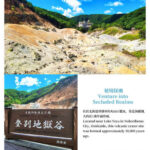
Noboribetsu Hell Valley puts Hokkaido’s volcanic forces on show: steaming vents, mineral-stained ground and a stark setting that feels a world away from a city street. This full-day trip links it with Cape Chikyu, Lake Toya and other stops that are spread too far apart to stitch together easily by public transport.
I like two things here: the range of scenery, from geothermal ground to open Pacific views, and the way guides such as Joe, Catherine and Michelle help with explanations, timing and even photos. The optional scallop set lunch is another practical plus if you prefer not to hunt for a meal between stops.
The trade-off is the weather. Rain and fog can hide Cape Chikyu and Lake Toya, and the day’s packed route gives you a set amount of time at each place rather than the freedom of a self-drive trip.
- At a glance
- A full day across Hokkaido’s volcanic south
- Hell Valley: steam, sulfur and volcanic ground
- Cape Chikyu: a Pacific view with a weather caveat
- Scallop lunch: a useful pause, not just a meal
- Usuzan Ropeway and Showa Shinzan
- Lake Toya and Kyogoku’s spring water
- Guides, transport and the value of a group tour
- Price, timing and what to check before booking
- Who should book this day trip?
- FAQ
- How much does the tour cost?
- Can I book the tour for the next day?
- Is free cancellation available?
- Which sights can the tour visit?
- Is lunch included?
- What languages do the guides speak?
- Is the Usuzan Ropeway included in the price?
- Should I bring cash?
- What should I bring to Kyogoku Meisui Park?
- The Best Of Noboribetsu!
- More 1-Day Tours in Noboribetsu
- More Tours in Noboribetsu
- More Tour Reviews in Noboribetsu
At a glance
 1 / 10
 2 / 10
 3 / 10
 4 / 10
 5 / 10
 6 / 10
 7 / 10
 8 / 10
 9 / 10
 10 / 10
- Hell Valley brings the geology close: Walk among volcanic vents and steaming ground at Noboribetsu’s Jigokudani.
- Cape Chikyu depends on clear skies: The headland is known for a wide Pacific view, but fog and rain can block it.
- You cover several far-flung sights: The route can include Usuzan Ropeway, Showa Shinzan, Lake Toya and Kyogoku’s spring water.
- Multilingual guiding is a major strength: Guides including Joe, Catherine and Michelle have explained the day in several languages.
- Lunch can simplify the day: A scallop set meal is available with selected meal options.
- Bring cash for possible extras: One useful tip is to carry cash for the ropeway and bear-feeding costs.

👉 See our pick of the 4 Of The Best Hiking And Trekking Tours In Noboribetsu
A full day across Hokkaido’s volcanic south
This is not a single-attraction outing. It is a long-distance loop through southern Hokkaido, linking Noboribetsu, the coast near Muroran, the Lake Toya area and, on some versions of the route, Kyogoku. The value comes partly from seeing several distinct places in one day, and partly from not having to plan the connections yourself.
The stops named across the tour’s route include Noboribetsu Hell Valley, Cape Chikyu, Usuzan Ropeway, Showa Shinzan, a bear park, a Lake Toya observation point and Kyogoku Meisui Park. The precise pace and the order of stops can vary. The route is packed, but the timing is generally designed to leave you enough time to look around at each stop without turning the day into a race.
The coach or minibus matters here. The distances between sights are substantial, and one traveler who used the tour instead of public transport found the connections difficult to manage independently. You can spend the journey resting between visits instead of checking timetables and working out how to reach the next stop.
The trade-off is the familiar one with an organized day trip: you follow the group’s schedule. If you want to linger at Hell Valley, take a long meal or spend extra time at a viewpoint, a private car gives you more control. If you want to see several sights in one day without driving, the fixed route is a sensible bargain in time and effort.
You can also read our reviews of more tours and experiences in Noboribetsu
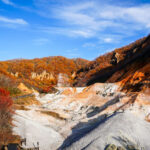
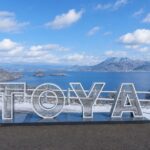
Hell Valley: steam, sulfur and volcanic ground
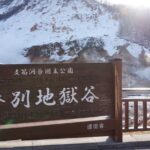
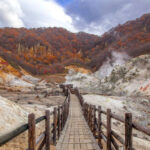
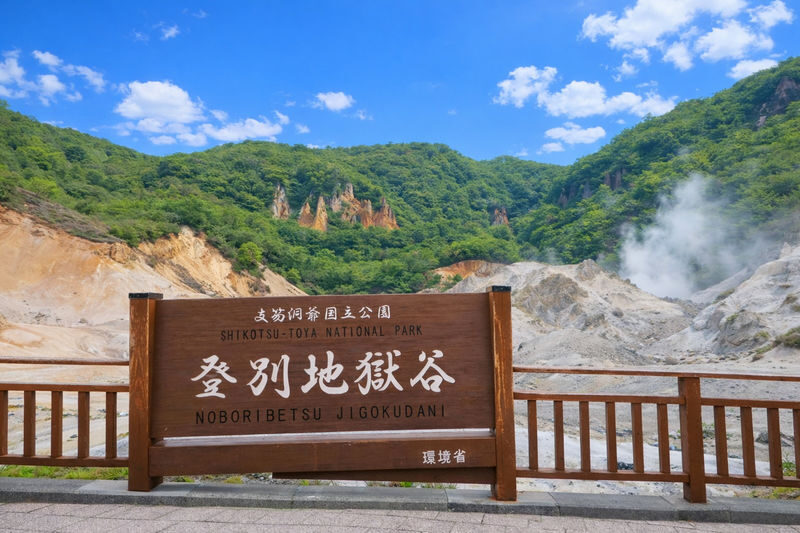
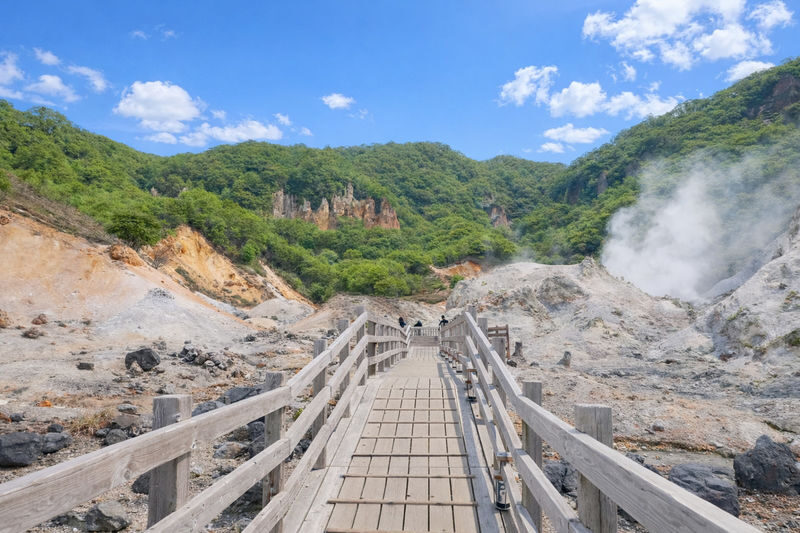
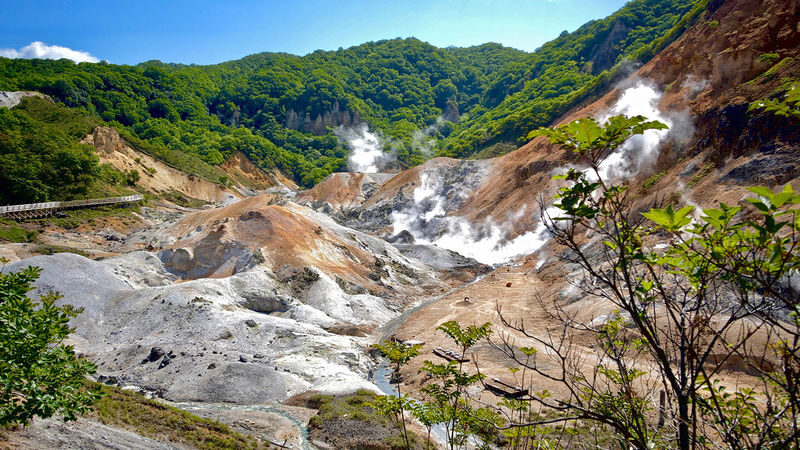
Noboribetsu’s Hell Valley, or Jigokudani, is the day’s most direct encounter with Hokkaido’s volcanic activity. The name is dramatic, but the appeal is plain: geothermal vents and steaming ground make the forces beneath the surface visible. It is a striking contrast to the forests, lakes and ocean views elsewhere on the route.
The walking paths are a key part of the visit, so allow for changing conditions underfoot and bring clothing that suits the forecast. In heavy rain, strong wind or poor visibility, exploring the paths can be less comfortable. One rainy day left a participant unable to explore as much as planned, which is worth considering if you are deciding when to go.
Your guide gives context before you arrive and points out what to see, then you have time to look around at your own pace. This balance works well: you get useful orientation without having to stay beside the guide for every step. Joe, Catherine and Michelle are among the guides named by people who joined the tour, and their explanations and group management are recurring strengths.
Cape Chikyu: a Pacific view with a weather caveat
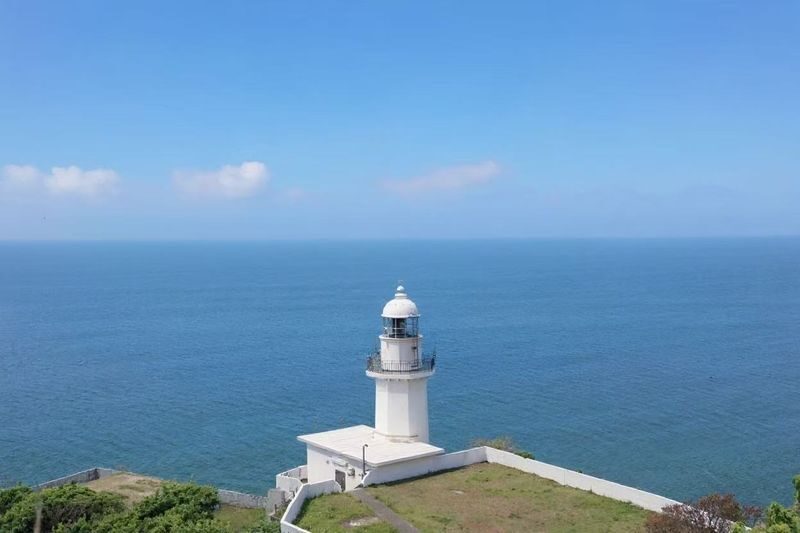
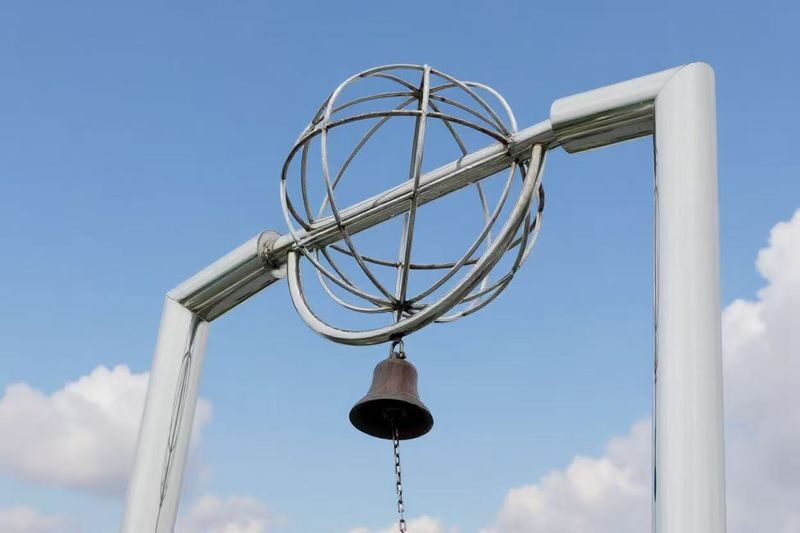
Cape Chikyu, also called Cape Earth, offers a headland viewpoint over the Pacific. On a clear day, the view can stretch far across the water, with distant mountains visible across the bay. It is a very different scene from Hell Valley, and that variety is one reason the route feels worthwhile.
The cape is also the stop most at the mercy of the weather. Fog can cover the sea, while rain and wind can make the lookout less inviting. If the forecast is unsettled, keep expectations flexible: the tour can take you to the viewpoint, but it cannot bring the view out from behind the clouds.
The organized visit makes it easy to include the cape in a day with several inland stops. You will not have unlimited time to wait for the fog to lift, though. If Cape Chikyu is your main reason for booking, consider that a self-drive or overnight plan would give you more room to try again in better conditions.
Scallop lunch: a useful pause, not just a meal
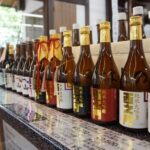
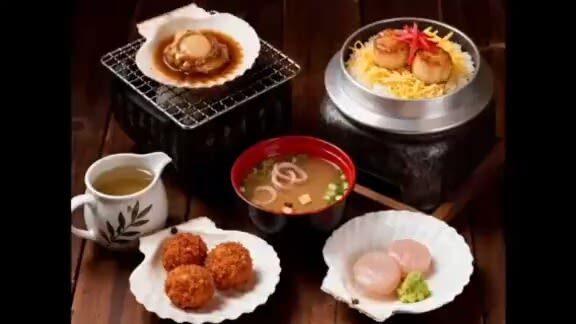
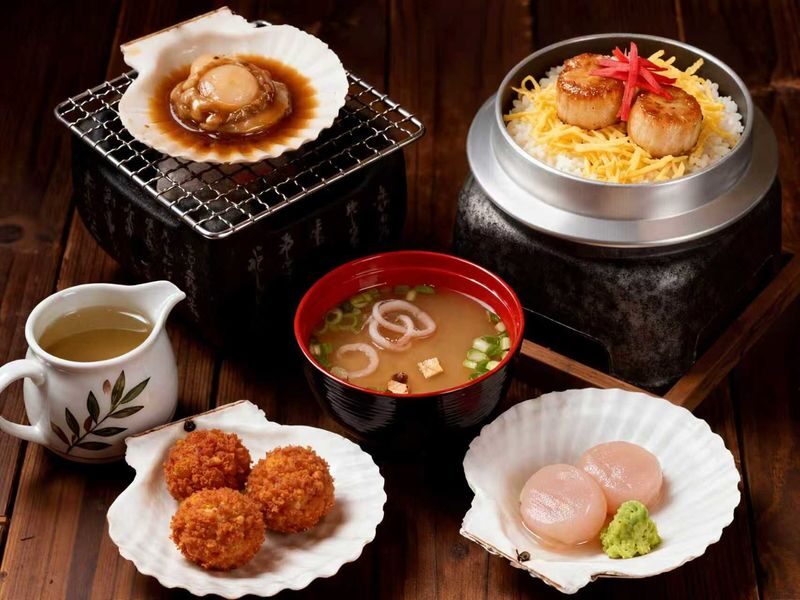
Selected meal options include a scallop set lunch, described by people on the tour as tasty and, in several cases, a highlight. One version included steamed kamameshi, while another meal description mentions several scallop preparations, including sashimi. The exact meal may vary, so check the option details when booking.
I see the meal as more than a food stop. On a full day with several distant attractions, having lunch arranged saves you the time and uncertainty of finding somewhere suitable on the spot. It also gives the group a natural break before the afternoon’s viewpoints and volcanic stops.
You may be able to choose a tour option without lunch. At the ropeway area, one visitor noted restaurants, a corn stand and sandwiches near the top as alternatives, though the sandwich purchase was an extra cost. If you have dietary needs, the supplied details do not specify what substitutions are available, so confirm before choosing a meal package.
Usuzan Ropeway and Showa Shinzan
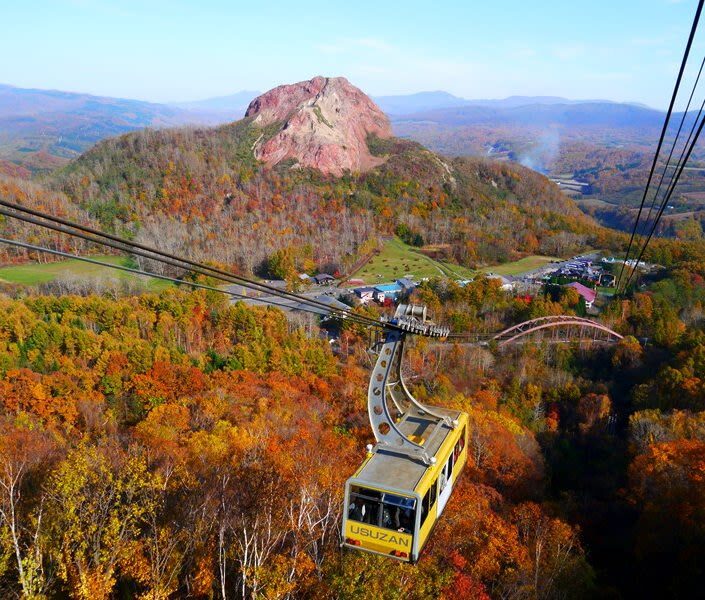
The Usuzan Ropeway is included in some descriptions of the route as a way to see Lake Toya and the surrounding volcanoes from above. When visibility is good, it adds height and a broad view to a day otherwise spent moving between ground-level attractions. But do not assume the ride is included in the tour price: a participant specifically advised bringing cash for the ropeway.
Weather and timing can affect whether the ropeway makes sense. One rainy, foggy day meant the group did not go up, while another participant found the pace right even without taking the ropeway. Treat it as a possible extra rather than the reason to book, and check the chosen package’s current details for what is covered.
Nearby Showa Shinzan gives you a close look at a volcanic formation. Some versions of the trip also include a bear park, where bear feeding is an available activity. The bear-related cost may be separate, so budget extra cash if you want to take part. These stops bring variety, but they also add choices and potential expenses to a day whose advertised starting price is relatively low.
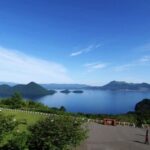
Lake Toya and Kyogoku’s spring water
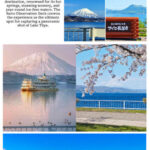
A Lake Toya observation point adds a quieter pause to the route. From the viewpoint, you look over a volcanic lake and the surrounding area. It is a rewarding stop in clear weather, but rain and fog can soften or erase the view. One visitor suggested spending more time at a Lake Toya viewpoint instead of making the final water stop, a useful reminder that the route’s priorities may not match everyone’s.
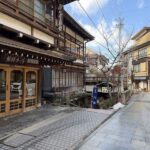
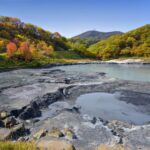
Kyogoku Meisui Park, also known as Fukidashi Park, offers a different sort of stop: fresh spring water associated with snowmelt from nearby mountains. Guides may remind you to bring a bottle so you can fill it. The water is a refreshing change in warm weather, and the park has a local feel that contrasts with the better-known volcanic viewpoints.
A small practical tip: a visitor singled out the local potato pudding as worth trying. That is not a formal part of the tour, but it gives you a reason to keep a little spending money handy. The spring stop is less dramatic than Hell Valley or Cape Chikyu, yet it adds a taste of everyday Hokkaido to a day built around major sights.
Guides, transport and the value of a group tour
The guides are a real part of the experience, not just people pointing out where to get off. Joe, Catherine and Michelle are among the names associated with trips, and guides have been described as giving explanations in English, Japanese, Mandarin and Cantonese. The languages available can vary by guide and group, so do not assume every departure will offer all four.
Guides have also helped with photos, shared useful information before reaching each stop and used clear reminders about departure times. That matters on a busy itinerary: the more straightforward the instructions, the less energy you spend worrying about missing the bus. Some people appreciated guides taking individual or family photos, a thoughtful bonus rather than something to count on.
The transport has generally been described as safe and well managed, with drivers handling the long day professionally. One person did find the van old, so vehicle condition may vary. Group size can also vary: one solo participant described a group of six, but that is not a promise of a small group for every departure.
Price, timing and what to check before booking
The tour starts at $44.20, a low entry price for a full day that can connect several places across southern Hokkaido. Its strongest value is logistical. You avoid arranging multiple long-distance transfers, and you get a guide to help keep the schedule moving. Add the value of an included lunch if you choose that package.
Do not judge the final cost by the starting price alone. Check whether your chosen option includes lunch, and set aside money for possible extras such as the ropeway and bear feeding. The supplied details do not state that those costs are included. The tour’s price is most attractive if you want the transport and core sightseeing, and are comfortable paying separately for optional activities.
Booking is offered as soon as the next day, with instant confirmation. Free cancellation is available if you cancel at least 24 hours before the activity date, using the destination’s local time. Those terms add flexibility, but the weather remains the biggest uncertainty for the outdoor viewpoints.
Who should book this day trip?
I would choose this tour if I were staying in the region without a car and wanted to link Hell Valley, Cape Chikyu and Lake Toya in one day. It is especially useful if multilingual guidance would make the day easier, or if you prefer an arranged lunch to finding food between stops.
It is less suited to you if you want to linger at one attraction, build the day around a particular viewpoint or avoid the risk of weather limiting outdoor scenery. A packed route is efficient, but it is not leisurely in the way an overnight stay can be.
Book it for convenience, variety and the chance to see several sides of southern Hokkaido without driving. If you do, choose the lunch option only if it suits your plans, bring a water bottle for Kyogoku, and carry cash for optional ropeway or bear-park costs.
Noboribetsu Hell Valley & Cape Chikyu Day Trip
“Thank you to Joe for making this day trip sensational and memorable! He is fluent in multiple languages and is able to communicate well. Also, he i…”
FAQ
How much does the tour cost?
The listed starting price is $44.20. The final price may depend on the selected package, so check whether your option includes lunch.
Can I book the tour for the next day?
Yes. The activity is offered for booking as soon as the next day, with instant confirmation.
Is free cancellation available?
Yes. You can receive a full refund if you cancel at least 24 hours before the activity date, using the destination’s local time.
Which sights can the tour visit?
The route can include Noboribetsu Hell Valley, Cape Chikyu, Usuzan Ropeway, Showa Shinzan, a bear park, a Lake Toya viewpoint and Kyogoku Meisui Park. The precise stops can vary.
Is lunch included?
A scallop set lunch is available with selected meal options. Check your package details to confirm whether it is included.
What languages do the guides speak?
Guides on the tour have spoken English, Japanese, Mandarin and Cantonese. The languages available can depend on the guide and departure.
Is the Usuzan Ropeway included in the price?
The supplied details do not confirm that the ropeway fare is included. Bring cash if you plan to ride, and check your selected package before booking.
Should I bring cash?
Yes, it is sensible to have cash available for possible ropeway and bear-feeding costs. The supplied details do not confirm that these extras are included.
What should I bring to Kyogoku Meisui Park?
Bring a water bottle if you would like to fill it with spring water. The guide may also remind the group to bring bottles.