Hell Valley is the kind of place that makes Hokkaido’s volcanic forces plain: steam rises from a scarred valley, hot water bubbles below, and the sulfur smell is hard to miss. This day trip links that spectacle with Lake Toya, Showa-shinzan and other scenic stops, without asking you to puzzle out regional buses and connections.
I like two things in particular: the range of scenery, from volcanic ground to lakeside views, and the multilingual guide service, which helps you understand what you are seeing and keeps a packed day on track. Guides on past departures have included Oscar, Lisa, Ken, Yagyu and Alex, but the person leading your trip will vary.
The trade-off is time. You spend much of the day on the road, and each stop has a firm time limit. Weather, traffic and seasonal route changes can also alter the plan, so this works best if you value seeing several places in one day more than lingering at any one of them.
- The day at a glance
- Why this route makes sense from Sapporo
- Hell Valley: Hokkaido’s volcanic side
- Cape Chikyu and the views toward the sea
- Silo Observatory: Lake Toya from above
- Lake Toya: choose a lakeside break or the ropeway
- Showa-shinzan and the optional Bear Ranch
- Lake Shikotsu and the winter route
- What the price covers, and what it does not
- Practical details that shape the day
- Is this Sapporo day trip right for you?
- FAQ
- How much does the tour cost?
- Where does the tour depart from in Sapporo?
- What time does the tour return to Sapporo?
- Are meals included?
- Is the Mount Usu ropeway included?
- Is admission to Showa-shinzan Bear Ranch included?
- Can I bring luggage on the bus?
- Does the tour run the same route all year?
- The Best Of Noboribetsu!
- More 1-Day Tours in Noboribetsu
- More Tours in Noboribetsu
- More Tour Reviews in Noboribetsu
The day at a glance
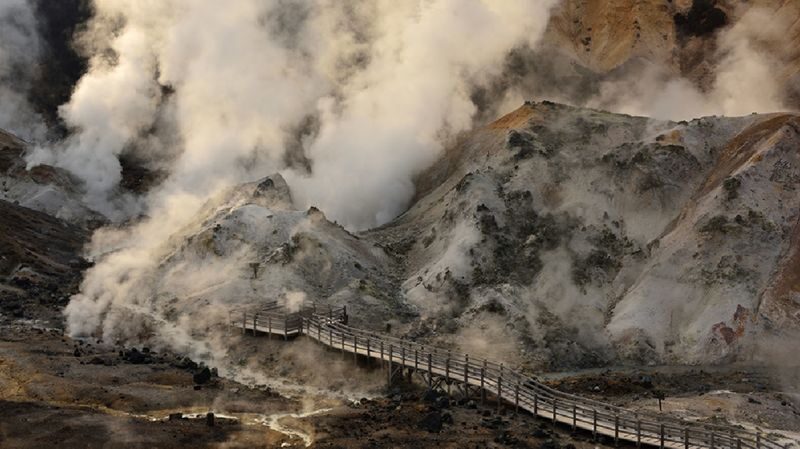
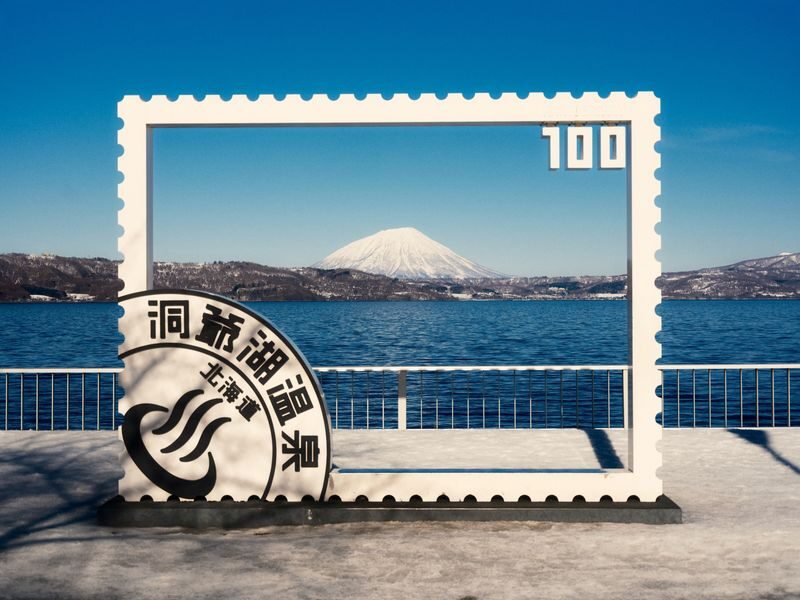
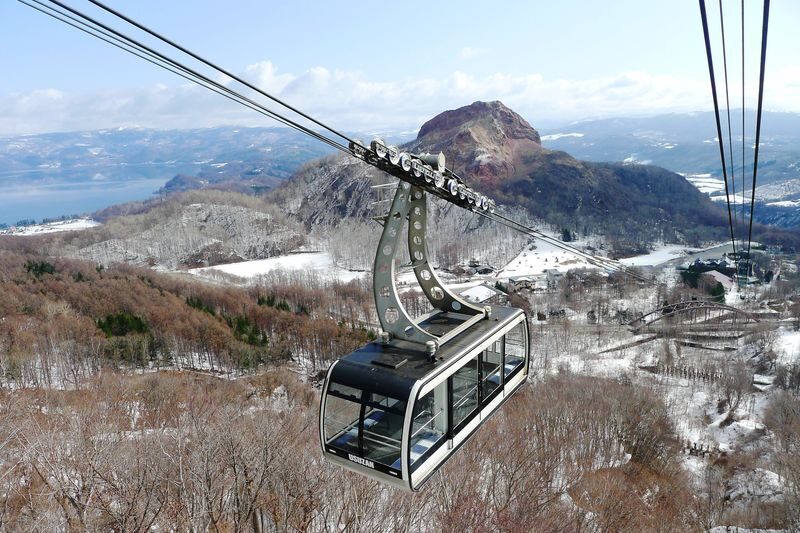
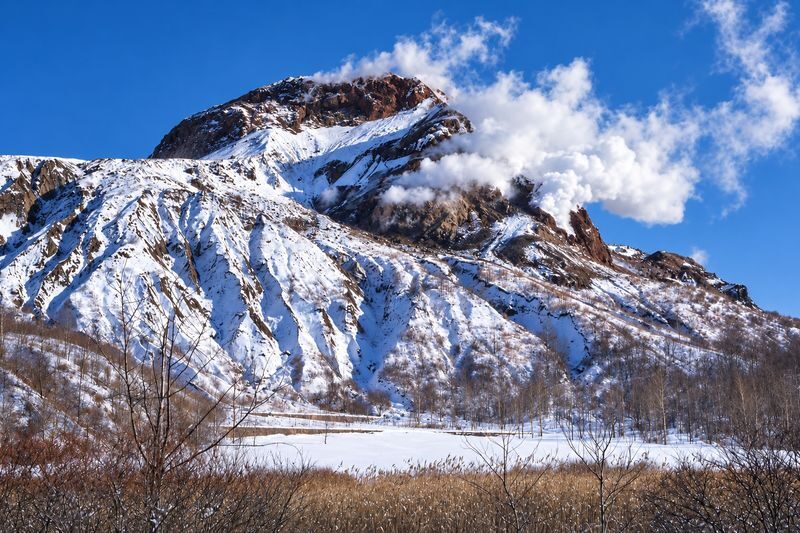
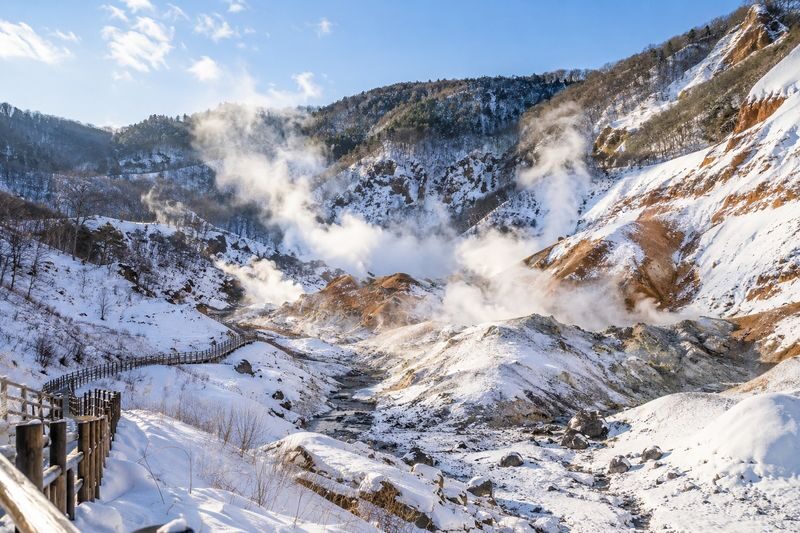
- Hell Valley’s steaming vents make Noboribetsu’s volcanic setting tangible, with roughly 3,000 liters of hot spring water said to emerge underground each minute.
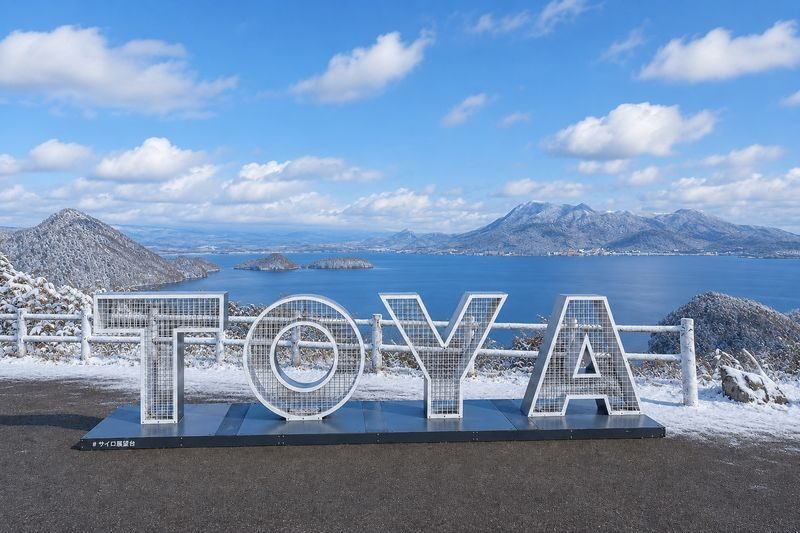
- Cape Chikyu and the Silo Observation Deck offer contrasting viewpoints: one looks out toward the sea, the other over Lake Toya and its volcanic surroundings.
- Choose your Lake Toya stop: spend free time around Toyako Onsen, or pay separately for the Mount Usu ropeway when it is operating.
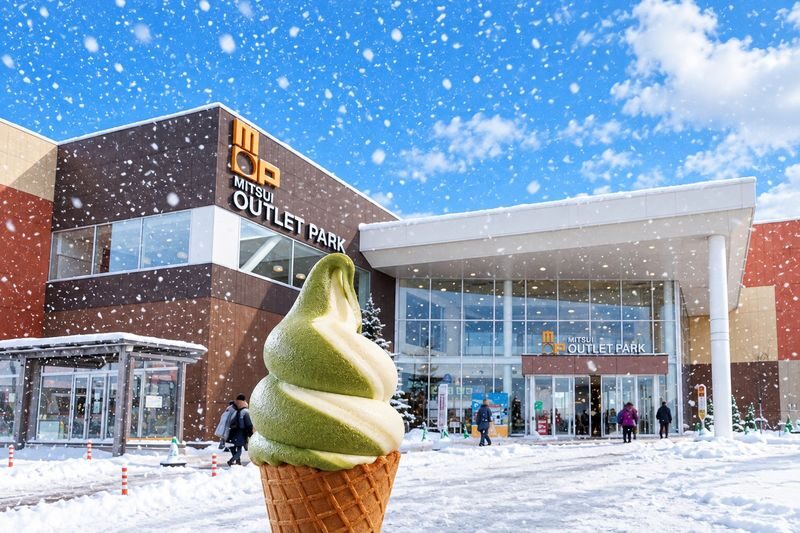
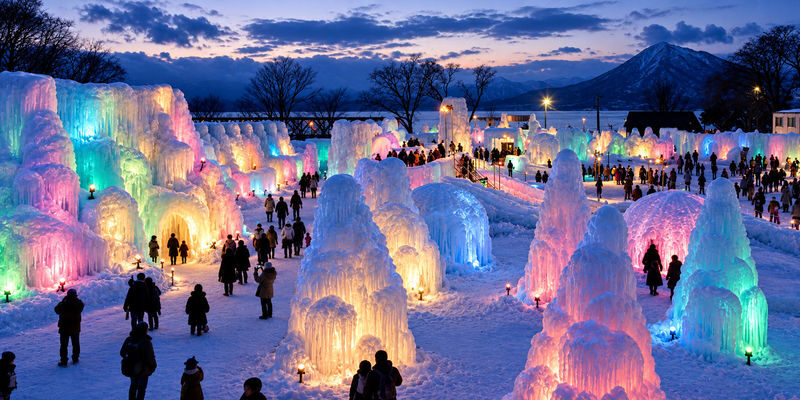
- Routes change with the season. April to October and November to March have different plans; a Lake Shikotsu ice festival visit replaces outlet shopping on designated winter dates in 2027.
- The fare starts at $44.25, but meals, attraction admissions and the ropeway are extra. One standard-sized suitcase, up to 28 inches, is allowed per person.

👉 See our pick of the 4 Of The Best Hiking And Trekking Tours In Noboribetsu
Why this route makes sense from Sapporo
The sights are spread across Hokkaido, and public transport between them can eat up the day. A bus tour makes the connections for you and lets you cover Noboribetsu, the Lake Toya area and additional viewpoints in one outing. That convenience is the main value, especially if you do not drive.
Expect an early start and a long day. Sapporo departures are listed at 7:40 AM from Sapporo Tokyu REI Hall or 7:50 AM from the information center on the first floor of Sapporo TV Tower. Return times are estimates, around 5:45 PM at the TV Tower and 5:55 PM at the Tokyu REI Hotel, and can shift with road conditions.
Confirm the precise meeting point and time for your booking. Several day tours may gather in the same area, so look for the EASY GO flag and check in at least 10 minutes before departure. The guide will not contact you before the tour, and late arrivals or no-shows are not refundable.
The bus can carry up to 49 passengers, though a different vehicle may be used depending on the group size. In larger groups, explanations are given in Chinese, English and Japanese, so commentary may take time to cycle through each language. If the group is small and a large taxi or minibus is used, the sightseeing driver may provide explanations instead of a separate guide.
You can also read our reviews of more tours and experiences in Noboribetsu
Hell Valley: Hokkaido’s volcanic side
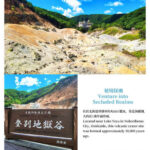
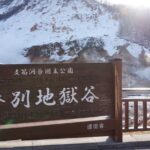
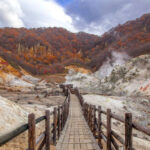
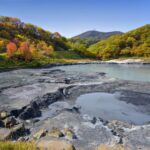
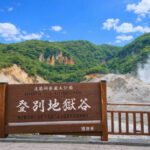
Noboribetsu Jigokudani, or Hell Valley, is the day’s most striking stop. The name suits the scene: a broad volcanic basin, steam vents, bubbling pools and mineral-stained ground feed the hot springs of Noboribetsu Onsen. The valley is about 450 meters across, and its underground hot water supplies the surrounding resort area.
You have about 35 minutes to explore on your own. That is enough for a look at the valley and photos, but not a leisurely wander through every path. Stay within the marked areas and follow the guide’s return time. The sulfur smell is part of the place, not a sign that something has gone wrong.
The route may also include a foot bath around the onsen area, but treat this as a seasonal or itinerary-dependent possibility rather than a guaranteed stop. Bring a small towel if a foot bath is important to you, and check the day’s exact plan before setting out.
Cape Chikyu and the views toward the sea
Cape Chikyu, also called Cape Earth, gives the tour a different mood from the geothermal valley. It is a popular Hokkaido viewpoint, recognized in a selection of the region’s natural sights, with broad views over the coast.
The planned stop is about 25 minutes, so think of it as a brief viewpoint visit rather than a coastal walk. Wind and visibility matter here. On a clear day, the open sea makes a memorable contrast with the inland lakes and volcanic peaks later in the route; in poor weather, the view can be limited.
Because the stop is self-guided and short, keep track of the meeting point and bus time. If you prefer slow walks or want to spend longer taking photographs, this schedule may feel brisk.
Silo Observatory: Lake Toya from above
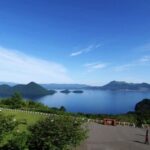
On the western highlands above Lake Toya, the Silo Observation Deck looks across the lake toward Nakajima Island, Mount Usu and Showa-shinzan. It is one of the easiest places on the tour to take in how closely the lake and volcanoes sit together.
The stop is about 30 minutes. You do not need a long hike to reach the main viewpoint, which makes this a useful pause after the bus ride. The view depends on visibility, of course. Clouds or rain can hide the peaks, and the tour cannot control the weather.
This stop also helps put the rest of the Lake Toya itinerary in context. From above, the lake’s broad caldera shape and the volcanic features around it are easier to understand than they are from a roadside stop.
Lake Toya: choose a lakeside break or the ropeway
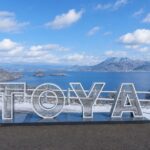
For the main Lake Toya free-time stop, you choose between two plans. Plan A gives you about 75 minutes around Toyako Onsen Street. You can eat lunch at your own expense, stroll by the lake or look for a foot bath. This is the simpler choice if you want a relaxed break and do not want another paid attraction.
Plan B allows about 100 minutes for Mount Usu and Showa-shinzan, with the option to ride the Mount Usu ropeway. The cable car costs extra, with listed reference prices of 2,000 yen for adults and 1,000 yen for children. The ride offers an elevated view of Lake Toya and the surrounding volcanic terrain, but strong winds, bad weather or maintenance can stop service.
The choice matters because you cannot count on doing both plans in full. The schedule is fixed, and some sights may be skipped due to capacity or weather. The Mount Usu ropeway also has a planned closure from January 12 to March 13, 2027, during which only Plan A is offered. A separate temporary suspension is listed for June 22 to June 24, when the tour will visit Toyako Onsen Street instead.
If you choose the ropeway, note that reaching the 360-degree observation point involves a short uphill paved path. It may be tiring for anyone with limited mobility. The tour is described as stroller-friendly, but child seats are not available.

Showa-shinzan and the optional Bear Ranch
Showa-shinzan is a young volcanic mound and a special natural monument of Japan. It began as a flat wheat field, then rose during a period of volcanic activity following an earthquake. The mountain formed over about two years, and smoke still rises from it.
You get around 40 minutes at Showa-shinzan, though the schedule may vary. The stop is a chance to see the volcano up close and grasp how quickly the ground can change in this part of Hokkaido. The nearby Showa-shinzan Bear Ranch is optional and costs extra; standard tour packages do not include its admission. Children under five do not need a Bear Ranch ticket.
Check the timing before buying any add-on. The tour’s posted information gives different stop arrangements in some seasonal and closure periods, and the guide may adjust the order. Do not assume the Bear Ranch is included just because it appears among the attractions associated with the experience.
Lake Shikotsu and the winter route
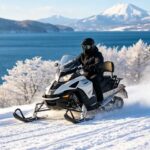
Lake Shikotsu is described as a clear, cobalt-blue caldera lake and Japan’s northernmost ice-free lake. The tour allows about 35 minutes here on the route that includes it. On a clear day, the water reflects the surrounding scenery; in winter, the lake offers a different kind of quiet, though weather and seasonal scheduling affect what you see.
The winter itinerary, running from November to March, differs from the April to October route. It may include Nakayama Pass, the Silo Observation Deck, Showa-shinzan, Hell Valley and Mitsui Outlet Park. The Lake Toya stop is again a choice between Toyako Onsen Street and the Mount Usu ropeway, with the time allocation adjusted for winter.
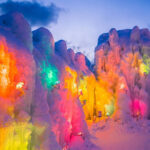
On designated dates from January 30 to February 23, 2027, the tour visits the Lake Shikotsu Ice Festival instead of the outlet. Admission is not included. The event’s listed reference price is 1,000 yen for junior high school students and adults, with children in elementary school and younger admitted free; on Saturdays, Sundays and Japanese national holidays, the listed price is 3,000 yen. Confirm the actual fee and route before departure, as traffic can change the order.
What the price covers, and what it does not
At $44.25 and up, the fare is attractive for a full day of transport between spread-out sights. It includes round-trip bus transfers from the meeting point, a guide who speaks Chinese, English and Japanese, and one standard-sized suitcase up to 28 inches per passenger.
The price does not include meals, drinks, the Mount Usu ropeway, Bear Ranch admission or other personal expenses. Keep some yen available for lunch and optional tickets. The ropeway and Bear Ranch can add meaningfully to the day’s cost, so decide in advance how much you want to spend beyond the base fare.
This is a value purchase if you want transport and a broad sampler of the region in one booking. It is less compelling if you want a slow visit, plan to skip several stops, or would rather spend most of the day at one attraction. At each stop, you are responsible for keeping to the group schedule.
Practical details that shape the day
The tour makes a long driving day easier, but it cannot remove the distances. One traveler described it as a race between stops, a fair warning for anyone who dislikes tight schedules. Others found the pacing workable and appreciated guides who explained each location, repeated key instructions in several languages and recommended local snacks. The quality of the guiding can make a real difference, though guide assignments vary.
Guides on past departures have included Oscar, Lisa, Ken, Yagyu and Alex. Do not count on a specific guide, but do expect multilingual commentary. If you have questions about the ropeway, optional tickets or where to eat, ask before you leave the bus rather than trying to solve it during a short stop.
Weather can change the character of the day. Rain and strong winds have affected views and prevented ropeway rides. Wear layers, particularly in autumn and winter, and bring rain protection. The schedule can also change with traffic, facility hours or other conditions. Japanese rules limit bus use to 10 hours, so the operator may adjust the route to stay within that limit.
Infants aged zero to two can ride free if they do not occupy their own seat; tell the operator in advance. Children aged three and older pay the adult rate, and child seats are not available. A seat for an infant must be arranged as a regular paid reservation. Lunch and child meal costs are not included.
If you board outside Sapporo, check the route carefully. Seasonal changes mean a Noboribetsu or Lake Toya boarding point may not connect with every attraction on the full itinerary. The product price remains the same if you get on or off midway, but you should notify the operator in advance.
Is this Sapporo day trip right for you?
Book it if you want to see several of southern Hokkaido’s headline natural sights without driving, value a guide who can explain the route in multiple languages, and are comfortable with a full day on a bus. It is particularly useful for solo visitors or anyone trying to connect Noboribetsu and Lake Toya while carrying luggage.
Skip it if you want long walks, flexible meal stops or time to explore each place at your own pace. Before booking, decide whether Toyako Onsen or the Mount Usu ropeway better suits you, check the seasonal route and set aside money for admissions and lunch. That small bit of planning makes a busy day much easier to enjoy.
Hokkaido Noboribetsu Jigokudani (Hell Valley) + Showa Shinzan + Lake Toya Day Trip (Sapporo/Lake Toya Departure)
“A good day trip for those who doesnt drive. Covered many locations that are not possible to travel without driving. Tour guide Oscar was fabulous,…”
FAQ
How much does the tour cost?
Prices start at $44.25. The fare includes round-trip transfers and a guide, but not meals, attraction admissions or the Mount Usu ropeway.
Where does the tour depart from in Sapporo?
Listed meeting points are Sapporo Tokyu REI Hall at 7:40 AM and the information center on the first floor of Sapporo TV Tower at 7:50 AM. Check your booking for the confirmed location and time.
What time does the tour return to Sapporo?
Estimated return times are 5:45 PM at Sapporo TV Tower and 5:55 PM at Sapporo Tokyu REI Hotel. Traffic can make the return earlier or later.
Are meals included?
No. Lunch, meals and drinks are at your own expense.
Is the Mount Usu ropeway included?
No. The ropeway ticket must be purchased separately. It may be unavailable due to weather, temporary suspension or scheduled maintenance.
Is admission to Showa-shinzan Bear Ranch included?
No. Standard packages do not include Bear Ranch admission. Children under five do not require a ticket.
Can I bring luggage on the bus?
Yes. Each passenger can bring one standard-sized suitcase up to 28 inches at no extra charge.
Does the tour run the same route all year?
No. The route changes by season. The April to October and November to March schedules differ, and the Lake Shikotsu Ice Festival replaces outlet shopping on designated dates from January 30 to February 23, 2027.