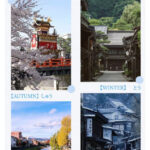
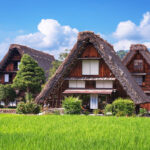
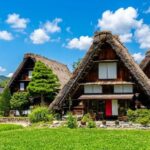
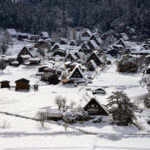
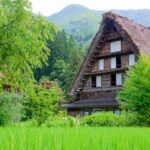
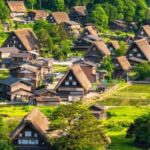
Shirakawa-go’s steep, hand-like thatched roofs are the star of this day trip, but the route adds two very different Gifu towns: water-lined Gujo Hachiman and old-street Takayama. I like that you can see all three without piecing together regional transport, and that staff speak Chinese and English and share local tips.
I also like the contrast between the stops: you go from canals and stone bridges to merchant houses, then to a mountain village shaped by heavy snow. The trade-off is time. With just an hour in Gujo Hachiman, two hours in Takayama, and 1 hour 35 minutes in Shirakawa-go, you’ll need to choose what matters most and keep an eye on the clock.
- Three towns, three distinct moods: Follow a single route through Gujo Hachiman, Hida Takayama, and Shirakawa-go.
- A practical Nagoya departure: Round-trip bus transport removes the need to coordinate separate connections.
- English and Chinese support: Staff provide explanations and recommendations, though the amount of commentary can vary.
- Lunch is on you: Takayama is the main meal stop, with local specialties including Hida beef and miso skewers.
- A brisk pace: The visit windows are short, and traffic or weather can reduce time at the stops.
- One day from Nagoya, three sides of Gifu
- Gujo Hachiman: canals, bridges, and a quick first look
- Takayama: old streets and a self-planned lunch
- Shirakawa-go: the route’s defining scene
- What the guides and bus add
- The pace, the price, and the trade-offs
- Getting to the Nagoya meeting point
- Who should book this day trip
- FAQ
- How long is the tour?
- Where do I meet the bus in Nagoya?
- How much time do I get at each stop?
- Is lunch included?
- Are attraction admission fees included?
- What languages do the tour staff speak?
- Is the tour suitable for someone who uses a walking stick?
- Can I bring a suitcase?
- The Best Of Shirakawa!
- More 1-Day Tours in Shirakawa
- More Tours in Shirakawa
- More Tour Reviews in Shirakawa
One day from Nagoya, three sides of Gifu
 1 / 8
 2 / 8
 3 / 8
 4 / 8
 5 / 8
 6 / 8
 7 / 8
 8 / 8
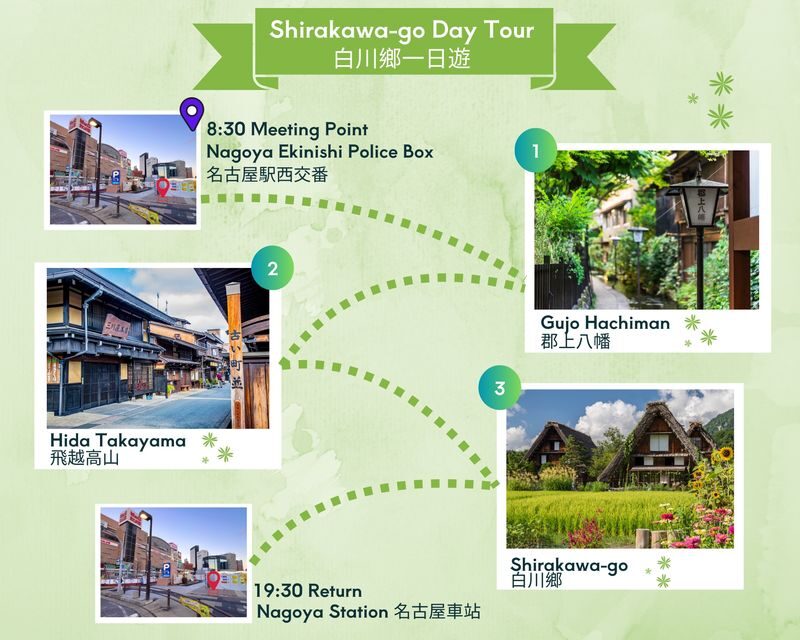
This is a long day with a clear purpose: give you a first look at three celebrated places in Gifu Prefecture without asking you to plan the transport yourself. You leave Nagoya at 8:20 a.m. and are due back around 7:30 p.m., though the actual return depends on road conditions.
The towns make a good trio. Gujo Hachiman is known for its waterways and summer dance tradition. Takayama offers preserved Edo-period streets and regional food. Shirakawa-go is famed for its gassho-zukuri houses, built with sharply pitched thatched roofs to handle heavy winter snow.
The bus is the practical glue. You can sit back between stops rather than work out how to connect these rural destinations by public transport. The cost, from $49.29, can be strong value if you want a guided overview and round-trip transfers. Keep in mind that meals, drinks, and admission to Takayama Jinya and Gujo Hachiman Castle are extra.

👉 See our pick of the 11 Top-Rated Shirakawa Tours
Gujo Hachiman: canals, bridges, and a quick first look
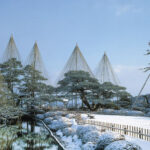
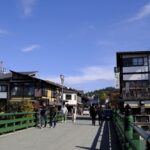
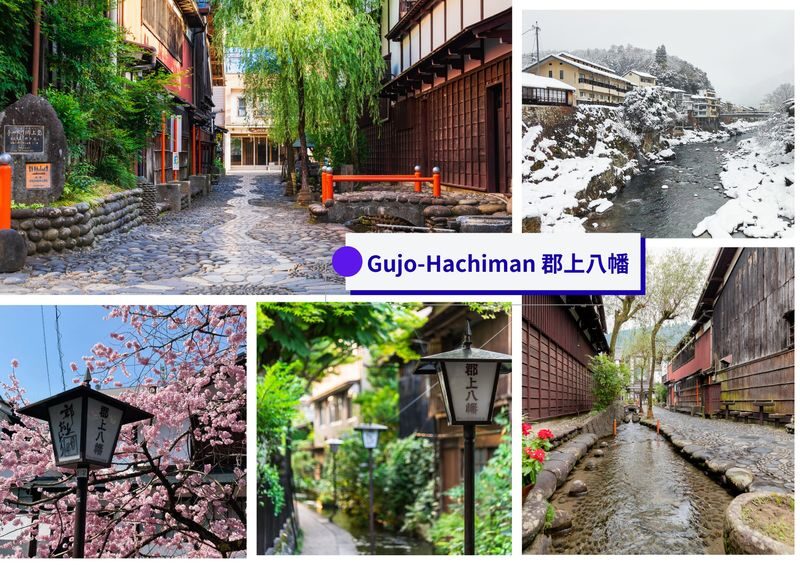
The first stop is Gujo Hachiman, scheduled for about 9:50 a.m. You have one hour to explore its old townscape on your own. The town’s clear streams and narrow waterways are its signature: canals pass traditional wooden buildings, and stone bridges connect the streets.
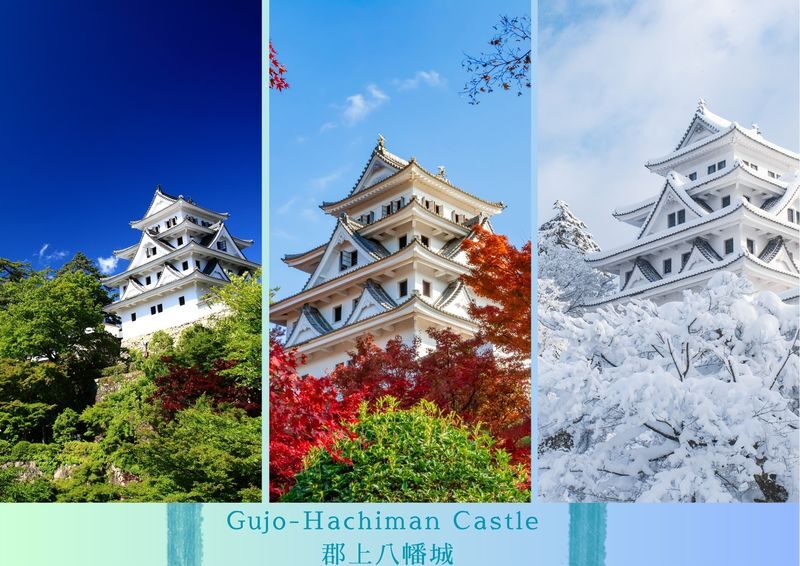
It’s a pleasant place to slow down, but this stop is short. You’ll have time for a walk and a few photographs, not an unhurried tour of every lane or a full visit to the castle. Gujo Hachiman Castle is an optional paid attraction, and the route includes uphill sections and long stairs in places. If climbing is part of your plan, allow for the effort as well as the time.
Look out for Igawa Lane, noted for its koi carp, if it fits your route. Gujo Hachiman is also associated with Gujo Odori, a summer dance festival that gives the town a strong local identity. The tour does not promise that a festival will be taking place during your visit, so treat it as background rather than a scheduled event.
This is the stop most likely to feel rushed. If canals and small-town streets are your main interest, an independent visit with more time may suit you better. On this tour, think of Gujo as a compact introduction.
You can also read our reviews of more tours and experiences in Shirakawa


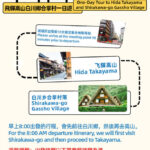
Takayama: old streets and a self-planned lunch
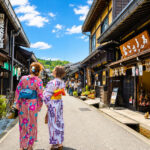
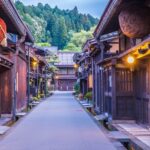
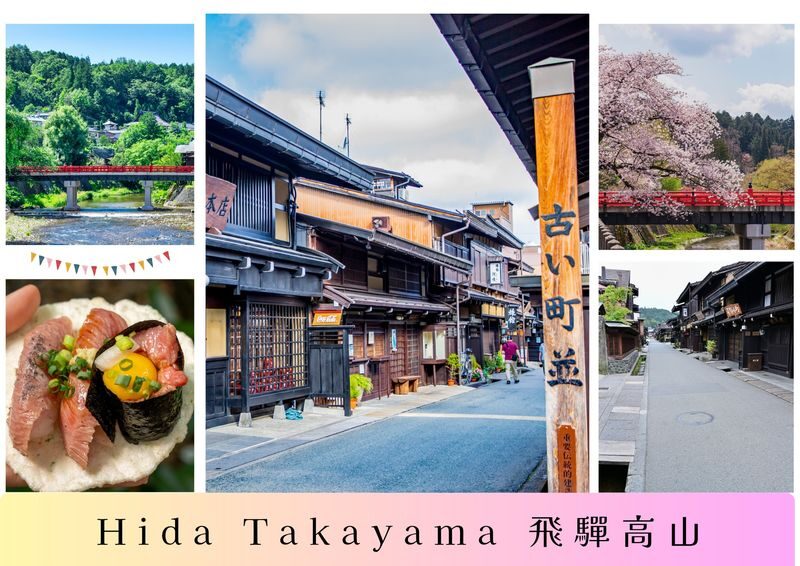
Around noon, the bus reaches Takayama for a two-hour stop. The old town, especially the Sanmachi Suji area, is the main draw. Its wooden machiya houses, sake breweries, and independent shops give the streets a strong sense of their past as a merchant town.
Two hours sounds generous beside the other stops, but lunch takes a good share of it. Meals are not included, and you’ll need to choose a place, order, and eat while leaving time to walk around and return to the bus. If trying Hida beef is a priority, plan your meal before you arrive rather than spending your limited time weighing options. Miso skewers and local sake are other specialties associated with the area.
Takayama Jinya is another possible stop, but admission is not included and a visit will compete with lunch and the old streets. The Takayama Festival, held in spring and autumn, is a notable part of local culture, though this day trip does not include a festival visit unless your travel dates happen to coincide with one.
This is the tour’s most flexible stop for food and browsing. Some people may find the two hours enough for a quick meal and a walk; others will wish for more time. If you love taking your time in historic shopping streets, this schedule asks you to keep moving.
Shirakawa-go: the route’s defining scene
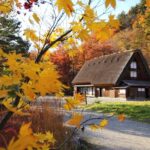
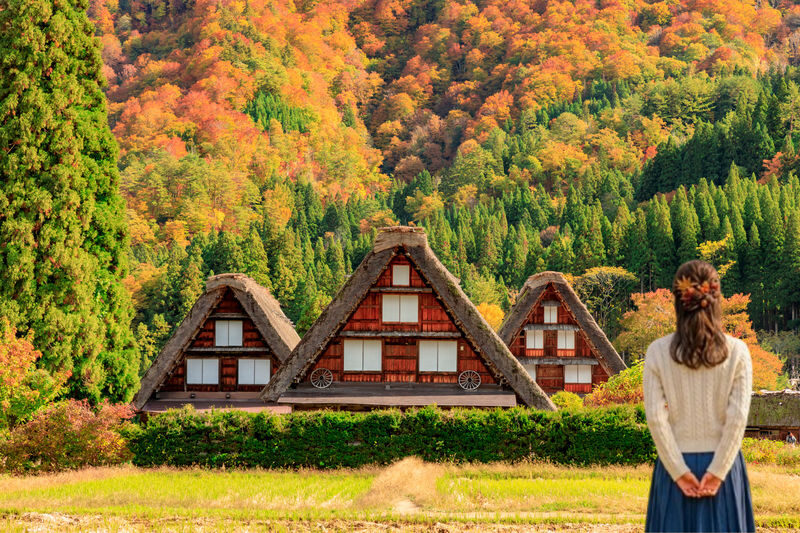
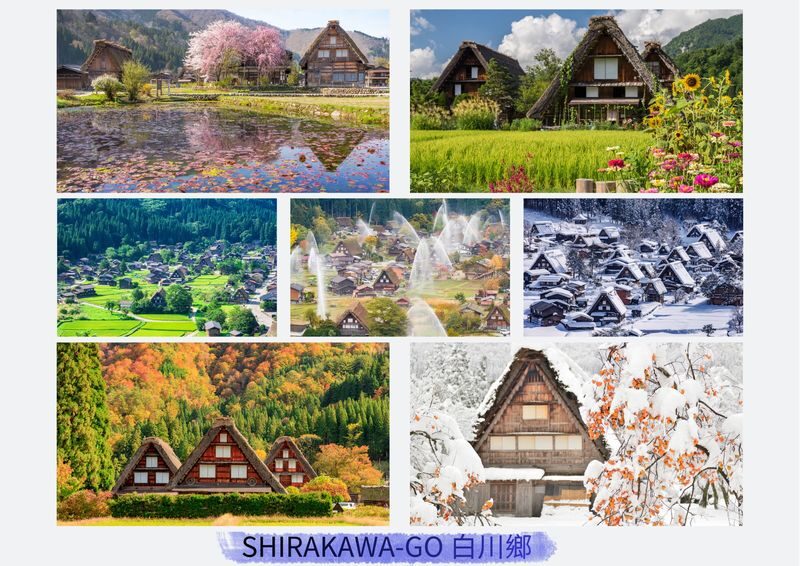
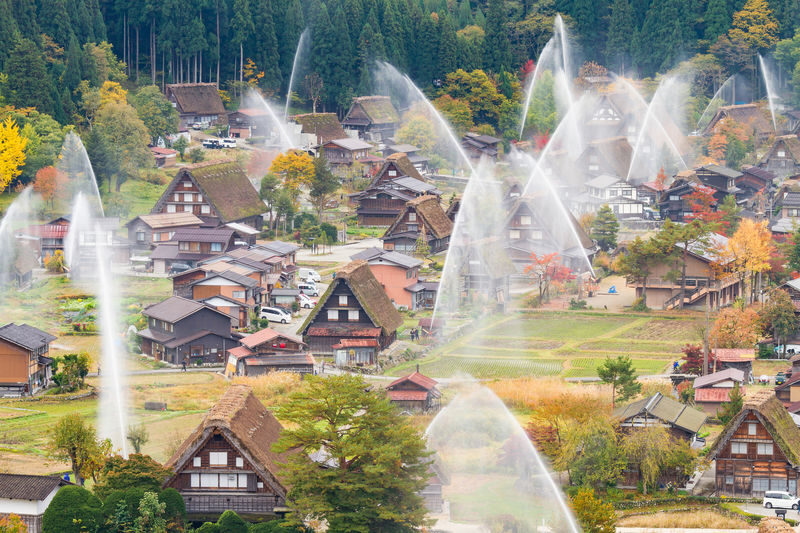
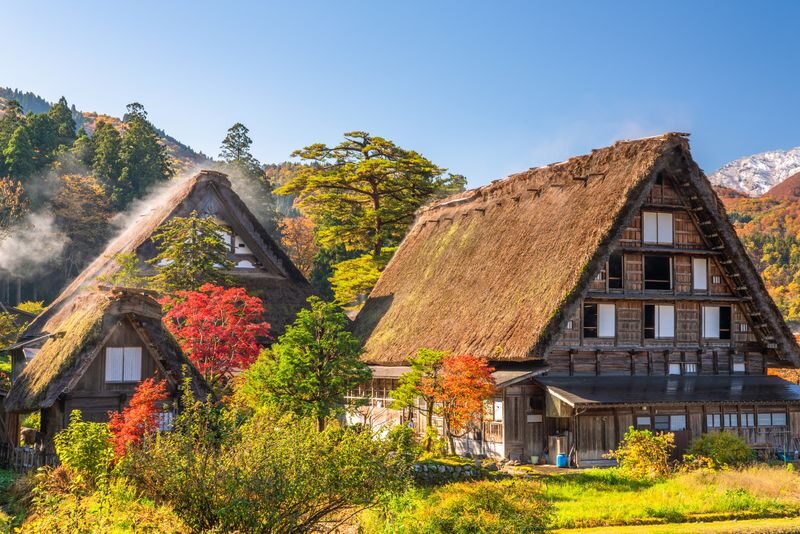
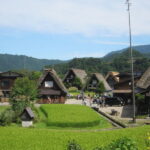
The day reaches its most distinctive stop at Shirakawa-go, scheduled for about 3 p.m. You have 1 hour 35 minutes to explore the World Heritage village. Its gassho-zukuri farmhouses have steep thatched roofs that resemble hands pressed together in prayer. The design helps shed heavy snow, and the buildings give the village its unmistakable outline.
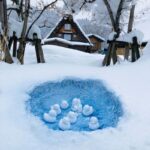
Walk through the village rather than treating it as a single viewpoint. The appeal is in seeing the houses at close range, with mountain scenery around them and details of rural life in between. The setting changes with the seasons: blossoms are usually expected from mid-April to early May, while autumn foliage is generally best from mid-October to early November. Weather shifts the timing, and winter snow can make the roofs especially striking, but conditions are never guaranteed.
The short visit means you’ll need to decide whether to focus on a village walk, photographs, or a particular attraction. The tour time does not allow for an expansive visit, and the route may be adjusted if traffic or weather causes delays. Still, Shirakawa-go is the stop most likely to stay with you after the day is over. Its architecture is unusual for a reason, not just picturesque: it reflects how people adapted their homes to a snowy mountain climate.
What the guides and bus add
The tour includes Chinese- and English-speaking staff, round-trip transfers from the Nagoya meeting point, and operator-provided insurance. Staff offer explanations and suggestions for places to eat, shop, or explore. The amount of commentary can depend on the guide and the group; some accounts of the day describe detailed cultural explanations, while others describe a service that feels more like transport between stops. It’s sensible to ask questions if you want more context.
Guides named in accounts of the trip include Wang, Lily, John, Sirius, and Cici. Names and guide assignments vary by departure, so you can’t count on a particular person. The recurring practical benefit is language support: the guide may explain information in several languages and clarify where to meet and when to return.
The vehicle is arranged according to the number of people booked, and may be a small bus. One standard suitcase per person is allowed in the luggage compartment, within the stated size and weight limits. Keep valuables with you, since the operator does not accept responsibility for luggage stored below.
The pace, the price, and the trade-offs
At the advertised starting price of $49.29, the main value is convenience. You get transport to three places that would take more planning to connect, plus language support and a structured day. If you want a broad introduction to Gifu’s historic towns and rural architecture, that is a useful package.
The price does not cover lunch, drinks, personal expenses, or admission to Takayama Jinya and Gujo Hachiman Castle. Budget for food and any paid attractions you choose. You’ll also need cash or another accepted payment method for small purchases, as the tour advises bringing cash.
The biggest cost is not financial but time. The three stops are self-guided, with fixed meeting times. Weekends and holidays can bring traffic, and the operator may adjust time at the attractions to stay within bus-driver working-hour rules. Bad weather or road delays can also shorten or change the plan. Be cautious about scheduling a tight onward connection after the tour; the stated return is approximate, not a guarantee.
There are stairs and uphill stretches along parts of the route. The operator does not recommend the trip for older people who need walking sticks. That warning matters most at Gujo Hachiman and wherever you choose to climb or walk beyond the central streets. Bring suitable shoes, water, and a small snack for the bus.
Getting to the Nagoya meeting point
Meet at the Taiko-dori Exit of JR Nagoya Station. After leaving the station, go to the west-side square and look for the silver clock monument opposite the Tourist Information Center. The tour staff wait by a blue Wonder Tour flag.
Arrive at least ten minutes early. Late arrivals and no-shows are not refunded, and the bus will not wait. The meeting area can be confusing because of Nagoya’s underground walkways, so check your route in advance and allow extra time to come up to street level.
The day-before notice, including staff contact details and a meeting-point map, is sent between 5 p.m. and 8 p.m. Check your email. The operator asks you to provide WhatsApp or WeChat contact details, since LINE IDs may not work across countries. On the day, contact the guide directly if needed.
Who should book this day trip
I’d choose this tour if I had one free day in Nagoya and wanted a taste of several Gifu highlights without managing the transport myself. It suits people who value variety, don’t mind a full schedule, and are content to see the main sights rather than linger. The multilingual support is useful if you want help understanding the route or finding food.
I’d skip it if you want to spend a half day or more in Shirakawa-go, explore Takayama at a slow pace, or climb to Gujo Hachiman Castle without watching the clock. In that case, choose fewer stops or arrange an overnight stay in the region. This trip is best treated as an efficient sampler, with Shirakawa-go as the main event and two worthwhile town visits along the way.
Shirakawa-go, Gujo Hachiman, and Hida Takayama Day Trip
“the itinerary is fun packed and so worth the price”
FAQ
How long is the tour?
The day runs from an 8:20 a.m. departure in Nagoya to an expected return around 7:30 p.m. Traffic and weather can change the timing.
Where do I meet the bus in Nagoya?
Meet at the Taiko-dori Exit of JR Nagoya Station, in the west-side square by the silver clock monument opposite the Tourist Information Center. Look for the blue Wonder Tour flag.
How much time do I get at each stop?
The scheduled visits are one hour in Gujo Hachiman, two hours in Takayama, and 1 hour 35 minutes in Shirakawa-go. The operator may adjust these times because of traffic or weather.
Is lunch included?
No. You arrange and pay for your own lunch, with Takayama as the scheduled meal stop.
Are attraction admission fees included?
No. Admission to Takayama Jinya and Gujo Hachiman Castle is not included. Meals, drinks, and personal expenses are also extra.
What languages do the tour staff speak?
The activity includes Chinese- and English-speaking staff. The guide assigned to your departure may vary.
Is the tour suitable for someone who uses a walking stick?
The route includes long stairs and uphill sections. The operator does not recommend it for older people who require walking sticks.
Can I bring a suitcase?
Each passenger may bring one standard suitcase for the bus luggage compartment. The stated maximum is 30 kg and 155 cm in depth, height, or width; do not put valuables in checked luggage.