The best part of this two-day trip is the contrast: one day on forest paths beside the Azusa River, the next crossing Japan’s high mountains by several kinds of transport. You get Kamikochi, Kurobe Dam, and Murodo without arranging separate buses, trains, and a hotel yourself.
I like that the first day leaves room to choose a Kamikochi walking route, and that the second turns the journey into an experience of its own, with a dam, lake, cable car, ropeway, and mountain buses. The Hakuba overnight stop also gives you a chance to rest between two long days.
The trade-off is the pace. You leave Nagoya early, have limited time in Kamikochi, and face a long return drive that may run late. Autumn color and clear mountain views depend on weather and timing, so book for the route and the scenery’s potential, not a guaranteed peak-color show.
- The details that matter most
- Day one: from Nagoya to Kamikochi
- Two Kamikochi walks, two different days
- Hakuba overnight: a useful pause, not a second sightseeing day
- Day two: across the Tateyama Kurobe Alpine Route
- What the price includes, and what it does not
- Autumn timing, comfort, and the fine print
- Who should book this two-day mountain trip?
- FAQ
- Where does the tour depart from?
- Is the Tateyama Kurobe Alpine Route pass included?
- How much time is available in Kamikochi?
- Where is the overnight stay?
- Are meals included?
- How much luggage can I bring?
- Can children join the tour?
- What happens if weather or traffic changes the schedule?
- The Best Of Nagoya!
- More Tours in Nagoya
- More Tour Reviews in Nagoya
The details that matter most
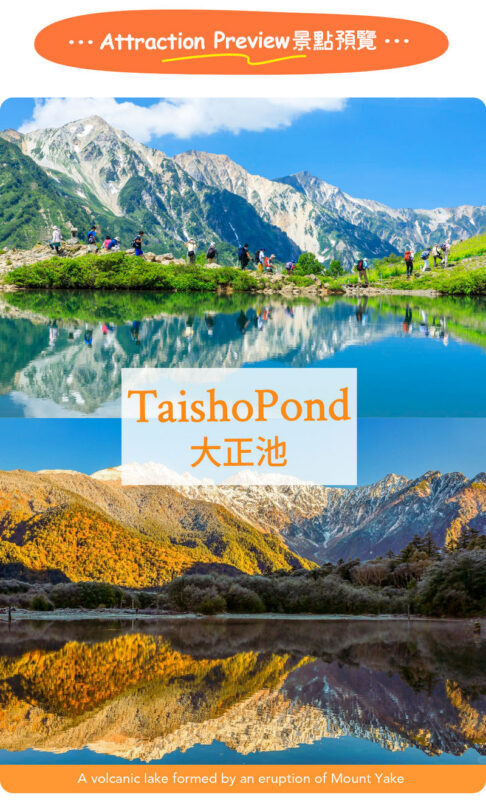
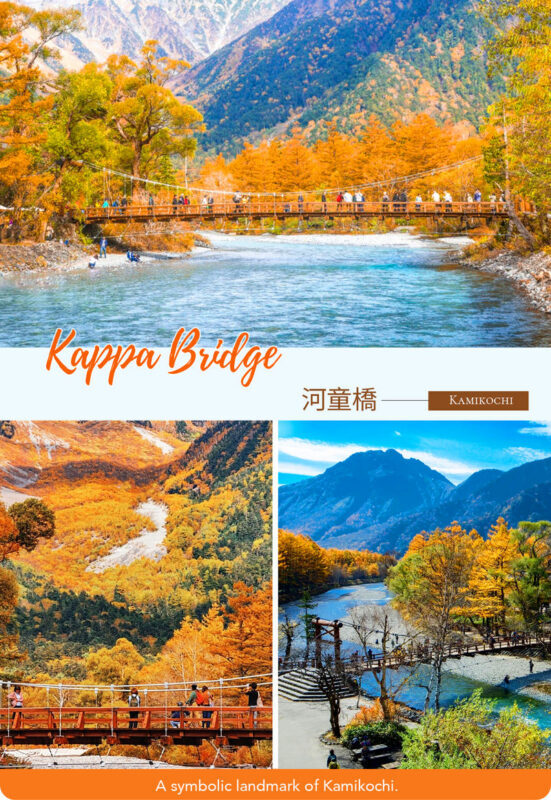
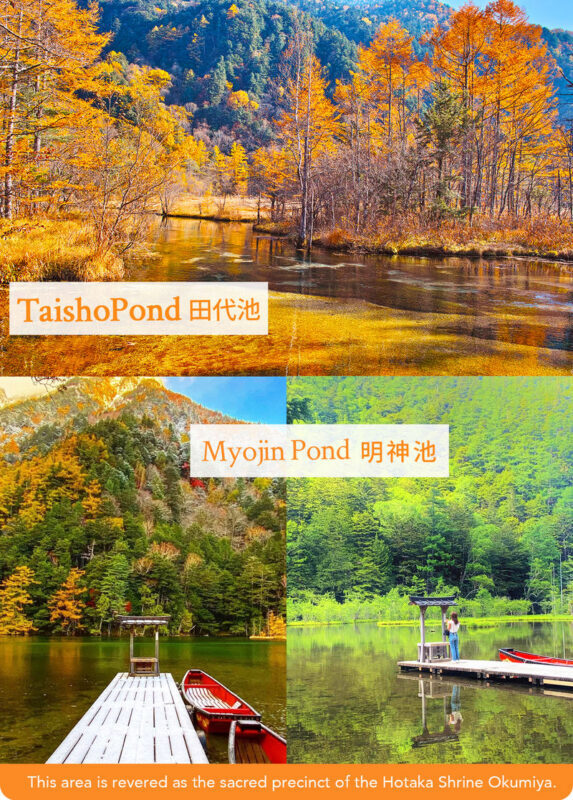
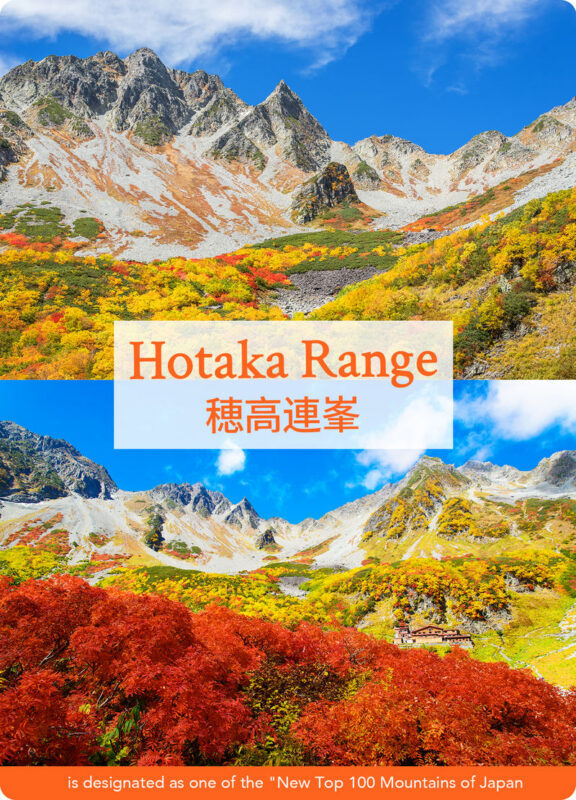
- Kamikochi is explored on foot: Choose between a route from Taisho Pond to Kappa Bridge or a longer walk toward Myojin Pond.
- The Azusa River links the day’s highlights: Look for pond reflections, wetland scenery, and forest views along the way.
- Hakuba is your overnight base: One night at Hakuba Sun Valley Hotel or a similar hotel is included, while meals are not.
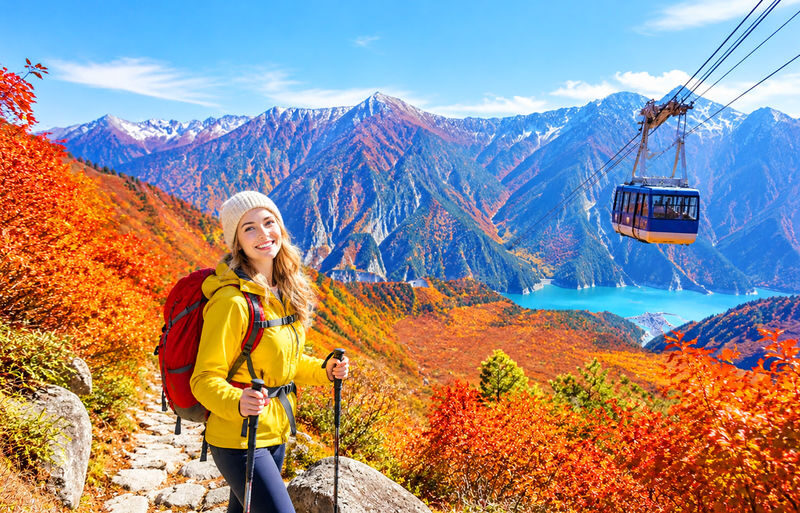
- The Alpine Route uses several forms of transport: The crossing includes an electric bus, a cable car, a ropeway, and highland and tunnel buses.
- The Alpine Route pass may cost extra: The pass is listed at ¥10,900 per adult and ¥5,400 per child aged 6 to 11 unless you choose a package that includes it.
- Schedules and autumn color are not guaranteed: Weather, traffic, and crowding can change the order or length of stops.

👉 See our pick of the 13 Best Workshops & Classes In Nagoya
Day one: from Nagoya to Kamikochi
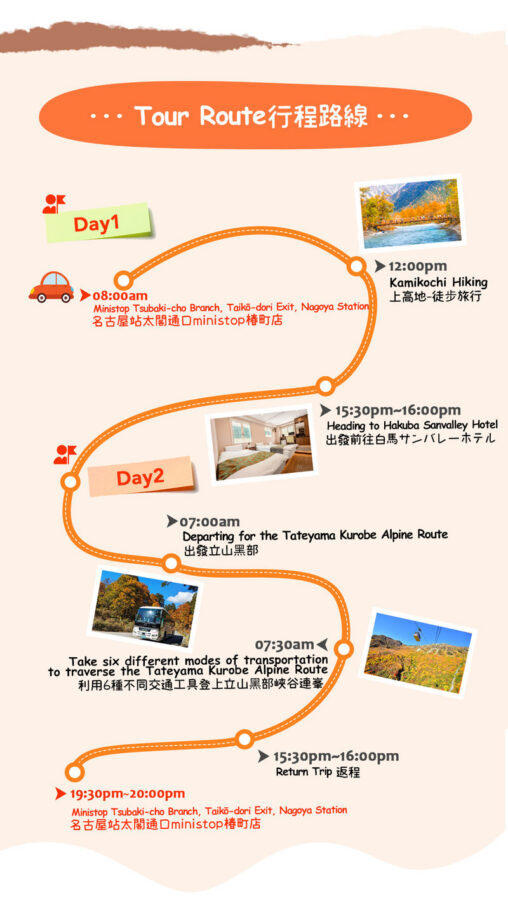
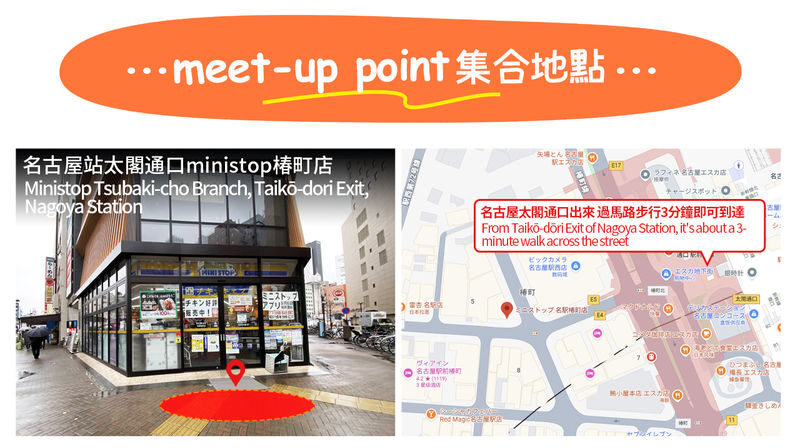
The bus leaves from Nagoya Station’s Taiko-dori Exit at 8:00 am. Arrive 20 minutes early. The drive to Kamikochi is listed at about four hours, so bring water, a snack, and anything you need to stay comfortable on a long coach ride. The return journey to Nagoya is long too, and the operator estimates arrival between 7:15 and 8:15 pm on day two.
At Kamikochi, you have about four hours for a self-guided walk. That time is enough to enjoy a section of the valley, but it is not enough to take every route at a relaxed pace. The guide may adjust the schedule or skip some stops because of weather or capacity, so decide in advance which sights matter most to you.
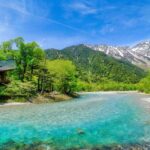
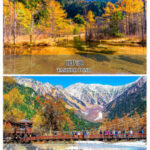
Kamikochi’s setting is the main draw: mountain forest, wetlands, ponds, and the Azusa River, with autumn leaves adding color when conditions cooperate. The tour gives you a choice between two suggested walks, rather than a guided hike with a fixed group route.
You can also read our reviews of more tours and experiences in Nagoya.


Two Kamikochi walks, two different days
The first option starts at Taisho Pond and follows the route through Tashiro Pond to Kappa Bridge, ending at the Kamikochi bus stop. It is the more direct choice if you want to see two ponds and the valley’s best-known bridge without walking as far toward the forest interior.
Taisho Pond is noted for reflections of the surrounding mountains and trees. Tashiro Pond adds wetland scenery, a different feel from the river and forest paths. At Kappa Bridge, look toward the Hotaka Mountain Range. It is the classic view on this route, though weather can obscure the peaks.
The second suggested route starts at the Kamikochi bus stop and heads toward Kappa Bridge, Dakesawa Marsh, Myojin Bridge, Hotaka Shrine Okumiya, and Myojin Pond before returning. This route takes you farther into the wooded valley and gives you a chance to see the shrine and pond, where nature and religious tradition meet.
The choice is practical: prioritize Taisho Pond if you want the iconic reflections and a shorter, straightforward walk; choose the Myojin route if you prefer a longer outing and the quiet of the forest. You are responsible for managing your own time. Keep an eye on the departure arrangements and do not assume you can linger until you have seen every stop.
Hakuba overnight: a useful pause, not a second sightseeing day
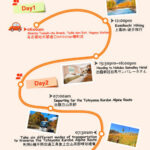
Around 4:00 pm, the group heads to its hotel in Hakuba. The included stay is at Hakuba Sun Valley Hotel or a similar property, with the room arrangement based on two people sharing. If your party has an odd number, ask about the single supplement and select the appropriate package when booking.
The hotel stay breaks up a demanding journey and places you in the mountain area before the Alpine Route day. The tour information mentions mountain hot springs and local food as part of the appeal, but meals and beverages are not included, and it does not guarantee a specific meal or bathing arrangement. Check what your assigned hotel offers rather than treating those extras as part of the price.
Breakfast also needs a little attention. If an early start means the hotel cannot provide breakfast, the operator may give you a bento to eat on the bus or a ¥1,000 cash allowance to buy breakfast. Infants under two who travel free do not receive the allowance. Pack a small snack in case the timing or options do not suit you.
Day two: across the Tateyama Kurobe Alpine Route
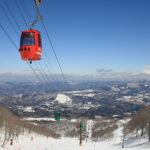
The second day starts at about 7:30 am and allows around six hours for the Alpine Route. From Ogizawa, the listed sequence runs to Kurobe Dam by electric bus, then across Kurobe Lake on foot, onward by cable car to Kurobedaira, and by ropeway to Daikanbo. You continue to Murodo by tunnel bus, then pass Tengudaira and Midagahara by highland bus before reaching Tateyama Station.
This is not a single scenic bus ride. The changing transport is part of the point: you pass through different elevations and terrain, with stops that reveal the scale of the mountains and the engineering required to cross them. The route is known for high mountain scenery, but cloud, rain, and other weather can affect what you see.
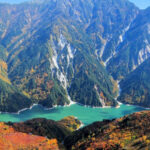
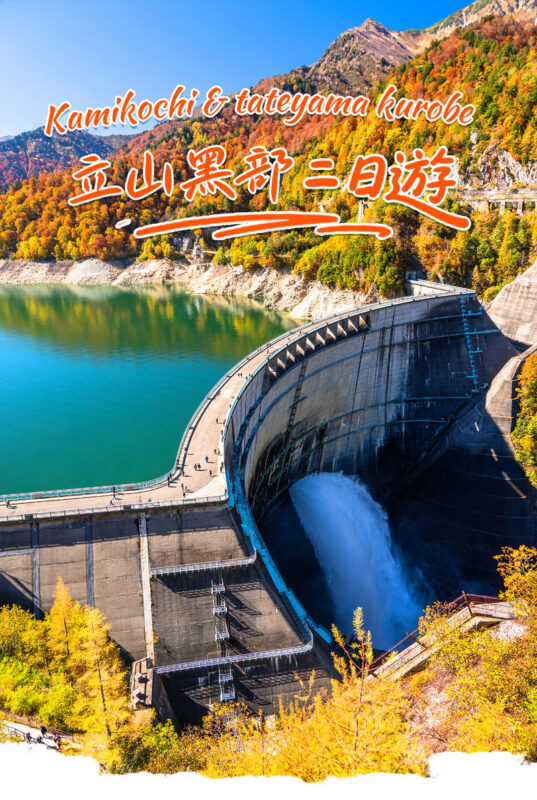
Kurobe Dam brings human engineering into the mountain setting. You also cross Kurobe Lake, where the route includes a walk rather than a vehicle transfer. That means comfortable walking shoes matter even though most of the day uses organized transport.
Murodo is the high point of the day’s scenery, with the possibility of autumn leaves and early snow appearing together. The tour presents that combination as a seasonal highlight, not a promise. Conditions vary, and the foliage may be past its best or the mountains may be clouded over when you visit.
The detailed sequence and stop times can change. The operator may rearrange the order or shorten visits because of traffic, weather, crowding, or rules governing commercial vehicle hours. Treat the route as a plan with some flexibility, not a minute-by-minute guarantee.
What the price includes, and what it does not
The tour includes round-trip transport from Nagoya, an English- or Chinese-speaking guide, and one hotel night. The Alpine Route pass is the major extra to check before paying. The listed adult price is ¥10,900, with ¥5,400 for children aged 6 to 11.
Two package choices are shown: an early-bird option without the Alpine Route ticket from US$244.45, and one with the ticket from US$337.70. A headline starting price of US$195.59 is also provided, so prices may depend on the date or offer available. Confirm the total for your chosen departure and package rather than comparing only the lowest displayed figure.
For value, the tour makes most sense if you want the convenience of a shared transfer and hotel arranged in one booking. The Alpine Route pass adds a substantial cost, but it covers the transport sequence that makes this crossing possible. If you would rather control your walking pace or spend longer at each stop, organizing your own transport and overnight stay may offer more freedom, though it requires more planning.
Meals, drinks, personal expenses, and tips are extra. Keep some spending money available, and factor the pass into your budget if it is not included in your package.
Autumn timing, comfort, and the fine print
Autumn color is a reason to choose this tour, but it is not a fixed-date spectacle. Leaf color, snow, and cloud cover depend on conditions. The tour proceeds unless it is officially cancelled, and there is no refund just because the foliage or scenery is not what you hoped for.
Dress for a day outdoors in mountain conditions. The walking portions include river paths, ponds, and the crossing at Kurobe Lake, while the route also reaches high elevations. The supplied details do not specify a required fitness level, but you should be comfortable walking between stops and managing a full day with early starts.
Each person may bring one piece of luggage, with carry-on size recommended. Tell the operator when booking if you plan to bring luggage. An unannounced bag can take up limited vehicle space, and the guide may refuse boarding if the vehicle’s capacity is exceeded.
Children aged 3 and older pay the adult rate. Children aged 0 to 2 travel free but must still be counted when booking, even if they do not occupy a seat. Child seats are not available. Travelers aged 70 or older and pregnant travelers must complete a liability waiver in advance.
You will receive guide and vehicle details by email between 8:00 and 9:00 pm the night before departure. Check your spam folder, and use the latest message if more than one arrives. The vehicle type is based on the group size, and you may share it with people speaking other languages. Seating is generally first come, first served, though you can note a request when booking.
Who should book this two-day mountain trip?
I would choose this tour if I wanted to combine Kamikochi and the Tateyama Kurobe Alpine Route without piecing together separate transport and lodging. It suits people who are comfortable with early starts, shared transport, self-guided walking, and a schedule that can change with conditions.
It is less suitable if you need a leisurely pace, want to control every stop, or cannot accept the possibility of missed views or a late return. Do not book another activity in Nagoya on the evening you return. If the package price, extra pass cost, and limited time in Kamikochi all work for you, this is a practical way to see two major mountain areas in one trip.
Tateyama Kurobe Autumn Foliage Two-Day Tour | Tateyama Kurobe Alpine Route & Hidden Gem Kamikochi Nature Exploration | Departing from Nagoya
“Tour guide: Thank you so much, Miss Amy, you look gorgeous.”
FAQ
Where does the tour depart from?
It departs from Nagoya Station’s Taiko-dori Exit. The meeting time is 8:00 am, and you should arrive 20 minutes early.
Is the Tateyama Kurobe Alpine Route pass included?
It depends on the package. The package without the pass lists an extra cost of ¥10,900 per adult and ¥5,400 per child aged 6 to 11. A separate package option includes the pass.
How much time is available in Kamikochi?
The tour allows about four hours for self-guided walking. You can choose between the Taisho Pond to Kappa Bridge route and the longer route toward Myojin Pond.
Where is the overnight stay?
The included overnight stay is at Hakuba Sun Valley Hotel or a similar hotel. Rooms are priced for two people sharing, and an odd-numbered party may need to pay a single supplement.
Are meals included?
Meals and beverages are not included. If breakfast is unavailable because of an early departure, a bento may be provided or a ¥1,000 cash allowance may be issued. Infants under two who travel free do not receive the allowance.
How much luggage can I bring?
Each person may bring one piece of luggage, with carry-on size recommended. Tell the operator when booking, because unannounced luggage may cause capacity problems.
Can children join the tour?
Yes. Children aged 0 to 2 travel free but must be included in the passenger count. Children aged 3 and older pay the adult rate. Child seats are not available.
What happens if weather or traffic changes the schedule?
The operator may adjust the order of stops or reduce some visits because of traffic, weather, or capacity. The return time is an estimate, so avoid scheduling other activities after the tour.