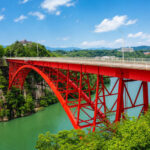
A river walk beneath the Hotaka peaks one day, then a chain of buses, cable cars, and a high mountain ropeway the next: this tour links two of central Japan’s best-known alpine stops without asking you to plan the transfers yourself. In autumn, you get mountain scenery and changing leaves in one compact trip.
I like two things especially: Kamikochi gives you a choice of gentle riverside walking or a longer trail toward Myojin Pond, and the Alpine Route turns the journey itself into the main event. The included Nagoya transport and Hakuba overnight stay also save you from arranging a string of separate connections.
The trade-off is time. Kamikochi allows about four hours, while the Alpine Route takes roughly six, with group schedules and crowds limiting how long you can linger. And on the ticket-free plan, the Alpine Route fare is an additional 10,900 yen per adult.
- The highlights at a glance
- Day one: Kamikochi on foot
- Evening in Hakuba: a useful reset
- Day two: crossing the Tateyama Kurobe Alpine Route
- Autumn color, weather, and what can change
- Guides, group size, and the pace of the trip
- What the price includes, and what it does not
- Should you book this two-day mountain trip?
- FAQ
- Is the Tateyama Kurobe Alpine Route ticket included?
- How long do I have in Kamikochi?
- What time does the tour leave Nagoya and return?
- Is the snow wall guaranteed to be tall in autumn?
- What happens if Kamikochi is closed?
- What meals and accommodation are provided?
- The Best Of Nagoya!
- More Hiking & Trekking Tours in Nagoya
- More Tours in Nagoya
- More Tour Reviews in Nagoya
The highlights at a glance
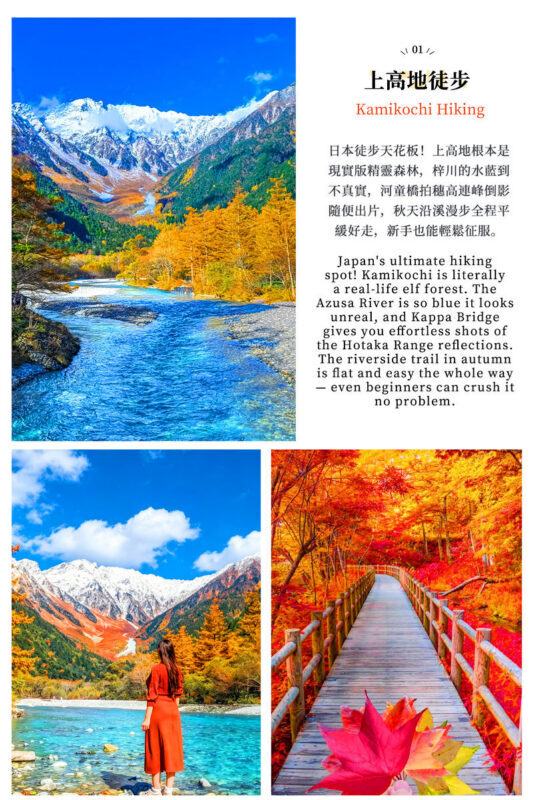
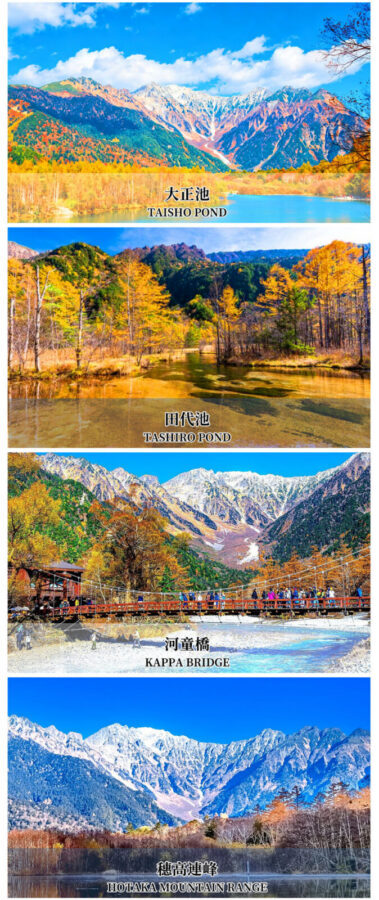
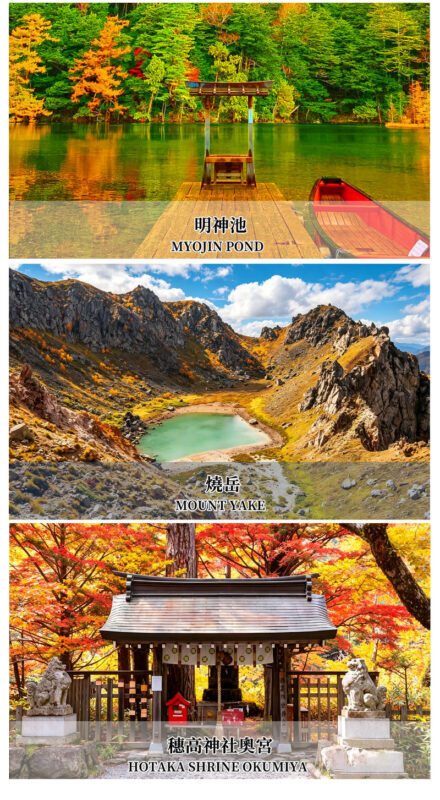
- Walk beside the Azusa River: Choose the easier Taisho Pond to Kappa Bridge route or the longer path toward Myojin Pond.
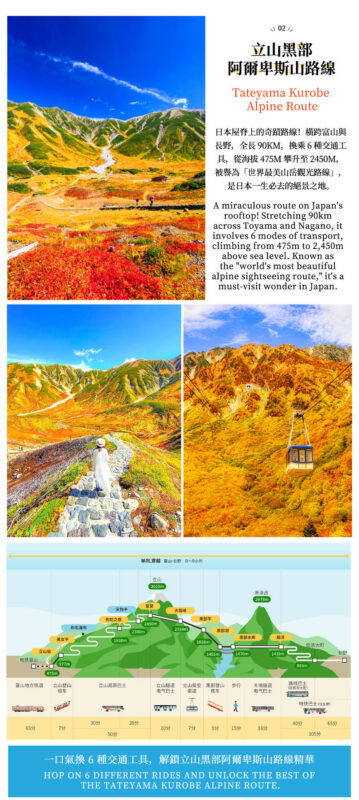
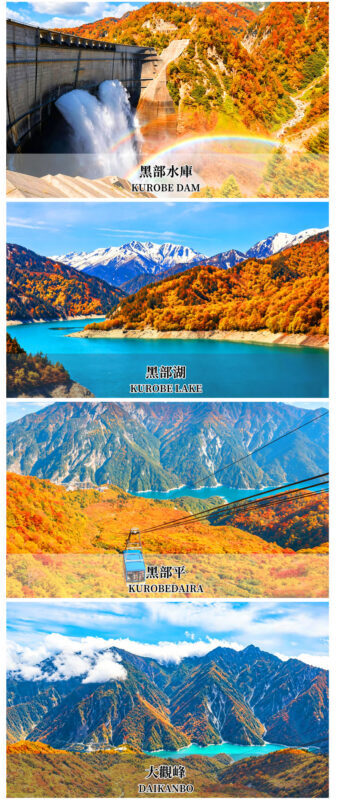
- Ride across the Tateyama Kurobe Alpine Route: The journey links mountain bus, electric bus, cable car, ropeway, and tunnel bus sections, with a walk beside Kurobe Dam.
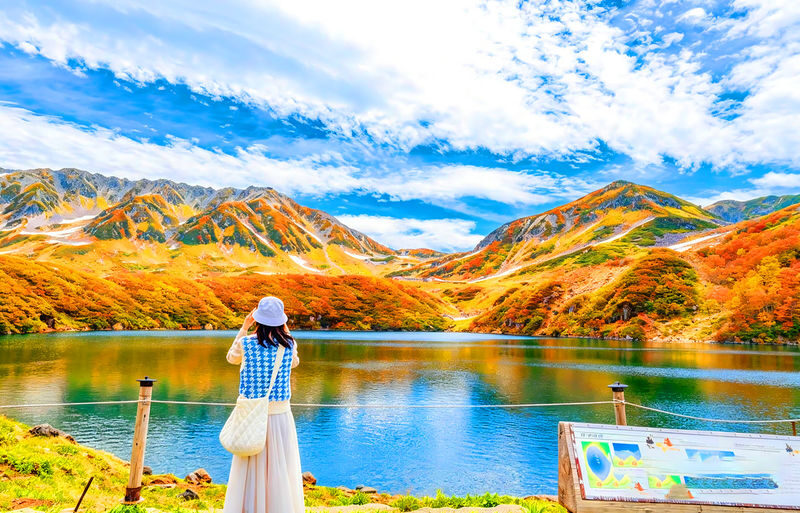
- See autumn color from late September into October: The valleys and lake edges can turn red and gold, though timing and color depend on conditions.
- Sleep in Hakuba, not on the road: The hotel stay includes dinner and breakfast, with a bento or 1,000 yen breakfast voucher available if an early start prevents a sit-down meal.
- Know the extra cost: The ticket-free package starts at $196.75, but the Alpine Route ticket is paid separately to the guide.
- Plan for a group pace: You need to meet on time and keep to the schedule. A long, relaxed hike or an unhurried lunch is not guaranteed.

👉 See our pick of the 13 Best Workshops & Classes In Nagoya
Day one: Kamikochi on foot
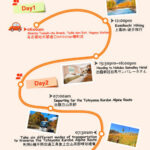
The first day starts in Nagoya at 8:00 a.m., followed by a drive to Kamikochi, about 1,500 meters above sea level. The drive takes roughly four hours according to the schedule, so expect a substantial stretch in the vehicle before you reach the walking trails.
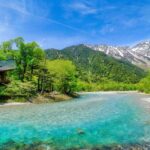
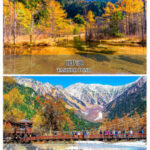
Kamikochi is known for its clear mountain air, the Azusa River, and views toward the Hotaka range. You have about 3.5 to 4 hours of free time, which is enough to see a good portion of the valley, but not enough to stroll every path at a leisurely pace.
For an easy outing, walk from Taisho Pond to Tashiro Pond and onward to Kappa Bridge. The route is about 3.5 kilometers and takes around one to 1.5 hours, making it the sensible choice if you want time for photos, a meal, or a slower riverside walk.
Kappa Bridge is a natural turning point, with views of the river and surrounding peaks. It is also one of the more popular spots, so you should expect company, especially during a busy autumn day. The walk is gentle, but the schedule means it pays to keep an eye on the return time.
If you are fit and prefer a quieter path, the longer option runs from Kappa Bridge to Myojin Bridge, then to Hotaka Shrine Okumiya and Myojin Pond, with Dakesawa Marsh also included in the proposed route. The stated distance is about 5.6 kilometers, taking two to 2.5 hours without extended stops.
That timing is tight if you want to photograph the scenery or pause at Myojin Pond. A past spring departure found that reaching the pond meant moving steadily and not stopping often. For autumn, I would choose the shorter walk unless you are comfortable with a brisk pace and are willing to trim your stops.
The choice is valuable because you can match the walk to your energy rather than being assigned one fixed hike. Still, the free time is not a private trekking day. Keep enough time to return to the meeting point, and follow the guide’s instructions about when to be back.
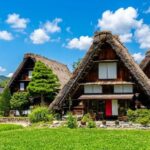
If Kamikochi is closed on April 14, the route changes to Shirakawa-go and Takayama, with about 1.5 hours in the first village and two hours in Takayama. That is a specific spring contingency, not the usual autumn plan. More generally, closures, weather, and capacity can lead to changes or skipped stops.
You can also read our reviews of more hiking tours in Nagoya


Evening in Hakuba: a useful reset
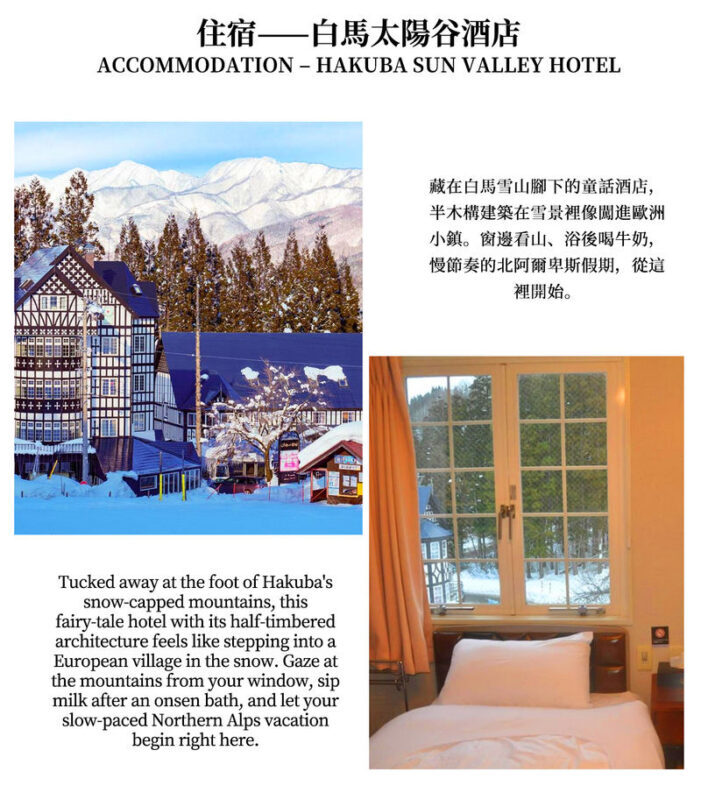
After Kamikochi, the tour heads to Hakuba Sun Valley Hotel, with arrival scheduled around 6:00 p.m. It is described as a clean, comfortable economy hotel, not a luxury resort, so set your expectations accordingly.
Dinner is served at the hotel and features local country-style food, with a kaiseki-style meal described for the stay. The menu can change with the season and available ingredients. For a two-day trip, having dinner and a bed arranged matters: it lets you recover rather than search for a restaurant after a full day outdoors.
Breakfast is scheduled for 6:30 a.m., before the early departure. If the timing means you cannot eat at the hotel, the tour provides a bento or a 1,000 yen voucher to buy breakfast. The food shown in any sample image may differ from what is available that day.
The overnight stop is practical rather than an attraction in itself. Its main value is putting you in position for the early start at Ogizawa, while the included meals reduce the number of decisions you need to make on a tightly scheduled trip.
Day two: crossing the Tateyama Kurobe Alpine Route
After breakfast, you travel by bus to Ogizawa Station and begin the Tateyama Kurobe Alpine Route, often called Japan’s Roof. Allow about five to six hours for the route itself. The experience is a succession of mountain transport, short walks, and changing views, not a single ride from one station to another.
The route begins with an electric bus from Ogizawa to Kurobe Dam. At the dam, you walk about 0.6 kilometers to Kurobe Lake, a roughly 15-minute stretch. This short walk breaks up the transit and brings you alongside one of the route’s defining sights, though weather and crowd conditions can affect how long you have to stop.
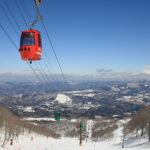
From Kurobe Lake, a cable car climbs to Kurobedaira in about five minutes. Then an aerial ropeway travels roughly 1.7 kilometers to Daikanbo, taking about seven minutes. These quick rides are part of the appeal: you gain height and see the mountain terrain from different angles without having to hike between every station.
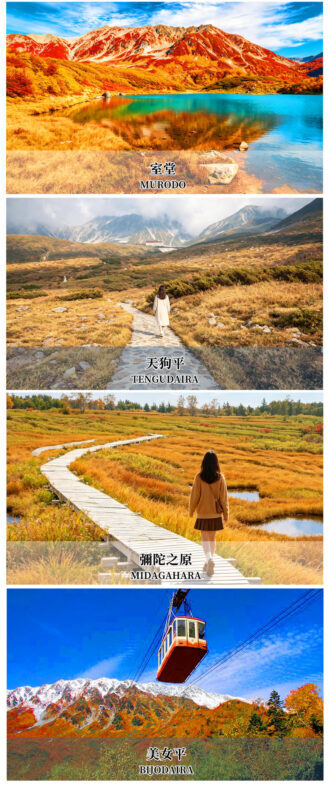
A tunnel bus takes you from Daikanbo to Murodo, followed by a highland bus down to Bijodaira. The highland bus section is listed as about 23 kilometers and 50 minutes. Taken together, the transport changes give you a taste of several ways people move through this steep alpine corridor, while saving you from organizing each transfer on your own.
The tour highlights six classic transport methods, including a mountain railway in its description of the experience. The detailed route provided for this trip lists the electric bus, cable car, ropeway, tunnel bus, highland bus, and the walk between Kurobe Dam and the lake. Follow the guide’s instructions at each handoff; the day depends on keeping the group moving between stations.
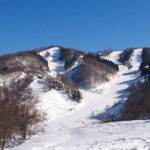
Murodo is the area associated with the snow wall, which can reach up to 20 meters at its highest. But this is an autumn hiking plan, and the snow wall’s height varies by season. Earlier visits in the spring generally offer a taller wall; an autumn departure should be booked for the fall scenery and mountain route, not on the assumption that a dramatic wall will be present.
You should also budget time realistically. The route takes about six hours, and the group may have only about an hour around the snow wall and nearby area on some departures. One spring trip found that the time was too short for both exploring and finding lunch. Bring a snack or plan to eat when the schedule allows, rather than counting on a leisurely meal stop.
Autumn color, weather, and what can change
The autumn plan runs from October to November, with the best color described as arriving from late September through October. Red leaves along valleys and lake shores can make the trip especially photogenic, but foliage timing shifts with weather and elevation. Do not expect every stop to peak at once.
Mountain weather can also change the feel of both days. The group may encounter rain in Kamikochi and clearer skies on the Alpine Route, or the reverse. Dress for the conditions rather than relying on a single forecast, and bring layers suited to a mountain day.
The operator may adjust the order, timing, or stops because of weather, traffic, holidays, crowds, cable car reservations, or closures. The Alpine Route departure time can change to fit reservations, and the guide may shorten the plan when conditions require it. You should treat the listed times as a working schedule, not a promise of a long stop at every point.
That is the central compromise of a shared tour: you get access to far-flung mountain sights without having to manage the logistics, but you surrender some freedom. This format works best if you value seeing both places in two days more than spending hours on one trail or choosing every stop yourself.
Guides, group size, and the pace of the trip
The group may be a small party of four to 13 people with a driver-guide, or a larger bus tour of 14 to 45 with a separate driver and guide. The exact setup depends on the number of bookings. When the driver-guide is also driving, their main job is the road, with explanations secondary.
Guides named in trip accounts include Amy and Zuo Sha. Amy was described as attentive, clear in her communication, and helpful with photos; Zuo Sha was praised for taking good care of the group. These names are useful context, not a guarantee of who will lead your departure.
Good group communication matters here more than on a simple city outing. You cross several stations and need to be at the right place at the right time. The group cannot wait for late arrivals, either at the Nagoya meeting point or during the tour, so arrive at least 15 minutes early and stay close to the guide.
One piece of luggage per person is included. Extra pieces cost 2,000 yen each and must be declared when booking; too much luggage may lead to refusal of boarding. There are no child seats, and anyone aged 70 or older must present a medical certificate before joining.
What the price includes, and what it does not
The ticket-free autumn package starts at $196.75. It covers the two-day tour arrangement, transport from Nagoya, the Hakuba overnight stay, meals as described, and guided support. The major extra is the Tateyama Kurobe Alpine Route ticket, which costs 10,900 yen per adult or 5,400 yen for children aged 6 to 11.
The guide prepares the tickets for purchase on the day, so you do not have to queue to arrange them yourself. That is helpful on a transfer-heavy route, but the price is still an added expense to include in your budget. A ticket-inclusive package is listed from $270.05, though you should check the exact package details and inclusions before booking.
For the total price, compare this with the cost and effort of arranging the Nagoya-to-mountain transport, hotel, meals, and Alpine Route connections separately. The tour offers clear value if you want both destinations and prefer to hand off the logistics. It is less compelling if you already have transport arranged or want the freedom to hike at your own pace.
Children aged two and older pay the adult rate. Infants under two can join without a separate seat charge, but they must be included in the passenger count. The tour is not recommended for people with limited mobility or for pregnant women, given the transfers and walking.
Should you book this two-day mountain trip?
Book it if you want a practical introduction to both Kamikochi and the Tateyama Kurobe Alpine Route, and you are happy to trade free time for a packed schedule. The combination of riverside walking, mountain transport, hotel meals, and Nagoya transfers is hard to match in a short trip without doing substantial planning yourself.
Choose the shorter Kamikochi walk if photography and a relaxed pace matter more than reaching Myojin Pond. Bring food for the Alpine Route in case the stop schedule leaves little time to find lunch, and keep your evening after the return to Nagoya free because arrival around 7:30 to 8:00 p.m. can shift with traffic.
If your dream is a long hike, a quiet afternoon in Kamikochi, or a full day exploring the snow wall, this tour will feel rushed. If you want two major alpine areas in one organized trip, and can keep to the group’s clock, it is a strong use of two days.
Tateyama Kurobe Autumn Viewing + Kamikochi Hiking Two-Day Tour: Experience 6 Major Alpine Transportation Methods (Departing from Nagoya)
“Tour guide Sister Amy explained everything in great detail. The scenery at Kamikochi is breathtaking, and taking the six types of Alpine transporta…”
FAQ
Is the Tateyama Kurobe Alpine Route ticket included?
Not in the ticket-free package. The stated cost is 10,900 yen per adult and 5,400 yen for children aged 6 to 11, payable to the guide on the day. A ticket-inclusive package is also offered.
How long do I have in Kamikochi?
You have about 3.5 to 4 hours of free time. The shorter Taisho Pond to Kappa Bridge walk takes about one to 1.5 hours, while the longer route toward Myojin Bridge and Myojin Pond takes about two to 2.5 hours.
What time does the tour leave Nagoya and return?
Departure is at 8:00 a.m. The return to Nagoya Station’s Taiko-dori Exit is scheduled for about 7:30 to 8:00 p.m. Traffic may change the arrival time.
Is the snow wall guaranteed to be tall in autumn?
No. Its height changes with the season, and earlier visits allow you to see a higher wall. The autumn plan is primarily for fall scenery and the Alpine Route.
What happens if Kamikochi is closed?
For the stated April 14 closure contingency, the tour changes to Shirakawa-go and Takayama, with about 1.5 hours in Shirakawa-go and two hours in Takayama. Closures or conditions on other dates may also lead to route changes.
What meals and accommodation are provided?
The stay is at Hakuba Sun Valley Hotel, an economy hotel, with dinner and breakfast. If an early departure prevents you from eating the hotel breakfast, a bento or a 1,000 yen voucher is provided.